
Review · KYOTO
Silent Beauty of Kyoto Zen Walk and Tea Experience
Kyoto feels different before breakfast. This three-hour walk links Yasaka Shrine, Kodaiji Temple, Rokudo Chinno-ji Temple, and Yasaka Pagoda with a one-hour tea ceremony, giving you both famous sights and quieter cultural context. I like the small group size, capped at eight, and the local English-speaking guide who explains meaning rather than simply pointing out buildings.
The $78.57 price is fair if you value interpretation and a guided tea experience, since admission is included at each stop. The main consideration is the early 7:30 am start and the need for moderate physical fitness, with much of the experience taking place on foot through Higashiyama’s stone streets.
Key points to know before booking
- Four major Higashiyama sights in one walk: Visit Yasaka Shrine, Kodaiji Temple, Rokudo Chinno-ji Temple, and the Yasaka Pagoda.
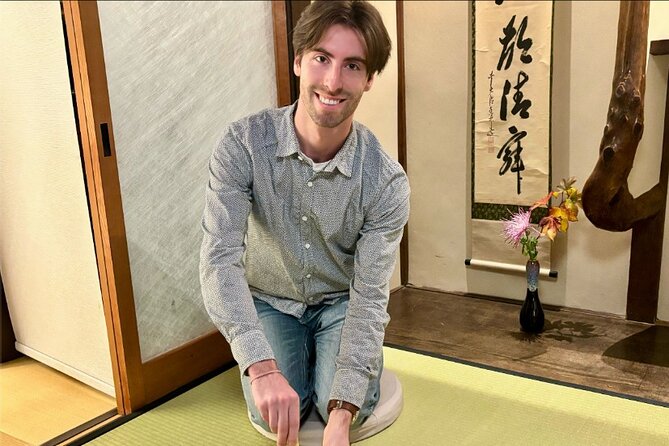
- A one-hour tea ceremony closes the morning: The session at Camellia Flower gives the tour a calm, hands-on cultural finish.
- Small groups make the guide’s stories easier to follow: The maximum group size is eight people.
- The route mixes famous views with unusual folklore: Rokudo Chinno-ji is known as the Gate to the Afterlife.
- A 7:30 am start helps you see Kyoto at a quieter hour: It also means setting an early alarm.
- Guide quality is a major strength: Yoshino, also identified as Taira Yoshino, is praised for clear English and strong explanations of Japanese culture.
Why this Higashiyama walk works so well
Kyoto can feel crowded and confusing, especially around its most photographed temples. This tour gives you a clear route through the historic Higashiyama district, beginning at Yasaka Shrine and ending at a tea house near Kiyomizu.
I like the shape of the morning. You begin with a major shrine, move through a Zen temple and a small temple tied to local beliefs, pause at one of Kyoto’s best-known views, then sit down for tea. The experience shifts from public worship to gardens, folklore, architecture, and finally ritual.
That variety gives the walk more purpose than a simple photo stop at the Yasaka Pagoda. You get some of Kyoto’s familiar images, but you also hear why these places matter. Guides Yoshino and Taira Yoshino receive especially strong praise for clear English, useful cultural explanations, and answering questions carefully.
The group limit of eight is another practical advantage. A guide can speak to the whole group without needing to compete with a large crowd, and you have a better chance of hearing details in narrow streets and temple grounds.
More Tea and Calligraphy Workshops in Japan
- Kyoto: Tea Ceremony Meditation – Make Matcha with Tea Master
★ 4.8 · 406 reviews - Kyoto Hidden Riverside Zen Mediation and Uji Matcha Experience
★ 5.0 · 9 reviews - Whisk Your Own Matcha: A Zen Matcha Experience at Temple
★ 3.6 · 7 reviews
Starting at Yasaka Shrine at 7:30 am
The meeting point is Yasaka Shrine at 625 Gionmachi Kitagawa in Kyoto’s Higashiyama Ward. The early start is important to understand before booking. You are not getting a lazy morning, but you are getting a chance to begin before the busiest part of the day.
Yasaka Shrine is about 1,300 years old and closely tied to Kyoto’s Gion district. Its vermilion gates and lanterns make an immediate visual impression, but the real value of a guide here is learning how the shrine connects with traditional Kyoto culture.
Plan on about 30 minutes at the shrine. That is enough for an introduction, a look at the main features, and an explanation of the site’s role. It is not enough for an unhurried exploration of every corner, so you should treat this as a focused visit rather than a full shrine tour.
The morning light can also give this first stop a gentler feel than a midday visit. I would arrive a little early, since the tour starts at the shrine and there is no advantage in beginning the day by rushing through Gion.
Kodaiji Temple and its Zen garden
The next stop is Kodaiji Temple, built in 1606. You spend about 30 minutes here, with admission included.
Kodaiji is known for elegant gardens, raked gravel, ponds, and trees that change with the seasons. Cherry blossoms and maple leaves are part of the appeal, though the exact appearance depends on when you visit. The garden is the kind of place where a guide’s explanation helps you notice design choices that might otherwise pass by as simply beautiful scenery.
This stop also brings a different mood from Yasaka Shrine. The shrine feels tied to public religious life and the energy of Gion. Kodaiji offers a more measured setting, with garden composition and Zen ideas taking center stage.
Thirty minutes is a useful introduction, but not a deep study of the temple complex. If gardens are your main reason for visiting Kyoto, you may want a separate, longer visit elsewhere. For a compact walking tour, though, Kodaiji adds visual calm and gives the route a strong cultural contrast.
Rokudo Chinno-ji and Kyoto’s afterlife traditions
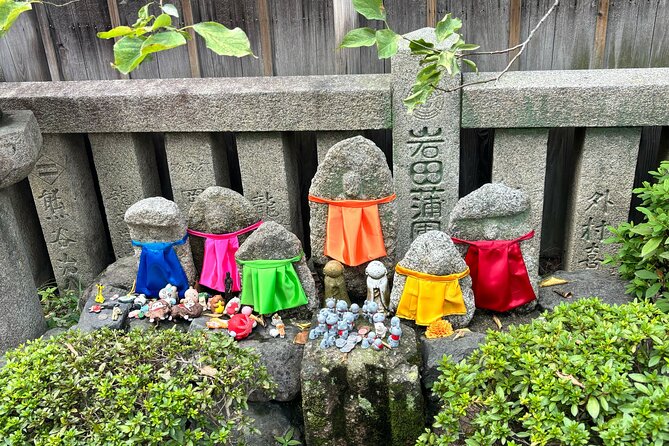
Rokudo Chinno-ji Temple is one of the more unusual stops. It is a small temple in Higashiyama, known as the Gate to the Afterlife because local belief places it near the boundary between the world of the living and the dead.
This is where the tour moves beyond standard sightseeing. Instead of only discussing architecture or dates, the guide can explain legends and beliefs connected with the place. Those stories help you see Kyoto as a city shaped not just by grand temples, but also by folklore, memory, and ideas about death.
The stop lasts about 30 minutes. Because the temple is small, the experience is likely to feel more focused than a visit to a major complex. You should not expect a large collection of buildings or an extended visit. The appeal is the atmosphere and the story attached to the site.
I especially like that this temple appears in the route. Many first-time visitors concentrate on the best-known landmarks and miss places that reveal how local traditions developed. If you enjoy unusual cultural details, this may become one of the morning’s most memorable stops.
More Tea and Calligraphy Workshops in Kyoto
- Kyoto: Nighttime Zen Meditation and Matcha Tea Experience
★ 5.0 · 7 reviews - Kyoto: Make Zen Garden and Taste Matcha in Pottery Shop
★ 5.0 · 5 reviews - Kyoto Tea ceremony with Japanese Flower Arrangement Ikebana
★ 5.0 · 3 reviews - Tea ceremony at Kyoto’s Zen Temple Teahouse
★ 5.0 · 2 reviews
Standing beneath the Yasaka Pagoda
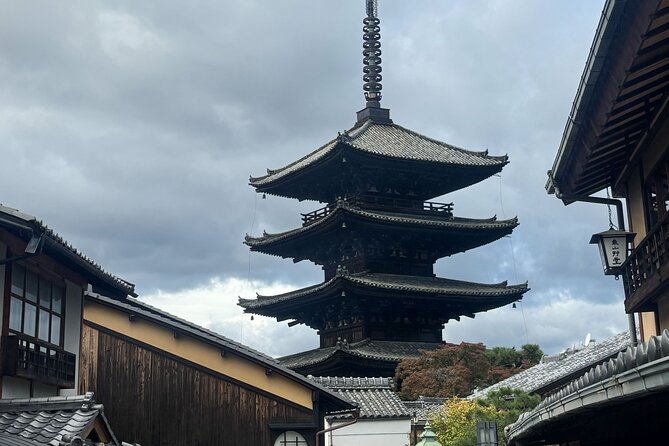
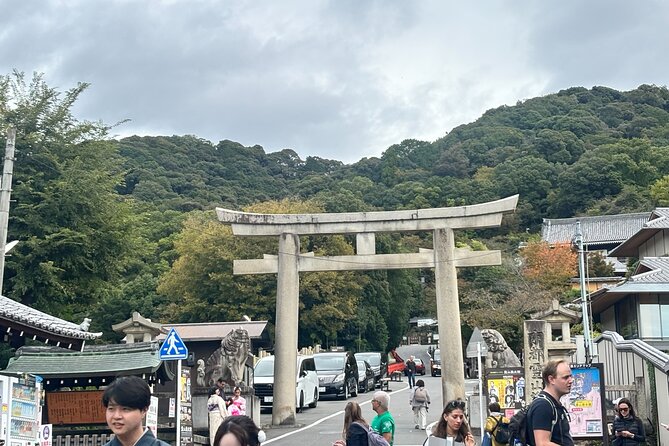
Hōkan-ji Temple, better known as the Yasaka Pagoda, is the visual centerpiece of the walk. Its five-story structure rises above the traditional streets of Higashiyama and is one of Kyoto’s most photographed landmarks.
You spend around 30 minutes here, with admission included. The pagoda is especially striking from the surrounding streets, where wooden houses and narrow lanes frame the view. This is the part of the tour most likely to fill your camera roll, but the guide’s context keeps it from being only a photo opportunity.
The pagoda also shows why walking is the right way to experience this part of Kyoto. A bus can bring you near a famous sight, but it cannot give you the same sense of how the landmark relates to the older streets around it. The route lets you move through the district at ground level, where the scale and texture of Higashiyama become part of the experience.
Keep expectations sensible. The supplied details emphasize the pagoda and its setting, not a long interior visit. Think of this stop as a chance to see one of Kyoto’s classic views and understand its place within the district.
A one-hour tea ceremony at Camellia Flower
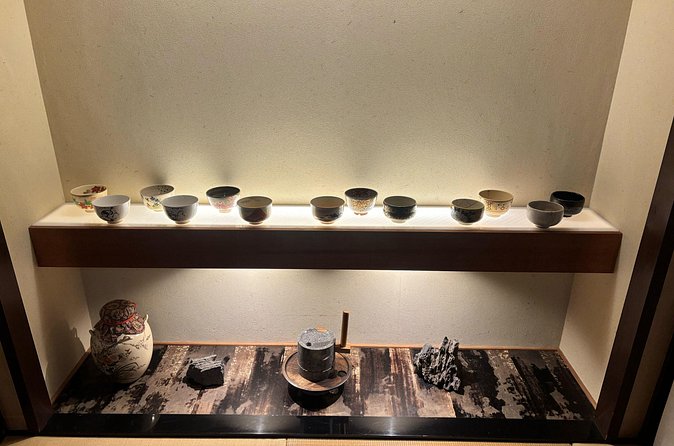
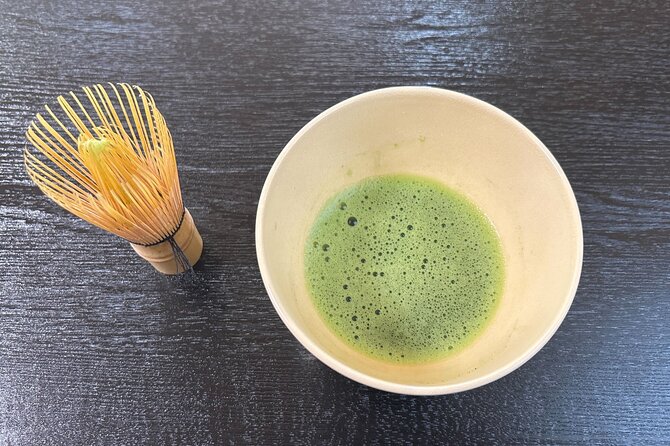
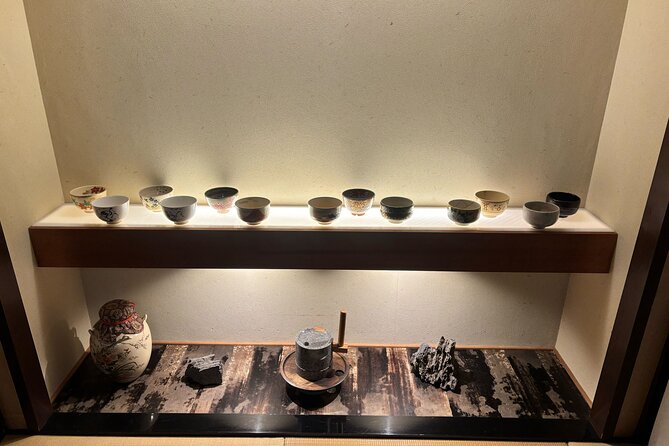
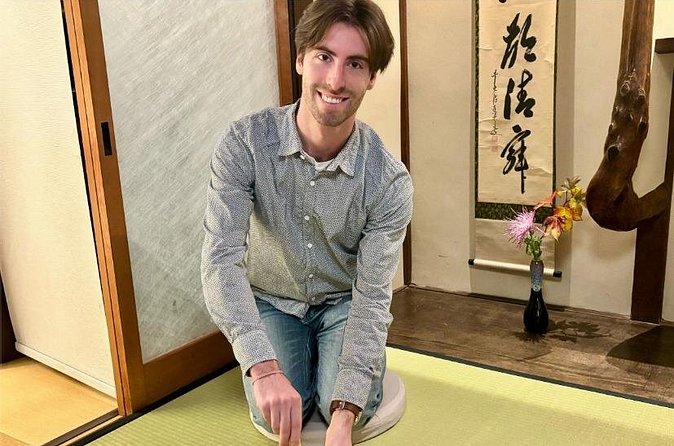
The final hour takes place at Camellia Flower, a tea house in the historic Higashiyama district. This is more than a short refreshment break. Under the direction of a tea master, you learn about the preparation and presentation of Japanese tea.
The tea ceremony gives the morning a slower ending. After moving through shrines, gardens, streets, and temples, you sit down and focus on a carefully ordered tradition. That change of pace is one of the strongest reasons to choose this experience instead of a sightseeing walk alone.
A one-hour session is long enough to make the tea ceremony a real part of the tour rather than an afterthought. You can pay attention to the movements, the setting, and the ideas behind the ritual. The available information does not specify every step of the ceremony, so I would avoid expecting a private lesson or an advanced workshop. It is best understood as a guided introduction to Japanese tea culture.
The tour ends at the tea ceremony location, listed at 4-chōme-172-7 Kiyomizu in Higashiyama Ward. This matters for planning: you do not return to Yasaka Shrine after the tea. If you have another booking, check the route and timing from the Kiyomizu area rather than from the starting point.
What the $78.57 price includes
At $78.57 per person, this is not the cheapest way to walk around Higashiyama. You could visit many Kyoto sights independently for less, especially if you already know the area and do not want a tea ceremony.
The value comes from combining several elements in one morning:
- A local English-speaking guide
- A maximum group size of eight
- Admission tickets at the four sightseeing stops
- A one-hour tea ceremony
- A planned route through four distinct cultural sites
The guide is the key part of the calculation. If you only want photographs of Yasaka Shrine and the pagoda, the price may feel high. If you want help understanding shrine customs, Zen garden design, local afterlife beliefs, and tea culture, the cost is more reasonable.
The positive feedback about Yoshino and Taira Yoshino is useful here. Clear spoken English matters on a tour built around stories and cultural explanation. A guide who can answer questions and explain why a site matters adds much more value than someone who only keeps the group moving.
Walking demands, timing, and group size
The experience lasts about three hours and requires moderate physical fitness. The information does not provide a total distance or a detailed accessibility description, so you should be prepared for a walking route through Higashiyama’s narrow stone streets and temple areas.
Comfortable shoes are a sensible choice. The early start also makes breakfast planning important. Since the tour begins at 7:30 am, arrange something quick before meeting at Yasaka Shrine or confirm what works for you locally.
The small group limit of eight is a strong practical feature. You are less likely to lose the guide’s voice, and the group can move through narrow streets without the awkward feel of a large organized procession. It also suits people who prefer asking questions instead of staying silent at the back.
The mobile ticket keeps the entry process simple, though you should have your confirmation available on your phone. Confirmation is provided at booking.
Who should book this Kyoto experience?
I would recommend it to a first-time Kyoto visitor who wants an organized introduction to Higashiyama without spending half a day on a large group bus. It also suits anyone who wants cultural explanation along with the major sights.
The tour is a good match for you if you:
- Prefer a small group to a large sightseeing operation
- Want an English-speaking local guide
- Enjoy temples, shrines, gardens, and traditional streets
- Are curious about Japanese religious beliefs and folklore
- Want a tea ceremony included in the same morning
- Can manage moderate walking and an early start
It may be less suitable if you prefer a slow, independent schedule. Each sightseeing stop lasts about 30 minutes, so you will not have unlimited time for photography or quiet reflection. Garden enthusiasts may also want more time at Kodaiji than the route allows.
The tour is also not ideal for someone looking only for a tea lesson. The tea ceremony lasts one hour, but the first two hours are devoted to walking and sightseeing.
My final call: a strong choice for cultural context
You should book this tour if you want Kyoto’s famous Higashiyama sights explained by a guide, not simply checked off a list. The combination of Yasaka Shrine, Kodaiji’s garden, Rokudo Chinno-ji, the Yasaka Pagoda, and a tea ceremony gives you a well-shaped morning with plenty of variety.
I especially like the small group, the unusual stop at Rokudo Chinno-ji, and the reported clarity of Yoshino and Taira Yoshino. The main tradeoffs are the 7:30 am start, moderate walking, and limited time at each temple.
At $78.57, the experience makes the most sense for someone who values interpretation and convenience. If that sounds like you, it offers a focused way to meet Kyoto’s spiritual and cultural traditions before the day becomes crowded. Free cancellation is available if you cancel at least 24 hours before the start time, which gives you some flexibility when planning.
FAQ
How long does the Kyoto Zen walk and tea experience last?
The experience lasts approximately three hours.
What time does the tour begin?
The tour begins at 7:30 am.
Where does the tour start?
It starts at Yasaka Shrine, 625 Gionmachi Kitagawa, Higashiyama Ward, Kyoto, 605-0073, Japan.
Where does the tour end?
It ends at the tea ceremony location, listed at 4-chōme-172-7 Kiyomizu, Higashiyama Ward, Kyoto, 605-0862, Japan.
Which places are visited during the walking portion?
The route includes Yasaka Shrine, Kodaiji Temple, Rokudo Chinno-ji Temple, and Hōkan-ji Temple, also known as the Yasaka Pagoda.
How long is the tea ceremony?
The tea ceremony at Camellia Flower lasts one hour.
Is the tour conducted in English?
Yes. The experience is led by a local English-speaking guide.
How many people can join the tour?
The maximum group size is eight people.
Can I cancel for a full refund?
Yes. You can receive a full refund if you cancel at least 24 hours before the experience start time. Changes or cancellations made less than 24 hours before the start time are not accepted for a refund.
More Walking Tours in Kyoto
- Kyoto Tea Ceremony & Kiyomizu-dera Temple Walking Tour
★ 5.0 · 115 reviews - The Way of Tea: Kyoto Crafts, Hidden Temples & Wabi-Sabi Walk
★ 5.0 · 41 reviews - Matcha Grinding Experience and Walking Tour in Uji Kyoto
★ 5.0 · 26 reviews - Kyoto Gion Tea ceremony & Wabi-sabi Walking Tour
★ 4.5 · 7 reviews
Just added around Kyoto
- Uji Walking Tour – Byodo-in temple and Tea Ceremony from Kyoto★ 3.5 · 3 reviews
- Tea ceremony at Kyoto’s Zen Temple Teahouse★ 5.0 · 2 reviews
- Kyoto: Authentic Tea Ceremony in a Small Group★ 5.0 · 7 reviews
- Tea Ceremony in 150 Years Old Townhouse with Tables and Chairs★ 5.0 · 22 reviews
- Tea Ceremony Experience in Traditional Kyoto Townhouse★ 5.0 · 19 reviews
- Traditional Tea Ceremony in Kyoto★ 4.5 · 3 reviews
- Kyoto Private Tea Ceremony at a Japanese Inns★ 5.0 · 12 reviews
- Kyoto Newly Opened Private Tea Ceremony – Sanjo Chasuian★ 5.0 · 2 reviews
Tea and Calligraphy Workshops in Japan, compared.

Tea Ceremony Meditation – Make Matcha with Tea Master
Read our review →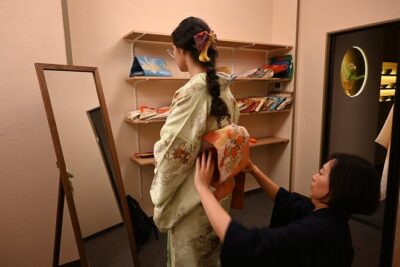
Tea Ceremony, Calligraphy, and Kimono Experience
Read our review →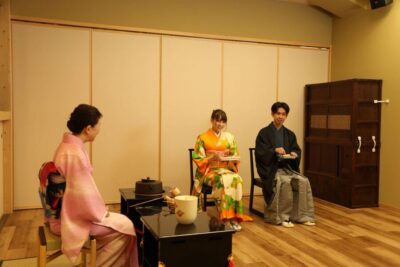
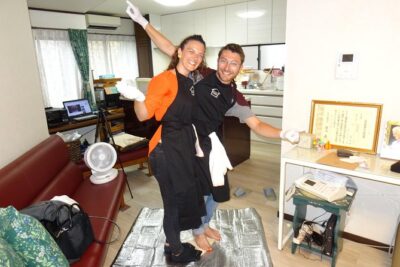
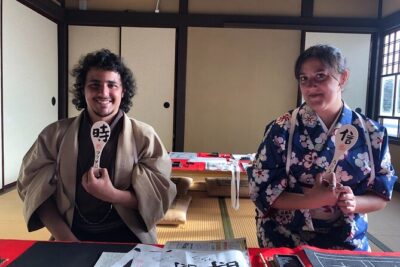
An Amazing set of Cultural experience: Kimono, Tea Ceremony and Calligraphy
Read our review →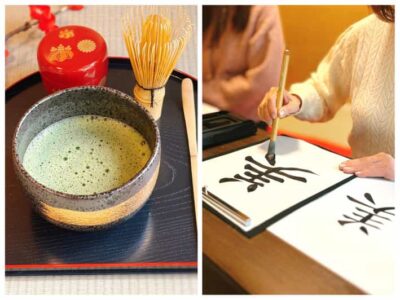
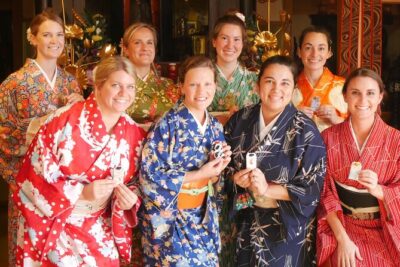
Cultural Activities :Kimono, tea ceremony, Calligraphy and Amulet
Read our review →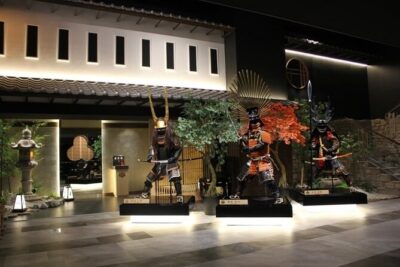
Samurai dress-up and shows, plus Tea Ceremony & Calligraphy
Read our review →Browse the lists this tour appears in