
Review · TOKYO
Tokyo: Practicing Zen with a Japanese Tea Ceremony
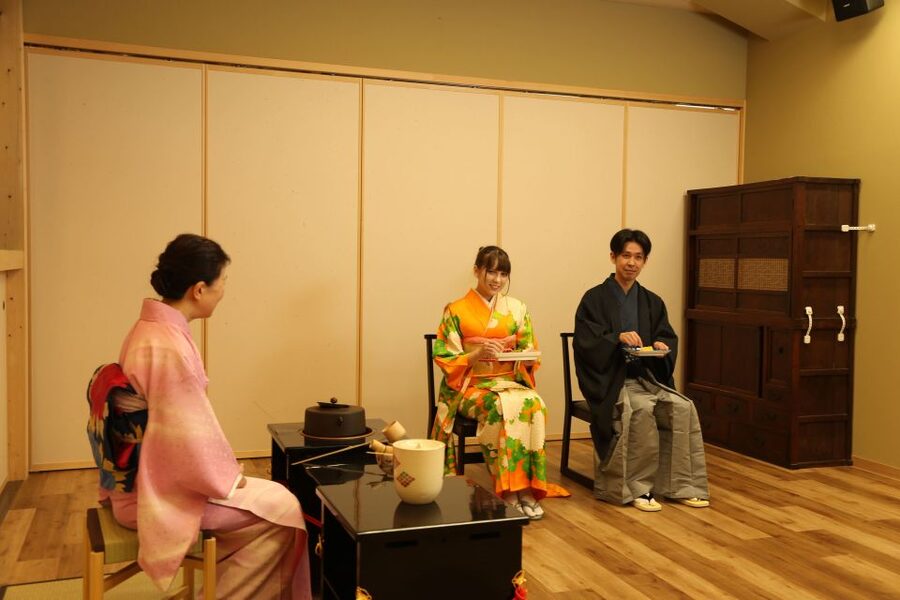
Slow down in the middle of Tokyo. This 75-minute tea experience brings you into the careful world of matcha, Japanese sweets, Zen ideas, and quiet ritual. You watch an expert prepare the tea, learn why each movement matters, then perform a ceremony yourself with guidance.
I like the small group of up to 10 people, which makes it easier to see the utensils and ask questions. I also like the practical format: you do not simply watch a polished demonstration, you get to handle the process yourself. The main consideration is the setting. One past participant heard noise from an activity next door, so the room may not always provide perfect silence.
The $63 price is fair if you want more than a cup of tea and a photo opportunity. You receive sweets, matcha, instruction about Zen and Japanese art, and a second ceremony led by you. Seats are available for people who prefer not to sit on the floor, and the venue is wheelchair accessible.
Key Points To Know Before Booking
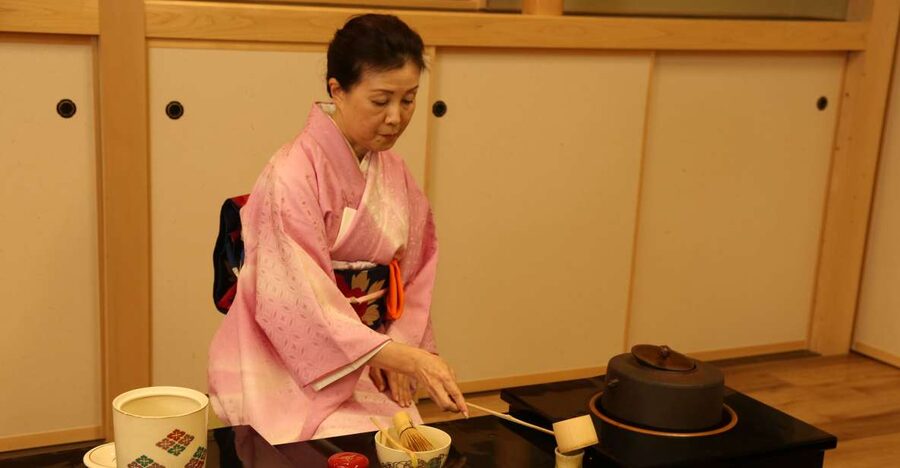
- You perform the ceremony yourself: After watching the instructor, you prepare a second bowl of matcha with step-by-step help.
- The Zen connection is explained: The session links tea preparation with calm attention, Japanese art, architecture, and daily practice.
- Traditional sweets come first: A specially paired Japanese confection helps balance the taste of the green tea.
- Small groups keep the lesson personal: The maximum group size is 10, so you should be able to see and hear the demonstration.
- Chairs are available: You do not have to sit on the floor throughout the experience.
- The meeting point is easy to identify: Meet at the main entrance of Kikai Shinko Kaikan, directly opposite Tokyo Tower.
What This Tea Ceremony Actually Offers
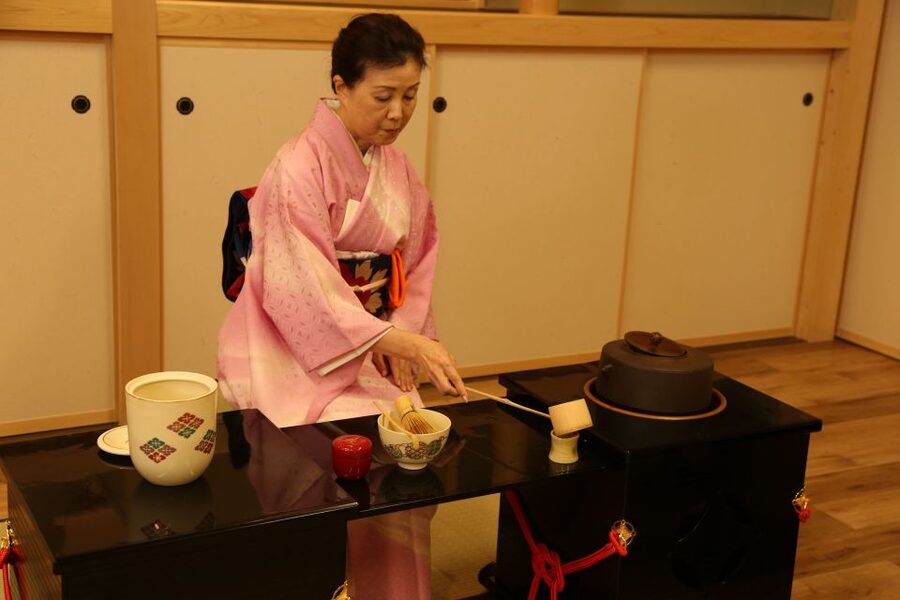
Many tea experiences in Tokyo are short demonstrations. You sit, watch an expert whisk matcha, accept a sweet, and leave with a few photographs. This session goes a useful step further by asking you to recreate part of the ceremony yourself.
That change matters. When you hold the utensils and follow the sequence, the ceremony stops looking like a series of mysterious gestures. You begin to notice the order, care, and restraint behind each action.
The session also gives you cultural context. Your English-speaking instructor explains the relationship between the tea ceremony and Zen Buddhism, along with the role the practice has played in Japanese society. You are not expected to know the rules in advance, and the lesson is designed for beginners.
The tone appears to be friendly rather than stern. Past sessions included instructors named Junko, Ken, and Midori, and the praise for their clear, warm teaching is consistent. The instructors explain the history and purpose of the ceremony, not just the mechanics.
More Tea and Calligraphy Workshops in Japan
Meeting Opposite Tokyo Tower
You meet at the main entrance of the Kikai Shinko Kaikan building on the first floor. The building is directly opposite Tokyo Tower, which gives you a useful landmark in an area where large city buildings can otherwise look much alike.
If you cannot locate your instructor at the entrance, go to True Japan Tour in Room B109 on the basement level. That backup point is worth remembering before you arrive, especially if you are working around a tight Tokyo schedule.
Transportation is not included, so you make your own way to the building. The experience itself lasts 75 minutes, and starting times vary, so check the available time before booking. I would allow a little extra time to find the building and reach the meeting point without rushing.
The location also makes this easy to pair with a Tokyo Tower visit. You can see the tower before or after the tea session, but do not treat the ceremony as a quick add-on if you want its quieter mood. Give yourself enough time to arrive settled rather than breathless from a hurried walk.
The Opening Demonstration: Watch Before You Whisk
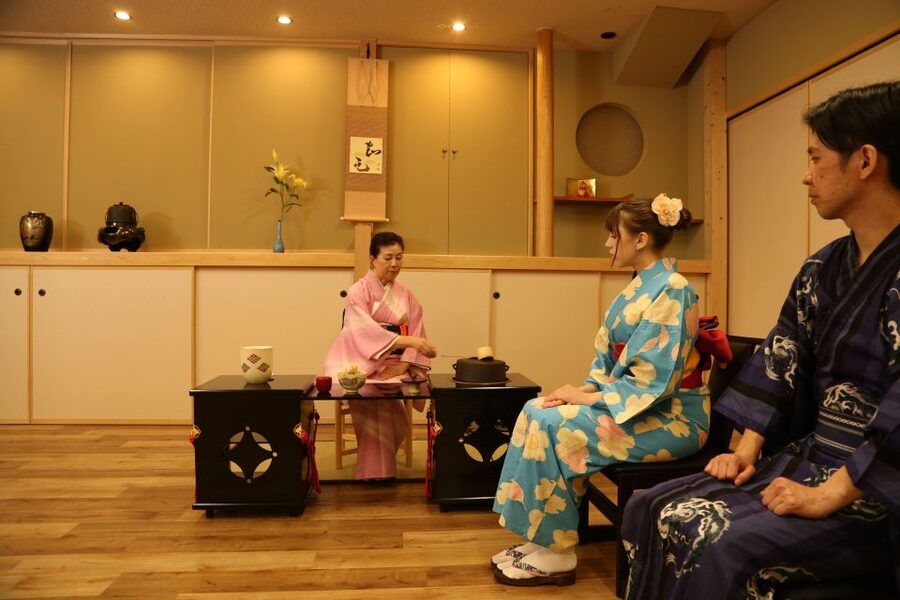
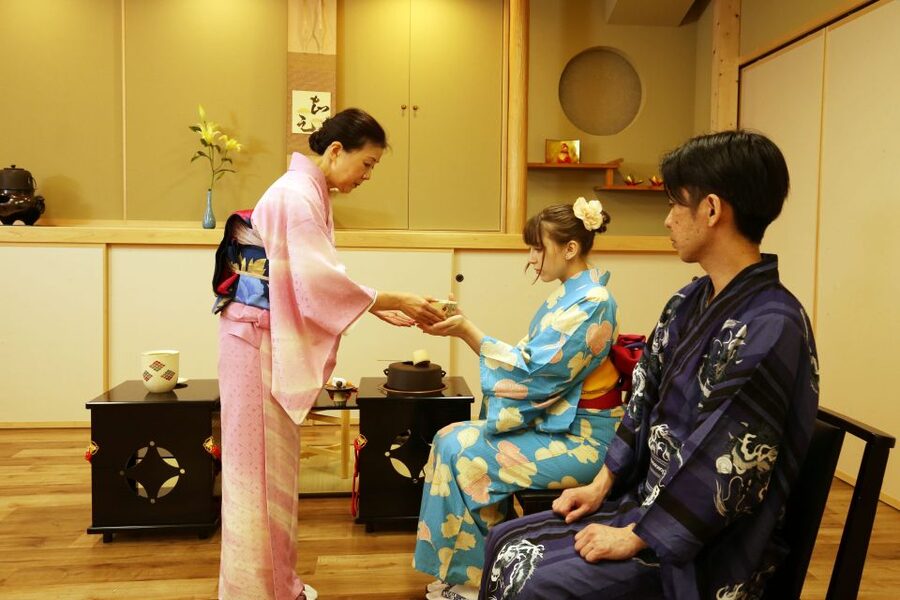
The first part centers on demonstration and explanation. Your instructor prepares matcha while showing the movements that give the ceremony its distinctive rhythm. You learn about the utensils, the order of actions, and the small details that shape the experience.
This is where the lesson earns much of its value. Without explanation, tea ceremony gestures can seem overly formal. With context, the care begins to make sense. The movements are not simply decoration. They express attention to the guest, respect for the tools, and concentration on the present moment.
You also learn how Japanese art and architecture express Zen ideas. The supplied information does not promise a full course in Buddhist philosophy, so you should expect an accessible introduction rather than a long religious lecture. Still, the link gives the ceremony more meaning than a standard tasting.
The instructor prepares green tea for you to taste, and the ceremony includes a traditional Japanese sweet selected to go with it. The sweet is not an extra snack tacked onto the lesson. It is part of the traditional order of the experience, helping balance the strong, grassy character of matcha.
Matcha, Sweets, and the Pace of the Room
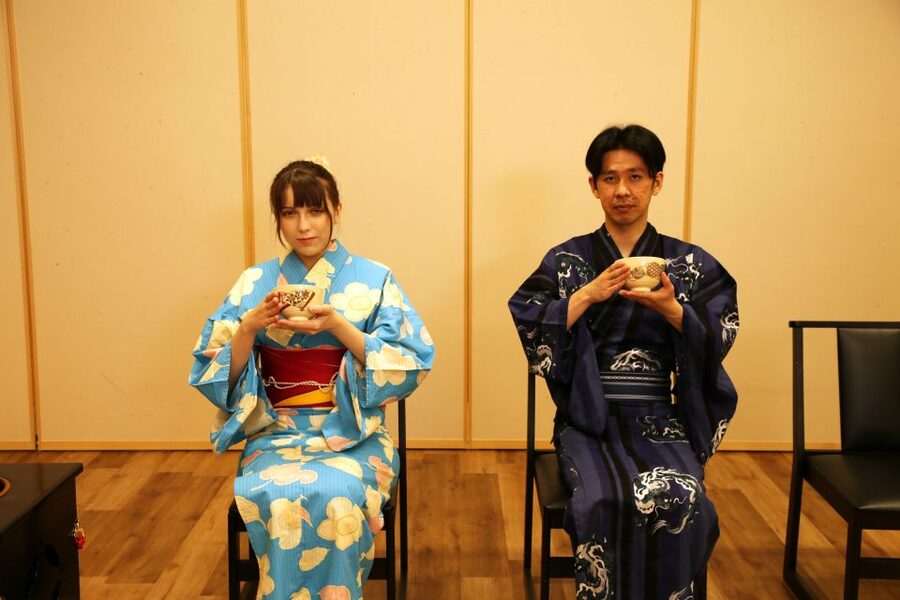
Matcha is not like the mild tea served in a hotel lobby. Its flavor can be powerful, and the sweet gives your palate a different starting point. You will have the chance to appreciate both as part of the ceremony rather than rushing through a tasting.
The room is intended to feel like a tearoom, according to the practical feedback from past participants. One person especially appreciated that the space worked for people who could sit on the floor and for someone who could not. That makes the setting more welcoming than a traditional floor-only arrangement.
There is one possible tradeoff. A past participant heard another activity through the wall and felt it interrupted the calm. The experience includes a rule against making noise, which tells you that quiet is important, but the surrounding venue may not always be perfectly soundproof.
I would set realistic expectations here. This is a guided cultural class in a Tokyo building, not necessarily a secluded tea house in a mountain temple. The ceremony can still feel calm and focused, but the wider environment may occasionally remind you that you are in the city.
More Tea Ceremonies in Tokyo
- Kimono Tea Ceremony at Tokyo, Asakusa Maikoya
★ 5.0 · 638 reviews - Tokyo: Traditional Tea Ceremony with a Tea Master
★ 5.0 · 528 reviews - Tea Ceremony Workshop in Tokyo by the Experienced Instrucor
★ 5.0 · 189 reviews - Asakusa: Kimono Tea Ceremony with Matcha and Sweet
★ 4.9 · 153 reviews
Your Turn To Conduct the Ceremony
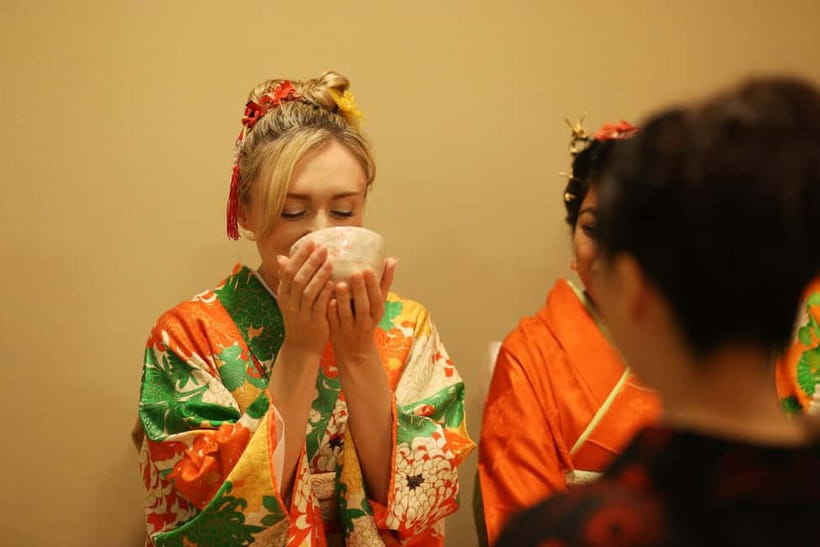
The second ceremony is the heart of the session. After watching the instructor, you have a go yourself with expert guidance. You learn how to use the utensils and follow the correct sequence while the instructor helps you through each stage.
This is not a test. The point is not to achieve perfect form in one attempt. It is to understand the logic of the ritual and experience the focus required to perform it.
The hands-on format also makes the activity more memorable. You are likely to remember the feel of preparing the tea far better than a list of facts about Zen. The instructor can correct small mistakes as they occur, which is much more useful than trying to copy the motions from a distance.
Past sessions received praise for explaining not only what to do, but why each part is done. That distinction matters. You learn the meaning behind the movements instead of treating the ceremony as a set of rules to imitate.
The experience seems especially suited to people who enjoy craft, etiquette, food traditions, or cultural history. It also works for couples, families with older children, and solo visitors who prefer a structured activity. Children under four are not allowed, and the quiet format may not suit very young children.
The Zen Lesson: Calm Without Making It Complicated
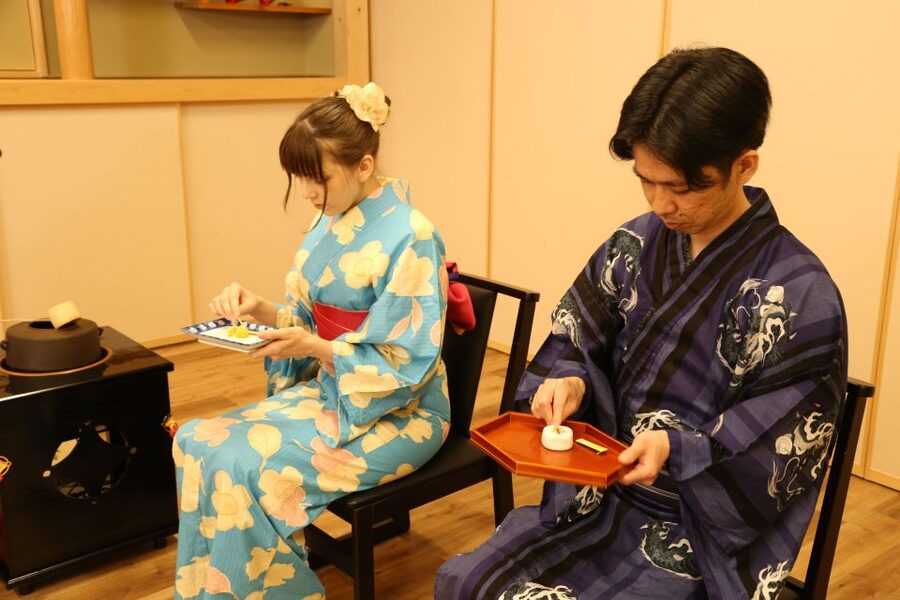
Zen is often presented to visitors in vague language. Here, the connection is more practical. The tea ceremony asks you to pay attention to the bowl, the utensils, the movements, the guest, and the moment in front of you.
You learn how the practice relates to Zen Buddhism and why it remains part of Japanese society. The lesson does not turn the ceremony into a performance of spirituality. Instead, it gives you a way to understand why so much care goes into a simple act of making and serving tea.
One participant felt that the Zen exercise itself was too short. That is a useful warning. If your main goal is meditation or a long period of silent reflection, this may not satisfy you. The session is primarily a tea ceremony class with a Zen connection, not an extended retreat.
Still, the calm can continue after you leave. One participant felt the effect of the experience for the rest of the day, which points to the value of the format. The ritual slows your attention without asking you to spend half a day away from Tokyo.
Why the Small Group Size Matters
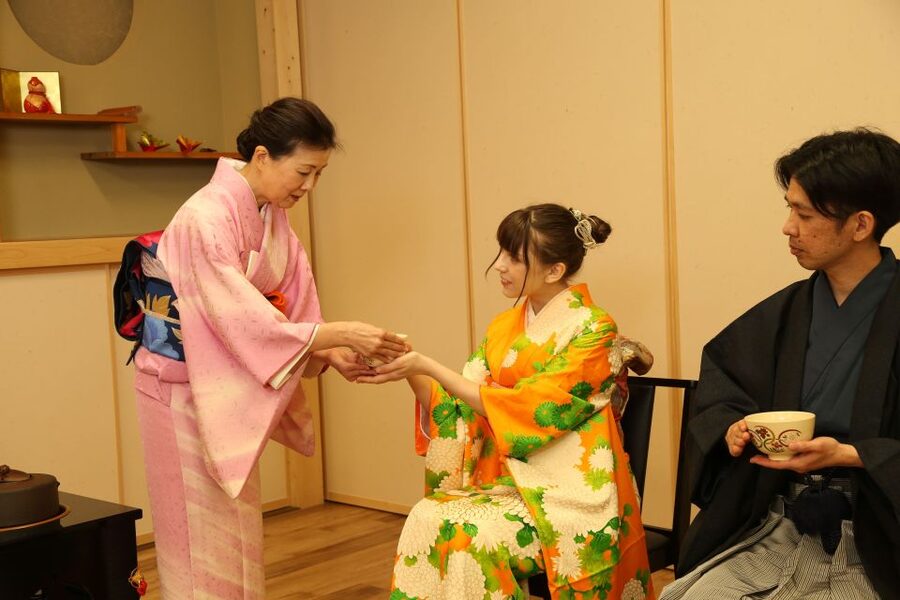
The maximum group size is 10 people. That is small enough for the instructor to demonstrate the utensils clearly and guide participants through their own preparation.
A smaller class also helps with questions. You can ask about the history, the tools, the meaning of a movement, or the connection to Zen without trying to catch an instructor at the back of a large room.
The exact atmosphere depends on who attends. A group of 10 is not private, and a quiet ceremony may feel less intimate than a one-on-one lesson. Past sessions have included private-feeling instruction, but you should not assume every booking will be private.
The small format does offer a good balance. You receive personal help while still sharing a cultural experience with other people. For many first-time visitors, that is more comfortable than being alone with an instructor.
Accessibility and Sitting Comfort
You do not need to sit on the floor for the entire activity. Seats are available for people who prefer chairs, and the experience is listed as wheelchair accessible.
That is an important practical detail because traditional tea ceremonies can involve floor seating. If you have mobility needs, the stated accessibility is encouraging, though you should still communicate any specific requirements when booking since the available information does not describe every feature of the building.
The experience is also suitable for people with no prior knowledge of Japanese tea culture. Several past participants began with little or no understanding and found the explanations clear. You do not need to memorize etiquette before arriving.
The main behavior rule is simple: do not make noise. That rule supports the quiet mood and means this is not a good pick for anyone looking for a loud, casual food activity.
Is $63 Good Value in Tokyo?
At $63 per person, this is not the cheapest way to taste matcha. You could find tea and sweets elsewhere for less money. The price makes more sense when you count the instruction, the Zen and cultural explanation, the traditional confection, the small group, and your own chance to perform the ceremony.
I consider it good value for someone who wants context and participation. You are paying for a lesson, not just refreshments. The ability to conduct a second ceremony yourself gives the session a clear practical benefit.
The value is weaker if you only want a quick sample of matcha or a formal demonstration for photographs. In that case, 75 minutes may feel longer than necessary, especially if you are trying to fit several Tokyo sights into one day.
The free cancellation option up to 24 hours before the activity also gives you some flexibility. You can reserve now and pay later, which may help if your Tokyo schedule is still changing. Those booking terms are useful, but the real value depends on whether you want to learn the practice rather than simply observe it.
Who Should Book This Experience?
I would recommend it to first-time visitors who want a respectful introduction to Japanese culture without committing to a full-day excursion. It suits people who enjoy learning by doing and anyone curious about the connection between religion, art, etiquette, and food.
It is also a good choice if you want a calm break from Tokyo sightseeing. The meeting point opposite Tokyo Tower makes it easy to add to a day in the area, and the 75-minute length does not consume your entire afternoon.
You may want to skip it if you dislike quiet, formal activities or have no interest in following a set sequence. The experience asks you to pay attention and avoid making noise. That is part of its appeal, but it will not suit every mood.
I would also be cautious about booking it solely for meditation. The Zen component is meaningful but brief, and the main focus remains the preparation and appreciation of tea.
Final Verdict: A Hands-On Introduction Worth Your Time
Book this tea ceremony if you want to understand what you are seeing, not merely watch an attractive ritual. The strongest parts are the clear English instruction, the chance to prepare tea yourself, the small class size, and the explanation of why the ceremony matters.
The possible noise from neighboring activities is the only clear drawback in the available feedback, and the Zen exercise may feel short to visitors seeking extended meditation. Even so, the $63 price is reasonable for a focused cultural lesson with sweets, matcha, and personal guidance.
For a first encounter with Japanese tea ceremony, this offers the right mix of structure and participation. You leave with more than a taste of green tea. You have practiced a small act of patience and attention, which is exactly the point.
FAQ
How long does the Japanese tea ceremony last?
The experience lasts 75 minutes.
How much does the experience cost?
The price is $63 per person.
Where is the meeting point?
Meet your instructor at the main entrance of the Kikai Shinko Kaikan building on the first floor, directly opposite Tokyo Tower.
What should I do if I cannot find the instructor?
Go to True Japan Tour in Room B109 on the B1 floor of the Kikai Shinko Kaikan building.
Is transportation included?
No. Transportation to and from the meeting point is not included.
Is the experience conducted in English?
Yes. The instructor language is English.
How many people can join the group?
The group is limited to 10 participants.
Do I have to sit on the floor?
No. Seats are available for people who prefer not to sit on the floor.
Is the experience wheelchair accessible?
Yes. The activity is listed as wheelchair accessible.
Can children join the tea ceremony?
Children under four years old are not allowed to participate.
What is included in the price?
The experience includes the tea ceremony, traditional sweets, matcha green tea, and a second tea ceremony performed by you with guidance.
Can I cancel my booking?
Yes. You can cancel up to 24 hours in advance for a full refund.
Can I reserve now and pay later?
Yes. The reserve now and pay later option allows you to keep your plans flexible and pay nothing at the time of booking.
More Tea and Calligraphy Workshops in Tokyo
- Japan’s Customs of Ikebana Art, Tea Ceremony & Kimono Welcome
★ 5.0 · 2 reviews - Kyoto: Tea Ceremony Meditation – Make Matcha with Tea Master
★ 4.8 · 406 reviews - Osaka: Tea Ceremony, Calligraphy, and Kimono Experience
★ 4.9 · 130 reviews - An Amazing set of Cultural experience: Kimono, Tea Ceremony and Calligraphy
★ 5.0 · 69 reviews
Just added around Tokyo
- Yokohama : Tea Ceremony with Sweets and Souvenir★ 5.0 · 5 reviews
- Walking Tour: Yanaka,Nezu& Sendagi: Tea Ceremony & Old Tokyo★ 5.0 · 3 reviews
- Private Kimono and tea ceremony at local home near Tokyo Disney★ 5.0 · 6 reviews
- Private Mochi・Matcha sweets Making Class Near Shibuya Area★ 5.0 · 22 reviews
- Tokyo Sweets Tour: Hidden Gems & Matcha at an Old Tea House★ 5.0 · 6 reviews
- Kimono and Tea Ceremony in Asakusa Private Food Tour With Guide★ 5.0 · 4 reviews
- 2 Hours Mochi &Nerikiri Making & Matcha Class in Bunkyo★ 5.0 · 21 reviews
- Tokyo Tea Ceremony Class at a Traditional Tea Room★ 5.0 · 2 reviews
Tea Ceremonies in Tokyo, compared.
Tea Ceremony Workshop in Tokyo by the Experienced Instrucor
Read our review →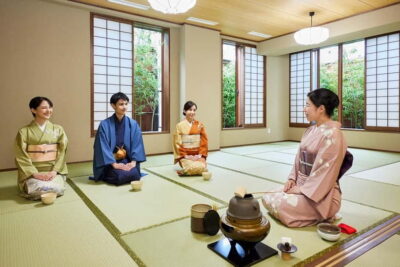
Asakusa: Kimono Tea Ceremony with Matcha and Sweet
Read our review →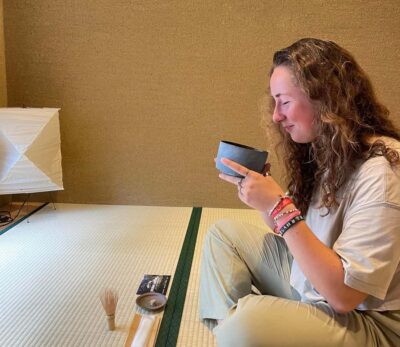
Tea Ceremony Experience in a Private Tea Room in Shibuya
Read our review →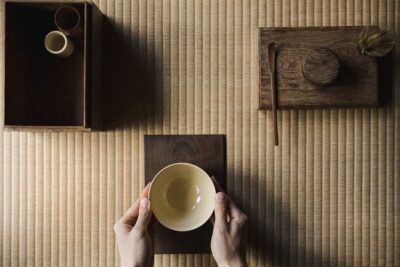
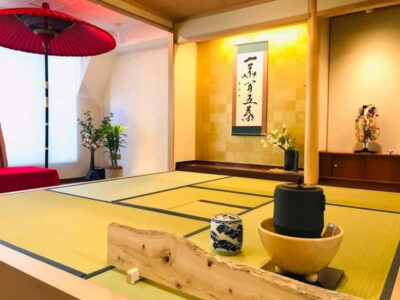
Tea ceremony experience in Japanese-style room 60min
Read our review →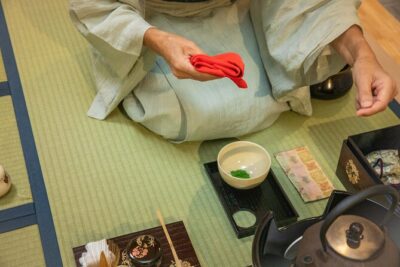
Browse the lists this tour appears in