Review · OSAKA
Osaka: Private Tea Ceremony and Calligraphy Experience
Slow down in Osaka for a while. This 135-minute private experience pairs a traditional tea ceremony with hands-on Japanese calligraphy, giving you a quiet change of pace from Namba’s shopping streets. I especially like the personal attention from instructor Wanoma and the chance to turn your name into kanji based on your personality.
The tea session is not just a tasting. You learn how to prepare matcha, choose a tea bowl, and make your own drink, with Japanese sweets served along the way. The finished calligraphy artwork is a useful souvenir, too. The main consideration is that the experience is not suitable for wheelchair users, and you must remove your shoes or otherwise wear socks, so come prepared.
Key things to know before booking
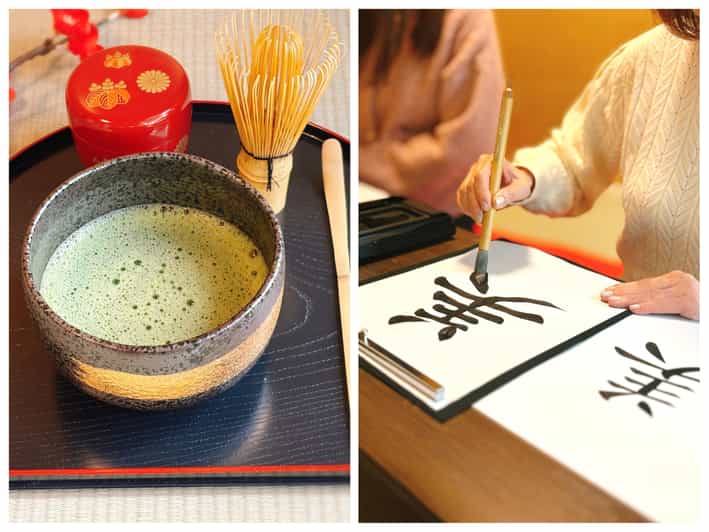
- Your name becomes a personal kanji design: The instructor can suggest Japanese characters that fit your personality, interests, or chosen theme.
- You make your own matcha: You first watch the process, then whisk tea yourself and learn how to enjoy it properly.
- The tea ceremony includes two sweet moments: You taste different Japanese sweets during the session, with seasonal meaning explained.
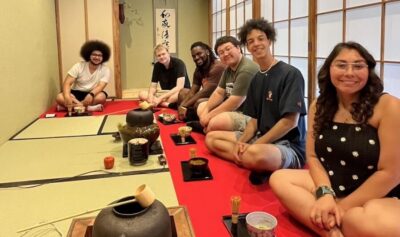
- The group is completely private: You can ask questions freely, take photographs, and request a slower pace for children.
- You leave with handmade art: You select colored paper, write your kanji, add your name and stamp your initials.
- The studio is in central Namba: It is easy to reach from Shinsaibashi-suji shopping street, though the meeting point can require careful attention.
A quiet cultural break in central Osaka
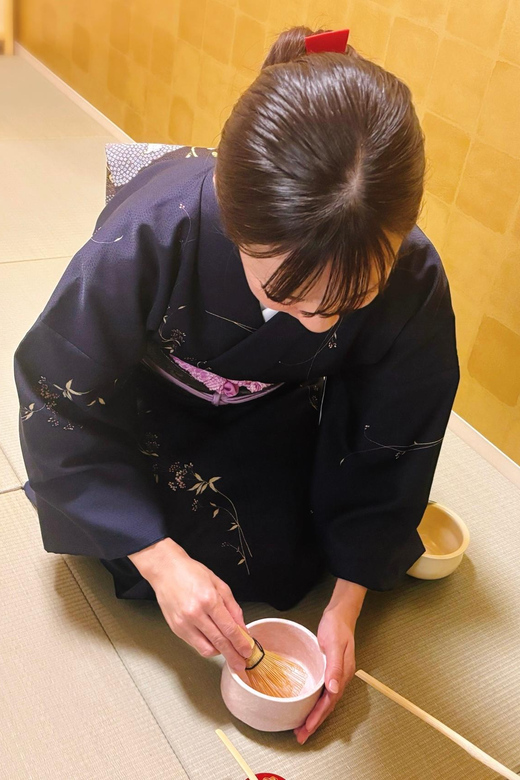
Osaka is famous for food, neon, shopping, and noisy streets. This experience gives you something different: a calm studio where you can sit, listen, ask questions, and work with your hands.
The private format makes a real difference. You are not trying to keep up with a large group or waiting for strangers to finish. Wanoma can spend time on your questions, take photographs for you, and adjust the pace for children. One family found the session held the attention of both a 10-year-old and a teenager with ADHD, which says a lot about the teacher’s patient approach.
I also like that the activity does not treat Japanese culture as a quick photo opportunity. You learn why actions in the tea ceremony matter, how matcha is prepared, and how brush strokes are formed. It is accessible even if you know nothing about tea or calligraphy.
The setting is a studio rather than a historic temple or grand tea house. That means you do not get an old architectural backdrop. In return, you get close instruction and a relaxed setting where mistakes are part of the fun.
More Private Tea Experiences in Japan
- Osaka: Private Tea Ceremony Experience
★ 5.0 · 4 reviews - Private Tea Ceremony and Sake Tasting in Kyoto Samurai House
★ 5.0 · 163 reviews - Tea Ceremony Experience in a Private Tea Room in Shibuya
★ 4.9 · 125 reviews
Meeting Wanoma near Shinsaibashi
The studio is in Namba, one of Osaka’s main visitor areas. It is close to Shinsaibashi-suji shopping street, so you can fit the class around shopping, a meal, or an afternoon in the Dotonbori area.
The meeting point is outside the main entrance of New Osaka Hotel Shinsaibashi. Walk west for about 30 seconds, looking for a blue vending machine near the entrance. Wanoma waits outside about five minutes before the booking time and wears a kimono, making the guide easier to spot.
Arrive a little early. The instructions are clear, but city streets and hotel entrances can still cause a brief hunt, especially if you are carrying shopping bags or arriving with children.
The class is offered in English and Japanese. You should bring socks. Smoking is not allowed, and the experience is not suitable for wheelchair users. Those points matter more here than they might on a sightseeing walk because the session takes place inside a traditional-style studio.
Starting with the meaning of the tea ceremony
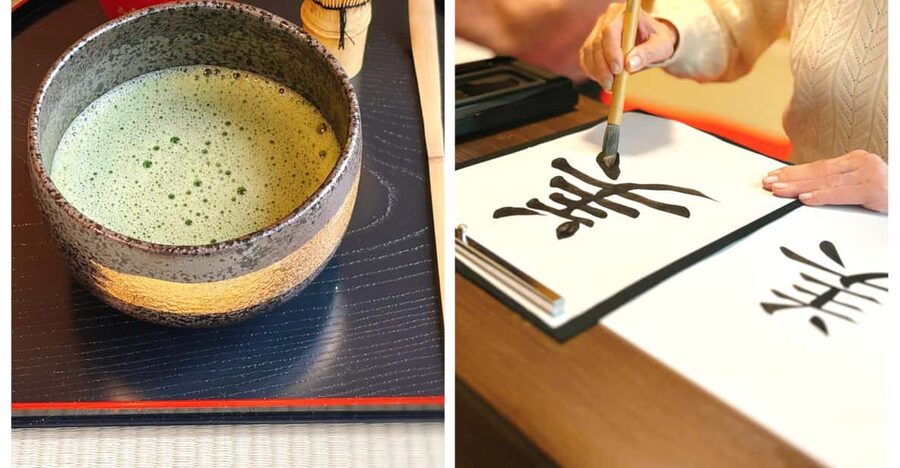
The tea portion begins with an explanation of the ceremony and its customs. Wanoma guides you through the actions and explains how to enjoy the tea in the proper way.
Do not worry if you have never attended a tea ceremony. The instruction is designed for beginners, and the tone is friendly rather than stern. You can ask questions as you go, and the private setting lets the teacher explain unfamiliar details without rushing.
The value here is not only in learning a series of movements. Tea ceremony asks you to pay attention to small things: the bowl, the preparation, the sweets, the season, and the way the tea is received. You get a brief look at a part of Japanese culture that is easy to miss when your Osaka visit is built around food stalls and department stores.
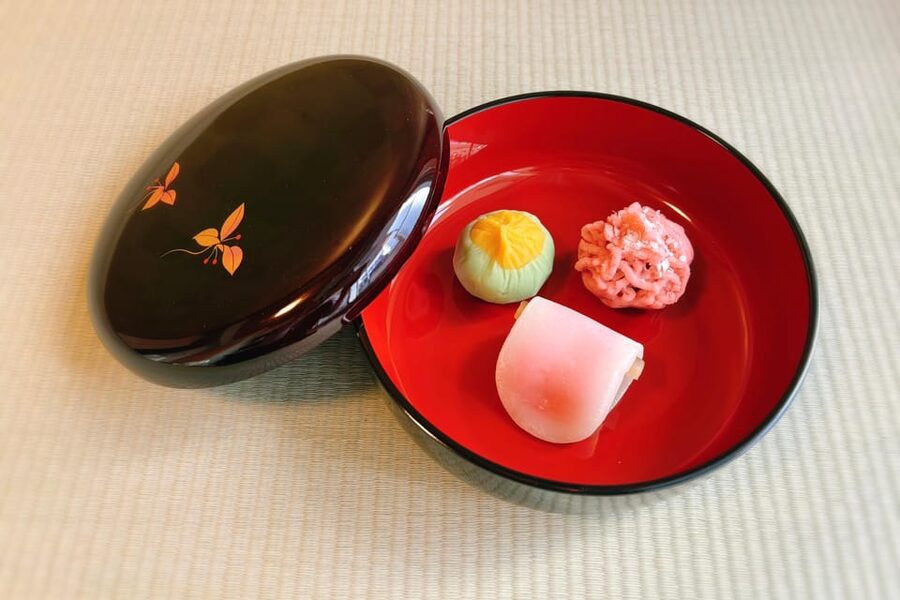
Several people particularly enjoyed learning about seasonal sweets. The sweets are not random snacks placed beside the tea. Their shapes and flavors can reflect the time of year, giving you another way to notice how Japanese traditions connect food with the seasons.
Choosing a tea bowl and making matcha
At one point, you choose the tea bowl that best expresses how you feel that day. It is a small but personal touch. Instead of treating the bowl as a museum object, you make a choice and use it during your own tea experience.
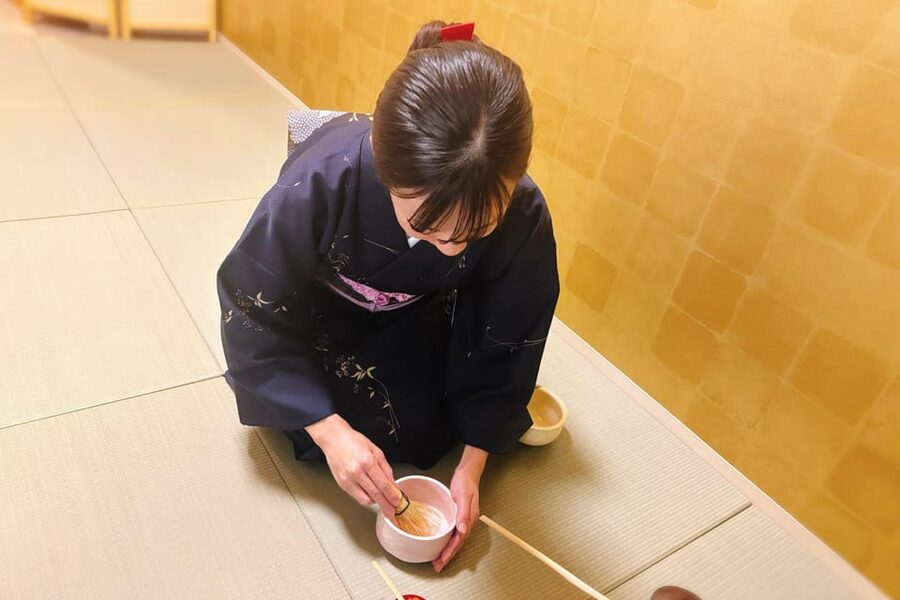
You first watch Wanoma prepare matcha. Then you try making it yourself. The process gives you a better sense of the care behind the drink than simply receiving a prepared cup.
Your result may not look exactly like the instructor’s. That is fine. The activity is meant to be hands-on, and the private format gives you room to try without feeling watched by a room full of strangers. Wanoma’s friendly manner helps here. Mistakes are treated lightly, and you can laugh while still learning the correct method.
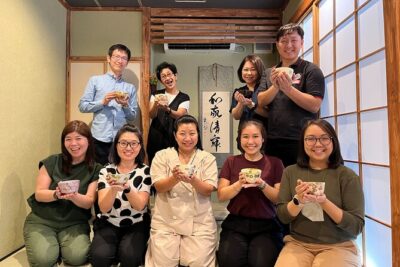
You also taste matcha and several Japanese sweets. The sweets are served twice during the tea portion, with different types available. One important practical detail for people with dietary concerns: one visitor specifically noted that the sweets provided were lactose-free. Still, if you have an allergy or strict dietary need, ask the instructor before eating.
The tea ceremony is likely to be the calmer half of the experience. If you want a formal, silent ceremony with no instruction, this may feel more interactive than expected. That is a strength for most first-time visitors, but it is worth knowing that you are attending a lesson as well as observing a ritual.
More Tea and Calligraphy Workshops in Japan
- Osaka: Tea Ceremony, Calligraphy, and Kimono Experience
★ 4.9 · 130 reviews - Samurai dress-up and shows, plus Tea Ceremony & Calligraphy
★ 5.0 · 27 reviews - Premium Kimono Dressing, Tea Ceremony, Calligraphy, Samurai show
★ 5.0 · 18 reviews - Learn Zen in a class of making Matcha tea near Osaka Castle
★ 4.8 · 17 reviews
Turning your name into Japanese calligraphy
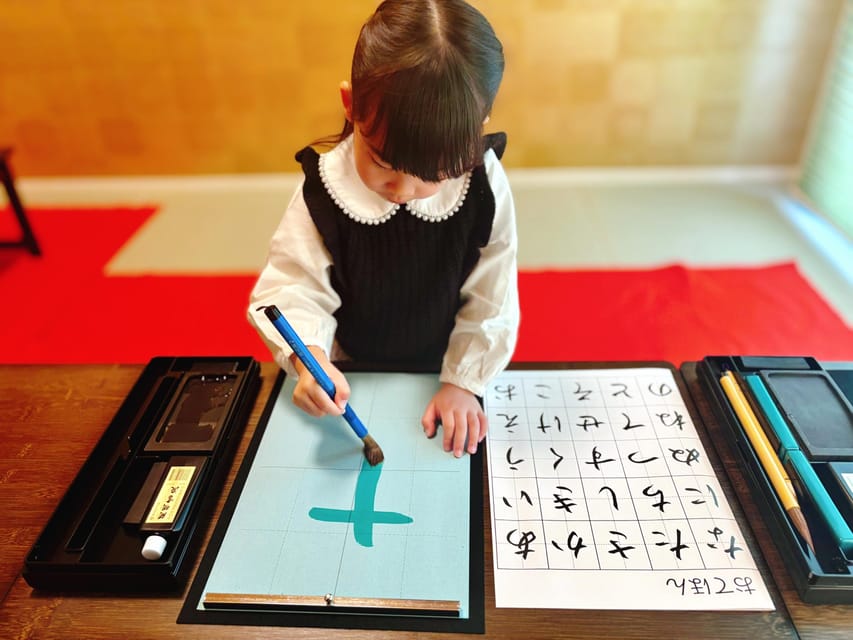
The calligraphy lesson gives the experience its strongest souvenir. You begin by choosing a theme, favorite letter, or word you would like to write. Wanoma can suggest kanji based on your personality and help create a Japanese version of your name.
This is more interesting than simply copying a character from a menu. You learn why a particular kanji might suit you and then write something that has personal meaning. Craig, for example, received his name in kanji as part of the lesson.
The instructor first explains the basic brush techniques and demonstrates the strokes. You practice before moving to the final piece. That practice matters. Japanese calligraphy can look simple when an expert does it, but the order, direction, and pressure of each stroke affect the finished character.
You can choose from characters with different levels of difficulty. Beginners can select something manageable, while people who enjoy a challenge can try a more complex design. Wanoma guides you through the strokes, so you do not need previous calligraphy experience.
The lesson finishes with a piece of colored paper selected from several options. You write your kanji and your name in Japanese characters, then stamp your initials. You take the finished artwork home.
This is one of the best parts of the class for families. Children can take part in water calligraphy, which helps prevent ink from getting on hands and clothes. The option keeps the activity practical for younger children without removing the central idea of learning Japanese writing.
Why the private format is worth the price
The listed price is $64 per person. That is not the cheapest cultural activity in Osaka, but the value is strong if you want instruction rather than a short demonstration.
Your fee covers the instructor, all fees and taxes, colored paper, matcha, Japanese sweets, and the matcha-making activity. You also receive nearly two and a quarter hours of private attention. A large part of the cost is tied to the one-group format, not just the tea and materials.
I would especially consider it good value for couples, families, and small groups who want to ask many questions. You can request photographs, slow the pace for a child, or spend more time on a difficult calligraphy character. Those small adjustments are hard to get in a crowded class.
Solo visitors may also find the price reasonable if a personal cultural lesson matters to them. If you only want to drink matcha and take a quick picture in a kimono, you can find cheaper ways to do that. This experience earns its price through teaching, participation, and the handmade artwork.
The private format also gives the afternoon a peaceful rhythm. You are not being pushed from one station to another. The activity feels more like a focused lesson than a packaged sightseeing stop.
Who will enjoy this Osaka experience most
I would recommend it most strongly to first-time visitors who want a simple introduction to two Japanese arts. You do not need any previous knowledge, and the teacher explains the background as well as the practical steps.
It suits:
- Couples looking for a quieter Osaka activity
- Families with children who enjoy hands-on projects
- People who want a personal souvenir rather than a shop-bought gift
- Visitors interested in Japanese customs, food, and seasonal traditions
- Small groups who prefer private instruction
- Anyone who wants a break from shopping and nightlife
The activity can work well for children because the pace can be adjusted and water calligraphy is available. It also suits adults who might feel nervous about doing calligraphy in front of other people. You receive direct guidance without the pressure of a public class.
You should think twice if you need step-free access for a wheelchair, since the experience is not suitable for wheelchair users. You may also prefer a more formal tea ceremony if you do not want a lesson with conversation and active participation.
How to fit it into a Namba day
The central location makes this easy to pair with other plans. You could schedule it before or after time on Shinsaibashi-suji shopping street. Since the class lasts 135 minutes, leave enough space around it rather than trying to squeeze it between two fixed reservations.
The best plan is to arrive rested and unhurried. You will be sitting, listening, whisking tea, handling a brush, and asking questions. It is not physically demanding, but you will get more from the session if you are not watching the clock.
The meeting point is outside the hotel, not necessarily inside the studio itself. Look for the blue vending machine and the instructor in a kimono. That detail is worth saving in your phone before you leave your hotel.
Because photographs are welcome and the instructor can take them for you, your group does not have to choose between taking part and documenting the experience. Ask Wanoma if you want photos during the tea preparation or calligraphy stages.
What makes this more than a souvenir workshop
The calligraphy piece is memorable because you help create it. You choose the paper, select a character, learn its strokes, and add your own name and stamp. It has more meaning than a purchased print, even if your brushwork is not perfect.
The tea ceremony adds context to the artwork. You are not only learning how to write a Japanese character. You are also spending time with a host who explains Japanese manners, tea preparation, sweets, and seasonal ideas.
The strongest part of the experience is the teacher’s personal style. Wanoma is described as warm, funny, patient, and willing to answer questions. That matters because both tea ceremony and calligraphy can seem intimidating from the outside. A relaxed instructor turns them into activities you can actually enjoy.
I would not call this a replacement for a full study of Japanese tea culture or calligraphy. In 135 minutes, you receive an introduction. But it is a thoughtful introduction, with enough practice to make the customs feel real and enough explanation to give the actions meaning.
Should you book this private tea and calligraphy class?
Book it if you want a peaceful, personal activity in central Osaka and like the idea of learning by doing. The combination works well: the tea ceremony slows you down, while calligraphy gives you a physical reminder of the afternoon.
The best reason to choose it is the private attention. Wanoma can adapt the session to your group, explain difficult points, help with children, and make the final artwork feel personal. At $64 per person, that makes good sense for anyone who values instruction and a handmade keepsake.
Skip it if you need wheelchair access, dislike sitting through explanations, or want a purely formal ceremony with no participation. For most first-time visitors, though, this is a friendly and well-paced way to meet Japanese culture without leaving Namba.
FAQ
How long does the tea ceremony and calligraphy experience last?
The experience lasts 135 minutes, or two hours and 15 minutes.
Where is the meeting point?
Meet outside the main entrance of New Osaka Hotel Shinsaibashi. Walk west for about 30 seconds and look for a blue vending machine near the entrance.
How will I recognize the instructor?
The instructor waits outside the main entrance about five minutes before your scheduled time and wears a kimono.
Is the experience private?
Yes. It is offered as a private group experience, with the instructor focused on your group.
Can I make my own matcha?
Yes. You first learn how to make matcha, then prepare it yourself.
What happens during the calligraphy lesson?
You choose a theme, word, or favorite letter, receive instruction on basic brush strokes, select colored paper, write your kanji and Japanese name, and add your initials with a stamp. You take the artwork home.
Are children able to take part?
Yes. The pace can be adjusted for children, and water calligraphy is available for young children to help prevent dirty hands and clothes.
What should I bring, and is the experience wheelchair accessible?
You should bring socks. Smoking is not allowed, and the experience is not suitable for wheelchair users.
More Tea Ceremonies in Osaka
- Osaka: Tea Ceremony Experience
★ 4.9 · 1,426 reviews - Tea Ceremony Experience in Osaka Doutonbori
★ 5.0 · 754 reviews - Osaka: Japanese Traditional Sweets Making and Tea Ceremony
★ 4.7 · 118 reviews - Samurai Show, Tea Ceremony, Japanese Traditional Activities
★ 5.0 · 56 reviews
More Tea and Calligraphy Workshops in Osaka
- Osaka:Zen Tea Ceremony and Foot Bath Experience<45min>
★ 5.0 · 7 reviews - Osaka: Tea Ceremony, Calligraphy, and Kimono Experience
★ 5.0 · 6 reviews - ZEN therapy | Shiatsu-style massage, EnergyTherapy & Japanese Tea
★ 5.0 · 5 reviews - Tea and Calligraphy Session at a Table in Osaka
★ 5.0 · 4 reviews
Just added around Osaka
- Osaka:Zen Tea Ceremony and Foot Bath Experience<45min>★ 5.0 · 7 reviews
- Osaka Japanese Cooking And Matcha Class near Osaka Castle★ 5.0 · 22 reviews
- Osaka: Tea Ceremony, Calligraphy, and Kimono Experience★ 5.0 · 6 reviews
- Nara Deer Park, Uji Matcha, & Hot Spring Full-Day Tour from Osaka★ 4.0 · 21 reviews
- Osaka: Nara, Todaiji, Uji Matcha, and Hot Spring Tour★ 4.0 · 7 reviews
- Craft Sushi and Matcha Ice Cream in Central Osaka (3-Course Meal)★ 5.0 · 2 reviews
- Tea and Calligraphy Session at a Table in Osaka★ 5.0 · 4 reviews
- ZEN therapy | Shiatsu-style massage, EnergyTherapy & Japanese Tea★ 5.0 · 5 reviews
Tea Ceremonies in Osaka, compared.
Tea Ceremony, Calligraphy, and Kimono Experience
Read our review →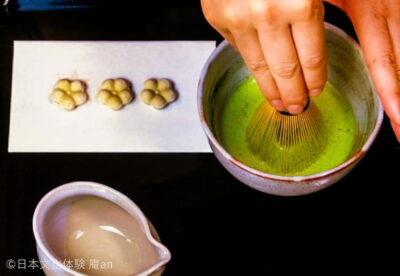
Japanese Traditional Sweets Making and Tea Ceremony
Read our review →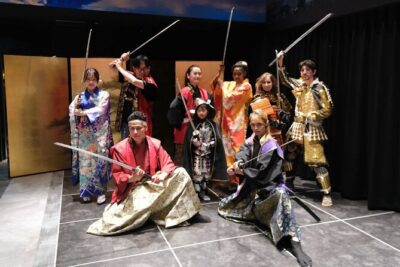
Samurai Show, Tea Ceremony, Japanese Traditional Activities
Read our review →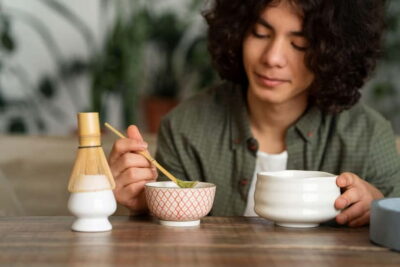
Osaka; Japanese Tea ceremony experience, Macha and Sencha
Read our review →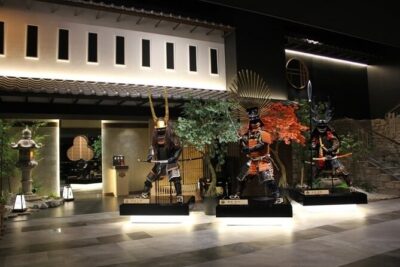
Samurai dress-up and shows, plus Tea Ceremony & Calligraphy
Read our review →