
Review · KYOTO
Uji Walking Tour – Byodo-in temple and Tea Ceremony from Kyoto
Uji makes Kyoto feel a world away. This half-day outing combines a train ride to Uji with a riverside walk, a tea ceremony at Taihoan, and a visit to Byodo-in Temple. I like the simple mix of transport and sightseeing, and I especially like that the tour includes both Uji’s famous tea culture and its best-known temple. The main catch is the pace: you may have little time for photos or a careful look around Byodo-in.
The group is limited to 12 people, which helps on narrow streets and around busy sights. You also get an English-speaking government-licensed guide, train transportation, the tea ceremony, and temple admission in one price. Still, this is a walking tour, not a relaxed bus excursion, so comfortable shoes and a willingness to keep moving are essential.
Five things to know before you book
- Uji is reached by a roughly 20-minute JR train ride from Kyoto Station, with non-reserved seating included in both directions.
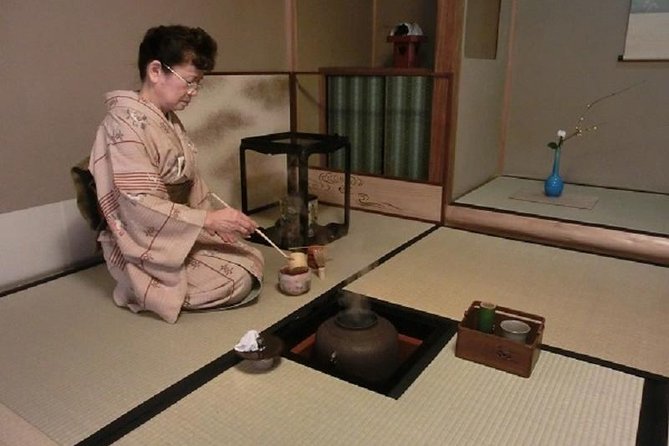
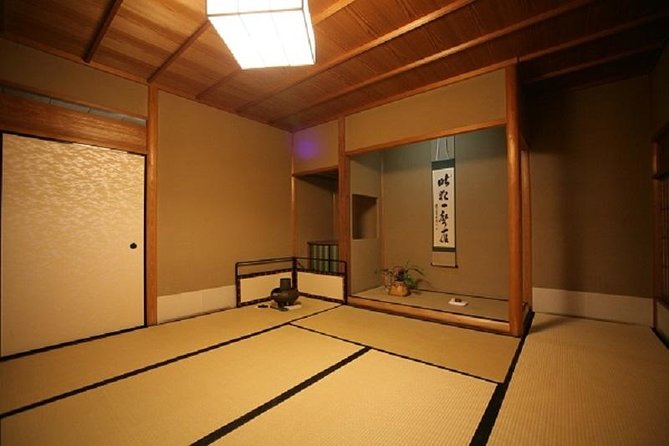
- The tea ceremony takes place at Taihoan, in a tatami room, and may feature matcha or sencha depending on the day.
- Byodo-in’s Phoenix Hall is the main prize, but entrance inside the hall may be restricted when crowds are heavy.
- The tour covers Uji on foot, including Ujibashi Bridge, Nakanoshima Park, the tea house, and Byodo-in.
- The group maximum is 12 people, a useful size for a guided walk through a popular temple town.
- The schedule is tight, so this suits you if you want an efficient introduction rather than a leisurely day in Uji.
Why Uji deserves a morning from Kyoto
Uji is close enough to Kyoto for an easy side trip, but it has a different mood. The town is closely linked with green tea, the Uji River, and Byodo-in, one of Japan’s most recognizable Buddhist temples. You can see the temple’s Phoenix Hall on the 10 yen coin, so the visit gives a familiar bit of Japanese currency a real-world setting.
This tour is useful because it handles the basic logistics for you. You meet at the JTB Sunrise Tours Desk in the basement of the AVANTI building near Kyoto Station at 8:20 a.m. From there, the guide leads the group to the train and continues with you through the morning.
At $96.06 per person, the price is not bargain-level for four hours. But it includes the round-trip train fare, a licensed English guide, the tea experience, and admission to Byodo-in. If you want an organized introduction and would rather not work out the train, temple timing, and tea house arrangements yourself, the cost can make sense. If you already know Uji well or prefer to set your own pace, visiting independently will give you more freedom.
More Tea Ceremonies in Kyoto
- Kyoto: Tea Ceremony in a Traditional Tea House in Kiyomizu
★ 4.9 · 3,519 reviews - Kyoto: Tea Ceremony Ju-An at Jotokuji Temple
★ 4.9 · 3,207 reviews - Kyoto: 45-Minute Tea Ceremony Lesson Experience
★ 4.3 · 2,378 reviews
The train from Kyoto Station to Uji
The journey from Kyoto to Uji takes about 20 minutes by JR rapid or local train. The tour uses non-reserved seats, so a seat is not guaranteed. That is a small but important detail, especially if you are traveling with children, have limited standing tolerance, or simply expect a reserved place because transportation is included.
The train ride is part of the appeal. You are not being carried straight to a sightseeing stop in a private vehicle. You use the same public transport that links Kyoto with Uji, then explore the town by foot. The train portion also keeps the tour relatively efficient, since there is no road traffic to worry about.
Once you leave Uji Station, expect a walking route rather than a series of vehicle stops. The tour lasts about 4 hours and 10 minutes, including the return journey, and ends near Kyoto Station at around 12:30 p.m.
Ujibashi Bridge and the Uji River
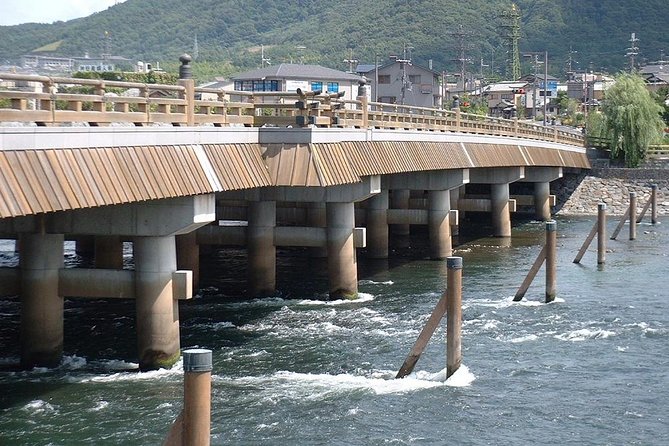
Ujibashi Bridge is one of the first major sights on the route. It is thought to date originally to the seventh century and is counted among Japan’s oldest bridges. A small projection called san-no-ma offers a useful point for river views and photographs.
This is a good early stop because it gives you a sense of Uji’s setting before the more formal temple visit. The river, bridge, and surrounding streets create the visual identity of the town. Your guide can also help connect the physical place with Uji’s long cultural importance.
Bring your camera, but do not assume you will have unlimited time to frame every shot. One practical weakness of the tour is its brisk pace. The group needs to stay together, and stopping often for photos can make it difficult to keep up. If you want a leisurely bridge-and-river walk, you may find the schedule restrictive.
Nakanoshima Park beside the river
The walk continues through Nakanoshima Park, also called Uji Park. This riverside area gives the tour a little breathing room between the bridge and the tea ceremony. It is a pleasant place to see the Uji River from another angle and understand how the town is arranged around the water.
The park stop is subject to conditions. High water in the Uji River or other local issues can prevent the group from visiting. That means you should think of it as a planned part of the route, not an absolute guarantee.
The walk here is one reason the experience feels different from a temple-only visit. You get some outdoor scenery and a short look at daily Uji before entering the more formal setting of Taihoan and Byodo-in.
Same place, a different pot:
- Kyoto: Table-Style Tea Ceremony at a Kyo-Machiya
★ 4.9 · 1,211 reviews - Kimono Tea Ceremony at Kyoto Maikoya, NISHIKI
★ 5.0 · 911 reviews - Kyoto: Arashiyama Bamboo Forest, Monkeys, Matcha & Temple Tour
★ 5.0 · 759 reviews - Kyoto: Kimono Tea Ceremony at Orizuruya Gion
★ 4.9 · 618 reviews
Taihoan and the tea ceremony
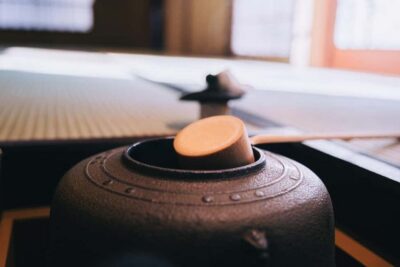
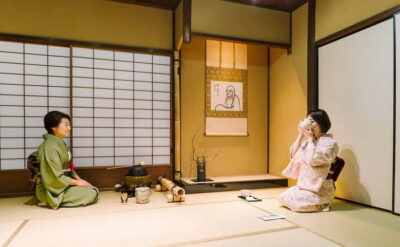
The tea ceremony at Taihoan is the cultural center of the tour. Uji is famous for tea, so tasting tea here adds context that a simple shop visit would miss. The session lasts about 20 minutes and is included in the tour price.
The exact procedure can vary. Depending on the day, the experience may involve matcha green tea or sencha green tea, and you cannot choose between them. The ceremony may also take place with other customers, so this is a shared cultural presentation rather than a private lesson.
The tea room is a tatami room. Wear socks, since this is required for the experience. Video recording is not allowed inside the tea room, so plan to put your phone away and pay attention to the movements, utensils, and manners being shown.
I like this part because it gives you more than a drink. Japanese tea preparation has its own pace and etiquette, and even a short session can show you why tea matters in Uji. At the same time, 20 minutes is brief. You should see it as an introduction, not a full study of tea ceremony practice.
Byodo-in Temple and the Phoenix Hall
Byodo-in is the tour’s major historical stop. Built near the end of the Heian period, the temple includes a Buddha statue, other religious images, and a garden. It is part of the Historic Monuments of Ancient Kyoto World Heritage listing.
The Phoenix Hall is the image most people come to see. Its likeness appears on the 10 yen coin, making this one of those satisfying Japanese sights that you may already recognize without having visited. Seeing the building in its garden setting gives the coin design a real place and scale.
Admission to Byodo-in is included, and the planned visit lasts about 50 minutes. That sounds reasonable, but the actual time available can be affected by congestion. Entry inside the Phoenix Hall may not be possible when demand is high. If that happens, the tour provides a JPY 300 refund at the location.
You should also prepare for the possibility of a rushed visit. The temple grounds and museum deserve attention, but a tightly managed group schedule may leave you only a short time to look around. There has been a particularly sharp complaint about having roughly 15 minutes for the grounds and museum, which shows how much the timing can vary in practice.
This is the most important decision point. If Byodo-in is high on your Japan list and you want time to examine the garden, museum, and architecture at your own pace, an independent visit may suit you better. If you want a guided overview and are content with a quick introduction, the tour gives you the essentials without taking a full day.
How the pace affects the experience
The tour covers a lot in a compact morning: two train journeys, a bridge, a riverside park, a tea ceremony, and a major temple. That is efficient, but efficiency comes with limits.
I would not book this expecting long pauses, spontaneous shopping, or extended photography. The walking pace can feel fast, particularly if you stop often. The group size of up to 12 is helpful, but everyone still needs to move on schedule.
The pace works best for you if you prefer clear structure. You will see Uji’s main sights, hear background from a licensed guide, and return to Kyoto before lunch. It works less well if your ideal morning includes lingering beside the river, browsing tea shops, or sitting quietly in the temple garden.
Wear shoes that are easy to walk in. The tour uses public transport and includes a substantial amount of walking. There is no bus carrying you between each stop.
What the $96.06 price includes
The cost covers several items that would otherwise need separate planning:
- Round-trip JR train transportation between Kyoto and Uji
- An English-speaking national government licensed guide
- The tea ceremony at Taihoan
- Admission to Byodo-in Temple
That package gives the price some practical value. You are paying for guidance and coordination, not just entry tickets. The guide can provide cultural context at the bridge, tea house, and temple, while you avoid having to fit the stops together yourself.
Still, the value depends on how you travel. Independent visitors can take the train, walk around Uji, and pay temple admission separately. You would gain control over the schedule, but you would lose the organized tea experience unless you arrange it in advance.
The tour’s strongest value is convenience with cultural structure. Its weakest value is time. You pay for access to several experiences, but you may not have enough time to enjoy each one slowly.
Who will like this Uji morning
I would recommend this tour to you if you want a compact first look at Uji from Kyoto. It is especially suitable if you want someone else to handle the route, explain the cultural background, and organize the tea ceremony.
It can also work well for first-time visitors who have limited time in Kyoto. You see the bridge, river, tea culture, and Byodo-in in one morning, then finish near Kyoto Station around lunchtime.
Families can participate, but the fast walking pace and non-reserved train seating are worth considering. Anyone under 18 needs written parental permission. Anyone under 15, or not yet enrolled in middle school, must be accompanied by a parent or guardian.
You may want to skip this tour if you have mobility concerns, dislike walking quickly, or want a quiet, unhurried temple visit. The experience is not designed as a slow photography walk.
Meeting point, timing, and cancellation
Meet at the JTB Sunrise Tours Desk in the basement of the AVANTI building at Kyoto Station. The start time is 8:20 a.m., so allow time to find the desk before the group leaves for the train.
The tour ends near Kyoto Station at about 12:30 p.m. The exact order of activities and arrival times may change because of congestion, local conditions, or transport issues.
Most people can participate, and the tour operates near public transportation. Confirmation is sent within 48 hours of booking, subject to availability. Free cancellation is available if you cancel at least 24 hours before the local start time. Cancellations or changes made later are not accepted for a refund.
Should you book the Uji walking tour?
Book it if you want a guided, efficient introduction to Uji with train travel, a tea ceremony, and Byodo-in admission bundled together. The bridge, riverside walk, and tea stop give the morning more variety than a temple visit alone.
Think twice if Byodo-in is your main reason for going. The schedule can be tight, the Phoenix Hall interior may be unavailable, and the walking pace may leave little room for photographs or quiet observation.
My call: this is a good orientation tour and a practical choice for a first visit, but not the best fit for slow sightseeing. Go with comfortable shoes, socks for the tatami room, and realistic expectations about timing. If you value structure more than freedom, the $96.06 price is reasonable. If you want to linger, plan Uji independently.
FAQ
How long does the Uji walking tour last?
The experience lasts approximately 4 hours and 10 minutes. It starts at 8:20 a.m. and ends near Kyoto Station at about 12:30 p.m.
Where does the tour start?
It starts at the JTB Sunrise Tours Desk in the basement of the AVANTI building near Kyoto Station, at 31 Higashikujo Nishisannocho in Kyoto’s Minami Ward.
How do you travel from Kyoto to Uji?
The tour uses a JR rapid or local train between Kyoto Station and Uji Station. Each train journey takes about 20 minutes.
Are train seats reserved?
No. The trains use non-reserved seating, so a seat is not guaranteed.
Is the tea ceremony included?
Yes. The Taihoan tea ceremony is included in the tour price.
Will the tea ceremony use matcha?
It may use matcha green tea or sencha green tea, depending on the day. You cannot select which type will be served.
Do I need to wear socks?
Yes. The tea ceremony takes place in a tatami room, so you should wear socks.
Is admission to Byodo-in Temple included?
Yes. Byodo-in admission is included. If congestion prevents entry into the Phoenix Hall, JPY 300 is refunded at the location.
Can children join the tour?
Anyone under 18 needs written parental permission. Anyone under 15, or not yet enrolled in middle school, must be accompanied by a parent or guardian.
More Walking Tours in Kyoto
- Kyoto Tea Ceremony & Kiyomizu-dera Temple Walking Tour
★ 5.0 · 115 reviews - The Way of Tea: Kyoto Crafts, Hidden Temples & Wabi-Sabi Walk
★ 5.0 · 41 reviews - Matcha Grinding Experience and Walking Tour in Uji Kyoto
★ 5.0 · 26 reviews - Kyoto Gion Tea ceremony & Wabi-sabi Walking Tour
★ 4.5 · 7 reviews
Just added around Kyoto
- Tea ceremony at Kyoto’s Zen Temple Teahouse★ 5.0 · 2 reviews
- Kyoto: Authentic Tea Ceremony in a Small Group★ 5.0 · 7 reviews
- Tea Ceremony in 150 Years Old Townhouse with Tables and Chairs★ 5.0 · 22 reviews
- Silent Beauty of Kyoto Zen Walk and Tea Experience★ 5.0 · 2 reviews
- Tea Ceremony Experience in Traditional Kyoto Townhouse★ 5.0 · 19 reviews
- Traditional Tea Ceremony in Kyoto★ 4.5 · 3 reviews
- Kyoto Newly Opened Private Tea Ceremony – Sanjo Chasuian★ 5.0 · 2 reviews
- Sencha-do the Japanese Tea Ceremony Workshop in Kyoto★ 5.0 · 21 reviews
Tea Ceremonies in Kyoto, compared.
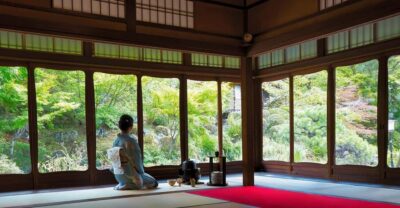
Tea Ceremony in a Traditional Tea House in Kiyomizu
Read our review →
Tea Ceremony in 100-year-old Kyo-Machiya Townhouse
Read our review →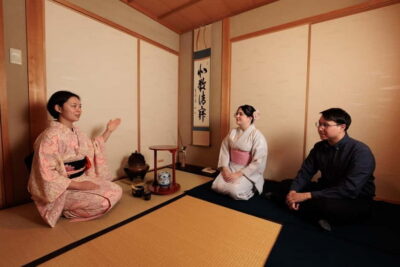
Browse the lists this tour appears in