Review · OSAKA
Osaka: Tea Ceremony, Calligraphy, and Kimono Experience
Culture you can wear home.
This three-hour Osaka experience brings together kimono dressing, simple hairstyling, Japanese calligraphy, sweets, and a tea ceremony in one small-group session. I like the patient personal guidance, especially from hosts such as Meiji, Mika, Nokko, and Nikko, and I like that you create a calligraphy keepsake rather than leaving with only photographs. The main consideration is finding the studio entrance, which can be hard to spot because the door is not clearly labeled.
The setting is a quiet studio in downtown Osaka, close to Tanimachi 9-chome Station and Osaka Uehommachi Station. At $96 per person, it is not a bargain activity, but the price covers three substantial cultural activities, kimono rental, hairstyling, sweets, instruction, and a small group capped at eight people.
Key points at a glance
- Choose your own kimono: Select from a broad range of colors and styles, with help choosing the obi, scarf, and accessories.
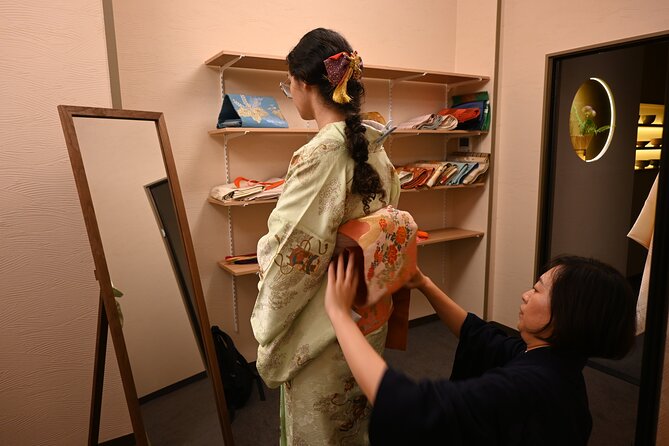
- Expect careful dressing: Staff assist with the layered kimono outfit and simple hairstyling, making this more than a quick costume photo stop.
- Practice real calligraphy: You learn basic brush technique and kanji, then take home your own handmade piece.
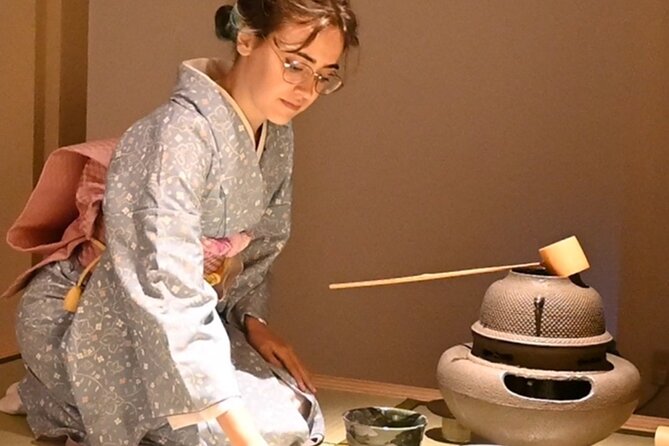
- Prepare matcha yourself: The tea session includes an explanation of the ritual and a chance to make your own cup.
- Good for first-timers: English, Japanese, and Chinese guidance is available, and no previous experience is required.
- Allow time to find the door: Exit 11 at Tanimachi 9-chome is the easiest route, but look for the Lawson and MixyHearts beauty salon.
What the three-hour Osaka experience includes
The session is designed as a sequence. You begin by becoming part of the setting through clothing, move into the focused work of calligraphy, and finish with tea. That order makes sense: the kimono creates the visual change, calligraphy slows your hands down, and the tea ceremony asks you to pay attention to small gestures.
The experience is limited to eight participants, though the practical room size can matter. One group of seven was split during the calligraphy and tea portions because those rooms hold about five people. That is not necessarily a problem, but it is worth knowing if your group is large and you hoped to remain together every minute.
The hosts speak English, Japanese, and Chinese. The tone is beginner-friendly, with plenty of room for questions. You will not need to know Japanese characters or tea etiquette before arriving.
More Kimono and Tea Ceremonies in Osaka
- Samurai Show, Tea Ceremony, Japanese Traditional Activities
★ 5.0 · 56 reviews - Samurai dress-up and shows, plus Tea Ceremony & Calligraphy
★ 5.0 · 27 reviews - Premium Kimono Dressing, Tea Ceremony, Calligraphy, Samurai show
★ 5.0 · 18 reviews
Kimono selection and simple hairstyling
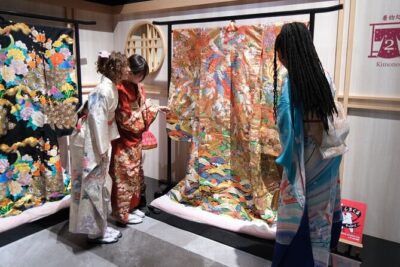
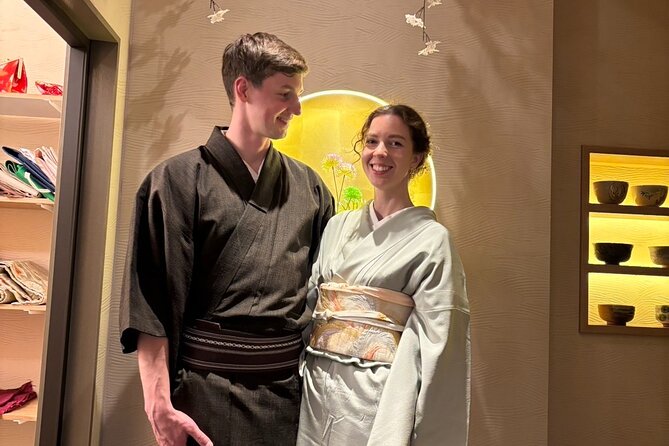
The kimono portion is the most visual part of the afternoon. You choose from a range of well-kept garments, then receive help matching the kimono with an obi, scarf, and accessories. Staff take care with the fit and overall appearance, rather than simply handing you a robe and sending you to a mirror.
The dressing process includes layers, tying, and adjustment. That detail matters because a kimono is not just a single item of clothing. You get a small lesson in how the pieces work together, and the final outfit feels more considered than a standard dress-up rental.
Simple hairstyling is included. It is not a full salon appointment, and extra hairstyling or makeup costs more, but the basic arrangement helps complete the look. Guides have been praised for being gentle and thoughtful when working with different hair types, including braids, and for helping participants choose a kimono that fits comfortably.
If you are concerned about size, ask for help early in the selection process. One participant wearing a US size 16/18 was assisted in finding a kimono long enough and felt comfortable throughout the session. That is a useful sign of attentive service, though the supplied information does not promise a specific size range.
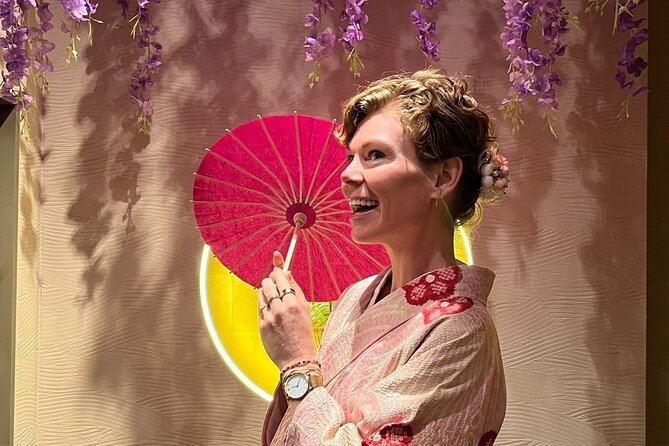
Give yourself a moment to enjoy this stage. The staff are happy to take photographs, and several participants valued having pictures taken throughout the session. If photos matter to you, ask politely as you go rather than waiting until the end.
Calligraphy with a brush and a personal keepsake
The calligraphy lesson gives the experience its hands-on center. A guide explains the basics of kanji and brush movement, then helps you practice. You are not expected to produce museum-quality lettering. The point is to slow down, learn the order and shape of the strokes, and make something personal.
I like this part because it offers more than a quick demonstration. You hold the brush, work through the instructions, and get encouragement when your first efforts are less than graceful. That is exactly what a beginner session should do.
The finished piece becomes a souvenir. Several participants especially valued taking home their own handmade calligraphy, since it carries a memory of the activity rather than simply showing where you went. You may also find this is the quietest part of the experience. Brushwork demands patience, and the studio setting gives you time to concentrate.
The lesson is suitable for children old enough to follow instructions, teenagers, couples, and adults traveling alone. Children under two are not suitable for the activity, and babies under one are specifically excluded. The information does not give a recommended upper age, so older family members who can comfortably take part should ask the provider if they have concerns.
A tea ceremony that lets you do more than watch
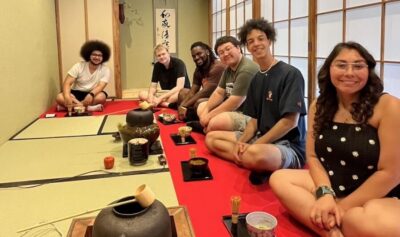
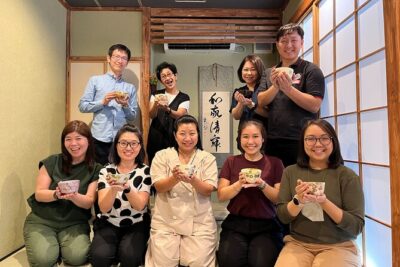
The tea ceremony closes the session in a traditional Japanese room. The setting can include a small outside garden, giving the final portion a calmer feel than the city streets just outside. You learn about the ceremony’s background, meaning, and manners before taking part.
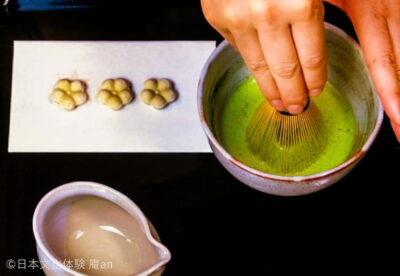
A useful detail is that you do not only sit and observe. The session includes a chance to prepare your own matcha using the correct technique. That interactive step makes the tea ceremony easier to understand, because you feel how much care goes into each movement.
Sweets are included with the tea. Additional food and drinks are not included, so you should not treat this as a meal. The sweets are there as part of the ceremony and provide a small contrast to the bitter matcha.
The guides receive especially strong praise for explaining the ceremony with respect and patience. Meiji has been singled out for making the process comfortable and clear, while Nokko has been praised for encouraging beginners during calligraphy and tea. Mika is also noted for combining warmth with useful explanations. The exact host depends on the date and session, so you should not assume a particular person will lead your booking.
More Tea and Calligraphy Workshops in Japan
- Osaka: Private Tea Ceremony and Calligraphy Experience
★ 5.0 · 50 reviews - Learn Zen in a class of making Matcha tea near Osaka Castle
★ 4.8 · 17 reviews - Osaka:Zen Tea Ceremony and Foot Bath Experience<45min>
★ 5.0 · 7 reviews - Osaka: Tea Ceremony, Calligraphy, and Kimono Experience
★ 5.0 · 6 reviews
Why the small-group format matters
A maximum of eight participants gives the session a personal feel. You can ask questions, receive help with the kimono, and get individual guidance with the brush. Several participants have described one-on-one attention or a private family setting as a major reason the activity felt worthwhile.
The word private can be understood in context. The booking is small and personal, but the information also says that larger groups may split into smaller room groups during calligraphy and tea. If you want the entire party together throughout, ask ahead of time about the arrangement for your date.
The format works well for couples and families because it creates shared photographs and a joint activity. It also suits solo participants. One solo participant felt welcome immediately, which is encouraging if you worry that a cultural activity might feel awkward without a companion.
Getting to the studio in central Osaka
The easiest station is Tanimachi 9-chome on the Osaka Metro. Use Exit 11, walk straight for about three minutes, and look for a Lawson convenience store. Continue to a building with the MixyHearts beauty salon on the first floor, then enter and take the stairs to the second floor.
From Osaka Uehommachi Station on the Kintetsu Line, use the East Exit. Walk left for about seven minutes and look for the same MixyHearts salon. Enter the building and go upstairs.
The entrance deserves attention. One participant found the location difficult because the door was not labeled. A kimono displayed on the street can help identify the building, but I would still allow a few extra minutes and keep the directions available on your phone.
Transportation is not included, and there is no pickup or drop-off service. The central location means you arrange your own way there, but the nearby stations make this manageable from many parts of Osaka.
Is $96 a fair price?
At $96 per person, the cost is reasonable if you want several cultural activities in one carefully organized session. You are paying for kimono rental, dressing assistance, simple hairstyling, calligraphy instruction and materials, a handmade piece to take home, tea ceremony instruction, and sweets.
The price is less attractive if you mainly want a quick kimono photograph or a short matcha tasting. You could spend less on a single small activity elsewhere. Here, the value comes from the three-hour length and the amount of direct instruction.
I would also factor in the quality of the personal attention. A large commercial session might move faster and offer fewer chances to ask questions. This experience is built around encouragement, explanation, and participation. If those things matter to you, the price makes more sense.
Reserve now and pay later is available, and cancellation is free up to 24 hours before the session for a full refund. Starting times vary, so check availability when choosing your date.
Who should book this Osaka activity?
I would recommend it to first-time visitors who want a structured introduction to Japanese customs without committing to a full-day class. It is also a strong choice for families, couples, mother and daughter trips, small groups, and solo participants.
It suits people who enjoy making something with their hands. The calligraphy keepsake gives the afternoon a lasting finish, while the kimono and tea ceremony provide the photographs and atmosphere many people hope for in Osaka.
You should think twice if you dislike guided activities, sitting for instruction, or wearing layered clothing. The experience is designed around learning and participation, not simply dropping in for a photograph. It is also not suitable for children under two, and babies under one cannot take part.
Practical advice before you go
Wear something that makes changing easy. The supplied information does not set a dress code, but a relaxed outfit should make the dressing process simpler.
Arrive with enough time to find the entrance. Tanimachi 9-chome Exit 11 is the clearest route, but the unlabeled door can cost you a few minutes.
Tell the staff what you hope to learn. The guides are described as patient and willing to answer questions, so ask about the kimono layers, kanji, matcha, or ceremony etiquette.
If you are visiting in summer, remember that a kimono can feel warm. The staff have helped participants feel comfortable in hot weather, but loose, breathable clothes underneath should make the change easier.
Finally, make room in your luggage for the calligraphy piece. It is one of the best parts of the activity because you create it yourself and can remember the lesson every time you see it.
Should you book it?
Book this experience if you want more than a tea ceremony photograph. The combination of kimono dressing, calligraphy, and hands-on matcha preparation gives you three different ways to connect with Japanese culture in a single afternoon.
The strongest reasons to choose it are the kind staff, careful dressing, patient instruction, and personal calligraphy souvenir. The main drawbacks are the price, the occasionally unclear entrance, and the possibility that a larger party may split into smaller groups.
For a first visit to Osaka, I think it offers good value for a focused three hours. You leave with photographs, a handmade keepsake, and a better sense of why these everyday arts require such care.
FAQ
How long does the experience last?
The activity lasts three hours.
How much does it cost?
The listed price is $96 per person.
Where does the experience take place?
It takes place in a studio in downtown Osaka, near Tanimachi 9-chome Station and Osaka Uehommachi Station.
How do I reach the studio from Tanimachi 9-chome Station?
Use Exit 11, walk straight for about three minutes, look for a Lawson convenience store, and continue to the building with MixyHearts beauty salon on the first floor. The studio is on the second floor.
Is transportation included?
No. Transportation, pickup, and drop-off services are not included.
What languages are available?
Guidance is available in English, Japanese, and Chinese.
What is included in the price?
The price includes a kimono costume, simple hairstyling, calligraphy, a Japanese tea ceremony, and sweets.
Can I take home my calligraphy?
Yes. The calligraphy session includes a handmade piece that you create during the activity.
How many people can join?
The small group is limited to eight participants. Larger groups may be divided during calligraphy and tea because some rooms hold about five people.
Can children attend?
Children under two are not suitable for the experience, and babies under one are not permitted. The activity is described as beginner-friendly for families, but no specific age range beyond those limits is provided.
More Tea Ceremonies in Osaka
- Osaka: Tea Ceremony Experience
★ 4.9 · 1,426 reviews - Tea Ceremony Experience in Osaka Doutonbori
★ 5.0 · 754 reviews - Osaka: Japanese Traditional Sweets Making and Tea Ceremony
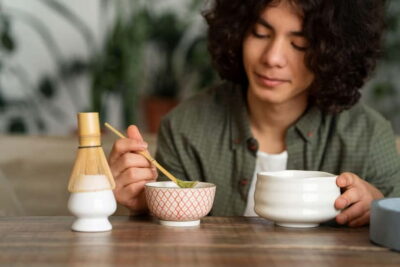
★ 4.7 · 118 reviews - Osaka; Japanese Tea ceremony experience, Macha and Sencha
★ 4.9 · 29 reviews
More Tea and Calligraphy Workshops in Osaka
- ZEN therapy | Shiatsu-style massage, EnergyTherapy & Japanese Tea
★ 5.0 · 5 reviews - Tea and Calligraphy Session at a Table in Osaka
★ 5.0 · 4 reviews - Osaka: Castle, Tea Ceremony, Calligraphy, and Samurai Armor!
★ 5.0 · 4 reviews
Just added around Osaka
- Osaka:Zen Tea Ceremony and Foot Bath Experience<45min>★ 5.0 · 7 reviews
- Osaka Japanese Cooking And Matcha Class near Osaka Castle★ 5.0 · 22 reviews
- Osaka: Tea Ceremony, Calligraphy, and Kimono Experience★ 5.0 · 6 reviews
- Nara Deer Park, Uji Matcha, & Hot Spring Full-Day Tour from Osaka★ 4.0 · 21 reviews
- Osaka: Nara, Todaiji, Uji Matcha, and Hot Spring Tour★ 4.0 · 7 reviews
- Craft Sushi and Matcha Ice Cream in Central Osaka (3-Course Meal)★ 5.0 · 2 reviews
- Tea and Calligraphy Session at a Table in Osaka★ 5.0 · 4 reviews
- ZEN therapy | Shiatsu-style massage, EnergyTherapy & Japanese Tea★ 5.0 · 5 reviews
Tea Ceremonies in Osaka, compared.
Japanese Traditional Sweets Making and Tea Ceremony
Read our review →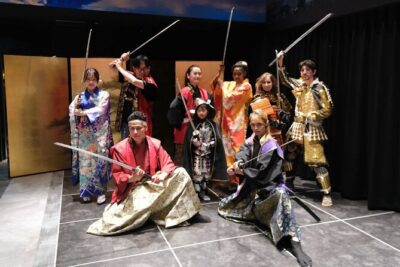
Samurai Show, Tea Ceremony, Japanese Traditional Activities
Read our review →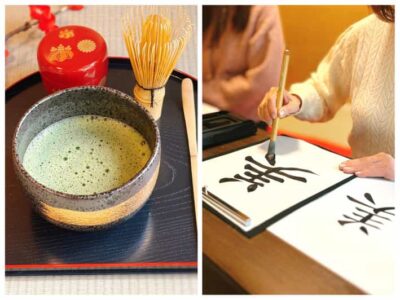
Osaka; Japanese Tea ceremony experience, Macha and Sencha
Read our review →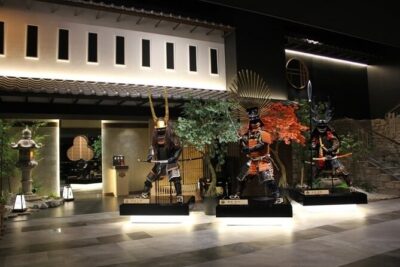
Samurai dress-up and shows, plus Tea Ceremony & Calligraphy
Read our review →