Review · KYOTO
Kyoto: Tea Ceremony Meditation – Make Matcha with Tea Master
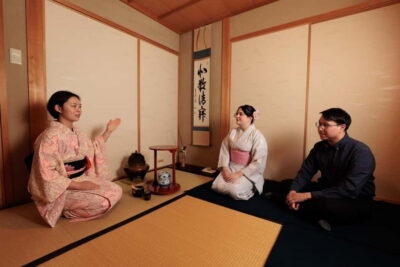
Slow down over one bowl of green tea. This 45-minute Kyoto experience brings you into a 100-year-old townhouse for a gentle introduction to matcha and Japanese tea culture. I like the small groups of up to 10 and the chance to whisk your own tea with real artisan-made utensils. The English-speaking hosts, including Miki, Aki, Yoko, and Kiyoka, are praised for making beginners feel comfortable.
I also like the calm, friendly tone. You learn the meaning behind the gestures instead of simply watching a formal display. The main drawback is that this is a short introduction, not a full-length tea ceremony training session. Kimono rental is not included, and the space is not intended for eating before or after the activity.
Key points to know before booking
- A hands-on tea lesson: You watch a demonstration, then prepare your own bowl of matcha.
- A historic Kyoto setting: The ceremony takes place inside a 100-year-old traditional townhouse.
- A relaxed Omotesenke introduction: Your English-speaking host explains etiquette, movements, and cultural meaning without making the session stiff.
- A small group experience: With no more than 10 people, you have room to ask questions and receive personal help.
- A fair price for a short cultural activity: At $45 per person, the experience includes the ceremony, one bowl of matcha, and a traditional sweet.
- A few practical limits: There is no hotel pickup, parking lot, kimono service, or food beyond the included sweet.
Entering a 100-year-old Kyoto townhouse
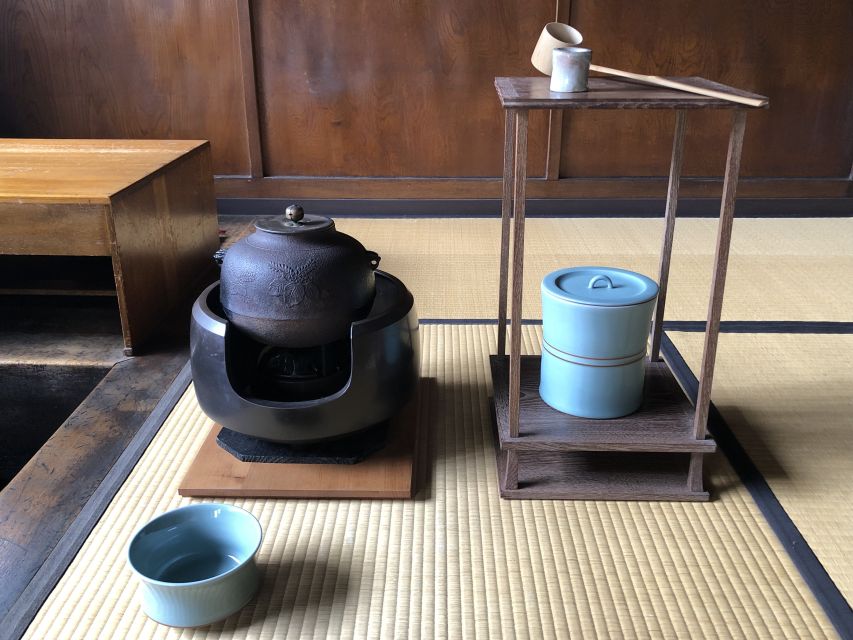
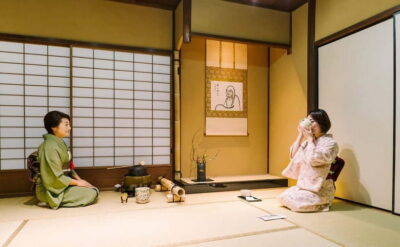
The setting does much of the work before the tea even appears. You step into a traditional Kyoto townhouse with tatami, handcrafted tea utensils, and a quiet atmosphere that encourages you to lower your voice and slow your movements.
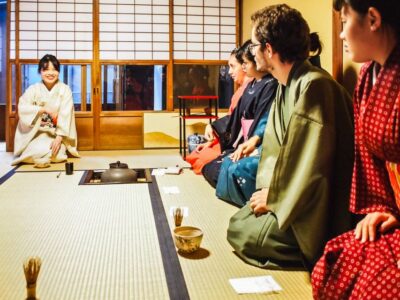
This is not a large theater-style cultural show. The intimate room helps you notice small details, such as how the tea bowl is handled and how the host arranges the utensils. The space has a contemporary Japanese feel while keeping the character of an old townhouse.
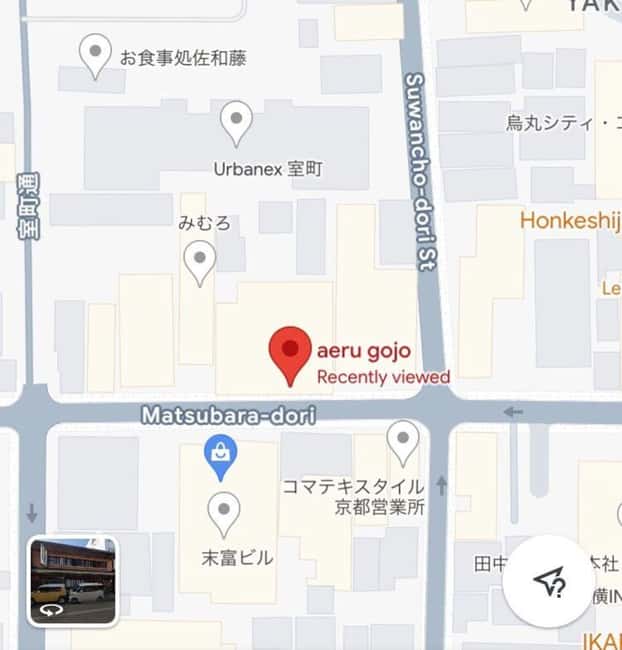
The meeting point is in central Kyoto. From Karasuma-dori Street, turn at the corner with the Family Mart convenience store and walk straight for about one block. Look for the sign for aeru gojo, next to Only Corporation and across from Zen Kyoto.
You should arrive no more than 10 minutes early. The room is limited in size, so arriving much earlier can be awkward. There is no parking lot, and bicycles are not allowed at the venue. If you arrive by rental bicycle, use a public bicycle parking area. The closest one is listed at the provided map link.
More Matcha Experiences in Kyoto
- Kyoto: Arashiyama Bamboo Forest, Monkeys, Matcha & Temple Tour
★ 5.0 · 759 reviews - Kyoto: Kimono Tea Ceremony with Matcha and Sweet
★ 4.9 · 249 reviews - Kyoto: Arashiyama Bamboo, Temple, Matcha, Monkeys & secret spots
★ 5.0 · 219 reviews
What the tea ceremony actually teaches you
The session follows a clear pattern. First, the tea master demonstrates the preparation. Then you learn how to make your own matcha. Finally, you drink it with a Japanese sweet and have time for questions.
Your host is trained in the Omotesenke tradition, one of Japan’s respected schools of tea ceremony. You will not become a tea master in 45 minutes, but you will get a useful sense of how much care goes into a bowl of tea.
The demonstration is deliberately slow. That pace may feel unusual if you are used to fast sightseeing, but it is part of the lesson. The tea ceremony is not only about producing a drink. It is also about attention, respect, order, and the relationship between host and guest.
Your guide explains the reason behind the movements instead of asking you to copy them blindly. You learn how the utensils are used, how the tea is whisked, and how etiquette shapes the experience. This explanation is especially helpful if you have never attended a Japanese tea ceremony.
The English instruction is one of the activity’s strongest features. Hosts such as Miki and Aki are described as patient and clear, while Yoko and Kiyoka are praised for their warm approach. You can ask about matcha, tea schools, Japanese customs, or other aspects of daily culture. The conversation is not limited to memorized steps.
Making your own bowl of matcha
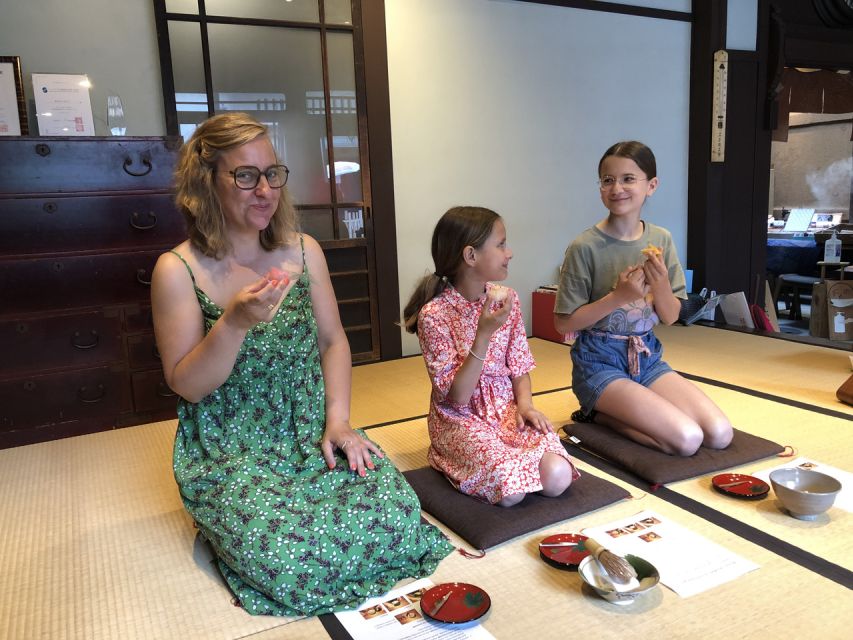
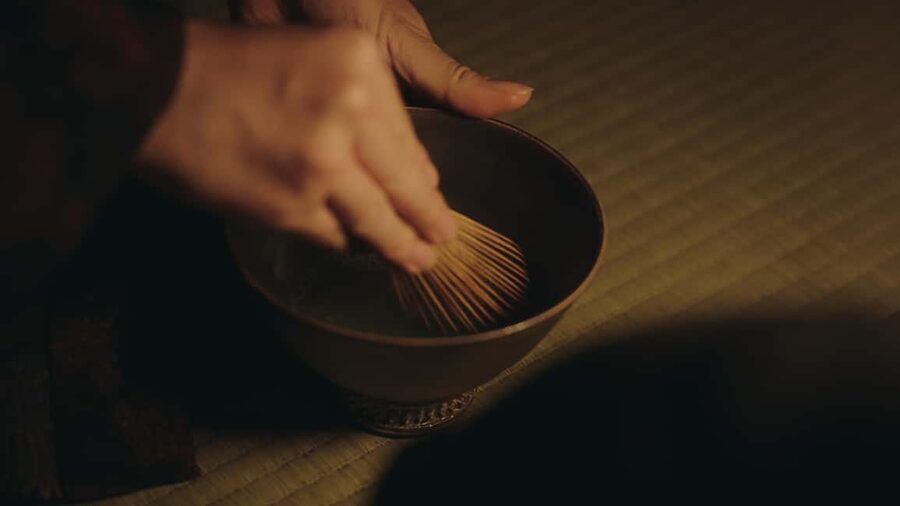
The hands-on part gives this experience its value. Watching someone else whisk matcha is pleasant, but preparing your own tea helps you remember the process.
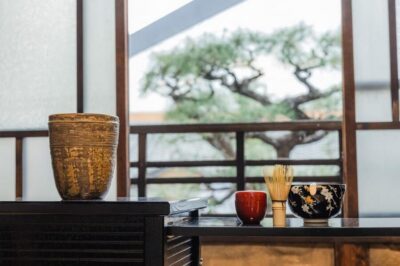
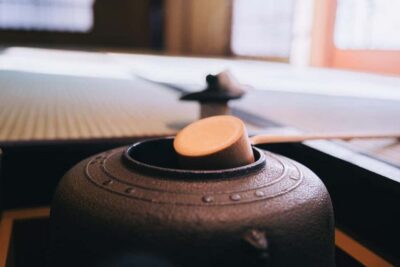
You use authentic utensils made by Japanese artisans. The quality of the bowls, whisks, and other tools adds meaning to the lesson, since these are not just anonymous props brought out for a tourist demonstration. You can see and handle objects connected to the craft of tea.
Your host guides you through the process step by step. Beginners should not worry about making a perfect bowl. The purpose is to learn the basic movement, understand the tools, and take part in the exchange between host and guest.
Some people find the whisking unexpectedly calming. The repeated motion requires concentration, and the quiet room gives you a break from Kyoto’s busy streets. The activity can feel almost meditative, though the hosts keep the tone friendly and conversational rather than solemn.
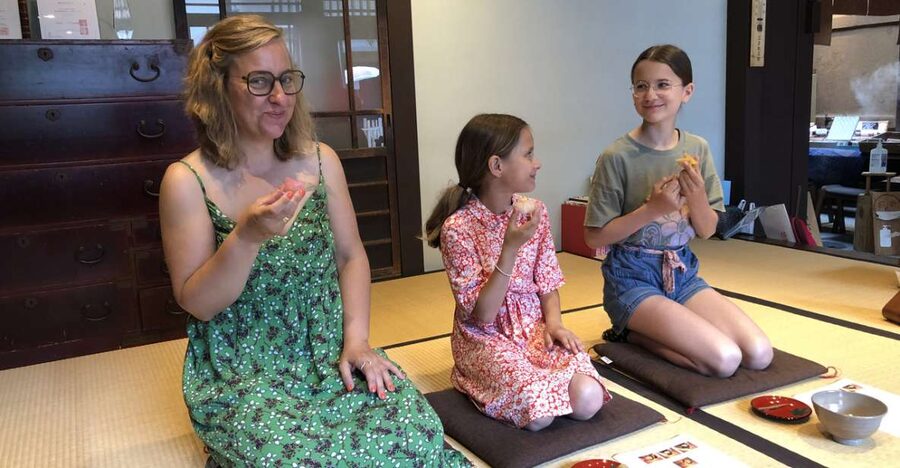
After making the tea, you drink it with a traditional Japanese sweet. The sweet is included in the $45 price, along with one cup of matcha. The combination matters because the sweetness balances matcha’s grassy, slightly bitter flavor.
Do not expect free refills. One guest specifically noted that the experience did not include them. If you are looking for a tasting session with several grades of tea, this is not that kind of activity. It is a focused lesson built around one bowl.
Why the small group matters
The limit of 10 participants is more than a marketing detail. It affects how much attention you receive.
In a large group, you might watch the demonstration from the back and struggle to ask questions. Here, the room allows for a more personal exchange. Several hosts have taken time to help participants individually, including families with children and people who needed extra guidance.
The small format also makes it easier to meet the other people in the room. You may be sharing the session with solo visitors, couples, families, or small groups from different countries. The activity provides a natural way to talk with people without turning into a forced social event.
Families should consider the age and temperament of their children. Children around eight and ten have enjoyed the hands-on lesson, and one host was especially patient with a restless toddler. Still, the room is designed for a peaceful activity. If your child cannot sit quietly for much of the session, the calm atmosphere may be difficult for everyone.
Teenagers can be a good fit. The practical task of making matcha gives them something to do, while the cultural explanation keeps the session from feeling like a passive lecture.
Solo visitors are also well suited to this experience. The host gives clear attention to each person, and the group setting helps the session feel welcoming without requiring you to bring a companion.
More Tea and Calligraphy Workshops in Japan
- Kyoto Hidden Riverside Zen Mediation and Uji Matcha Experience
★ 5.0 · 9 reviews - Whisk Your Own Matcha: A Zen Matcha Experience at Temple
★ 3.6 · 7 reviews - Kyoto: Nighttime Zen Meditation and Matcha Tea Experience
★ 5.0 · 7 reviews - Kyoto: Make Zen Garden and Taste Matcha in Pottery Shop
★ 5.0 · 5 reviews
A modern introduction, not a strict formal ceremony
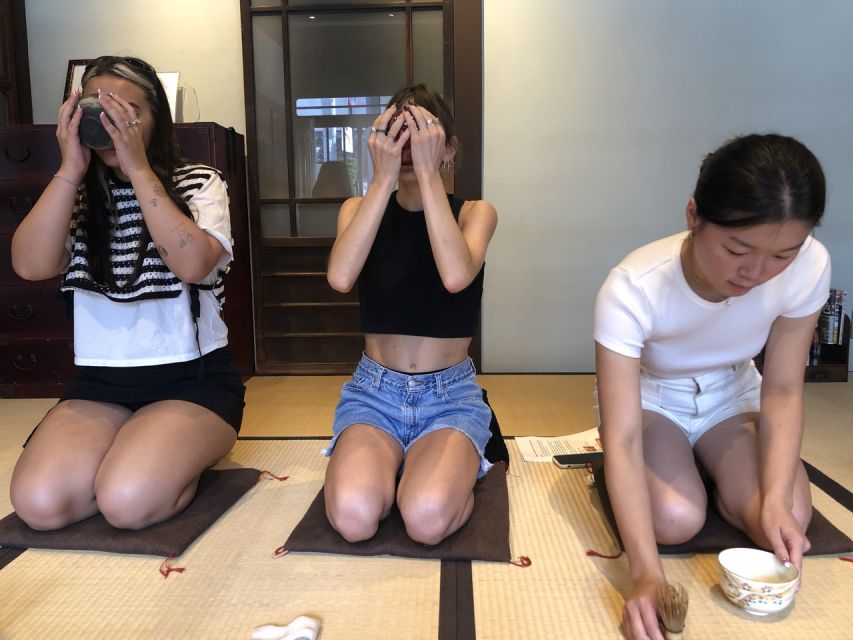
It is important to understand the style before you book. This is a traditional tea ceremony presented in a visitor-friendly way.
You receive a real introduction to ceremony, etiquette, and matcha preparation, but the host also encourages questions and keeps the mood comfortable. That balance is useful for first-time participants. You get the structure without being expected to know Japanese customs in advance.
Some people may prefer a more formal ceremony with stricter silence, more elaborate clothing, and a longer sequence of rituals. This activity will feel more accessible and less intimidating than that. The tradeoff is that it cannot cover every detail of the tea tradition in 45 minutes.
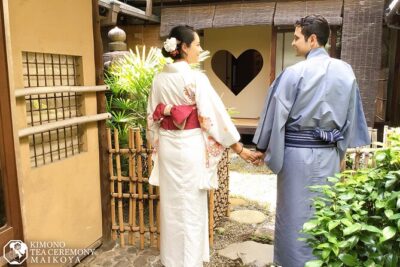
The experience also does not include kimono dressing or hair setting. If wearing a kimono is central to your Kyoto plans, you will need to arrange that separately. Do not book this expecting a costume session with photographs.
The lack of costume is not necessarily a weakness. It keeps the focus on tea, utensils, and cultural explanation. You can attend in ordinary travel clothing and spend your time learning rather than preparing for a photo shoot.
The meaning behind the quiet gestures
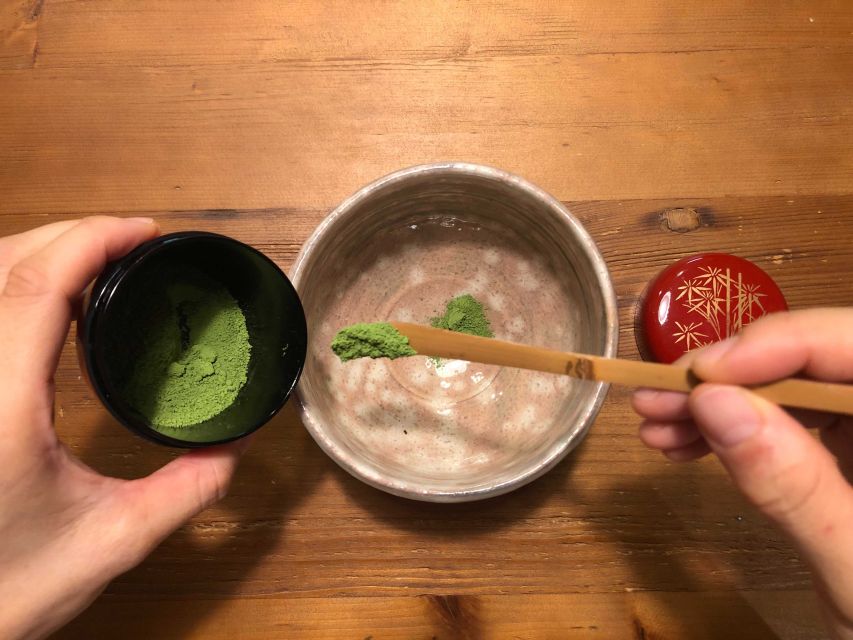
A good tea ceremony lesson explains why the ritual matters. Here, the host connects the preparation to ideas of care, hospitality, and respect.
You see that every action has a place. The arrangement of the tools, the way the tea is whisked, and the manner of receiving the bowl all help create a thoughtful exchange. Even a simple cup becomes an opportunity to pay attention to the person who prepared it.
The hosts also make the subject approachable. They explain the customs in English, answer questions patiently, and adjust the pace when needed. That makes the experience useful for people who want cultural context but do not have much previous knowledge of Japanese tea.
I especially like this balance because it avoids treating the ceremony as a mysterious performance. You are shown the practical details and given enough background to understand what you are doing. The result is more memorable than simply posing in traditional clothing or drinking matcha at a café.
What you can take home afterward
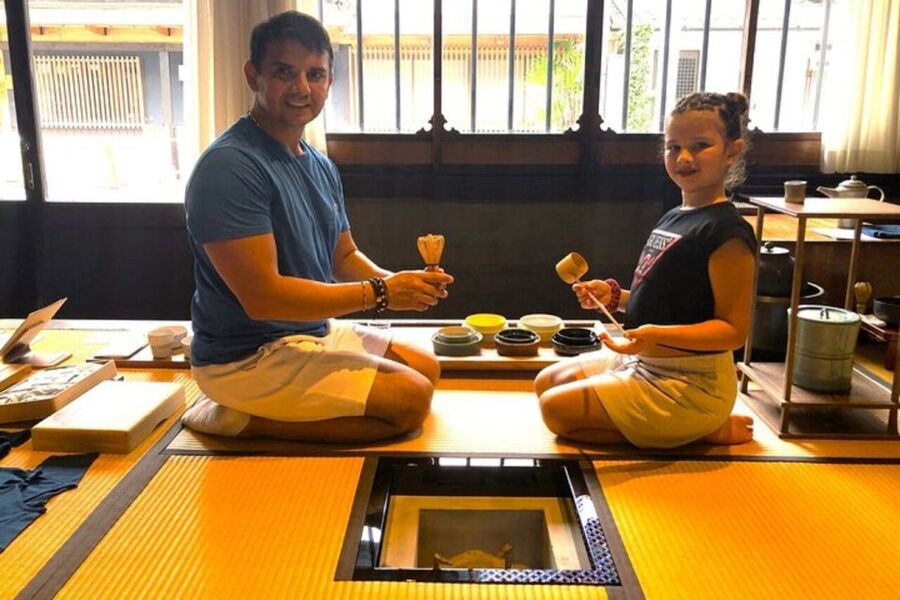
After the tea, you have the chance to look at Japanese crafts and consider purchasing a souvenir. The objects connect directly to what you have just learned, which makes the shopping more meaningful than a random stop at a souvenir shop.
You might find this useful if you want a small reminder of Kyoto that has a clear connection to the culture. A tea bowl or related item can also help you repeat the experience at home, although the supplied information does not specify the exact products, prices, or shipping options.
There is no pressure to buy anything stated as part of the activity. Treat this part as an optional look at Japanese craftsmanship, not as a required stop. The main experience remains the ceremony and your own bowl of matcha.
Is $45 a fair price?
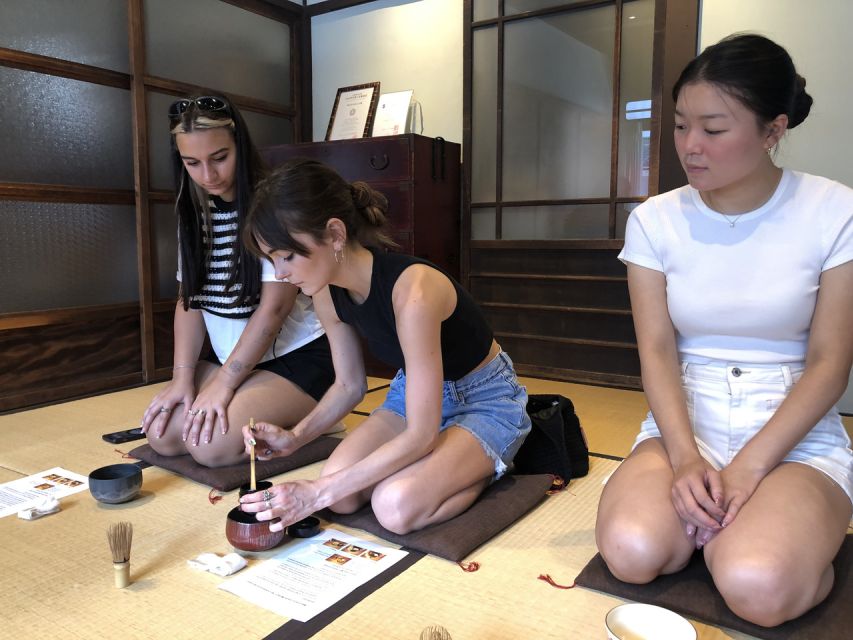
At $45 per person, this is not the cheapest way to drink matcha in Kyoto. You could spend far less at a tea shop. But a café does not usually give you 45 minutes of instruction in a historic townhouse, access to artisan-made utensils, a cultural explanation in English, a traditional sweet, and the chance to prepare the tea yourself.
The value is strongest if you want context. You are paying for the host’s time, the small group, the setting, the utensils, and the guided activity, not simply for powdered tea.
The price also compares well with similar cultural activities that add costume rental or longer preparation time. Since kimono and hair setting are not included here, you should compare the total price carefully if dressing up is important to you.
For a first introduction to Japanese tea, I consider $45 reasonable. It is short enough to fit into a busy Kyoto day and substantial enough to give you a real cultural experience. If you already study tea ceremony or expect advanced instruction, you may find it too basic.
Planning this into your Kyoto day
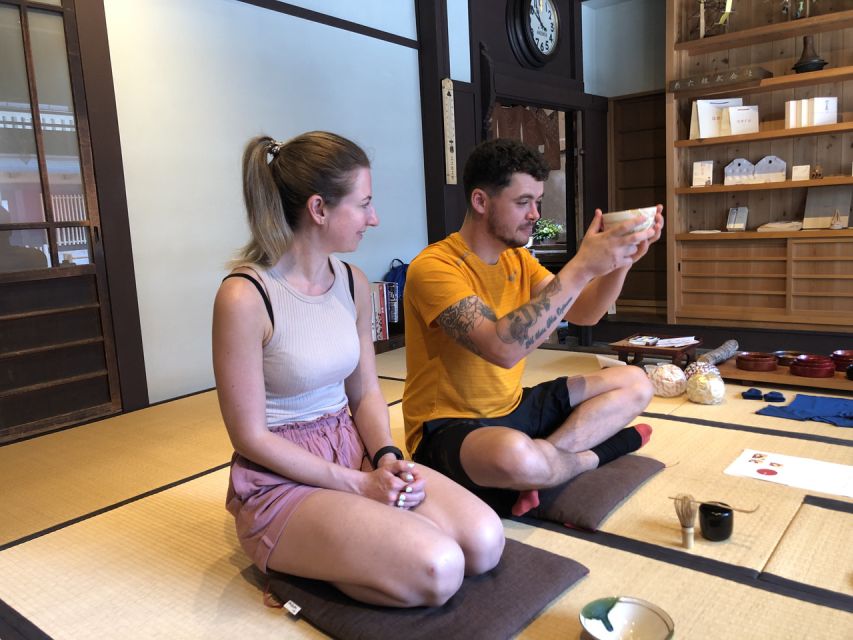
The 45-minute length makes this easy to pair with sightseeing in central Kyoto. You can schedule it between temples, shopping, or a meal without giving up half a day.
Avoid arriving after drinking or eating heavily at the venue. Food and drinks are not allowed, and the room is not suitable for eating. The included Japanese sweet is part of the ceremony, not a substitute for lunch.
Perfume and cologne should be left off. Matcha has a delicate aroma, and strong scents can interfere with the experience for everyone in the room. This is a small request but an important one.
The activity is wheelchair accessible. Hotel pickup and drop-off are not included, so you must make your own way to the townhouse. The location is in central Kyoto, and the directions mention nearby landmarks to make the entrance easier to identify.
Free cancellation is available up to 24 hours before the scheduled time, and you can reserve now and pay later. Those terms are useful if your Kyoto schedule is still changing, but check the exact booking conditions for your selected time.
Who should book this matcha experience?
I would choose this for a first-time visitor who wants more than a quick cup of green tea but less than a full formal ceremony. It suits couples, solo visitors, older children, teenagers, and anyone curious about Japanese customs.
It is also a good rainy-day activity. You get a quiet indoor setting and a cultural lesson that does not depend on clear weather. The short duration leaves plenty of time for the rest of your itinerary.
You may want to skip it if you dislike guided participation, cannot sit quietly for a short session, or want a ceremony conducted entirely in Japanese. You should also look elsewhere if the main goal is kimono rental, hair styling, multiple tea tastings, or a long formal ritual.
The hosts are the strongest reason to book. Miki is repeatedly praised for clear instruction and patience, while Aki, Yoko, Joko, and Kiyoka are noted for warmth, fluent English, and careful answers. Host availability may vary, but the teaching style appears consistent: welcoming, detailed, and easy for beginners to follow.
Should you book it?
Yes, if you want a practical and friendly introduction to Kyoto’s tea culture. The best parts are the townhouse setting, the small group, the artisan utensils, and the chance to make your own matcha rather than only watch a performance.
Book it with realistic expectations. This is a 45-minute cultural workshop, not an advanced tea school or kimono photo session. For $45, it offers a thoughtful pause in the middle of a busy Kyoto itinerary and gives you a skill you can try again at home.
FAQ
How long does the Kyoto tea ceremony experience last?
The activity lasts 45 minutes.
What is included in the price?
The price includes the tea ceremony experience, one cup of matcha, and Japanese traditional sweets.
Is the experience taught in English?
Yes. The instructor language is English, and the English-speaking tea masters explain the ceremony and answer questions.
How many people can join?
The experience is limited to a small group of up to 10 participants.
Is kimono rental included?
No. Kimono rental and hair setting are not included.
Can I cancel for a full refund?
Yes. You can cancel up to 24 hours in advance for a full refund.
More Tea Ceremonies in Kyoto
- Kyoto: Tea Ceremony in a Traditional Tea House in Kiyomizu
★ 4.9 · 3,519 reviews - Kyoto: Tea Ceremony Ju-An at Jotokuji Temple
★ 4.9 · 3,207 reviews - Kyoto: 45-Minute Tea Ceremony Lesson Experience
★ 4.3 · 2,378 reviews - Kyoto: Table-Style Tea Ceremony at a Kyo-Machiya
★ 4.9 · 1,211 reviews
More Tea and Calligraphy Workshops in Kyoto
- Kyoto Tea ceremony with Japanese Flower Arrangement Ikebana
★ 5.0 · 3 reviews - Tea ceremony at Kyoto’s Zen Temple Teahouse
★ 5.0 · 2 reviews - Silent Beauty of Kyoto Zen Walk and Tea Experience
★ 5.0 · 2 reviews - Zen Garden Making and Matcha Tasting in Handmade Pottery Shop
★ 3.5 · 2 reviews
Just added around Kyoto
- Uji Walking Tour – Byodo-in temple and Tea Ceremony from Kyoto★ 3.5 · 3 reviews
- Tea ceremony at Kyoto’s Zen Temple Teahouse★ 5.0 · 2 reviews
- Kyoto: Authentic Tea Ceremony in a Small Group★ 5.0 · 7 reviews
- Tea Ceremony in 150 Years Old Townhouse with Tables and Chairs★ 5.0 · 22 reviews
- Tea Ceremony Experience in Traditional Kyoto Townhouse★ 5.0 · 19 reviews
- Traditional Tea Ceremony in Kyoto★ 4.5 · 3 reviews
- Silent Beauty of Kyoto Zen Walk and Tea Experience★ 5.0 · 2 reviews
- Kyoto Private Tea Ceremony at a Japanese Inns★ 5.0 · 12 reviews
Tea Ceremonies in Kyoto, compared.
Tea Ceremony in a Traditional Tea House in Kiyomizu
Read our review →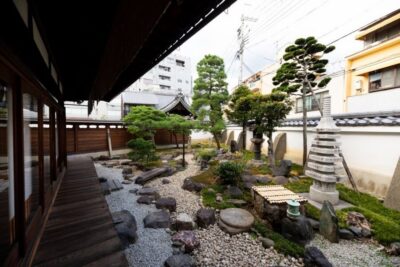
Tea Ceremony in 100-year-old Kyo-Machiya Townhouse
Read our review →