Review · TOKYO
Experience all of Japanese culture and Japanese food experience classes “origami, udon, Japanese food, green tea, calligraphy” in 4 hours
Four hours can reveal a lot about Japan. This private Tokyo experience brings you into Taka and Keiko’s home for origami, udon-making, sushi, gyoza, tempura, matcha, and calligraphy. I like the hands-on cooking, especially stepping on the udon dough, and I like the warm, personal contact with a Japanese couple rather than a formal classroom. The one drawback is that the schedule is full, so you should expect an enjoyable introduction rather than expert-level training in every activity.
You meet at JR Omori Station at 10:30 am, then walk about eight minutes through a quiet residential area and past a shrine. Taka and Keiko’s hospitality is the main attraction here. The food, free drinks, family-friendly pace, and personal calligraphy souvenir make the $92.50 price reasonable, particularly for a family or small private group that wants more than sightseeing from the outside.
What makes this Tokyo experience special
- Udon starts with your feet: You work with the dough from its basic ingredients and step on it as part of the traditional preparation.
- Lunch is made together: Sushi, gyoza, tempura, and Japanese side dishes turn the cooking lesson into a proper shared meal.
- The setting is a real home: You visit Taka and Keiko in their own house, not a large cooking studio or restaurant.
- The afternoon ends with Japanese arts: You fold an origami crane, prepare matcha with Japanese sweets, and receive your name in calligraphy.
- Drinks are included: Sake, shochu, beer, and soft drinks are provided with lunch.
- Vegetarian and vegan options are available: The ingredients can be changed so that all dishes remain part of the experience.
Meeting Taka and Keiko in Omori
The day begins at the central exit of JR Omori Station, where you look for a person carrying a bag marked with the homecoming TAKA logo. Taka walks you to the house, a short trip of about eight minutes through a quiet neighborhood.
That walk matters. You do not simply appear at a cooking venue with no sense of place. You pass a shrine and see an ordinary residential side of Tokyo, far from the major shopping streets and famous attractions. It gives the morning a gentle start and helps you shift from sightseeing mode to a more personal visit.
The meeting point is at 1 Chome-6 Omorikita, Ota City, Tokyo. The activity ends back at the meeting point, and Taka and Keiko also see you back toward JR Omori Station. Since transfers are not included, you need to make your own way to Omori, but the station connection makes the meeting point practical.
This is a private activity for your group only. That makes it a good choice if you want to ask questions, cook at your own pace, or bring children without worrying about keeping up with a large class.
More Green Tea Tours in Japan
- Authentic Japanese tea tasting: sencha, matcha and gyokuro
★ 5.0 · 12 reviews - Authentic Japanese tea tasting session: sencha, matcha, gyokuro
★ 5.0 · 11 reviews - Ginza Tokyo: Easy Matcha (Green Tea) Experience
★ 5.0 · 7 reviews
Origami first: A calm way to begin
Once you arrive, Taka explains the program. Origami comes first, with a paper crane as the project.
This is a smart opening. Folding paper is quiet and approachable, so everyone can settle in before the more active food preparation begins. It also introduces a familiar Japanese art in a simple form. You do not need prior experience, and children can take part alongside adults.
The origami portion is not the main reason to book the experience, but it helps give the morning variety. You are not spending four straight hours at a kitchen counter. Instead, the day moves between crafts, cooking, eating, tea, and writing.
Making udon by hand, including the famous dough step
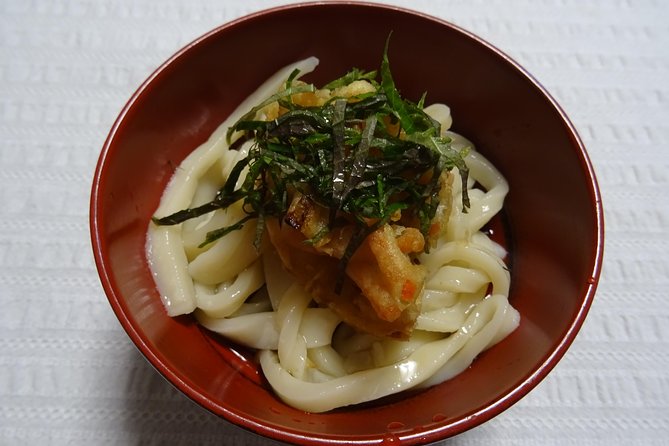
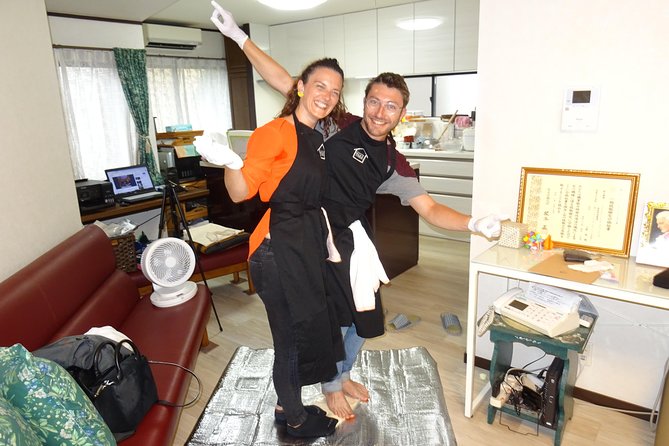
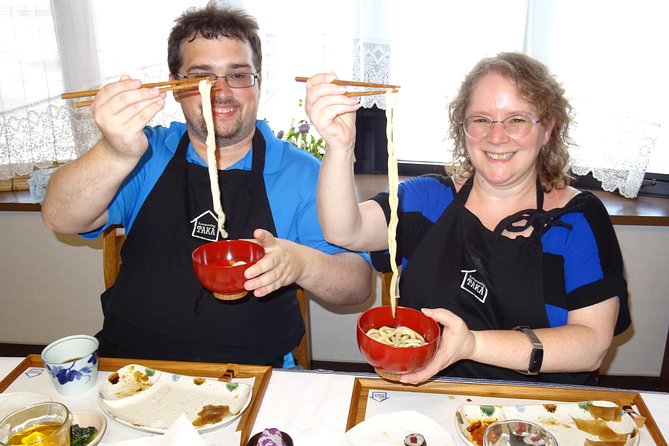
The udon lesson is one of the most distinctive parts of the day. You begin with the ingredients and follow the process through to the finished noodles. A memorable step involves placing the dough in a bag and stepping on it.
That may sound playful, and it is, but it also makes the preparation easy to remember. You see that handmade noodles require more than mixing and cutting. The texture develops through working the dough, and you take part in the process instead of watching someone else do it.
The activity should suit families particularly well. Children can take an active role, and several families have found the udon portion especially appealing for younger participants. You also leave with a better chance of repeating the recipe at home because you have handled the ingredients yourself.
Keep your expectations sensible. This is one part of a broad four-hour program, not a specialized noodle-making course. You get a practical taste of the method, along with plenty of conversation, rather than a long technical lesson on flour, hydration, or regional udon styles.
A homemade lunch of sushi, gyoza, tempura, and side dishes
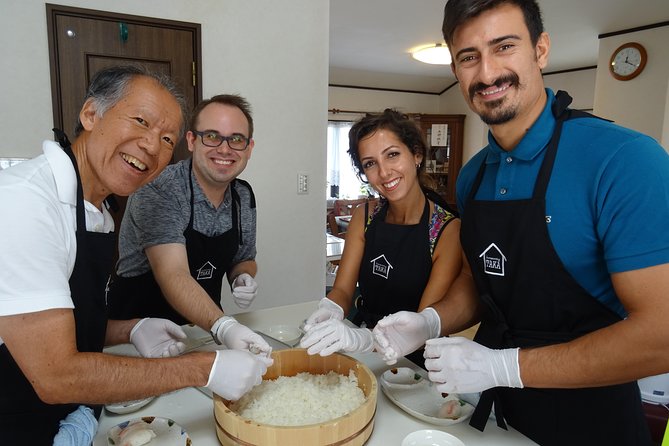
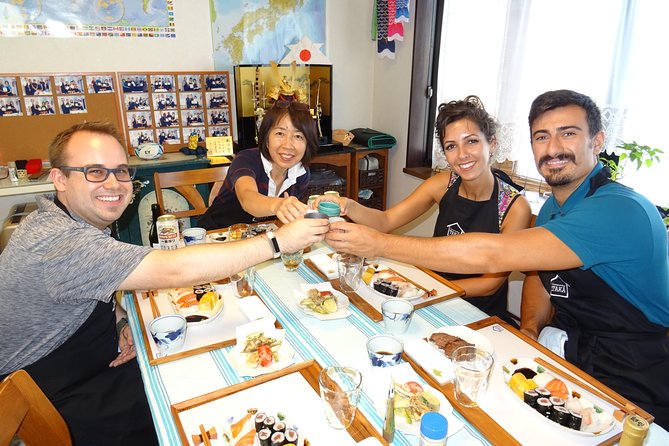
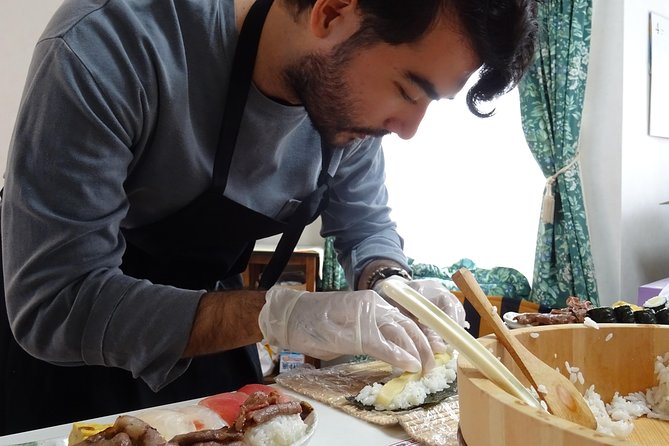
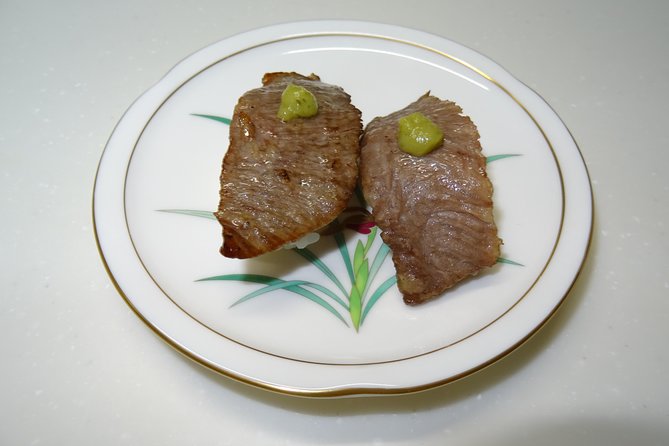
The food preparation forms the heart of the experience. You help make sushi and gyoza, and tempura is also part of the meal. Keiko serves Japanese small plates alongside the dishes you prepare.
The strength of this format is that you learn and eat in the same place. You can see how the food comes together, then sit down for a relaxed lunch with the people who showed you how to make it. That creates a much more social experience than ordering sushi at a restaurant.
The meal also gives you room to talk. Taka and Keiko make conversation a central part of the visit, and the atmosphere is intended to feel like time spent with family friends. Several families have particularly valued this relaxed contact, including families with children and visitors from different countries.
The menu covers several familiar Japanese foods, but each one gives you a different task. Sushi involves shaping and presentation. Gyoza brings folding and filling. Tempura adds cooking technique and timing. Together, they provide a broad introduction to everyday Japanese food culture.
All food ingredients and drinks are from Japan, according to the tour description. Alcoholic drinks, including sake, shochu, and beer, are included, as are soft drinks. That adds value to the $92.50 cost, though you should not feel that you need to drink alcohol to enjoy the meal. The food and conversation are the main event.
Vegetarians and vegans can take part. The dishes are prepared with different ingredients so that the full experience remains available. You should state your dietary needs when booking, even though the activity specifically accommodates both vegetarian and vegan diets.
More Tea and Calligraphy Workshops in Japan
- Tokyo: Practicing Zen with a Japanese Tea Ceremony
★ 4.7 · 105 reviews - Practicing Zen through Japanese Tea Ceremony
★ 4.5 · 6 reviews - Tokyo Morning Japanese Tea and Meditation Experience in Japan
★ 5.0 · 2 reviews - Japan’s Customs of Ikebana Art, Tea Ceremony & Kimono Welcome
★ 5.0 · 2 reviews
Why the meal is worth more than a restaurant visit
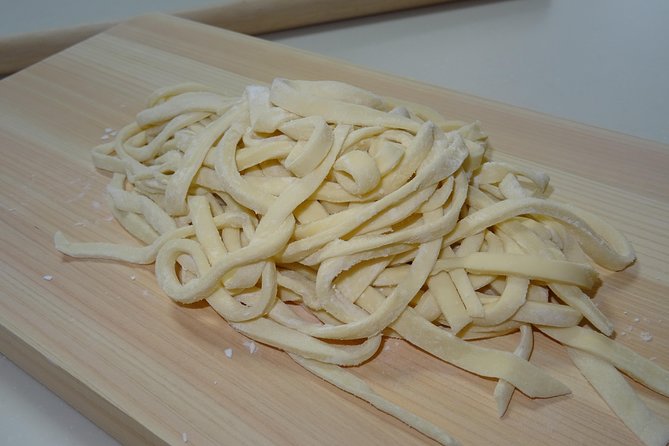
A Tokyo restaurant can give you excellent food, but it usually gives you little access to the people and processes behind it. Here, you take part in preparing lunch, ask questions while cooking, and eat in a private home.
I see the value in that combination. The price is not simply paying for a meal. It covers roughly four hours of instruction and hosting, the ingredients, an apron, origami, lunch, alcoholic and nonalcoholic drinks, matcha, sweets, and a calligraphy souvenir.
The activity is especially good value for a family or group because the private format lets everyone participate. Solo visitors can also book it, but the social side may depend more on the chemistry between you, the hosts, and any people in your group.
The main limitation is the sheer number of activities. Sushi, gyoza, tempura, and udon could each fill a cooking class on their own. Here, you sample all of them in one day. That variety is fun, but you should not expect to master every recipe or technique in detail.
Matcha and Japanese sweets after lunch
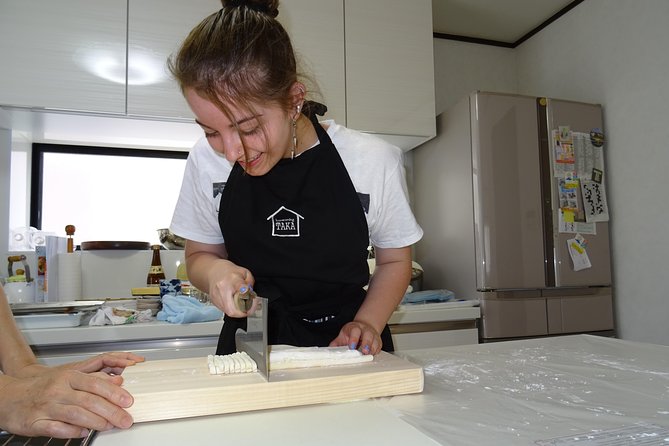
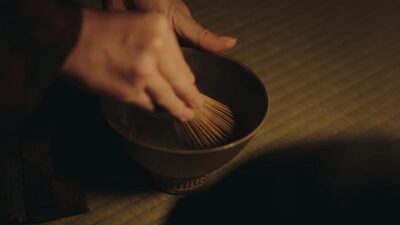
After the meal, you prepare matcha together and taste it with local Japanese sweets. This brings a slower rhythm to the afternoon.
Matcha can seem intimidating if you have only seen it presented in formal tea settings. The activity gives you a straightforward introduction without making the ceremony feel distant or overly strict. You prepare the tea, taste it, and learn through doing.
The sweets provide a useful contrast to the savory lunch. This is also a chance to pause and continue the conversation before the final activity. If you have spent the morning cooking, the tea segment gives the experience a calm closing stretch.
Calligraphy creates a personal souvenir
At the end, Keiko writes your name in calligraphy on colored paper for you to take home.
This is more personal than a standard printed souvenir. Your name becomes a small reminder of the day, and the colored paper is easy to pack compared with a large craft item. It also gives you something tangible connected to the hosts, not just photographs of the food.
The calligraphy comes after you have already spent time with Taka and Keiko, so it feels like a closing gesture rather than an isolated demonstration. The couple also takes photos with visitors and keeps in touch with many people after the experience, adding to the sense that this is intended as a personal exchange.
The hosts are the real center of the day
The activities are appealing, but Taka and Keiko are what give the experience its character. Their goal is to welcome you as part of their home and build friendships around the world.
That promise comes through in the structure of the visit. Taka meets you at the station, walks you home, explains each activity, and sends you back toward the station afterward. Keiko takes an active role in serving food and writing the calligraphy souvenir.
You should book this experience if you enjoy conversation and personal contact. It is less suited to someone who wants to move quietly from one attraction to another or who prefers a highly formal cooking school.
Families are a strong match. Children as young as seven and eight have taken part, and older children and teenagers can enjoy the food, crafts, and relaxed social setting. Solo visitors can also fit in well, especially if they are comfortable meeting a local couple and talking with them.
Timing, pace, and practical details
The experience lasts about four hours and begins at 10:30 am. You should allow time to find the central exit of JR Omori Station and identify the homecoming TAKA logo bag.
Wear something comfortable for cooking and follow the provided apron arrangement. Since the day includes food preparation, folding dough, and sitting down for lunch, comfort matters more than dressing formally.
The program has a clear order:
- Meet at JR Omori Station and walk to the house.
- Hear an explanation of the day.
- Fold an origami crane.
- Make udon from the ingredients through to the finished noodles.
- Prepare sushi, gyoza, and tempura with Japanese side dishes.
- Eat lunch and enjoy included drinks.
- Prepare matcha and taste Japanese sweets.
- Receive your name in calligraphy.
- Walk back toward JR Omori Station.
Free cancellation is available when you cancel at least 24 hours before the local start time. Changes or cancellations inside that window are not accepted for a refund.
Is $92.50 a fair price?
For four hours of private hosting, cooking activities, lunch, drinks, an apron, matcha, origami, and a calligraphy souvenir, $92.50 per person is a fair price.
The value is strongest if you plan to eat the meal, take part in every activity, and enjoy the personal contact. It is less attractive if you want only a short cooking demonstration or a formal lesson focused on one dish.
The booking pattern also matters. This experience is booked an average of 107 days ahead, so you should reserve early if your Tokyo dates are fixed. That is particularly important for families and small groups who need a private slot.
Who should book this experience?
I would choose this for:
- Families seeking a hands-on activity in Tokyo
- Couples who enjoy food and conversation
- Solo visitors who want personal contact with local hosts
- Vegetarian and vegan visitors who want a full Japanese food session
- Anyone interested in ordinary home hospitality rather than a large commercial class
- Visitors who want a mix of cooking, crafts, tea, and calligraphy
I would think twice if you want advanced culinary training, a strict traditional tea ceremony, or a quick activity close to a major sightseeing district. The program is broad, social, and relaxed. Its strength is the human connection and variety, not specialist instruction.
Should you book Homecoming TAKA?
Yes, if you want a warm, hands-on introduction to Japanese food and home culture. The combination of handmade udon, sushi, gyoza, tempura, matcha, origami, and calligraphy gives you plenty to do, while Taka and Keiko provide the personal touch that ties it all together.
Book it early, especially for a family or private group. Go in ready to talk, cook, eat, and try something slightly silly, such as stepping on noodle dough. If that sounds like your kind of Tokyo morning, this is a strong use of four hours.
FAQ
Where does the experience begin?
It begins at the central exit of JR Omori Station in Tokyo. The listed meeting address is 1 Chome-6 Omorikita, Ota City, Tokyo 143-0016, Japan.
What time does the experience start?
The start time is 10:30 am.
How long does the experience last?
The experience lasts approximately four hours.
How do I identify the host at the station?
Look for someone carrying a bag with the homecoming TAKA logo.
How far is the house from JR Omori Station?
The house is about an eight-minute walk from the station. The route passes a shrine and a quiet residential area.
What food will I make?
You will make handmade udon, sushi, and gyoza. Tempura and Japanese small plates are also part of the lunch experience.
Are drinks included?
Yes. Sake, shochu, beer, and soft drinks are included.
Can vegetarians and vegans participate?
Yes. Vegetarian and vegan visitors can enjoy the dishes with different ingredients.
Is this a private activity?
Yes. Only your group participates in the activity.
What souvenir do I receive?
Keiko writes your name in calligraphy on colored paper for you to take home.
More Tea and Calligraphy Workshops in Tokyo
- Kyoto: Tea Ceremony Meditation – Make Matcha with Tea Master
★ 4.8 · 406 reviews - Osaka: Tea Ceremony, Calligraphy, and Kimono Experience
★ 4.9 · 130 reviews - An Amazing set of Cultural experience: Kimono, Tea Ceremony and Calligraphy
★ 5.0 · 69 reviews - Beijing Culture: Tea Ceremony, Heritage Instrument & Calligraphy
★ 5.0 · 57 reviews
More Green Tea Tours in Tokyo
- Uji: Green Tea Tour with Byodoin and Koshoji Temple Visits
★ 4.8 · 72 reviews - Scenic Green Tea Fields of Hidden Kyoto & Local Tea Exp (Private)
★ 5.0 · 32 reviews - Osaka; Japanese Tea ceremony experience, Macha and Sencha
★ 4.9 · 29 reviews - Kyoto Matcha Green Tea Tour
★ 4.7 · 28 reviews
Just added around Tokyo
- Yokohama : Tea Ceremony with Sweets and Souvenir★ 5.0 · 5 reviews
- Walking Tour: Yanaka,Nezu& Sendagi: Tea Ceremony & Old Tokyo★ 5.0 · 3 reviews
- Private Mochi・Matcha sweets Making Class Near Shibuya Area★ 5.0 · 22 reviews
- Private Kimono and tea ceremony at local home near Tokyo Disney★ 5.0 · 6 reviews
- Tokyo Sweets Tour: Hidden Gems & Matcha at an Old Tea House★ 5.0 · 6 reviews
- Kimono and Tea Ceremony in Asakusa Private Food Tour With Guide★ 5.0 · 4 reviews
- 2 Hours Mochi &Nerikiri Making & Matcha Class in Bunkyo★ 5.0 · 21 reviews
- Tokyo Tea Ceremony Class at a Traditional Tea Room★ 5.0 · 2 reviews
Tea and Calligraphy Workshops in Japan, compared.
Tea Ceremony Meditation – Make Matcha with Tea Master
Read our review →
Tea Ceremony, Calligraphy, and Kimono Experience
Read our review →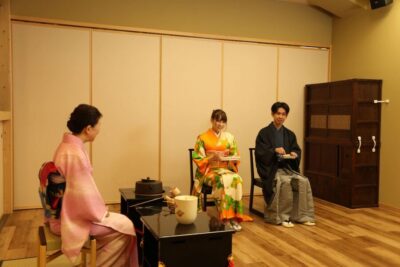
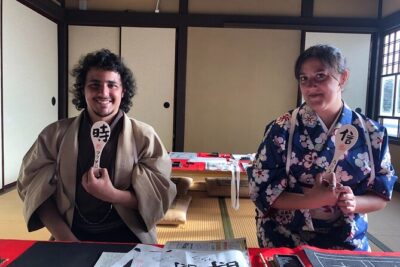
An Amazing set of Cultural experience: Kimono, Tea Ceremony and Calligraphy
Read our review →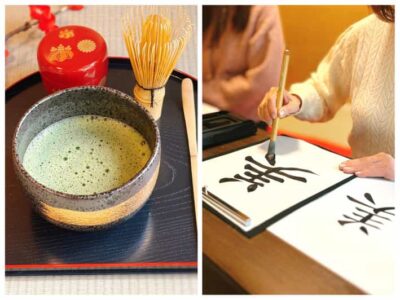
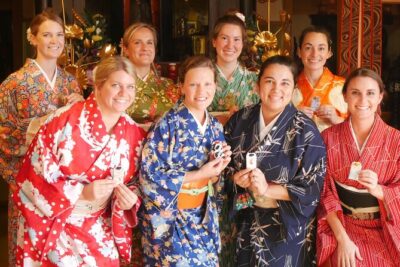
Cultural Activities :Kimono, tea ceremony, Calligraphy and Amulet
Read our review →
Samurai dress-up and shows, plus Tea Ceremony & Calligraphy
Read our review →