Review · OSAKA
Samurai dress-up and shows, plus Tea Ceremony & Calligraphy
Osaka has a playful side to its history. This three-hour indoor experience lets you wear samurai armor, join sword performances, hear traditional music, try Japanese calligraphy, and take part in a tea ceremony under one roof. I like the unusual mix of active fun and quiet cultural practice, and I like the central location near Dotonbori. The main thing to consider is the price: at $123.87 per person, it is a serious spend for a short activity, especially if you only want the armor and photos.
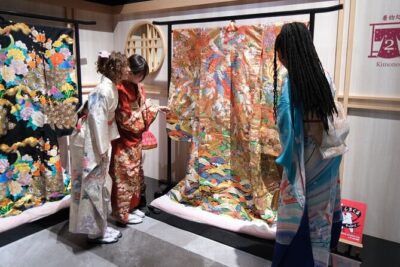
The setting at Shinsaibashi ARTY Inn also makes this easy to fit into a city day. You can walk from Dotonbori in about five minutes, or reach it within roughly ten minutes on foot from Namba or Shinsaibashi stations. The biggest plus is the staff, who are described as warm, attentive, and willing to help with individual requests. The biggest limitation is that the separate kimono option costs ¥19,800, so anyone hoping to wear both kimono and armor should budget carefully.
Key points to know before booking
- Samurai armor is the star attraction: You can dress in traditional armor and take part in sword-focused entertainment rather than only posing for a photograph.
- Several activities share one three-hour visit: The schedule combines a samurai show, live traditional music, tea, calligraphy, and music participation.
- The location is highly convenient: Shinsaibashi ARTY Inn is about five minutes from Dotonbori and within a ten-minute walk of Namba or Shinsaibashi stations.
- Everything happens indoors: This is a useful Osaka plan for rain, heat, cold, or a day when you want a break from walking.
- Staff attention is a major strength: Roi and Maya are specifically praised for careful, personal service and for accommodating individual requests.
- A separate kimono experience costs extra: The listed price does not cover the ¥19,800 kimono option.
What the three-hour Osaka experience includes
This is not a single performance with a photo opportunity attached. It is a compact cultural session built from several short activities. You move between the excitement of samurai armor and sword demonstrations, the sound of traditional music, and quieter hands-on moments with tea and calligraphy.
That variety is the main reason I see value here. A standard stage show may give you a polished performance, but little chance to participate. A simple dress-up session may give you photographs, but not much context. Here, you get a taste of both performance and practice.
The exact order can vary. The information provided indicates that you can choose which activities to start with, with staff explaining how the visit works when you arrive. That flexibility matters if you have children, older family members, or simply want to begin with the activity you were most eager to try.
You should allow about three hours. That is enough time for a broad introduction, but not enough for an in-depth study of samurai history, Japanese tea, or calligraphy. Think of it as a lively cultural sampler rather than a formal course.
More Kimono and Tea Ceremonies in Osaka
- Osaka: Tea Ceremony, Calligraphy, and Kimono Experience
★ 4.9 · 130 reviews - Samurai Show, Tea Ceremony, Japanese Traditional Activities
★ 5.0 · 56 reviews - Premium Kimono Dressing, Tea Ceremony, Calligraphy, Samurai show
★ 5.0 · 18 reviews
Putting on samurai armor at Shinsaibashi ARTY Inn
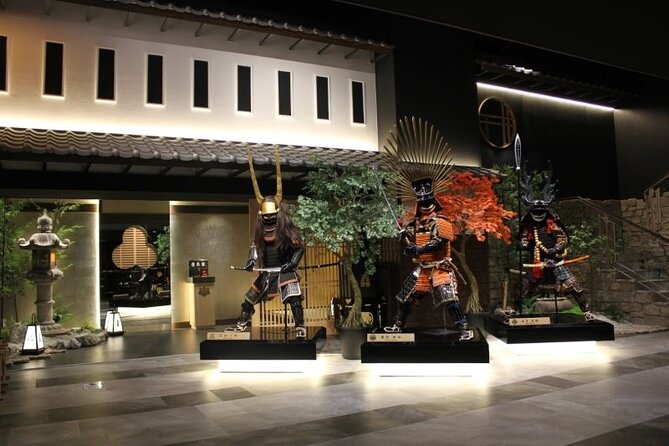
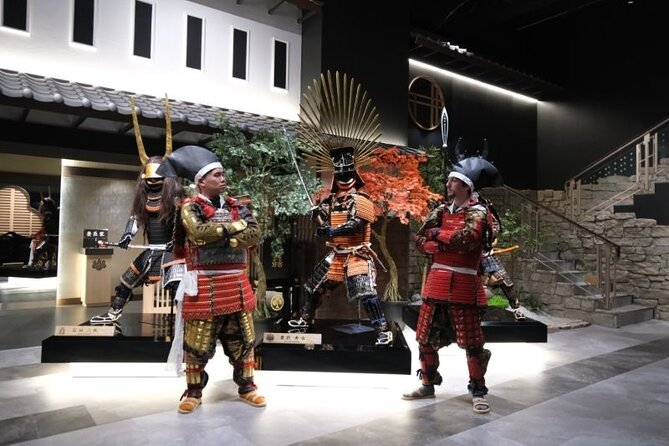
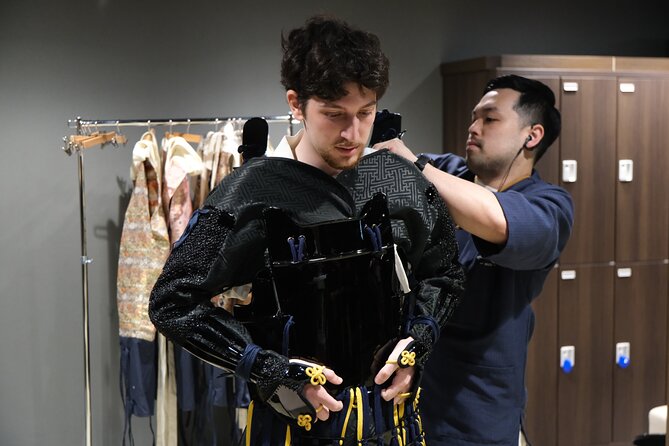
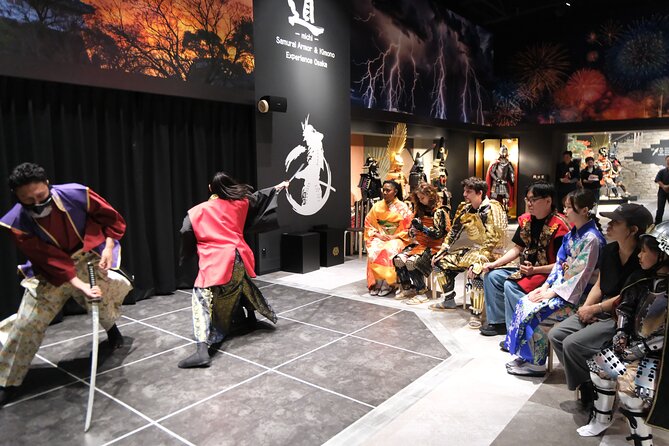
The armor portion gives the experience its visual punch. You do not just watch a samurai performance from a seat. You can put on samurai armor and join the action around the shows.
That makes a real difference. The armor becomes part of the activity, not just a costume hanging on a rack. You might find that the staff help you with the dressing process, positioning, and participation, but the supplied information does not specify the exact armor styles, fitting process, or how long you wear it.
The armor is also central to the sword-fighting element. The experience includes dynamic sword performances, and several activities involve trying basic sword-fighting actions. This should be understood as guided entertainment, not martial arts training. You are there to enjoy the role, follow instructions, and take part safely.
I especially like this format for families and first-time visitors to Japan. It gives you something physical to do, and it does not require prior knowledge of Japanese history. If you are more interested in serious museum interpretation or detailed historical explanation, you may find the presentation too light.
The staff’s manner seems to help here. Their service is repeatedly described as courteous, friendly, and attentive. Roi and Maya are named for their careful help with personal requests, including a special anniversary visit. That suggests the team can make the experience feel personal rather than rushed through a fixed script.
Sword shows and live traditional music
The sword performances provide the high-energy center of the visit. The descriptions point to powerful samurai sword action rather than a quiet demonstration, so expect a theatrical presentation designed to entertain.
Live traditional music adds another layer. This is not only background sound between activities. You may also take part in a music class or try an instrument, depending on the session and staff guidance. The available details do not identify the instruments or explain how long the lesson lasts, so I would treat this as a short introduction rather than a full music workshop.
The combination works well. Samurai armor and sword performance give you the drama. Traditional music helps place the performance in a broader Japanese cultural setting. Then tea and calligraphy slow things down.
Keep your expectations in check. The experience is designed for broad appeal, so the show may favor participation and fun over strict historical reconstruction. That is not a flaw for most people. It simply means you should not book it as a specialist study of samurai warfare.
Tea ceremony: a quieter change of pace
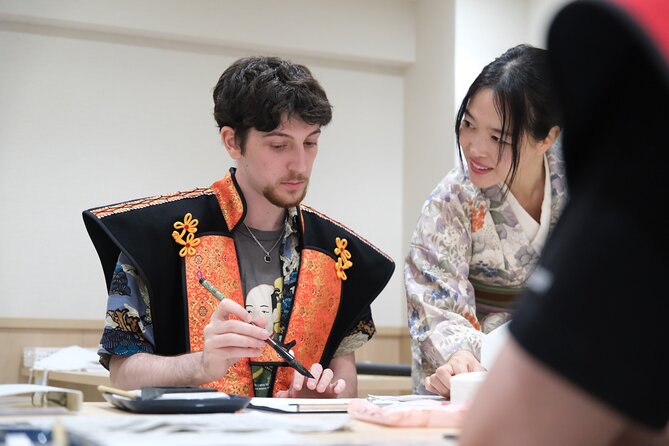
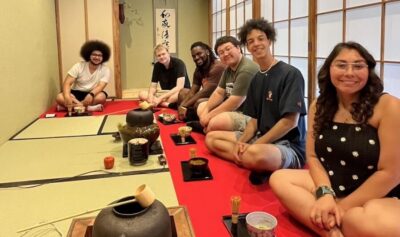
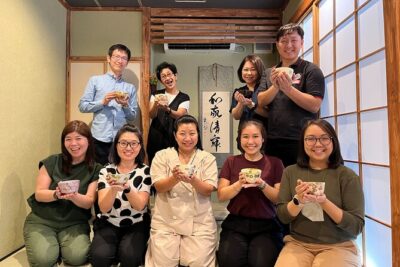
The tea ceremony is the calmest part of the visit. After the noise and movement of sword performances, the slower pace gives you time to observe Japanese manners and presentation.
The activity is described as refined, but the available information does not provide a lesson plan, tea variety, or details about the utensils. You can expect an introduction to the ceremony rather than a long formal instruction session.
I like having this contrast in the same booking. If the entire visit were sword shows, it could feel like a theme attraction. If it were only tea and calligraphy, some visitors might find it too still. The balance gives you a more rounded taste of Japanese culture.
Coffee, tea, and complimentary hot or cold water are available. That is a small practical benefit, especially if you have spent the morning walking through Osaka. It also means you do not need to plan a separate drink stop during the session.
More Tea and Calligraphy Workshops in Japan
- Osaka: Private Tea Ceremony and Calligraphy Experience
★ 5.0 · 50 reviews - Learn Zen in a class of making Matcha tea near Osaka Castle
★ 4.8 · 17 reviews - Osaka:Zen Tea Ceremony and Foot Bath Experience<45min>
★ 5.0 · 7 reviews - Osaka: Tea Ceremony, Calligraphy, and Kimono Experience
★ 5.0 · 6 reviews
Trying Japanese calligraphy
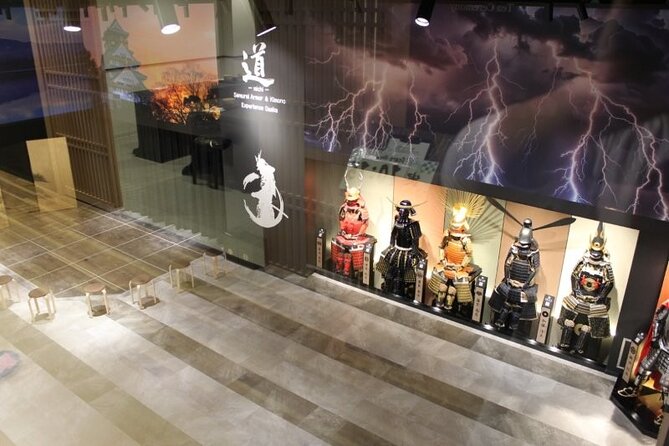
Calligraphy gives you a hands-on souvenir that is different from a photograph. You can try writing Japanese characters with staff assistance, and the activity is repeatedly singled out as enjoyable and educational.
You do not need to read Japanese to appreciate this part. Calligraphy turns unfamiliar writing into a physical activity. You pay attention to brush movement, spacing, and control, then leave with the memory of having made something yourself.
The information does not state whether you can take your finished work home, so I would not assume that it is included. Ask the staff on arrival if keeping the piece matters to you.
Calligraphy is also a good choice if you prefer a quieter activity or feel less comfortable with sword performance. The visit appears flexible enough for staff to guide you toward the parts that suit your interests.
Why the central location helps
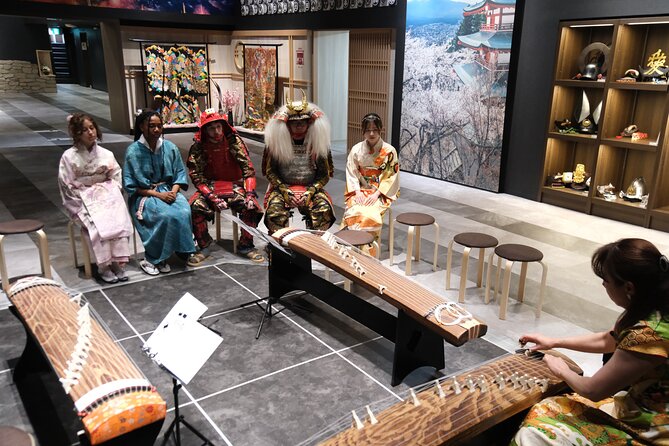
The venue is about a five-minute walk from Dotonbori, one of Osaka’s main evening food and entertainment areas. That makes it easy to combine with lunch, dinner, shopping, or a walk along the canal.
You can also reach it on foot within about ten minutes from either Namba or Shinsaibashi stations. For a visitor staying in central Osaka, this removes the need for a long cross-city journey. If you are coming from a cruise terminal, a short taxi ride is another practical option.
The central address is useful, but it also means you should expect an urban indoor setting rather than a historic castle or old samurai residence. You are visiting a purpose-built cultural experience in the city center. That is convenient and weatherproof, but it will not provide the atmosphere of walking through an original samurai district.
The mobile ticket is another simple advantage. Keep it ready on your phone, and use the venue’s locker if you need somewhere to store belongings during the activities. WiFi is available, along with drinks.
Is $123.87 per person fair?
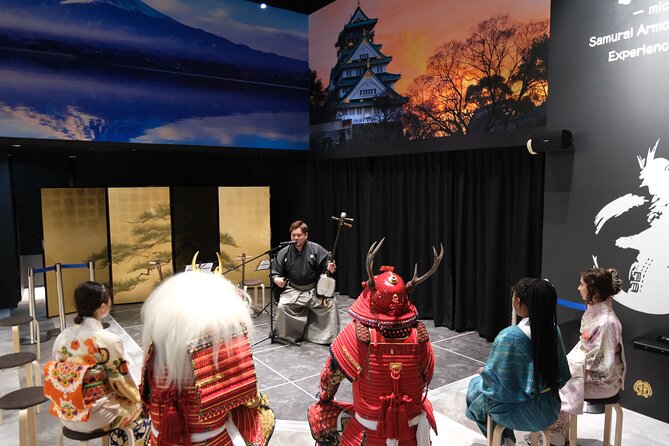
At $123.87, this is not a budget attraction. You need to use several parts of the program to make the price feel worthwhile.
I think the price makes more sense if you want the full mix: armor, sword performance, traditional music, tea, calligraphy, and staff guidance. Booking separate versions of these activities could take more time and create transport problems. Here, they are gathered in one central indoor venue.
The value is weaker if your only goal is to wear armor for a few photographs. You may also question the cost if you are already booking several cultural activities elsewhere in Osaka.
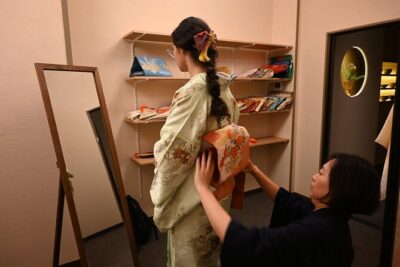
The separate kimono option deserves careful attention. Wearing a kimono costs ¥19,800 per person, in addition to the main experience. That is a large extra charge, so check the total before you book if kimono dressing is important to you.
For a couple celebrating a special occasion, the personal service may help justify the expense. Staff members have been praised for adapting to individual requests, and the experience can give you photographs, shared activities, and a memorable way to begin a Japan trip. For a family, calculate the total carefully, since the per-person price rises quickly.
Who will enjoy this most?
I would recommend this for you if you want:
- A broad introduction to Japanese culture in one appointment
- An indoor plan for rainy or very hot weather
- A participatory activity rather than a standard sightseeing stop
- Samurai armor and sword action, balanced by tea and calligraphy
- A central Osaka location near Dotonbori
- Friendly staff who can guide first-time participants
It suits couples, families, cruise visitors with limited time in Osaka, and visitors who want a memorable activity without traveling far from Namba or Shinsaibashi.
It may not suit you if you want a quiet, academic history lesson, a long tea ceremony, or a full professional calligraphy class. It is also less appealing if your budget is tight or if you have no interest in several of the activities included.
Most people can participate, according to the available information. Still, the program includes dressing in armor and taking part in sword-related activities, so ask the provider directly about any personal mobility or health concern before booking.
Practical advice for planning your visit
Set aside the full three hours rather than trying to squeeze this between two tightly timed attractions. The program has several parts, and rushing away early could mean missing the activity you cared about most.
Wear clothing that allows you to change comfortably. The information does not specify a dress code, so there is no confirmed requirement beyond being prepared for the armor-dressing portion. If you want a kimono as well, remember that it is a separate ¥19,800 purchase.
Keep your mobile ticket easy to access. Lockers are available, which is useful if you are carrying shopping bags from Shinsaibashi or a daypack from sightseeing.
I would book earlier rather than leave this until the final hours of your Osaka stay. The experience has had at least five bookings in the most recent month, and the advertised special pricing is described as limited time. Availability and pricing can change.
Free cancellation is available if you cancel at least 24 hours before the start time. A cancellation within 24 hours is not refundable, and changes inside that period are not accepted. Use Osaka local time when calculating the cut-off.
Should you book the samurai and tea experience?
I would book it if you want one convenient, social activity that mixes costume, performance, music, tea, and calligraphy. The strongest reason to go is not any single feature. It is the contrast between wearing armor and joining sword entertainment, then sitting down for tea and calligraphy.
The price is high, and the kimono add-on makes the final cost higher still. But if you plan to use most of the three-hour program, value improves. Book this for a lively introduction to Japanese culture near Dotonbori, not for a detailed historical course or a simple low-cost photo stop.
FAQ
Where does the experience take place?
It takes place at Shinsaibashi ARTY Inn in Osaka. The venue is about a five-minute walk from Dotonbori and within roughly ten minutes on foot from Namba or Shinsaibashi stations.
How long does the experience last?
The experience lasts approximately three hours.
What activities are included?
You can wear samurai armor, join samurai shows and sword performances, hear live traditional music, take part in a tea ceremony, and try Japanese calligraphy. Music participation is also mentioned as part of the available activities.
Is the experience indoors?
Yes. All activities take place indoors, so you can attend in any season and avoid Osaka’s rain, heat, or cold during the session.
Is wearing a kimono included?
No. Kimono dressing is listed separately at ¥19,800 per person. Samurai armor and the other stated activities are part of the main experience.
Can I cancel for a full refund?
Yes, if you cancel at least 24 hours before the experience start time. Cancellations or changes made within 24 hours are not accepted, and the amount paid is not refunded.
More Tea Ceremonies in Osaka
- Osaka: Tea Ceremony Experience
★ 4.9 · 1,426 reviews - Tea Ceremony Experience in Osaka Doutonbori
★ 5.0 · 754 reviews - Osaka: Japanese Traditional Sweets Making and Tea Ceremony
★ 4.7 · 118 reviews - Osaka; Japanese Tea ceremony experience, Macha and Sencha
★ 4.9 · 29 reviews
More Tea and Calligraphy Workshops in Osaka
- ZEN therapy | Shiatsu-style massage, EnergyTherapy & Japanese Tea
★ 5.0 · 5 reviews - Tea and Calligraphy Session at a Table in Osaka
★ 5.0 · 4 reviews - Osaka: Castle, Tea Ceremony, Calligraphy, and Samurai Armor!
★ 5.0 · 4 reviews
Just added around Osaka
- Osaka:Zen Tea Ceremony and Foot Bath Experience<45min>★ 5.0 · 7 reviews
- Osaka Japanese Cooking And Matcha Class near Osaka Castle★ 5.0 · 22 reviews
- Osaka: Tea Ceremony, Calligraphy, and Kimono Experience★ 5.0 · 6 reviews
- Nara Deer Park, Uji Matcha, & Hot Spring Full-Day Tour from Osaka★ 4.0 · 21 reviews
- Osaka: Nara, Todaiji, Uji Matcha, and Hot Spring Tour★ 4.0 · 7 reviews
- Craft Sushi and Matcha Ice Cream in Central Osaka (3-Course Meal)★ 5.0 · 2 reviews
- Tea and Calligraphy Session at a Table in Osaka★ 5.0 · 4 reviews
- ZEN therapy | Shiatsu-style massage, EnergyTherapy & Japanese Tea★ 5.0 · 5 reviews
Tea Ceremonies in Osaka, compared.
Tea Ceremony, Calligraphy, and Kimono Experience
Read our review →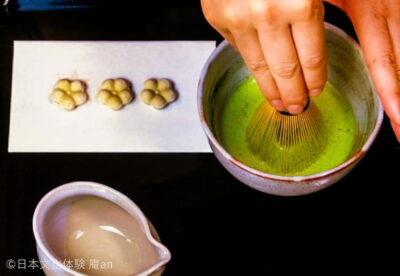
Japanese Traditional Sweets Making and Tea Ceremony
Read our review →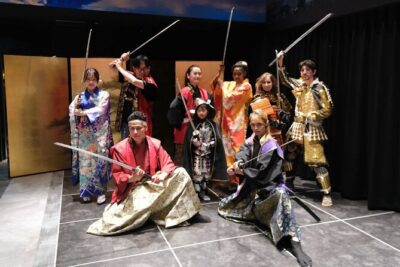
Samurai Show, Tea Ceremony, Japanese Traditional Activities
Read our review →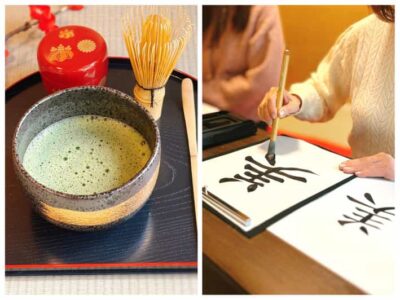
Osaka; Japanese Tea ceremony experience, Macha and Sencha
Read our review →