
Review · KYOTO
Kyoto: Authentic Tea Ceremony in a Small Group
Quiet tea, serious craft. This one-hour experience takes you into a refined tea room in Kyoto’s Uzumasa district, where high-quality matcha and Kyoto wagashi receive as much attention as the ceremony itself. I especially like the carefully arranged garden and the chance to wear a traditional haori before watching the tea procedure.
I also like the hands-on finish: you whisk your own bowl of matcha and drink it with a second sweet. The main consideration is cost. At $586.38 per group of up to six, it can be good value for a full group, but a costly choice for one or two people, especially since transportation is not included.
Key points at a glance
- A private tea room in Uzumasa: Only your group participates, creating a quiet setting with no large tour crowd.
- Matcha from Marukyu Koyamaen: The experience places unusual emphasis on the quality and flavor of the tea.
- Traditional Kyoto wagashi: Sweets from a long-established Kyoto shop are served alongside the matcha.
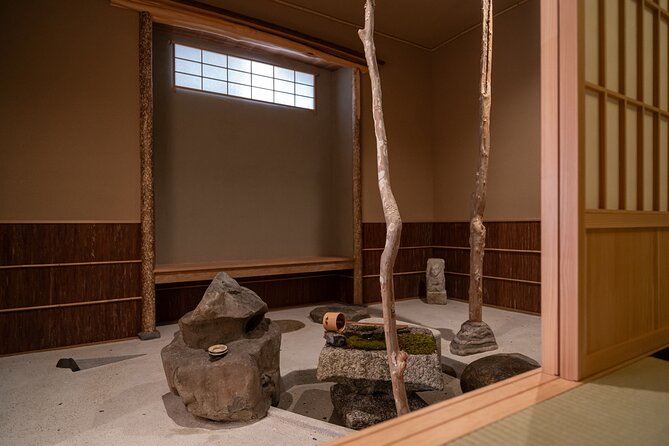
- A miniature garden indoors: You are invited to study the carefully arranged garden as part of the tea-room setting.
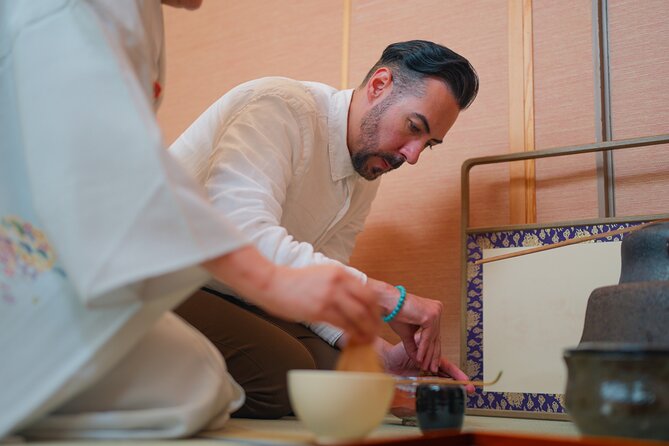
- Watch, then whisk: You first observe an Urasenke-style procedure, then prepare your own bowl.
- A short cultural lesson: The host explains chanoyu, tea utensils, and the meaning behind the ritual.
A quiet introduction to Kyoto’s tea culture
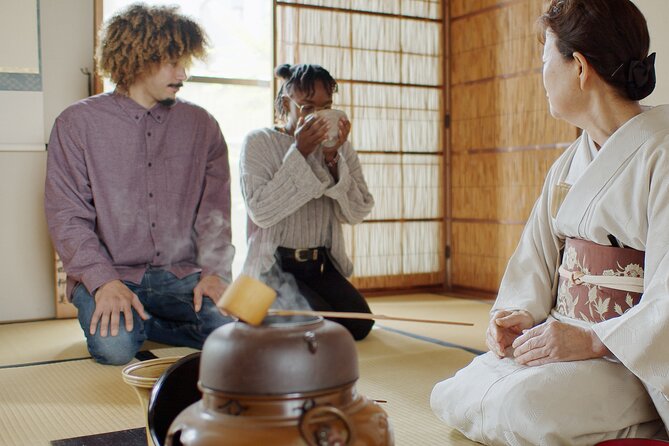
Kyoto has no shortage of tea activities. Some are quick demonstrations designed for large groups. This one aims for something more intimate: a calm hour in a carefully designed room, with attention paid to the tea, sweets, utensils, clothing, and garden.
The setting is Chanoyu The KYOTO Uzumasa, at Uzumasa Izumishikibucho in Kyoto’s Ukyo Ward. The address places you in the historic Uzumasa area, rather than in the busiest central shopping streets. The venue is near public transportation, but you must arrange your own way there.
I like that the experience does not treat chanoyu as simply a lesson in making green tea. You are introduced to chado, the Way of Tea, where the host’s care, the arrangement of the room, the choice of sweets, and the handling of each utensil all matter.
At about one hour, this is easy to fit into a full Kyoto day. It is also short enough for children or first-time visitors who may not want a longer formal ceremony. The tradeoff is that the hour moves quickly. You receive an introduction rather than a full study of Japanese tea culture.
More Tea Ceremonies in Kyoto
- Kyoto: Tea Ceremony in a Traditional Tea House in Kiyomizu
★ 4.9 · 3,519 reviews - Kyoto: Tea Ceremony Ju-An at Jotokuji Temple
★ 4.9 · 3,207 reviews - Kyoto: 45-Minute Tea Ceremony Lesson Experience
★ 4.3 · 2,378 reviews
What happens when you arrive in Uzumasa
The activity begins and ends at the tea room. There is no included hotel pickup or private transportation, so plan your route before setting out. Your mobile ticket provides confirmation at booking, which keeps the arrival process simple.
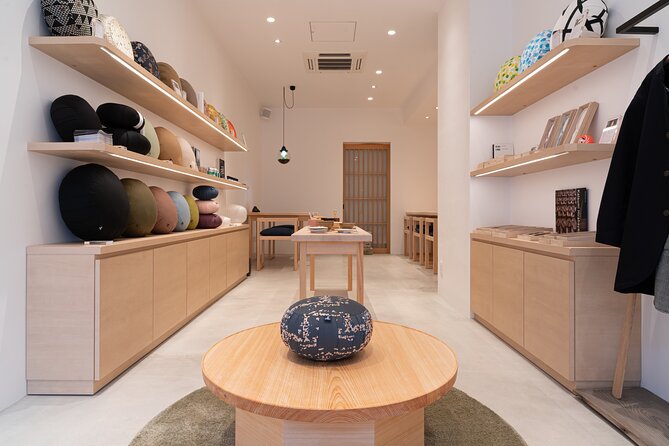
Once inside, the tone changes. The experience is designed as a peaceful break from city noise, with a stylish interior leading toward the tea room and its small garden. The garden is not just a backdrop for photographs. You are invited to look at how it has been arranged and to notice the care given to the setting.
That detail matters. In chanoyu, the room prepares you for the tea before anyone takes a sip. The garden, utensils, sweets, and clothing all help create the occasion. Even if you know little about Japanese aesthetics, the arrangement gives you something to focus on while the host explains what you are seeing.
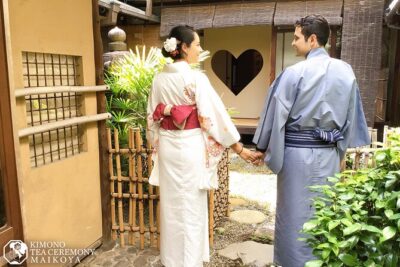
You also wear a traditional haori, a kimono-style jacket. This is a lighter commitment than wearing a full kimono, but it gives the visit a ceremonial feel and makes the experience more than a seated tasting.
The garden and tea room set the mood
The small garden is one of the most praised parts of the experience. It is described as elaborate and meticulously arranged, especially surprising because it appears within a stylish shop and tea-room setting.
I find this kind of compact garden especially useful for first-time visitors. Kyoto’s famous gardens can take an hour or more to explore, and their meaning is not always obvious at first glance. Here, the garden is close to you and tied directly to the tea ceremony. You can look at it while learning how the room has been prepared.
The tea room itself is presented as authentic and refined. The atmosphere is formal without sounding forbidding. The host’s polite explanations are meant to help beginners follow along, so you do not need prior knowledge of tea ceremony rules to take part.
Still, this is a quiet cultural experience, not a lively entertainment show. If you want a fast-paced activity with lots of movement, this may feel slow. If you appreciate design, small details, and a peaceful pause, the unhurried mood is likely to be the point.
Watching the Urasenke tea procedure
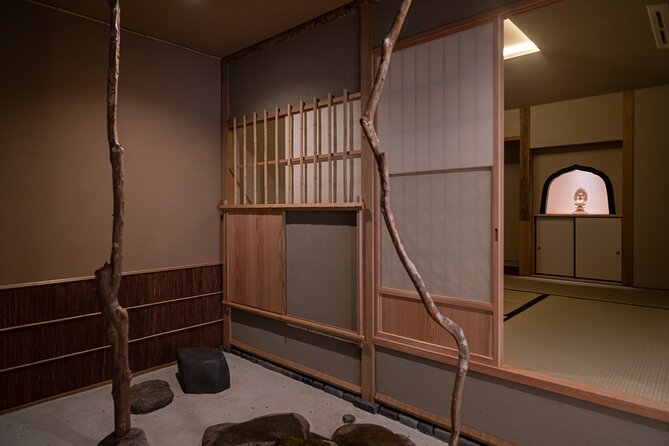
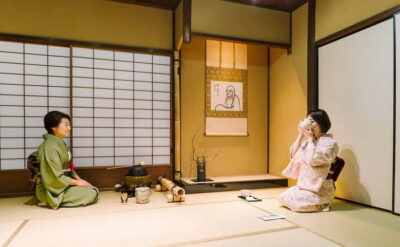
The central demonstration follows the graceful procedure associated with Urasenke, one of the major schools of Japanese tea. You observe how the tea is prepared and handled, while the host explains the background of chanoyu and the utensils used.
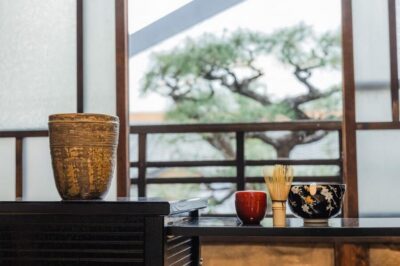
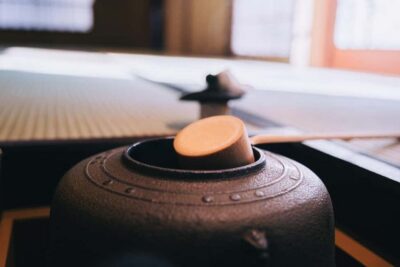
The utensils are not treated as anonymous equipment. You learn about their role and cultural meaning, which helps explain why the host pays such close attention to each object. A bowl, whisk, or other item can be part of the visual and cultural message of the gathering.
For you, the value is not just learning the steps. You begin to understand why tea ceremony can feel so deliberate. The movements slow down the room and direct your attention toward small actions that might otherwise pass unnoticed.
The explanations also make this suitable for visitors who have never attended a tea ceremony. Several people have found the host’s manner especially kind and polite, and the instruction is intended to cover both the practical procedure and the ideas behind it.
You should not expect to master the full etiquette in one hour. The experience gives you a respectful introduction, not professional training. That is a sensible format for a sightseeing day.
Same place, a different pot:
- Kyoto: Table-Style Tea Ceremony at a Kyo-Machiya
★ 4.9 · 1,211 reviews - Kimono Tea Ceremony at Kyoto Maikoya, NISHIKI
★ 5.0 · 911 reviews - Kyoto: Arashiyama Bamboo Forest, Monkeys, Matcha & Temple Tour
★ 5.0 · 759 reviews - Kyoto: Kimono Tea Ceremony at Orizuruya Gion
★ 4.9 · 618 reviews
Matcha and Kyoto sweets take center stage
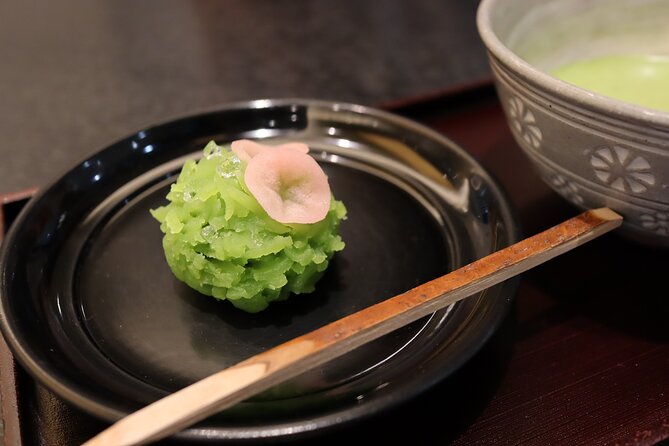
The food and drink are a major reason to choose this particular experience. The tea room serves traditional Kyoto sweets from a long-established wagashi shop, paired with matcha from Marukyu Koyamaen, a respected tea producer.
The first sweet accompanies the host’s preparation and demonstration. Later, after you make your own bowl of matcha, you receive a second traditional sweet. This two-part arrangement gives the hour a natural rhythm and lets you compare the ceremony’s formal presentation with your own hands-on turn.
The emphasis on quality is not a minor detail. Matcha can taste grassy, bitter, sweet, creamy, or a little sharp depending on how it is made and served. The tea offered here has received unusually strong praise for its smooth and distinctive flavor, including from people who had never enjoyed matcha before.
The wagashi also matters. Japanese sweets are often designed to balance the tea, not simply to provide a sugary snack. Their shape, appearance, and texture form part of the experience. You are not just eating between activities. The sweet helps prepare your palate for the matcha.
If you do not usually like green tea, I would still consider this a good introduction because the experience puts care into the selection and preparation. However, matcha remains a concentrated tea with a distinct flavor. No activity can guarantee that it will suit every palate.
Your turn to whisk matcha
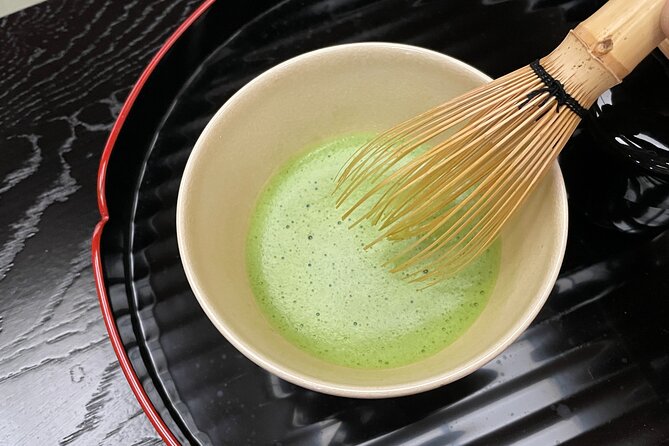
After watching the Urasenke procedure, you prepare your own bowl of matcha. This is the most active part of the hour and gives you a direct connection to the ceremony.
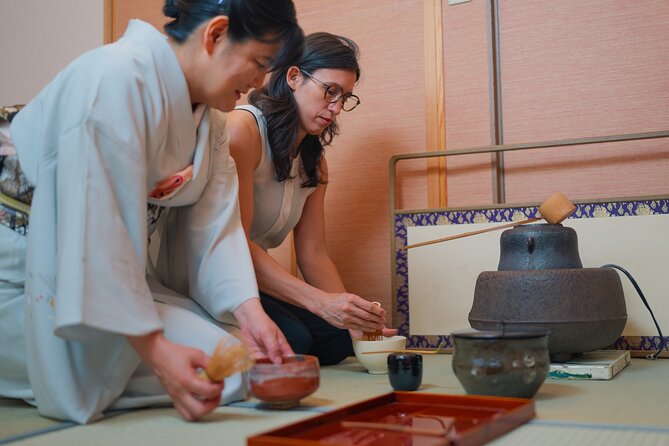
The host explains how to use the tea whisk and guides you through the process. You then drink the matcha with the second sweet. The result is not meant to turn you into a tea master. It gives you enough understanding to appreciate how much precision goes into a seemingly simple bowl of tea.
I like this order: watch first, participate second. You see the traditional method before trying it yourself, so the practical lesson has context. The hands-on portion also helps prevent the ceremony from feeling like something performed at a distance.
Your bowl may not look exactly like the host’s, and that is part of the value. You get to feel the whisk in your hand, see the change in the tea, and taste the result. For families and friends, this can create a shared memory without turning the activity into a loud workshop.
What the private format means
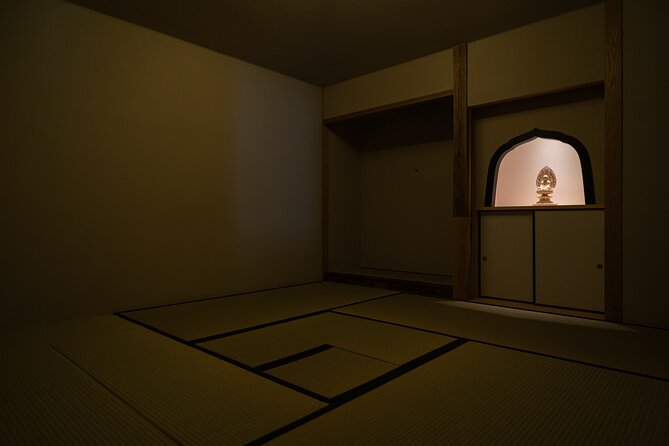
This is a private activity for your group only, with a maximum of six people. That is a strong advantage if you want to ask questions, move at an easy pace, or share the occasion with family and friends.
A small group also suits the setting. A tea room and miniature garden can lose their charm when filled with a large crowd. Here, the quiet atmosphere is part of what you are paying for.
The private format has a practical effect on price. At $586.38 for the group, six people would pay about $97.73 each if the cost were divided evenly. Four people would pay about $146.60 each, while two people would pay about $293.19 each.
That makes the activity far more attractive for a group of friends or a family than for a solo visitor. You are paying for exclusivity, carefully selected tea and sweets, a personal introduction, and the use of a refined tea-room setting. Decide if those things matter to you before comparing the price with a basic public tea demonstration.
The booking pattern also suggests planning ahead. It is booked, on average, 27 days in advance. That does not guarantee that every date sells out, but it is sensible to reserve early if your Kyoto schedule is fixed.
Is one hour enough?
For a first encounter with chanoyu, one hour is a useful length. You have time to see the garden, put on the haori, watch the procedure, learn about the utensils, taste the sweets, and whisk your own matcha.
The short duration also protects the experience from becoming tiring. Formal observation can require concentration, especially when you are trying to follow unfamiliar movements and customs. An hour gives you a clear introduction without taking over your day.
The limitation is depth. You will not cover every tea school, every utensil, or the full development of tea culture in Japan. You also will not have much spare time if you arrive late. Since the ceremony starts at a fixed meeting point and lasts only about an hour, allow enough time to reach Uzumasa.
I would place this activity between a museum visit and a full cultural class. It offers more explanation and participation than a simple tasting, but less time and technical detail than a dedicated workshop.
Who will enjoy this tea ceremony most?
I would recommend it to you if you want a polished, quiet cultural experience with strong attention to food and setting. It is particularly suitable for:
- First-time visitors who want an approachable introduction to tea ceremony
- Couples or families seeking a private activity
- Small groups willing to share the cost
- People interested in Japanese sweets, matcha, gardens, and traditional design
- Visitors who prefer a calm hour over a large group demonstration
- Anyone who wants to participate rather than only watch
It may be less suitable if your main goal is to spend as little as possible, if you dislike matcha, or if you want a long technical lesson. The price is hard to justify for one person unless this is a major priority during your Kyoto visit.
The experience also suits people who value atmosphere. The tea, sweets, garden, clothing, and utensils are meant to work together. If you only want a quick cup of green tea, you can find cheaper options elsewhere.
Practical details before booking
Your meeting point is Chanoyu The KYOTO Uzumasa, at Japan, 616-8101 Kyoto, Ukyo Ward, Uzumasa Izumishikibucho, 19, North 1st floor. The activity ends at the same location.
A mobile ticket is provided, and confirmation arrives when you book. Public transportation is nearby, but transport is not included, so check your route and allow time to arrive.
Free cancellation is available if you cancel at least 24 hours before the scheduled start time. Changes or cancellations made less than 24 hours before the start are not accepted for a refund. The cutoff follows local Kyoto time.
The published information does not specify accessibility arrangements, language options, or age requirements. If any of those details matter to you, ask the provider before booking rather than guessing.
Should you book this Kyoto tea ceremony?
Book it if you want a private, polished introduction to chanoyu and your group cares about excellent matcha, Kyoto sweets, and a carefully prepared room. The garden, haori, utensil lesson, formal demonstration, and do-it-yourself bowl give the hour enough substance to feel like more than a snack stop.
I would be most comfortable recommending it to a group of four to six, where the cost becomes easier to share. For one or two people, book only if the quality of the tea and the private setting are central to your Kyoto plans.
Skip it if you want a cheap, casual tea tasting or a long course in tea ceremony. But if you are looking for a quiet hour with a strong sense of place, this is a thoughtful way to meet Kyoto’s tea culture without spending half a day.
FAQ
Where does the tea ceremony take place?
It takes place at Chanoyu The KYOTO Uzumasa in Kyoto’s Ukyo Ward, at Uzumasa Izumishikibucho, 19, North 1st floor, Japan, 616-8101.
How long does the experience last?
The experience lasts approximately one hour.
How many people can participate?
This is a private activity for your group, with up to six people.
Is transportation included?
No. Private transportation is not included. The venue is near public transportation.
What is included in the experience?
The experience includes Kyoto sweets and matcha, viewing the miniature garden, wearing a traditional haori, an introduction to tea utensils, and a brief explanation of chanoyu’s history and cultural origins.
Will I be able to make matcha myself?
Yes. After watching the Urasenke tea procedure, you will whisk your own bowl of matcha and enjoy it with the second traditional sweet.
What kind of sweets are served?
The experience serves traditional Kyoto wagashi from a long-established Kyoto sweets shop.
Is the tea ceremony suitable for beginners?
Yes. The activity includes explanations of the tea ceremony, its utensils, history, and cultural meaning, making it suitable for people without prior experience.
Can I cancel for a full refund?
Yes, if you cancel at least 24 hours before the scheduled start time. Cancellations or changes made less than 24 hours before the start are not accepted for a refund.
Just added around Kyoto
- Uji Walking Tour – Byodo-in temple and Tea Ceremony from Kyoto★ 3.5 · 3 reviews
- Tea ceremony at Kyoto’s Zen Temple Teahouse★ 5.0 · 2 reviews
- Tea Ceremony in 150 Years Old Townhouse with Tables and Chairs★ 5.0 · 22 reviews
- Silent Beauty of Kyoto Zen Walk and Tea Experience★ 5.0 · 2 reviews
- Tea Ceremony Experience in Traditional Kyoto Townhouse★ 5.0 · 19 reviews
- Traditional Tea Ceremony in Kyoto★ 4.5 · 3 reviews
- Kyoto Private Tea Ceremony at a Japanese Inns★ 5.0 · 12 reviews
- Kyoto Newly Opened Private Tea Ceremony – Sanjo Chasuian★ 5.0 · 2 reviews
Tea Ceremonies in Kyoto, compared.
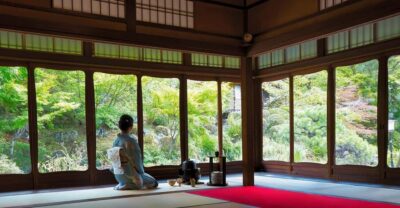
Tea Ceremony in a Traditional Tea House in Kiyomizu
Read our review →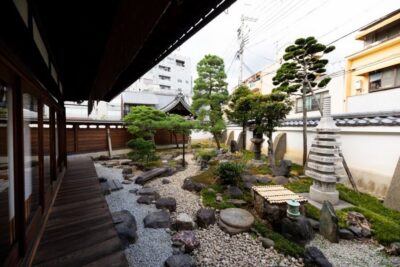
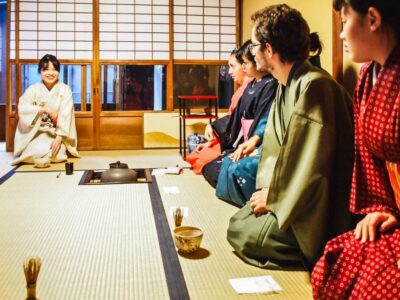
Tea Ceremony in 100-year-old Kyo-Machiya Townhouse
Read our review →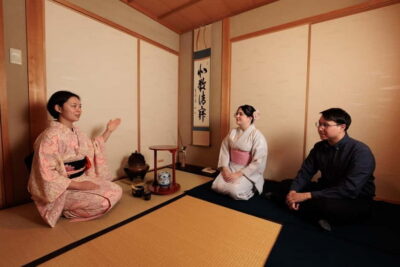
Browse the lists this tour appears in