
Review · KYOTO
Kyoto Tea Ceremony & Kiyomizu-dera Temple Walking Tour
Kyoto rewards slow steps. This three-hour tour pairs Kiyomizu-dera Temple with a traditional tea ceremony, giving you both a major sight and a quieter cultural experience in one morning. I like the small maximum of six people, and I like that a local guide handles the confusing slopes and side streets around the temple. The main drawback is the price: at $109.39 per person, it is not a cheap temple visit.
The route also includes matcha, food samples, photographs, and time at Otowa Waterfall. Guide Hide receives especially warm praise for his friendly manner, temple explanations, photos, and easy conversation. Still, you should expect a fair amount of uphill walking, crowded shopping streets, and no accommodation for allergies or dietary restrictions.
The 9:00 a.m. start is useful. You get an early look at eastern Kyoto before spending the rest of the day on your own. Just arrive prepared for summer heat, sloping streets, and a morning that keeps moving.
Key points to know before booking
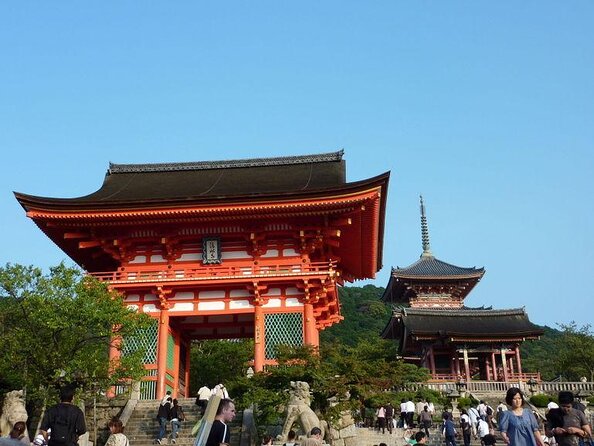
- Kiyomizu-dera is the centerpiece: Your admission is covered, including access to the famous wooden stage and Otowa Waterfall.
- The group is capped at six: This gives you room to ask questions and stay close to the guide.
- Hide is a popular guide: He explains Shinto and Buddhist customs, takes photos, and keeps the mood relaxed with personal conversation and humor.
- The tea ceremony is more than a cup of matcha: A tea specialist guides you through the formal process and helps make the ritual understandable.
- The walk includes historic lanes: Kiyomizu-zaka, Sannenzaka, and Ninenzaka bring old-style shops, sweets, pickles, souvenirs, and plenty of photo stops.
- Food restrictions need careful thought: Snacks and samples are included, but allergy-free preparation and substitutions cannot be guaranteed.
Starting at Yasaka Shrine in Gion
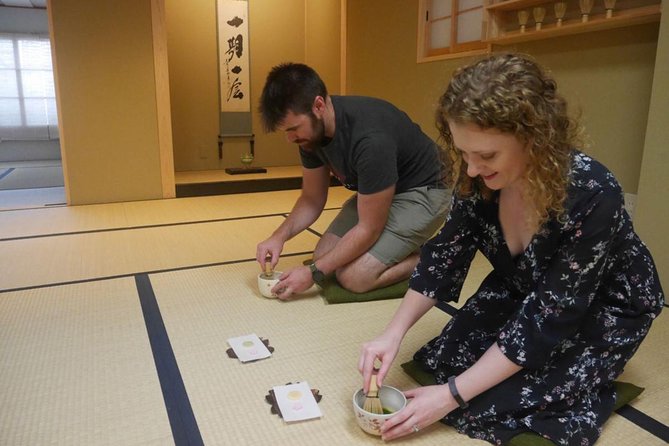
The meeting point is Yasaka Jinja Nishiromon Gate, also called the Western Tower Gate, at 625 Gionmachi Kitagawa in Kyoto’s Higashiyama Ward. The tour begins at 9:00 a.m. and ends back at the same meeting point, which makes planning your next stop fairly simple.
Yasaka Shrine is a sensible place to begin. It sits near Gion and gives the guide a natural setting for explaining Japanese religious customs before you reach Kiyomizu-dera. You may hear about both Shinto and Buddhism, subjects that can seem blended together when you first visit Kyoto.
Finding the guide may require a little care. One participant initially had trouble locating the meeting point and felt more explanation would have helped. I would save the exact gate location on your phone, arrive early, and look for the guide rather than waiting until the last minute. The activity uses a mobile ticket, and confirmation is sent when you book.
The small group matters from the first few minutes. With no more than six people, you can ask about a shrine gate, a ritual, or a food shop without trying to compete with a large crowd. It also helps the group stay together on narrow lanes.
More Tea Ceremonies in Kyoto
- Kyoto: Tea Ceremony in a Traditional Tea House in Kiyomizu
★ 4.9 · 3,519 reviews - Kyoto: Tea Ceremony Ju-An at Jotokuji Temple
★ 4.9 · 3,207 reviews - Kyoto: 45-Minute Tea Ceremony Lesson Experience
★ 4.3 · 2,378 reviews
Kiyomizu-zaka and the old Kyoto streets
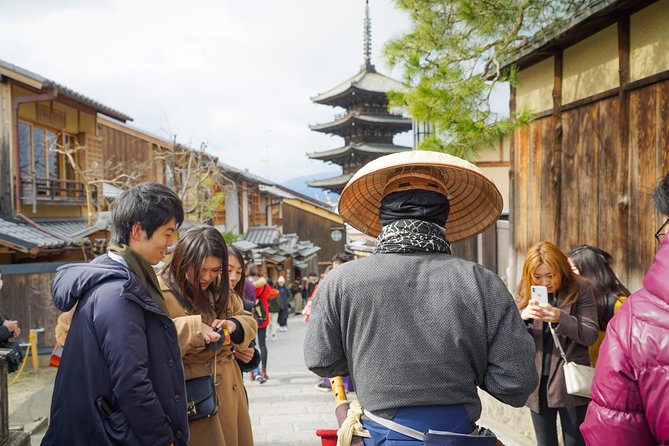
From Yasaka Shrine, the walk moves through the streets toward Kiyomizu-dera. Kiyomizu-zaka is not one single attraction so much as a collection of traditional-feeling lanes leading uphill to the temple. Old tea shops, Japanese sweets shops, souvenir sellers, pickles, dried foods, and yatsuhashi line the route.
This is one of the most useful parts of the morning for first-time visitors. You do not need to keep checking a map while watching for the right slope. The guide points out the route and adds context to what you see, which lets you pay attention to shop signs, tiled roofs, small shrines, and passing performers.
The streets can feel like a step into an older Kyoto, but you should not expect solitude. Kiyomizu-zaka is a popular approach to one of Japan’s best-known temples. The upper section becomes more commercial, and shopkeepers call out to people passing by. That is part of the experience, but it can make conversation harder at busy moments.
A stop at Yasakakoshindo adds an unusual visual break. This temple is known for its bright colors and is described as one of the most colorful temples in Kyoto. It is a good place for photographs, especially if you enjoy smaller religious sites alongside major monuments.
The guide also takes photos during the tour. That is a practical benefit for solo visitors and couples who do not want to rely on passing strangers for every picture. Do not expect a formal photo session, but you can finish with a useful set of images from the morning.
Kiyomizu-dera and its 13-meter wooden stage
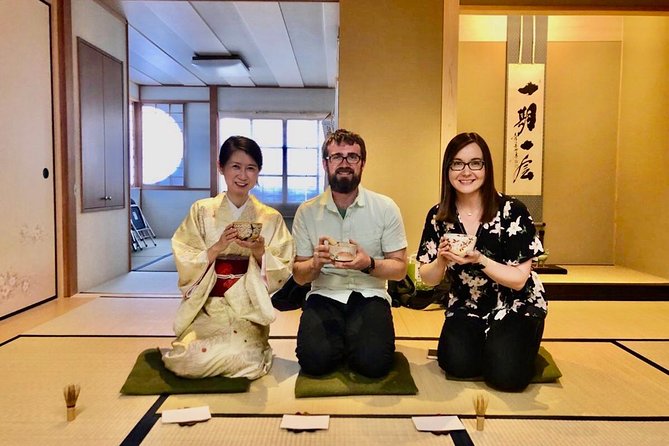
Kiyomizu-dera was built on the site of Otowa Waterfall about 1,200 years ago. Its name comes from the waterfall’s pure water, and the temple remains one of Kyoto’s most important sights.
The temple admission is included in the tour price. That removes one small decision at the gate and lets the guide take you directly into the grounds. You will visit the wooden stage, which rises about 13 meters above the ground, for a broad view toward Kyoto and the surrounding trees.
The view changes with the season. Cherry trees bring spring color, while maple trees make autumn especially attractive. The temple’s elevated stage is also the place where the scale of the complex becomes clear. You are looking out over trees and the city, not just at another enclosed courtyard.
A guide adds value here because Kiyomizu-dera has layers of religious meaning that are easy to miss when you simply follow the crowd. You can ask about worship, Buddhist and Shinto traditions, and the proper way to behave at the temple. Hide is praised for making these explanations friendly rather than stiff, and for mixing information with casual conversation, including baseball.
You should allow for uneven and sloping ground. The route is a walking tour, not a bus outing, and the approach to the temple climbs. Most people can take part, but anyone who has trouble with hills should consider the physical effort before booking.
Otowa Waterfall and the three streams
Otowa Waterfall is tied to the temple’s name and gives the visit a hands-on religious custom. The water flows into three separate streams, with each stream connected to a different benefit. You choose one stream, use a cup attached to a long pole, and drink the water as part of the worship practice.
The guide helps you understand what to do, which is useful if you have never visited a Japanese temple. You are not simply taking a sip at a scenic spot. The action has a place within the temple visit, and learning the custom from a local guide makes it easier to approach with respect.
The three-stream choice is also a small reminder that temple visits in Japan are active experiences. You may bow, wash, make an offering, draw a fortune, or take part in another local practice. Here, the ceremony is simple enough for anyone to follow.
Do not choose every stream. The tradition asks you to select one, so listen to the guide and follow the instructions. The stop may also attract a line, especially during busy periods, so keep your visit focused rather than treating it as a long break.
Same place, a different pot:
- Kyoto: Table-Style Tea Ceremony at a Kyo-Machiya
★ 4.9 · 1,211 reviews - Kimono Tea Ceremony at Kyoto Maikoya, NISHIKI
★ 5.0 · 911 reviews - Kyoto: Arashiyama Bamboo Forest, Monkeys, Matcha & Temple Tour
★ 5.0 · 759 reviews - Kyoto: Kimono Tea Ceremony at Orizuruya Gion
★ 4.9 · 618 reviews
Sannenzaka, Ninenzaka, and the careful walk downhill
The route passes near Kiyomizu-zaka, Sannenzaka, and Ninenzaka. These lanes are among the most recognizable old streets in eastern Kyoto, with traditional buildings, souvenir shops, snacks, and small food stores.
Sannenzaka is linked to several explanations for its name, including a connection to the third year of the Daido period in 808. The better-known story says that falling on the slope brings bad luck, including a shortened life. The tale likely works as a warning to watch your step on the hill, and you should take that advice literally.
The slope can be crowded and uneven. Wear shoes that will not slip, keep your hands free when possible, and do not rush to get a photograph. The charm is in the details: a shop selling Kyoto sweets, a small display of traditional goods, or a view toward the temple gate.
These streets are also where the tour may feel least private. A small group does not mean an empty street. If you want quiet temple grounds and no shopping crowds, this section may test your patience. If you want an introduction to Kyoto’s historic commercial lanes, it is one of the morning’s strongest sections.
The tea ceremony and matcha experience
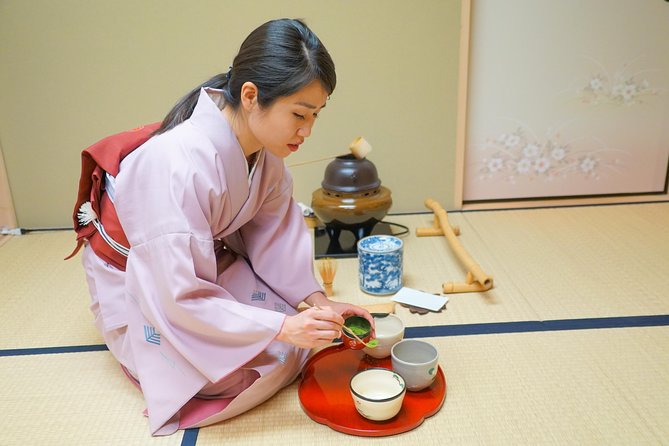
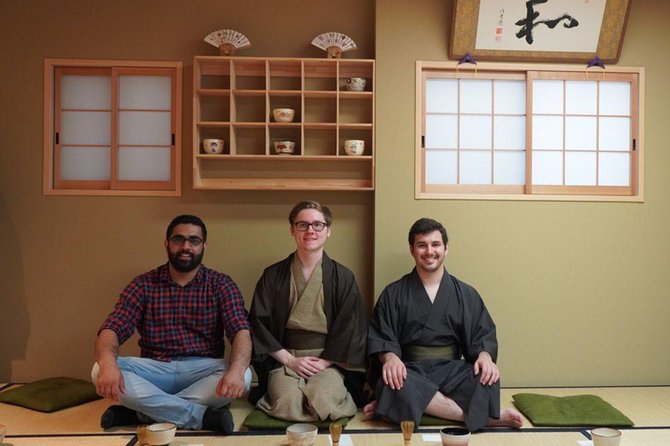
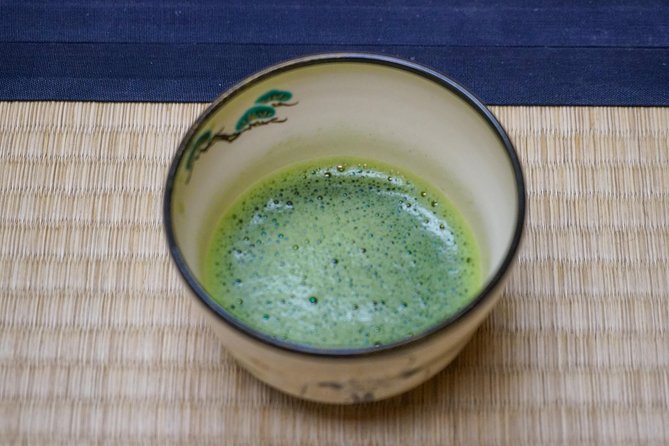
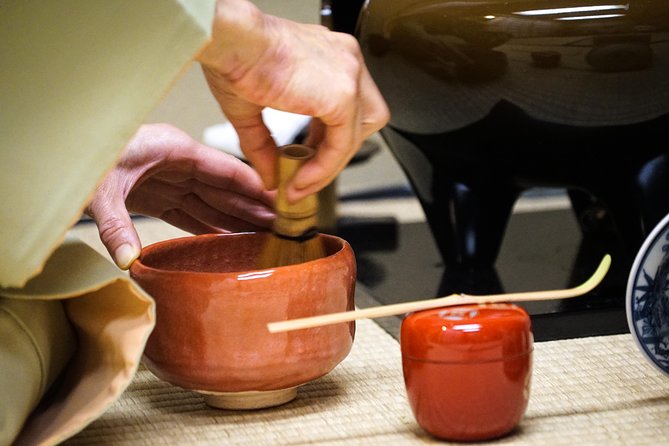
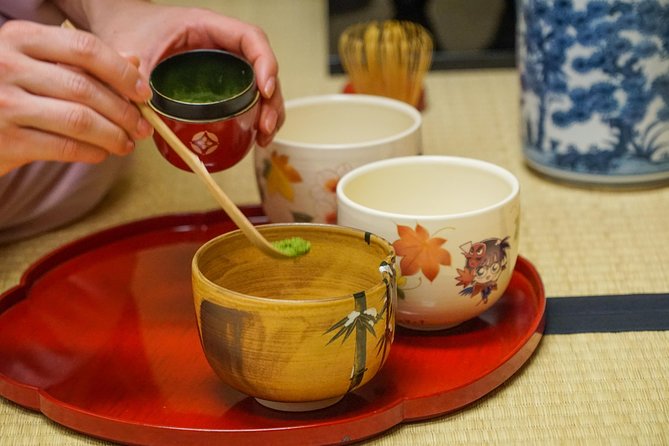
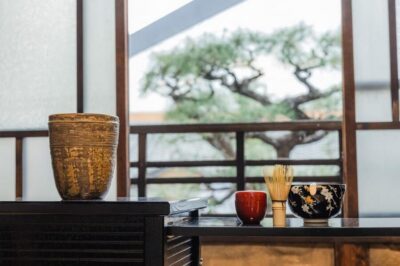
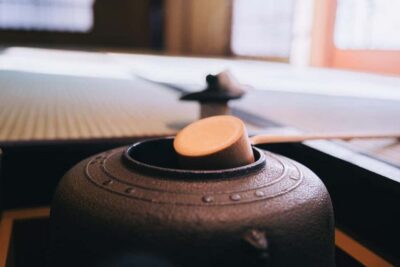
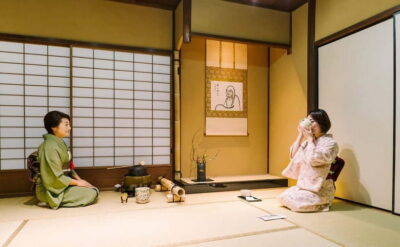
The tea ceremony gives the tour a different pace after the walking and sightseeing. A tea specialist leads the experience and explains the formal movements. The ceremony is described as calming and relaxing, and the warm, entertaining approach helps keep it welcoming for people with no prior knowledge of Japanese tea culture.
Your included drink is matcha, and snacks or a few food samples are also part of the tour. This is not simply a café stop. The value comes from seeing how much care goes into preparing and serving tea, and from learning why the gestures matter.
One tea host, Haruki, is praised for being sweet and entertaining. Another account highlights the skill and care of a woman conducting the ceremony. The experience appears to focus on the art of the process as much as the taste of the drink.
The ceremony is a good fit if you want one structured cultural activity during a sightseeing morning. It gives you time to sit, watch, and ask questions rather than moving from one photo stop to another.
Food planning requires attention. Additional food and drinks cost extra, and the included food is prepared in kitchens that do not belong to the tour company. Allergy-free preparation is not guaranteed, dietary restrictions may not be handled, and substitutions may not always be available. If you have serious allergies, ask before booking and carry any needed medication.
What the $109.39 price really covers
At $109.39 per person, this tour costs more than entering Kiyomizu-dera and finding matcha on your own. You are paying for the guide, the small group, the temple admission, the tea ceremony, snacks, photos, and a planned route through several well-known streets.
The value is strongest if you are visiting Kyoto for the first time. You receive orientation in the Higashiyama area, explanations at a major temple, help with customs, and an organized cultural activity. You also avoid spending part of the morning deciding which road leads to the temple or what to do at Otowa Waterfall.
The price is less appealing if you already know eastern Kyoto well or prefer to explore at your own pace. You could visit the streets, temple, and shops independently, then choose a separate tea experience. That approach gives you more freedom, but it also requires more planning and may not include the same personal guidance or group photos.
The four-point-nine rating and 97 percent recommendation fit the tour’s strongest qualities: friendly guides, useful explanations, a relaxed mood, and a tea ceremony that feels personal rather than rushed. The value depends on how much you want those human details.
Timing, weather, and group size
The 9:00 a.m. start is one of the tour’s practical strengths. It gives you a full afternoon after the three-hour experience, and an early start can make the first part of the route easier before the streets become busier.
Kyoto summers are hot and humid. Bring water, wear a hat, and choose light clothing. The combination of heat, an uphill approach, and three hours on foot can be tiring even if you are generally active.
The maximum group size is six. That is small enough for direct questions and a more flexible feel, but it does not guarantee a private tour. You may be paired with people who walk at a different pace or have different interests.
Children under six are not allowed. Most older participants can join, but the tour does not promise a fully accessible route. The supplied information confirms that it is near public transportation and that most people can participate, while the street slopes and temple approach deserve consideration.
Free cancellation is available if you cancel at least 24 hours before the local start time. Cancellations or changes made inside that window are not accepted for a refund.
Who will enjoy this Kyoto morning?
I would recommend this tour to a first-time Kyoto visitor who wants a clear introduction to Higashiyama without joining a large group. It is also a strong choice for solo visitors, couples, and anyone who wants photos taken during the walk.
You will likely enjoy it if you want a balance of famous sights and local customs. Kiyomizu-dera supplies the grand view, while Otowa Waterfall, the tea ceremony, matcha, and food samples make the morning feel more personal.
It may not suit you if you dislike hills, crowded shopping streets, fixed start times, or organized activities. It is also a poor fit for anyone who needs strict control over ingredients. The food policy is clear enough: the operator will try to help, but cannot promise safe substitutions.
Should you book this tea and temple tour?
Book it if you want a friendly, compact introduction to eastern Kyoto, especially on your first morning in the city. The mix of Kiyomizu-dera, old streets, temple customs, matcha, snacks, and a small group gives you more range than a basic temple admission.
I would be most comfortable recommending it to people who value explanation and ease over the lowest possible cost. Hide’s relaxed style, photo help, and ability to discuss both religion and everyday subjects add real value.
Skip it if you already know Kiyomizu-dera and the surrounding lanes, or if you want a long, unhurried tea ceremony with no walking. For everyone else, the $109.39 price is reasonable when you count the admission, guide, cultural activity, samples, and planning help. Bring water, wear good shoes, arrive early at Yasaka Shrine, and let the morning introduce you to Kyoto at a useful pace.
FAQ
How long is the Kyoto tea ceremony and Kiyomizu-dera tour?
The experience lasts about three hours.
Where does the tour begin?
It begins at the Yasaka Jinja Nishiromon Gate, also called the Western Tower Gate, at 625 Gionmachi Kitagawa in Kyoto’s Higashiyama Ward.
What time does the tour start?
The start time is 9:00 a.m.
Where does the tour finish?
The tour ends back at the Yasaka Shrine meeting point.
Is the Kiyomizu-dera admission fee included?
Yes. The Kiyomizu-dera Temple entrance fee is included.
Is the tea ceremony included?
Yes. The tea ceremony experience and matcha are included, along with snacks and a few food samples.
How many people can join the tour?
The activity has a maximum of six participants. Children under six years old are not allowed.
Can I cancel for a full refund?
Yes, if you cancel at least 24 hours before the experience start time. Cancellations or changes made less than 24 hours before the start time are not accepted for a refund.
More Walking Tours in Kyoto
- The Way of Tea: Kyoto Crafts, Hidden Temples & Wabi-Sabi Walk
★ 5.0 · 41 reviews - Matcha Grinding Experience and Walking Tour in Uji Kyoto
★ 5.0 · 26 reviews - Kyoto Gion Tea ceremony & Wabi-sabi Walking Tour
★ 4.5 · 7 reviews - Kyoto Tea Ceremony & Kiyomizu-dera Temple Walking Tour
★ 4.5 · 4 reviews
Just added around Kyoto
- Uji Walking Tour – Byodo-in temple and Tea Ceremony from Kyoto★ 3.5 · 3 reviews
- Tea ceremony at Kyoto’s Zen Temple Teahouse★ 5.0 · 2 reviews
- Kyoto: Authentic Tea Ceremony in a Small Group★ 5.0 · 7 reviews
- Tea Ceremony in 150 Years Old Townhouse with Tables and Chairs★ 5.0 · 22 reviews
- Tea Ceremony Experience in Traditional Kyoto Townhouse★ 5.0 · 19 reviews
- Traditional Tea Ceremony in Kyoto★ 4.5 · 3 reviews
- Silent Beauty of Kyoto Zen Walk and Tea Experience★ 5.0 · 2 reviews
- Kyoto Private Tea Ceremony at a Japanese Inns★ 5.0 · 12 reviews
Tea Ceremonies in Kyoto, compared.
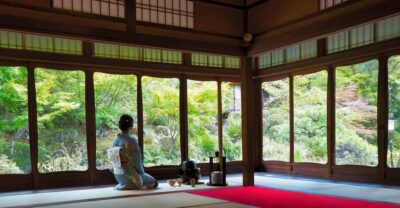
Tea Ceremony in a Traditional Tea House in Kiyomizu
Read our review →
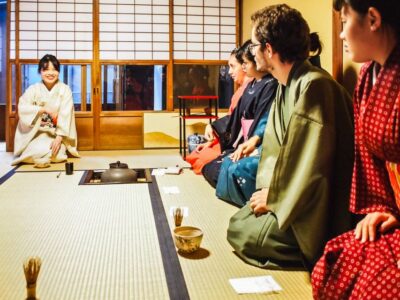
Tea Ceremony in 100-year-old Kyo-Machiya Townhouse
Read our review →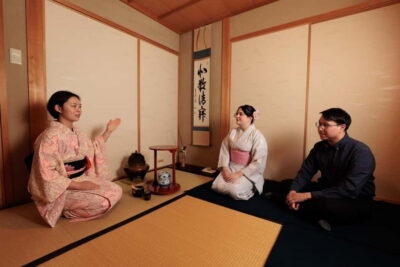
Browse the lists this tour appears in