
Review · YOKOHAMA
Yokohama: Sushi & Gyoza Cooking with Matcha Experience
Good food comes with a cultural lesson. This Yokohama experience brings you into a traditional Japanese home for tatami-room tea time, creative activities, sushi-making, and handmade gyoza. I like the thoughtful mix of quiet culture and hands-on cooking, and I especially like that you can choose matcha, manga drawing, or simple relaxation before entering the kitchen.
The host, Yuka, receives especially warm praise for her clear meeting instructions, excellent English, patient teaching, and friendly advice about other parts of a Japan trip. The main drawback is practical: the experience is not suitable for wheelchair users or people with food allergies, and transportation to the meeting point is not included.
Key Details at a Glance
- Three ways to begin: Choose matcha and green tea, manga-style illustration, or a quieter hour with tea and Japanese sweets.
- Two Japanese dishes: Make sushi rolls with seasonal ingredients, then fold and cook handmade gyoza.
- A real home setting: The activity takes place in a traditional Japanese home with a tatami tea room, not a standard restaurant classroom.
- Strong host appeal: Yuka provides clear instructions, speaks excellent English, and combines cooking guidance with personal cultural insight.
- Good for many travel styles: Couples, families, and solo visitors can all take part, with alcoholic and nonalcoholic drinks served alongside the meal.
- Important limits: Food allergies cannot be accommodated, and the setting is not suitable for wheelchair users.
Entering a Traditional Yokohama Home
The experience begins at a meeting point in front of the ticket gate. You arrange your own transportation there, so allow time to find the correct station entrance and platform area. Clear instructions matter here, and Yuka has been praised for making this first step easy to follow.
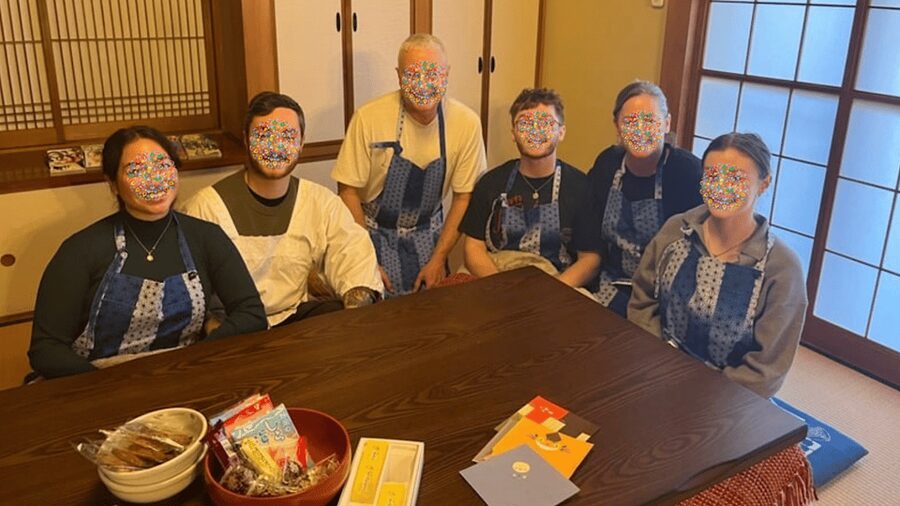
From the meeting point, the activity moves into a traditional Japanese home. That change of setting is a major part of the appeal. You are not simply sitting at a restaurant table while someone explains Japanese food. You get time in a tatami room, with its low-key atmosphere, sliding doors, tea, and Japanese sweets.
The room gives the first part of the experience a slower pace. Yokohama can be a full-on city, especially when you are fitting it between Tokyo sightseeing, shopping, and day trips. A quiet hour on tatami mats offers a useful change of rhythm before the more active cooking begins.
You should wear comfortable clothes. You may be sitting in a traditional room, moving between the tea area and kitchen, and working with food. Nothing formal is required, but restrictive clothes would make the activity less pleasant.
More Matcha Experiences in Japan:
- World Heritage Kyoto & Nara Uji Authentic Matcha Experience
★ 5.0 · 1,573 reviews - Kyoto: Arashiyama Bamboo Forest, Monkeys, Matcha & Temple Tour
★ 5.0 · 759 reviews - Matcha Making Class in Tokyo with Authentic Japanese Sweets Set
★ 5.0 · 744 reviews
Choose Your First Hour: Matcha, Manga, or Quiet Time
The first hour is built around a choice of three cultural activities. This is a smart feature because not every visitor wants the same kind of introduction to Japan.
Matcha and Green Tea
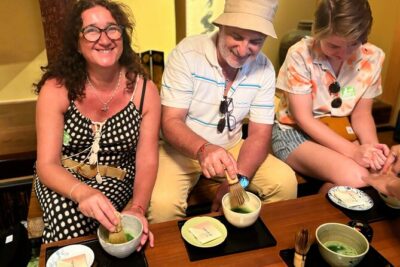
Choose the tea option if you want the most direct link to Japanese tea customs. You learn basic points about preparing and tasting matcha and green tea, then have a chance to try the flavors for yourself.
Matcha has a strong, grassy taste that can surprise anyone expecting ordinary sweet tea. If that sounds too intense, you can choose a creamy matcha latte instead. This small choice makes the experience friendlier for people who want to understand matcha without forcing themselves to drink it in its strongest form.
Green tea and traditional Japanese sweets are also served. The sweets help balance the tea and give you a simple taste of how tea is enjoyed in Japan. This is not presented as a formal, highly ceremonial tea performance. It is better understood as a welcoming introduction to tea culture in a home setting.
Manga-Style Illustration
The drawing option offers something different. With guidance from a local artist, you explore manga-style illustration using authentic tools and inspiration from the host’s own drawings.
This choice makes sense for families, creative visitors, and anyone who wants a keepsake that is not edible. The activity also provides good photo opportunities, especially if you enjoy documenting your own drawings and the process of creating them.
The information provided does not promise a specific finished character, drawing lesson length, or skill level. That means you should treat it as a relaxed introduction rather than a full art course. You do not need to arrive as an experienced artist. The point is to try a Japanese visual style with help from someone who uses it.
More Cooking Classes in Japan:
- Private Kyoto Sushi Cooking Class & Tea Ceremony with Emika
★ 5.0 · 66 reviews - Osaka Japanese Cooking And Matcha Class near Osaka Castle
★ 5.0 · 22 reviews - Home Made Onigiri and Matcha Cooking Class in Hiroshima
★ 5.0 · 11 reviews - Osaka: Japanese Cooking Class with Matcha Experience
★ 5.0 · 4 reviews
Relaxation With Tea and Sweets
You can also skip the structured tea or drawing option and simply enjoy the room. Tea and Japanese sweets are provided while you take in the tatami setting.
I see this as the best pick if your schedule has been crowded or if you want the cultural setting without another lesson. It gives you time to notice the details of a Japanese home and settle into the visit before cooking starts.
The three choices also make the activity easier to tailor for a mixed group. One person may want matcha, another may prefer manga drawing, and someone else may be happiest with tea and quiet time. Confirm the available choice when booking if your group has a firm preference.
From Sliding Doors to Sushi Rolls
After the cultural hour, sliding doors open to the kitchen and the cooking portion begins. The change from tatami room to kitchen gives the activity a clear shape: first observe and relax, then work with your hands.
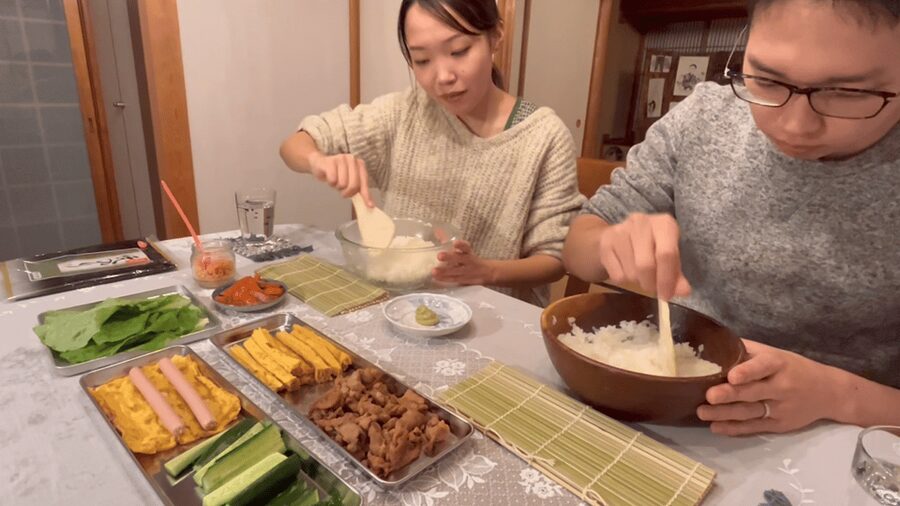
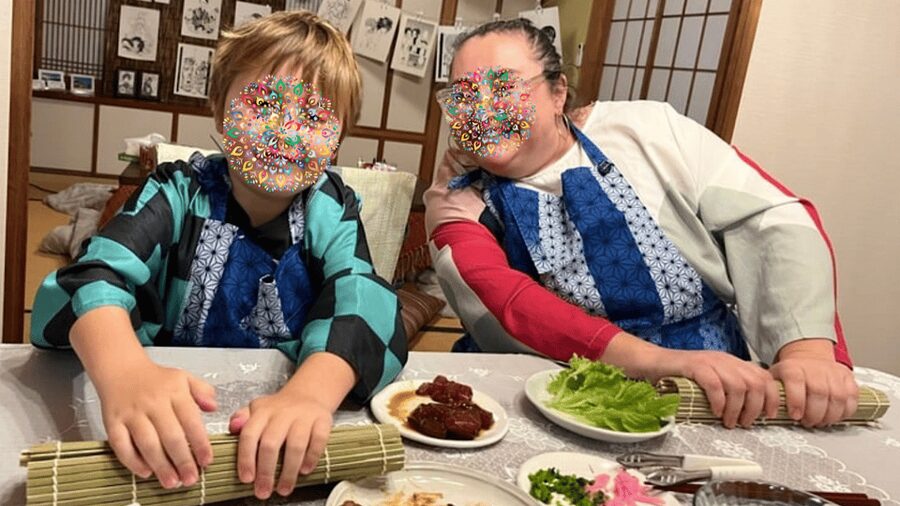
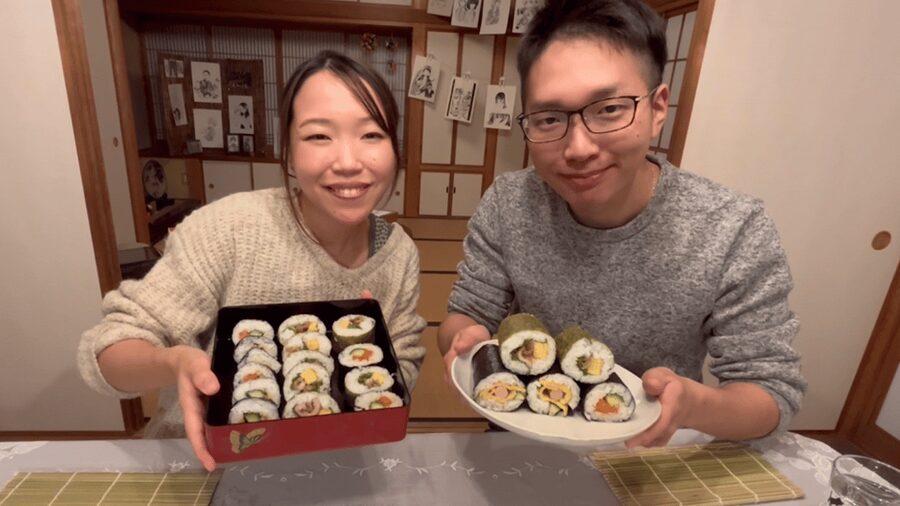
You prepare sushi rolls, known as maki, using fresh seasonal ingredients. Making your own roll is more useful than simply eating sushi because it shows you how much control is needed to keep the rice, fillings, and seaweed together.
The activity is hands-on, so you should expect to handle the ingredients and follow the host’s instructions rather than watch from the side. The exact fillings are not specified, but the ingredients are described as seasonal. That means the contents may vary, which is part of the normal character of a home cooking lesson.
Sushi rolling also works well for first-time cooks. It is recognizable, fun to photograph, and easy to share with a group. You can make something familiar while still learning how Japanese meals are assembled.
Yuka’s teaching style is one of the strongest reasons to consider this class. She gives clear instructions and has been praised for being a helpful teacher. Her excellent English should make it easier to ask questions, understand the steps, and learn the small points that would be missed in a demonstration-only class.
Folding and Cooking Handmade Gyoza
The second dish is handmade gyoza. You learn how to fold the dumplings and cook them, then eat what you have made.
Gyoza is a good companion to sushi because the skills are different. Sushi involves careful rolling and balance. Gyoza requires folding, sealing, and cooking. The result is a meal that feels like a proper cooking session rather than a single recipe repeated several times.
The folding stage can be especially enjoyable in a family or couple. It is easy to compare shapes, and imperfect dumplings still make a satisfying meal. Do not expect every piece to look restaurant-perfect on the first try. That is part of the fun, and the host is there to guide you.
One particularly strong detail from the experience is the praise for the gyoza itself. The preparation is not just a token add-on to the sushi lesson. It is treated as a central dish, and the finished dumplings have made a strong impression.
The cooking sequence also gives you a practical look at everyday Japanese food. Sushi may be the dish most associated with Japan abroad, but gyoza is a more relaxed, familiar comfort food. Preparing both helps you see two different sides of Japanese dining.
Eating What You Make
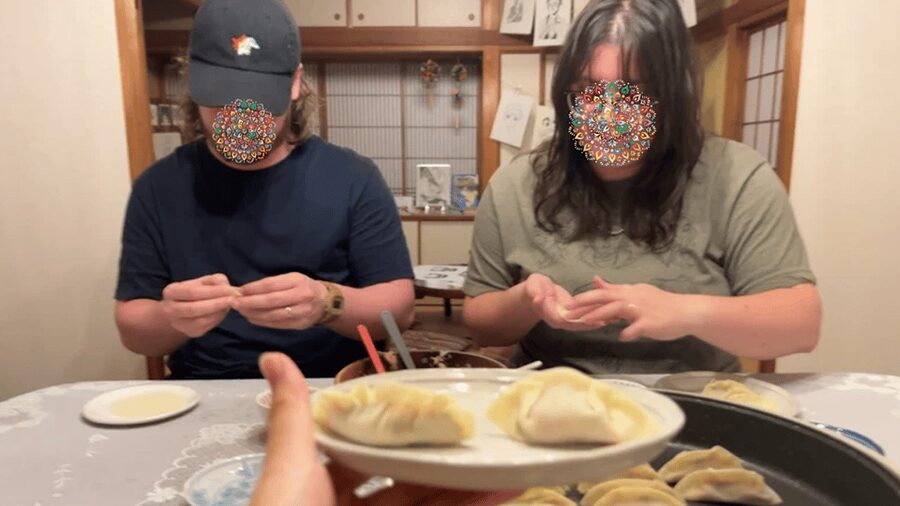
Once the cooking is done, you eat your sushi rolls and gyoza with a selection of beverages. Alcoholic options are available, along with other drinks, so the meal can suit different preferences.
The meal matters for value. At $81 per person, you are paying for more than ingredients and a plate of food. The price includes the private tea-room hour, sweets, tea, art or relaxation choice, instruction, cooking materials, the prepared meal, and drinks.
Still, the value depends on what you want from a food class. If your main goal is simply to eat inexpensive sushi, this is not the economical choice. Yokohama has plenty of restaurants where you can spend less.
If you want a guided cultural activity with a meal attached, the price is easier to justify. You receive personal instruction, a home setting, and time for conversation with a local host. You also get two cooking projects instead of one and a choice of activity before the meal.
I would consider it particularly good value for someone with limited time in Yokohama. Instead of arranging a separate tea activity, art workshop, and meal, you combine several small experiences in one visit. The exact overall duration is not stated, but the first cultural portion alone lasts one hour, followed by the cooking class and meal.
What Makes This Different From a Restaurant Meal
A restaurant lets you taste finished dishes. This experience lets you see how the dishes come together and ask questions along the way.
The home setting also changes the tone. You are not being rushed through a commercial dining room. The tatami room, sliding doors, tea, sweets, and personal hosting create a more domestic feel.
That does not mean you should expect a formal tea ceremony or a polished restaurant kitchen. The appeal is more personal and informal. You are learning through conversation, drawing, tasting, folding, and cooking.
Yuka’s role adds another useful layer. The experience includes cultural insight, and she has also helped with other aspects of trip planning. That kind of friendly local advice can be valuable, especially if you are still deciding what to do in Yokohama or nearby areas.
The setting may feel less accessible for anyone who has trouble sitting in traditional spaces or moving around a home kitchen. The activity is specifically listed as unsuitable for wheelchair users, so check carefully before reserving.
Who Will Enjoy This Most
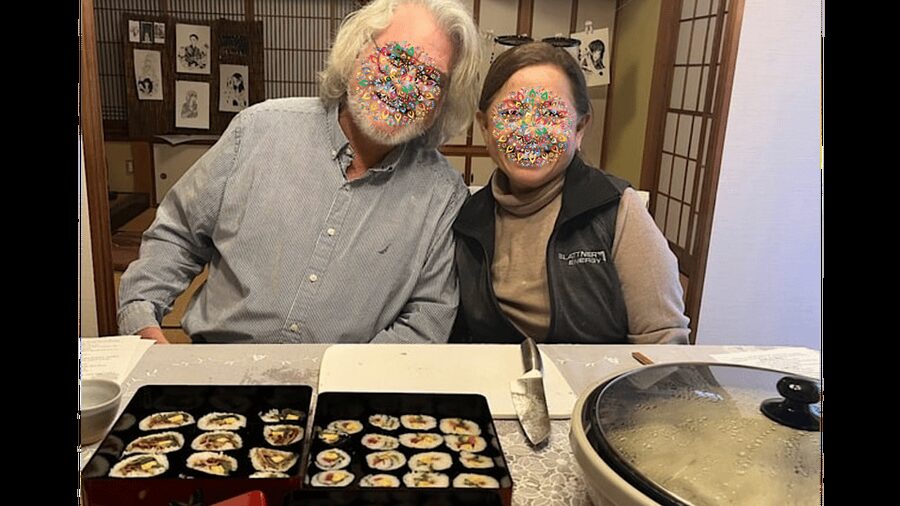
I would recommend this activity to:
- Families, because the drawing, sushi rolling, and gyoza folding give children several ways to take part.
- Couples, because the tatami setting and shared meal create a relaxed cultural date.
- Solo visitors, because a friendly host and guided tasks make it easy to participate without needing a travel companion.
- First-time visitors to Japan, because the experience introduces tea, sweets, manga, home cooking, and everyday hospitality in one session.
- Food-focused visitors, especially those who want to learn rather than simply order a meal.
- Creative people, since manga drawing provides an alternative to the tea activity.
I would be more cautious if you have a food allergy. The activity is specifically not suitable for people with food allergies, so do not assume substitutions can be arranged.
You should also think about your preferred pace. This is not a quick meal followed by a photo stop. It includes a cultural hour and a hands-on class, so it suits you best if you can set aside a meaningful part of your day.
Practical Details Before You Reserve
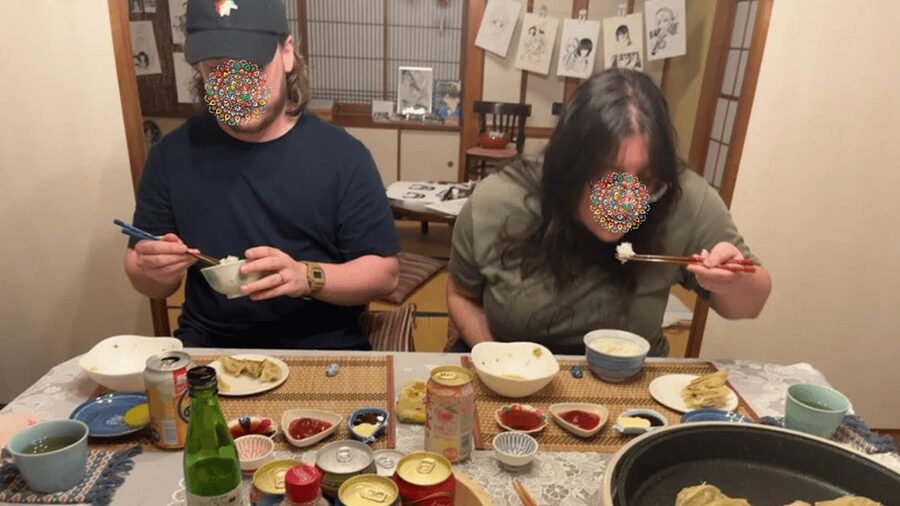
The experience is conducted in English. That is a useful point for visitors who want detailed instructions during cooking or tea preparation.
Meet in front of the ticket gate, and remember that transportation to and from the activity is not included. The activity finishes back at the meeting point, so you can plan your next Yokohama stop from there.
Bring a camera if you like taking pictures. The tatami room, manga activity, cooking process, and finished dishes all offer natural photo moments. Food and drinks from outside are not allowed during the activity, so arrive without plans to bring extra snacks into the home.
Wear comfortable clothes suitable for cooking and movement. You do not need special equipment because all cooking materials and ingredients are provided.
Reservations can be made with payment later, which helps if your Japan plans are still changing. You can cancel up to 24 hours in advance for a full refund. That gives you a reasonable safety margin, but you should still check the current booking terms when you reserve.
The experience has a perfect rating from four submitted ratings. That is encouraging, especially because the praise focuses on specific qualities: Yuka’s clear directions, excellent English, warm hosting, patient teaching, the tea-room welcome, and the quality of the gyoza. The sample is small, so I would treat it as a strong signal rather than a guarantee that every visit will be identical.
Should You Book the Yokohama Cooking Experience?
Book it if you want personal hosting, Japanese home culture, and practical cooking in the same activity. The best parts are the choice of a matcha, manga, or relaxation hour; the chance to make both sushi and gyoza; and the calm tatami setting before the kitchen work begins.
At $81 per person, the experience is not a bargain meal. It is a cultural class with food included, and the value is strongest if you would otherwise pay for several separate activities. I would choose it for a family, couple, or solo visit when you want something more personal than sightseeing and more active than a tea tasting.
Skip it if you need wheelchair access, have food allergies, or only want a fast lunch. For everyone else, this is a well-rounded way to spend part of a Yokohama day, especially with Yuka’s strong English and welcoming teaching style.
FAQ
Where does the experience take place?
The activity takes place in a traditional Japanese home in Yokohama, including a tatami-style tea room and kitchen.
What can I choose to do during the first hour?
You can choose a matcha and green tea experience, manga-style illustration with a local artist, or relaxation time with tea and traditional Japanese sweets.
What food will I make?
You will make sushi rolls, also called maki, and handmade gyoza.
Are drinks included?
Yes. The meal includes a variety of beverages, including alcoholic options.
Is transportation included?
No. You must arrange transportation to the meeting point. The meeting begins in front of the ticket gate, and the activity ends back at the meeting point.
Is the activity suitable for people with food allergies?
No. The activity is listed as not suitable for people with food allergies.
Can I cancel for a refund?
Yes. You can cancel up to 24 hours in advance for a full refund.
Just added around Japan
- Yokohama : Tea Ceremony with Sweets and Souvenir★ 5.0 · 5 reviews
- Walking Tour: Yanaka,Nezu& Sendagi: Tea Ceremony & Old Tokyo★ 5.0 · 3 reviews
- Visit local home for music and tea ceremony near Disney★ 4.9 · 13 reviews
- Trip to Kamakura & Enoshima: Shrines, Seaside, Temples &Tea★ 5.0 · 11 reviews
- Yokohama: Sushi & Gyoza Cooking with Matcha & GreenTea Experience★ 5.0 · 3 reviews
- Kyoto tea town for matcha lovers★ 5.0 · 16 reviews
- Uji: Private immersion into Kyoto’s tea and reglious culture★ 5.0 · 17 reviews
- Uji Tea Ceremony and UNESCO Heritage Walking Tour★ 5.0 · 20 reviews
Matcha Experiences, compared.
World Heritage Kyoto & Nara Uji Authentic Matcha Experience
Read our review →
Arashiyama Bamboo Forest, Monkeys, Matcha & Temple Tour
Read our review →
Matcha Making Class in Tokyo with Authentic Japanese Sweets Set
Read our review →
Tea Museum Tickets and Matcha Grinding Experience
Read our review →
Matcha Making Class in Osaka with Authentic Japanese Sweets Set
Read our review →
Tea Ceremony Meditation – Make Matcha with Tea Master
Read our review →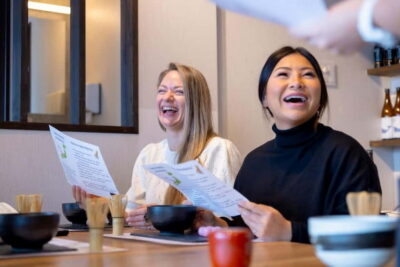
Matcha Making Experience with Mochi Sweets in Asakusa
Read our review →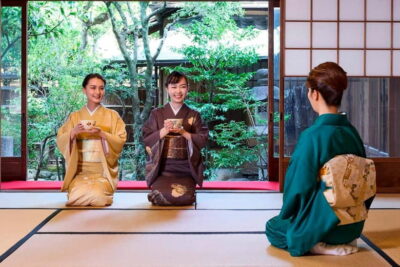
Browse the lists this tour appears in