
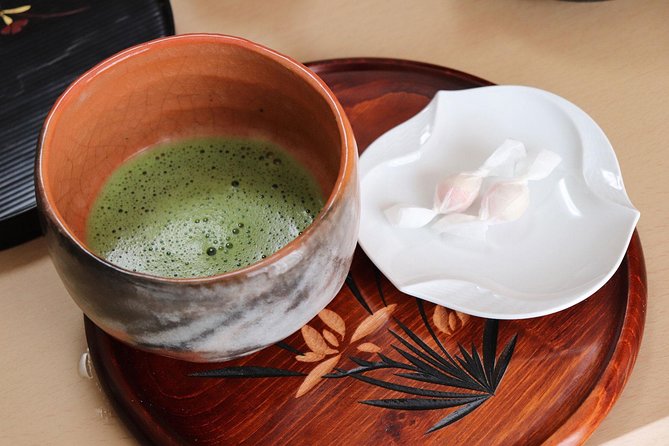
Review · KYOTO
Private Kyoto Sushi Cooking Class & Tea Ceremony with Emika
Good food opens doors to local life. This private Kyoto class brings you into Emika’s home to prepare sushi or Obanzai, Kyoto’s home-style cuisine, then sit down to eat what you made. I like the personal setting and the use of seasonal vegetables, including produce from Emika’s own organic garden. The only real caution is the location: you’ll walk about 10 to 15 minutes from Kasura Station through residential streets.
You also get more than a recipe lesson. Emika or her father prepares matcha, local drinks are available, and the meal comes with conversation about Japanese customs and daily life. At $109 per person, the price is fair for a private three-hour experience, though it makes less sense if you only want a quick sushi demonstration.
Key points to know before booking
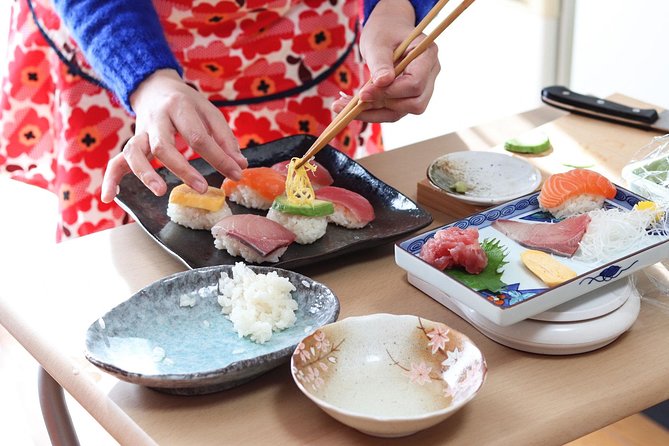
- Private home setting: Only your group takes part, giving you time to ask questions and shape the menu.
- Two menu styles: Request sushi or Kyoto-style Obanzai when you book.
- Garden-grown ingredients: Emika may use organic vegetables from her own garden, adding a true home-cooking touch.
- Matcha and local drinks: The class begins or ends with traditional matcha, and one or two glasses of local alcohol are included.
- Optional market walk: After the meal, the market option adds a one-hour visit to a supermarket and produce shop.
- Family-friendly format: All skill levels are welcome, and past cooking sessions have worked well for children, teenagers, vegetarians, and guests with dietary needs.
Why this Kyoto cooking class feels different
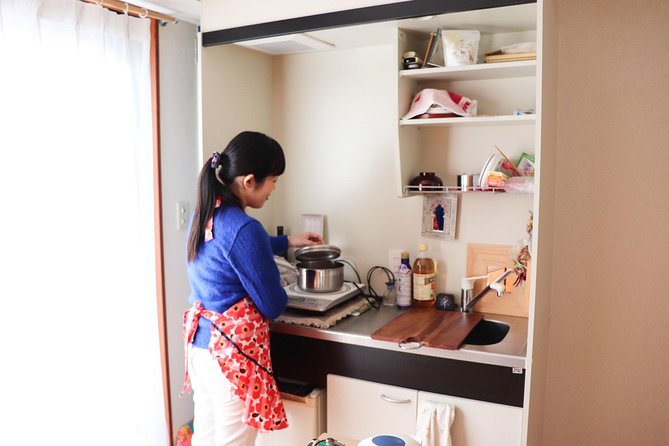
Kyoto has no shortage of cooking lessons, but many take place in a commercial studio with several groups working side by side. This one takes you to 31-30 Katsurainariyamachō in Nishikyo Ward, where Emika welcomes you into her home.
That change of setting matters. You are not just following a recipe under bright classroom lights. You are seeing how ingredients, kitchen customs, and shared meals fit into ordinary life in Kyoto. The mood is relaxed and personal, and your group has the host’s attention.
I especially like the private format for families or small groups. A teenager can ask questions without feeling self-conscious, and a vegetarian can discuss substitutions directly with Emika. One family found that she kept children involved during sushi preparation, while another group appreciated her help with special dietary needs.
The class is also flexible in spirit. You tell Emika at booking time if you prefer sushi or Obanzai, and you should also explain allergies, dietary restrictions, and cooking preferences then. That early message is important because the menu is prepared around your group rather than chosen entirely at the door.
More Tea Ceremonies in Kyoto
- Kyoto: Tea Ceremony in a Traditional Tea House in Kiyomizu
★ 4.9 · 3,519 reviews - Kyoto: Tea Ceremony Ju-An at Jotokuji Temple
★ 4.9 · 3,207 reviews - Kyoto: 45-Minute Tea Ceremony Lesson Experience
★ 4.3 · 2,378 reviews
Choosing between sushi and Kyoto Obanzai
The sushi option gives you a hands-on introduction to several basic Japanese dishes. Depending on the menu arranged with Emika, you may prepare sushi, miso soup, and seasonal vegetable side dishes. Past sessions have included nigiri, sushi rice, seaweed, raw fish, and tips for shaping rice by hand.
This is not a professional sushi apprenticeship. You will not spend three hours learning every knife cut or fish-aging technique. Instead, you learn approachable methods that you can repeat at home. One useful detail is the focus on rice preparation and handling, since good sushi at home depends as much on the rice as on the topping.
The Obanzai option offers a different look at Kyoto food. Obanzai refers to everyday Kyoto cooking built around vegetables, tofu, miso, mushrooms, and other practical ingredients. Typical dishes can include marinated mushrooms, slow-cooked vegetables, miso soup, and tofu preparations.
I like this choice for anyone who wants to understand how people eat at home, rather than focusing only on the famous foods seen in restaurant counters. Seasonal ingredients are central, and Emika’s garden vegetables may appear in your meal. The result is less about a single impressive dish and more about learning a small set of useful Japanese cooking habits.
Some menus have also included Osaka-style okonomiyaki. If that dish interests you, ask Emika about the available menu when booking. The food choices can vary, so do not assume that every session includes the same recipes.
The cooking hour in Emika’s home
The cooking portion usually takes about an hour, though the full visit lasts around three hours. Emika first explains the ingredients and the steps, then guides you as you prepare the meal together.
This pace should suit beginners. You can work alongside the host instead of watching from the back of a large room. Past participants have praised Emika’s patience and clear demonstrations, especially when she showed small techniques that are easy to miss in a standard recipe.
You may learn how to prepare sushi rice, mix or season ingredients, shape rice, make miso soup, and cook vegetable dishes. With Obanzai, the lesson centers on seasoning and gentle cooking rather than complicated restaurant presentation. That makes the food more useful after you return home.
A practical advantage is that you can ask about ingredients as you go. Emika can explain Japanese seasonings and offer suggestions for supplies to buy later. Several participants left with ideas they wanted to try in their own kitchens, including sushi techniques and special ingredients.
The class is not rushed, but it is also not an all-day food school. With only about an hour of cooking before the meal, you will get a focused introduction rather than a long series of dishes. For most people, that is a good balance on a busy Kyoto itinerary.
Sitting down to eat what you prepared
After cooking, you sit down with Emika and share the meal. This is where the experience becomes more than a practical lesson. You can discuss Japanese food, customs, etiquette, and life in Kyoto while eating dishes made by your own hands.
The included drinks add to the occasion. You receive one or two glasses of local alcohol, with nigori sake available in at least some sessions. If you prefer a nonalcoholic option, matcha is part of the experience and is prepared by Emika or her father.
Do not expect a formal restaurant tasting menu. The appeal is home cooking, shared conversation, and the satisfaction of recognizing each dish because you helped make it. Ingredients may be simple, but seasonal vegetables, miso, tofu, mushrooms, and fresh rice show how much flavor can come from careful preparation.
The meal can also be a useful pause in a packed Kyoto schedule. After temples, shrines, and crowded shopping streets, sitting in a local home gives you a quieter way to spend an afternoon or evening.
Same place, a different pot:
- Kyoto: Table-Style Tea Ceremony at a Kyo-Machiya
★ 4.9 · 1,211 reviews - Kimono Tea Ceremony at Kyoto Maikoya, NISHIKI
★ 5.0 · 911 reviews - Kyoto: Arashiyama Bamboo Forest, Monkeys, Matcha & Temple Tour
★ 5.0 · 759 reviews - Kyoto: Kimono Tea Ceremony at Orizuruya Gion
★ 4.9 · 618 reviews
The matcha ceremony adds a cultural finish
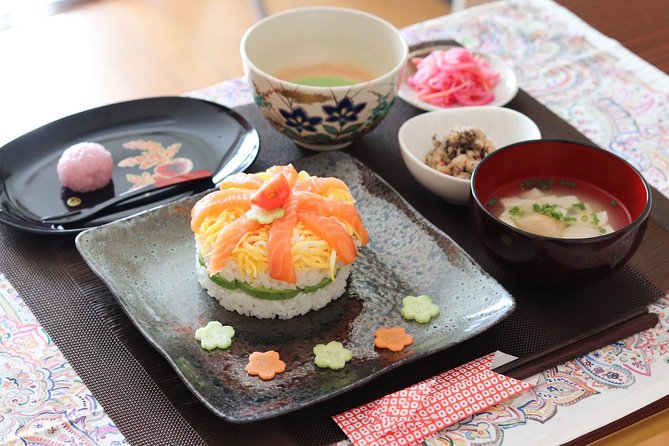
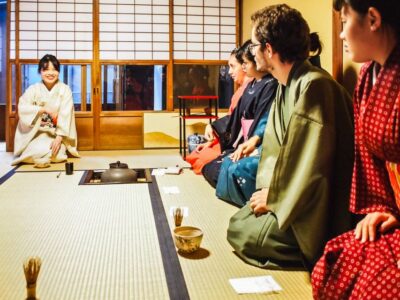
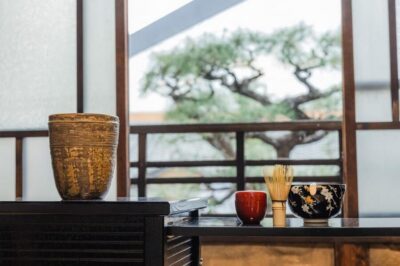
The tea portion starts or ends the visit. Emika or her father prepares a fresh cup of matcha, giving you a simple introduction to a familiar part of Japanese culture.
This is described as a tea ceremony, but you should think of it as a short home-based tea experience rather than a lengthy formal performance. Its strength is the setting. You are learning about matcha in a family home, connected to a meal and conversation, rather than seeing it as an isolated tourist display.
The tea also gives the visit a clear beginning or closing moment. If you have never had matcha prepared in a traditional manner, it is a pleasant way to connect the food lesson with Japanese customs. If you do not drink alcohol, the matcha helps make the experience feel complete without relying on the included sake or other local drink.
Add the market walk after lunch
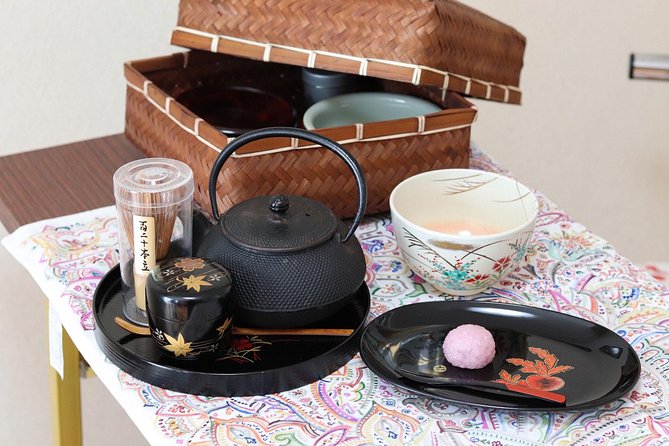
The optional market tour takes place after the cooking class and meal. This timing is easy to misunderstand, so plan accordingly. You do not visit the supermarket and produce shop first. After eating, you walk with Emika for about 10 minutes to see where local residents shop.
The full market portion lasts about an hour. Emika points out Japanese ingredients, seasonings, and food products that may be unfamiliar on supermarket shelves. You can also ask for help buying ingredients to take home.
This is a strong add-on if you want to recreate the recipes. Seeing products in their actual shopping environment is more useful than receiving a generic list of ingredients. You can learn which seasonings to look for and ask questions about how they are used.
The market walk may be less appealing if you have limited time or are already planning several food markets in Kyoto. It also comes after a full meal, so you are visiting to learn and shop, not to eat your way through a market. Still, for cooks, it adds practical value that a standard class often misses.
Getting there and planning your time
The meeting point is 31-30 Katsurainariyamachō in Kyoto’s Nishikyo Ward. The activity ends back at the same meeting point, and hotel pickup and drop-off are not included.
The home is near public transportation, but allow extra time for the final walk. The route from Kasura Station takes roughly 10 to 15 minutes through winding residential streets. Google Maps can help, and you should avoid arriving at the station with only a few spare minutes.
The class lasts about three hours, not counting the time you need to reach the meeting point. Lunch and dinner options are available, so you can place it between sightseeing plans. I would avoid scheduling a major attraction across town immediately afterward, especially if you add the market visit.
The private format makes the experience easier to manage than a large group tour. Your party alone participates, and confirmation arrives at booking. Service animals are allowed, and the activity is near public transportation.
Is $109 per person a fair price?
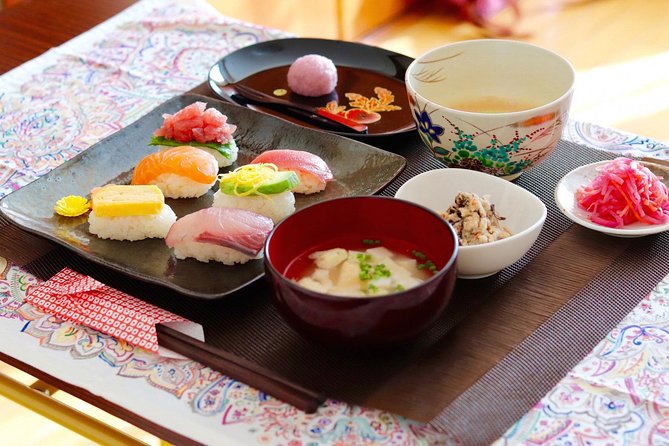
At $109 per person, this is not the cheapest way to make sushi in Kyoto. You could buy a meal for less, and a short group demonstration would likely cost less as well.
The value comes from the combination of services. You receive a private cooking class, a home meal, matcha, one or two glasses of local alcohol, and personal conversation with a Kyoto resident. The optional market visit adds another hour of direct guidance if you select it.
For a couple, family, or small group, the private setting makes the price easier to justify. You are not paying only for food. You are paying for instruction, menu flexibility, cultural context, and time with a host who can answer your own questions.
I would see it as good value if you care about cooking or want a personal cultural experience. It is less worthwhile if your main goal is simply eating sushi, since the class takes preparation time and the menu may include home-style dishes rather than a large seafood spread.
The average booking lead time is about 49 days, so popular dates may fill well ahead of a Kyoto visit. If your schedule is fixed, book early and send your menu and dietary requests at the same time.
Who will enjoy this most?
This experience suits you if you want direct contact with local life and prefer a small private setting. Couples can treat it as a relaxed meal activity, while families can give children and teenagers a practical way to participate in Japanese culture.
It is also a good fit for home cooks. You will learn methods and ingredient ideas that can be used after the trip, especially if you add the market walk and ask Emika where to buy seasonings.
Vegetarians and people with dietary restrictions should contact Emika before the date. The host has accommodated vegetarian menus and individual dietary needs, but you should not leave those details until arrival.
You may want to skip it if you dislike home visits, have trouble walking 10 to 15 minutes from the station, or want a highly formal tea ceremony. The atmosphere is friendly and personal, not polished like a hotel kitchen or a traditional performance venue.
Cancellation and practical booking advice
You can cancel up to 24 hours before the start time for a full refund. Changes or cancellations made less than 24 hours before the local start time are not accepted for a refund.
When you book, state your preferred menu, allergies, dietary restrictions, and cooking preferences. If you want the market tour, confirm that option as well, and remember that it happens after the meal.
Should you book Emika’s Kyoto cooking class?
I would recommend it if you want a private home experience rather than a standard group class. The strongest parts are the personal attention, garden vegetables, flexible menu, and the chance to talk with Emika about food and Japanese customs.
Choose the sushi menu if you want hands-on practice with rice, nigiri, and related dishes. Choose Obanzai if you are more interested in Kyoto’s everyday vegetable cooking. Add the market walk if you want help finding ingredients for home.
Skip it only if your schedule is too tight for three hours or if you want a restaurant-style meal without cooking. For everyone else, this is a thoughtful way to connect food, family life, and Kyoto beyond the main sightseeing route.
FAQ
How long does the Kyoto cooking class last?
The experience lasts approximately three hours, including cooking, the meal, and the matcha tea experience.
Where does the activity begin?
It begins at 31-30 Katsurainariyamachō in Kyoto’s Nishikyo Ward, postal code 615-8025.
Where does the activity end?
The activity ends back at the meeting point.
Is hotel pickup included?
No. Hotel pickup and drop-off are not included.
Can I choose between sushi and Obanzai?
Yes. You should tell Emika when booking if you prefer a sushi menu or a Kyoto-style Obanzai menu.
Can dietary restrictions be accommodated?
You should advise Emika about allergies, dietary restrictions, and cooking preferences when booking. Vegetarian needs have been accommodated in past sessions.
Is the market visit included?
The supermarket and produce market visit is included if you choose the Market tour option.
When does the market tour take place?
The market visit takes place after the cooking class and meal. It includes a walk of about 10 minutes to a supermarket and produce shop, followed by about one hour of guidance.
Are drinks included?
Yes. One or two glasses of local alcohol are included. Matcha is also prepared by Emika or her father as part of the experience.
Is the activity private?
Yes. Only your group participates in the private cooking class and tea ceremony.
How far is the home from public transportation?
The meeting point is near public transportation. The walk from Kasura Station takes about 10 to 15 minutes through neighborhood streets.
Can I cancel for a full refund?
Yes. You can cancel at least 24 hours before the experience start time for a full refund. Cancellations or changes made less than 24 hours before the start time are not accepted for a refund.
More Cooking Classes in Kyoto
- Xiao Long Bao, Beef Noodles & Boba Tea Cooking Class in Taipei
★ 5.0 · 159 reviews - Xiao Long Bao, Chicken vermicelli with mushroom and sesame oil, Tofu strips salad, Bubble milk tea. Taiwan Traditional Delicacies Experience-A (Taipei Cooking Class)
★ 5.0 · 79 reviews - Xiao Long Bao & Boba Tea Cooking Class in Taipei
★ 5.0 · 28 reviews - Xiao Long Bao, Pork thick soup, Bubble milk tea. Taiwan Traditional Light Meals Experience-B (Taipei Cooking Class)
★ 5.0 · 24 reviews
Just added around Kyoto
- Uji Walking Tour – Byodo-in temple and Tea Ceremony from Kyoto★ 3.5 · 3 reviews
- Tea ceremony at Kyoto’s Zen Temple Teahouse★ 5.0 · 2 reviews
- Kyoto: Authentic Tea Ceremony in a Small Group★ 5.0 · 7 reviews
- Tea Ceremony in 150 Years Old Townhouse with Tables and Chairs★ 5.0 · 22 reviews
- Silent Beauty of Kyoto Zen Walk and Tea Experience★ 5.0 · 2 reviews
- Tea Ceremony Experience in Traditional Kyoto Townhouse★ 5.0 · 19 reviews
- Traditional Tea Ceremony in Kyoto★ 4.5 · 3 reviews
- Kyoto Private Tea Ceremony at a Japanese Inns★ 5.0 · 12 reviews
Tea Ceremonies in Kyoto, compared.
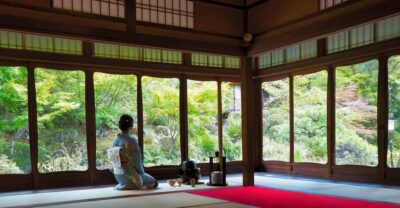
Tea Ceremony in a Traditional Tea House in Kiyomizu
Read our review →
Tea Ceremony in 100-year-old Kyo-Machiya Townhouse
Read our review →
Browse the lists this tour appears in