
Review · OSAKA
Osaka: Japanese Cooking Class with Matcha Experience
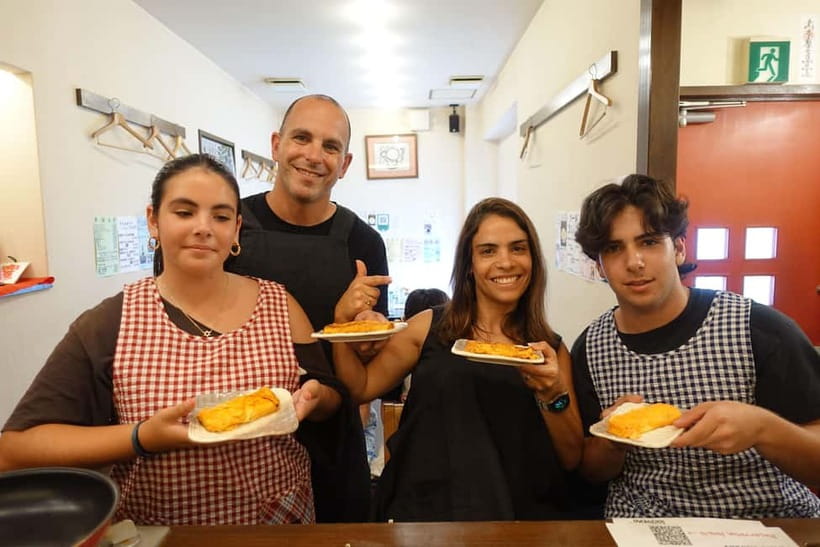
A good Osaka meal starts at the cutting board. This two-hour class gives you hands-on cooking with a local chef, followed by a matcha-making experience that adds a calm finish. I like the choice of three familiar Japanese food styles, and I like the personal help from Ikuko, an Osaka mom whose warm teaching style has made a strong impression. The main drawback is that the class is not suitable for wheelchair users or people with food allergies.
The location is easy to fit into a sightseeing day, just a seven-minute walk from Morinomiya Station and one JR stop from Osaka Castle Station. The small group, limited to 10 people, should keep the lesson friendly and practical. Just note that the activity information both says ingredients are included and asks you to bring ingredients, so confirm this point before you go.
Key points to know before you book
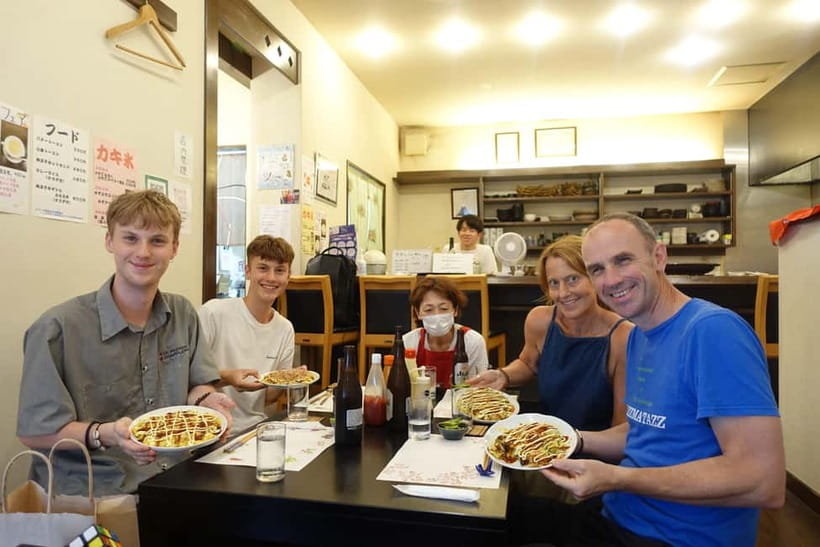
- Three cooking paths: Choose home-cooked dishes, okonomiyaki, or a bento-style meal.
- A local teacher helps at every level: Ikuko is praised for her enthusiasm, clear techniques, and kind welcome.
- Matcha is part of the class: You do not just cook. You also take part in making matcha.
- Convenient Morinomiya setting: The meeting point is a seven-minute walk from Morinomiya Station.
- Small class size: No more than 10 people makes it easier to ask questions and get personal help.
- A strong family option: Children have enjoyed the class, and the activities suit groups cooking together.
Why this cooking class works well in Osaka
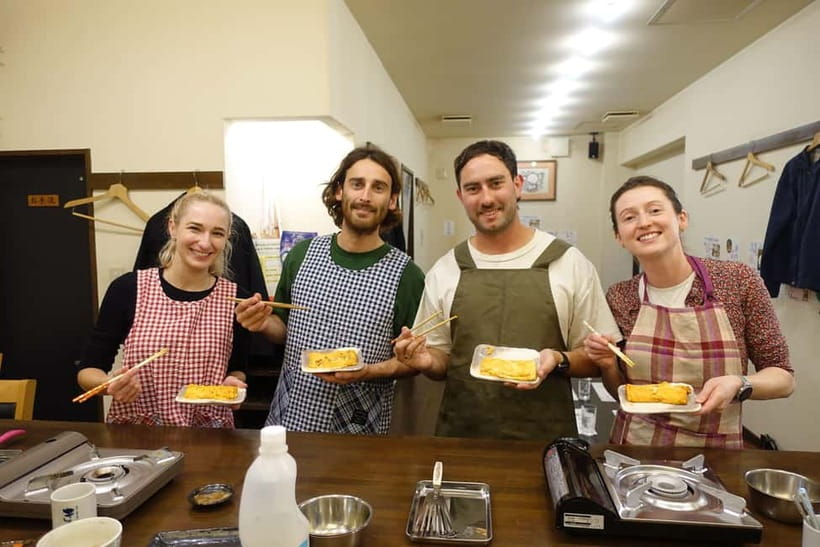
Osaka is famous for eating, but a cooking class lets you understand the food from the inside. Instead of simply ordering a dish and moving on, you learn how certain meals fit into everyday Japanese life.
This class focuses on foods commonly enjoyed in Japan and Osaka. That matters. You are not being asked to prepare an elaborate restaurant dish that would be difficult to repeat at home. You choose from home cooking, okonomiyaki, or bento, then work with ingredients and techniques that can become part of your own kitchen routine.
I especially like that the class is built around cooking together. You can come with family, friends, or a partner and share the work. One person may focus on preparation while another handles the cooking, and the result becomes a shared meal rather than a demonstration you watch from the side.
The matcha portion gives the experience a second rhythm. Cooking is active and social. Making matcha provides a quieter moment at the end, with time to pay attention to a Japanese drink that many visitors only encounter in a café or sweet shop.
More Matcha Experiences in Osaka
- Matcha Making Class in Osaka with Authentic Japanese Sweets Set
★ 5.0 · 509 reviews - Osaka: Matcha Making Experience with Japanese Sweets
★ 5.0 · 146 reviews - Osaka Temple Cool Foot Bath & Matcha Experience〈45min〉
★ 4.9 · 82 reviews
Getting to the class near Morinomiya Station
The location is one of the practical strengths here. Morinomiya Station is a useful base for visiting Osaka Castle, and the class is about a seven-minute walk from the station. It is also just one station from Osaka Castle Station by JR.
That makes the class easy to pair with sightseeing. You could schedule it before or after a visit to Osaka Castle, or reach it from the Shinsaibashi and Namba areas without treating the activity as an all-day commitment.
The class lasts two hours, so allow time to arrive without rushing. The meeting point has a sign, and the host or greeter can communicate in English or Japanese. You do not need to plan transportation into the $64 price, though you should budget separately for getting there and returning to your hotel or next stop.
For the easiest day, I would avoid placing the class between two tightly timed attractions. Cooking is more enjoyable when you are not checking the clock. It is a good choice for a morning activity, an early afternoon plan, or a break from walking around Osaka.
Choosing between home cooking, okonomiyaki, and bento
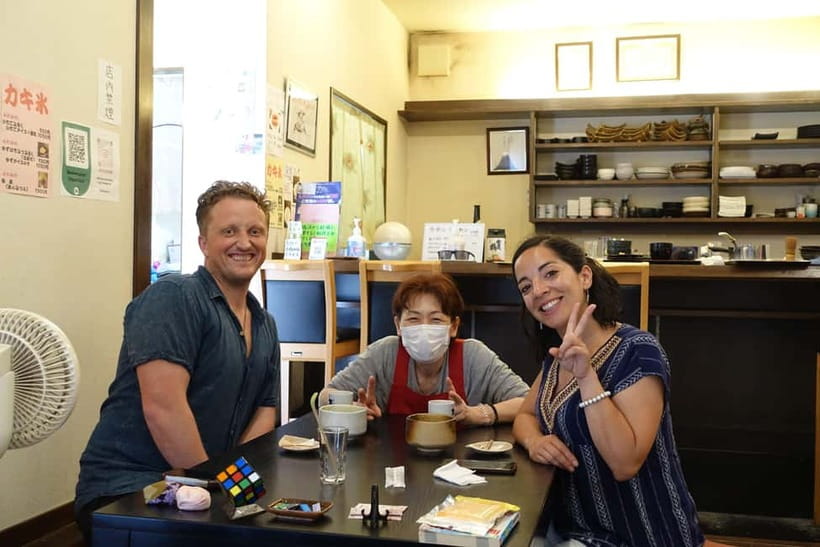
You select one of three cooking options. Each points to a different side of Japanese food culture.
Home-cooked dishes
The home-cooked option is likely the most useful for people who want everyday Japanese food rather than a single famous specialty. It connects well with the class promise of learning traditional dishes from a local chef and receiving support from an Osaka mom.
I would choose this if you want recipes that can become regular meals at home. It may also suit families who prefer a broader introduction to Japanese cooking instead of focusing on one dish.
The exact menu can vary, so check the available selection when you book. The important point is that you are choosing a style of meal, not a fixed restaurant menu.
Same place, a different pot:
- Osaka: Tea Ceremony Experience
★ 4.9 · 1,426 reviews - Tea Ceremony Experience in Osaka Doutonbori
★ 5.0 · 754 reviews - Osaka: Tea Ceremony, Calligraphy, and Kimono Experience
★ 4.9 · 130 reviews - Osaka: Japanese Traditional Sweets Making and Tea Ceremony
★ 4.7 · 118 reviews
Okonomiyaki
Okonomiyaki is a natural choice in Osaka. The dish is strongly linked with the city and is designed to be satisfying, social, and adaptable.
If you want a class with a clear Osaka identity, this is the option I would consider first. It gives you a direct connection to the food culture you are exploring outside the classroom. It is also a fun pick for friends and families because the dish has a relaxed, communal feel.
You should still check the exact preparation plan in advance. The supplied information confirms okonomiyaki as one of the choices, but it does not provide a detailed recipe or list of ingredients.
Bento
Bento offers another useful angle. A bento is more than food placed in a box. It brings together portions, arrangement, and portability, making it a good introduction to the way Japanese meals can be organized.
I would choose bento if you enjoy careful presentation or want to learn something that feels especially connected to daily Japanese life. It may also be a good family choice because the finished meal gives everyone a clear result to enjoy.
The class provides ingredients for the selected dish, according to the included services. Since the information also asks participants to bring ingredients, ask the provider what you need to bring for your chosen menu before arrival.
Learning with Ikuko and an Osaka mom
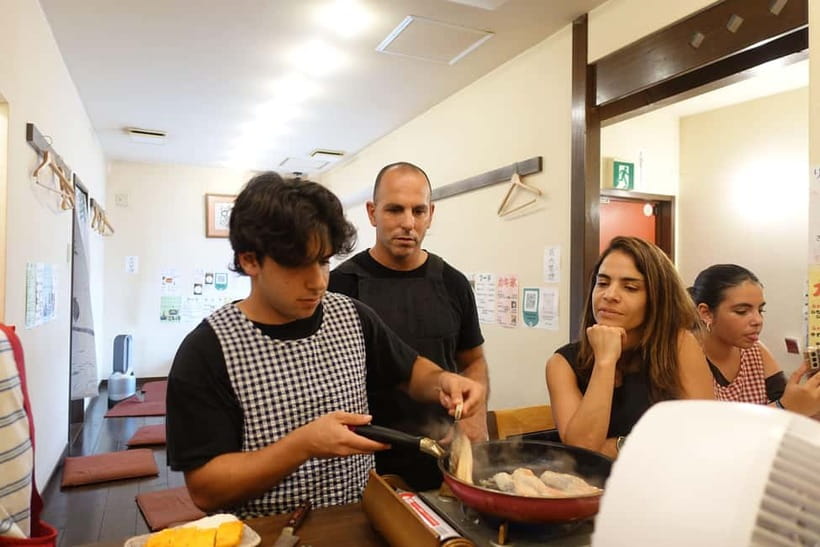
The teacher can make or break a short cooking class. Here, Ikuko is singled out for her enthusiasm, her clear techniques, and her love of teaching and cooking. That combination matters more than a polished lecture. You want someone who notices when you are unsure and shows you what to do next.
The class is also designed for people who are not confident cooks. An Osaka mom is available to support beginners, so you do not need advanced kitchen skills to take part. That makes the activity more approachable than a formal culinary lesson built for experienced cooks.
You can expect guidance rather than simply being handed a recipe and left alone. The class description promises instruction directly from a local chef, while the personal feedback about Ikuko points to a cheerful and encouraging atmosphere.
Language should not be a major barrier for basic participation. The host or greeter speaks English and Japanese. Still, cooking involves gestures, timing, and hands-on work, so it helps to arrive ready to watch closely and ask simple questions.
The teaching style seems particularly good for children. Young participants have enjoyed the class, and one family described the experience as a hit for their girls. That does not mean every child will enjoy every kitchen task, but the friendly tone and group cooking format give families a solid chance of having fun together.
What the two-hour visit is likely to feel like
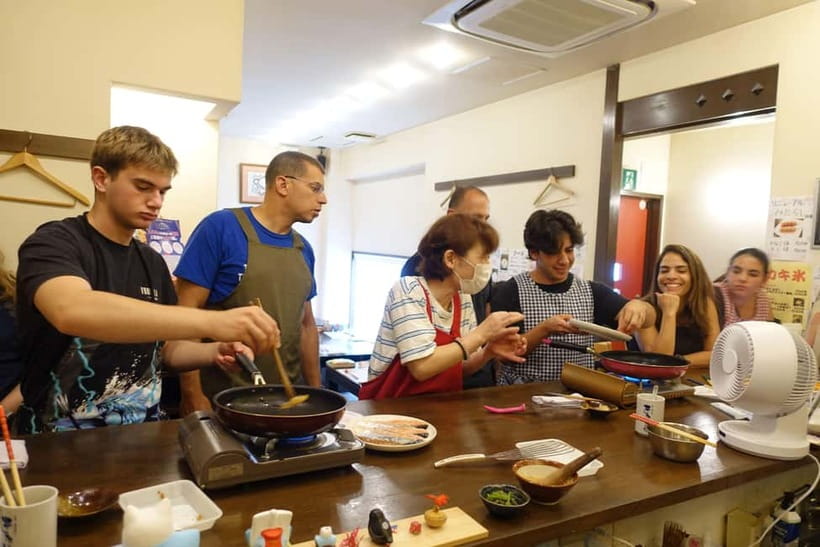
The experience is compact, but it includes several parts. You arrive at the signed meeting point, meet the chef and host, and settle into the small group. With a maximum of 10 participants, you should have a better chance to see the techniques and ask for help than in a large demonstration class.
Next comes the food choice and preparation. You select home-cooked dishes, okonomiyaki, or bento, then work through the recipe with the chef. The useful part is not just the final plate. It is learning the sequence, handling ingredients, and seeing how a local instructor approaches familiar Japanese food.
The class then includes time to enjoy what you have made. That shared meal is an important part of the experience. You are not rushing away with a boxed result, and you can connect the recipe with the people you came with.
The matcha-making experience adds a separate activity. You learn how to make matcha directly from the local host, giving the class a cultural element beyond food preparation. Since the total duration is two hours, the matcha session is likely to be a focused introduction rather than an extensive tea ceremony. The supplied details do not promise a full formal ceremony, so book it for the practical experience of making and tasting matcha.
Is $64 a fair price?
At $64 per person, this is not the cheapest way to eat in Osaka. You can find a filling meal for much less. The value comes from the instruction, ingredients for the selected dish, small-group attention, and matcha activity.
The price makes more sense if you would otherwise pay for a separate food experience and a cultural activity. You get a two-hour program led by a local chef, and you leave with techniques and recipes that can be recreated at home. One of the strongest comments about the class is that the recipes were delicious and practical enough to make again.
That repeat value is important. A restaurant meal gives you a memory and a full stomach. This class can give you both, plus a skill you may use later. If you are mainly seeking a quick lunch, $64 will feel high. If you want to spend part of your Osaka visit doing something social and useful, the price is more reasonable.
Families should calculate the cost carefully because every participant pays $64. The benefit is that children can take part instead of simply waiting while adults attend a class. Couples and small groups may also find the shared activity worth more than another meal out.
Who should choose this experience
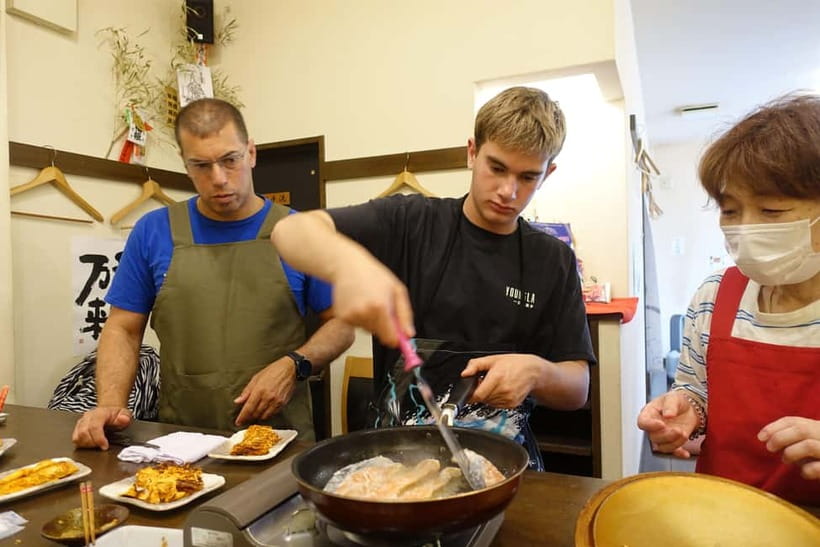
I would recommend this class to you if you want a relaxed activity with a local connection and do not need a long, technical cooking course. It suits beginners, families, couples, and friends who enjoy doing something together.
It is a particularly good match for:
- Families with children who like practical activities
- First-time visitors who want an introduction to Japanese food
- People who want to learn dishes they can recreate at home
- Anyone planning time near Osaka Castle, Morinomiya, Shinsaibashi, or Namba
- Small groups who prefer personal attention
- Visitors who want matcha included without booking a separate activity
You may want to skip it if you are looking for a high-level professional cooking lesson. The class is built for accessible instruction and shared enjoyment, not advanced culinary training.
It is also not suitable for wheelchair users or people with food allergies. The allergy restriction is important. Inform the provider about food allergies or dietary restrictions in advance, but do not assume the class can accommodate them, since the activity specifically lists people with food allergies as unsuitable.
Wear comfortable shoes and comfortable clothes. Cooking is a practical activity, and you will be more at ease if you are dressed for standing and moving around rather than formal sightseeing.
Cancellation and planning details
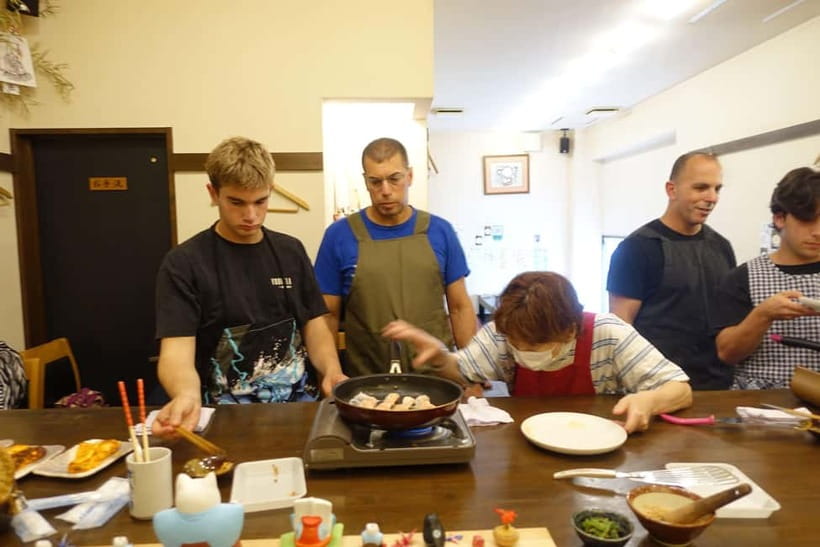
You can cancel up to 24 hours in advance for a full refund. The reserve-now, pay-later option also gives you some flexibility if your Osaka schedule is still changing.
Starting times depend on availability, so check the schedule before building the rest of your day. Transportation and personal expenses are not included.
The activity information says all ingredients for the selected dish are included, while the preparation notes also say to bring ingredients. Because those instructions do not fully match, contact the provider before your class and ask exactly what, if anything, you need to bring.
My verdict: book it for shared time, not just dinner
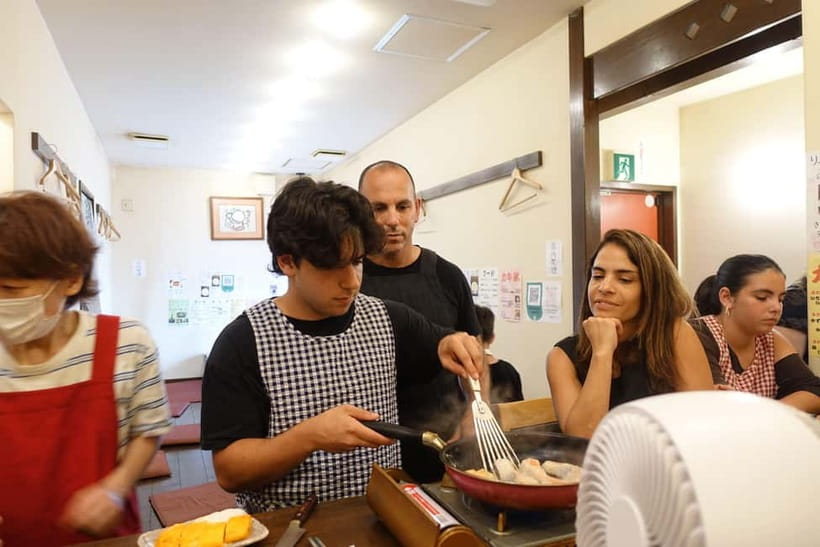
I would book this experience if you want to do more than eat your way through Osaka. The strongest reasons are the friendly instruction, the choice of three familiar Japanese dishes, the matcha session, and the easy location near Morinomiya.
Ikuko’s enthusiastic teaching style and the support from an Osaka mom are especially helpful for beginners. The class also has a clear family advantage, since children can participate and enjoy the finished food.
I would pass if you have serious food allergies, need wheelchair access, or want an advanced chef-led course. For everyone else, $64 buys a useful two hours of cooking, eating, and learning that can stay with you after the trip, especially if you choose a recipe you will actually make at home.
FAQ
How long does the Japanese cooking class last?
The class lasts two hours.
How much does the experience cost?
The price is $64 per person.
Which dishes can I choose to make?
You can choose one option from home-cooked dishes, okonomiyaki, or bento.
Is matcha included?
Yes. A matcha-making experience is included with the cooking class.
Where does the class take place?
The activity is near Morinomiya Station in Osaka, about a seven-minute walk away. It is also one JR station from Osaka Castle Station.
Is the class available in English?
The host or greeter can communicate in English and Japanese.
How many people can join the class?
The class is limited to 10 participants.
Can I cancel for a refund?
Yes. You can cancel up to 24 hours in advance for a full refund.
More Cooking Classes in Osaka
- Osaka Japanese Cooking And Matcha Class near Osaka Castle
★ 5.0 · 22 reviews - Cultural Cooking Class Featuring Ramen Sushi and Tea Ceremony
★ 5.0 · 2 reviews - Osaka : Exclusive Tea Ceremony & Wagashi Cooking
★ 5.0 · 2 reviews - Xiao Long Bao, Beef Noodles & Boba Tea Cooking Class in Taipei
★ 5.0 · 159 reviews
Just added around Osaka
- Osaka:Zen Tea Ceremony and Foot Bath Experience<45min>★ 5.0 · 7 reviews
- Osaka Japanese Cooking And Matcha Class near Osaka Castle★ 5.0 · 22 reviews
- Osaka: Tea Ceremony, Calligraphy, and Kimono Experience★ 5.0 · 6 reviews
- Nara Deer Park, Uji Matcha, & Hot Spring Full-Day Tour from Osaka★ 4.0 · 21 reviews
- Osaka: Nara, Todaiji, Uji Matcha, and Hot Spring Tour★ 4.0 · 7 reviews
- Craft Sushi and Matcha Ice Cream in Central Osaka (3-Course Meal)★ 5.0 · 2 reviews
- Tea and Calligraphy Session at a Table in Osaka★ 5.0 · 4 reviews
- ZEN therapy | Shiatsu-style massage, EnergyTherapy & Japanese Tea★ 5.0 · 5 reviews
Matcha Experiences in Osaka, compared.
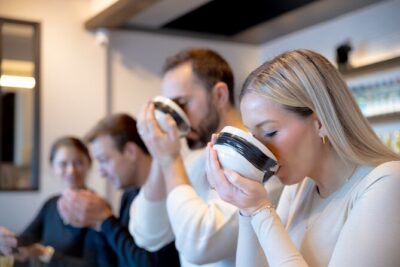
Matcha Making Class in Osaka with Authentic Japanese Sweets Set
Read our review →
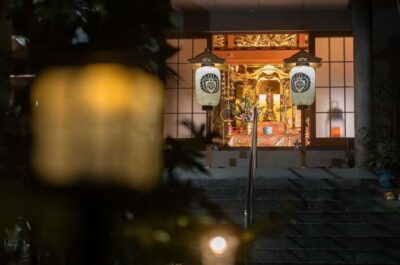
Osaka Temple Cool Foot Bath & Matcha Experience〈45min〉
Read our review →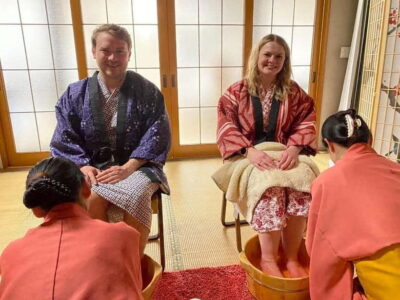
Osaka Temple Head Spa &Matcha Facial – Refresh & Glow〈90min〉
Read our review →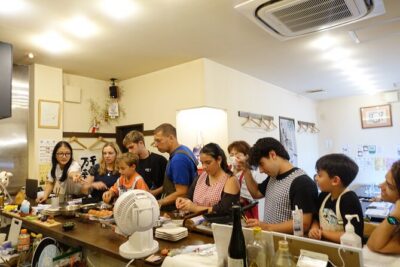
Osaka Japanese Cooking And Matcha Class near Osaka Castle
Read our review →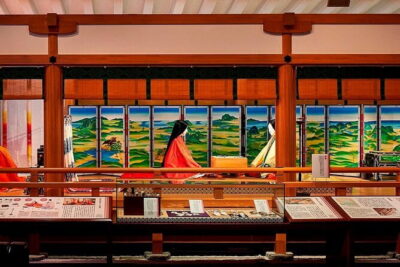
Nara Deer Park, Uji Matcha, & Hot Spring Full-Day Tour from Osaka
Read our review →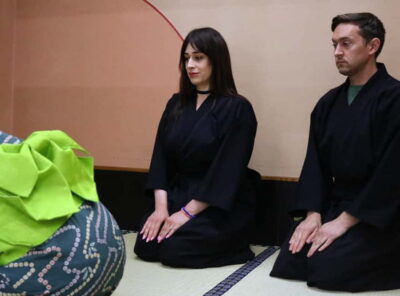
Learn Zen in a class of making Matcha tea near Osaka Castle
Read our review →
Browse the lists this tour appears in