
Review · HIROSHIMA
Home Made Onigiri and Matcha Cooking Class in Hiroshima
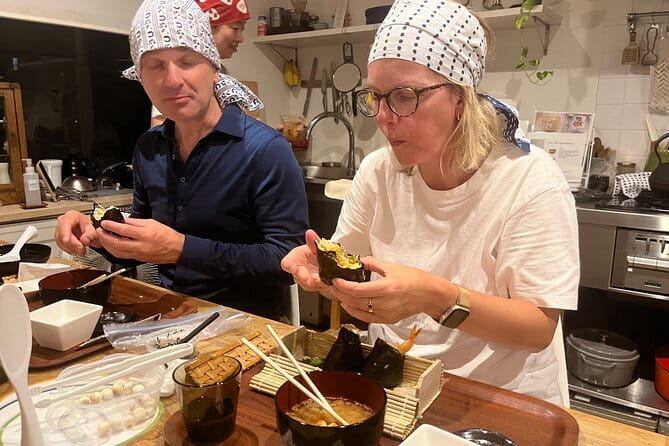
Make lunch, then make memories. This small Hiroshima class brings you close to local mothers as you shape hot rice into onigiri, prepare miso soup, and learn simple tea ceremony manners. I like the friendly local setting and the easy walk from the Atomic Bomb Dome. I also like that children are welcome, with a toy area for younger family members.
The main thing to consider is the price: $81.65 per person is a fair spend for a short class, but it is not a budget lunch. The menu is also limited to two listed onigiri flavors, tuna mayonnaise and shrimp tempura, unless you arrange another choice ahead of time.
Key points at a glance
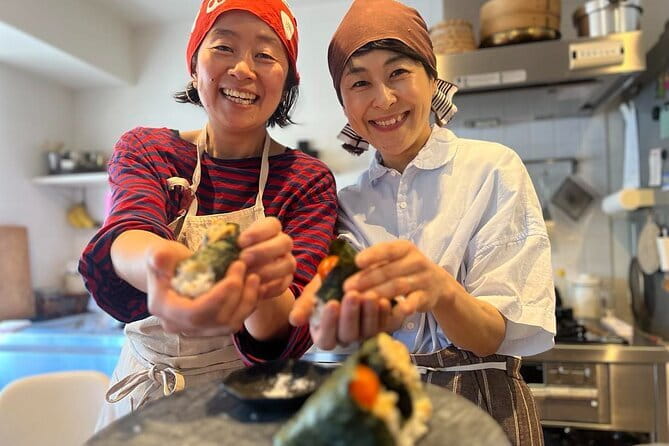
- Hot rice becomes the star: You handle freshly harvested rice while it is still warm and learn why onigiri has a longer history than sushi.
- A small, friendly group: The class takes a maximum of six people, which gives you a better chance to talk with the hosts.
- A useful Peace Park stop: The meeting point is about five minutes from the Atomic Bomb Dome and six minutes from the Peace Museum.
- Three parts to the meal: Your lunch includes two onigiri, miso soup, matcha, and Japanese wagashi sweets.
- Good for families: Children are welcome, and a toy area is available during the class.
- Book special menus early: Fresh egg yolk, vegetarian, and vegan options need advance discussion.
A small kitchen near Hiroshima Peace Park
The class begins at 10:30 a.m. at Guitar Top, 1-3 Sakaimachi, in Hiroshima’s Naka Ward. It ends at the same meeting point, making the morning easy to fit around an afternoon at the Peace Memorial Park, museum, or Atomic Bomb Dome.
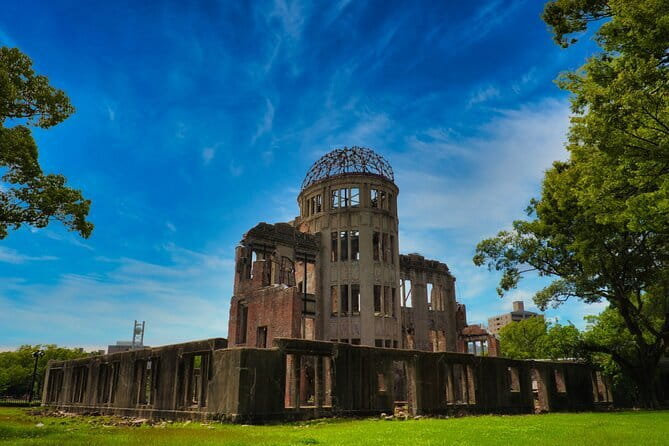
The location is one of the strongest parts of the experience. You are about a five-minute walk from the Atomic Bomb Dome and six minutes from the Peace Museum. That makes this a useful choice if you want a meal activity that does not take you far from Hiroshima’s central sights.
The class sometimes takes place in a private home instead, so the exact setting can vary. That home-style element is part of the appeal, but you should confirm the meeting details when you book. Pickup is offered, and one family described being collected from its hotel by Midori and taken to Weiko’s home before being returned afterward. Do not assume hotel pickup is automatic for every booking. Ask in advance.
The group limit is six people. That matters here. Onigiri is simple food, but the best part of the class is the conversation around it. A small group makes it easier to ask questions, get help with shaping the rice, and speak with the hosts.
More Matcha Experiences in Japan:
- World Heritage Kyoto & Nara Uji Authentic Matcha Experience
★ 5.0 · 1,573 reviews - Kyoto: Arashiyama Bamboo Forest, Monkeys, Matcha & Temple Tour
★ 5.0 · 759 reviews - Matcha Making Class in Tokyo with Authentic Japanese Sweets Set
★ 5.0 · 744 reviews
Why onigiri makes a good Hiroshima food lesson
Onigiri is often treated as a quick snack, but this class presents it as a food with a long place in Japanese daily life. The hosts explain that onigiri is older than sushi, then invite you to handle warm rice and shape it yourself.
That hands-on step gives the class its purpose. You are not simply watching someone prepare lunch. You feel the temperature of the rice, learn how much filling to use, and discover that a neat rice ball takes a little practice. The recipe is designed to be easy, so you do not need cooking experience.
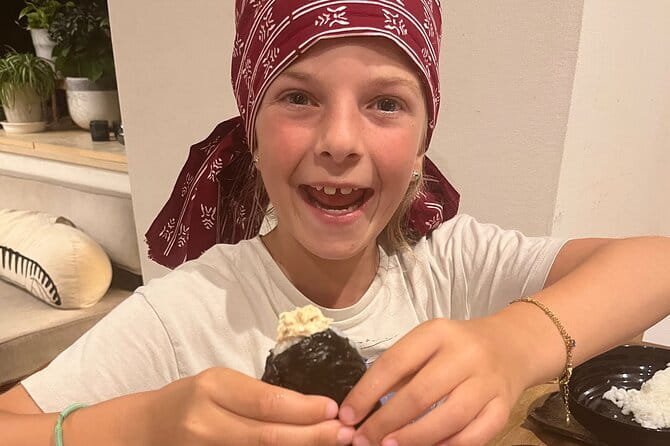
The class is especially useful for families. Children can take part in making the rice balls, while a toy area gives younger children something to do if their attention fades. The activity also offers a gentle introduction to Japanese food for anyone who has seen onigiri in anime or movies but has never made one.
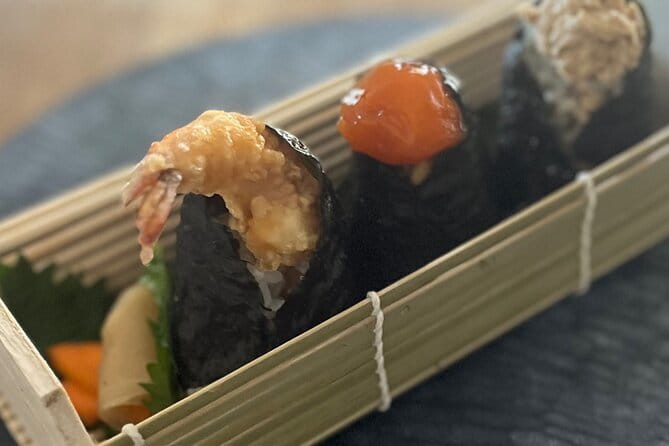
The listed fillings are tuna mayonnaise and shrimp tempura. Both give you different ideas about onigiri: one is familiar and creamy, while the other offers a crisp, savory filling inside soft rice. If you have allergies, tell the hosts before the class. Fresh egg yolk can also be placed on the rice balls using a special cooking method, but you need to request it at the time of booking.
Vegetarian and vegan menus are being prepared, so ask about those options before you reserve. The information does not promise that every special diet can be accommodated immediately.
Miso soup and an everyday Japanese table
The meal includes miso soup served in a chawan bowl. This is a nice touch because it turns the onigiri lesson into a simple Japanese lunch rather than a single-food demonstration.
The hosts also share recipes you can make at home, including a version suitable for a cafe au lait bowl. That detail gives the class value beyond the 90 minutes in Hiroshima. You leave with an idea for repeating part of the experience in your own kitchen.
The hosts encourage you to appreciate everyday food and the ordinary blessings around a shared meal. That may sound like a small point, but it fits the pace of the class. This is not a race through a list of dishes. The morning includes time to eat, talk, and enjoy a quiet break near Peace Park.
If you want a large tasting menu or many regional specialties, this will feel narrow. You receive two onigiri flavors, soup, matcha, and wagashi. If you want to learn one practical food skill and sit down with local people, the focused menu works well.
Matcha, wagashi, and a short tea lesson
After lunch, you make matcha and enjoy it with wagashi, Japanese sweets. The class also introduces basic manners from sadou, the Japanese tea ceremony tradition.
Do not expect a full formal tea ceremony. The class lasts about an hour and a half, and tea is one part of the schedule. Instead, you get a friendly introduction to the gestures and habits that give matcha service its meaning.
This section is a good counterpoint to the casual process of shaping rice. Onigiri is tactile and playful. Matcha asks for a little more care and attention. You learn by doing, rather than sitting through a long explanation.
No alcohol is served. Bottled water, soda, coffee, and extra tea are also not included. The included matcha is part of the planned meal, but do not arrive expecting a full drinks menu.
More Cooking Classes in Japan:
- Private Kyoto Sushi Cooking Class & Tea Ceremony with Emika
★ 5.0 · 66 reviews - Osaka Japanese Cooking And Matcha Class near Osaka Castle
★ 5.0 · 22 reviews - Osaka: Japanese Cooking Class with Matcha Experience
★ 5.0 · 4 reviews - Yokohama: Sushi & Gyoza Cooking with Matcha Experience
★ 5.0 · 4 reviews
The hosts are a major part of the experience
The class is led by Hiroshima mothers, including hosts named Midori and Weiko in the experience details. They speak English, and both have lived overseas, which can help when you want to discuss food, family life, or differences between Japanese and foreign kitchens.
The strongest praise for this activity centers on communication. The host explains the food clearly, shares some background, and keeps the mood light. This is important because onigiri itself is easy to describe in one sentence. The added value comes from the stories, questions, and laughter around the preparation.
One family especially appreciated the welcome given to its children. The hosts had prepared a play area, and the pickup and return arrangement made the morning easier for that group. Families should still explain the ages and needs of their children when booking, but the setup is clearly intended to include them.
The tone appears warm rather than formal. If you prefer a chef-led professional kitchen with exact measurements and polished presentation, this may not be your style. If you want to sit with local people and learn a home recipe, the relaxed approach is a strong reason to choose it.
Timing the class around Hiroshima’s major sights
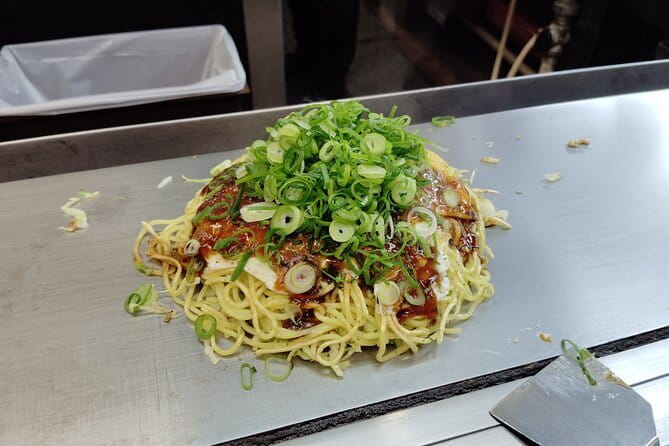
The 10:30 a.m. start is practical. You can make it the first activity of the day, finish around noon, and spend the afternoon at the Peace Memorial Park and museum.
The Atomic Bomb Dome is roughly a five-minute walk away, while the Peace Museum is about six minutes from the meeting point. You can also pair the class with a quiet walk along the park’s paths after lunch. The location saves you from crossing the city for a separate food activity.
From Hiroshima Station, a taxi to Sheba Cafe takes about 12 minutes. By tram, take Hiroshima Electric Railway Line 2 to Honkawacho Station, the closest stop, in about 21 minutes. From the Hilton Hotel, the walk is listed at about 26 minutes.
These times are useful planning estimates, not guarantees. Hiroshima traffic and tram conditions can change the journey. If you are using pickup, confirm the exact arrangement rather than relying only on the central meeting point.
The activity lasts approximately 90 minutes. That is long enough to make and eat the food without taking over your day. It is also short enough to suit a packed Hiroshima schedule, though the class may feel brief if you want extensive cooking instruction.
Is $81.65 a fair price?
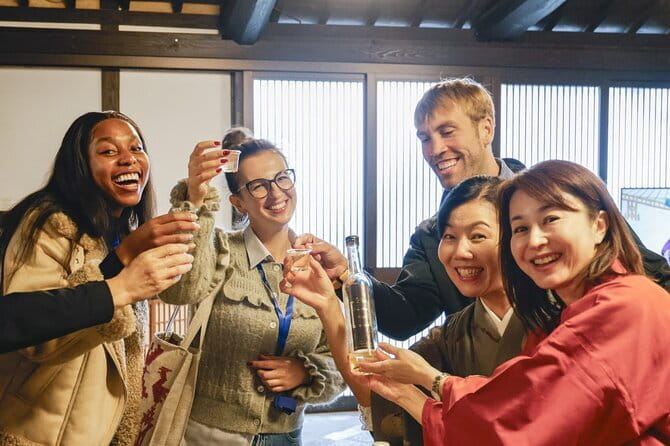
At $81.65 per person, this is more than the cost of buying onigiri and miso soup at a shop. You are paying for the small group, the instruction, the local conversation, the full meal, the matcha lesson, and the chance to make the food yourself.
The maximum of six helps the value. You are not one face in a large demonstration. The included gratuities also make the final cost easier to understand.
The price makes the most sense if you value personal contact and a home-style activity. It is less attractive if your main goal is a cheap lunch or if you already know how to prepare onigiri. The class is also a good use of time for first-time visitors who want something more personal than another restaurant meal.
The activity is often booked about 19 days ahead. That suggests you should reserve early if your dates are fixed, particularly for a family or a group that needs a specific menu.
Who should book this morning?
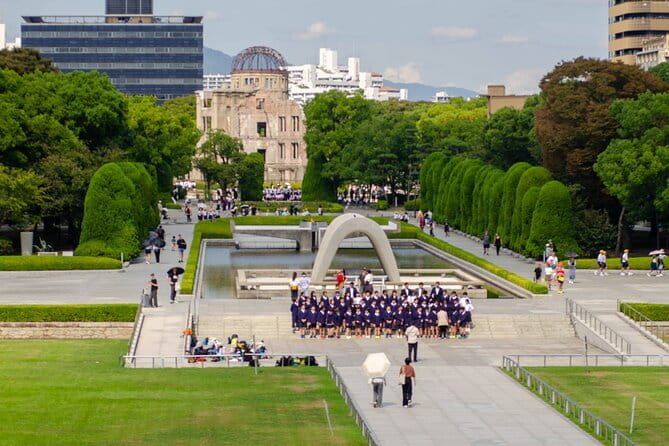
I would point families toward this class first. Children can make the rice balls, play in the toy area, and eat a meal they helped prepare. The short duration is easier for young attention spans than a long cooking course.
Solo visitors and couples can also gain a lot from the small group. The English-speaking hosts and conversational format give you a natural way to meet local people without committing to a full day of activities.
This is also a good fit for anyone who wants to understand a familiar Japanese food in a more personal way. You may have seen onigiri in convenience stores, animation, or films. Here, you learn how it is made and why it matters in daily life.
You may want to skip it if you need a strict allergy-safe menu that has not been confirmed. Ask before booking. You should also choose another activity if you want alcohol, a broad selection of dishes, or a long, technical cooking course.
Practical details before you reserve
Confirmation is provided at booking, and mobile tickets are available. The experience is near public transportation, and group discounts may be offered.
Free cancellation is available up to 24 hours before the start time for a full refund. Changes made within 24 hours are not accepted, and late cancellations are not refunded. The class requires good weather, so a cancellation caused by poor weather leads to a different date or a full refund.
The meeting point is the start and finish point unless a pickup arrangement has been confirmed. Ask about pickup, special fillings, allergies, and dietary requirements before your date.
A restroom is listed as available, but the activity is held at a cafe or home setting rather than on a sightseeing vehicle. The important practical issue is knowing the exact venue for your booking.
Should you book the onigiri and matcha class?
Book it if you want a small, personal food experience close to Hiroshima’s Peace Park. The hosts, warm rice, child-friendly setup, miso soup, matcha, and wagashi create a morning with more character than a quick meal stop.
At $81.65, the cost is not low, and the 90-minute schedule is compact. Still, the class earns its price when you value conversation, local instruction, and a meal you help prepare. Confirm dietary options and pickup before booking, then leave the afternoon open for the Peace Memorial Park.
FAQ
Where does the cooking class begin?
It begins at Guitar Top, 1-3 Sakaimachi, Naka Ward, Hiroshima, 730-0853, Japan.
What time does the class start?
The class starts at 10:30 a.m.
How long does the experience last?
The activity lasts approximately one hour and 30 minutes.
How many people can join?
The maximum group size is six people.
What food is included?
Lunch includes two types of onigiri, miso soup, matcha, and Japanese wagashi sweets.
Which onigiri flavors are offered?
The listed flavors are tuna mayonnaise and shrimp tempura.
Can I request other food options?
You can ask in advance about fresh egg yolk, vegetarian menus, and vegan menus. You should also tell the hosts about allergies before the class.
Is pickup available?
Pickup is offered, but you should confirm the exact pickup arrangement when booking. The activity otherwise begins and ends at the listed meeting point.
Just added around Japan
- Yokohama : Tea Ceremony with Sweets and Souvenir★ 5.0 · 5 reviews
- Walking Tour: Yanaka,Nezu& Sendagi: Tea Ceremony & Old Tokyo★ 5.0 · 3 reviews
- Visit local home for music and tea ceremony near Disney★ 4.9 · 13 reviews
- Trip to Kamakura & Enoshima: Shrines, Seaside, Temples &Tea★ 5.0 · 11 reviews
- Yokohama: Sushi & Gyoza Cooking with Matcha & GreenTea Experience★ 5.0 · 3 reviews
- Kyoto tea town for matcha lovers★ 5.0 · 16 reviews
- Uji: Private immersion into Kyoto’s tea and reglious culture★ 5.0 · 17 reviews
- Uji Tea Ceremony and UNESCO Heritage Walking Tour★ 5.0 · 20 reviews
Matcha Experiences, compared.
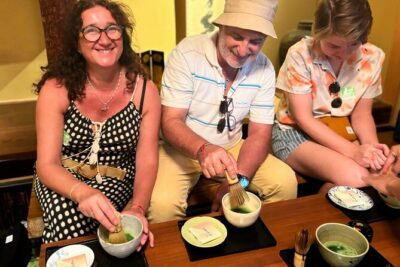
World Heritage Kyoto & Nara Uji Authentic Matcha Experience
Read our review →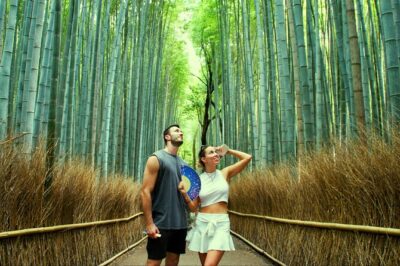
Arashiyama Bamboo Forest, Monkeys, Matcha & Temple Tour
Read our review →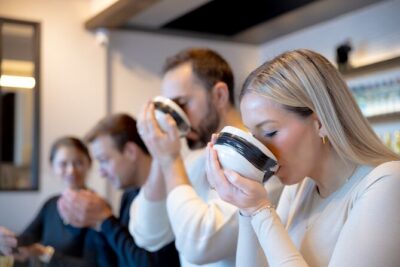
Matcha Making Class in Tokyo with Authentic Japanese Sweets Set
Read our review →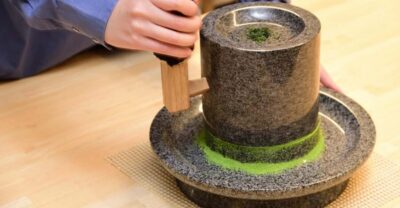
Tea Museum Tickets and Matcha Grinding Experience
Read our review →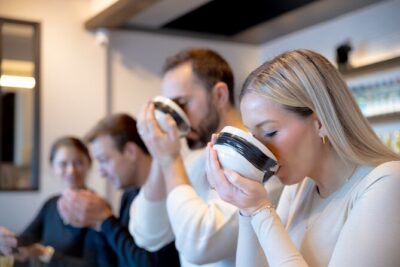
Matcha Making Class in Osaka with Authentic Japanese Sweets Set
Read our review →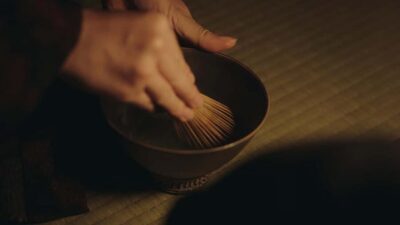
Tea Ceremony Meditation – Make Matcha with Tea Master
Read our review →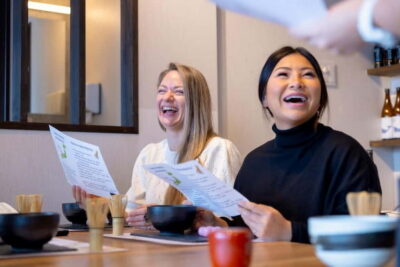
Matcha Making Experience with Mochi Sweets in Asakusa
Read our review →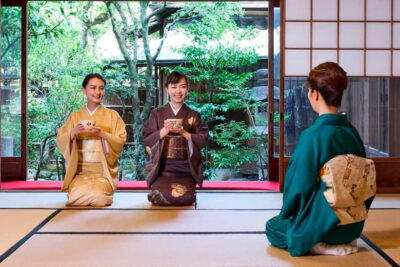
Browse the lists this tour appears in