
Review · UJI
Uji: Private immersion into Kyoto’s tea and reglious culture
Uji rewards a slower morning. This four-hour private tour connects Japan’s finest Gyokuro tea with two UNESCO-listed sites, old temples, a Shinto shrine, and the Uji River. I especially like the careful tea tasting at Takumi-no Yakata and the chance to see Byodoin Temple with admission to its museum included. The main drawback is the pace: six stops in four hours, plus many stairs, can feel busy for anyone who prefers long, quiet visits.
I also like that the tour goes beyond the famous temple. You walk through tea shops on Byodoin Omotesando, visit peaceful Koshoji Temple, and learn how Buddhism helped shape Japanese tea customs. At $162.41 per person, it is not a cheap half-day outing, but the small-group format, guide, tea house experience, temple entries, and museum admission make the price easier to justify.
Key Details Before You Book
- Gyokuro tasting: You learn how Japan’s highest-grade green tea is prepared, then drink it with a Japanese sweet.
- Six distinct stops: The route includes Takumi-no Yakata, Ujigami Shrine, Koshoji Temple, Byodoin Temple, Byodoin Omotesando, and Uji Park.
- Two UNESCO sites: Ujigami Shrine and Byodoin Temple give the morning real cultural weight.
- Small-group setting: The maximum is eight people, allowing more room for questions than a large bus tour.
- Four-hour morning schedule: The tour begins at 9 a.m. at Keihan Uji Station Information Centre and returns there.
- Plan for stairs and cash: A moderate fitness level is needed, and one visitor specifically advised carrying cash in Uji.
Why Uji Makes a Good Break From Central Kyoto
Uji is close enough to Kyoto for an easy half-day visit, yet it has a calmer feel than the city’s major sightseeing streets. Its identity comes from two linked traditions: tea production and Buddhist worship. This tour uses both to explain why Uji matters instead of treating the town as just a quick stop for one famous temple.
The Uji River is part of that story. It once served as a trade route between Kyoto, Nara, and other parts of Japan and Asia. Today, the water and river islands provide a peaceful setting for walking, with cormorant fishing as one of the local traditions discussed along the way.
I think the tour works best for first-time visitors who want a clear introduction to Uji. You get history, religion, tea, architecture, and scenery without having to plan the route yourself. The tradeoff is that each stop receives only about 30 to 45 minutes, so you will not have time for extended photography or a long temple meditation.
A few more tea experiences around Uji worth a look
- Kyoto: Tea Museum Tickets and Matcha Grinding Experience
★ 4.9 · 739 reviews - Uji: Green Tea Tour with Byodoin and Koshoji Temple Visits
★ 4.8 · 72 reviews - Uji: UNESCO Heritage & Tea Ceremony Walking Tour
★ 4.6 · 54 reviews
Starting With Japan’s Finest Tea at Takumi-no Yakata
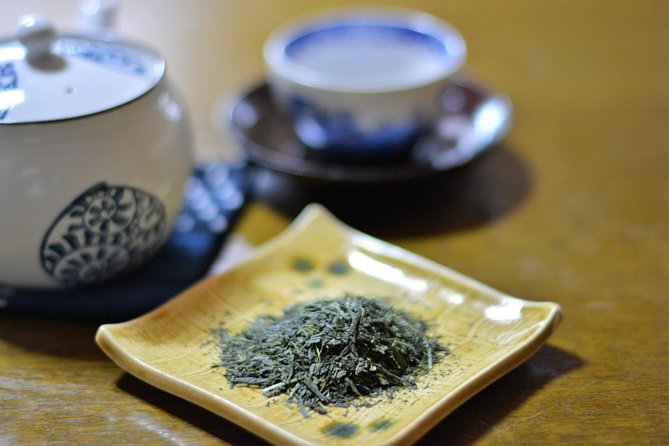
The first stop is Takumi-no Yakata, where the tour opens with a 30-minute Gyokuro tea experience. Gyokuro is regarded as the highest grade of green tea in Japan, and the preparation is more involved than simply pouring hot water over leaves.
You slowly steep the leaves in water that becomes warmer in stages. That process gives the guide room to explain the customs of Japanese tea and the reasons preparation matters. The experience includes a Japanese sweet, which provides a small contrast to the tea’s concentrated flavor.
This is a strong opening because it gives the rest of the morning a clear theme. When you later pass tea shops and hear about the links between Zen Buddhism and tea ceremony, you already have a sense of the care involved. Tea becomes something you observe and understand, not just something you buy in a packet.
The 30-minute limit is both useful and limiting. It keeps the experience focused, but anyone hoping for a full formal tea ceremony should set expectations accordingly. The advertised activity is a Gyokuro drinking experience with instruction, not a lengthy ceremonial performance.
Ujigami Shrine and the Last Spring in Uji
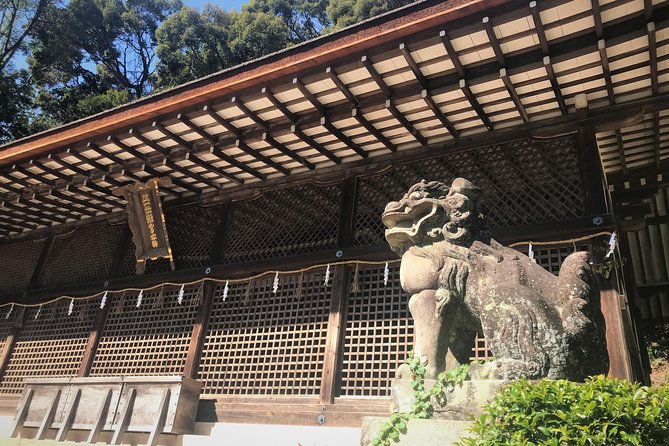
From the tea house, the tour continues to Ujigami Shrine, a UNESCO World Heritage site described as the oldest original shrine in Japan. You have about 30 minutes here, enough for an introduction to its religious importance and a look at its setting.
One unusual detail is the shrine’s naturally bubbling underground spring. It is described as the last remaining spring of its kind in Uji, and local tea shops collect its water. That small connection helps explain why water, place, and tea are so closely linked in the town.
Ujigami Shrine offers a useful contrast with the temples later in the morning. Shinto and Buddhism have different traditions, yet both are part of Uji’s religious story. If you are interested in Japanese spirituality, this stop gives the tour more depth than a simple temple circuit.
The visit is short, so listen closely to the guide rather than expecting a long independent exploration. David, one of the guides associated with the experience, has been praised for explaining tea customs in clear English and Japanese. That kind of language skill matters here because the details are often more subtle than the buildings first suggest.
Koshoji Temple and the Buddhist Roots of Tea
Koshoji Temple is described as the oldest Soto Zen temple in Kyoto. The planned visit lasts about 30 minutes, making it another compact stop rather than a full temple study.
Its importance lies in the connection between Zen Buddhism and tea ceremony. Zen Buddhism came to Japan from China and helped pioneer the tea traditions that later became so closely associated with Japanese culture. This is where the morning’s two main subjects, tea and religion, come together most directly.
I like the choice of Koshoji because it prevents the tour from becoming a parade of famous names. You are not only shown a major UNESCO site. You are also given a place where the guide can explain the ideas behind Japanese tea culture.
As with Ujigami Shrine, the time is limited. The tour is designed to give you a useful overview, not a long period for quiet reflection. If you are especially interested in Zen architecture or religious practice, you may wish you had more time here. Still, the stop earns its place because it adds meaning to the tea tasting at the beginning.
Same place, a different pot:
- Slow Cycling Tour at Uji’s Matcha Green Tea Fields and Heritage
★ 5.0 · 25 reviews - Kyoto Matcha Green Tea Tour
★ 4.5 · 23 reviews - Uji and Wazuka Matcha Farm Half Day Private Guided Tour
★ 5.0 · 21 reviews - Uji Tea Ceremony and UNESCO Heritage Walking Tour
★ 5.0 · 20 reviews
Byodoin Temple and the Phoenix Hall View
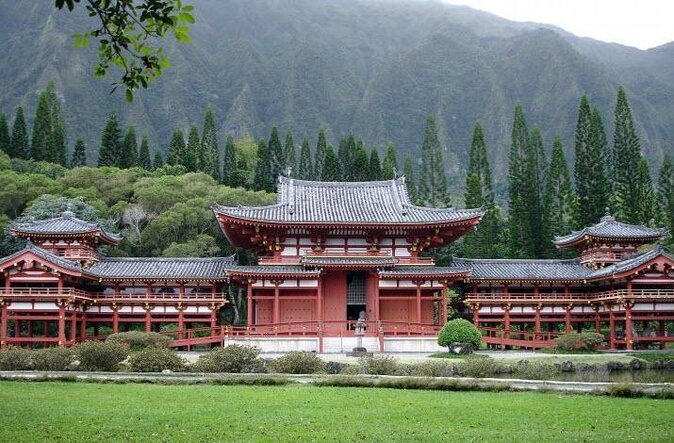
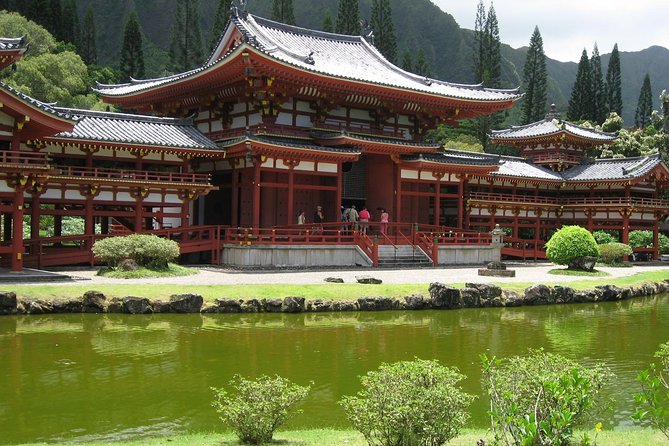
Byodoin Temple receives the longest temple visit, about 45 minutes. The temple dates from the Heian period and sits beside a man-made lake. It is also a UNESCO World Heritage site and is pictured on Japan’s 10-yen coin, a detail guide Kevin has used to help visitors connect the monument with everyday Japanese currency.
The setting is a major part of the appeal. The temple hall, water, and surrounding grounds create the kind of view that rewards patience, even during a scheduled tour. You should have time for photographs, an explanation of the temple’s history, and a visit to the museum.
Admission to the temple and museum is included, which improves the value of the tour. The museum adds useful objects and context rather than leaving you to look at the hall from outside. One visitor described the temple and museum as especially worthwhile, and I agree that this inclusion makes the stop stronger than a simple exterior viewing.
The drawback is timing. Byodoin is the best-known stop on the route, so you may want to linger. Forty-five minutes can pass quickly, especially if you want both museum time and photographs. A guide may also adjust the order or pace to help avoid the heaviest crowds. Kevin was praised for getting a group into the area ahead of larger crowds, though crowd levels naturally vary by day.
Byodoin Omotesando: Tea Shops Along the Pilgrimage Street
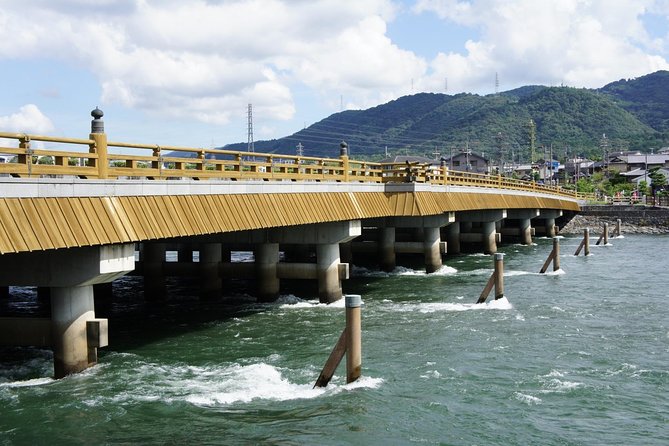
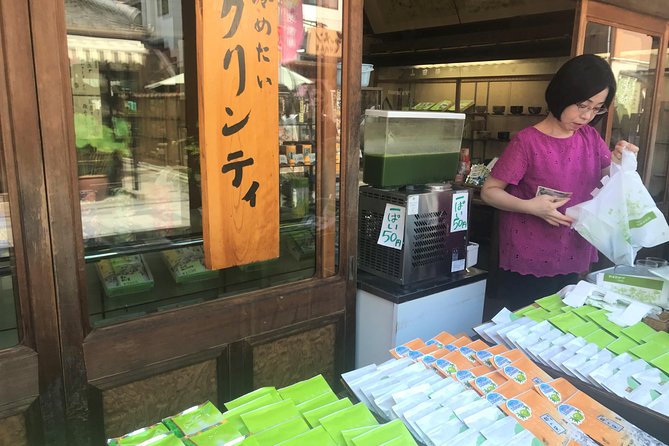
After the temple, you walk along Byodoin Omotesando, the historic approach to Byodoin. The street is lined with tea shops, some with roots reaching back to the medieval period. You can smell fresh tea and learn about the different varieties produced in Uji.
This section gives the tour a more everyday feel. Temples show you the formal side of Uji, while the tea shops show how the town’s main product remains part of ordinary commerce. I like having this walk after the Gyokuro tasting because you can now recognize that Uji tea is not one single flavor or style.
The visit lasts about 45 minutes. That should allow time for the guide to explain the street and for you to browse. Food and drink outside the included tea experience are not covered, so bring money if you want to buy tea or snacks. Carrying cash is sensible because one visitor specifically found it useful during a Uji visit.
Do not treat this part as a guaranteed shopping stop with a fixed purchase. The value is in understanding the local tea trade and seeing the range of products. Any purchases are optional extras.
Uji Park and the River’s Working Past
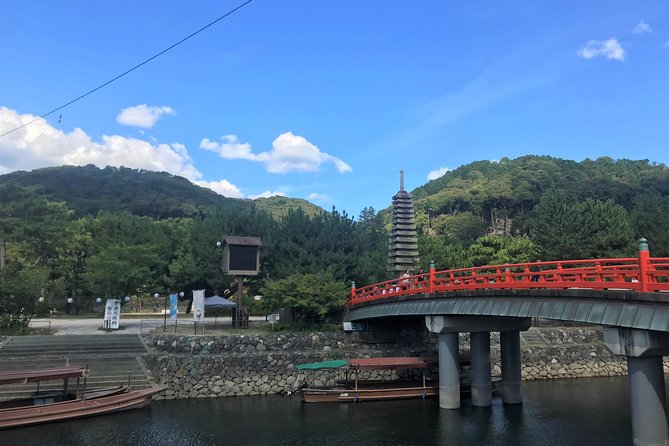
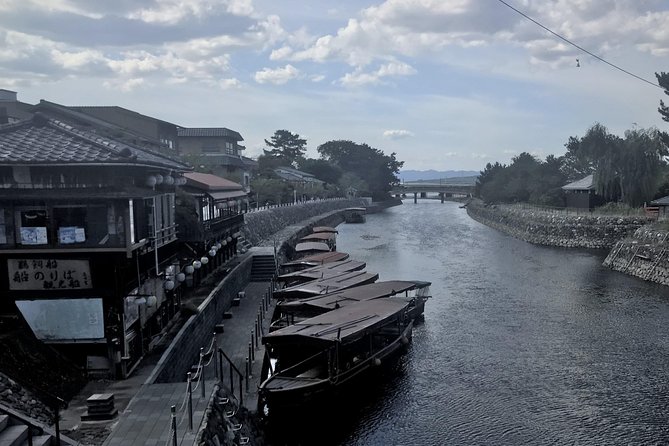
The final planned stop is Prefectural Uji Park, where you spend about 30 minutes walking on an island in the river. The setting gives your legs a break from temple grounds while keeping the focus on Uji’s past.
The guide discusses cormorant fishing, an old practice using trained birds to catch fish. You also learn how the Uji River once carried goods between the capitals of Kyoto and Nara, along with tea, sake, and products from other parts of Japan and Asia.
This is a pleasant way to finish because the river provides open space after several religious sites and narrow streets. It also helps you see Uji as a working place shaped by trade, not only as a collection of scenic buildings.
The route returns to the meeting point at Keihan Uji Station Information Centre. The published meeting time is 9 a.m., and the whole experience lasts about four hours. Because the schedule is compact, wear comfortable shoes and be ready to keep moving between stops.
What the Guides Add to the Experience
The guide is central to the value here. Uji’s buildings are attractive on their own, but the connections between tea, Shinto, Buddhism, trade, and water are not always obvious. A good guide turns separate sights into one coherent morning.
Guide feedback includes strong praise for Ferdi, Damian, Kevin, David, Mika, and Lito. Ferdi is described as friendly and clear, while Damian helped make the tea tasting both enjoyable and informative. Kevin was praised for communicating before the tour, meeting the group reliably, and adjusting the route to manage crowds.
Lito received particular credit for balancing culture, spirituality, and relaxation, and for helping arrange lunch afterward at a restaurant suited to the group’s needs. Lunch is not part of the stated tour, so do not assume it is included, but this suggests that a guide may offer useful local help after the official finish.
One practical issue did arise around the meeting location, which was once considered insufficiently specific. The starting point is now given as the Keihan Uji Station Information Centre, inside the Keihan Uji Building at 713 Otsukata, Uji, Kyoto. I would still arrive early and confirm the exact information-centre entrance before 9 a.m.
Is $162.41 a Fair Price?
At $162.41 per person, this is priced as a private cultural tour rather than a basic walking tour. The fee includes the guide, the Gyokuro tea house experience, a Japanese sweet, admission to the temples, and admission to the Byodoin museum.
The value is strongest if you want interpretation. You are paying for a planned route and the explanation tying the sights together, not just transportation between attractions. The maximum group size of eight keeps the experience fairly personal, although the word private may mean a small-group booking rather than a tour reserved only for you and your companions. Check the exact booking conditions if exclusivity matters.
The price is harder to justify if you already know Uji well, speak Japanese comfortably, or mainly want to visit Byodoin at your own speed. You would also need to pay separately for food, drinks, and any tea or snacks purchased along Byodoin Omotesando.
Still, for a first Uji visit, the included entries and specialist tea tasting give the cost a reasonable foundation. The tour also saves you from building a route across several sites and working out how tea culture fits into the religious history.
Who Should Book This Uji Tour?
I would recommend it to you if you want a guided introduction to Japanese tea, Buddhist connections, and Uji’s major sights in one morning. It suits couples, families with older children, and small groups who prefer conversation and explanation over a large scheduled excursion.
It is also a good choice if central Kyoto feels crowded and you want a calmer half-day nearby. The river walk, tea street, and quieter religious sites provide variety without requiring a full day.
You should think twice if stairs are difficult, since the route includes many of them. The operator asks for a moderate fitness level and says the route can be modified if needed, but you should raise that concern before the tour begins. You may also find the schedule too tight if your priority is slow photography or extended time at Byodoin.
The experience is recommended by 94 percent of its published audience and carries a 4.8 rating from 17 reviews. That is a small sample, so I would treat it as encouraging rather than conclusive. The repeated praise centers on friendly guides, strong explanations, a relaxing pace, and the unusual tea tasting.
Final Booking Advice
Book this tour if you want Uji explained, not simply photographed. The strongest parts are the Gyokuro preparation, the link between Zen and tea, the Byodoin museum, and the walk through a tea-trading street.
Skip it if you prefer complete independence, need a long unhurried visit at each temple, or are watching your budget closely. For everyone else, this is a well-planned way to see Uji’s spiritual and tea traditions in four hours. Bring comfortable shoes, some cash, and enough curiosity to ask questions.
FAQ
How long does the Uji tour last?
The tour lasts approximately four hours and begins at 9 a.m.
Where does the tour start?
It starts at the Keihan Uji Station Information Centre, located at the Keihan Uji Building, 713 Otsukata, Uji, Kyoto.
Where does the tour end?
The activity ends back at the meeting point.
Is the Gyokuro tea experience included?
Yes. The tour includes a Gyokuro tea house experience and a Japanese sweet.
Are temple and museum admissions included?
Yes. Admission to the temples and the museum at Byodoin is included.
How many people can join the tour?
The maximum group size is eight people.
Is the tour suitable for people with limited mobility?
The tour requires a moderate fitness level and includes many stairs. The operator says suitable modifications may be possible if stairs are a problem, so you should notify them in advance.
Can I cancel for a full refund?
Yes. You can receive a full refund if you cancel at least 24 hours before the experience start time. Changes or cancellations made less than 24 hours before the start time are not accepted for a refund.
Just added around Uji
- Kyoto tea town for matcha lovers★ 5.0 · 16 reviews
- Uji Tea Ceremony and UNESCO Heritage Walking Tour★ 5.0 · 20 reviews
- Uji and Wazuka Matcha Farm Half Day Private Guided Tour★ 5.0 · 21 reviews
- Kyoto Matcha Green Tea Tour★ 4.5 · 23 reviews
- Utilising upcycled Matcha! Creating matcha incense (Uji, Kyoto)★ 5.0 · 6 reviews
- 7 Hours Private Guided Tour Uji and Wazuka Matcha Farm★ 5.0 · 2 reviews
- Half Day Matcha Tour in Uji, home of culture, with a local★ 4.8 · 14 reviews
- Kyoto: Tea Museum and Tsuen Teahouse Guided Tour★ 5.0 · 2 reviews
Uji Tea Tours, compared.
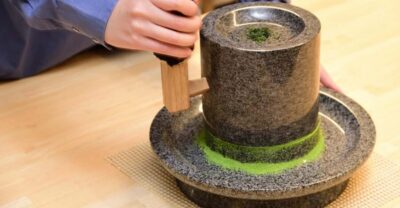
Tea Museum Tickets and Matcha Grinding Experience
Read our review →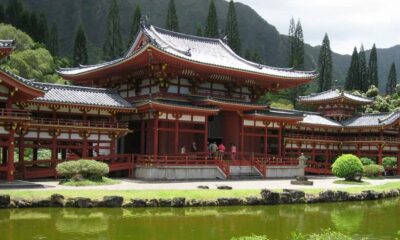
Green Tea Tour with Byodoin and Koshoji Temple Visits
Read our review →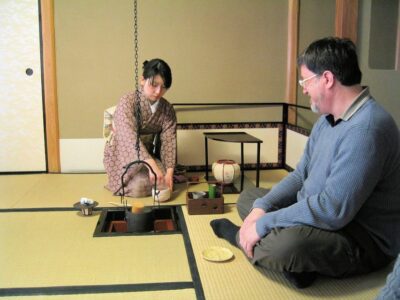
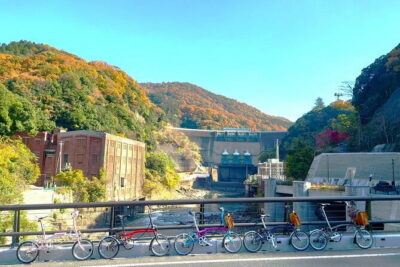
Slow Cycling Tour at Uji’s Matcha Green Tea Fields and Heritage
Read our review →
Uji and Wazuka Matcha Farm Half Day Private Guided Tour
Read our review →
Uji Tea Ceremony and UNESCO Heritage Walking Tour
Read our review →
Browse the lists this tour appears in