
Review · NARA
World Heritage Kyoto & Nara Uji Authentic Matcha Experience
Nara’s deer are only the beginning. This full-day trip from Kyoto combines Todai-ji Temple, Nara Park, and Kasuga Grand Shrine with a traditional matcha-making session in Uji, all without making you plan several train rides and admission tickets yourself. An English-speaking guide leads the day, while an air-conditioned coach handles the long stretches between Kyoto, Nara, and Uji.
I especially like the way the tour mixes famous sights with a hands-on activity. Seeing the Great Buddha is one thing; whisking your own bowl of matcha in a historic tea shop gives the day a more personal finish. I also like the balance between guided explanations and free time, something praised repeatedly by people who toured with guides such as Nanami, Yuta, Mai, At-chan, Ciel, and Den.
The main drawback is the pace. Eight and a half hours covers a lot of ground, but it also means plenty of walking, stairs, hills, and scheduled departures. On a hot day, or for anyone who walks slowly, Nara can feel tiring. The group may include up to 38 people, so this is a practical sightseeing day rather than a quiet, flexible private tour.
Key points to know before booking
- Nara and Uji in one day: You visit Nara’s major temple and shrine sights, then finish in Uji, Kyoto’s tea center.
- The deer are close-up, not decorative: Nara Park’s deer approach visitors for crackers and may nip if you tease them with food.
- A real matcha activity: You prepare your own bowl of matcha and learn the traditional way to drink it.
- Comfortable long-distance transport: The air-conditioned vehicle includes WiFi and multilingual audio guidance.
- Lunch is an option: A Japanese set meal is available, with a vegetarian choice if arranged at least two days ahead.
- The guide makes a big difference: Guides including Nanami, Yuta, Mai, At-chan, Ciel, Den, and Keigo have been praised for clear explanations and friendly help.
Why this Kyoto day trip works well
Kyoto has enough temples to fill a week, but Nara and Uji offer a different side of the Kansai region. Nara was Japan’s first permanent capital, and its religious sites are set among open parkland rather than dense city streets. Uji is closely tied to Japanese tea culture and gives you a chance to do more than take photographs.
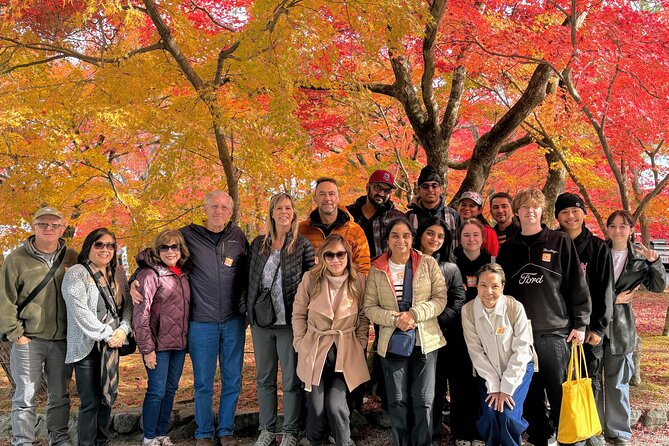
The tour is built for people who want to see both places in one day without figuring out regional trains, local buses, temple admissions, and restaurant timing. You meet at 7:50 am at Tully’s Coffee inside Kyoto Avanti, near Kyoto Station, then return to the same meeting point at the end.
That early start matters. Nara is a major sightseeing destination, and the day has several fixed stops. Arrive early, not just on time. Late arrivals are not accepted, and joining the group midway is not possible.
The coach is one of the tour’s practical strengths. You get air conditioning, onboard WiFi, and multilingual audio guidance in English, Spanish, French, Italian, German, Portuguese, and Ukrainian. The live guide provides the personal explanation, while the audio system helps fill the travel time or supports people who prefer to listen in another language.
More Matcha Experiences in Japan:
- Kyoto: Arashiyama Bamboo Forest, Monkeys, Matcha & Temple Tour
★ 5.0 · 759 reviews - Matcha Making Class in Tokyo with Authentic Japanese Sweets Set
★ 5.0 · 744 reviews - Kyoto: Tea Museum Tickets and Matcha Grinding Experience
★ 4.9 · 739 reviews
From Kyoto toward Nara: a useful history lesson on the road
The drive toward Nara passes Fushimi Castle and the site of Heijo Palace. These are not the main extended stops, but they help place the day in the wider story of Japan’s former capitals and imperial power.
Heijo Palace is included as one of Nara’s World Heritage sites. Depending on traffic and the day’s operation, the guide may discuss or show the palace site during the route rather than giving it a long walking visit. The itinerary can change order because of weather, traffic, or local operating conditions, so think of these early sights as part of the journey rather than guaranteed long photo stops.
This is one reason the coach format has value. You cover a broad area in a single morning, and the guide can point out places that would be easy to miss if you were focused only on train stations and transfers.
Kasuga Grand Shrine: Nara’s forested religious center
The first listed stop is Kasuga Grand Shrine, Nara’s most celebrated shrine. You have about 30 minutes here, with admission included at no extra cost.
That is enough time to get a strong sense of the shrine and its setting, though not enough for a slow, unhurried exploration of every corner. The tour format keeps you moving because Nara Park, Nandaimon, and Todai-ji still follow.
Your guide can add the cultural context that makes a shrine visit easier to understand. Pay attention to the details of the approach, the traditional architecture, and the way the shrine fits into Nara’s wooded surroundings. If you prefer to linger at every building, this may feel short. If you want a first look at one of Nara’s most important religious sites, it works well.
Nara Park and the deer: charming, lively, and slightly grabby
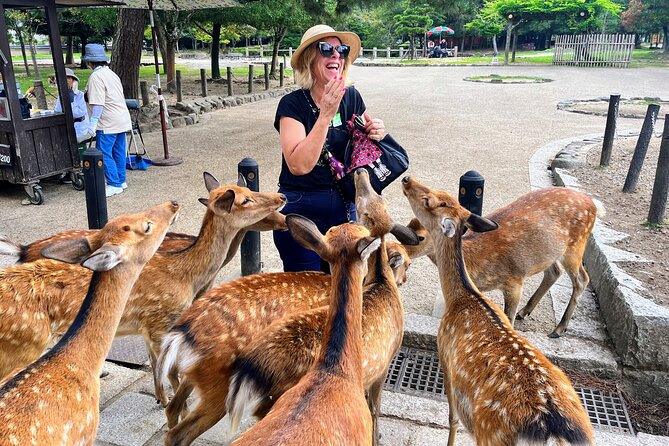
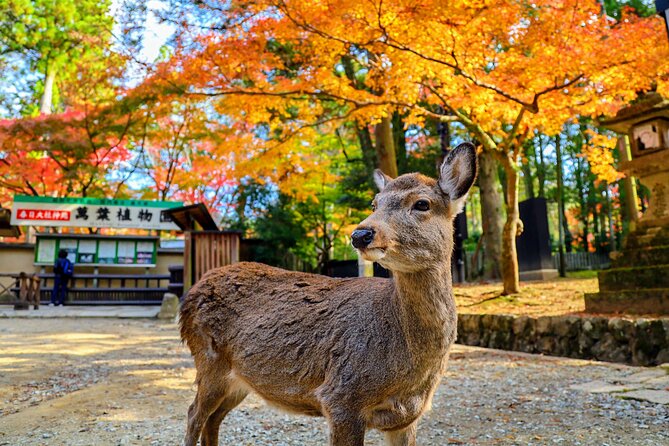
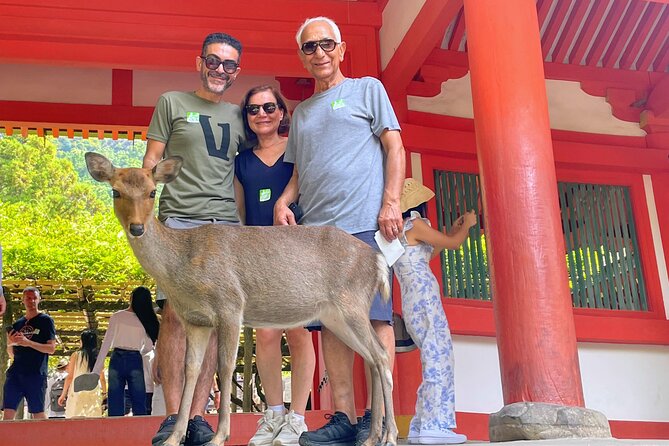
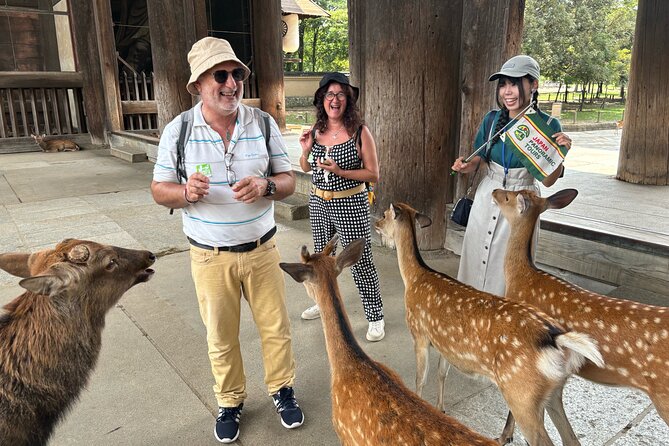
Nara Park is the day’s most playful stop. About 1,400 deer live around the park, and many come close when they see visitors holding deer crackers.
You can buy crackers separately if you want to feed them. Keep the crackers moving, offer them promptly, and show empty hands when the food is gone. Deer may bow for food, but they can also give a forceful pinch if you keep a cracker visible and refuse to hand it over. Young children should stay close to an adult, and you should protect maps, paper, and loose clothing from curious mouths.
The park stop is listed as about 30 minutes. That gives you time for photographs and a short feeding session, but it is not a long nature walk. The open setting and easy access to the deer make this a strong part of the day for families. It is also a good reminder that these are free-roaming animals, not trained performers.
The practical issue is timing. Nara Park can be crowded, and the coach cannot wait for anyone who wanders too far. Listen carefully to the meeting instructions and keep the guide’s location in mind.
More History Tours in Japan:
- Uji: UNESCO Heritage & Tea Ceremony Walking Tour
★ 4.6 · 54 reviews - Slow Cycling Tour at Uji’s Matcha Green Tea Fields and Heritage
★ 5.0 · 25 reviews - Uji Tea Ceremony and UNESCO Heritage Walking Tour
★ 5.0 · 20 reviews - Cycling Tour at Uji’s Matcha Green Tea Fields and Heritage
★ 5.0 · 10 reviews
Nandaimon and Todai-ji: the visual centerpiece
Nandaimon, the Great South Gate of Todai-ji, receives only about five minutes on the schedule. That may sound brief, but the gate is impressive even as a quick stop. Its scale and traditional design create a strong entrance to the temple grounds.
Todai-ji gets about 40 minutes, with admission included. The temple houses the Great Buddha of Nara and occupies one of the world’s largest wooden buildings. For many people, this is the architectural high point of the tour.
The interior can feel overwhelming in the best way. The Great Buddha gives the visit its focus, while the wooden structure supplies the sense of scale. Your guide can explain what you are seeing, then give you time to look around and take photographs.
Forty minutes is enough for the main hall and a basic visit. It is not enough to examine every feature at leisure. You should also expect walking from the coach parking area to the actual historic sites. One person specifically pointed out that the walk can exceed 15 minutes in some places, so comfortable shoes are essential.
The tour’s strongest guides add real value here. Nanami has been praised for making historical and cultural information lively, while Yuta and At-chan are noted for clear explanations and helpful pacing. A good guide turns Todai-ji from a huge wooden hall into a place you can understand.
Lunch beside the Uji River
If you select the lunch option, you have about 50 minutes for a traditional Japanese set meal at a restaurant along the Uji River. A vegetarian meal can be arranged, but the request must be made in the booking notes at least two days before the tour date.
The lunch is one of the useful pauses in a busy day. Japanese set meals often offer several small portions and a range of textures, making them a better introduction to local food than a rushed snack from a station shop. The exact restaurant may change for operational reasons, so do not plan your day around a particular dining room.
Last-minute bookings receive the regular meal, and food and drinks are not included unless specified by the option you choose. Read the selection carefully before paying. The tour information describes lunch as optional, so the advertised price of $129.25 per person should be checked against the exact package you select.
Byodoin Temple and the famous ten-yen image
Uji’s Byodoin Temple is the next major sight. Admission is included, and the visit is scheduled for about 30 minutes in the itinerary, though the listed stop information does not give a separate time for every part of the temple visit.
Byodoin is famous for its Phoenix Hall, the building shown on Japan’s 10-yen coin. That small coin is a handy visual reference: once you know the image, you will recognize the hall immediately.
The temple gives the Uji portion more weight than a simple tea-shopping stop. You see a major historic building before turning to the everyday craft of preparing matcha. That pairing is smart. The temple shows polished religious architecture, while the tea activity lets you take part in a living tradition.
As with the Nara sites, the visit includes walking and may involve stairs or hills. If you have limited stamina, use the coach rides as recovery time and avoid filling every free minute with extra shopping.
Making matcha in a tea shop with centuries of tradition
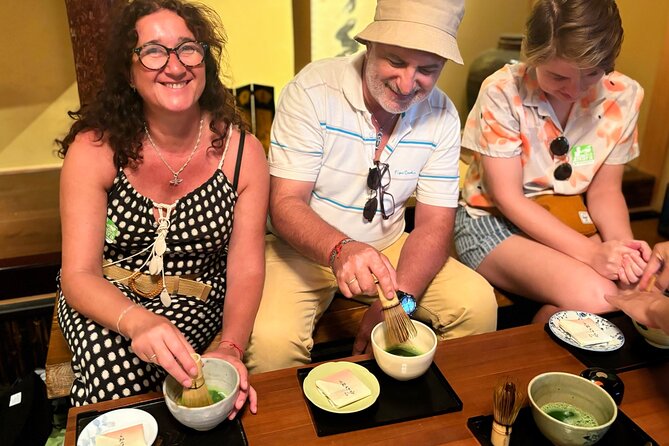
The matcha-making session lasts about 30 minutes and takes place at a historic tea shop with more than 500 years of tradition. You prepare your own bowl of matcha, then learn the proper traditional way to drink it.
This is more engaging than simply being served green tea. You handle the whisk, see how the powder is prepared, and taste the result yourself. It also gives you a clearer sense of why matcha is treated as a craft rather than just another beverage.
The shop’s owner has been praised for humor and warmth, which helps make the lesson approachable. The matcha itself has also been singled out as a highlight. Do not expect a long formal tea ceremony, though. This is a compact, hands-on cultural activity designed to fit into a full sightseeing day.
For many people, this becomes the most memorable part of the tour because it is participatory. You are not only looking at an old building. You are making something, tasting it, and learning how it should be enjoyed.
Byodoin Omotesando: a relaxed finish with matcha sweets
The final listed stop is Byodoin Omotesando, a shopping and walking street near the temple. You have about 30 minutes to look around and taste matcha sweets.
This is a useful ending because it is less structured than the temple visits. You can browse, pick up a tea-flavored treat, and enjoy the atmosphere before returning to the coach. It also gives you a chance to buy souvenirs tied directly to Uji’s tea culture.
Do not expect unlimited shopping time. Thirty minutes passes quickly, especially if the group has a fixed departure. Keep an eye on the meeting point and allow time to walk back.
Is $129.25 a fair price?
At $129.25 per person, this is not the cheapest way to visit Nara. You could potentially spend less using local trains and public buses, especially if you skip the optional lunch and already understand the transport system.
The value comes from what is bundled together: round-trip coach transport from Kyoto, a professional English-speaking guide, admission to Todai-ji and Byodoin, the matcha-making activity, and multilingual audio support. You also save the effort of connecting Nara and Uji on your own.
For a first visit to Japan, that convenience can justify the price. You see several major sites in one day and get historical explanation along the way. The tour is especially useful if your Kyoto schedule is tight and you want one organized day outside the central city.
The value drops if you dislike fixed schedules, large groups, or short visits. A maximum of 38 people means the guide must keep the group together, and the day cannot adapt much to personal interests. You are paying for coverage and ease, not deep time at one temple.
Walking, weather, and group size
This is not a low-effort coach ride. You walk between parking areas and historic sites, with stairs and hills at some locations. The tour is not recommended for people who cannot walk long distances, and a moderate level of fitness is expected.
Weather can shape the experience. Nara’s open park is pleasant in mild conditions but tiring in heat and humidity. Bring water, wear supportive shoes, and dress for the forecast. The coach has air conditioning, but much of the sightseeing happens outside.
The itinerary can change because of traffic, weather, closures, or suspended operations. An alternative place or compensation gift may be offered, but refunds are not provided for these changes. That policy is worth understanding before you book.
One isolated poor experience involved a solo participant becoming separated from the group at the first stop. That is not the pattern suggested by the wider feedback, but it is a useful warning: listen carefully to the meeting instructions, confirm the guide’s location, and do not wander beyond the agreed area.
Who should book this tour?
I would choose this tour if you want a high-coverage day trip with major sights, a comfortable coach, and a cultural activity at the end. It suits first-time visitors, families who want the deer and matcha in one day, and anyone who would rather not manage regional transport.
It is also a good match for people who enjoy learning from a guide. Guides such as Nanami, Yuta, Mai, At-chan, Ciel, Den, Keigo, and Harry have been praised for friendly personalities, clear history, helpful pacing, and keeping people from getting lost.
I would hesitate if you are an older visitor with limited walking ability, if you want long quiet visits inside temples, or if you prefer to set your own lunch and shopping schedule. The day is full, and the fixed departures leave little room for delays.
Free cancellation is available up to 24 hours before the start time. Changes or cancellations inside that window are not accepted for a refund.
Should you book the Kyoto, Nara, and Uji tour?
Book it if your priority is seeing a lot in one day without transport headaches. The combination of Nara’s deer, Todai-ji’s Great Buddha, Byodoin’s Phoenix Hall, a Japanese set meal, and hands-on matcha preparation gives you a well-rounded taste of the region.
Skip it if you want a slow Nara visit or a formal, lengthy tea ceremony. For most first-time visitors with good walking stamina, the $129.25 price buys useful convenience and a satisfying mix of culture, food, history, and fun.
FAQ
Where does the tour start?
The tour starts at 7:50 am at Tully’s Coffee in Kyoto Avanti, located at 31 Higashikujō Nishisannōchō, Minami Ward, Kyoto 601-8003.
Where does the tour end?
The activity ends back at the original meeting point.
How long does the tour last?
The tour lasts approximately 8 hours and 30 minutes.
Is hotel pickup or drop-off included?
No. Hotel pickup and drop-off are not included, and the operator does not provide extra pickup or drop-off service.
Is lunch included?
A Japanese-style lunch is available if you select that option. Food and drinks are not included unless specified. Vegetarian arrangements must be requested at least two days before the tour date.
What languages are supported?
A professional English-speaking guide leads the tour. Multilingual audio guidance is available on the vehicle in English, Spanish, French, Italian, German, Portuguese, and Ukrainian.
How much walking is involved?
The tour includes substantial walking, stairs, and hills at some locations. It is not recommended for people who cannot walk long distances.
Can I cancel for a full refund?
You can cancel for a full refund up to 24 hours before the experience start time. Cancellations or changes made less than 24 hours before the start time are not refunded or accepted.
Just added around Japan
- Yokohama : Tea Ceremony with Sweets and Souvenir★ 5.0 · 5 reviews
- Walking Tour: Yanaka,Nezu& Sendagi: Tea Ceremony & Old Tokyo★ 5.0 · 3 reviews
- Visit local home for music and tea ceremony near Disney★ 4.9 · 13 reviews
- Trip to Kamakura & Enoshima: Shrines, Seaside, Temples &Tea★ 5.0 · 11 reviews
- Yokohama: Sushi & Gyoza Cooking with Matcha & GreenTea Experience★ 5.0 · 3 reviews
- Kyoto tea town for matcha lovers★ 5.0 · 16 reviews
- Uji: Private immersion into Kyoto’s tea and reglious culture★ 5.0 · 17 reviews
- Uji Tea Ceremony and UNESCO Heritage Walking Tour★ 5.0 · 20 reviews
Matcha Experiences, compared.
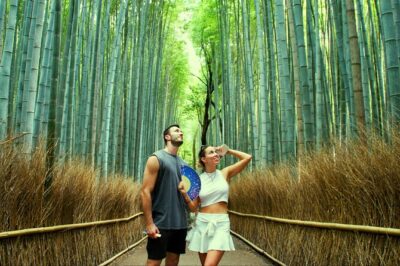
Arashiyama Bamboo Forest, Monkeys, Matcha & Temple Tour
Read our review →
Matcha Making Class in Tokyo with Authentic Japanese Sweets Set
Read our review →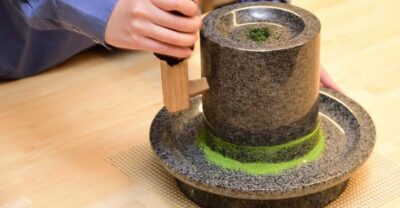
Tea Museum Tickets and Matcha Grinding Experience
Read our review →
Matcha Making Class in Osaka with Authentic Japanese Sweets Set
Read our review →
Tea Ceremony Meditation – Make Matcha with Tea Master
Read our review →
Matcha Making Experience with Mochi Sweets in Asakusa
Read our review →
Browse the lists this tour appears in