
Review · TOKYO
Tokyo: Matcha Making Experience with Mochi Sweets in Asakusa
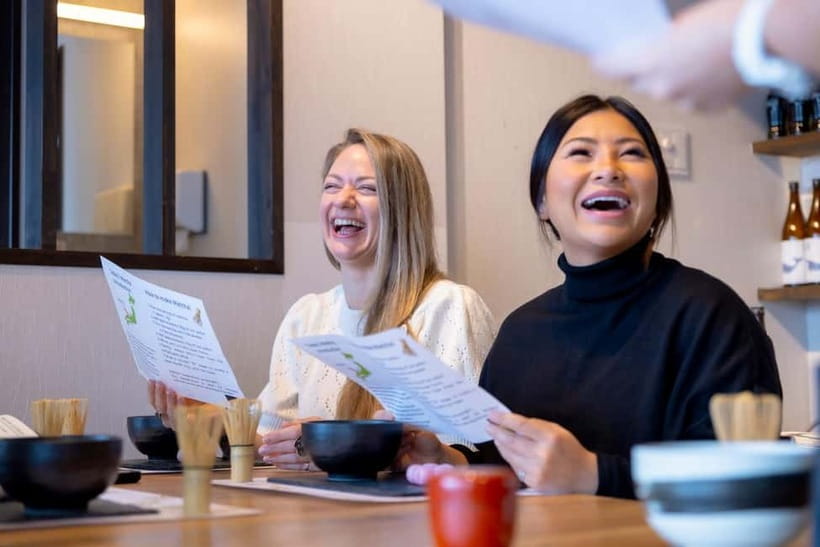
Matcha is more than a green drink. This one-hour class in historic Asakusa turns tea preparation into a friendly, hands-on lesson, with a quiz, a short cultural introduction, and time to whisk your own cup. I like the mix of learning and doing, and I especially like that the English-speaking staff keep the mood light rather than overly formal. The main thing to consider is the short running time: you get a clear introduction, not a full-length tea ceremony.
The $22 price is easy to justify because it includes the class, ingredients, instruction, matcha, and Japanese sweets. I also like how well it fits into a Tokyo day, since the meeting point is about one minute from Asakusa Station and close to Tokyo Skytree. Some sessions may feel more lively than quiet, especially with a cheerful group, but that social energy is part of the appeal.
Key points at a glance
- A funny history quiz comes first, making matcha culture easier to follow than a long lecture.
- You whisk your own tea with traditional tools, then drink it with Japanese sweets.
- English-speaking instructors keep it welcoming, with hosts such as Ken, Mana, Hiyo, Hayato, Honoka, and Midori praised for their energy and clear teaching.
- The seated format works well for families, older adults, and tired feet, with no need to kneel in a formal tea-room position.
- Solo visitors can meet people from other countries during a relaxed group activity.
- The central Asakusa location is practical, at the Relink KAMINARIMON building, 6F, near the station and Tokyo Skytree.
Why this Asakusa matcha class works so well
Asakusa is one of the best parts of Tokyo for a first look at older Japanese customs. The area gives you temples, traditional shops, food stalls, and views toward Tokyo Skytree, so a matcha lesson here feels connected to the neighborhood rather than dropped into a generic classroom.
The class is run by Sushi Making Japan, with English instruction from local staff. Despite the provider’s broader cooking-school name, this activity is focused on matcha making and Japanese sweets. That distinction matters if you are looking for a tea-centered experience rather than a multi-course cooking lesson.
The format is friendly and practical. You are not expected to know anything about matcha, tea etiquette, or Japanese food customs before arriving. The staff explain the basics, demonstrate the preparation, and give you a chance to copy the method yourself.
I appreciate that the experience does not treat tradition as a museum piece. You learn why matcha matters, then handle the tools and taste the result. That small act of making your own cup gives the lesson more staying power than simply watching a demonstration.
More Matcha Experiences in Tokyo
- Matcha Making Class in Tokyo with Authentic Japanese Sweets Set
★ 5.0 · 744 reviews - Asakusa Cultural Walk & Matcha Making Tour
★ 5.0 · 245 reviews - Tokyo: Matcha and Kimono Experience
★ 4.7 · 219 reviews
Finding the class near Kaminarimon
The meeting point is the Relink KAMINARIMON building, on the sixth floor, about one minute from Asakusa Station. The listed coordinates are 35.710774, 139.7956532, which can help if your map app has trouble locating the building entrance.
This is a useful activity to place between bigger Asakusa sights. You can schedule it before or after exploring the neighborhood, and its one-hour length makes it easier to fit around temple visits, shopping, or a trip toward Tokyo Skytree.
There is no hotel pickup or drop-off. You make your own way to the building, so allow a little extra time to find the correct entrance and reach the sixth floor. The location is central, but Tokyo station areas can still be confusing when you are moving quickly.
A playful introduction to matcha history
The class begins with an interactive quiz about matcha. This is a smart choice for a short lesson because it gives you useful background without turning the first part into a formal speech.
You learn about the origins and customs connected with matcha, along with its place in Japanese culture. The quiz also gives the instructors a chance to involve the group from the start. Several instructors are praised for being funny, warm, and easy to understand, which helps the information stick.
The activity is not only for serious tea fans. If you already buy matcha regularly, you may know some of the basic material. Even so, the class adds context about preparation and etiquette. If matcha is new to you, the quiz gives you a simple way into the subject without requiring prior knowledge.
The best instructors adjust the tone well. Ken is described as engaging and funny, while Mana is repeatedly praised for keeping the lesson energetic and educational. Hiyo, Hayato, Honoka, Midori, Rino, and others are also singled out for friendly guidance. Staff members may vary by session, but the consistent strength is the teaching style: clear, patient, and social.
Whisking your own matcha
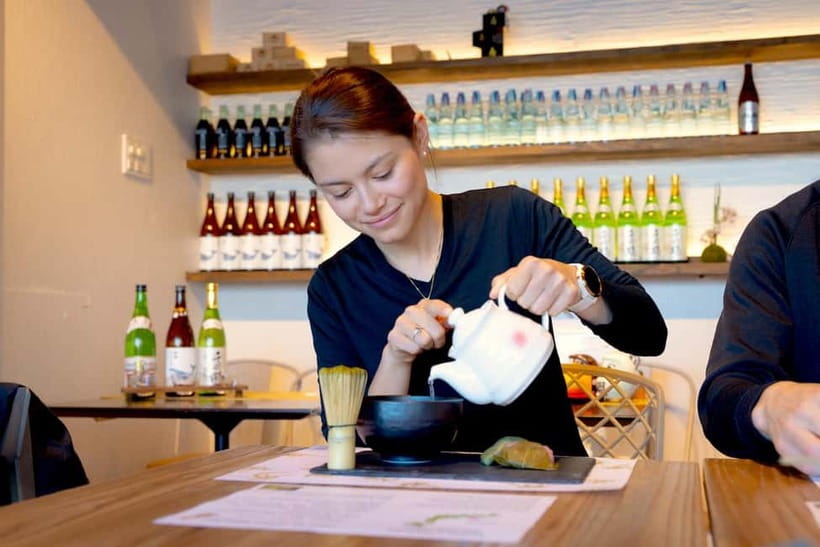
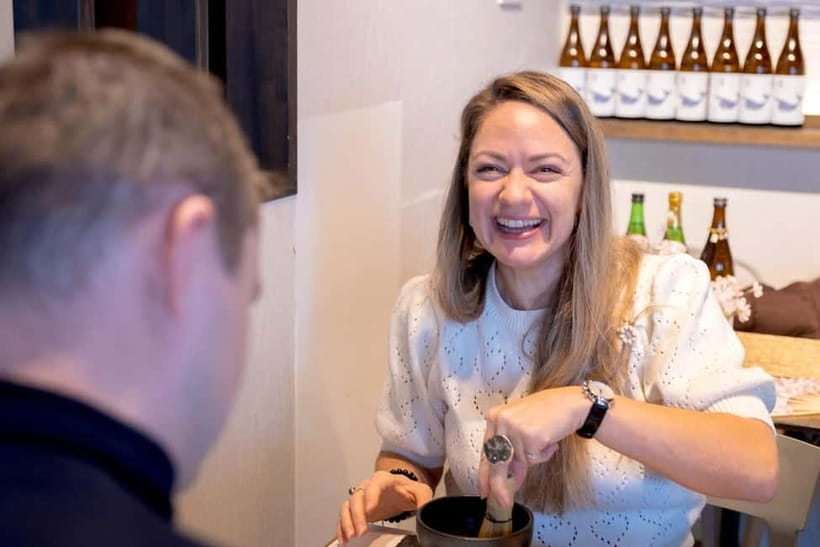
The hands-on section is the heart of the experience. After the introduction, you use traditional tools to prepare your own matcha under the instructor’s guidance.
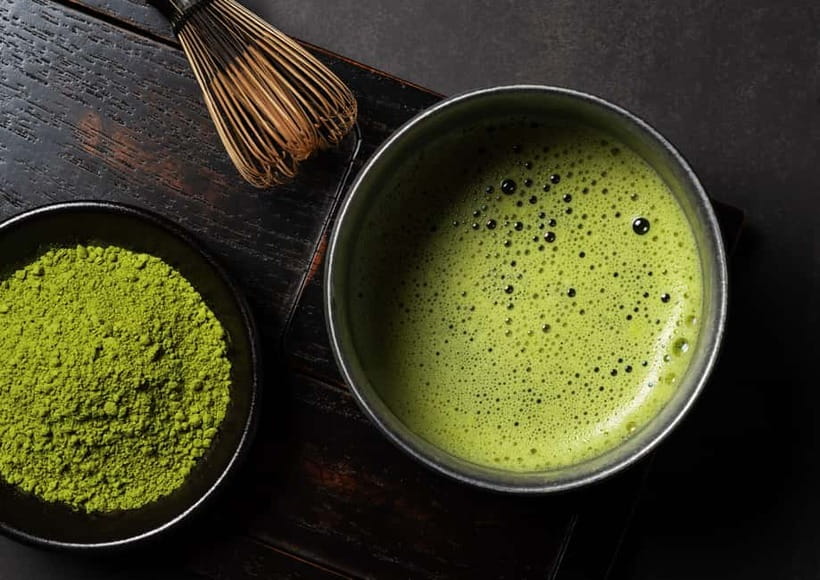
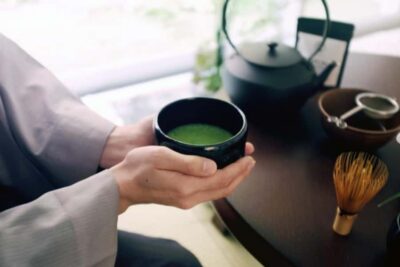
This is where you learn that preparation is not simply a matter of stirring green powder into hot water. The class shows you the basic technique and lets you practice it yourself. You can see how the powder, water, and whisking motion come together, then taste the cup you made.
The instructors demonstrate first, which takes away much of the pressure. You do not need to worry about getting every movement perfect. The point is to understand the method and gain enough confidence to try again at home.
A useful detail from the class is that the matcha is served without sugar. If you normally drink sweetened tea drinks, the taste may be a surprise at first. The Japanese sweets provide the gentle sweetness that balances the tea, making the pairing more enjoyable and showing how the two are meant to work together.
The finished cup may feel like a small achievement, but it is a satisfying one. You leave with more than a taste of matcha. You understand the basic process well enough to make it yourself, which several participants found especially valuable.
More Tea and Sweets Making in Tokyo
- Make Traditional Nerikiri Sweets & Matcha experience in Shibuya
★ 5.0 · 130 reviews - Sweets Making and Kimono Tea Ceremony at Tokyo Maikoya
★ 5.0 · 57 reviews - Japanese Traditional Sweets making and Tea Ceremony
★ 4.7 · 50 reviews - Tokyo: Two Types of Japanese Sweets Making and Tea Ceremony
★ 4.6 · 26 reviews
Mochi sweets and the tasting moment
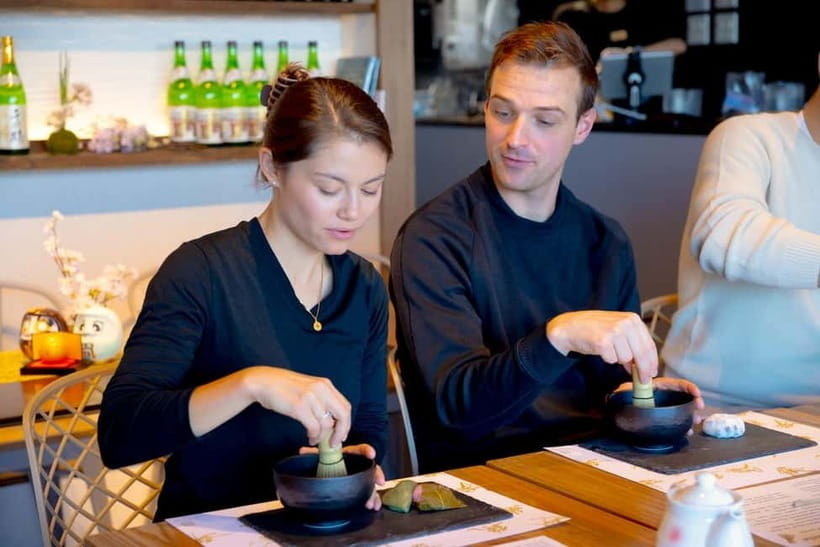
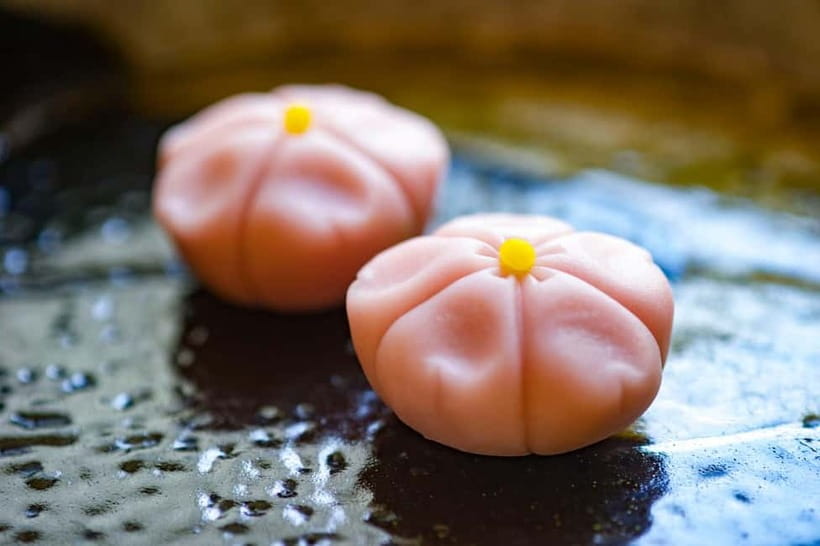
The tea is served with traditional Japanese sweets, including mochi-style treats. This gives the class a pleasant rhythm: learn, prepare, taste, and share the moment with the people around you.
The sweets are not just an extra snack. Their sweetness helps soften matcha’s grassy, earthy flavor, especially if you are trying unsweetened matcha for the first time. The pairing also gives you a small lesson in Japanese food culture without adding another complicated cooking task.
Expect the tasting to be simple rather than a full meal. The experience includes ingredients and sweets, but it is not designed to replace lunch. If you arrive hungry, plan to eat before or after the session in Asakusa.
The class atmosphere also matters here. You sit with the group, enjoy the tea, and talk with the local staff. That makes the tasting feel personal instead of rushed. You are not simply handed a drink and sent away.
A seated activity with broad appeal
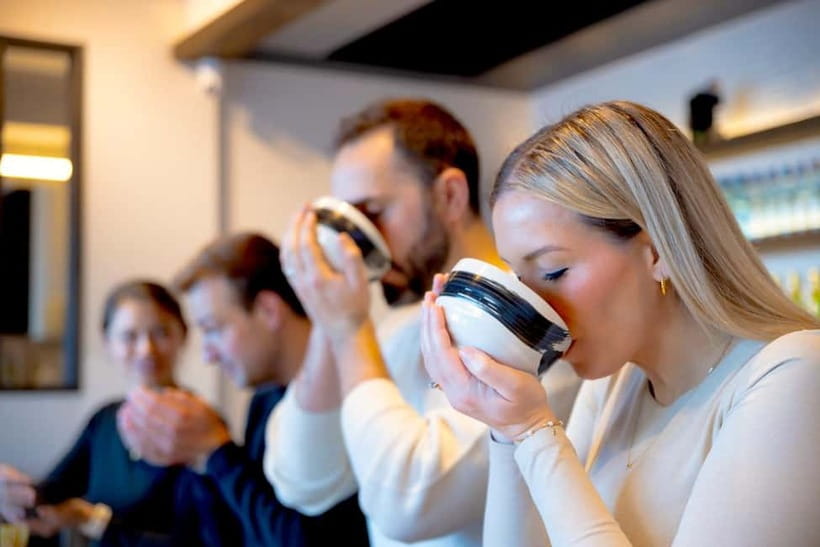
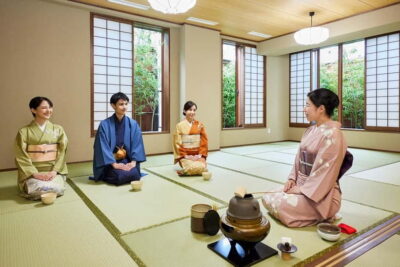
One of the strongest practical features is the seated setup. You do not need to adopt the traditional kneeling position, which makes the class more comfortable for people with limited mobility or anyone who has already spent the day walking around Tokyo.
A family can enjoy the activity together. Children have the quiz and hands-on whisking to keep them involved, while adults get the cultural context and tasting. One family group particularly enjoyed how the class worked for both a 74-year-old parent and a 23-year-old son.
Solo visitors also have a good reason to book. The class brings together people from different countries, and the shared task makes conversation easier than it can be at a restaurant or sightseeing stop. You can attend alone without feeling as if you have arrived at the wrong kind of activity.
The experience is also suitable for people who are interested in Japanese culture but do not consider themselves tea experts. The instructors keep the lesson approachable, so you can ask questions without feeling tested.
How much value do you get for $22?
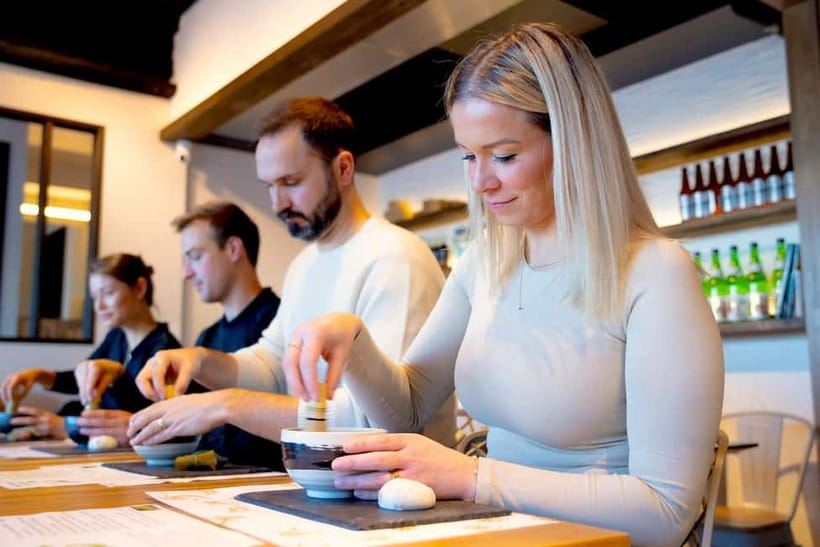
At $22 per person, this is one of the easier Tokyo activities to fit into a moderate sightseeing budget. The fee includes the cooking class, ingredients, instructor, matcha, and Japanese sweets. You are paying for a guided cultural activity, not only for a cup of tea.
The value comes from the combination of three things. You receive background about matcha, you practice the preparation yourself, and you taste the finished drink with a suitable sweet. A café visit might cost less, but it would not teach you the technique or explain the custom.
The one-hour duration also helps the price feel fair. You are not committing half a day to a specialized lesson. You get a compact cultural stop that can fit neatly into an Asakusa schedule.
There are limits. If you want a formal, highly ceremonial tea experience lasting several hours, this class will feel brief and informal. If you want to prepare several kinds of sweets, this is not the right choice either. It is best understood as an accessible introduction to matcha preparation and etiquette.
The activity has a 4.9 out of 5 rating from 388 ratings, with especially strong praise for the staff, clear English, friendly humor, and hands-on format. That fits the basic value calculation: the instruction and personal attention are doing most of the work.
What the English instruction is really like
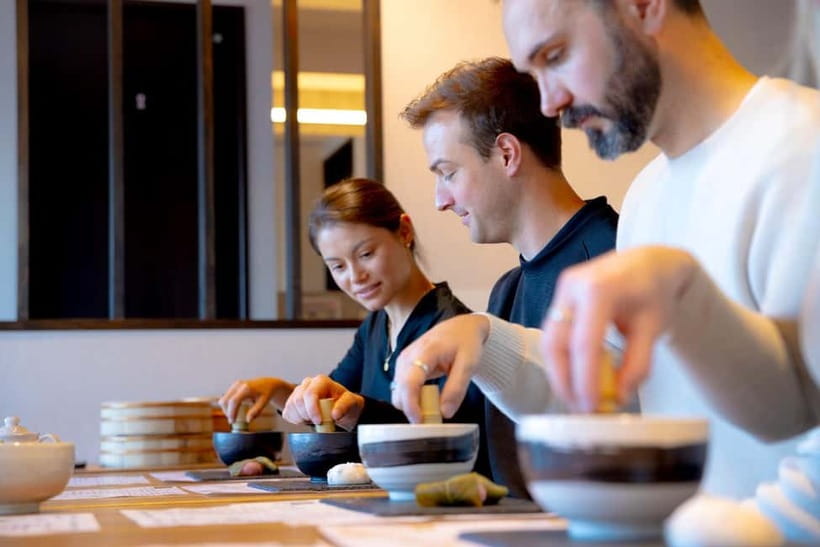
The class is conducted in English, and the repeated praise for clear explanations is important. Cultural activities can lose much of their value when you cannot follow the guide’s meaning, but this class is built for an international audience.
The teaching style appears conversational rather than stiff. Hosts explain the history, show the method, answer questions, and keep the group involved. Mana, in particular, is often praised for combining humor with useful information. Hayato is described as welcoming and funny, while other instructors receive praise for patience and clear demonstrations.
The exact host depends on the session, so you should not book solely to meet a particular instructor. Still, the range of positive comments points to a strong team culture rather than one lucky guide.
If you have never handled matcha tools before, this matters. Clear instructions make it easier to relax and enjoy the activity. You can focus on the tea instead of worrying that you have misunderstood the task.
Small limitations to keep in mind
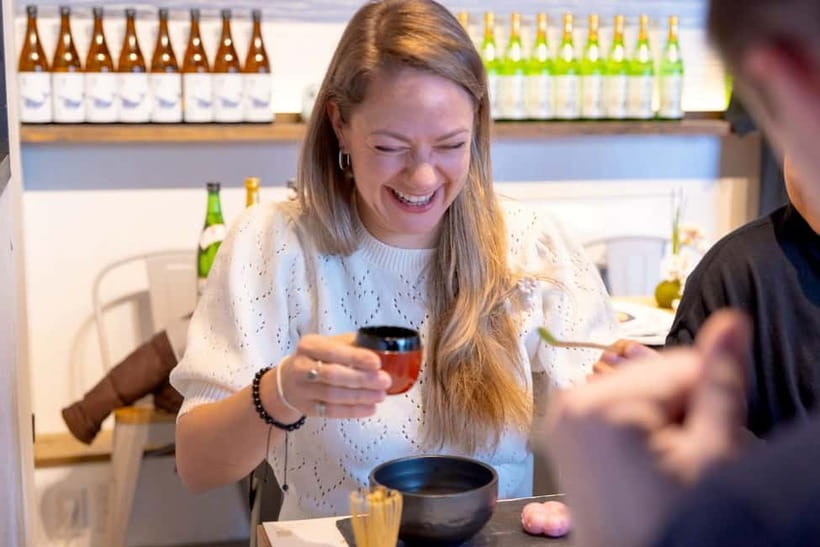
The short format is both the class’s strength and its main limitation. In one hour, the instructors can cover the basics, but they cannot explore every aspect of Japanese tea culture in detail.
The group setting may also affect the mood. You are likely to share the activity with other people, which is good for solo visitors and families who enjoy conversation. If you want silent reflection and a private ceremony, the social format may not suit you.
The location is easy to reach, but there is no transportation service from your hotel. You need to plan your route to Asakusa and locate the Relink KAMINARIMON building yourself.
Also, the activity is about making and tasting matcha, not about taking home a full tea set. One person noted that matcha-making equipment may be available to buy afterward, but you should treat that as an optional extra rather than part of the included experience.
Who should book this experience?
I would recommend it most strongly to first-time visitors who want a simple introduction to Japanese tea culture. It gives you enough history and technique to understand what you are tasting, without asking you to commit to a long formal ceremony.
It is also a good fit for:
- Families with children
- Solo visitors who want a social activity
- Older adults who prefer a seated class
- Matcha fans who want to improve their preparation method
- Couples seeking a short cultural activity near Asakusa
- Anyone who wants a planned stop between sightseeing visits
You may want to skip it if you dislike group activities, already have advanced tea-training experience, or want a full meal. The class is friendly and introductory, not private or highly specialized.
Practical details before you go
The class lasts one hour, and starting times depend on availability. English is the listed teaching language, and the instructor, ingredients, and cooking class are included.
Free cancellation is available up to 24 hours in advance for a full refund. You can also reserve now and pay later, which helps if your Tokyo schedule is still changing.
I would place this activity on a day when you are already visiting Asakusa. Afterward, you can continue exploring the area or head toward Tokyo Skytree. The class is short enough that it will not take over your day, yet substantial enough to give a food tradition some meaning.
Should you book the Asakusa matcha class?
Yes, if you want a friendly, affordable introduction to matcha that you can fit into a busy Tokyo schedule. The strongest reasons to book are the hands-on whisking, the unsweetened tea and mochi pairing, the seated format, and the staff’s lively English instruction.
Book it with realistic expectations. You will not become a tea master in one hour, and you will not attend a long, silent ceremony. You will learn the basic story, prepare your own cup, taste it with Japanese sweets, and leave with a better feel for the custom. At $22, that is a useful and enjoyable hour in Asakusa.
FAQ
Where does the matcha-making experience take place?
It takes place at the Relink KAMINARIMON building on the sixth floor, about one minute from Asakusa Station. The listed coordinates are 35.710774, 139.7956532.
How long does the class last?
The experience lasts one hour. Available starting times depend on the date you choose.
Is the activity taught in English?
Yes. The instructor and local staff provide English instruction.
What is included in the $22 price?
The price includes the cooking class, ingredients, instructor, matcha, and Japanese sweets served during the experience.
Do I need previous matcha-making experience?
No. The class is designed for beginners, and the staff explain the history, technique, and preparation steps before you make your own matcha.
Can I cancel or pay later?
You can cancel up to 24 hours before the activity for a full refund. Reserve now and pay later is also available.
Just added around Tokyo
- Yokohama : Tea Ceremony with Sweets and Souvenir★ 5.0 · 5 reviews
- Walking Tour: Yanaka,Nezu& Sendagi: Tea Ceremony & Old Tokyo★ 5.0 · 3 reviews
- Private Kimono and tea ceremony at local home near Tokyo Disney★ 5.0 · 6 reviews
- Private Mochi・Matcha sweets Making Class Near Shibuya Area★ 5.0 · 22 reviews
- Tokyo Sweets Tour: Hidden Gems & Matcha at an Old Tea House★ 5.0 · 6 reviews
- Kimono and Tea Ceremony in Asakusa Private Food Tour With Guide★ 5.0 · 4 reviews
- 2 Hours Mochi &Nerikiri Making & Matcha Class in Bunkyo★ 5.0 · 21 reviews
- Tokyo: Tea Ceremony & Japanese Sweets Making★ 5.0 · 10 reviews
Matcha Experiences in Tokyo, compared.
Matcha Making Class in Tokyo with Authentic Japanese Sweets Set
Read our review →
Asakusa: Kimono Tea Ceremony with Matcha and Sweet
Read our review →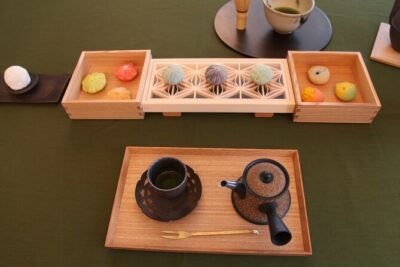
Make Traditional Nerikiri Sweets & Matcha experience in Shibuya
Read our review →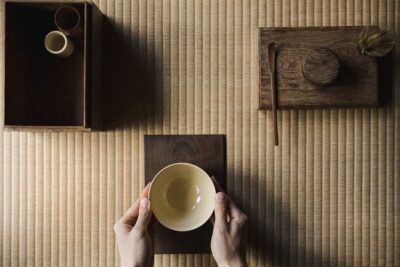
Tokyo Sushi Making Class : Sake Ceremony & Matcha Experience
Read our review →Browse the lists this tour appears in