
Review · YOKOHAMA
Yokohama: Sushi & Gyoza Cooking with Matcha & GreenTea Experience
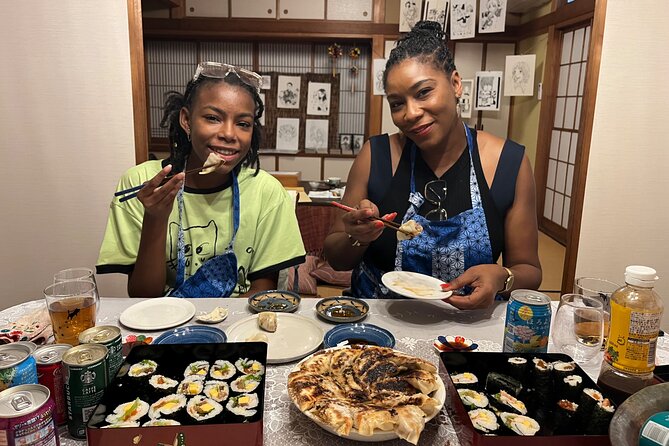
Cook Japanese classics inside a Yokohama home. This intimate experience combines a quiet tatami tea room with hands-on cooking, giving you more than a restaurant meal or a quick demonstration. You spend time with host Yuka, make sushi rolls and gyoza, and choose a cultural activity involving matcha, manga drawing, or Japanese sweets and tea. I especially like the private-home setting and the small maximum of six people. The main consideration is location: after meeting at Odoriba Station, you walk about ten minutes to the house.
I also like that the first hour is not rushed. You can take part in a simple tea ceremony, request a creamy matcha latte if straight matcha is too strong, try manga-style illustration, or simply relax in the tatami room. The experience costs $71.53 per person, which is fair for a 2.5-hour private-home activity with food, instruction, and cultural time, though it may feel costly if your only goal is to learn basic cooking techniques.
Key points at a glance
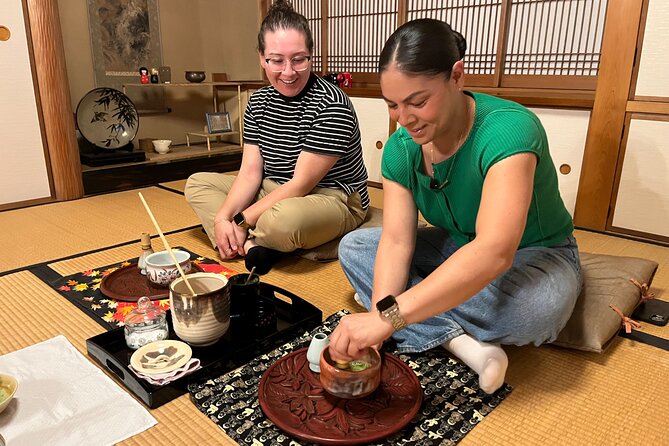
- A traditional tea room comes first: Begin in a tatami chashitsu before moving into the kitchen.
- You make two Japanese favorites: Prepare sushi rolls with fresh ingredients and fold handmade gyoza.
- You choose your cultural activity: Try matcha, a matcha latte, manga drawing, or a quiet tea-and-sweets session.
- Yuka provides personal guidance: The small group size allows her to lead you through each stage.
- The setting feels local: The class takes place in a traditional Japanese home in a residential part of Yokohama.
- The timing suits a half-day plan: The activity starts at 10:30 am and ends back at the meeting point after about two and a half hours.
Why this Yokohama cooking class feels different
Many cooking classes are held in commercial kitchens designed for instruction. This one begins in a private Japanese home, where the mood is slower and more personal. You first enter a traditional tea room with tatami flooring, then later pass through sliding doors into the kitchen. That change of setting gives the class a natural rhythm: quiet cultural time first, practical food preparation second.
I like this format because it gives you a glimpse of ordinary Japanese hospitality without turning the experience into a formal museum presentation. You are not simply watching a host prepare food. You sit, taste, draw, or make tea, then use your hands to prepare lunch.
The group is capped at six people. That matters here. Folding gyoza and rolling sushi both benefit from close help, especially if you have never handled the wrappers, rice, or fillings before. A larger class could make the activity feel like an assembly line. With six or fewer participants, Yuka has more room to watch your technique and answer questions.
The available feedback points to Yuka’s warmth as one of the experience’s strongest qualities. She has been praised for being kind, welcoming, and thoughtful. In one case, she met a pair at the station and brought umbrellas because poor weather was expected. That small detail tells you what kind of host to expect: attentive to the practical side of your day, not just the recipe.
More Matcha Experiences in Japan:
- World Heritage Kyoto & Nara Uji Authentic Matcha Experience
★ 5.0 · 1,573 reviews - Kyoto: Arashiyama Bamboo Forest, Monkeys, Matcha & Temple Tour
★ 5.0 · 759 reviews - Matcha Making Class in Tokyo with Authentic Japanese Sweets Set
★ 5.0 · 744 reviews
Meeting Yuka at Odoriba Station
Your day begins at 10:30 am at Odoriba Station, at 1 Chome-1 Nakatahigashi in Yokohama’s Izumi Ward. The activity ends at the same meeting point, so you do not need to arrange a separate return transfer from the house.
Plan for a walk of roughly ten minutes from the meeting area to the host’s home. The walk leads through a Japanese residential neighborhood, which is part of the appeal. This is not a cooking studio placed beside a major sightseeing district. You get a brief look at a quieter side of Yokohama before the class begins.
That walk is also worth keeping in mind if the weather is wet or you are carrying luggage. The host has helped with umbrellas in the past, but you should still arrive prepared for the short walk. The meeting point is near public transportation, and service animals are allowed.
Because the activity is scheduled in a private home, arriving on time matters. A 10:30 am start gives you the rest of the day for other Yokohama plans, but you will want to leave enough time to reach Odoriba Station without rushing.
One quiet hour in the tatami tea room
The first part of the experience takes place in a serene Japanese tea room, known as a chashitsu. Sitting on tatami in this setting changes the pace immediately. It gives you a chance to settle in before cooking, rather than starting with a busy kitchen and a list of instructions.
You can choose one of three cultural paths.
A simple matcha and tea experience
If you choose the tea option, you receive an introduction to Japanese tea culture with matcha tasting. The format is described as simple, so you should not expect a lengthy formal tea ceremony with a highly structured sequence. Instead, it offers a gentle way to learn about matcha and enjoy it in the room where tea traditions feel most at home.
Straight matcha has a strong, grassy flavor that is not for everyone. The option of a creamy matcha latte is useful if you prefer a softer taste. This makes the activity friendlier for people who are curious about matcha but already know they may not enjoy it plain.
You can also enjoy Japanese sweets and tea during this part of the visit. The sweets give you a small taste of the balance often found in Japanese tea settings, where a sweet bite offsets the bitter edge of the tea.
More Cooking Classes in Japan:
- Private Kyoto Sushi Cooking Class & Tea Ceremony with Emika
★ 5.0 · 66 reviews - Osaka Japanese Cooking And Matcha Class near Osaka Castle
★ 5.0 · 22 reviews - Home Made Onigiri and Matcha Cooking Class in Hiroshima
★ 5.0 · 11 reviews - Osaka: Japanese Cooking Class with Matcha Experience
★ 5.0 · 4 reviews
Manga-style illustration
The second choice is manga-style drawing. You use authentic tools and receive guidance inspired by the host’s own artwork. This option gives the first hour a creative focus and may suit you better if drawing appeals more than tea.
It is also a useful choice for families or friends who want an activity with something to do, rather than a quiet tasting. The available information does not specify the exact drawing project or how advanced the instruction is, so you should see it as a guided introduction rather than a full art course.
Quiet relaxation with tea and sweets
The third choice is simply to enjoy the room, tea, and Japanese sweets. That may sound modest, but it can be the best fit after several busy sightseeing days. You get time to appreciate the tatami space and traditional atmosphere without needing to perform a ceremony or produce a drawing.
This flexibility is one of the class’s better features. You can choose an activity that matches your mood instead of being locked into one cultural lesson. If you want an active morning, choose manga or tea preparation. If you want a calmer visit, sit back and enjoy the setting.
Opening the sliding doors to sushi and gyoza
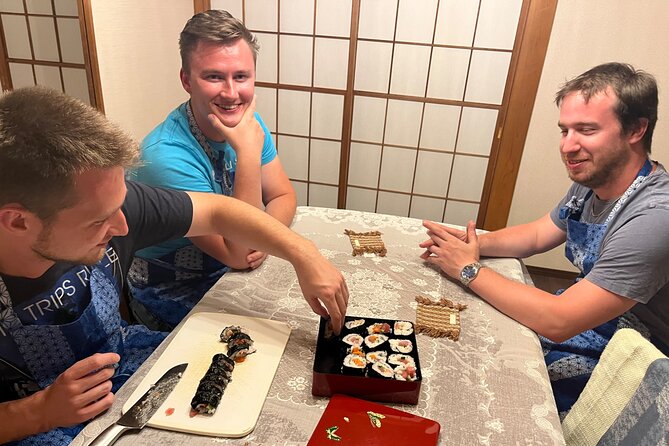
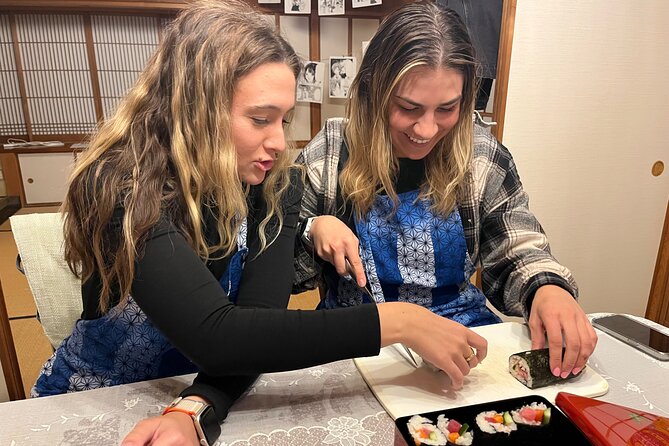
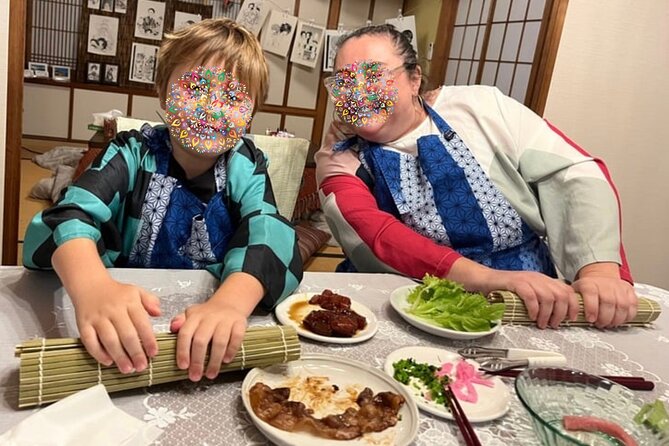
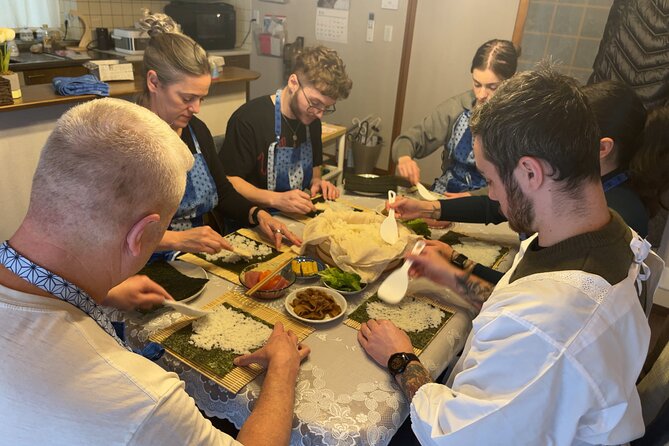
After the cultural hour, sliding doors open to the kitchen portion of the experience. You then work with Yuka to prepare two familiar Japanese dishes: maki sushi rolls and handmade gyoza.
The cooking is hands-on. You are not simply shown finished food and handed a recipe card. You help make the dishes, with Yuka guiding you through the process. The class is particularly appealing if you want a skill you can repeat at home, since sushi rolls and gyoza are both recognizable dishes with techniques worth practicing.
Making maki sushi
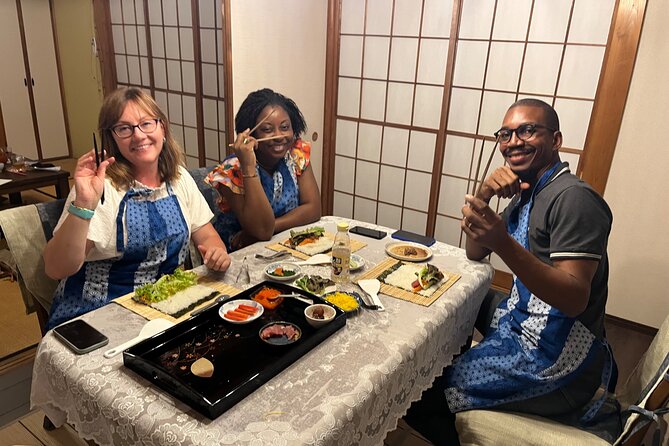
The sushi portion focuses on rolls made with fresh ingredients. Rolling sushi looks easy until the rice, filling, and nori begin to shift, so personal guidance can make a real difference. Yuka can help you understand how much filling to use and how to shape the roll, though the exact fillings and number of rolls are not specified.
You should expect a practical introduction rather than professional sushi-chef training. The value is in learning the basic process, handling the ingredients yourself, and then seeing the finished roll ready to eat.
This part also creates one of the best photo opportunities. You can photograph your own sushi before eating it, along with the traditional room and the wider home setting. If you enjoy food photography, the contrast between the clean rolls and the calm Japanese interior gives you plenty to capture.
Folding and cooking gyoza
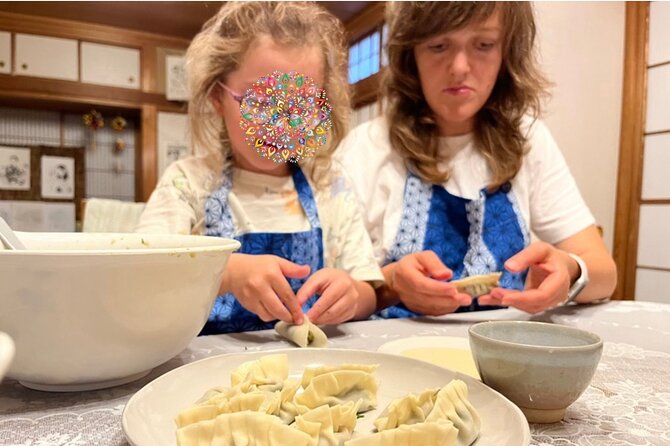
Gyoza adds a different kind of work. You fold the dumplings by hand and then cook them under Yuka’s direction. The folding is repetitive in a satisfying way, but the first few dumplings may look less tidy than the final ones. That is normal, and the small group format makes it easier to ask for help.
The cooking stage is important because gyoza changes quickly in the pan. You need to pay attention to timing and texture, rather than treating the dumplings as a simple wrapping exercise. The experience promises gyoza cooked to perfection, but your own results will naturally depend on how closely you follow Yuka’s instructions.
Together, sushi and gyoza make a good pair. Sushi teaches careful assembly and rolling. Gyoza teaches folding and cooking. You get two different types of Japanese food preparation in one class, rather than spending the full session on one recipe.
What the two and a half hours are really worth
At $71.53 per person, this is not the cheapest way to eat sushi and dumplings in Yokohama. If you want only a meal, a restaurant will usually be simpler. The price makes more sense when you count the full experience: about 2.5 hours, tea-room time, a choice of cultural activity, instruction, food preparation, and time with a local host.
The private-home setting is the main reason to consider the cost worthwhile. You are paying for access to a more personal environment, not just ingredients. The cooking is part of it, but the visit also gives you a look at Japanese domestic hospitality and a quieter side of Yokohama.
I would see the value as strongest for people who enjoy interaction and participation. Couples, small groups of friends, solo visitors who like meeting local hosts, and families with an interest in food or crafts are likely to get more from it than someone searching for a fast cooking lesson.
The small group limit helps protect that value. A maximum of six means the experience should feel more like a hosted visit than a mass-market class. Still, the amount of personal instruction may depend on how many people are booked that day.
Who should book this experience
You should consider booking if you want several things in one outing:
- A traditional Japanese home rather than a commercial class venue
- A calm cultural activity before hands-on food preparation
- A chance to make both sushi rolls and gyoza
- Flexible choices involving matcha, manga, tea, and sweets
- A small group led by a warm English-speaking host
- Photos of a tatami tea room and your finished dishes
This is also a good choice if you have already seen Yokohama’s major sights and want a slower local activity. The residential location and station meeting point make it feel separate from the usual sightseeing circuit.
You might skip it if your schedule is very tight, if you dislike walking in poor weather, or if you are looking only for a formal tea ceremony. The tea portion is a simple introduction, not a full ceremonial performance. You might also prefer a restaurant if eating is your only priority.
The class is suitable for many food lovers because the menu includes both sushi and gyoza, but the available details do not state whether dietary substitutions are possible. If you have food allergies or strict dietary needs, ask before booking rather than assuming the recipes can be changed.
Booking, timing, and cancellation advice
The activity starts at 10:30 am and lasts about two hours and thirty minutes. It ends back at the meeting point, making it easier to plan another activity later in the day. It is typically booked about eight days ahead, so reserve earlier if your Yokohama schedule is fixed.
Confirmation is provided at booking. You can cancel for a full refund if you do so at least 24 hours before the local start time. Cancellations or changes made within 24 hours are not accepted for a refund.
The experience has a perfect five-star rating from three available ratings, but the sample is small. I would treat that as encouraging evidence about the host’s care, not as a guarantee that every part of the class will suit every person.
Should you book the Yokohama sushi and gyoza class?
I would book this if you value personal contact, home cooking, and a slower cultural experience. Yuka’s warm hosting, the small group limit, and the chance to move from a tatami tea room into a working kitchen give the morning real character.
The best reason to choose it is the combination. You are not only making sushi, and you are not only drinking matcha. You get tea-room culture, a choice of creative activity, two Japanese dishes, and time in a traditional home.
Skip it if you want a cheaper meal, a formal tea ceremony, or a class close to central Yokohama sights. For everyone else, this is a thoughtful half-day activity with a personal feel and a fair price for the time involved.
FAQ
Where does the experience begin?
It begins at Odoriba Station, at 1 Chome-1 Nakatahigashi in Yokohama’s Izumi Ward, Kanagawa.
What time does the experience start?
The scheduled start time is 10:30 am.
How long does the activity last?
The experience lasts approximately two hours and thirty minutes.
What food will I learn to make?
You will make sushi rolls, also called maki, and handmade gyoza dumplings.
What cultural activities can I choose from?
You can choose a simple tea ceremony and matcha tasting, manga-style illustration, or relaxation time with Japanese sweets and tea. A creamy matcha latte is available for those who prefer a milder matcha flavor.
What is the cancellation policy?
You can cancel at least 24 hours before the local start time for a full refund. Cancellations or changes made less than 24 hours before the start time are not accepted for a refund.
Just added around Japan
- Yokohama : Tea Ceremony with Sweets and Souvenir★ 5.0 · 5 reviews
- Walking Tour: Yanaka,Nezu& Sendagi: Tea Ceremony & Old Tokyo★ 5.0 · 3 reviews
- Visit local home for music and tea ceremony near Disney★ 4.9 · 13 reviews
- Trip to Kamakura & Enoshima: Shrines, Seaside, Temples &Tea★ 5.0 · 11 reviews
- Kyoto tea town for matcha lovers★ 5.0 · 16 reviews
- Uji: Private immersion into Kyoto’s tea and reglious culture★ 5.0 · 17 reviews
- Uji Tea Ceremony and UNESCO Heritage Walking Tour★ 5.0 · 20 reviews
- Uji and Wazuka Matcha Farm Half Day Private Guided Tour★ 5.0 · 21 reviews
Matcha Experiences, compared.
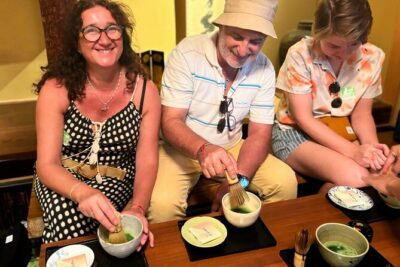
World Heritage Kyoto & Nara Uji Authentic Matcha Experience
Read our review →
Arashiyama Bamboo Forest, Monkeys, Matcha & Temple Tour
Read our review →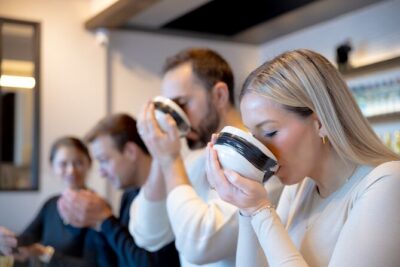
Matcha Making Class in Tokyo with Authentic Japanese Sweets Set
Read our review →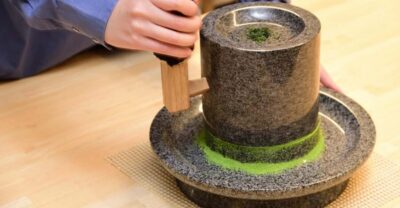
Tea Museum Tickets and Matcha Grinding Experience
Read our review →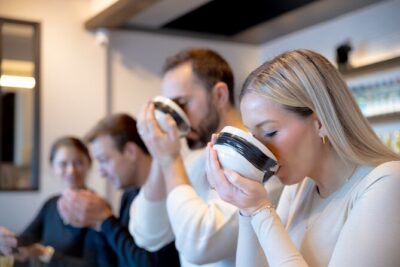
Matcha Making Class in Osaka with Authentic Japanese Sweets Set
Read our review →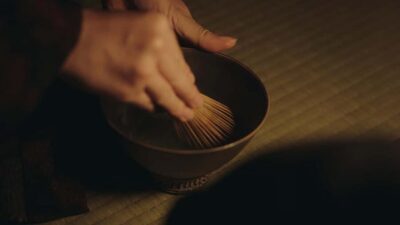
Tea Ceremony Meditation – Make Matcha with Tea Master
Read our review →
Matcha Making Experience with Mochi Sweets in Asakusa
Read our review →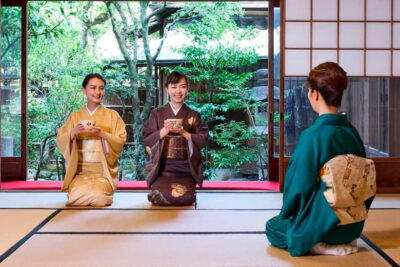
Browse the lists this tour appears in