
Review · TOKYO
Yokohama : Tea Ceremony with Sweets and Souvenir
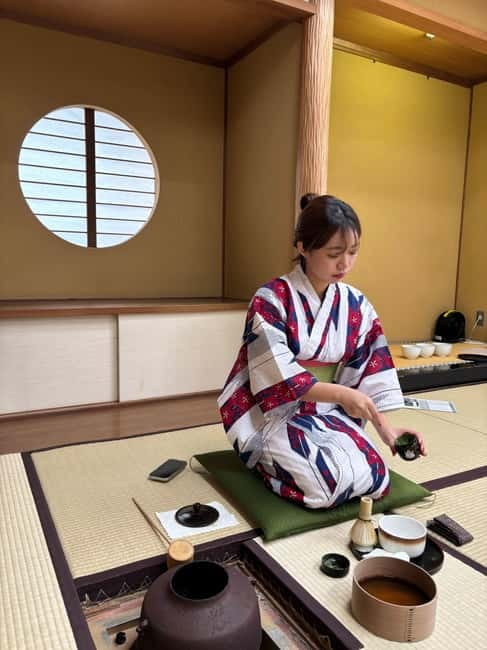
Tea becomes a conversation starter. This one-hour Yokohama experience gives you a friendly introduction to Japanese tea culture without the strict formality that can make traditional ceremonies feel intimidating. I especially like the hands-on brewing, since you do not merely watch a demonstration, and the carefully paired Japanese sweets make the tea easier to appreciate. The small group, limited to 10 people, also leaves room for conversation with guides Sarina and Ryota.
The experience also includes an original tea set to take home, a thoughtful souvenir rather than a disposable trinket. My main caution is the meeting point: it varies with the tea room, so you need to wait for the exact location. At only one hour, this is an introduction, not a full study of tea ceremony customs.
Key details at a glance
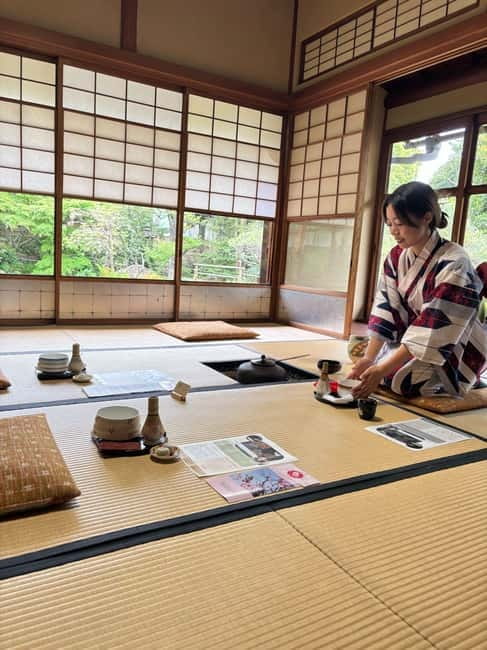
- You brew the tea yourself: An English-speaking guide demonstrates the process, then helps you prepare your own Japanese tea.
- Sarina and Ryota lead the experience: Their warm, conversational style is a major part of the appeal.
- Traditional sweets are included: The sweets are selected to complement the tea, not simply added as a snack.
- The group is capped at 10: You get a more personal session than you would at a large cultural demonstration.
- A tea set goes home with you: The souvenir helps extend the experience after your time in Yokohama.
- The session lasts one hour: It fits neatly into a day of sightseeing, though it leaves little time for a long ceremony or extensive instruction.
Why this Yokohama tea session works for first-time visitors
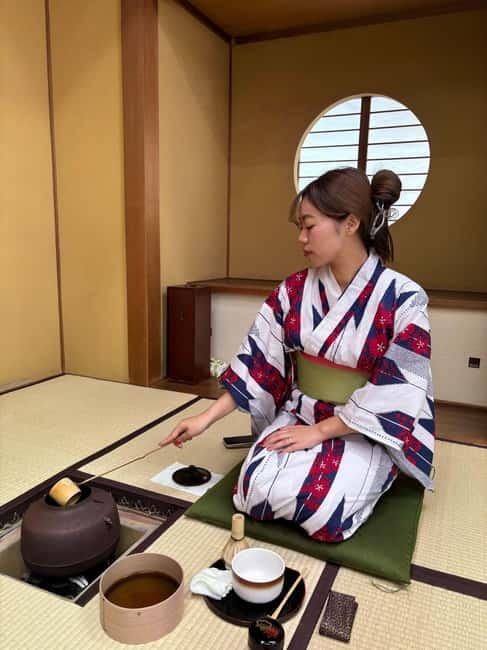
Japanese tea ceremony can seem formal from the outside. There are set movements, special utensils, carefully chosen sweets, and a quiet sense of occasion. That can be beautiful, but it can also leave you worried about making a mistake.
This Yokohama activity takes a more relaxed path. The guides explain what to do in English, demonstrate the brewing method, and then let you try it yourself. I like this format because you learn through action. You are not expected to sit silently and copy every gesture perfectly from the start.
The purpose is not only to prepare a good cup of tea. You are also encouraged to talk with the people around you and share the experience. That makes this a useful choice if you are traveling alone, since the setting gives you an easy way to meet others without the forced feeling of a formal social event.
Sarina and Ryota receive repeated praise for being welcoming, clear, and helpful. Sarina guided several sessions, and Ryota also helped explain the tea and answer questions. Their friendly approach seems to shape the mood as much as the tea itself.
More Tea and Sweets Making in Tokyo
- Matcha Making Class in Tokyo with Authentic Japanese Sweets Set
★ 5.0 · 744 reviews - Tokyo: Matcha Making Experience with Mochi Sweets in Asakusa
★ 4.9 · 388 reviews - Make Traditional Nerikiri Sweets & Matcha experience in Shibuya
★ 5.0 · 130 reviews
A one-hour itinerary with real participation
The session is short, so the flow matters. You begin with an introduction to the tea ceremony and the tea you will prepare. The guide explains the process in English and shows the correct way to brew it.
You then prepare the tea yourself. This is the central part of the activity, and it gives the hour a useful purpose. Instead of leaving with only a few facts about Japanese customs, you have a practical skill to repeat at home.
The method is presented for overseas visitors, so you should not need prior knowledge of tea ceremony etiquette. The guides are there to help you through each stage. If you are unsure about a movement or sequence, the relaxed setting makes it easier to ask.
Next comes the tasting. Traditional Japanese sweets are served with the tea, and they have been chosen to work with its flavor. This pairing is important because Japanese sweets can taste quite different from familiar Western desserts. The sweetness gives your palate a contrast and helps bring out the tea’s character.
The final part is the souvenir. You receive an original Japanese tea set to take home. I consider this more useful than a generic memento because it connects directly to the activity. You can use it later, show it to friends, or simply keep it as a reminder of your time in Yokohama.
One hour is enough for a pleasant introduction, but do not expect an extended ceremonial performance, a long lecture, or time to study every utensil in detail. The appeal is the compact format and the chance to participate.
The guides make the difference
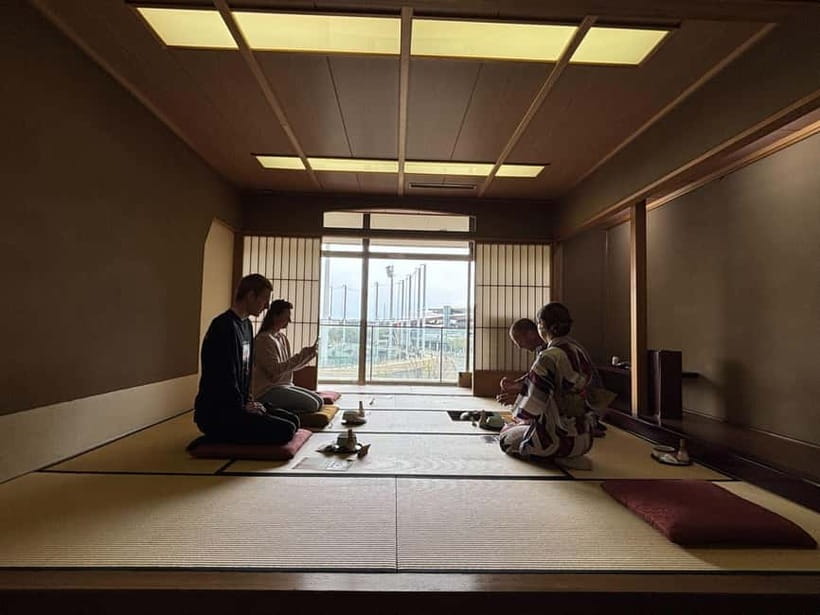
A tea ceremony can feel awkward if the instructor is stiff or the instructions are unclear. Here, the human side seems to be one of the strongest features.
Sarina and Ryota are English-speaking hosts, and their role goes beyond explaining how to brew tea. They create time for conversation about life in Japan and can also suggest places to visit in Yokohama. That extra local contact can be useful if this is one of your first activities in the city.
One session included a walk through a Japanese garden while the hosts prepared the ceremony. That garden visit may depend on the specific tea room and arrangement for your booking, so I would not treat it as guaranteed. Still, it shows how the experience can include a little more than sitting at the tea table.
That same booking involved pickup at a hotel in a Tesla, transportation to the location, photographs during the activity, and a return to the hotel. These details come from one arrangement, so you should not assume every reservation includes hotel transport or a car ride. The confirmed meeting point varies according to the tea room, and the provider will contact you with those details.
The clearest benefit is the approachable instruction. The guides explain, demonstrate, and then let you try. That balance is better for most first-time visitors than watching a silent ceremony from the sidelines.
What the tea and sweets add to the experience
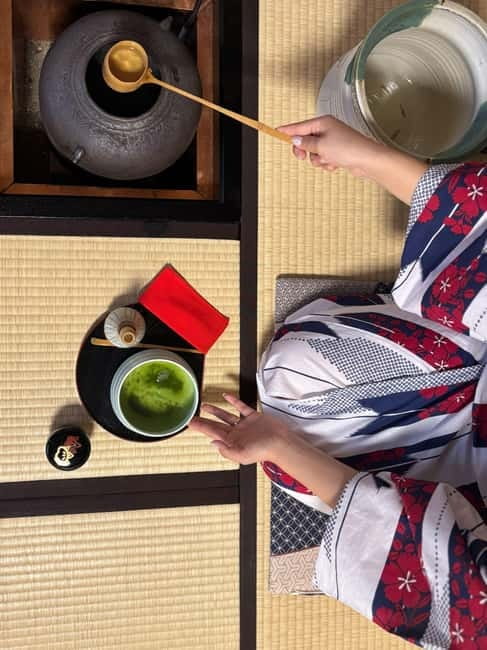
The tea is not just a prop for photographs. You learn how it is prepared and then taste what you made. That makes the ceremony easier to understand as a daily and social tradition rather than a display performed for tourists.
The Japanese sweets are also part of the lesson. Their purpose is to pair with the tea, so you can notice how sweetness changes the taste. The combination gives the hour more variety and prevents the session from becoming a purely instructional demonstration.
I would especially recommend this activity if you are curious about matcha but have not tried preparing it yourself. One session described the matcha as excellent, while another focused on how calming the process felt. Those points suggest the experience succeeds both as a cultural activity and as a quiet break from a busy sightseeing schedule.
Do keep your expectations sensible. A single tasting cannot explain every regional style, school of tea, or historical detail. You will come away with a basic understanding and a memorable first try, not expert-level knowledge.
More Tea Ceremonies in Tokyo
- Kimono Tea Ceremony at Tokyo, Asakusa Maikoya
★ 5.0 · 638 reviews - Tokyo: Traditional Tea Ceremony with a Tea Master
★ 5.0 · 528 reviews - Tea Ceremony Workshop in Tokyo by the Experienced Instrucor
★ 5.0 · 189 reviews - Asakusa: Kimono Tea Ceremony with Matcha and Sweet
★ 4.9 · 153 reviews
A small group keeps the mood relaxed
The maximum group size is 10 people. That is large enough for a little social energy but small enough for the guide to demonstrate the brewing process and give personal help.
For solo visitors, the group format is a plus. The activity is built around conversation and shared tasting, so you do not need to arrange a private booking to feel included. Couples and friends can also enjoy doing the brewing together, while families with older children may appreciate the practical element.
The group size can affect how much individual attention you receive. A session with only a few participants will naturally feel more personal than one with 10. Still, the cap is modest compared with a large cultural show, and the activity is designed for direct participation.
The social side is worth noting. This is not an activity where you are expected to remain completely silent for the entire hour. The point is to enjoy tea with other people, chat, and build a connection around the ceremony. If you want a solemn, highly formal ritual, this casual format may feel too easygoing. If you want a low-pressure cultural introduction, it is a strong match.
The souvenir tea set is more than a final extra
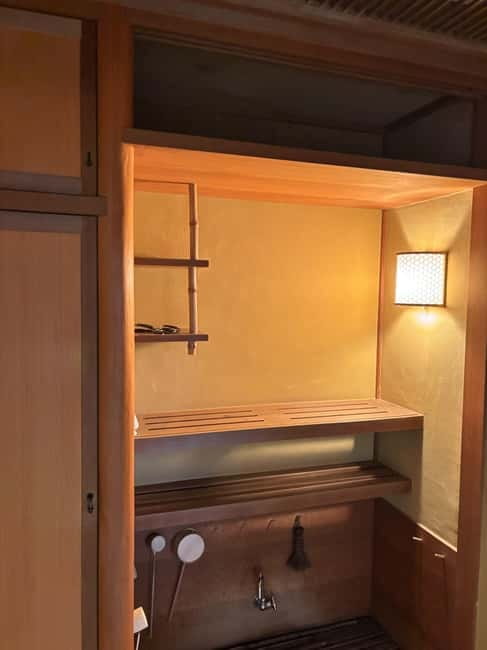
Many short activities end with a photograph or a small packaged gift. Here, the original Japanese tea set is tied closely to what you have just learned.
The set gives you a way to repeat part of the experience at home. It also makes the $45 price easier to assess. You are paying for an English-led lesson, the tea, traditional sweets, a small-group setting, and a physical keepsake. The set will not make the activity a bargain for someone who only wants a quick cup of tea, but it adds lasting value for anyone interested in Japanese food, design, or daily customs.
I also like that the souvenir arrives at the end, after you have learned how the tea is prepared. You can connect the object to a specific memory rather than receiving it as an unrelated gift.
You should not expect a large or luxury tea service for this price. The value lies in the personal instruction and the complete one-hour experience. If you prefer to spend $45 on a longer attraction or a full meal, this may not be your best use of money. If you want a compact cultural activity with something useful to take home, the cost is fair.
Location details require a little planning
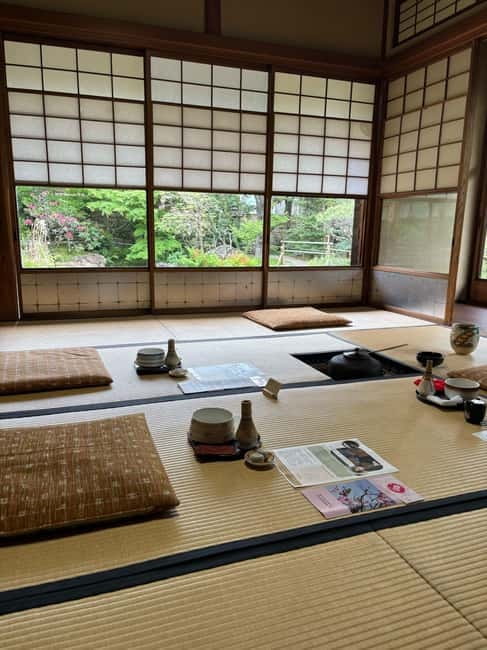
The tea room meeting point is not fixed. It depends on the location selected for your session, and the provider will contact you with the details. I would keep your schedule flexible until that information arrives, especially if you plan to connect this activity with another timed booking.
The activity is in Yokohama, but the supplied details do not identify one permanent tea room or station. Do not assume you can simply walk to a standard address. Check the final meeting instructions carefully.
The one-hour length makes it easy to fit into a larger day, but allow enough time to reach the confirmed location. The activity information also says express security check access is available. Since no further details are given, I would treat that as part of the booking arrangement and follow the provider’s instructions.
Smoking is not allowed. Bring a camera if you want photographs, and ask before taking pictures during quiet parts of the ceremony. In one session, the hosts took photos and shared them afterward, but this should be viewed as a welcome possibility rather than a guaranteed feature of every booking.
Cancellation is free when you cancel at least seven days in advance. That is a useful cushion if your Yokohama plans are still changing, but the deadline is firm enough that you should note it when booking.
Who should book this activity?
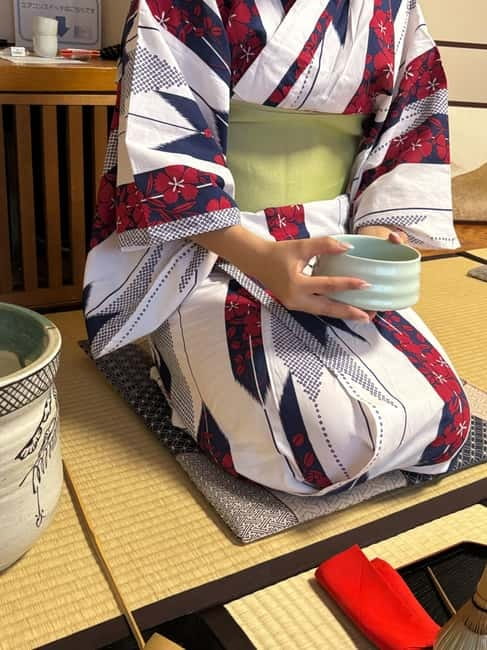
I would choose this tea ceremony for several types of visitors:
- First-time Japan visitors who want an easy introduction to a major cultural tradition.
- Solo visitors who would enjoy a small group and a chance to talk with others.
- Tea and food enthusiasts who want to prepare the tea rather than only taste it.
- Couples and friends looking for a calm shared activity.
- Visitors with a tight schedule who need a cultural experience that lasts only one hour.
- People who value practical souvenirs and would enjoy taking home a tea set.
I would think twice if you want a long, formal ceremony with detailed instruction in traditional etiquette. The activity is casual and visitor-friendly by design. That is its strength, but it also means the session stays at an introductory level.
Should you book the Yokohama tea ceremony?
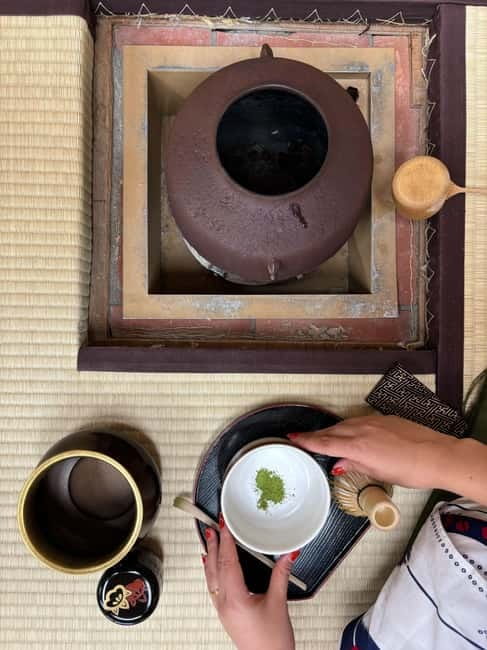
Yes, if you want a warm, hands-on introduction to Japanese tea culture rather than a formal performance. The English guidance, small group, traditional sweets, and tea set make the $45 price reasonable, especially when you value direct participation and a keepsake.
The strongest reason to book is the combination of clear instruction and human warmth. Sarina and Ryota seem to make the ceremony feel approachable, and the chance to chat about Yokohama adds local value beyond the cup itself.
Before booking, confirm the meeting point and leave room in your schedule for the location provided. Choose it for a relaxed cultural hour, not for an exhaustive lesson. If that sounds right, this is an easy and rewarding addition to a Yokohama itinerary.
FAQ
How long does the tea ceremony last?
The activity lasts one hour.
How much does the experience cost?
The price is $45 per person.
Is the activity conducted in English?
Yes. An English-speaking guide leads the tea brewing session and explains the process.
How many people can join the group?
The group is limited to 10 participants.
Are Japanese sweets included?
Yes. Traditional Japanese sweets are provided and selected to pair with the tea.
Do I receive a souvenir?
Yes. You receive an original Japanese tea set to take home.
Where is the meeting point?
The meeting point varies according to the tea room location. The provider will contact you with the details.
Can I cancel for a full refund?
Yes, you can cancel up to seven days in advance for a full refund.
Just added around Tokyo
- Walking Tour: Yanaka,Nezu& Sendagi: Tea Ceremony & Old Tokyo★ 5.0 · 3 reviews
- Private Kimono and tea ceremony at local home near Tokyo Disney★ 5.0 · 6 reviews
- Private Mochi・Matcha sweets Making Class Near Shibuya Area★ 5.0 · 22 reviews
- Tokyo Sweets Tour: Hidden Gems & Matcha at an Old Tea House★ 5.0 · 6 reviews
- Kimono and Tea Ceremony in Asakusa Private Food Tour With Guide★ 5.0 · 4 reviews
- 2 Hours Mochi &Nerikiri Making & Matcha Class in Bunkyo★ 5.0 · 21 reviews
- Tokyo Tea Ceremony Class at a Traditional Tea Room★ 5.0 · 2 reviews
- Tokyo: Tea Ceremony & Japanese Sweets Making★ 5.0 · 10 reviews
Tea Ceremonies in Tokyo, compared.
Tea Ceremony Workshop in Tokyo by the Experienced Instrucor
Read our review →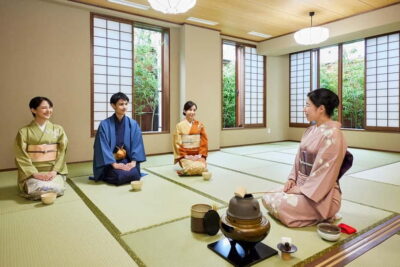
Asakusa: Kimono Tea Ceremony with Matcha and Sweet
Read our review →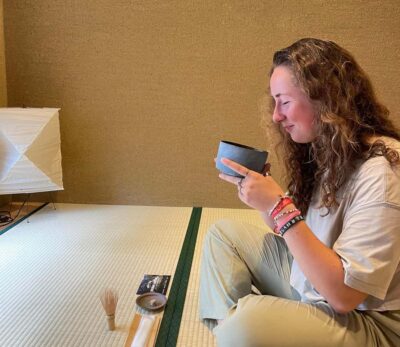
Tea Ceremony Experience in a Private Tea Room in Shibuya
Read our review →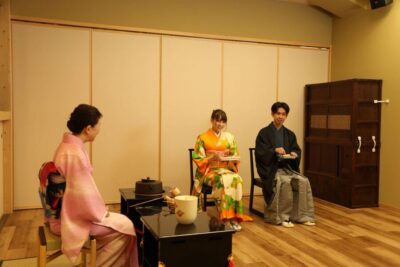
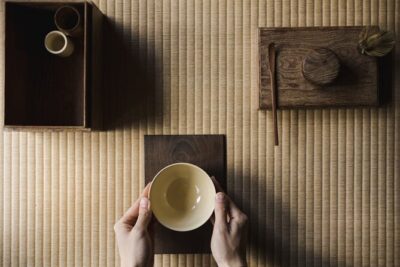
Tea ceremony experience in Japanese-style room 60min
Read our review →Browse the lists this tour appears in