Review · KYOTO
Kyoto: Kimono Tea Ceremony with Matcha and Sweet
Slow down in Kyoto for a cup of matcha. This 90-minute experience combines kimono dressing, a traditional tea ceremony, seasonal wagashi, and hands-on tea preparation in an English-guided setting. I especially like the wide choice of kimonos and the careful explanation of the ceremony’s tools, movements, and meaning. The seasonal sweets add a thoughtful touch, too. One thing to consider: you prepare your own matcha, so this is partly a workshop rather than a formal ceremony where you simply sit and receive tea.
The $66 price is fair for Kyoto, since it covers kimono dressing, hair styling for women with long hair, the tea ceremony, matcha, sweets, and bilingual help. The main drawback is that the full session may last 90 to 120 minutes, and groups can reach 12 to 14 people. Still, the calm setting, patient staff, and chance to wear the kimono for photographs make this a strong cultural activity for a first visit to Japan.
Key points at a glance
- Choose your own kimono: Pick from several colors, patterns, sizes, and obi belts before the ceremony begins.
- Hair styling is included: Women with long hair can have their hair arranged, with flowers available for an added finishing touch.
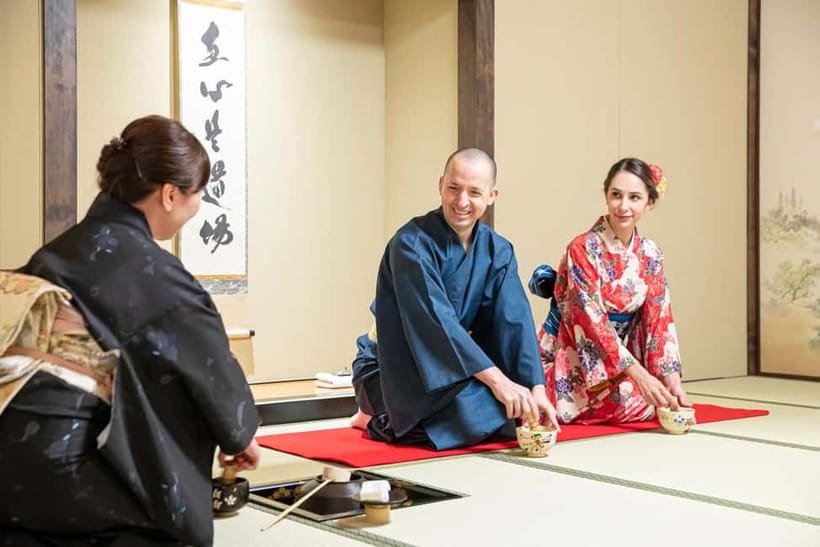
- Learn by making matcha: You watch the tea master first, then whisk your own bowl with high-quality matcha powder.
- Seasonal wagashi are served: The Japanese sweets change in flavor, shape, and color throughout the year.
- English guidance throughout: Staff explain the history, tools, manners, and Zen principles in clear English.
- Comfort is flexible: Tatami seating is customary, but bamboo chairs can be requested ahead of time.
Why this Kyoto tea ceremony works so well
Kyoto offers endless temples, gardens, and old streets, but many cultural traditions are easier to admire than understand. This activity gives you a guided way into one of Japan’s most carefully ordered customs.
The tea ceremony is not just about drinking powdered green tea. Each movement has a purpose. The placement of the utensils, the way the bowl is handled, and the quiet attention given to the guest all reflect ideas of harmony, respect, purity, and tranquility.
You will hear these principles described as Wa, Kei, Sei, and Jaku. That explanation gives the ceremony a useful frame. Instead of watching a sequence of unfamiliar gestures, you begin to see why the room is arranged as it is and why the process moves at such a measured pace.
I also like that the experience does not require you to already know Japanese etiquette. The English-speaking instructor explains what you are seeing and tells you what to do when it is your turn. Hosts such as Maki and Megumi have been praised for their calm, friendly instruction, and the staff generally take care to speak slowly enough for everyone to follow.
More Kimono and Tea Ceremonies in Kyoto
- Kimono Tea Ceremony at Kyoto Maikoya, NISHIKI
★ 5.0 · 911 reviews - Kyoto: Kimono Tea Ceremony at Orizuruya Gion
★ 4.9 · 618 reviews - KYOTO Tea Ceremony with kimono near by Imamiya Jinjya Shrine
★ 5.0 · 343 reviews
Choosing a kimono before the ceremony
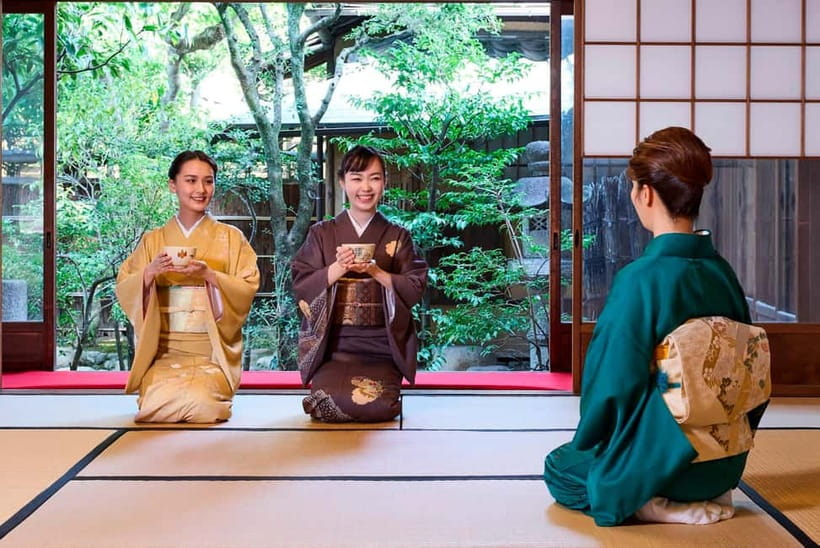
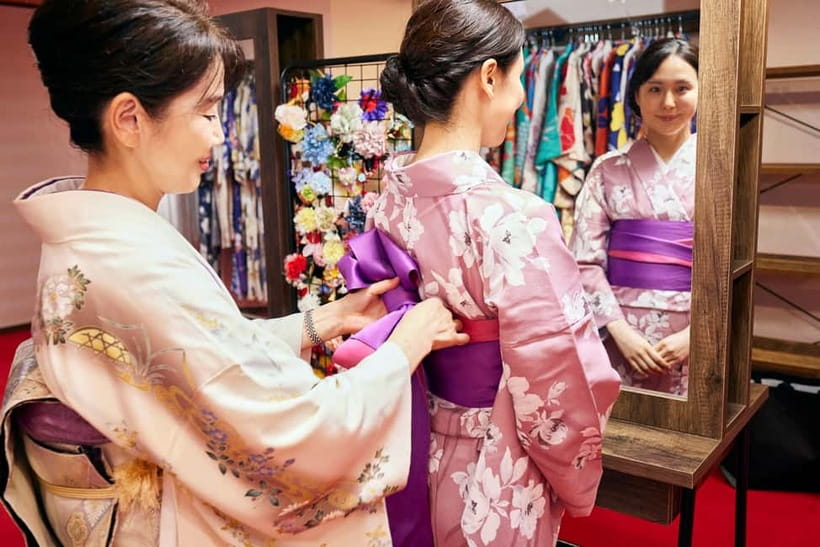
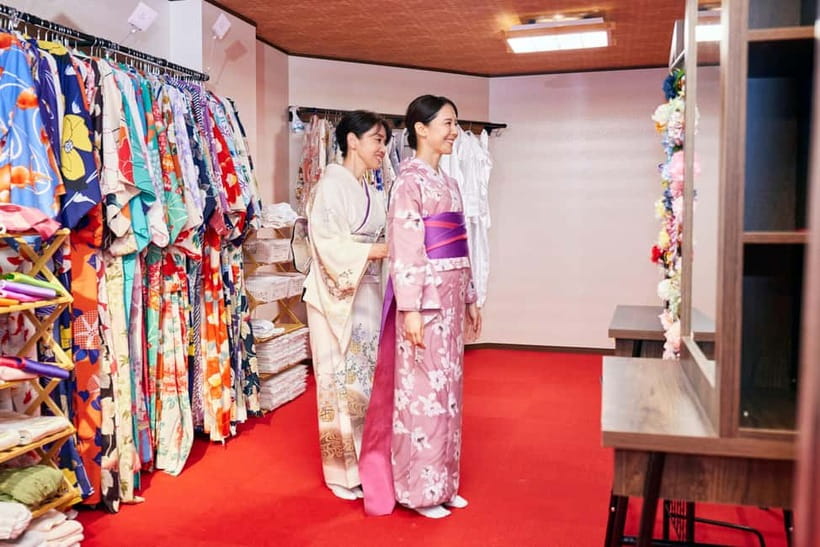
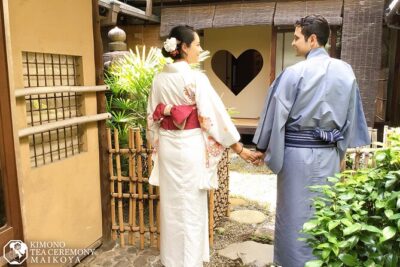
Your visit begins with the kimono, not the tea. Staff help you choose an outfit and dress you properly, including the obi belt and traditional socks. The selection includes different sizes, colors, and patterns, so you have some control over the look rather than being handed a standard costume.
For many people, this is the most immediately enjoyable part. You are not simply putting on a robe for a quick photograph. The layers, belt, and careful arrangement make the clothing feel connected to the ceremony that follows.
Women with long hair receive hair styling as part of the experience. You may also be able to choose decorative flowers for the hairstyle. This small detail matters in photographs, and several participants have particularly liked the polished final appearance.
The dressing process is efficient, though it can feel quick. If you want to apply makeup, adjust your hair, or take your time choosing a pattern, arrive prepared and do not expect a long styling appointment. The staff are attentive, but the schedule has to keep moving.
Once dressed, you have time for photographs. Some sessions provide opportunities to pose around the venue, and one participant noted that the kimono could be worn for a period after the ceremony. Confirm the exact arrangement on the day, since the supplied information guarantees the dressing and ceremony but does not promise a fixed amount of walking or photo time afterward.
Inside the traditional tea room
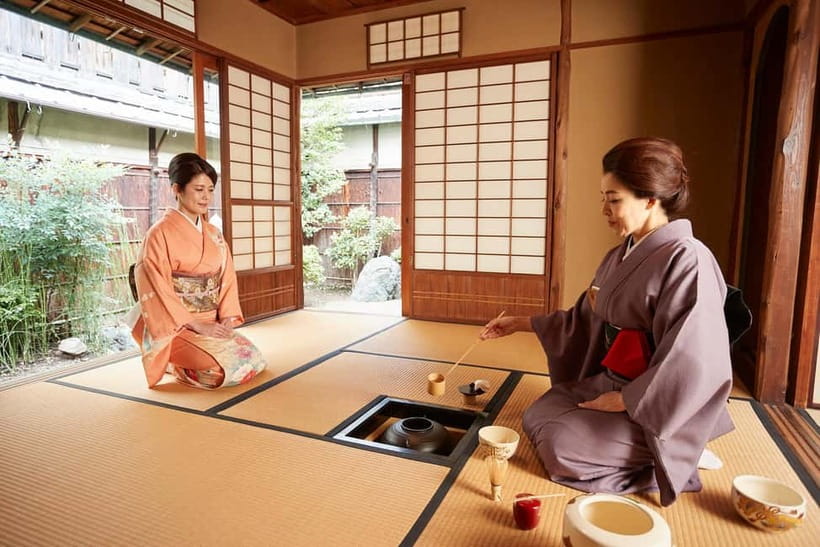
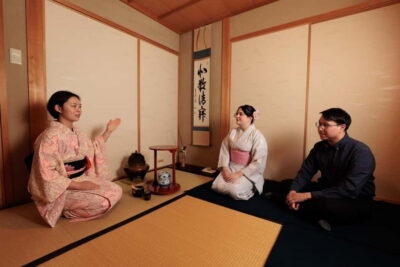
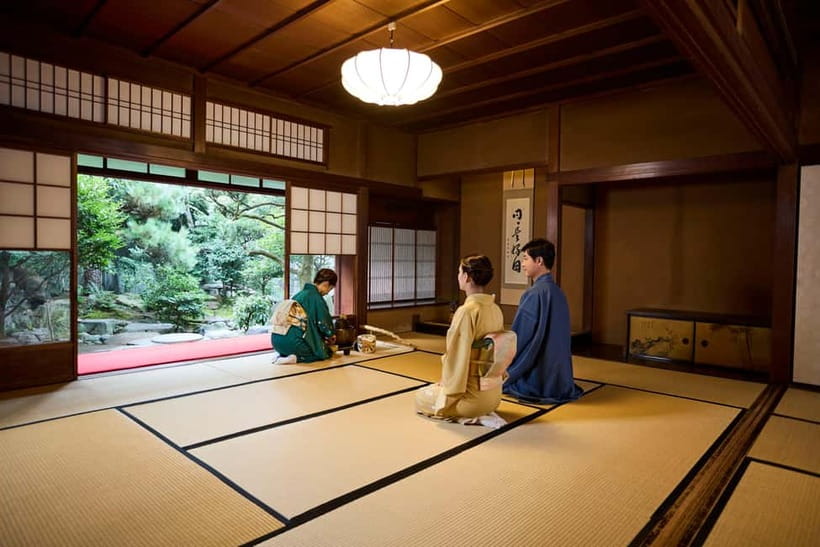
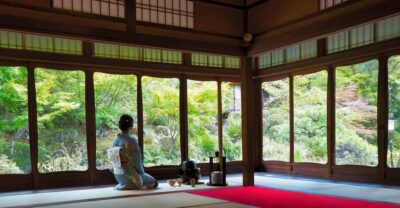
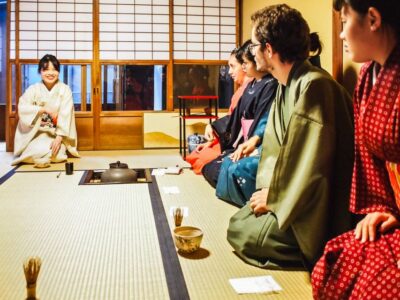
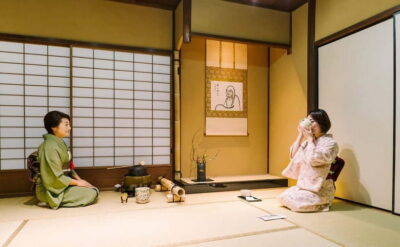
After dressing, you enter a traditional tea room with the utensils carefully arranged for the ritual. The room and the tatami flooring help create the right setting, but you do not need to be an expert in Japanese sitting etiquette.
Sitting on tatami mats is customary. If that is uncomfortable, bamboo chairs are available by advance request. You can also sit in the way that feels manageable for you. This is important because the ceremony can last longer than the advertised 90 minutes, with some sessions running up to two hours.
The group size can vary. A booking may be a very small session, while combined bookings can bring the number to around 12 to 14 participants. A small group allows for more personal attention and easier photographs. A larger group still works for the demonstration, but your turn to ask questions or receive individual help may be shorter.
The room is designed for quiet concentration, not spectacle. You will hear the instructor explain the implements and show the correct sequence. This makes the experience more useful than simply renting a kimono and posing in it, since you learn how the clothing fits into a larger cultural practice.
Watching the tea master work
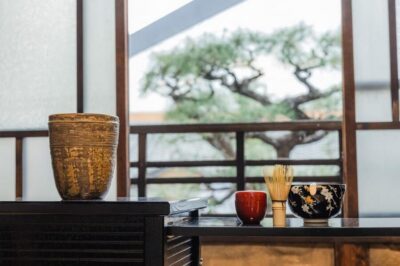
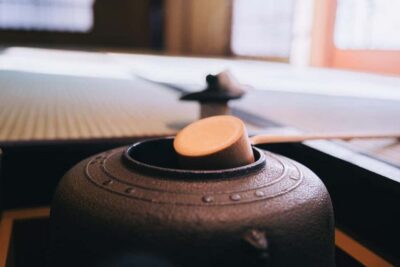
The tea master first demonstrates how the tea is prepared. You will see the matcha powder, bowl, whisk, and other utensils used in a deliberate order.
The instructor explains the manners connected with the bowl and the purpose behind the gestures. This is where the English guidance makes a real difference. Without explanation, a tea ceremony can look beautiful but puzzling. With guidance, details that might seem fussy begin to make sense.
The teaching style is friendly rather than severe. You are not expected to perform every motion perfectly. The staff focus on helping you understand the tradition and take part with care.
Several hosts have been praised for their patience and clear delivery. Maki, Megumi, and other instructors have made the session comfortable for people with no prior experience. If you are worried about making a mistake, you can relax. The activity is meant to teach you, not test you.
More Matcha Experiences in Kyoto
- Kyoto: Arashiyama Bamboo Forest, Monkeys, Matcha & Temple Tour
★ 5.0 · 759 reviews - Kyoto: Tea Ceremony Meditation – Make Matcha with Tea Master
★ 4.8 · 406 reviews - Kyoto: Arashiyama Bamboo, Temple, Matcha, Monkeys & secret spots
★ 5.0 · 219 reviews - Kyoto Matcha Green Tea Tour
★ 4.7 · 28 reviews
Making your own bowl of matcha
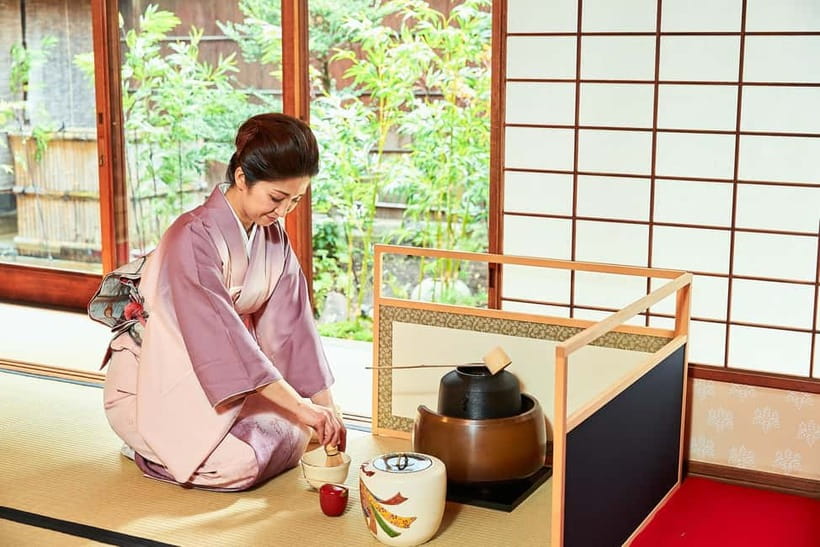
After watching the demonstration, you prepare your own matcha using premium matcha powder. You will learn how to combine the tea and water, then whisk it until it forms a light, creamy froth.
This hands-on section is a major reason to choose this experience over a simple kimono photo session. You are not only watching a professional. You take part in the process and leave with a practical understanding of how matcha is made.
The activity is also more relaxed than a strict formal ceremony. You can ask questions, follow the instructor’s pace, and enjoy the satisfaction of creating the drink yourself.
There is a small tradeoff. If you want the most formal possible tea ceremony, you may prefer to have a tea master prepare and serve every bowl. Here, participation is central. That makes the experience more accessible and fun, but it also means the ritual is partly presented as a workshop.
Seasonal wagashi and the taste of Kyoto
Your matcha is served with wagashi, traditional Japanese sweets. These are not generic packaged treats. Their colors, flavors, and designs change with the season.
The sweet is served alongside the bitter matcha for a reason. The sugar prepares your palate for the tea, making the matcha taste smoother and less sharp. The seasonal designs also connect the small snack to the time of year.
This detail gives the ceremony a sense of place and time. A spring visit, an autumn visit, and a winter visit may not feel exactly the same because the sweet selection changes.
The portion is part of a tea ritual, not a full meal. Eat beforehand if you need lunch or breakfast, especially if you book a morning session. You receive a traditional sweet and matcha, but the activity is not designed to replace a meal.
What the Zen principles add
The four ideas introduced during the ceremony are Wa, Kei, Sei, and Jaku:
- Wa, harmony: The host, participant, room, utensils, and tea work together.
- Kei, respect: You show care toward the host, the tea, the tools, and the other people in the room.
- Sei, purity: Clean utensils and orderly movements support a clear mind.
- Jaku, tranquility: The finished ceremony creates a quiet pause from the noise of the city.
You do not need a background in Buddhism or Japanese philosophy to appreciate this section. The ideas are explained through the actions in front of you, which makes them easier to grasp.
For me, the strongest part is the change of pace. Kyoto sightseeing can involve crowded lanes, busy temples, and long days on your feet. Here, you sit down, listen, and focus on a single bowl of tea. The ritual gives you a short break without removing you from Japanese culture.
How much value do you get for $66?
At $66 per person, the activity is not the cheapest way to drink matcha in Kyoto. You can buy green tea for far less. The price makes more sense when you count everything included: kimono dressing, hair styling for women with long hair, instruction, the tea ceremony, matcha preparation, wagashi, and English assistance.
A kimono rental on its own can be useful if your main aim is photography. This experience adds cultural instruction and a structured activity, so you are paying for more than clothing.
The value is strongest if you want three things at once:
- A traditional Japanese outfit
- A guided cultural lesson
- A calm activity that does not require travel outside Kyoto
The price is less attractive if you only want a long period of independent sightseeing in a kimono or a full meal with tea. The formal dressing takes part of the schedule, and the ceremony itself may feel brief to someone mainly interested in clothing.
The high 4.9 rating from 249 bookings fits the activity’s strengths: friendly staff, attractive kimonos, clear explanations, and a relaxed setting. The main criticism is useful, too. One participant felt slightly overdressed while making the tea and would have preferred a ceremony in which the tea master served the drink. That is a fair point, and you should choose this activity because you want to participate, not just observe.
Who should book this experience?
This is a good choice for first-time visitors to Japan who want a simple introduction to tea ceremony customs. You do not need previous knowledge, special clothing, or Japanese language ability.
It also suits couples, friends, and families with children aged seven and older. One participant described it as a fun surprise for a spouse, while others enjoyed taking photographs together in traditional dress.
Photography matters here. The kimono, hairstyle, tea room, and seasonal sweets all create memorable images. Bring a camera or phone, but remember that the clothing is the center of the picture. Choose a pattern that feels comfortable and make use of the photo time before or after the ceremony.
This may not suit children under seven, since they are not permitted. It may also be a poor fit if sitting on tatami is difficult and you do not arrange a bamboo chair in advance.
Practical details before you go
Plan on 90 minutes, but allow up to two hours. The activity begins with kimono dressing, so do not arrive expecting to enter the tea room immediately.
Transportation is not included. You need to make your own way to the venue in Kyoto, and the booking information does not provide transportation to or from the activity.
English instruction is provided, with bilingual staff assistance during the dressing and ceremony. The teaching is intended for international participants, and the hosts explain the process in clear terms.
Request a bamboo chair before arrival if you prefer not to sit on tatami. This is much better than hoping one will be available at the last moment.
The activity allows cancellation up to 24 hours before the start time for a full refund, and you can reserve now and pay later. Those options help if your Kyoto schedule is still changing, but you should still check the available starting times before planning other sightseeing.
Should you book it?
Book this Kyoto kimono tea ceremony if you want a polished cultural introduction with plenty of guidance and photographs. The kimono fitting, seasonal wagashi, calm tea room, and hands-on matcha preparation create a fuller experience than a standard costume rental.
Choose something else if you want a highly formal ceremony with no audience participation, a full meal, or a long independent walk around Kyoto in rented clothing.
For most first-time visitors, I think the $66 price is reasonable. You get a meaningful explanation of tea ceremony customs, a chance to wear traditional dress, and a quiet pause in a busy sightseeing schedule. Request the chair ahead of time, allow two hours, and come ready to whisk your own matcha.
FAQ
How long does the Kyoto kimono tea ceremony last?
The experience is advertised as 90 minutes, but the tea ceremony and dressing process can take approximately 90 to 120 minutes.
What is included in the price?
The price includes kimono dressing, a traditional tea ceremony led by a tea master, hands-on matcha preparation, Japanese sweets, bilingual staff assistance, and hair styling for women with long hair.
Is the experience conducted in English?
Yes. The instructor provides English guidance, and bilingual staff assist with the activity.
Can I choose my own kimono?
Yes. You can choose from available kimonos and obi belts, with staff helping you select and dress appropriately.
Are children allowed to participate?
Children under seven are not allowed to join this experience.
Can I sit on a chair instead of the tatami floor?
Yes. Bamboo chairs are available for participants who prefer not to sit on tatami, but you need to request one in advance.
Is transportation included?
No. Transportation to and from the venue is not included.
More Tea Ceremonies in Kyoto
- Kyoto: Tea Ceremony in a Traditional Tea House in Kiyomizu
★ 4.9 · 3,519 reviews - Kyoto: Tea Ceremony Ju-An at Jotokuji Temple
★ 4.9 · 3,207 reviews - Kyoto: 45-Minute Tea Ceremony Lesson Experience
★ 4.3 · 2,378 reviews - Kyoto: Table-Style Tea Ceremony at a Kyo-Machiya
★ 4.9 · 1,211 reviews
Just added around Kyoto
- Uji Walking Tour – Byodo-in temple and Tea Ceremony from Kyoto★ 3.5 · 3 reviews
- Tea ceremony at Kyoto’s Zen Temple Teahouse★ 5.0 · 2 reviews
- Kyoto: Authentic Tea Ceremony in a Small Group★ 5.0 · 7 reviews
- Tea Ceremony in 150 Years Old Townhouse with Tables and Chairs★ 5.0 · 22 reviews
- Tea Ceremony Experience in Traditional Kyoto Townhouse★ 5.0 · 19 reviews
- Traditional Tea Ceremony in Kyoto★ 4.5 · 3 reviews
- Silent Beauty of Kyoto Zen Walk and Tea Experience★ 5.0 · 2 reviews
- Kyoto Private Tea Ceremony at a Japanese Inns★ 5.0 · 12 reviews
Tea Ceremonies in Kyoto, compared.
Tea Ceremony in a Traditional Tea House in Kiyomizu
Read our review →
Tea Ceremony in 100-year-old Kyo-Machiya Townhouse
Read our review →