Review · TOKYO
Tokyo: Private Tea Ceremony with Matcha and Sweet
A small ritual can explain a country.
This one-hour tea ceremony near teamLab Planets gives you a calm, personal introduction to Japanese tea culture. I like the private group setting, which makes it easier to ask questions and follow the demonstration, and I like that you make your own matcha rather than simply watch someone else prepare it. You also taste seasonal wagashi and learn how matcha changes from light to strong.
The main consideration is the short format. One hour is enough for a thoughtful introduction, but not a full study of tea practice. The experience also uses real matcha with both sweetness and bitterness, so it may not suit you if you dislike green tea, have food allergies, or are pregnant.
Key details before you book
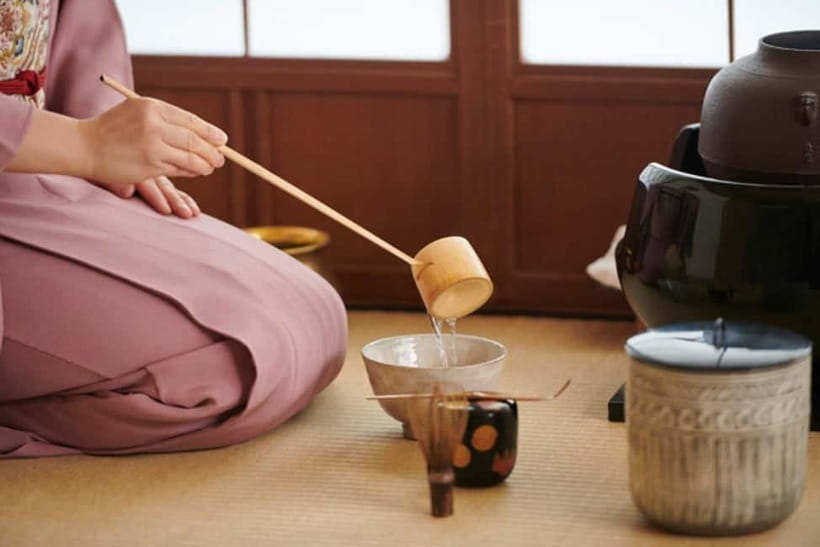
- The meeting point is Toyosu Cultural Center: The tea room is on the eighth floor, one minute from Exit 7 of Toyosu Station on the Tokyo Metro Yurakucho Line and one minute from the Toyosu Station stop on the Yurikamome Line.
- You prepare your own matcha: The instructor first demonstrates the process, then helps you make matcha using organic matcha powder, mainly selected from Uji in Kyoto.
- The ceremony is taught in English: You learn about tea manners, the background of the ceremony, nutrition, and the pleasure of drinking matcha.
- Seasonal wagashi are included: These traditional Japanese sweets are made by famous confectioners and are served with the tea.
- You also make a matcha dessert: This gives you a useful way to compare stronger and weaker matcha.
- You do not need to sit perfectly upright: Comfortable clothing and socks are recommended, and the experience is designed to be manageable even if formal sitting is difficult.
Entering the Toyosu Cultural Center tea room
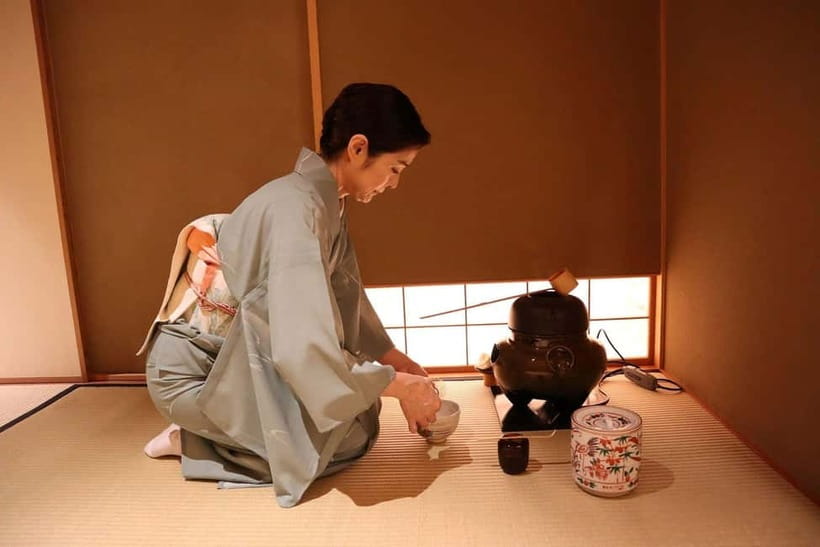
The experience starts at the Toyosu Cultural Center, not at teamLab Planets itself. The tea room is on the eighth floor, and the station access is unusually simple for Tokyo: about one minute from Exit 7 of Toyosu Station on the Tokyo Metro Yurakucho Line, or one minute from the Toyosu Station stop on the New Transit Yurikamome Line.
That easy meeting point matters. You do not need to search through a hotel lobby or find a tucked-away shop in a crowded shopping district. Give yourself enough time to reach the cultural center, find the elevator, and arrive without rushing. A tea ceremony is a poor place to make a dramatic entrance.
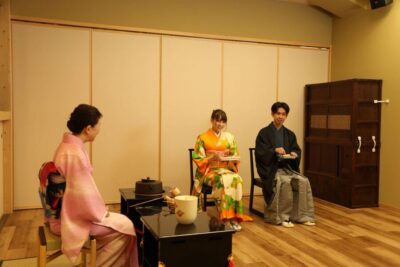
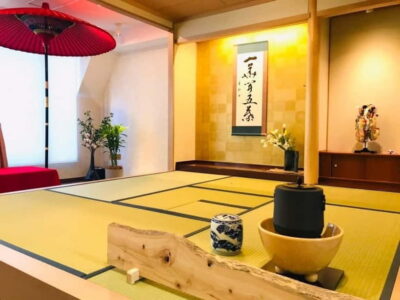
You should wear comfortable clothes. Socks are required, so do not arrive barefoot in sandals. The setting is a traditional tea room, but you are not expected to hold a perfect formal posture for an hour. The activity specifically notes that it is fine if you cannot sit upright, which makes this more approachable than a highly formal ceremony.
The private group format is another practical advantage. You receive direct instruction rather than trying to see a demonstration over a large crowd. If you are curious about why a bowl is handled in a certain way, or how strong the tea should be, you have a better chance to ask while the lesson is happening.
More Matcha Experiences in Tokyo
- Matcha Making Class in Tokyo with Authentic Japanese Sweets Set
★ 5.0 · 744 reviews - Tokyo: Matcha Making Experience with Mochi Sweets in Asakusa
★ 4.9 · 388 reviews - Asakusa Cultural Walk & Matcha Making Tour
★ 5.0 · 245 reviews
A one-hour introduction to Japanese tea culture
The session begins with a lecture covering the background, manners, nutrition, and everyday enjoyment of tea ceremony. This part gives useful context before you pick up the whisk. Without it, the movements can look like a string of precise gestures. With it, you begin to understand that the actions communicate care, attention, and respect for the person being served.
The instructor is certified by Urasenke, the largest school of Japanese tea ceremony, and teaches in English. That combination is important if you want more than a photo opportunity. You can ask questions in a language you understand, while still learning within an established tea tradition.
The lesson also explains how to drink matcha properly. You learn that the ceremony is not only about making a powdered drink. The bowl, the sweet, the timing, the movements, and the manner of drinking all form part of the experience.
The nutrition discussion adds a modern angle. Matcha is made by drinking the powdered tea itself rather than steeping leaves and discarding them. You do not need to treat the session as a health class, but the explanation helps connect an old custom with the way matcha is enjoyed today.
Watching the demonstration before making your own tea
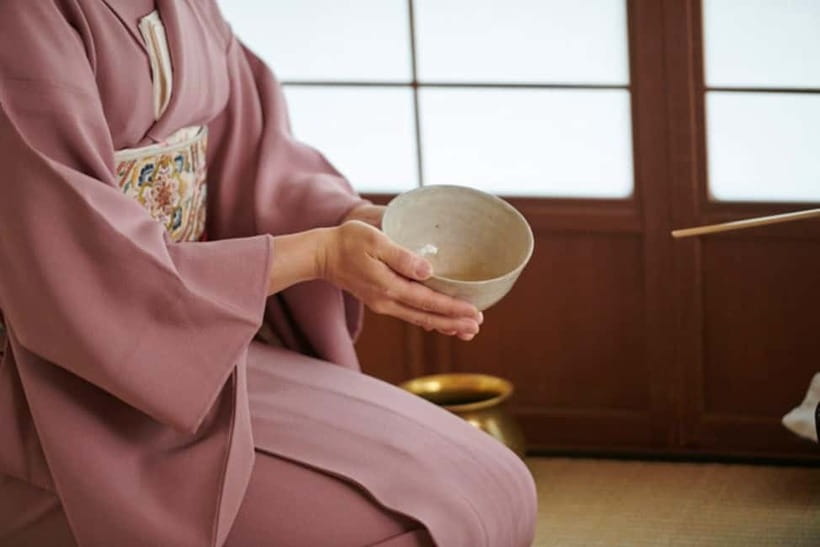
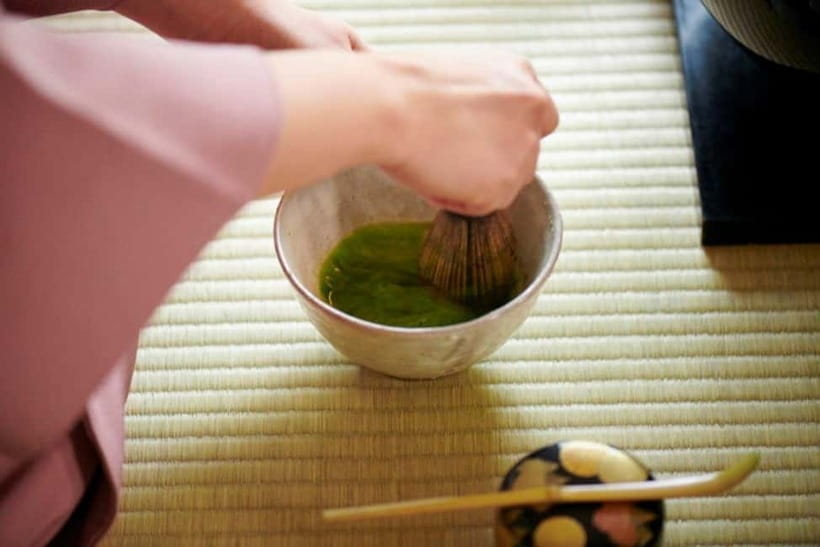
The instructor demonstrates the ceremony before you try it. Watch the order of the actions closely, because the demonstration makes your own turn much less intimidating. You will see how the tea is prepared and how the bowl is handled, then repeat the basic process with guidance.
This is the part I especially like for first-time visitors. A formal tea ceremony can feel mysterious when you only sit and observe. Making your own matcha turns the lesson into something physical and memorable. You are not just hearing about Japanese manners. You are practicing them.
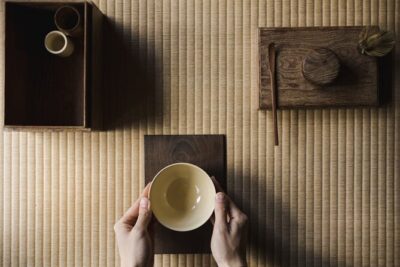
The matcha is described as organic and 100 percent matcha, with powder selected mainly from Uji in Kyoto. Uji has a major place in Japan’s tea culture, so the source gives the tasting a clear regional connection. The important point for you is flavor. This is not a sweet green tea drink designed to hide the tea itself.
Expect aroma, sweetness, and bitterness. The balance may change depending on how strongly the matcha is prepared. If your usual experience is a sugary café matcha, this will taste more direct and more layered. If you already enjoy unsweetened green tea, you will probably appreciate the chance to compare the powder in a traditional setting.
Tasting wagashi with matcha
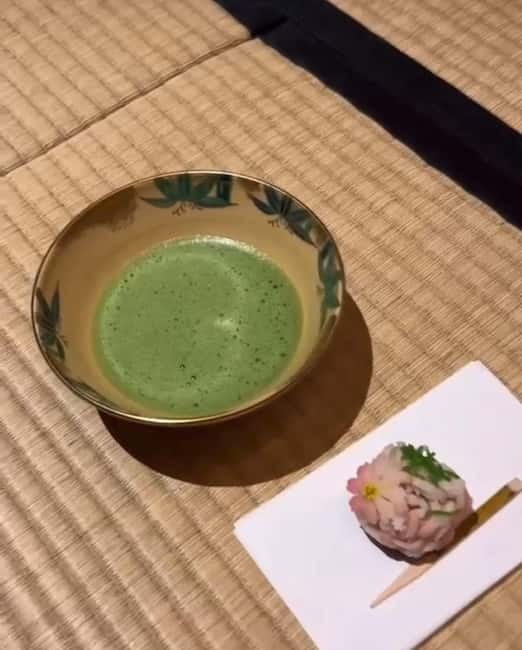
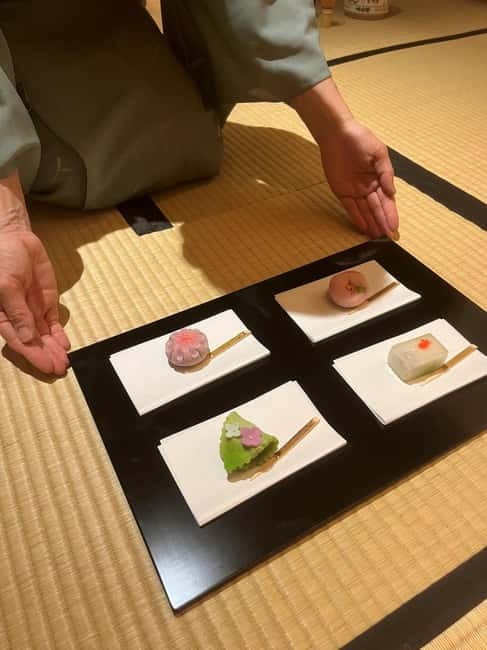
Traditional seasonal wagashi are included with the tea. These Japanese sweets are made by famous confectioners and are intended to be enjoyed alongside matcha.
The sweet is not just a snack placed beside the bowl. Its sweetness helps prepare your palate for the tea’s bitterness. The pairing gives you a simple lesson in balance: the wagashi is delicate and sweet, while the matcha is grassy, aromatic, and at times sharp.
Seasonal wagashi also add a visual element to the ceremony, although the exact sweet can vary. You may find the ceremony more memorable because of this small detail. The sweet connects the session to Japanese attention to season and presentation without turning the hour into a long lecture.
If you have a food allergy, do not book this activity. The included sweets and dessert mean that food is a central part of the experience, and the activity is specifically listed as unsuitable for people with food allergies. Pregnant women and children under four are also listed as unsuitable.
More Private Tea Experiences in Japan
- Tea Ceremony Experience in a Private Tea Room in Shibuya
★ 4.9 · 125 reviews - Private Tea Ceremony and Sake Tasting in Kyoto Samurai House
★ 5.0 · 163 reviews - Kyoto: Private Tea Ceremony with a Garden View
★ 4.9 · 61 reviews - Kyoto Private Tea Ceremony with Tea Master at Home
★ 5.0 · 58 reviews
Comparing light and strong matcha
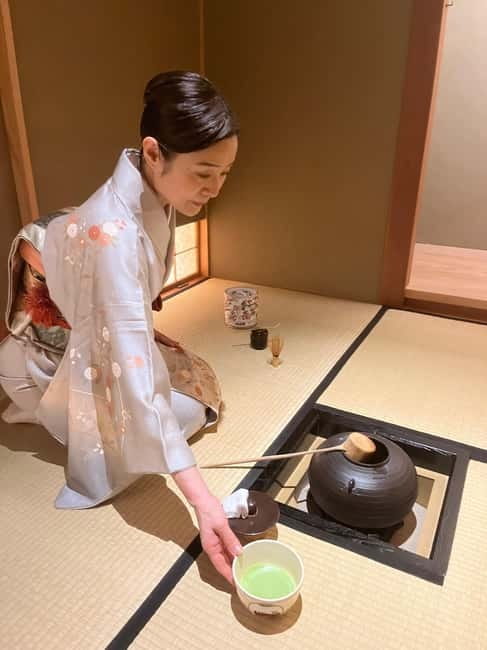
The session goes beyond one bowl of tea. You make a matcha dessert and learn the difference between strong and weak matcha.
This comparison is useful because matcha is not a single fixed flavor. The amount of powder and the way it is prepared affect the strength, aroma, bitterness, and sweetness you notice. A weaker preparation may feel gentler, while a stronger one gives the tea more force. The dessert offers another way to understand how matcha works with sweetness.
You may find this portion particularly helpful if you want to continue enjoying matcha after your visit. It gives you vocabulary for what you taste rather than leaving you with the vague impression that one bowl was good or bad.
The lesson remains an introduction, not a professional cooking class. You are making a matcha dessert as part of the tea experience, so the value comes from tasting and comparing rather than taking home a large recipe collection.
A final photo and a useful memory
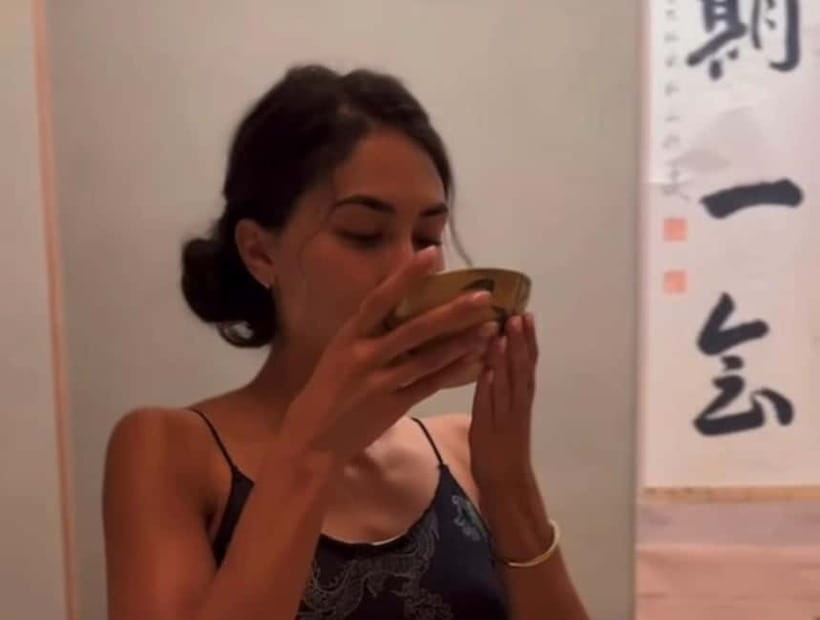
The activity ends with a photo to remember the ceremony. This may sound like a small extra, but it gives the hour a clear closing point. You can leave with a record of yourself in the tea room rather than relying on memory alone.
The photo also suits the experience better than a hurried snapshot outside a busy attraction. You have spent time learning the motions, tasting the tea, and making the dessert. A final picture captures the setting and the personal side of the lesson.
The activity is near teamLab Planets, so it can fit neatly into a Toyosu day. The meeting point is the Toyosu Cultural Center, and transportation to and from the activity is not included. You will need to arrange your own route, but the short walk from the two Toyosu rail options keeps the logistics simple.
Is $50 good value for one hour?
At $50 per person, this is not the cheapest way to drink matcha in Tokyo. You can find tea and sweets for far less. The value here comes from the private instruction, English-language teaching, demonstration, hands-on preparation, seasonal wagashi, dessert making, and photo.
I would consider the price fair if you want a cultural lesson rather than a beverage stop. You are paying for access to an instructor certified by Urasenke, a private setting, and a structured introduction to manners and preparation. The experience also removes much of the uncertainty that can surround a formal tea ceremony for a first-time visitor.
The calculation changes if you only want to taste matcha. In that case, an hour of instruction may feel like more than you need. You should also remember that transportation and personal expenses are not included, though the station access helps keep additional costs modest.
The one-hour length works well for a busy Tokyo schedule. You can fit it between other Toyosu plans without giving up half a day. The tradeoff is that you will get a clear beginning, middle, and end rather than an extensive study of tea schools, utensils, or ceremony styles.
What the strongest praise tells you
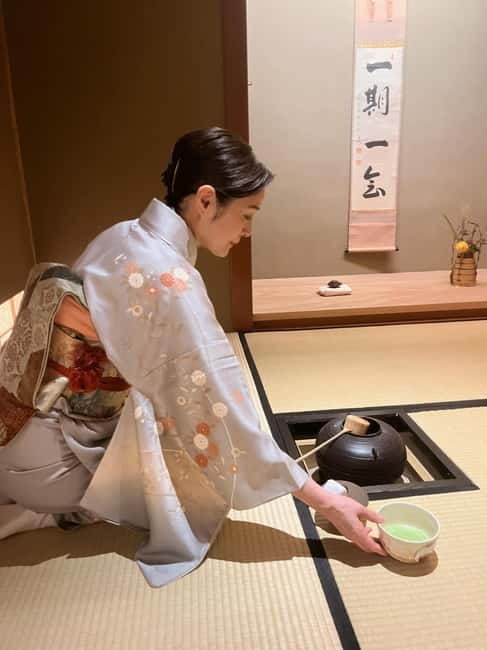
The most positive feedback centers on the human quality of the lesson. One verified booking described the experience as culturally and personally delightful, with every moment feeling pleasant, delicate, and interesting. That is a useful clue about the tone: this is intended to be gentle, attentive, and welcoming rather than stiff.
Another verified booking specifically praised Mariko and called the activity a lovely introduction to traditional tea ceremony. If Mariko is leading your session, you can expect a personal connection to be part of the experience. Instructor availability can vary, so you should not assume a particular teacher unless the booking details confirm it.
The two available ratings are both five out of five. That is encouraging, especially for an intimate activity where the instructor’s approach matters greatly. It is still a small number of ratings, so I would treat the score as a positive signal, not a guarantee that every visitor will have the same response.
Who should book this tea ceremony?
I would recommend it to you if:
- You want a structured first look at Japanese tea ceremony.
- You prefer a private group over a large class.
- You enjoy learning by doing.
- You want English instruction.
- You are planning time around Toyosu or teamLab Planets.
- You are curious about the taste of real matcha, including its bitterness.
- You want a cultural activity that takes only one hour.
It is also a good choice for you if you like small details. The movements, the pairing of wagashi, the contrast between strong and weak matcha, and the final photo give the session more substance than a simple cup of tea.
I would hesitate if you want a long, highly formal ceremony with extensive historical instruction. The hour is compact. I would also avoid it if you dislike matcha bitterness, have food allergies, are pregnant, or are bringing a child under four.
Practical tips for a smoother visit
Arrive dressed comfortably and wear socks. Formal posture is not required, but clothes that allow you to sit and move easily will make the session more pleasant.
Bring a camera if you want to record the final photo or details of the tea room. Do not let photography distract you from the demonstration, since the gestures are easiest to follow when you watch them directly.
Plan your route to the Toyosu Cultural Center before leaving. The center is close to both Toyosu rail connections, but Tokyo stations can still take time to navigate. The meeting point is the eighth-floor tea room, so allow a little margin rather than arriving at the last second.
Keep your palate open to bitterness. The matcha is selected for quality and served as real tea, not as a sweetened novelty drink. The wagashi helps balance it, and the comparison of strong and weak preparations gives you a better sense of what you are tasting.
Should you book it?
Book this experience if you want a friendly, hands-on introduction to Japanese tea ceremony in a private English-language setting. The best reasons are the direct instruction, the chance to make your own matcha, the seasonal wagashi, and the extra matcha dessert lesson.
Skip it if your main goal is a quick sweet drink, or if the listed food and health restrictions apply to you. For everyone else, $50 is a reasonable price for a focused cultural hour, especially if you are already spending time in Toyosu. It will not make you a tea master, but it can give you a much better understanding of what is in the bowl and why the ceremony is performed with such care.
FAQ
Where does the tea ceremony take place?
It takes place in the eighth-floor tea room at Toyosu Cultural Center in Tokyo.
How close is the meeting point to Toyosu Station?
The tea room is about one minute from Exit 7 of Toyosu Station on the Tokyo Metro Yurakucho Line and about one minute from the Toyosu Station stop on the New Transit Yurikamome Line.
How long does the experience last?
The tea ceremony lasts one hour.
Is the activity conducted in English?
Yes. The instructor teaches in English.
Is this a private activity?
Yes. It is offered for a private group.
What will I learn during the ceremony?
You will learn about the history, nutrition, manners, and enjoyment of tea ceremony, as well as how to drink matcha.
Will I make my own matcha?
Yes. You watch a demonstration and then make your own matcha using organic matcha powder.
Are Japanese sweets included?
Yes. Traditional seasonal Japanese sweets called wagashi are included.
Will I make anything besides matcha?
Yes. You will make a matcha dessert and learn the difference between strong and weak matcha.
What should I bring and wear?
Bring a camera, wear comfortable clothes, and wear socks. It is acceptable if you cannot sit upright.
Is transportation included?
No. Transportation to and from the activity is not included.
Can I cancel for a full refund?
You can cancel up to 24 hours in advance for a full refund.
More Private Tea Experiences in Tokyo
- One-Day Hangzhou Dragon Well Tea Culture & West Lake Private Tour
★ 5.0 · 98 reviews - Tangier Private Tour with a Local Writer (Includes Tea & Sweet)
★ 5.0 · 52 reviews - Osaka: Private Tea Ceremony and Calligraphy Experience
★ 5.0 · 50 reviews - Private Tour: Royal High Tea At Kensington Palace Gardens
★ 5.0 · 39 reviews
More Tea Ceremonies in Tokyo
- Kimono Tea Ceremony at Tokyo, Asakusa Maikoya
★ 5.0 · 638 reviews - Tokyo: Traditional Tea Ceremony with a Tea Master
★ 5.0 · 528 reviews - Tea Ceremony Workshop in Tokyo by the Experienced Instrucor
★ 5.0 · 189 reviews - Asakusa: Kimono Tea Ceremony with Matcha and Sweet
★ 4.9 · 153 reviews
Just added around Tokyo
- Yokohama : Tea Ceremony with Sweets and Souvenir★ 5.0 · 5 reviews
- Walking Tour: Yanaka,Nezu& Sendagi: Tea Ceremony & Old Tokyo★ 5.0 · 3 reviews
- Private Kimono and tea ceremony at local home near Tokyo Disney★ 5.0 · 6 reviews
- Private Mochi・Matcha sweets Making Class Near Shibuya Area★ 5.0 · 22 reviews
- Tokyo Sweets Tour: Hidden Gems & Matcha at an Old Tea House★ 5.0 · 6 reviews
- Kimono and Tea Ceremony in Asakusa Private Food Tour With Guide★ 5.0 · 4 reviews
- 2 Hours Mochi &Nerikiri Making & Matcha Class in Bunkyo★ 5.0 · 21 reviews
- Tokyo Tea Ceremony Class at a Traditional Tea Room★ 5.0 · 2 reviews
Tea Ceremonies in Tokyo, compared.
Tea Ceremony Workshop in Tokyo by the Experienced Instrucor
Read our review →
Asakusa: Kimono Tea Ceremony with Matcha and Sweet
Read our review →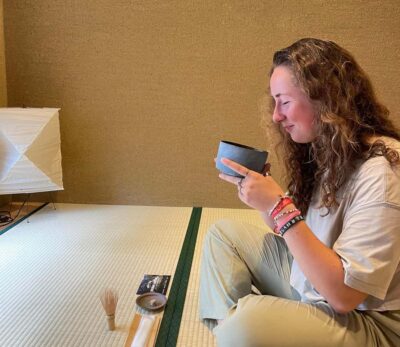
Tea Ceremony Experience in a Private Tea Room in Shibuya
Read our review →