
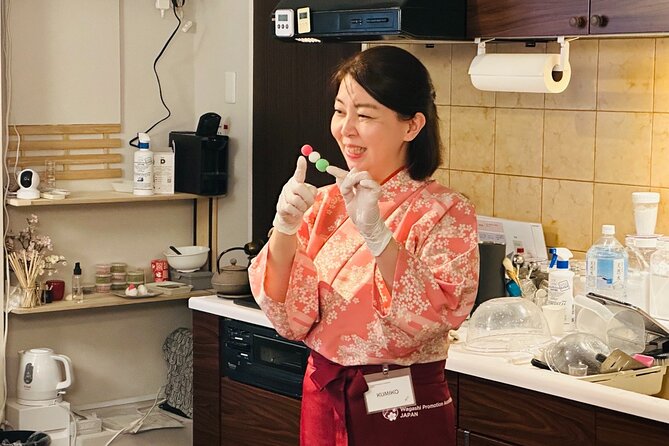
Review · TOKYO
Private Mochi・Matcha sweets Making Class Near Shibuya Area
Fresh mochi beats souvenir sweets. This private class near Shibuya gives you hands-on practice with mochi and nerikiri in an authentic Japanese home, rather than simply watching a demonstration. I especially like the personal instruction and the chance to connect sweets with Japanese culture. The main drawback is the house dog, which makes this a poor choice for anyone with a dog allergy.
The roughly two-hour visit also includes matcha and a simple tea ceremony in the home’s tea room, if you want it. Sakura-san receives strong praise for her patience and warm teaching, while the class size of no more than eight keeps the lesson friendly. Just remember that the activity depends on a minimum number of bookings and suitable weather.
Key points to know before booking
- A private home setting: You make sweets in an authentic Japanese house in Sangenjaya, not a large cooking school.
- Two classic sweets: The class focuses on mochi and nerikiri, with some sessions also featuring strawberry daifuku, dango, and shaved ice.
- Sakura-san’s personal teaching: Her patient, attentive style works well for families and first-time cooks.
- Tea room experience: Matcha is included, and you can take part in a simple tea ceremony.
- Small maximum group: The activity accepts no more than eight people, helping keep instruction personal.
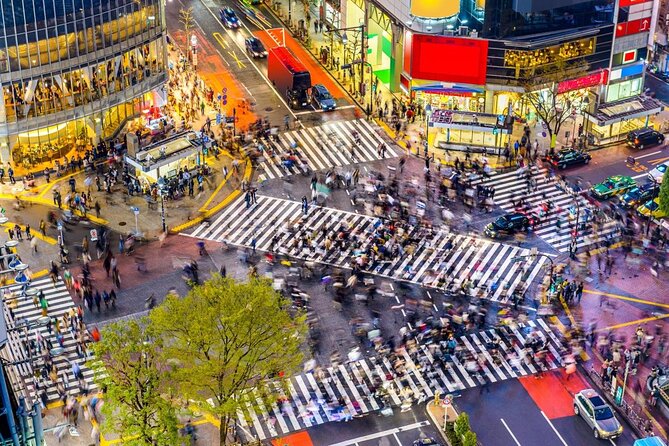
- A useful Tokyo stop: The meeting point is near public transportation in Sangenjaya, within reach of the Shibuya area.
Why this Sangenjaya sweets class feels different
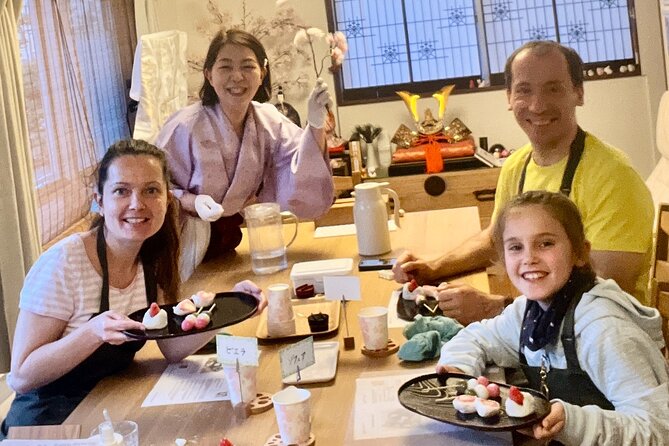
Tokyo has no shortage of food workshops, but this one has a more personal shape. You enter a Japanese home, meet Sakura-san, and learn directly from someone who makes traditional sweets rather than simply presenting a packaged tourist activity.
That setting matters. Mochi is easy to recognize, but harder to understand from a shop window. Here, you can learn about the ingredients, the handling, and the place these sweets hold in Japanese culture. The lesson turns a familiar treat into something with a story and a method.
I like that the class is private and limited to eight people. A small group gives you a better chance to ask questions, receive corrections, and work at a comfortable pace. It also suits a family or a small group of friends who want to share one activity without being folded into a crowded room.
The class lasts about two hours, which is long enough to make the cooking worthwhile without taking over your day. You can schedule it between sightseeing in western Tokyo, though you should allow extra time to reach the Sangenjaya meeting point at 1-chōme-11-13 Sangenjaya, Setagaya City.
More Matcha Experiences in Tokyo
- Matcha Making Class in Tokyo with Authentic Japanese Sweets Set
★ 5.0 · 744 reviews - Tokyo: Matcha Making Experience with Mochi Sweets in Asakusa
★ 4.9 · 388 reviews - Asakusa Cultural Walk & Matcha Making Tour
★ 5.0 · 245 reviews
Arriving in Sangenjaya near the Shibuya area
Sangenjaya gives you a different view of Tokyo from the major sightseeing districts. It is a local neighborhood in Setagaya, and the meeting point is near public transportation. The class information describes the location as an easy walk from the train, with a pleasant residential setting along the way.
That makes this a useful break from central Tokyo’s major roads and department stores. You are not simply stepping into a commercial venue built for short visits. You are going to a home, so the atmosphere is more intimate and informal.
The trade-off is that a private house does not have the same signage or public-facing appearance as a cooking studio. Read the meeting instructions carefully and keep the address available on your phone. The experience includes a mobile ticket, which is handy when you are moving around Tokyo without printed paperwork.
Once you arrive, expect the class to take place in the home’s cooking area and tea room. The exact order can vary, but the central focus is learning how to make mochi or nerikiri, followed by tasting and tea.
Making mochi, not just eating it
Mochi is made from glutinous rice flour and has a soft, stretchy texture that rewards careful handling. The class gives you the chance to see how the sweet is formed and filled, rather than treating it as a mysterious finished product.
The most useful part of this kind of lesson is the physical practice. You get to work with the dough, shape it, and see how small changes affect the final result. A teacher can show you techniques that are hard to pick up from a recipe alone, especially when the mixture feels stickier or more delicate than expected.
The class is designed for beginners. One family described making mochi with a six-year-old child, and another parent enjoyed the session with a son. That does not mean every young child will have the same patience for a cooking lesson, but the format clearly works well for families who want an activity with a shared result.
Several class sessions have included more than one style of sweet. Examples include two kinds of strawberry daifuku, along with shaved ice and dango. The exact menu may vary, so do not book expecting a guaranteed list of three particular desserts, but the format can offer more variety than a single basic mochi.
You should also expect to eat what you make. That sounds obvious, but it changes the class from a craft exercise into a small meal break. The sweets are prepared, served, and tasted while the techniques and cultural background are still fresh.
Nerikiri and the quieter side of wagashi
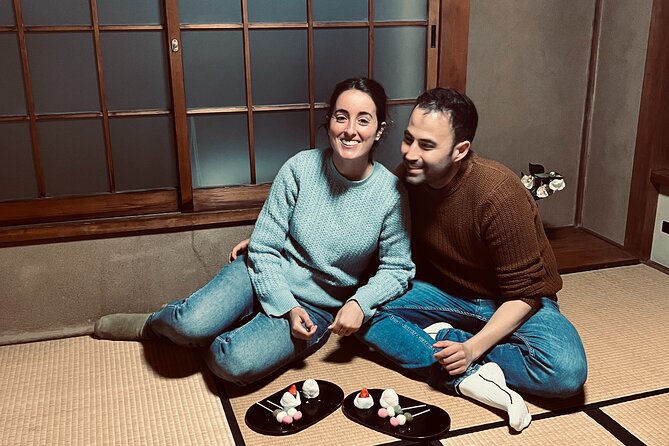
Nerikiri is another traditional Japanese sweet, usually made from a smooth bean-based dough shaped into seasonal or decorative forms. It is often more delicate in appearance than everyday mochi, and the process calls for patience and a light touch.
Learning nerikiri gives you a broader look at wagashi, the Japanese tradition of confectionery. These sweets are not only about sugar. Shape, color, texture, and presentation all matter, and even a small piece can reflect a season or an idea from Japanese culture.
The supplied class information allows for learning mochi or nerikiri, so you should confirm which option is planned when you book or communicate with the provider. If you are especially interested in one of the two, make that preference clear before the class.
This flexibility is useful for repeat visitors to Tokyo or families with different interests. One person might prefer the soft, hands-on work of mochi, while another enjoys the careful shaping of nerikiri. The drawback is that the experience is not described as a fixed menu with every sweet guaranteed at every sitting.
More Tea and Sweets Making in Tokyo
- Make Traditional Nerikiri Sweets & Matcha experience in Shibuya
★ 5.0 · 130 reviews - Sweets Making and Kimono Tea Ceremony at Tokyo Maikoya
★ 5.0 · 57 reviews - Japanese Traditional Sweets making and Tea Ceremony
★ 4.7 · 50 reviews - Mochi Matcha Gluten Free Japanese Sweets Class near Shibuya area
★ 5.0 · 26 reviews
Sakura-san’s teaching style
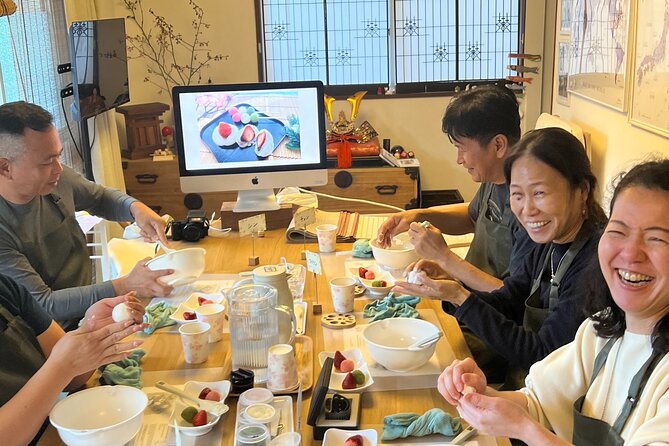
Sakura-san is the name to know. The class is repeatedly praised for being friendly, attentive, and easy for people without Japanese cooking experience. That matters because traditional sweets can seem intimidating when you first handle the ingredients.
The strongest praise centers on patience. You are encouraged to try the techniques yourself, but you are not left to struggle without help. For a parent working with a child, or for anyone who is nervous about getting the shapes right, this gentle approach can make the difference between a fun class and a frustrating one.
Sakura-san also explains the cultural importance of mochi. That context gives the activity more weight than a basic recipe lesson. You learn not only how the sweet is made, but why it matters in Japan and how it fits into local customs.
Along the way, she can offer recommendations for your time in Tokyo. This is a small but valuable extra, especially if you are staying near Shibuya and want ideas beyond the best-known attractions. It is one of the benefits of a private session: you can ask questions that match your own plans.
The class is also described as friendly for people from outside Japan. English ability is not detailed in the provided information, so I would not assume every cooking term will be explained in perfect English. Still, the strong emphasis on clear, beginner-friendly instruction makes the experience a practical choice for international visitors.
Matcha in the home tea room
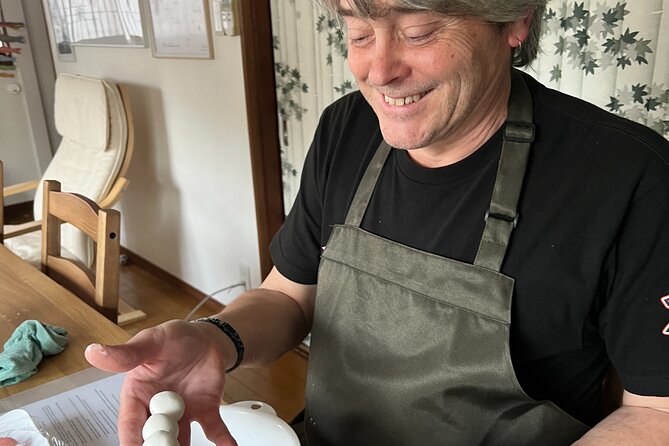
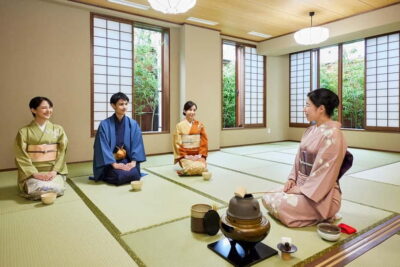
After making the sweets, you can enjoy matcha in the house’s tea room. The tea ceremony is described as simple and optional, so this is not presented as a formal, highly ceremonial school. Instead, it gives you a respectful introduction to the setting and basic experience of Japanese tea.
I like that the matcha is included rather than treated as a separate add-on. It also pairs naturally with the sweets you have just prepared. The slightly bitter tea provides a useful contrast to mochi, bean paste, and other sweet flavors.
If you have never tried matcha, this is a comfortable way to do it. You can ask questions and take your time without needing to understand every rule of a formal ceremony. If you are already familiar with tea ceremonies, you should keep your expectations modest, since this is a simple experience within a cooking class.
The tea room also helps the visit feel connected to Japanese home culture. You are not merely finishing a cooking lesson with a drink. You are seeing how sweets and tea belong together.
The dog, the house, and practical comfort
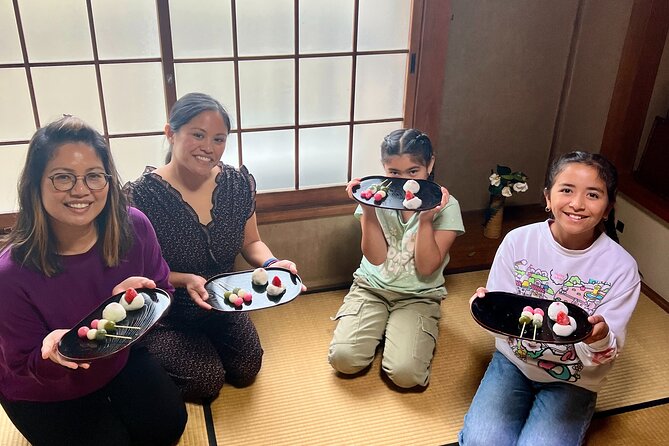
A toy poodle named Choco lives in the house. For many families, especially children, that may be a charming part of the visit. One parent specifically described the dog as a welcome extra.
For anyone with a dog allergy, the advice is clear: skip this activity. Even if Choco is not involved in the cooking, the class takes place in the home, so the setting may not suit you. Service animals are allowed, but you should still consider the presence of the resident dog when deciding if the environment is right.
Because this is a home-based class, you should expect a more personal setting than a commercial kitchen. That can be a major advantage if you want conversation and individual attention. It may be less appealing if you prefer a polished studio with professional facilities and a fixed, large-scale production setup.
The maximum group size is eight. Since the activity is private, this should give your party a sense of control and help prevent the lesson from feeling crowded. Ask about the final group arrangement if you are booking with others and want the class to remain especially intimate.
Is the $78.83 price fair?
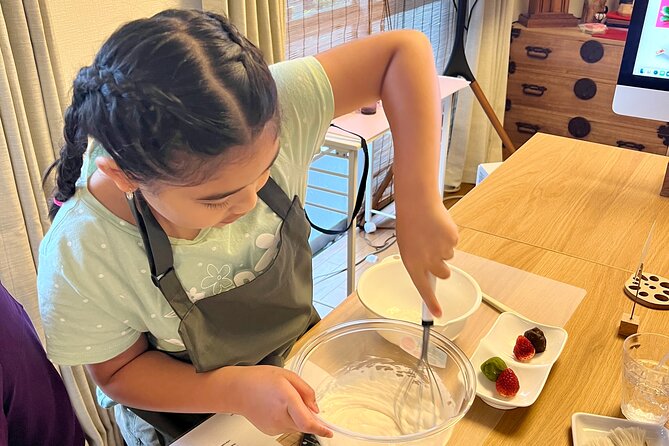
At $78.83 per person, this is not the cheapest food activity in Tokyo. You are paying for more than the ingredients, though. The price covers about two hours of instruction, the sweets you prepare, matcha, access to the tea room, and the personal setting of a private home.
The value improves if you enjoy cultural context and direct guidance. A quick wagashi demonstration may cost less, but it may not give you the same chance to practice, ask questions, and make several sweets yourself. The class also gives you a skill you can try again at home, even if the exact ingredients require a trip to an Asian grocery store.
Group discounts are available, which may make the cost easier to justify for families or small parties. A group of five, for example, can share the experience while keeping the class more personal than a large public workshop.
I would see the price as reasonable for a special Tokyo activity, not as an everyday food stop. It makes the most sense if you value personal teaching, traditional sweets, and a home setting. If you only want to taste mochi, a shop will be cheaper and faster.
Who should book this experience?
This class suits families particularly well. Children can take part in shaping sweets, and the process gives them something active to do. The six-year-old example suggests that younger children can enjoy it, though adults should be ready to help with any fiddly steps.
It also suits couples and small groups who want a calm cultural activity. You can learn together, share the finished sweets, and ask Sakura-san about Tokyo while you work.
First-time visitors to Japan may get the most from the cultural explanation and tea room. Repeat visitors can appreciate the local home setting and the chance to move beyond the usual sushi, ramen, and tempura lessons.
I would be more cautious if you have a dog allergy, want a formal tea ceremony, or expect a strictly fixed menu. The class is warm and flexible, but those features are not its main purpose.
Booking, cancellation, and weather details
Confirmation is sent within 48 hours of booking, subject to availability. The class has a minimum number of participants, and poor weather can also lead to cancellation. If either issue affects your booking, you can be offered another date or experience, or receive a full refund.
You can cancel for a full refund up to 24 hours before the start time. Changes or cancellations made less than 24 hours before the local start time are not accepted for a refund, so avoid scheduling this on a day when your plans are uncertain.
Should you book the Sangenjaya mochi class?
I would book this if you want a personal Tokyo experience with real participation. The combination of mochi or nerikiri making, matcha, cultural explanation, and a home tea room offers more substance than a simple tasting stop.
Book it especially if you are traveling with children, prefer small groups, or want practical recommendations from a local host. Sakura-san’s patient instruction is the main reason this experience works so well for beginners.
Skip it if you have a dog allergy, need a formal tea ceremony, or care more about eating sweets than learning how they are made. For everyone else, the $78.83 cost is fair for two hours of hands-on cooking and a quieter look at Japanese food culture near Shibuya.
FAQ
Where does the mochi and matcha class take place?
The class takes place at an authentic Japanese house near the Shibuya area, at 1-chōme-11-13 Sangenjaya, Setagaya City, Tokyo 154-0024, Japan.
How long does the experience last?
The experience lasts approximately two hours.
What sweets can I learn to make?
You can learn to make mochi or nerikiri. Some class sessions have also included strawberry daifuku, shaved ice, and dango.
Is matcha included?
Yes. Matcha is included as part of the experience.
Is there a tea ceremony?
The house has a tea room, and you can take part in a simple tea ceremony if you want to.
What is the maximum group size?
The activity accepts a maximum of eight people.
Is the class suitable for children?
The class has been enjoyed by families with children, including a six-year-old and a child around that age. Adult help may be useful during the cooking steps.
Is a dog present at the house?
Yes. A toy poodle named Choco lives in the house.
Are service animals allowed?
Yes, service animals are allowed.
What is the cancellation policy?
You can cancel up to 24 hours before the experience start time for a full refund. Cancellations or changes made less than 24 hours before the start time are not accepted for a refund.
Can the class be canceled by the provider?
Yes. The experience may be canceled if poor weather affects the activity or if the minimum number of participants is not reached. You will then be offered another date or experience, or a full refund.
Just added around Tokyo
- Yokohama : Tea Ceremony with Sweets and Souvenir★ 5.0 · 5 reviews
- Walking Tour: Yanaka,Nezu& Sendagi: Tea Ceremony & Old Tokyo★ 5.0 · 3 reviews
- Private Kimono and tea ceremony at local home near Tokyo Disney★ 5.0 · 6 reviews
- Kimono and Tea Ceremony in Asakusa Private Food Tour With Guide★ 5.0 · 4 reviews
- 2 Hours Mochi &Nerikiri Making & Matcha Class in Bunkyo★ 5.0 · 21 reviews
- Tokyo Sweets Tour: Hidden Gems & Matcha at an Old Tea House★ 5.0 · 6 reviews
- Tokyo Tea Ceremony Class at a Traditional Tea Room★ 5.0 · 2 reviews
- Tokyo: Tea Ceremony & Japanese Sweets Making★ 5.0 · 10 reviews
Matcha Experiences in Tokyo, compared.

Matcha Making Class in Tokyo with Authentic Japanese Sweets Set
Read our review →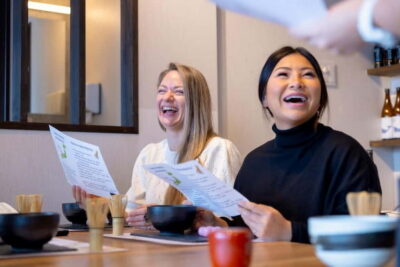
Matcha Making Experience with Mochi Sweets in Asakusa
Read our review →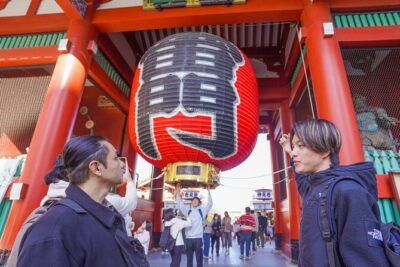
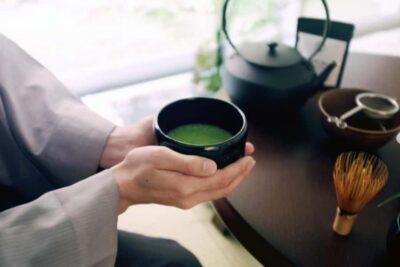
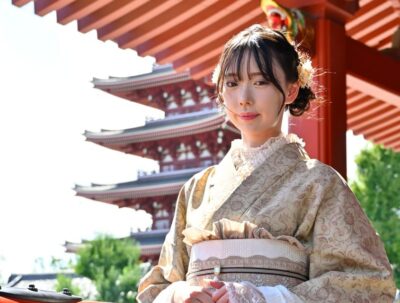
Asakusa: Kimono Tea Ceremony with Matcha and Sweet
Read our review →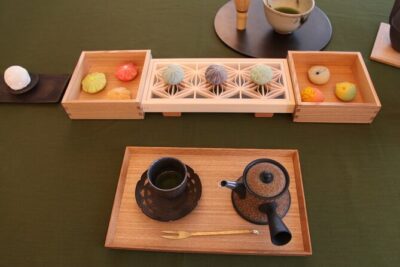
Make Traditional Nerikiri Sweets & Matcha experience in Shibuya
Read our review →
Browse the lists this tour appears in