
Review · TOKYO
Kimono Tea Ceremony at Tokyo, Asakusa Maikoya
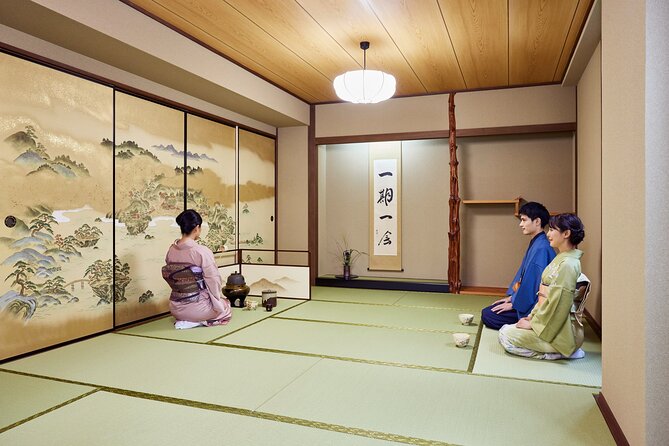
Kimono and matcha make a memorable pair. This 90-minute Asakusa experience combines traditional dress, simple hairstyling, snacks, and a guided tea ceremony in a formal Japanese room. I like that you do more than watch: you prepare your own bowl of matcha and learn why each movement matters. I also like the chance to wear the kimono outside afterward for photos near Senso-ji, when permitted. The main consideration is that the ceremony is structured and respectful, so casual filming, tripods, and constant photography are not part of the program.
The price of $55.81 per person is fair if you want several activities in one compact visit. Kimono dressing alone can be a pleasant photo experience, but here you also receive hairstyling, tea, snacks, utensils, instruction, and cultural context. The venue is near public transportation, though you must arrange your own way there and allow extra time to find the entrance.
Key points to know before booking
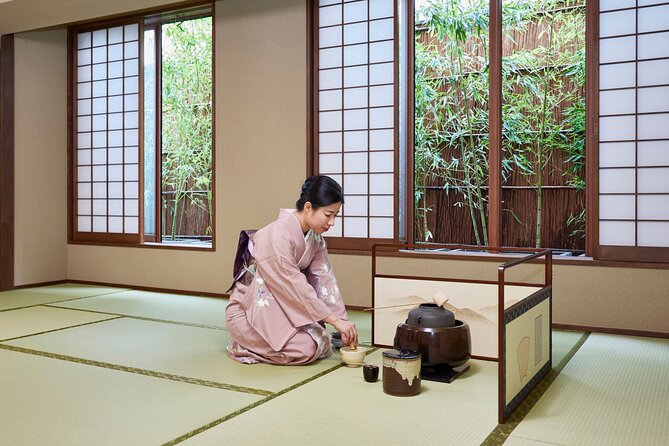
- Your own bowl of matcha: You watch the tea master first, then whisk green tea yourself with guidance.
- Kimono dressing and hairstyling: Staff help select and put on the kimono, then create a simple hairstyle if you wish.
- Photos inside and outside: The venue has decorated photo areas, and some bookings allow you to wear the kimono around Asakusa before returning it.
- Meaning behind the ritual: The guide explains the tools, gestures, etiquette, and background of the tea ceremony in English.
- Flexible timing: Morning and afternoon appointments make it easier to fit this into a Tokyo day.
- Age and group limits matter: Children under 7 cannot enter the tea ceremony venue, and the published group-size information should be checked carefully before booking for a large party.
Arriving in Asakusa for the ceremony
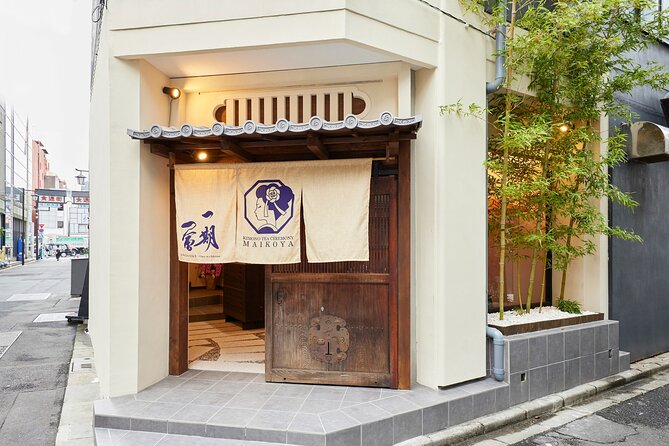
The meeting point is Kimono Tea Ceremony MAIKOYA Asakusa at 1-chome-12-2 Asakusa, Taito City, Tokyo 111-0032. The activity begins and ends there, with no hotel pickup or transportation included.
Asakusa is a sensible setting for this experience. The area is known for its traditional atmosphere and is close to Senso-ji, one of Tokyo’s best-known temple sites. After the ceremony, you may have a chance to walk in your kimono and take photographs nearby, so the location can turn a 90-minute booking into a larger half-day plan.
I would not cut arrival time too closely. One person arrived well before the appointment and still felt unsure about the entrance until the signs were placed outside. Another group arrived late after getting lost and was kindly moved to the following morning, but you should not count on that flexibility. Confirmation arrives at booking, and the venue is near public transportation, but the final walk and building entrance still deserve your attention.
Morning and afternoon slots both work well. A morning appointment leaves time for Asakusa sightseeing afterward, while an afternoon appointment can give you a slower start to the day. If wearing the kimono outside is important to you, ask about the return time before you arrive, since the exact length of outdoor use can depend on the booking and venue rules.
More Kimono and Tea Ceremonies in Tokyo
- Tokyo: Matcha and Kimono Experience
★ 4.7 · 219 reviews - Tokyo: Asakusa Kimono Dressing and Matcha Experience
★ 4.9 · 173 reviews - Asakusa: Kimono Tea Ceremony with Matcha and Sweet
★ 4.9 · 153 reviews
Choosing a kimono and getting dressed
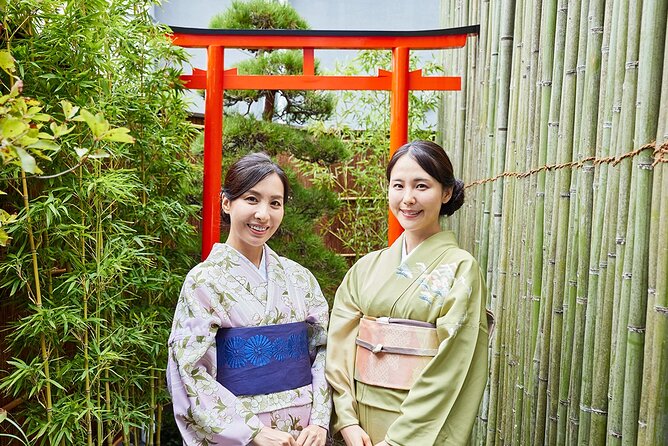
The dressing portion is one of the strongest reasons to book this instead of a basic tea demonstration. You choose from a selection of kimonos, then staff help dress you properly. That matters because a kimono is not simply a robe you slip on for a photograph. The layers, sash, and final arrangement create the formal look.
The staff also offer a simple hairstyle. This is not a full salon appointment, but it adds a great deal to the photographs and helps the clothing feel like a complete outfit rather than a costume placed over ordinary clothes. The dressing process is reported to take around 15 minutes for some participants, though timing will vary with the group.
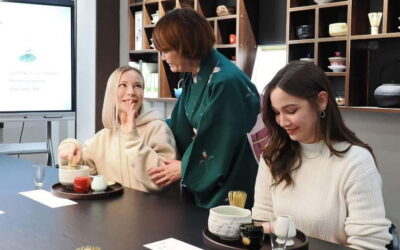
Men and women can participate. That makes this a good choice for couples, families, and mixed groups where not everyone wants the same kind of activity. Teenagers have enjoyed the dress-up portion, and men have taken part without the experience feeling designed only for women.
The assistance is especially useful if you have never worn a kimono. Staff help you choose and adjust the clothing, and they are described as friendly, efficient, and attentive. I would treat this as part of the cultural activity, not just preparation for the main event. The dressing itself gives you a closer look at how much care goes into traditional presentation.
Learning the ritual before making matcha
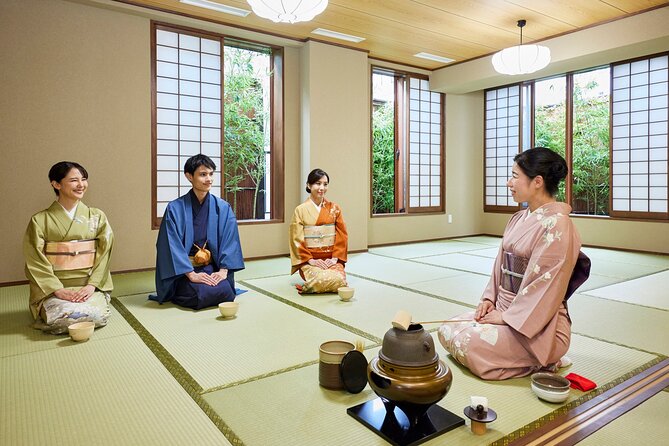
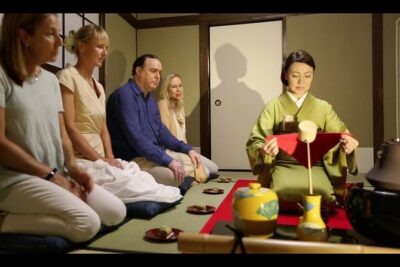
Once dressed, you enter a formal room for the tea ceremony. A tea master guides the session and explains the history of the ceremony, the function of the utensils, the meaning of specific gestures, and the etiquette expected in the room.
The ceremony is not presented as a silent mystery. The English explanations make it accessible, and guides have been praised for clear teaching, humor, and a warm manner. Iyume and Erika are two names associated with especially well-received sessions, though your guide may be someone else.
I like the balance here. You get enough explanation to understand what you are seeing, but the activity remains hands-on rather than turning into a lecture. The tea master demonstrates the preparation, and you then make your own matcha with careful instruction.
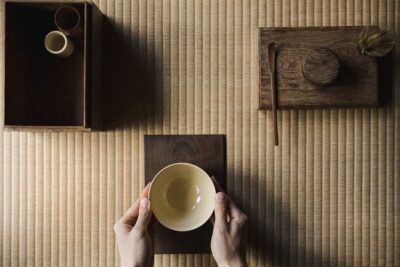
That participation is important. You learn through small movements: handling the utensils, whisking the tea, and following the order of the preparation. The point is not to become a tea master in one visit. It is to notice the calm, precision, hospitality, and focus built into the ritual.
You also receive green tea and local snacks. The snacks give the tea something to accompany, while the tea preparation provides the main cultural focus. If you already drink matcha, you may value the ceremony and etiquette more than the flavor itself. If matcha is new to you, the guided preparation makes it less intimidating.
What the formal room adds
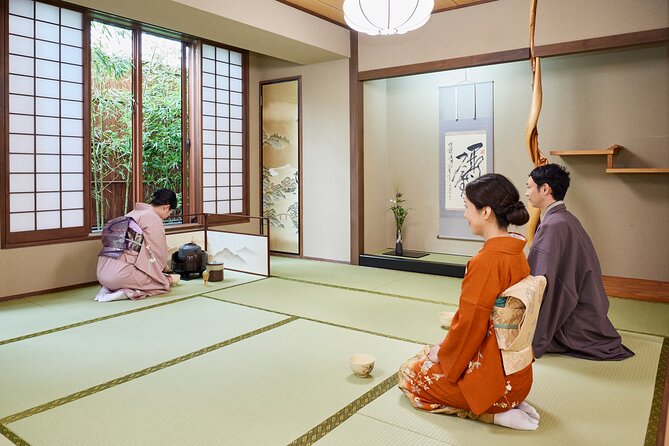
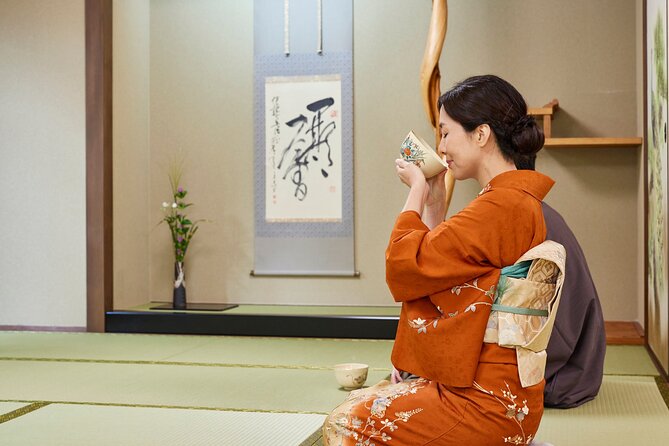
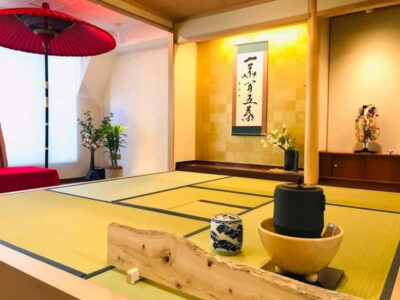
The room and its arrangement help explain why the tea ceremony has its own pace. Furnishings, art pieces, utensils, and the layout all support the idea that serving tea is a carefully considered act rather than a quick beverage break.
You are expected to follow the tea master’s instructions about movement, timing, and photography. Tripods are not allowed during the ceremony, and photo or video recording may be limited. That can feel restrictive if you want to document every step, but it is the right trade-off for a respectful session.
You will have photo opportunities before or after the ceremony. The venue includes a decorated photo room with Japanese-style umbrellas and other visual details, along with patio or garden areas. These spaces are useful because they let you enjoy the photographs without interrupting the ritual itself.
I recommend putting your phone away during the demonstration. Watch the hand movements, listen to the explanation, and take photographs when invited. You will leave with better memories and a clearer understanding of what you were photographing.
More Tea Ceremonies in Tokyo
- Tokyo: Traditional Tea Ceremony with a Tea Master
★ 5.0 · 528 reviews - Tea Ceremony Workshop in Tokyo by the Experienced Instrucor
★ 5.0 · 189 reviews - Tea Ceremony Experience in a Private Tea Room in Shibuya
★ 4.9 · 125 reviews - Tokyo: Practicing Zen with a Japanese Tea Ceremony
★ 4.7 · 105 reviews
Taking the kimono into Asakusa
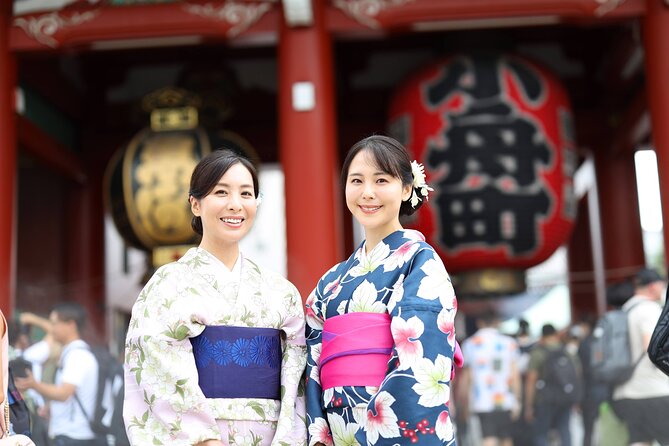
One of the most valuable extras is the possibility of wearing the kimono after the ceremony. Several participants were allowed to keep the outfit for an hour or longer, and some were able to walk around nearby and visit a shrine or Senso-ji before returning it by closing time.
This can change the value of the booking. At $55.81, the experience already includes instruction, dressing, hairstyling, tea, snacks, and utensils. If the kimono can be worn around Asakusa afterward, you also get a longer photo session in the neighborhood rather than only a few minutes inside the venue.
Do not assume that all bookings receive exactly the same outdoor period. The available time may depend on the appointment, return deadline, and venue rules. Ask at check-in, especially if you want to plan temple photographs or meet family members afterward.
You should also remember that a kimono is not ideal for rushing between crowded streets or making a long sightseeing circuit. Keep the walk nearby and allow time to return the clothing. The experience works best when you treat the extra kimono time as a gentle add-on, not as a full-day rental unless staff clearly confirm that arrangement.
How long the 90 minutes feels
The advertised duration is about one hour and 30 minutes. That is enough time for dressing, hairstyling, the ceremony, matcha preparation, snacks, and photographs, but it is not a leisurely full-day cultural course.
The schedule is likely to feel full rather than slow. Staff help the dressing move along, and the ceremony has a clear structure. This efficiency is useful if you are fitting the activity between Senso-ji, shopping, and other Tokyo plans.
Large parties should pay attention to timing. The booking information says a maximum of seven people can be reserved through one platform, while another note says the activity has a maximum of three travelers. Larger groups have also been accommodated by splitting them across different time slots. Because these details do not perfectly match, contact Maikoya before booking if your party is bigger than a small group.
Splitting a large family or friend group can have a benefit. Smaller sessions may mean fewer distractions and more personal attention during the ceremony. The downside is that the group will not all dress and participate at once, so photographs and shared time need planning.
Accessibility, age limits, and practical comfort
Children under 7 cannot enter the tea ceremony venue. The information also separately states that children under 6 are not permitted, so families should use the stricter under-7 rule when planning. If a younger child is in your group, do not book without confirming the policy directly.
The experience is not only for people who can kneel on the floor. Special chairs and tables have been available for people with flexibility concerns, which makes the session more manageable for some older adults and anyone uncomfortable sitting directly on tatami.
That said, the experience still takes place in a traditional-style room, and wearing a kimono can feel snug or restrictive. If you have mobility concerns, mention them to the staff at the start. The team is described as helpful, but the activity remains a dress-and-sit cultural program rather than a fully adapted tour.
No transportation is included. You need to reach the Asakusa meeting point yourself and return from the same location. A mobile ticket is accepted, and confirmation is provided when you book.
Is $55.81 good value?
I consider the price reasonable for first-time visitors who want a short, organized introduction to several parts of Japanese culture. You are paying for more than tea. The fee covers kimono use, dressing assistance, simple hairstyling, green tea, snacks, utensils, instruction, and access to decorated photo areas.
The value improves if your booking includes time to wear the kimono outside. A separate rental and photo session could cost more and would not necessarily include a tea master explaining the ritual. The experience also saves you from arranging several small activities on your own.
The price may feel less attractive if you only want a quick photo in traditional clothing or if you dislike structured demonstrations. The ceremony asks you to pay attention, follow etiquette, and limit recording. This is a cultural lesson with photography, not simply a costume rental.
The 4.9 rating from 638 reviews and 99 percent recommendation suggest unusually strong satisfaction, especially with the staff, dressing process, English explanations, and overall organization. I would still focus on your own priorities: book it for the combination of clothing and learning, not just for the promise of attractive pictures.
Who will enjoy this most?
I would recommend it to solo visitors, couples, families with older children, and first-time visitors who want a manageable cultural activity. Solo participation works well because the staff assist with the outfit and photographs, and you do not need to arrive with a large group.
It also suits anyone who wants context. The tea master explains why the ritual works as it does, then lets you prepare your own matcha. You leave with a better sense of the ceremony’s etiquette instead of only a set of costume photographs.
It may not suit children under 7, people looking for an unstructured activity, or anyone who wants unrestricted photography. Large groups should also plan carefully because the published group-size notes conflict and split time slots may be necessary.
Should you book the Asakusa kimono tea ceremony?
Book it if you want a friendly, well-organized introduction to kimono dressing and matcha preparation, with enough explanation to make the ritual meaningful. The staff care, the English instruction is clear, and the chance to photograph yourself in traditional clothing around Asakusa adds real value.
Before booking, confirm the rules for your group size, child ages, photography, and outdoor kimono time. If those details fit your plans, $55.81 buys a compact cultural experience with plenty of visual appeal and a useful lesson in Japanese hospitality.
FAQ
How long does the kimono tea ceremony last?
The experience lasts approximately 1 hour and 30 minutes.
What is included in the price?
The price includes a kimono costume, simple hairstyling, green tea, utensils, and snacks.
Can men participate in the experience?
Yes. Both men and women can participate in the kimono tea ceremony.
Can I make my own matcha?
Yes. The tea master demonstrates the process and guides you as you prepare your own bowl of matcha.
Are children allowed to attend?
Children under 7 cannot enter the tea ceremony venue. The supplied information also says children under 6 are not permitted.
Can I take photographs during the ceremony?
Photography and video may be limited, and tripods are not allowed during the ceremony. Follow the tea master’s instructions about when recording is appropriate.
Is transportation included?
No. Hotel pickup, hotel drop-off, and transportation are not included. You must reach the meeting point at Kimono Tea Ceremony MAIKOYA Asakusa and return there when the activity ends.
Just added around Tokyo
- Yokohama : Tea Ceremony with Sweets and Souvenir★ 5.0 · 5 reviews
- Walking Tour: Yanaka,Nezu& Sendagi: Tea Ceremony & Old Tokyo★ 5.0 · 3 reviews
- Private Kimono and tea ceremony at local home near Tokyo Disney★ 5.0 · 6 reviews
- Private Mochi・Matcha sweets Making Class Near Shibuya Area★ 5.0 · 22 reviews
- Tokyo Sweets Tour: Hidden Gems & Matcha at an Old Tea House★ 5.0 · 6 reviews
- Kimono and Tea Ceremony in Asakusa Private Food Tour With Guide★ 5.0 · 4 reviews
- 2 Hours Mochi &Nerikiri Making & Matcha Class in Bunkyo★ 5.0 · 21 reviews
- Tokyo Tea Ceremony Class at a Traditional Tea Room★ 5.0 · 2 reviews
Tea Ceremonies in Tokyo, compared.
Tea Ceremony Workshop in Tokyo by the Experienced Instrucor
Read our review →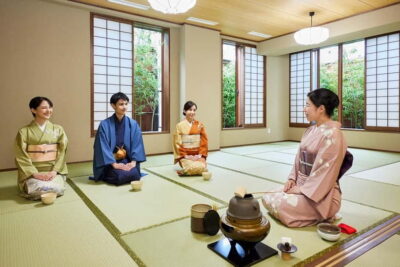
Asakusa: Kimono Tea Ceremony with Matcha and Sweet
Read our review →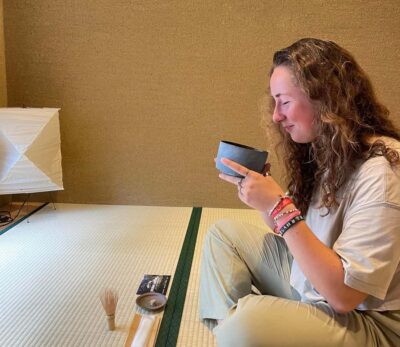
Tea Ceremony Experience in a Private Tea Room in Shibuya
Read our review →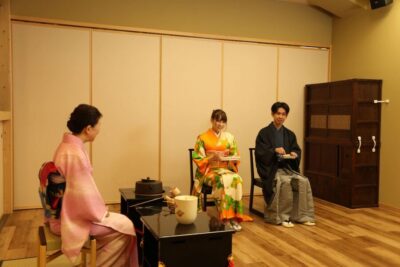
Tea ceremony experience in Japanese-style room 60min
Read our review →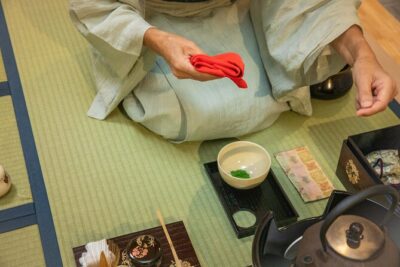
Browse the lists this tour appears in