Review · TOKYO
Matcha Kimono Tea Ceremony in Tokyo
Tea, clothes, and a little whisking magic. This 90-minute workshop in Shinjuku offers a friendly introduction to Japanese tea culture without asking you to commit half a day. I like the easy-to-wear kimono, which skips the long dressing process, and I like the chance to prepare your own bowl of matcha with proper tea tools. The main drawback is the strict start time: arrival more than 10 minutes late means automatic cancellation with no refund.
The small group, limited to 10 people, gives you room to ask questions. You will learn about matcha, other kinds of tea, tea ceremony manners, and the idea of Teaism, then enjoy Japanese snacks and drinks. It is more of a hands-on cultural workshop than a formal, silent tea ceremony, which makes it a good fit for first-time visitors.
Key Points At a Glance
- Easy kimono dressing: The specially designed kimono is intended to go on quickly, unlike a standard kimono that may take about 30 minutes.
- Matcha tasting from Japan: The session includes first flush matcha and a chance to compare teas using your eyes, nose, and tongue.
- Hands-on preparation: You use tea tools to make your own bowl of matcha and learn basic drinking manners.
- Small, question-friendly group: The maximum group size is 10 people, and the host speaks English well.
- Short Shinjuku format: At about 1 hour and 30 minutes, this fits neatly into a busy Tokyo day.
- Practical dress rule: You must wear socks in the tatami room, or buy a pair at the workshop if you forget.
Why This Shinjuku Workshop Works So Well
Tokyo offers plenty of polished cultural activities, but some are hard to fit between sightseeing stops. This one keeps things simple. You meet at MPPG+HH in Shinjuku City, spend roughly 90 minutes learning and practicing, and finish back at the same meeting point.
I like the format because it gives you a real activity rather than a photo opportunity alone. You do wear a kimono and may have photos taken, but the main focus is tea: what matcha is, how it differs from other teas, and how to prepare it with the right equipment.
The setting also sounds intentionally informal. You can ask questions throughout the presentation, and the host explains both the practical steps and the ideas behind tea ceremony culture. That balance matters. You are not simply copying hand movements without knowing why they matter.
The activity is recommended by 99 percent of past participants and has a rating of 5 from 104 reviews. Those numbers cannot tell you everything, but they do match the consistent strengths of the workshop: clear English, patient instruction, a warm atmosphere, and a relaxed introduction to Japanese culture.
More Kimono and Tea Ceremonies in Tokyo
- Kimono Tea Ceremony at Tokyo, Asakusa Maikoya
★ 5.0 · 638 reviews - Tokyo: Matcha and Kimono Experience
★ 4.7 · 219 reviews - Tokyo: Asakusa Kimono Dressing and Matcha Experience
★ 4.9 · 173 reviews
Putting On the Easy Kimono
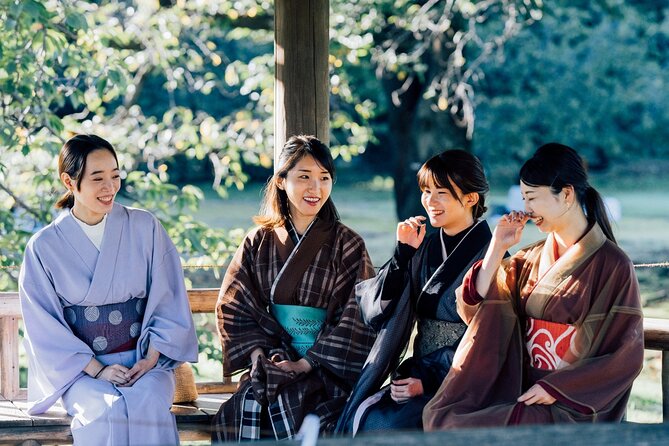
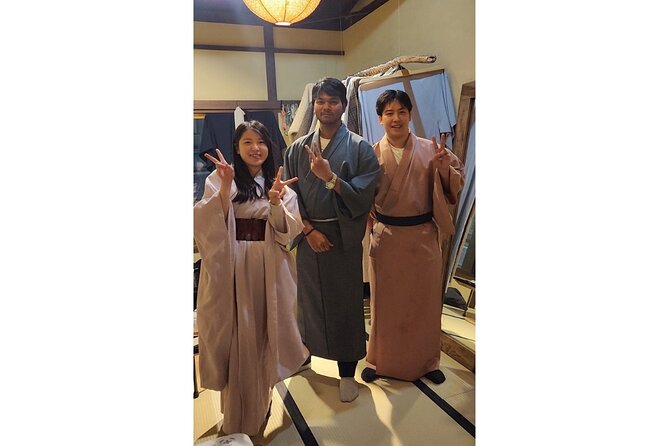
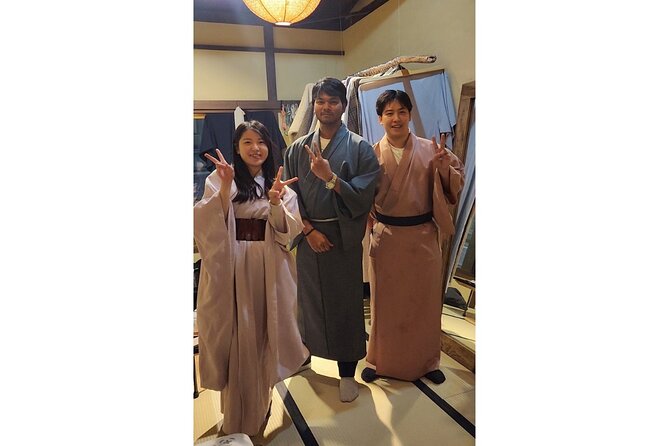
The session begins with the kimono. These are not standard formal kimonos that require a long dressing process and expert assistance. They are specially designed for quick, simple use, allowing you to change before the lecture without losing much of your limited time.
That is a smart choice for a short activity. A traditional kimono can be beautiful, but the layers and fitting process may become the main event. Here, the clothing supports the tea lesson instead of taking it over.
You will wear the kimono in the tatami room, so bring socks. This is not just a style tip. Socks are required, and if you forget them, you are asked to buy them at the workshop. Wear something that allows you to change comfortably, though the supplied details do not specify a required outfit underneath.
The host helps you put the kimono on properly. This is useful if you have never worn Japanese clothing before, and it keeps the activity accessible. You do not need prior knowledge of kimono dressing or tea ceremony manners.
The kimono also adds a visual sense of occasion without making the activity feel overly formal. You get a taste of traditional clothing while staying comfortable enough to sit and work with the tea tools.
Learning What Matcha Really Is
The presentation goes beyond the familiar green powder. You learn how matcha differs from ordinary green tea and how Japanese matcha differs from matcha produced overseas. That comparison is especially useful if you already drink matcha at home and want to understand why cups can taste so different.
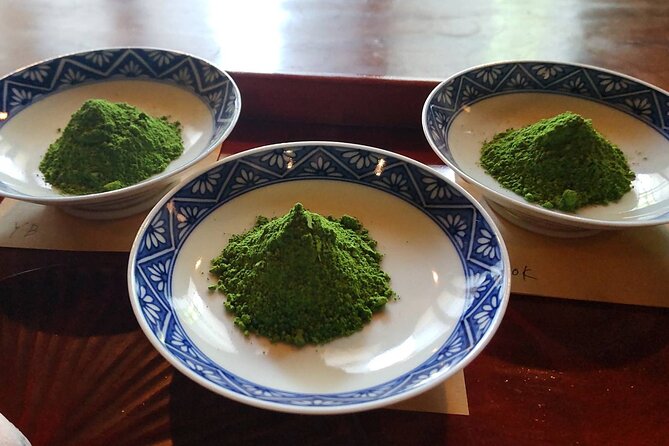
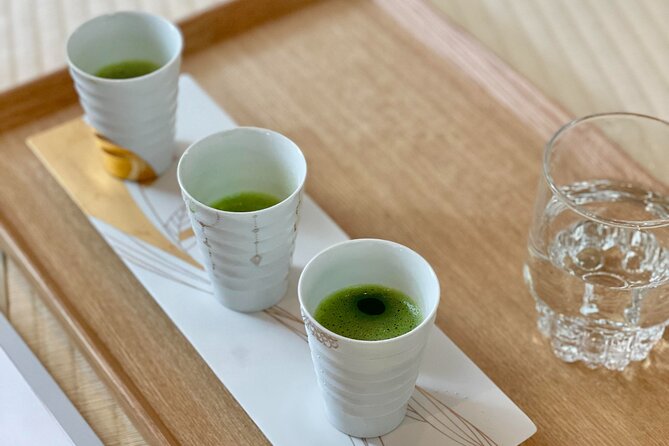
The workshop offers a tasting approach that uses sight, smell, and taste. You can compare matcha from a collection of more than 100 teas from around Japan and look for the style you prefer. The featured first flush matcha is presented as the highest-quality selection, giving the tasting a clear focus.
This part should appeal most to people who care about flavor. Matcha can taste sweet, grassy, bitter, creamy, or intensely vegetal, and your favorite style may not be the one you expected. The session gives you a chance to pay attention rather than simply accept matcha as one fixed flavor.
You also learn about several broad tea categories, including green, black, and Chinese tea. That wider context helps explain where matcha fits within the world of tea. It keeps the class from becoming a narrow demonstration of one drink.
The activity also offers a decaf option and a choice described as Terror matcha. Since the supplied information uses that wording, I would ask the host what the Terror option means when you arrive. The important point is that the workshop can accommodate different preferences beyond one standard cup.
The Ideas Behind Japanese Tea Ceremony
A strong feature of this activity is its attention to the philosophy of tea ceremony. You learn about Teaism and the meaning behind tea ceremony customs, not just the mechanics of whisking powder and water.
The lesson covers basic etiquette for drinking matcha. That may include how to handle the bowl and how to approach the drink respectfully, though the exact sequence is not specified. The goal is a basic understanding, not mastery of every formal rule.
This distinction is worth keeping in mind. You should book this as an introduction, not as a full traditional tea ceremony conducted in complete formal style. The workshop is designed to teach, explain, and involve you. It is not presented as a long ceremonial performance.
That informal approach is one of its best qualities. You can ask questions as they come up, and the host has been praised for speaking fluent English and explaining ideas patiently. If you are curious about the reasons behind Japanese customs, you will get more from this than from a quick demonstration with no discussion.
More Matcha Experiences in Tokyo
- Matcha Making Class in Tokyo with Authentic Japanese Sweets Set
★ 5.0 · 744 reviews - Tokyo: Matcha Making Experience with Mochi Sweets in Asakusa
★ 4.9 · 388 reviews - Asakusa Cultural Walk & Matcha Making Tour
★ 5.0 · 245 reviews - Asakusa: Kimono Tea Ceremony with Matcha and Sweet
★ 4.9 · 153 reviews
Making Your Own Bowl of Matcha
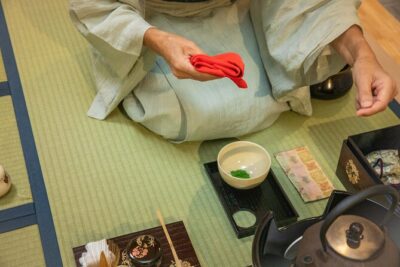
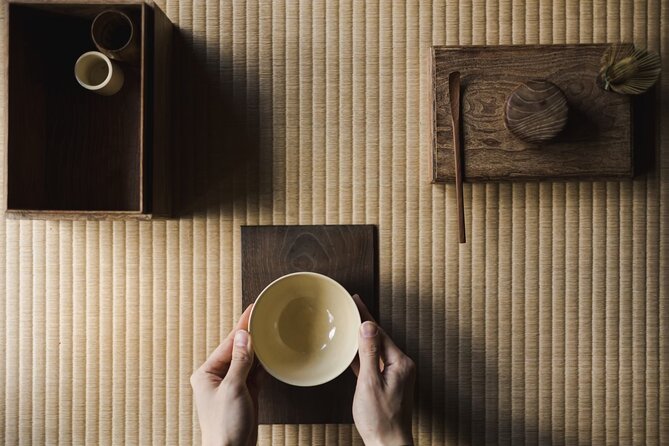
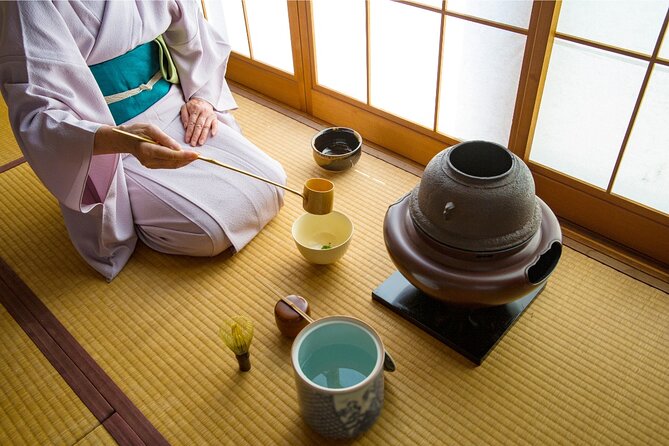
After the presentation, you use the tea implements yourself. The host shows you how to prepare a bowl of matcha in the traditional way, then gives you the chance to make one.
This hands-on section turns the class from a lecture into a skill you can remember. You see the tools, learn the basic process, and practice whisking rather than watching someone else do everything. The supplied information does not list every step or name each utensil, so you should expect an introductory lesson rather than a technical tea-school course.
You also learn how to drink the matcha properly. This is a small but valuable detail. A bowl of matcha has its own customs, and knowing the basic manners makes the drink feel connected to its cultural setting.
The flavor will not suit everyone. Matcha has a strong taste, and even a high-quality cup may seem bitter or grassy if you are new to it. That is why the tasting and explanation are important. You are given context for the flavor, not simply handed a cup and left to guess.
The class includes tea tools, high-quality matcha, and a Japanese welcome drink. Snacks are also provided, including traditional Japanese sweets. Together, these additions make the 90-minute session feel like a complete small workshop rather than a quick sample.
A Friendly, Small-Group Atmosphere
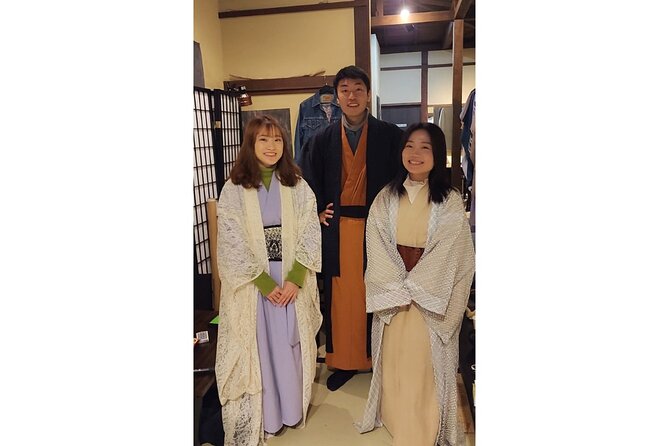
The maximum group size is 10. That is small enough for questions and individual help, especially during the kimono dressing and matcha preparation.
The host has received repeated praise for clear English, patience, and enthusiasm. One person specifically appreciated being able to ask questions about tea, the kimono, and ceremony etiquette. Another described the mood as warm throughout the workshop.
That matters because cultural activities can become awkward when instructions are rushed or language gets in the way. Here, the host appears to make an effort to explain terms and guide beginners through the process.
You may also have photos taken during the session. This gives you a record of the kimono and tea-making activity, though photography is not listed as a separate formal inclusion. If photos matter to you, ask the host what is possible on the day.
The activity has welcomed more than 1,500 people in the past year. It is clearly designed for newcomers, including people who have never worn a kimono or made matcha before.
Price, Timing, and What You Receive
The price is $59.46 per person. For Tokyo, that is a fair price if you want several elements in one compact booking: kimono rental, matcha instruction, tea equipment, snacks, drinks, and cultural explanation.
You are not paying only for a cup of tea. You are paying for the host’s time, the small-group instruction, the clothing, the tools, and the chance to practice. If you planned to book a kimono photo session and a separate tea activity, this combined format could offer better value.
The 90-minute length is another strength. You can place it between sightseeing plans in Shinjuku without giving up most of the day. Still, you need to protect the start time. The reservation is automatically canceled after a 10-minute delay, and no refund is accepted in that case.
Confirmation arrives at booking, and the meeting point is near public transportation. The exact meeting location is identified as MPPG+HH in Shinjuku City, so check the map carefully before setting out. Private transportation is not included.
Children are charged the full price. The supplied information does not state a minimum age, so confirm suitability if you are booking for a young child.
Who Will Enjoy This Most
I would recommend this workshop to first-time visitors who want an easy introduction to Japanese tea culture. It also suits matcha drinkers who want to understand the drink better and compare different Japanese varieties.
You will likely enjoy it if you prefer a relaxed lesson with questions, rather than a formal ceremony where you mainly sit and watch. The small group and English-speaking host make it especially useful for people who want cultural context in plain language.
It is also a practical choice for couples, families with older children, and solo visitors who want a short activity near central Tokyo. The kimono creates a memorable visual element, while the tea lesson gives the session real substance.
I would hesitate to recommend it if you want a highly formal, silent, full-length tea ceremony. The activity is casual, educational, and hands-on. Its strength is accessibility, not strict ceremony.
You should also think about your interest in matcha itself. If you dislike strong green tea flavors, you may enjoy the cultural lesson more than the drink. The workshop does offer a decaf option, but you should confirm the available choices at the session.
Practical Tips Before You Go
Arrive early. The 10-minute cancellation rule is strict, and there is no refund for arriving late. Shinjuku can be confusing, so allow time to find the meeting point rather than aiming to arrive exactly at the start.
Bring socks. You need to wear them in the tatami room, and buying a pair at the workshop is an avoidable extra cost and hassle.
Do not expect private transportation. You are responsible for reaching the meeting point near public transportation and returning from there after the activity ends.
Keep your schedule flexible enough to enjoy the questions. The workshop is short, but rushing out the door may mean missing the best part, especially if you want to ask about tea varieties or ceremony customs.
Finally, cancel at least 24 hours before the start time if your plans change. Cancellations made by then qualify for a full refund. Later cancellations and changes are not accepted, and the activity may also be canceled if its minimum number is not met, in which case you are offered another date or experience or a full refund.
Should You Book the Matcha Kimono Workshop?
Book it if you want a compact, friendly, hands-on introduction to matcha and Japanese tea culture. The strongest reasons are the easy kimono, the small group, the chance to taste different matcha, and the opportunity to make your own bowl with proper tools.
The price makes sense because it combines clothing, instruction, snacks, drinks, equipment, and cultural background in one 90-minute visit. Just arrive on time, bring socks, and keep your expectations focused on an informal introduction rather than a fully formal tea ceremony.
If those conditions suit you, this is a practical way to add a thoughtful cultural activity to a busy Tokyo itinerary.
FAQ
How long does the Matcha Kimono Tea Ceremony last?
The activity lasts approximately 1 hour and 30 minutes.
Where does the activity take place?
The meeting point is MPPG+HH in Shinjuku City, Tokyo, near public transportation. The activity ends back at the meeting point.
Is kimono rental included?
Yes. The booking includes rental of a specially designed, easy-to-wear kimono.
Do I need to bring socks?
Yes. Socks are required in the tatami room. If you forget them, you are asked to buy them at the workshop.
What does the price include?
The price includes Japanese traditional snacks, easy-to-wear kimono rental, tea ceremony tool rental, high-quality matcha, and a Japanese welcome drink described as coffee and/or tea.
How many people can join the activity?
The maximum group size is 10 people.
What happens if I arrive late?
The reservation is automatically canceled after 10 minutes of delay from the starting time, and no refund is accepted in that situation.
Can I cancel for a full refund?
Yes. You can receive a full refund if you cancel at least 24 hours before the experience start time. Changes and cancellations made less than 24 hours beforehand are not accepted for a refund.
More Tea Ceremonies in Tokyo
- Tokyo: Traditional Tea Ceremony with a Tea Master
★ 5.0 · 528 reviews - Tea Ceremony Workshop in Tokyo by the Experienced Instrucor
★ 5.0 · 189 reviews - Tea Ceremony Experience in a Private Tea Room in Shibuya
★ 4.9 · 125 reviews - Tokyo: Practicing Zen with a Japanese Tea Ceremony
★ 4.7 · 105 reviews
Just added around Tokyo
- Yokohama : Tea Ceremony with Sweets and Souvenir★ 5.0 · 5 reviews
- Walking Tour: Yanaka,Nezu& Sendagi: Tea Ceremony & Old Tokyo★ 5.0 · 3 reviews
- Private Kimono and tea ceremony at local home near Tokyo Disney★ 5.0 · 6 reviews
- Private Mochi・Matcha sweets Making Class Near Shibuya Area★ 5.0 · 22 reviews
- Tokyo Sweets Tour: Hidden Gems & Matcha at an Old Tea House★ 5.0 · 6 reviews
- Kimono and Tea Ceremony in Asakusa Private Food Tour With Guide★ 5.0 · 4 reviews
- 2 Hours Mochi &Nerikiri Making & Matcha Class in Bunkyo★ 5.0 · 21 reviews
- Tokyo Tea Ceremony Class at a Traditional Tea Room★ 5.0 · 2 reviews
Tea Ceremonies in Tokyo, compared.
Tea Ceremony Workshop in Tokyo by the Experienced Instrucor
Read our review →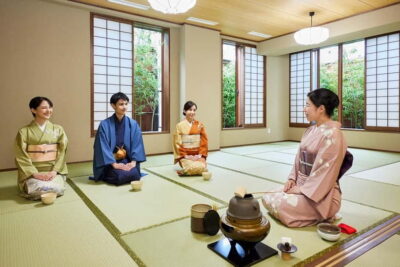
Asakusa: Kimono Tea Ceremony with Matcha and Sweet
Read our review →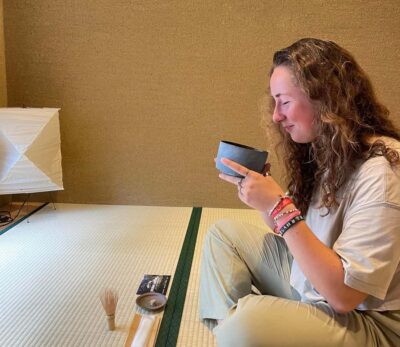
Tea Ceremony Experience in a Private Tea Room in Shibuya
Read our review →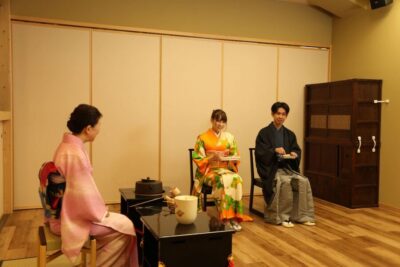
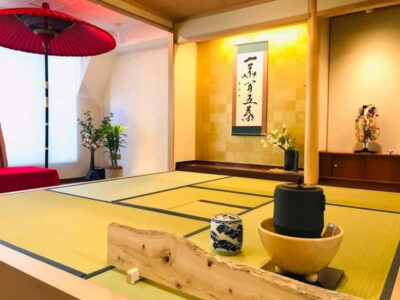
Tea ceremony experience in Japanese-style room 60min
Read our review →