Review · TOKYO
Tea Ceremony Experience in a Private Tea Room in Shibuya
Slow down in Shibuya. This private tea ceremony gives you a quiet room, premium organic matcha, and a clear introduction to one of Japan’s most careful traditions. I like the small, peaceful setting and the chance to make your own matcha, rather than simply watching a demonstration. The location is also handy, about an eight-minute walk from Shibuya Station.
I especially like the personal touch from Tatsuya, also referred to as Tatsu, whose family has operated tea farms for two generations. His explanations cover the ceremony, matcha production, and the meaning of the objects used. The main consideration is that the tea room is inside an apartment building and has no toilet, so you should plan ahead before entering.
Key points to know before booking
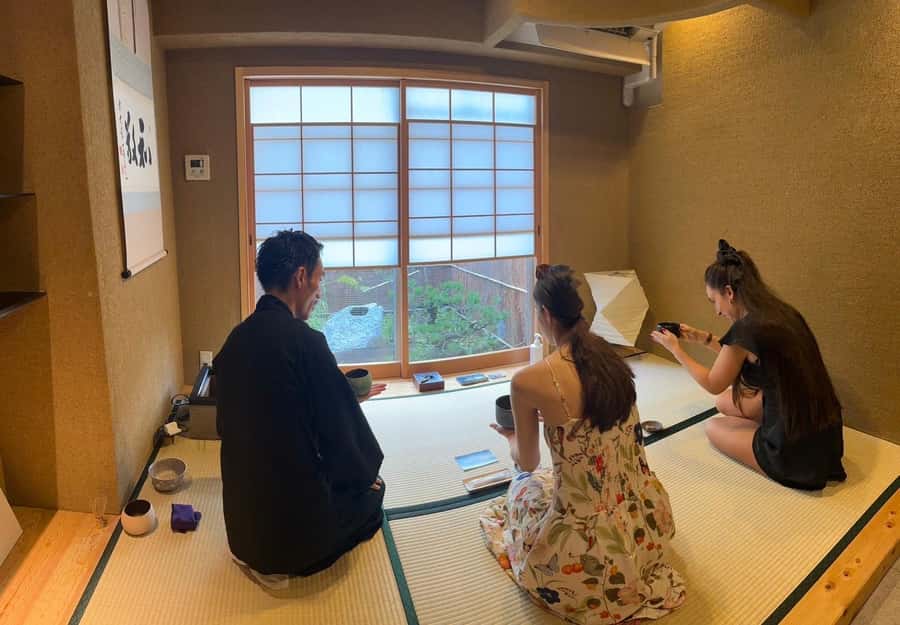
- A quiet room in central Shibuya: Leave the crowds near Scramble Crossing behind for a calm private tea-room setting.
- Premium organic matcha: You taste matcha described as making up only about 2 percent of Japan’s total circulation.
- Hands-on preparation: After watching the formal service, you whisk your own bowl with guidance from the host.
- Traditional wagashi included: The matcha comes with sweets from a Japanese confectionery shop with more than 200 years of history.
- A personal host: Tatsuya explains the ceremony in English or Japanese and welcomes questions at the end.
- A few firm limits: The activity is not suitable for children under 10, pregnant women, or babies under 1 year, and there is no toilet in the tea room.
From Shibuya Station to a quiet tea room
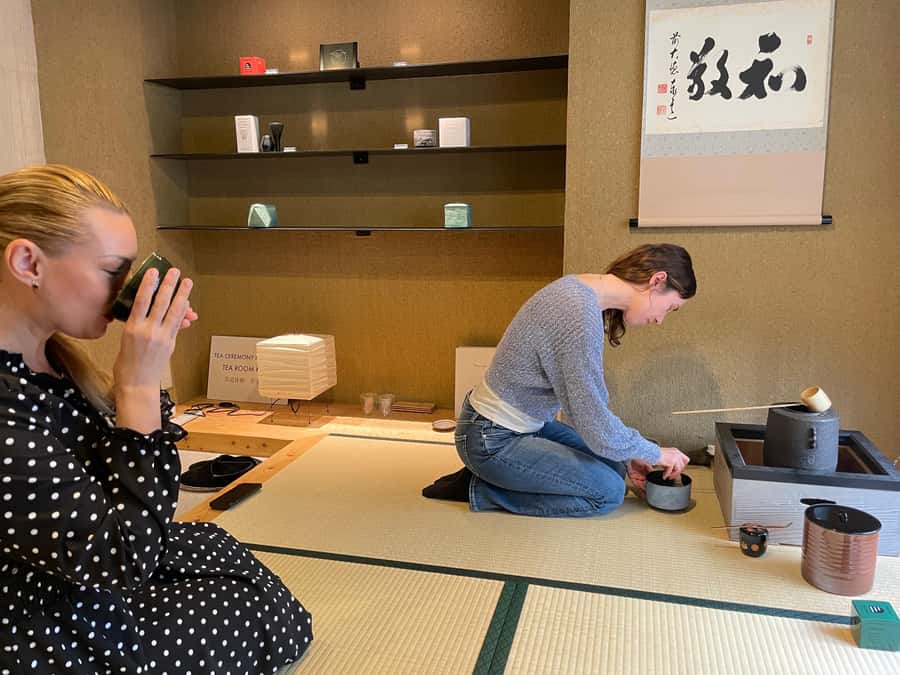
The meeting point is in front of The OneFive Tokyo Shibuya hotel at 1-8-11 Jinnan, Shibuya-ku. Look for the guide holding a sign marked TEA ROOM KAKOI. From Shibuya Station, the walk takes about eight minutes, which makes this a useful activity to fit between major sights.
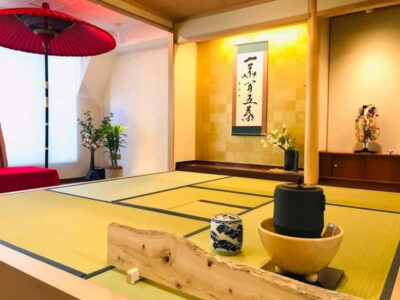
The setting may surprise you at first. This is not a grand temple garden or a large traditional house. The tea room is reached through an apartment building, and the room itself is small. That modest entrance is part of the contrast: outside, Shibuya is full of giant screens, traffic, shops, and people; inside, the mood becomes still and carefully arranged.
That change of pace is one of the best reasons to book this activity. You do not need to spend half a day traveling across Tokyo to find a quiet cultural experience. You can visit Hachiko, walk through Shibuya Scramble Crossing, and then move into a traditional tea setting within the same district.
The meeting point is also practical for first-time visitors. The guide meets you outside, so you do not need to search for an obscure doorway on your own. The activity returns to the same meeting point, making it easy to continue sightseeing afterward.
More Private Tea Experiences in Japan
- Tokyo: Private Tea Ceremony with Matcha and Sweet
★ 5.0 · 2 reviews - Private Tea Ceremony and Sake Tasting in Kyoto Samurai House
★ 5.0 · 163 reviews - Kyoto: Private Tea Ceremony with a Garden View
★ 4.9 · 61 reviews
Learning what matcha really is
The ceremony begins with an introduction to Japanese tea ceremony and matcha production. This opening matters because matcha is often treated as a simple green drink, especially outside Japan. Here, you learn why its preparation, serving style, color, taste, and tools all receive such close attention.
The activity is provided by EAST GREEN MATCHA, a Japanese premium organic matcha brand. The matcha served is presented as a rare, high-grade organic product that accounts for only about 2 percent of the harvest or total circulation in Japan, according to the supplied description. That makes this more than a casual café tasting.
You also hear about the growth of matcha around the world and its reputation for health benefits. Keep in mind that matcha contains caffeine. If you are sensitive to caffeine, this is worth considering before you book, especially if you already plan to drink several cups during the day.
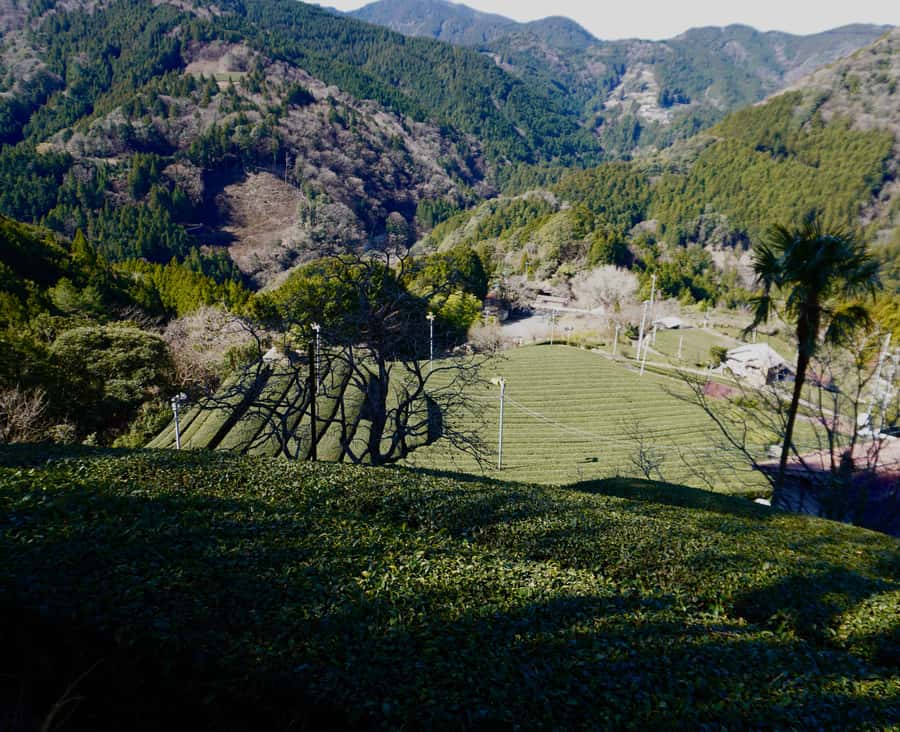
Tatsuya’s connection to tea gives the introduction a personal angle. His family has tea farms and two generations of tea experience, so the discussion can move beyond memorized facts. You can ask about differences in matcha, production, taste, and the way tea is handled in the ceremony.
The English explanations are a strong part of the experience. The activity is offered in English and Japanese, and the host is described as patient, friendly, and clear. That makes it a good choice if you want cultural context without needing prior knowledge of Japanese customs.
Watching the formal tea ceremony
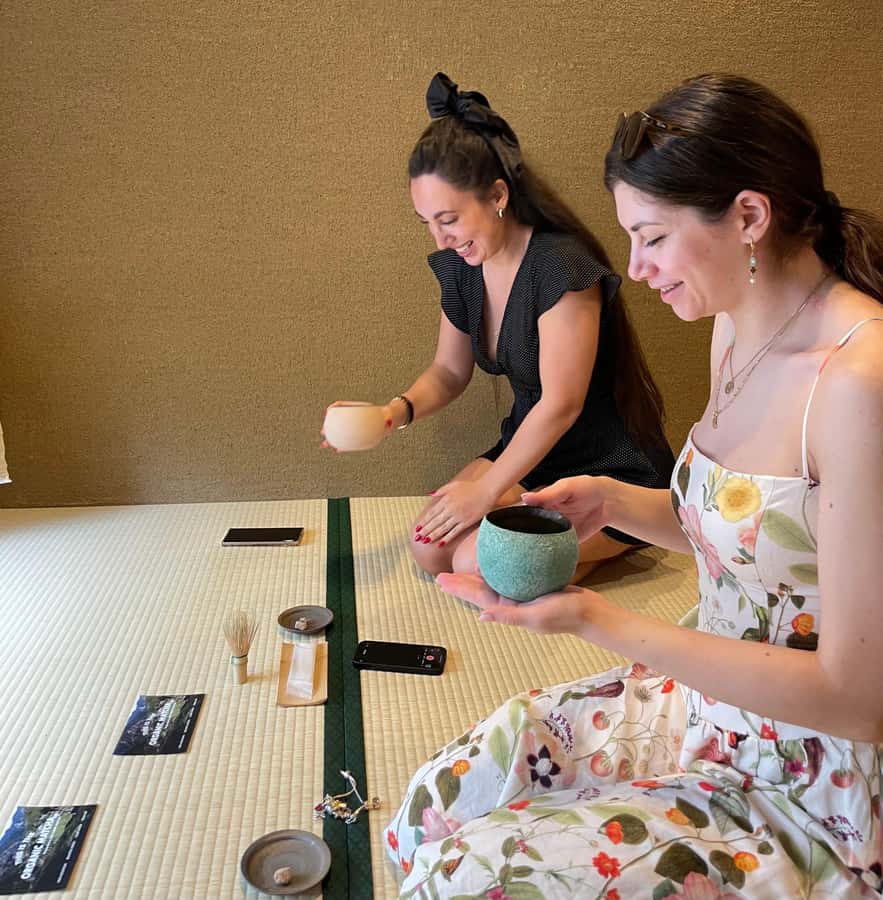
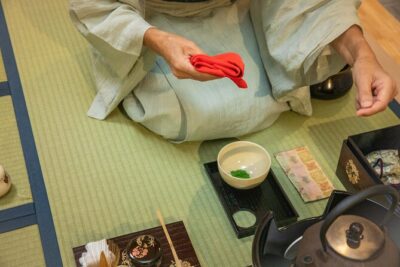
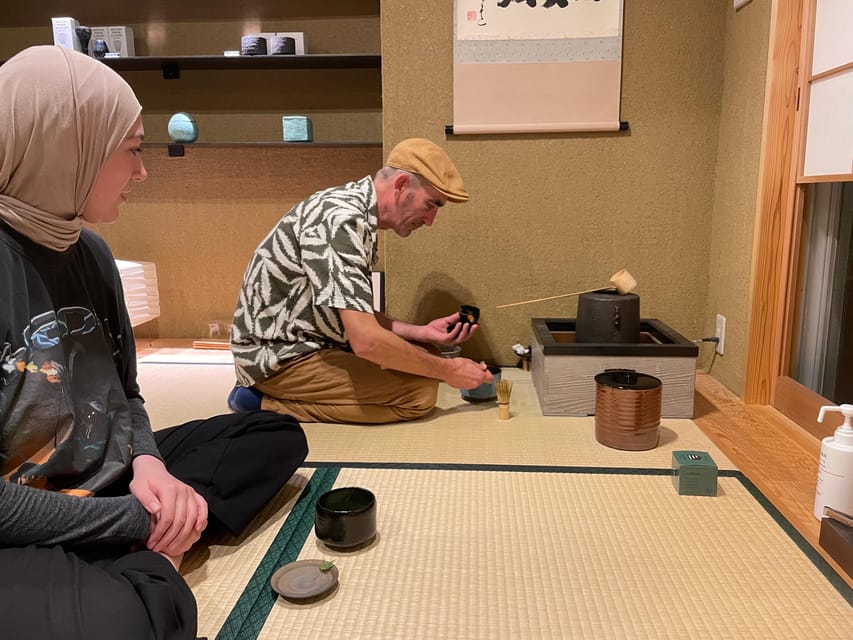
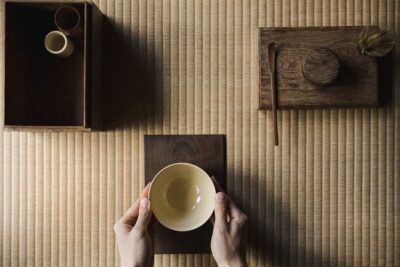
Once the introduction is complete, the host prepares matcha in the formal tea ceremony style and serves it with a traditional sweet. The ceremony is not only about drinking. You learn how to treat the bowl, tools, and movements with care.
The slower pace may feel unfamiliar if you are used to ordering a quick drink at a café. That is exactly the point. The ceremony gives attention to small actions that are easy to miss in ordinary life: how the tea is presented, how it is received, how it is stirred, and how it is consumed.
The tea room itself helps create this mood. Several detailed accounts describe it as beautifully decorated, authentic, calm, and peaceful. One visitor initially felt uncertain about the tiny room in an apartment complex, but found that entering it changed the mood completely. That is useful advice: do not judge the experience by the building entrance.
The room is intimate, not spacious. If you prefer large-group tours or a grand historic venue, this may feel too compact. If you prefer a personal setting where you can hear every explanation and ask questions, the small scale works in its favor.
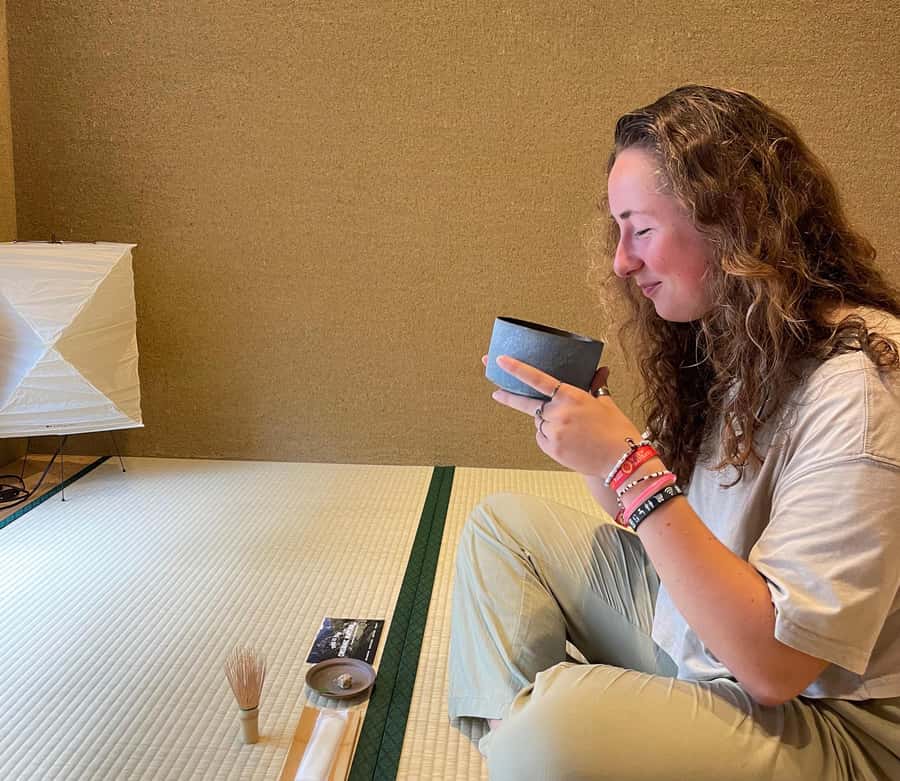
Traditional Japanese sweets, known as wagashi, accompany the matcha. These come from a long-established shop with more than 200 years of history. The sweet gives your palate a counterpoint to the matcha, which can have a fresh, earthy, or slightly bitter taste depending on your experience and preference.
Making your own bowl of matcha
The hands-on part is where the activity becomes more than a demonstration. After the host prepares the tea, you receive instruction on how to make your own matcha. Tatsuya guides you through the method and explains the meaning behind the technique.
You learn how the whisk is used to create the tea’s fine froth and how the preparation should be approached with care. The point is not to perform perfectly. It is to understand the motions well enough to appreciate the work involved when someone prepares matcha for you.
This is particularly helpful if you have never attended a tea ceremony. You are not expected to arrive knowing the correct behavior. The guide explains how to drink the tea properly and answers questions about ceremony procedures.
The experience also suits people who already enjoy tea. You can ask more specific questions about matcha quality, organic production, and differences between teas. One particularly useful detail is the host’s explanation of how to respect each object used in the ceremony. That gives the activity more depth than simply learning how to whisk powder and water.
The preparation is hands-on but still gentle and structured. You are not left to guess what to do. That makes it suitable for curious beginners, couples, solo visitors, and small groups who want an activity with some participation but no physical exertion.
More Tea Ceremonies in Tokyo
- Kimono Tea Ceremony at Tokyo, Asakusa Maikoya
★ 5.0 · 638 reviews - Tokyo: Traditional Tea Ceremony with a Tea Master
★ 5.0 · 528 reviews - Tea Ceremony Workshop in Tokyo by the Experienced Instrucor
★ 5.0 · 189 reviews - Asakusa: Kimono Tea Ceremony with Matcha and Sweet
★ 4.9 · 153 reviews
A calm pause in the middle of Tokyo
The strongest feature here is the contrast between location and mood. Shibuya is one of Tokyo’s busiest districts, yet the tea room is designed for quiet conversation and concentration. You can spend the morning around major city sights, then take an hour or so, depending on the session schedule, to slow down with tea.
The exact activity duration is not provided, so I would not plan a tightly timed connection immediately afterward. Allow extra time for the walk back, questions, photographs, and any shopping. The end point is the original meeting location, which helps, but Tokyo schedules are easier when you leave some breathing room.
This is also a useful cultural activity for people who do not want a formal temple visit. You get a traditional setting and clear explanations without needing to travel far outside central Tokyo. The experience is relaxed rather than intimidating, and the host can explain customs as they happen.
At the same time, it is not a theatrical show. The room is small, the ceremony is quiet, and the value comes from attention and conversation. If you want entertainment, dramatic costumes, or a long performance, you may find this too restrained. If you want to understand the purpose behind the movements, it is a better fit.
Matcha quality and souvenir shopping
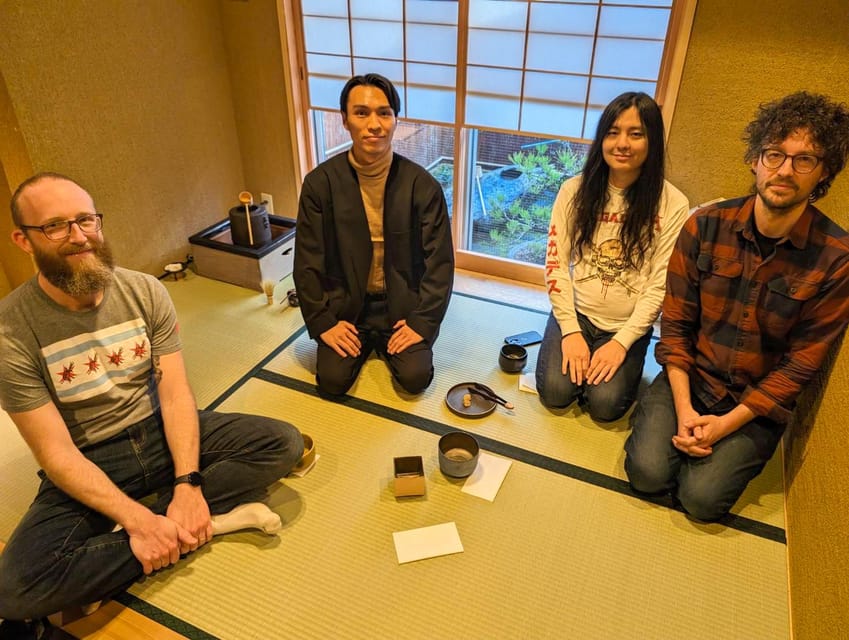
The matcha is the center of the activity, so tea quality matters more here than it would at an ordinary sightseeing stop. You taste premium organic matcha, learn about its production, and compare what you are drinking with the host’s explanation of high-grade tea.
You can also buy organic matcha and original tea tools at the end if you wish. This is optional, which is important. You can enjoy the activity without purchasing anything, but the chance to take home tea or equipment may appeal to anyone who wants to repeat the preparation later.
I would treat the shopping as a useful extra rather than the reason to book. The main value is the teaching and tasting. If you decide to buy, ask questions about how to store the matcha and use the tools, since the host is available for questions at the end.
The activity includes everything needed for the ceremony and matcha-making session. You do not need to bring tea equipment or sweets. Comfortable clothing is sensible, but the provided information does not require a particular dress code.
Is $30 a good price?
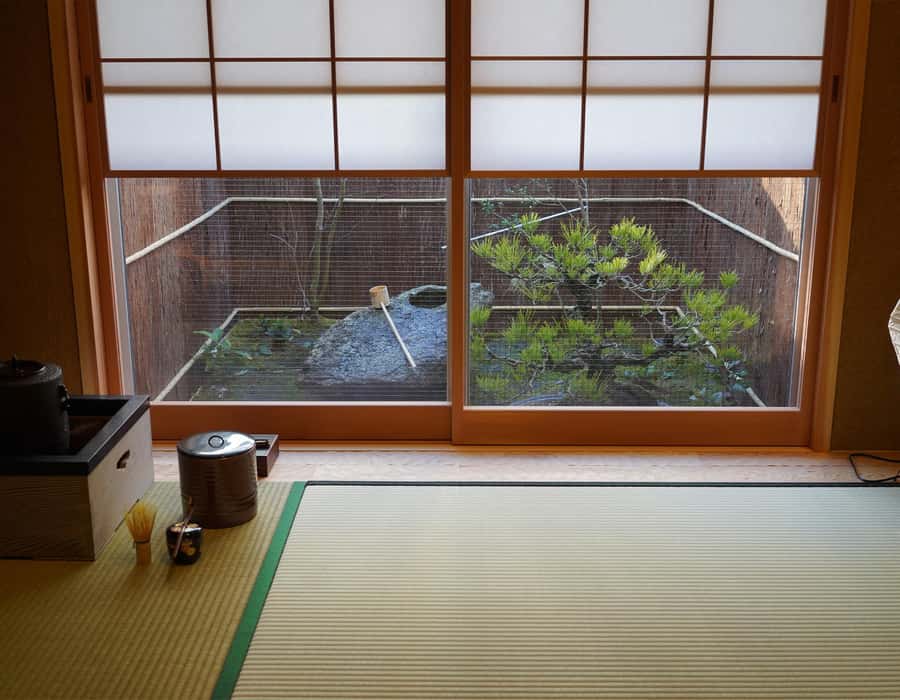
At $30 per person, this is a fair price for a private tea-room experience in central Tokyo. You receive premium organic matcha, traditional sweets, a formal tea service, hands-on preparation, and direct instruction in English or Japanese.
The value is strongest if you care about learning. You are not simply paying for a bowl of tea. You are paying for access to a carefully prepared setting, a host with family tea-farm connections, an explanation of ceremony etiquette, and a chance to practice the technique yourself.
The price may feel less attractive if you only want to taste matcha. Tokyo has plenty of cafés where you can order a matcha drink for less. This activity earns its price through the cultural explanation, the formal setting, and the personal guidance.
The small room also affects how you judge the price. You are not paying for a large venue or a grand architectural site. You are paying for a focused, intimate meeting with a tea host. That suits some people much better than a polished group show.
Who should book this Shibuya activity?
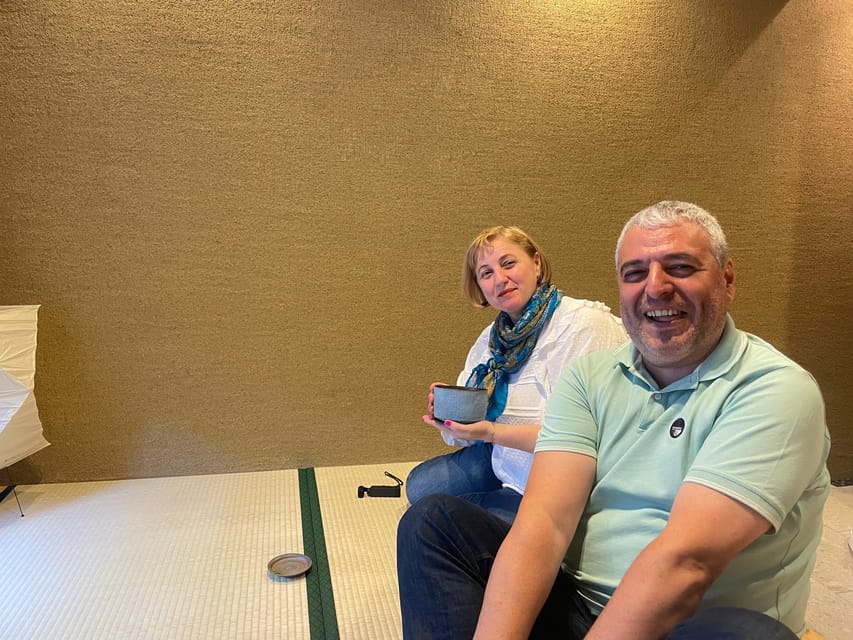
I would recommend it to you if you enjoy food culture, Japanese customs, craft, or quiet activities. It works especially well for first-time visitors who want a simple introduction to tea ceremony without spending a full day outside central Tokyo.
It is also a good choice for solo visitors. The host’s clear explanations and question time can make the activity feel personal even when you arrive alone. Couples and small groups should appreciate the calm setting, while tea enthusiasts can ask more detailed questions about matcha and production.
Families need to read the restrictions carefully. Children under 10 are not accepted, and the activity is not suitable for babies under 1 year. Pregnant women are also listed as unsuitable for the activity. Assistance dogs are allowed, but other pets are not.
Plan to use a toilet before you enter the tea room. There is no toilet inside. This is a minor point, but it can matter during a quiet seated activity, especially if you are arranging several stops in one day.
The activity can be reserved with payment later, which gives you some flexibility while planning your Tokyo schedule. Cancellation is allowed up to 24 hours in advance for a full refund. Those details make it easier to fit the ceremony into a changing itinerary.
Should you book Tea Room Kakoi?
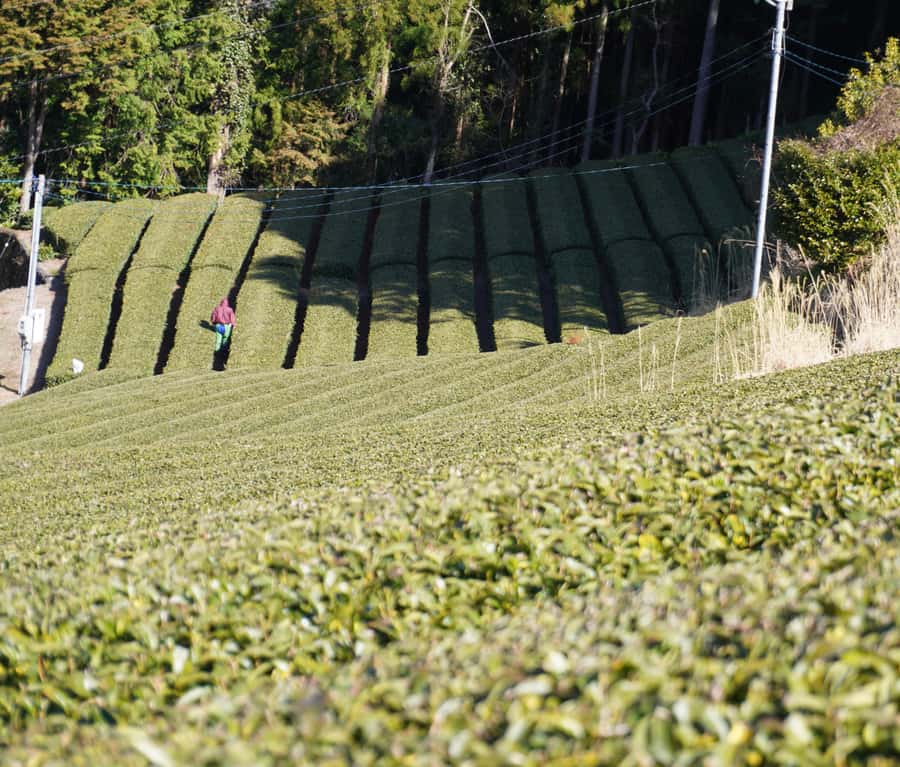
Book this experience if you want a personal, well-explained introduction to Japanese tea ceremony in the middle of Shibuya. The best parts are the peaceful private room, Tatsuya’s connection to tea farming, the premium organic matcha, and the chance to whisk your own bowl.
Skip it if you want a large historic venue, a long formal performance, or a simple inexpensive drink with no instruction. The apartment-building setting may feel ordinary at first, and the tea room has no toilet, but the room’s quiet atmosphere and careful teaching make the $30 price worthwhile for most culture-minded visitors.
FAQ
Where does the tea ceremony meet?
The meeting point is in front of The OneFive Tokyo Shibuya hotel at 1-8-11, Jinnan, Shibuya-ku, Tokyo, 150-0041. The guide holds a sign marked TEA ROOM KAKOI.
How far is the meeting point from Shibuya Station?
The meeting point is about an eight-minute walk from Shibuya Station.
Where does the activity finish?
The activity ends back at the original meeting point.
What language is the experience offered in?
The activity is offered in English and Japanese.
What kind of matcha is served?
You receive premium organic matcha described as making up about 2 percent of the total circulation in Japan.
Are sweets included?
Yes. Traditional Japanese sweets from a long-established wagashi shop with more than 200 years of history are included.
Do I get to make my own matcha?
Yes. The host guides you through the process of preparing your own matcha after the formal tea service.
Can I buy matcha after the ceremony?
Yes. You may purchase high-quality organic matcha and original tea tools as souvenirs.
Is there a toilet in the tea room?
No. There is no toilet in the tea room, so plan to use one before the activity begins.
Who should not book this activity?
The activity is not suitable for children under 10, pregnant women, or babies under 1 year. Pets are not allowed, although assistance dogs are permitted.
More Private Tea Experiences in Tokyo
- One-Day Hangzhou Dragon Well Tea Culture & West Lake Private Tour
★ 5.0 · 98 reviews - Kyoto Private Tea Ceremony with Tea Master at Home
★ 5.0 · 58 reviews - Tangier Private Tour with a Local Writer (Includes Tea & Sweet)
★ 5.0 · 52 reviews - Osaka: Private Tea Ceremony and Calligraphy Experience
★ 5.0 · 50 reviews
More Afternoon Tea in Tokyo
- Tokyo: Tea Ceremony Experience in a small tea room
★ 4.9 · 53 reviews - Tokyo Tea Ceremony Class at a Traditional Tea Room
★ 5.0 · 2 reviews - London: Afternoon Tea Cruise on the River Thames
★ 4.4 · 3,274 reviews - Afternoon Tea Bus Tour in Dublin
★ 5.0 · 2,791 reviews
Just added around Tokyo
- Yokohama : Tea Ceremony with Sweets and Souvenir★ 5.0 · 5 reviews
- Walking Tour: Yanaka,Nezu& Sendagi: Tea Ceremony & Old Tokyo★ 5.0 · 3 reviews
- Private Kimono and tea ceremony at local home near Tokyo Disney★ 5.0 · 6 reviews
- Private Mochi・Matcha sweets Making Class Near Shibuya Area★ 5.0 · 22 reviews
- Tokyo Sweets Tour: Hidden Gems & Matcha at an Old Tea House★ 5.0 · 6 reviews
- Kimono and Tea Ceremony in Asakusa Private Food Tour With Guide★ 5.0 · 4 reviews
- 2 Hours Mochi &Nerikiri Making & Matcha Class in Bunkyo★ 5.0 · 21 reviews
- Tokyo Tea Ceremony Class at a Traditional Tea Room★ 5.0 · 2 reviews
Tea Ceremonies in Tokyo, compared.
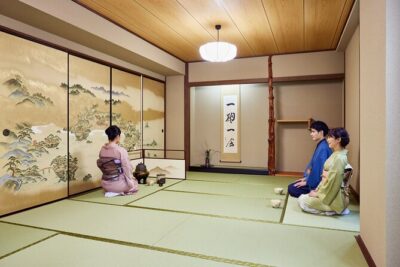
Tea Ceremony Workshop in Tokyo by the Experienced Instrucor
Read our review →
Asakusa: Kimono Tea Ceremony with Matcha and Sweet
Read our review →
Tea ceremony experience in Japanese-style room 60min
Read our review →