
Review · TOKYO
Tokyo: Traditional Tea Ceremony with a Tea Master
Tea tells Japan’s story one cup at a time. The Ocharu Tea Ceremony offers a relaxed, hands-on look at that story, with four types of tea, seasonal sweets, and a chance to whisk your own matcha across from Tokyo University.
I like the variety of teas, especially the rare wakocha and carefully brewed Gyokuro sencha. I also like the friendly teaching style. Guides such as Shinichi-san, Aikiko, and Ekiko have been praised for making the session clear, humorous, and easy to follow. The main drawback is the short one-hour format. You get a useful introduction, but not a long, formal study of every tea ceremony custom.
At $38 per person, this is good value if you want more than a quick cup of matcha. You taste premium tea, eat wagashi from Ougiya, prepare matcha yourself, and leave with a certificate and group photo. Finding the entrance can take a little care, since the green OCHARU logo is high on the building, so arrive five minutes early.
Key Points at a Glance
- Taste four distinct Japanese teas: Try wakocha, Gyokuro sencha, matcha, and Genmaicha, each prepared in its own way.
- Make your own matcha: A tea master guides you through the traditional tools, whisking method, and polite way to drink it.
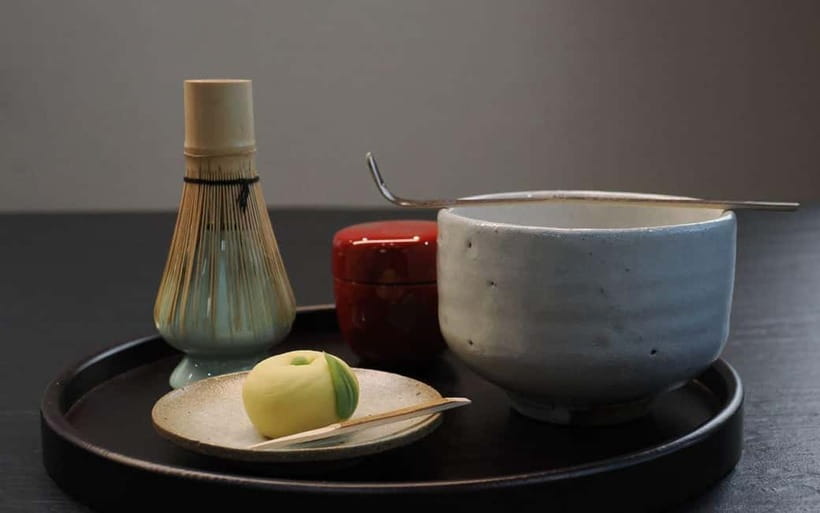
- Try seasonal wagashi from Ougiya: These Japanese sweets balance the bitterness of tea and add a seasonal touch.
- Learn without feeling stiff: The atmosphere is calm and casual, with plenty of room for questions and conversation.
- Visit a convenient Tokyo location: Ocharu is across from Tokyo University and near the Tokyo University area and zoo.
- Leave with small keepsakes: Your certificate, group photograph, and, according to one visitor, even chopsticks, help preserve the memory.
What the Ocharu Tea Ceremony Is Really Like
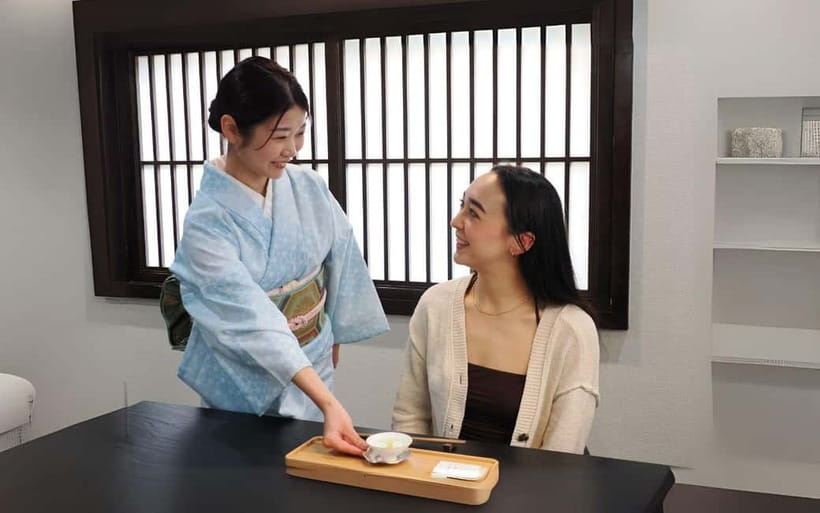
This is not a silent, highly formal tea ceremony where you simply watch a host perform. It is an introductory tasting and workshop designed for English-speaking visitors.
The session covers tea preparation, tea etiquette, tea-growing regions, water temperatures, and the role of sweets. You are invited to participate instead of sitting back for the entire hour. That makes the experience a good choice if you are curious about Japanese customs but do not know the correct gestures or vocabulary.
The teaching style seems to be one of the strongest parts. Guides are described as warm, patient, funny, and easy to talk with. Some sessions have included questions about local life, home cities, language, and even favorite films. That friendly tone matters because it takes away the worry of making a mistake with the whisk or drinking style.
English is the listed language. Most of the feedback praises the explanations as clear, although one person found the guide’s accent a little difficult to understand. If you need very slow, simple English, keep that small possibility in mind.
More Tea Ceremonies in Tokyo
- Kimono Tea Ceremony at Tokyo, Asakusa Maikoya
★ 5.0 · 638 reviews - Tea Ceremony Workshop in Tokyo by the Experienced Instrucor
★ 5.0 · 189 reviews - Asakusa: Kimono Tea Ceremony with Matcha and Sweet
★ 4.9 · 153 reviews
Finding the Green OCHARU Sign Across from Tokyo University
Ocharu is in a useful part of Tokyo, directly across from Tokyo University. The location also puts you near the zoo and the university campus, so you can pair the tea session with nearby sightseeing.
The meeting point is marked by a green OCHARU logo on the wall. One practical warning: the sign may be higher up than you expect. One person walked past the entrance three times before realizing the tea shop was the right place. If you see the tea shop, you are likely in the correct spot.
I would arrive five to ten minutes before your start time. That gives you a little space to find the entrance, check in, and settle down before the tea begins. The activity lasts one hour, so a late arrival would take a noticeable bite out of the session.
The location is accessible by public transport, but the supplied directions do not give one single best route. One person described walking about 15 minutes after reaching Nezu Station. Check your route carefully before leaving, especially if you are coming from a major hub such as Shibuya.
Wakocha and Cake: A Gentle Start
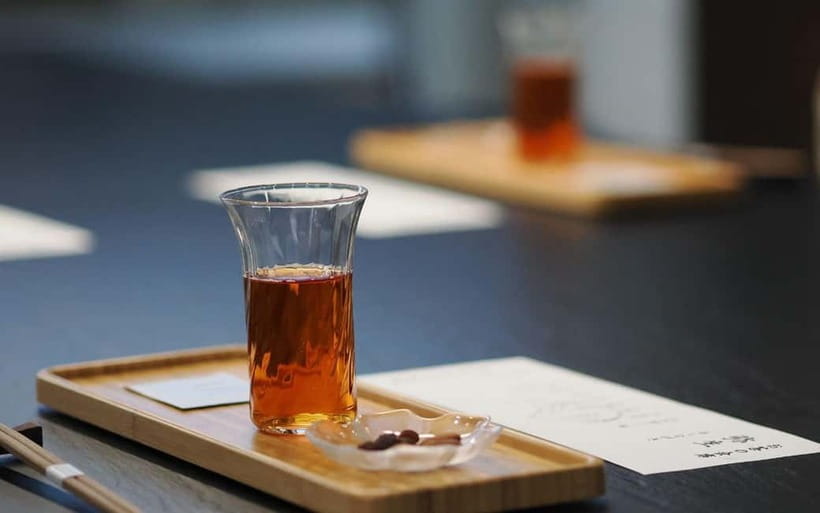
The ceremony begins with wakocha, Japanese black tea from Shizuoka, served with a tea cake. Wakocha is not simply imported black tea made in Japan. It is a Japanese tea with its own character, and the description here points to fruity and floral notes.
This first cup gives you an easy entry into the session. Black tea is familiar to many people, so it helps you notice how Japanese production and local growing conditions can create a different flavor. The cake adds sweetness and makes the opening feel welcoming rather than technical.
The tea cake is also your first lesson in pairing. Japanese sweets are not just decoration beside a cup. Their sweetness helps balance green tea, particularly teas with a clean, grassy, or slightly bitter edge.
If you do not usually drink tea, this opening is reassuring. You are not thrown straight into strong matcha. Instead, the tasting moves from a familiar style toward more specialized Japanese teas.
Gyokuro Sencha and Ougiya Wagashi
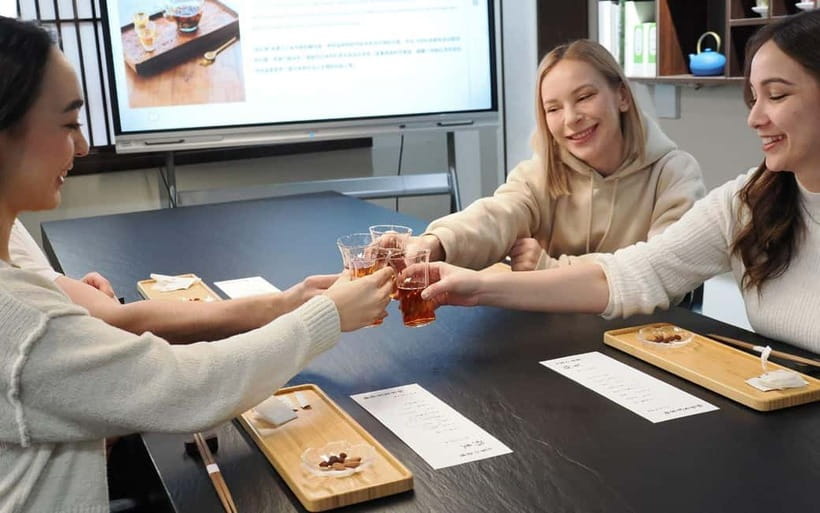
Next comes Gyokuro sencha, described as the highest grade of green tea. The tea master prepares it for you, giving you a chance to taste the tea at its best rather than rushing through a basic cup.
Gyokuro is valued for its delicate flavor and careful preparation. The water temperature matters, and the session explains why. That detail is useful well beyond this activity. It shows you that Japanese green tea is not generally meant to be treated like a mug of boiling water and a quick teabag.
You also taste the leaves. This is an unusual touch and helps you see that the leaf itself can be part of the food experience. The session pairs the tea with seasonal wagashi from Ougiya, a confectioner with generations of experience making Japanese sweets.
The wagashi adds color, shape, and seasonality to the tasting. It also gives you something to eat before stronger green tea. Several people especially liked the small cakes, calling them beautiful and delicious.
This part is likely to appeal most to anyone interested in food presentation. The tea tools, sweets, and method of serving are all treated as part of the experience, not as afterthoughts.
Same place, a different pot:
- Matcha Making Class in Tokyo with Authentic Japanese Sweets Set
★ 5.0 · 744 reviews - Tokyo: Matcha Making Experience with Mochi Sweets in Asakusa
★ 4.9 · 388 reviews - Asakusa Cultural Walk & Matcha Making Tour
★ 5.0 · 245 reviews - Mt. Fuji & Lake Kawaguchiko Ropeway Panorama Full-Day Tour
★ 4.6 · 236 reviews
Making Matcha with Traditional Tools
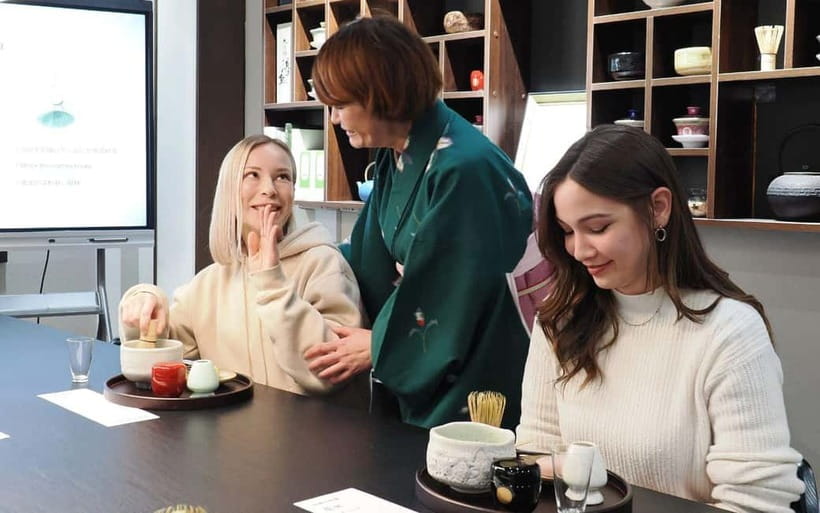
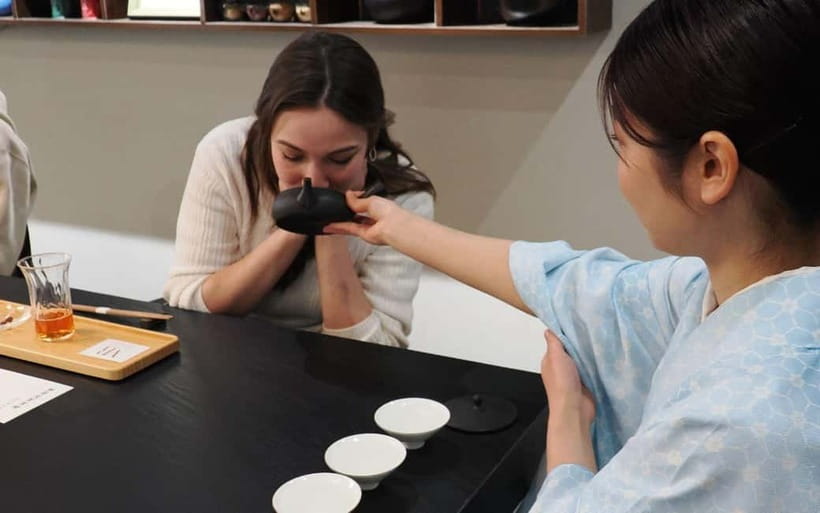
The hands-on matcha session is the heart of the activity. Under the tea master’s direction, you use a traditional whisk and other utensils to prepare your own bowl.
You will learn how to handle the tools, whisk the powder, and drink the finished tea with appropriate manners. The point is not to produce a perfect bowl on your first attempt. It is to understand the movement, texture, and attention involved in making matcha.
That makes this a better introduction than simply watching a professional prepare matcha. You feel how much wrist movement the whisk requires and see why the foam changes with technique. The teacher can correct your method and answer questions as you go.
The tone is casual, so you do not need prior experience. Children can take part too. One family specifically appreciated the effort made to include a ten-year-old child.
You should expect matcha to taste more intense than ordinary green tea. The wagashi helps soften the bitterness, and the instruction gives you a better sense of why matcha is served in small portions.
Some people may find the etiquette slightly intimidating at first. The guide’s role is to make those customs understandable, not to test you. This is a lesson, not an exam.
Genmaicha Ends the Hour on a Comfortable Note
The final tea is Genmaicha, a blend of sencha and roasted rice from Niigata Prefecture. Compared with matcha and Gyokuro, it offers a softer, toastier finish.
The roasted rice gives Genmaicha a warm flavor that many first-time tea drinkers find approachable. Ending with it is a sensible choice. After the sharper taste of matcha and the refined character of Gyokuro, the roasted rice brings the session back to something comforting.
By this point, you have tasted tea in several forms: black tea, brewed sencha, powdered matcha, and roasted-rice green tea. The value is in the comparison. You are not simply told that Japanese tea has many styles. You can taste the differences for yourself.
Some descriptions refer to four teas, while the detailed program names wakocha, Gyokuro sencha, matcha, and Genmaicha. That is the set you should expect. Matcha is prepared by you, while the other teas are served or demonstrated by the tea master.
A Relaxed Lesson Rather Than a Strict Ritual

The word ceremony can make people picture a very formal performance. Ocharu appears to take a more welcoming approach. You still learn about manners and traditional tools, but the atmosphere is described as calm, friendly, and informal.
That balance is important. A formal ceremony can be beautiful, but it may leave a first-time visitor afraid to ask questions. Here, the tea master invites conversation and explains the reasons behind the actions.
I especially like that the lesson covers practical points such as water temperature, origins, and local tea production. These details help you make sense of what you are tasting. You may leave with a better idea of why one tea is brewed gently while another is whisked into a thick drink.
The teaching quality may vary slightly by guide. Names praised in the available feedback include Shinichi-san, Aikiko, Ekiko, and other hosts described as patient and good-humored. One guide even offered some explanations in French for a French-speaking participant. English remains the listed language, though.
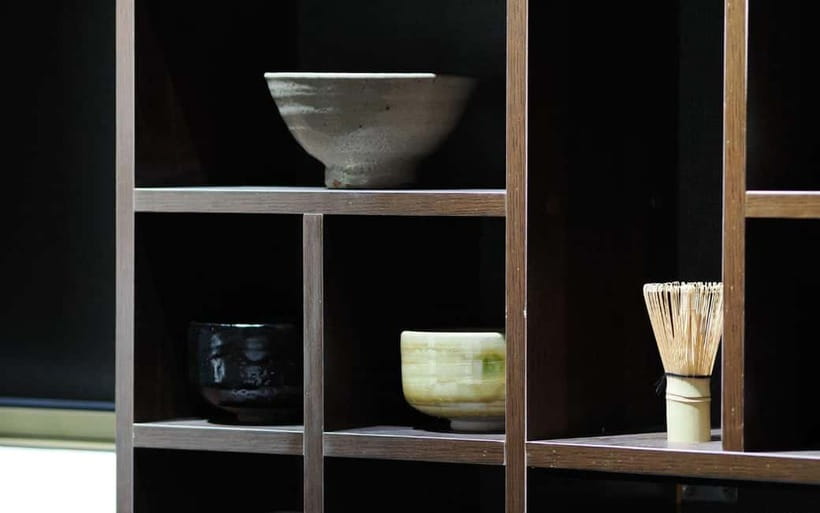
The room itself is described as clean and nicely arranged. The setting is designed for the tea activity rather than being a large sightseeing attraction. That suits the subject. Tea is best appreciated with a little quiet and attention.
How Much Value Do You Get for $38?
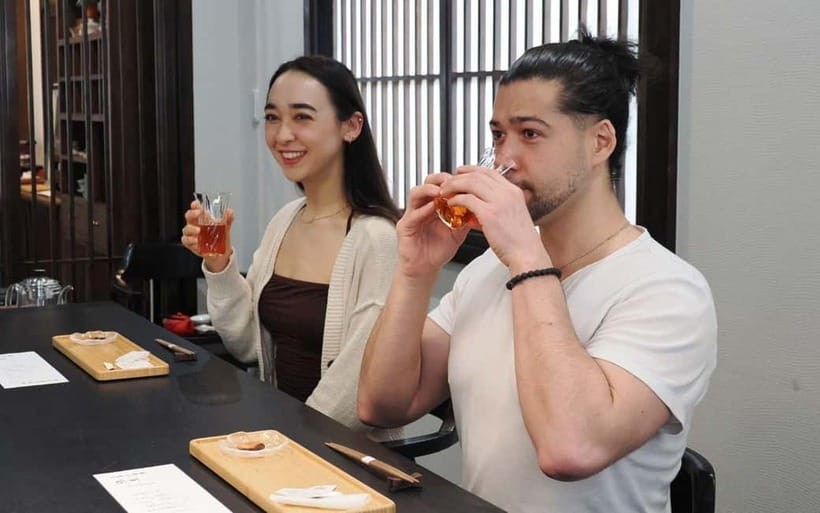
At $38 per person, the price is reasonable for a one-hour cultural activity in Tokyo, particularly because the fee includes several tastings and a hands-on lesson.
You are not paying only for a drink. The price covers:
- Wakocha and a cake
- Gyokuro sencha
- Seasonal wagashi from Ougiya
- A guided matcha-making session
- Genmaicha
- Use of the tea ceremony room
- A certificate
- A group photo
The certificate is a small souvenir, but a thoughtful one. One person noted that theirs was written with their name in Japanese. The group photo gives you a simple record of the occasion, especially useful if you are traveling with family or friends.
Some people also bought tea afterward at the shop. That purchase is optional and not part of the stated price. There is a small café downstairs where you can drink matcha and buy tea to take home. It is a convenient extra, but you should not feel that buying something is required.
For comparison, many short Tokyo cultural activities give you one demonstration and one tasting. Here, you receive a tasting sequence, instruction, sweets, participation, and keepsakes. If tea interests you even moderately, that is a solid package.
The value is less certain if you dislike green tea or want a long, highly formal ceremony. In that case, the one-hour introduction may feel brief.
Who Should Book This Experience?
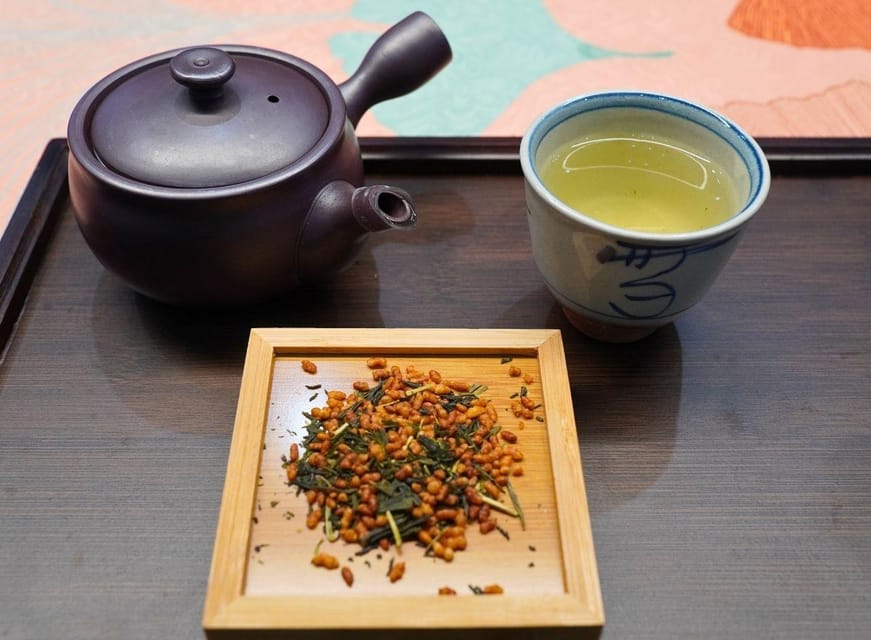
I would recommend it to first-time visitors who want a clear introduction to Japanese tea without committing half a day. The short format fits neatly between other Tokyo plans.
It also suits:
- Tea drinkers who want to compare Japanese styles
- Couples looking for a calm shared activity
- Families with older children
- Visitors curious about Japanese etiquette
- People who enjoy food presentation and seasonal sweets
- Anyone who wants a cultural activity indoors
You do not need to be a tea expert. In fact, beginners may get the most from the explanations. The session starts gently and builds toward matcha.
I would be more cautious if you use a wheelchair, since the experience is not suitable for wheelchair users. You should also avoid arriving at the last minute because the entrance can be easy to miss.
If you have limited English comprehension, the session may require extra concentration. Most comments describe the English as easy to follow, but one person found an accent challenging. That is a minor concern, not a reason to dismiss the activity, but it is worth knowing.
Practical Tips for a Better Visit
Arrive five minutes early, and look high for the green OCHARU logo. If you cannot see it, look for the tea shop rather than wandering around the block.
Keep your schedule flexible after the session. The tea activity itself lasts one hour, but you may want time to look around the shop, visit the nearby café, or walk toward Tokyo University and the zoo.
Do not drink a large amount of strong coffee immediately before the activity. You are tasting several teas, and the value comes from noticing their different aromas and flavors.
Ask questions. The guides are there to explain the history, preparation, manners, and regional details. You will get more from the session if you treat it as a conversation rather than a performance.
If you are visiting with a child, tell the guide who may need extra encouragement. The session has already worked well for a ten-year-old, and the hands-on matcha portion gives children something concrete to do.
Final Verdict: A Good First Tea Experience in Tokyo
I would book the Ocharu Tea Ceremony if I wanted a friendly, compact introduction to Japanese tea. The combination of wakocha, Gyokuro, matcha, Genmaicha, seasonal wagashi, and practical instruction gives you a lot to taste in 60 minutes.
The strongest reason to go is the teaching style. You are not left to guess what the tools mean or how the manners work. The tea masters explain the process, answer questions, and keep the atmosphere relaxed.
Skip it if you want a long, formal ceremony with an elaborate traditional setting, or if accessibility is a concern. Otherwise, $38 buys a useful cultural lesson, several memorable flavors, and a pleasant hour across from Tokyo University.
FAQ
How long does the Tokyo tea ceremony last?
The experience lasts one hour.
How much does the tea ceremony cost?
The price is $38 per person.
Where is the tea ceremony held?
It is held in the Ocharu Tea Ceremony Room across from Tokyo University in Tokyo.
How do I find the meeting point?
Look for the green OCHARU logo on the building wall. The logo may be high up, and the tea shop can help you identify the correct location.
What teas are included?
You taste wakocha, Gyokuro sencha, matcha, and Genmaicha.
Do I get to make my own matcha?
Yes. A tea master guides you as you prepare matcha with traditional tools and utensils.
Are sweets included?
Yes. You receive a tea cake with the welcome wakocha and seasonal wagashi from Ougiya with the sencha tasting.
Is the activity conducted in English?
Yes. English is the listed language and the instructor language.
Do I receive anything to remember the experience?
Yes. You receive a certificate of completion and a group photo.
Is the experience suitable for wheelchair users?
No. The activity is not suitable for wheelchair users.
Just added around Tokyo
- Yokohama : Tea Ceremony with Sweets and Souvenir★ 5.0 · 5 reviews
- Walking Tour: Yanaka,Nezu& Sendagi: Tea Ceremony & Old Tokyo★ 5.0 · 3 reviews
- Private Kimono and tea ceremony at local home near Tokyo Disney★ 5.0 · 6 reviews
- Private Mochi・Matcha sweets Making Class Near Shibuya Area★ 5.0 · 22 reviews
- Tokyo Sweets Tour: Hidden Gems & Matcha at an Old Tea House★ 5.0 · 6 reviews
- Kimono and Tea Ceremony in Asakusa Private Food Tour With Guide★ 5.0 · 4 reviews
- 2 Hours Mochi &Nerikiri Making & Matcha Class in Bunkyo★ 5.0 · 21 reviews
- Tokyo: Tea Ceremony & Japanese Sweets Making★ 5.0 · 10 reviews
Tea Ceremonies in Tokyo, compared.
Tea Ceremony Workshop in Tokyo by the Experienced Instrucor
Read our review →
Asakusa: Kimono Tea Ceremony with Matcha and Sweet
Read our review →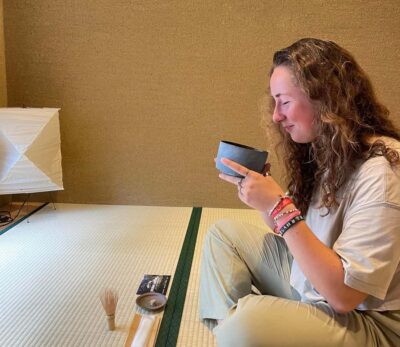
Tea Ceremony Experience in a Private Tea Room in Shibuya
Read our review →
Tea ceremony experience in Japanese-style room 60min
Read our review →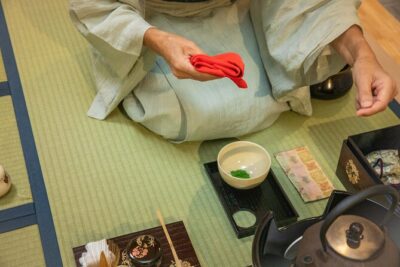
Browse the lists this tour appears in