Review · KYOTO
Private Tea Ceremony and Sake Tasting in Kyoto Samurai House
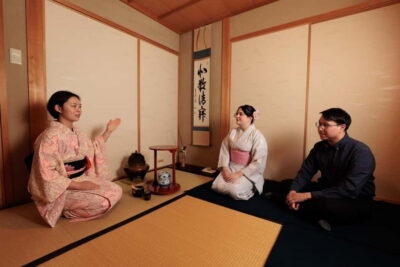
Kyoto keeps one quiet surprise near the station. This private experience brings you into a 300-year-old samurai house for a traditional tea ceremony, locally sourced Uji matcha, and your choice of sake or Japanese whisky tasting. I especially like the private setting and the chance to ask questions without a large group pressing in. The house is also only an eight-minute walk from Kyoto Station, which makes this an easy cultural stop between sightseeing plans.
The ceremony is peaceful and hands-on, not just a short demonstration. You can whisk your own matcha, dress in a kimono or samurai outfit for photos, and learn about sake from the hosts. The main drawback is the short 50-minute schedule, especially if you want the optional kimono experience, which adds about 30 minutes and costs extra. The old house also has only one traditional toilet, so use the facilities before you arrive.
Key points to know before booking
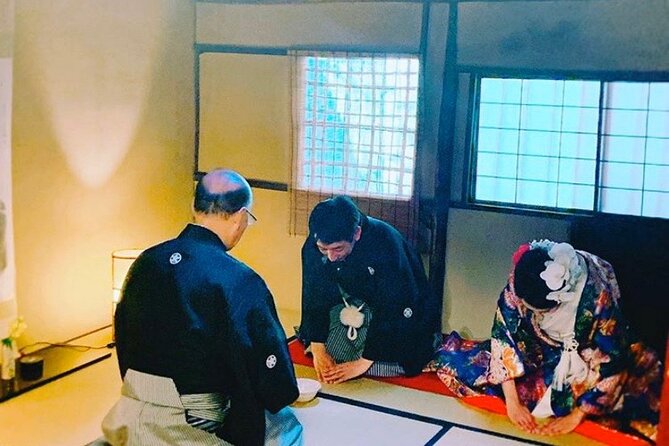
- A 300-year-old family samurai house: You visit a historic residence rather than a modern tea studio.
- Private for your group: You can ask questions, take photos, and move at a relaxed pace without strangers joining you.
- High-grade organic Uji matcha: The tea is sourced locally from Kyoto’s famous tea-growing area.
- Three choices after the ceremony: Pick a matcha-whisking lesson, five sake tastings, or two Japanese whisky tastings.
- Samurai and kimono photographs: Women can wear a wedding kimono, while men can pose in samurai clothing with a katana.
- Convenient but not fully accessible: The house is close to Kyoto Station, but its historic design includes one old toilet and may not suit everyone over 120 kilograms.
Entering a 300-year-old samurai residence
The location is one of the strongest parts of this Kyoto experience. Kyoto Samurai House is at 384 Mongakucho in the Shimogyo Ward, about an eight-minute walk from Kyoto Station. You do not need to set aside a full day or travel across the city to reach it. That matters in Kyoto, where a short activity near the station can fit neatly before a train, after hotel check-in, or between major sights.
Inside, the mood changes quickly. You leave the noise of the station area and enter a traditional family home that has remained in the same family for roughly 300 years. The house is connected to a samurai lineage, and the setting gives the tea ceremony a stronger sense of place than a hotel room or tourist center could provide.
The appeal is not simply the age of the building. You are receiving the ceremony in a space made for quiet attention, with the room, customs, and household setting working together. The hosts explain the house and the tradition, and the private format lets you ask about details that might be skipped in a crowded class.
This is still a hosted cultural activity, not a museum visit. You are there to participate, listen, and enjoy the family’s hospitality. The house may feel modest and old-fashioned compared with Kyoto’s polished cultural venues. That is part of its charm, but it also means you should expect traditional conditions rather than modern facilities.
More Kimono and Tea Ceremonies in Kyoto
- Kimono Tea Ceremony at Kyoto Maikoya, NISHIKI
★ 5.0 · 911 reviews - Kyoto: Kimono Tea Ceremony at Orizuruya Gion
★ 4.9 · 618 reviews - KYOTO Tea Ceremony with kimono near by Imamiya Jinjya Shrine
★ 5.0 · 343 reviews
The tea ceremony and the way of matcha
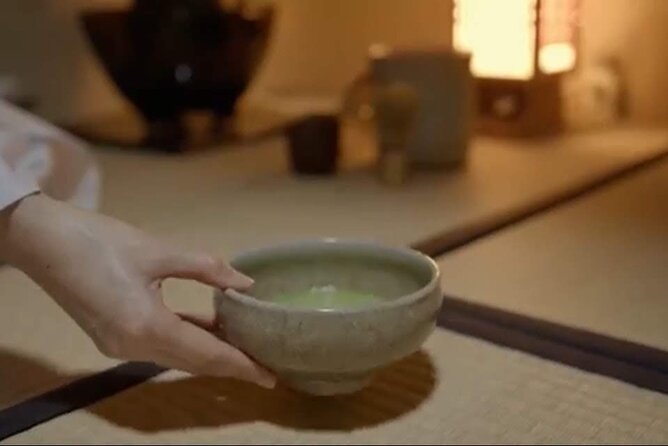
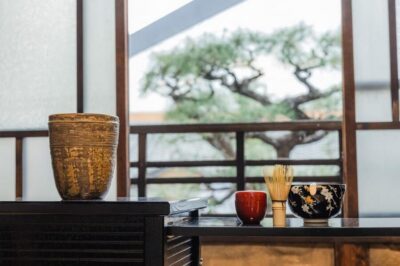
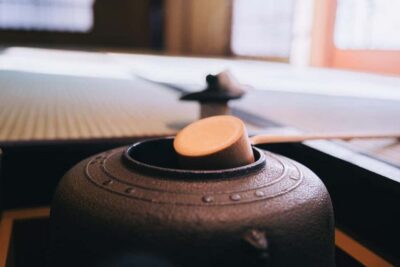
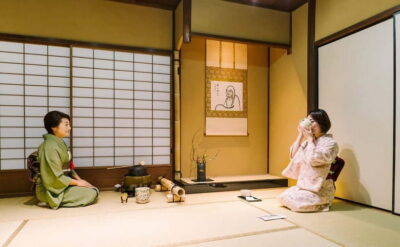
The main event takes place in a traditional tea room. The ceremony introduces you to the principles of chanoyu, the Japanese way of tea, through careful movements, etiquette, and the preparation of matcha. The tea is organic and locally sourced from Uji, the Kyoto area best known for high-quality green tea.
I like that the experience does not treat matcha as just a trendy drink. You learn how the powder is enjoyed in a ceremonial setting and why the preparation matters. The slow pace gives you a chance to notice the tools, gestures, and quiet rhythm of the room.
The tea master leads the formal portion, while the hosts provide explanations in English. Several detailed accounts describe the tea master as having many years of training and experience. The result is a ceremony that feels serious without becoming stiff or difficult to follow.
You should not expect a long academic lecture. The information is designed for a short cultural activity, so it gives you a clear introduction rather than a full study of tea history. That works well if you are new to matcha or want a calm introduction before visiting tea shops and gardens around Kyoto.
The ceremony is also suitable for families. Children may not sit perfectly still through every moment, but the activity includes visual details, dressing up, and hands-on options that help hold their attention. The hosts have been described as accommodating toward children, including boys aged eight and ten.
Making your own matcha with a bamboo whisk
After the formal tea service, you can choose to make your own matcha with a bamboo whisk, called a chasen. This is a small but worthwhile part of the experience. You move from watching the ritual to trying the basic technique yourself.
Whisking matcha looks simple until you try to create the right texture. The lesson gives you a practical connection to the ceremony, and you can take home a better understanding of what goes into a bowl of properly prepared tea.
This option is also the plan for participants under 20, since alcohol is not served to anyone under that age. It makes the activity flexible for mixed-age groups. Adults who want sake or whisky can choose one of those options, while younger members can still take part in the tea-making lesson.
The 50-minute schedule means the hands-on portion will not be an extended workshop. Think of it as a guided introduction. If you want a slower tea lesson, ask about timing when you book, especially if your group also wants photographs.
Sake, Japanese whisky, or more matcha
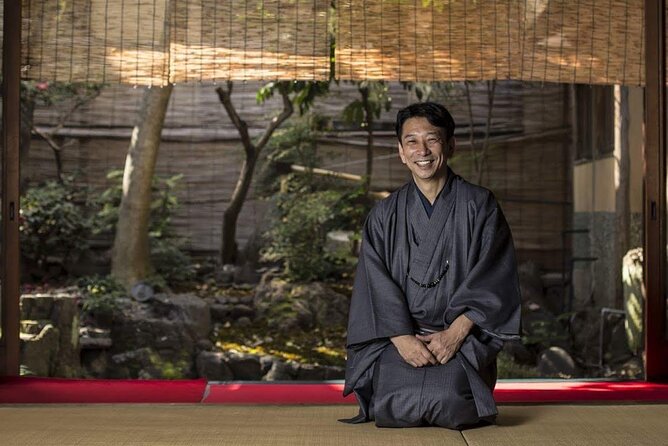
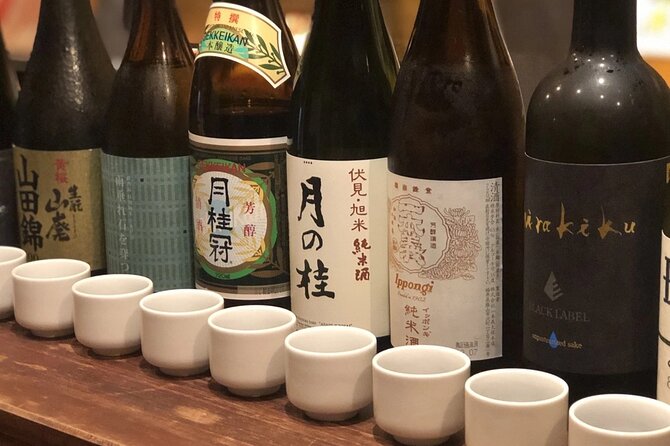
Adults over 20 choose one of three options: a matcha-whisking lesson, a tasting of five sake shots, or a Japanese whisky tasting with two shots. This choice is important because the standard plan does not appear to include all three alcohol and tea options for every participant.
The sake tasting is a popular way to finish the visit. You learn about different flavors and locally produced varieties in a relaxed conversation with the host. Five small tastings offer more range than a single sample, though you should pace yourself because the activity is short and the sake follows a quiet, focused ceremony.
The whisky option is smaller, with two shots. Some groups have also been offered Japanese whisky such as Yamazaki, including a rare 12-year bottle, though you should not assume that particular bottle will be available during your visit. The whisky choice makes sense for someone more interested in Japanese spirits than sake.
If you do not drink alcohol, the matcha lesson is the better choice. It is also the choice for anyone under 20. The activity provides alcohol only to people over 20, so families should decide in advance how each person will spend this portion.
More Private Tea Experiences in Japan
- Kyoto: Private Tea Ceremony with a Garden View
★ 4.9 · 61 reviews - Kyoto Private Tea Ceremony with Tea Master at Home
★ 5.0 · 58 reviews - Stunning Private Tea Ceremony: Camellia Garden Teahouse
★ 5.0 · 28 reviews - KYOTO: Private Tea Ceremony in Hidden Townhouse (Kid-Friendly)
★ 5.0 · 20 reviews
Kimono, samurai clothing, and photographs
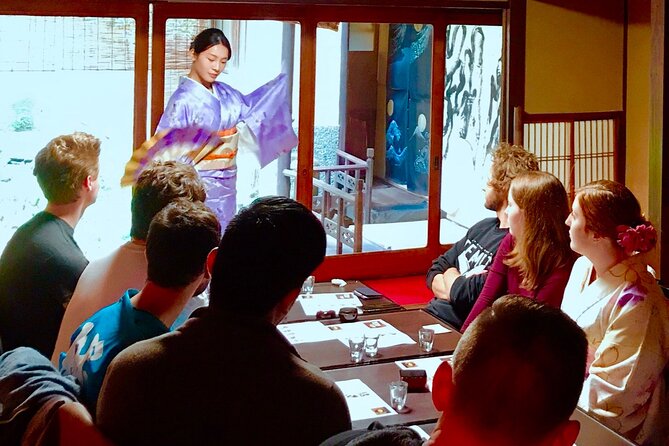
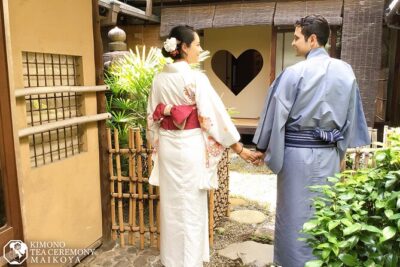
The dressing-up portion adds a playful visual element to a serious cultural experience. Women can wear an authentic silk wedding kimono, while men can pose in samurai clothing and hold a katana for photographs. Hosts help direct poses, and you are welcome to take pictures during the visit.
The clothing is not part of the basic 50-minute experience in the same way as the tea ceremony. If you want to wear a kimono during the ceremony itself, plan on an additional 30 minutes and an extra charge. That option is limited to one group at the house, while other time slots may be available as a separate plan through the provider’s website.
This distinction matters. If your goal is a few memorable photos, the standard visit may be enough. If you want a full dressing experience with more time in the clothing, allow for the added cost and longer schedule.
The photographs work especially well for couples and families. A woman in a formal kimono and a man in samurai clothing create a clear visual reminder of the setting. Children can also enjoy the samurai theme, and one family described receiving a playful umbrella shaped like a sword for the boys.
The katana poses are for photographs, not combat or martial arts practice. Handle the props carefully and follow the host’s instructions. You can bring your own camera or phone, and the hosts may also help take pictures so everyone appears in the frame.
Why the private format matters
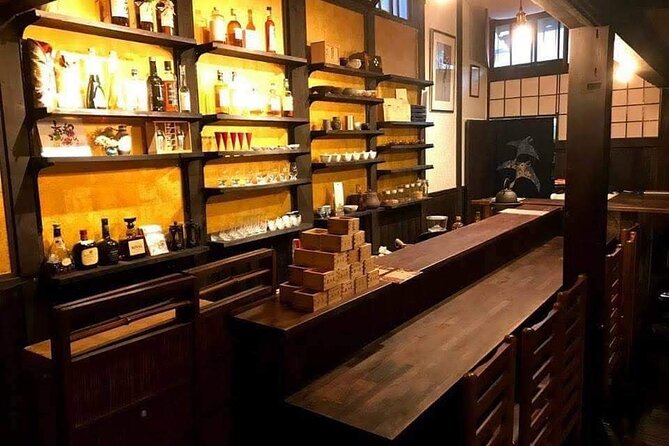
A private booking means only your group participates. That is more than a marketing detail. Tea ceremony etiquette can feel intimidating when you are unsure where to sit, how to handle the bowl, or when to ask a question. In a private room, you can learn without worrying about slowing down strangers.
The hosts are frequently praised for being warm, patient, and fluent in English. Their approach seems to be personal rather than scripted. You can ask about samurai customs, the house, the tea tools, or the differences between sake styles as the visit unfolds.
The private arrangement is especially useful for couples, families, and small groups with different interests. One person can focus on the ceremony, another can ask about the house, and another can look forward to the sake tasting or photographs.
There is a tradeoff. Private activities usually cost more per person than a large group class. At $99, this is not Kyoto’s cheapest tea experience. The value comes from having the house to yourselves, meeting the family who lives there, using the historic setting, and combining tea with tasting and photographs in one visit.
Is $99 good value for Kyoto?
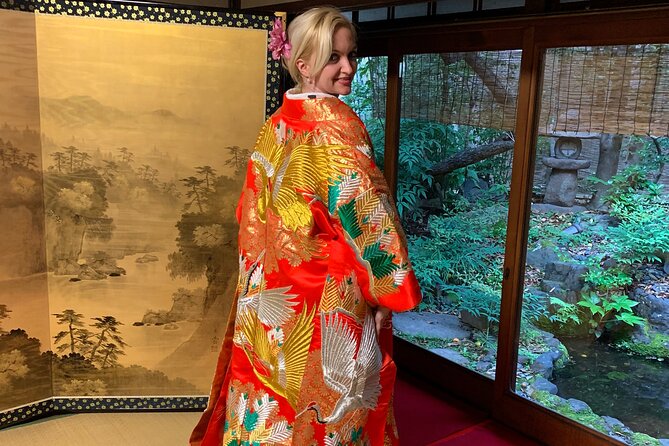
I think the price is fair if you want several elements in one compact activity. The fee covers a private tea ceremony in a historic house, high-quality Uji matcha, an optional tasting or whisking lesson, and the chance to use traditional clothing and samurai props for photographs.
It becomes better value for a group of two or more because the private setting is the central feature. A solo booking is not possible under the stated rules, since the minimum reservation is two people. Group discounts may also be available, so larger parties should check the final booking price.
The price is harder to justify if all you want is a quick cup of matcha. Kyoto has many places to drink green tea for less. This activity makes sense when you want the setting, instruction, personal attention, and sake or whisky option together.
The short duration helps with scheduling but limits depth. You will get an introduction, not a full-day study of tea or samurai culture. I would place it on a day when you want one meaningful indoor activity rather than trying to make it the main cultural event of your Kyoto visit.
Timing, comfort, and practical limits
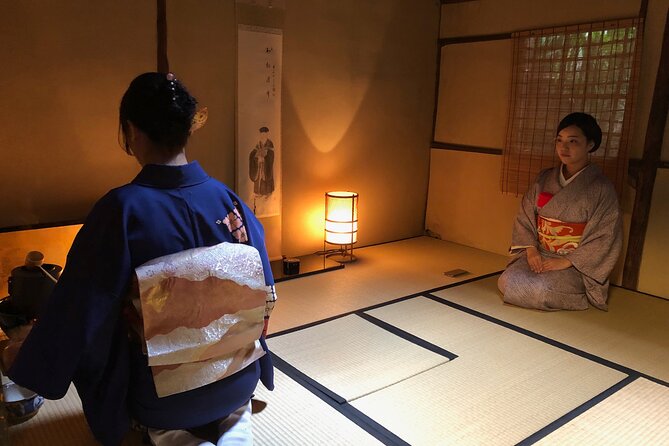
The advertised duration is approximately 50 minutes. If you add kimono wear during the ceremony, allow another 30 minutes and expect an extra fee. Arrive ready to begin, especially if you have a train or timed reservation afterward.
The old property has only one old-style toilet. Use the restroom before arriving if possible. This is a small point, but it can affect your comfort during a private visit, particularly if several people are in your group.
The activity is not recommended for people weighing 120 kilograms or more. The supplied information does not describe full accessibility details, so if you have mobility concerns, ask the provider before booking. A 300-year-old residence may have traditional features that are less convenient than a modern venue.
The experience ends where it begins, at Kyoto Samurai House. Since the house is near Kyoto Station, you can continue to the station afterward without arranging another transfer.
The booking is non-refundable and cannot be changed for any reason. Check your date, group size, ages, and preferred tasting option before paying. If the provider cancels because the minimum number of participants is not reached, you will be offered another date or experience, or a full refund.
Who will enjoy this most?
I would recommend this for couples who want a memorable shared activity without spending half a day away from central Kyoto. The kimono and katana photographs add a personal souvenir, while the private room gives the ceremony a calm, intimate tone.
Families can also do well here, particularly if children are interested in samurai, costumes, or trying a simple craft. The tea ceremony itself may be quiet for younger children, but the hosts have shown care with children and can make the visit more approachable.
It suits first-time visitors who want an introduction to Japanese customs but do not know where to begin. The English explanations, short format, and choice between tea, sake, and whisky keep the experience easy to follow.
I would be more cautious if you dislike sitting quietly, have no interest in tea or Japanese spirits, or want a long, highly formal ceremony. The visit includes several activities, so it is not a pure tea-school lesson. It also may not be comfortable for anyone who needs modern restroom facilities or has difficulty with the house’s traditional layout.
Should you book the Kyoto Samurai House experience?
Book it if you want a private cultural experience that combines tea, family hospitality, and photographs in one convenient stop. The 300-year-old house gives the ceremony a sense of place, and the private format lets you ask questions and enjoy the visit at your own pace.
I would choose the sake tasting for adults who enjoy trying local drinks, or the whisky option for anyone curious about Japanese spirits. Choose the matcha lesson for children, non-drinkers, or anyone who wants a hands-on tea activity.
For the best experience, use the restroom first, confirm the clothing option and extra charge, and leave room in your schedule beyond the basic 50 minutes if photographs matter. At $99, it is a considered purchase, but the combination of a historic home, private instruction, tasting, and traditional dress makes it a strong choice for couples and small groups seeking a personal Kyoto memory.
FAQ
Where is the Kyoto Samurai House experience located?
It takes place at Kyoto Samurai House, 384 Mongakucho, Shimogyo Ward, Kyoto. The property is about an eight-minute walk from Kyoto Station.
How long does the tea ceremony and tasting last?
The standard experience lasts approximately 50 minutes. Wearing a kimono during the tea ceremony adds about 30 minutes and costs extra.
Is the activity private?
Yes. Only your group participates in the activity.
What can I choose after the tea ceremony?
You can choose a bamboo-whisk matcha lesson, five sake shots, or two Japanese whisky shots. Alcohol is available only to people over 20.
Can I wear a kimono or samurai clothing?
Women can wear an authentic silk wedding kimono, and participants can pose with samurai clothing and a katana for photographs. Wearing a kimono during the tea ceremony requires extra time and an additional fee.
Is the booking refundable or changeable?
No. The experience is non-refundable and cannot be changed after booking. If the provider cancels because the minimum number of participants is not met, you will be offered another date or experience, or a full refund.
More Private Tea Experiences in Kyoto
- Kyoto Private Tea Ceremony at a Japanese Inns
★ 5.0 · 12 reviews - Kyoto Private Tea Ceremony at a Japanese Inns
★ 5.0 · 3 reviews - Kyoto Newly Opened Private Tea Ceremony – Sanjo Chasuian
★ 5.0 · 2 reviews - Tea Ceremony Experience in a Private Tea Room in Shibuya
★ 4.9 · 125 reviews
More Tea Ceremonies in Kyoto
- Kyoto: Tea Ceremony in a Traditional Tea House in Kiyomizu
★ 4.9 · 3,519 reviews - Kyoto: Tea Ceremony Ju-An at Jotokuji Temple
★ 4.9 · 3,207 reviews - Kyoto: 45-Minute Tea Ceremony Lesson Experience
★ 4.3 · 2,378 reviews - Kyoto: Table-Style Tea Ceremony at a Kyo-Machiya
★ 4.9 · 1,211 reviews
Just added around Kyoto
- Uji Walking Tour – Byodo-in temple and Tea Ceremony from Kyoto★ 3.5 · 3 reviews
- Tea ceremony at Kyoto’s Zen Temple Teahouse★ 5.0 · 2 reviews
- Kyoto: Authentic Tea Ceremony in a Small Group★ 5.0 · 7 reviews
- Tea Ceremony in 150 Years Old Townhouse with Tables and Chairs★ 5.0 · 22 reviews
- Silent Beauty of Kyoto Zen Walk and Tea Experience★ 5.0 · 2 reviews
- Tea Ceremony Experience in Traditional Kyoto Townhouse★ 5.0 · 19 reviews
- Traditional Tea Ceremony in Kyoto★ 4.5 · 3 reviews
- Kyoto Newly Opened Private Tea Ceremony – Sanjo Chasuian★ 5.0 · 2 reviews
Tea Ceremonies in Kyoto, compared.
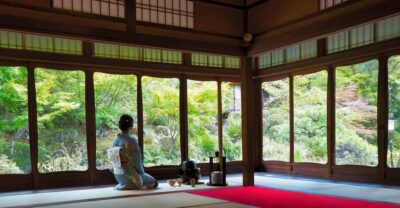
Tea Ceremony in a Traditional Tea House in Kiyomizu
Read our review →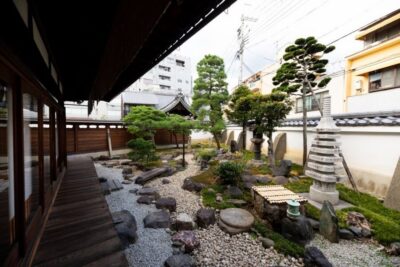
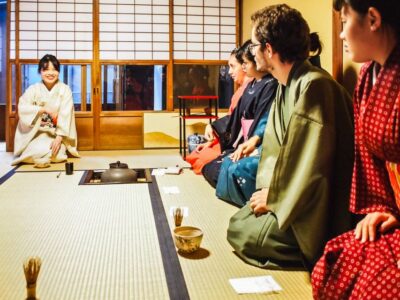
Tea Ceremony in 100-year-old Kyo-Machiya Townhouse
Read our review →