
Review · TOKYO
Tea Ceremony Workshop in Tokyo by the Experienced Instrucor
Slow down in the heart of Tokyo. This 90-minute tea workshop offers a calm, hands-on introduction to Chado inside an old Japanese tea room near Asakusa. You watch a formal preparation, taste several forms of matcha, and make your own bowl of tea.
I like the small-group format and the chance to practice as both host and guest. I also like the setting: tatami mats, traditional tea bowls, seasonal sweets, and a school licensed by the Urasenke Chado School in Kyoto. The main consideration is physical access, since the tea room sits upstairs in a 1940s Japanese house with a steep staircase.
The session is designed as an introduction, not a full-length ceremony course. That is good news if you want cultural context without spending half a day on formal sitting and ritual. If you already study Chado, you may find the class too basic.
Key Points Before You Book
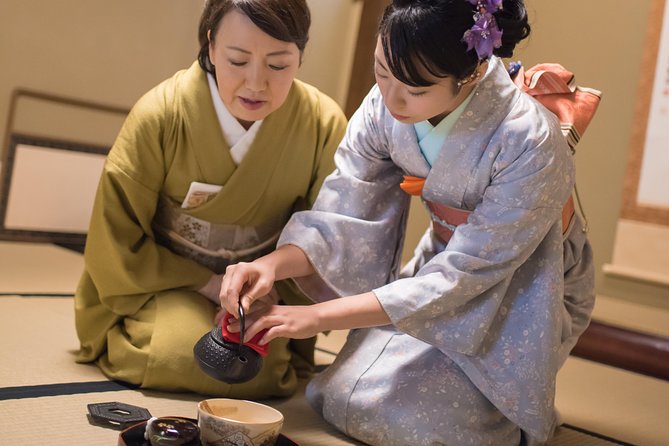
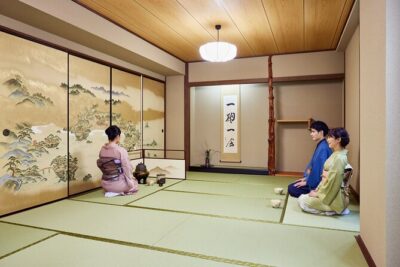
- A real tea-room setting: The workshop takes place on the second floor of an old Japanese-style building with tatami mats and a traditional atmosphere.
- More than one kind of matcha: You taste koicha, a strong thick tea, and usucha, the lighter tea most people associate with whisked matcha.
- You make your own tea: The practical lesson lets you prepare usucha rather than only watch an instructor.
- Small groups help: The stated maximum is six people, making it easier to follow the movements and ask questions.
- Socks are required: Bring clean socks, and avoid miniskirts or tight trousers because of the tea-room setting.
- The address needs care: Use 2-3-12 Kotobuki, not the incorrect 2-3-3 address that may appear on Google Maps.
A Quiet Introduction to Chado Near Asakusa
This experience takes place at 2-chome-3-12 Kotobuki in Taito City, near Asakusa and public transportation. The activity begins and ends at the same place, so you can easily combine it with time in the Asakusa area.
The workshop introduces Chado, the Japanese Way of Tea. This is not simply a lesson in making a green drink. The instructor explains how the tea room, movements, utensils, sweets, and shared attention fit together. The ceremony asks you to notice small things, including the shape of a tea bowl and the way tea is offered to another person.
You will not need to perform every formal movement perfectly. The point is to understand the manners and meaning, then try the basic techniques yourself.
The school is licensed by the Urasenke Chado School in Kyoto, one of Japan’s major tea schools. That gives the session a solid foundation. You are not just whisking powdered tea in a café while someone offers a few cultural facts. You are learning in a place connected to a recognized tea tradition.
More Tea Ceremonies in Tokyo
- Kimono Tea Ceremony at Tokyo, Asakusa Maikoya
★ 5.0 · 638 reviews - Tokyo: Traditional Tea Ceremony with a Tea Master
★ 5.0 · 528 reviews - Asakusa: Kimono Tea Ceremony with Matcha and Sweet
★ 4.9 · 153 reviews
Sakura Tea Begins the Visit
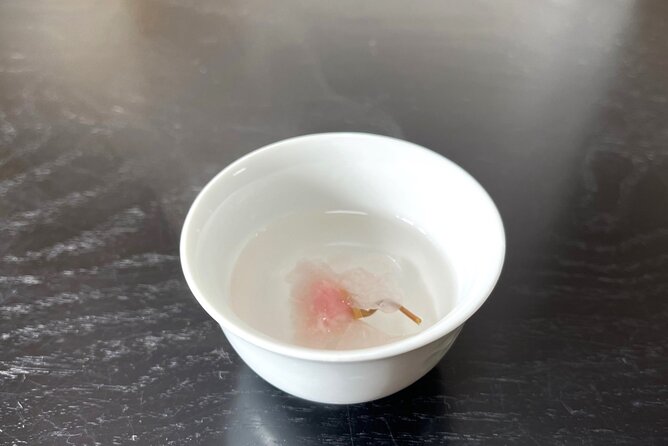
The session opens with Sakura tea, a cherry-blossom tea served by the host as a welcome drink. It sets a seasonal tone before the group moves into the larger ideas behind Chado.
This opening is useful because it shows that Japanese tea culture includes more than matcha. The drink is part of the welcome, and the act of receiving it helps you begin thinking about the relationship between host and guest.
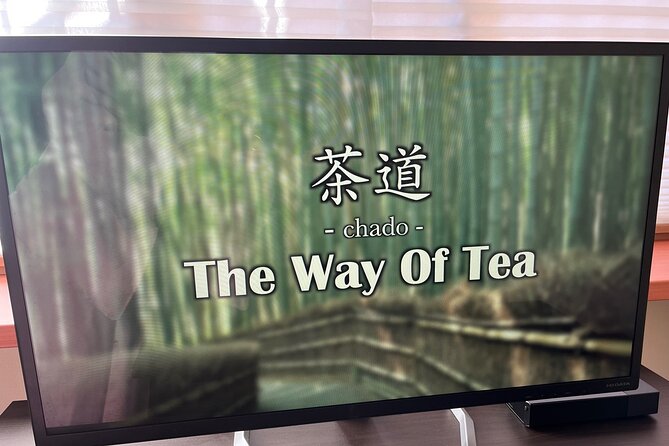
You then watch a roughly 10-minute introductory video about the history and core ideas of Chado. It is a practical starting point. Without some context, the careful movements of a tea ceremony can seem like a string of rules. The video helps explain why the room is arranged as it is and why the order of service matters.
The video also keeps the instructor from spending the entire session on background information. You receive a short explanation, then move into the tea room for the main event.
Entering the Traditional Tea Room
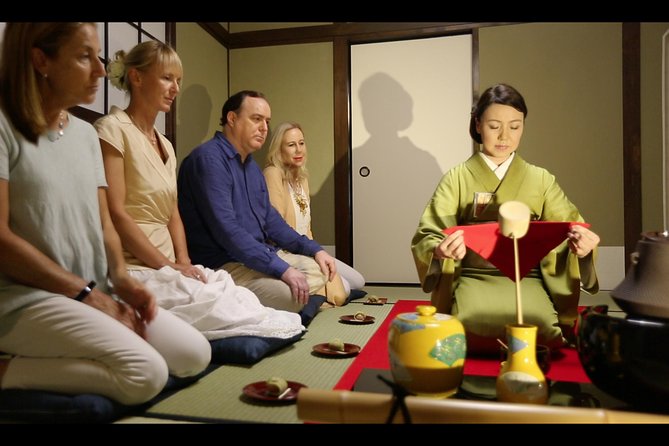
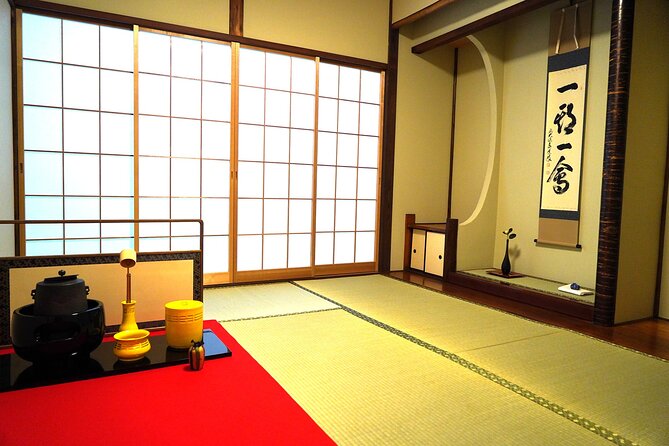
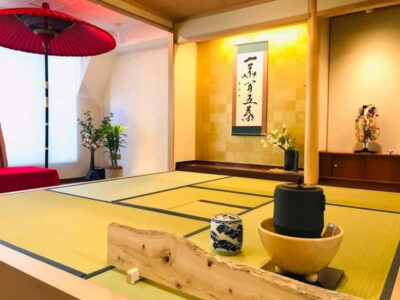
The tea room is on the second floor of a Japanese-style house built in the 1940s. The age of the building is part of its appeal. It gives the workshop a sense of place that a modern hotel meeting room could not provide.
You will sit on tatami mats, though you do not have to use the formal seiza position, which means sitting back on your knees. That makes the session more manageable for most people. If you cannot sit on the mats, a chair can be provided.
The staircase is very steep, and there is no mechanical equipment to help people reach the second floor. If stairs are difficult for you, contact the provider before booking. The house also has a weight limit, so a group may occasionally be asked to change time slots for safety reasons.
The room requires socks. Bare feet are not allowed, and miniskirts or tight trousers are discouraged. Loose, comfortable clothing will make it easier to sit and move without fuss.
Watching Koicha, the Formal Matcha
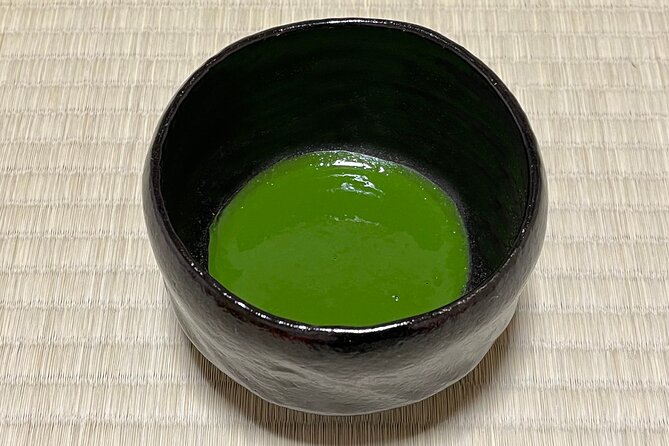
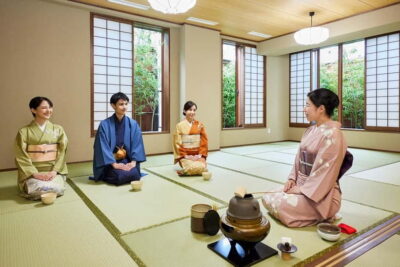
The instructor presents a formal preparation of koicha, the thick matcha served in the ceremony. Compared with the lighter tea usually sold in cafés, koicha is stronger, denser, and less airy.
The presentation gives you a chance to watch the full rhythm of the ceremony before you try anything. Pay attention to the way the instructor handles the bowl, prepares the tea, and serves it. The movements are deliberate, but the experience is not meant to feel like a theatrical show.
Koicha is described here as the original form of matcha associated with samurai. It may be an intense taste, especially if you are new to powdered green tea. Do not expect a sweet drink. The confection served alongside it helps balance the bitterness.
This is also where the workshop’s peaceful quality comes through. The instructor asks you to leave ordinary concerns aside for a while. You may find the quiet more memorable than the flavor itself.
Same place, a different pot:
- Matcha Making Class in Tokyo with Authentic Japanese Sweets Set
★ 5.0 · 744 reviews - Tokyo: Matcha Making Experience with Mochi Sweets in Asakusa
★ 4.9 · 388 reviews - Asakusa Cultural Walk & Matcha Making Tour
★ 5.0 · 245 reviews - Mt. Fuji & Lake Kawaguchiko Ropeway Panorama Full-Day Tour
★ 4.6 · 236 reviews
Tea Bowls, Regional Styles, and Taste
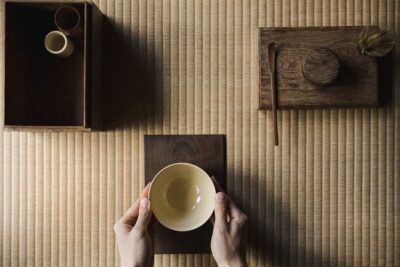
A particularly good part of the lesson focuses on tea bowls. You learn that bowls come from different regions and that their shapes affect how the tea feels and tastes.
This may sound like a small detail, but it makes the ceremony easier to understand. The bowl is not disposable packaging. Its weight, curve, rim, and appearance all affect the experience of drinking.
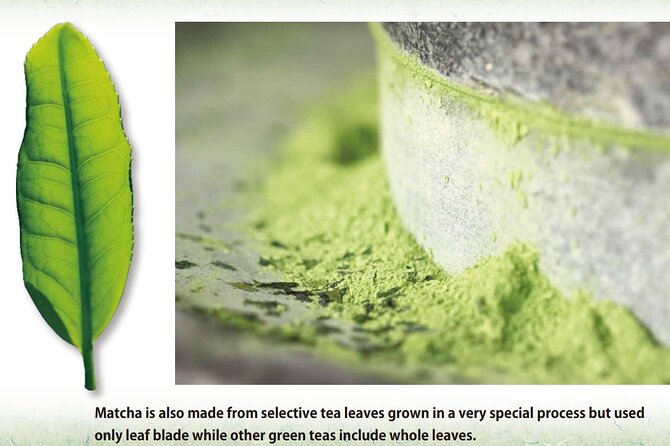
You also learn about matcha powder itself. That helps put the drink in context before you prepare your own. Matcha is made from finely ground tea, and the quality and preparation method can change the final cup.
The instructor speaks English fluently, and the explanations are intended for international visitors. That matters here because the value of the class comes from understanding the reasons behind the actions, not simply copying hand movements.
Making Usucha Yourself
After the formal demonstration, you get a hands-on lesson in making usucha. This is the thinner matcha with a layer of foam on top, and it is likely to be more familiar to anyone who has ordered matcha in Japan.
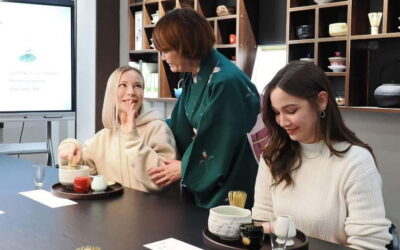
You receive the materials and follow the instructor’s directions. The practical portion turns the class from a performance into a shared activity. You are both a student and a host, while the other participants give you a chance to see the guest’s side of the custom.
Expect a few imperfect swirls. That is part of the fun. You do not need professional technique to enjoy the lesson, and the instructor guides each step.
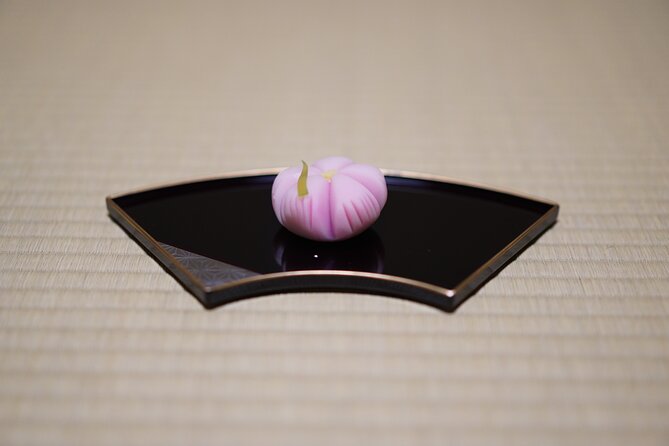
Before drinking the usucha, you enjoy dry sweets. Traditional Japanese confectionery is often designed to prepare the palate for bitter tea. The sweets also add visual interest, with shapes and colors that may reflect the season or local style.
Three types of local Japanese confectionery are included across the session. They are more than a snack between activities. In Chado, food and tea work together, and the order matters.
What the Group Size Means
The stated maximum is six participants. That is a useful limit for a workshop based on close instruction. You should be able to see the demonstration and receive help during your own preparation.
The small setting also supports the quiet mood. A large group would make the tea room feel crowded and would reduce the personal side of serving and receiving tea.
The experience can work well for couples, families, and solo visitors. Children must be at least 10 years old. Families with teenagers may find it especially suitable because the class gives young participants something active to do rather than asking them to sit silently through a long ceremony.
The group size can vary by booking, and some sessions may feel more private than others. The setting remains intimate compared with a large cultural show.
Is the Price Fair at $38.47?
At $38.47 per person, this is a reasonable price for a guided cultural activity in Tokyo. You are paying for more than one bowl of matcha. The fee covers instruction, the tea-room setting, several tastings, sweets, the formal demonstration, and the chance to prepare your own tea.
The value is strongest if you want explanation and participation. A simple matcha drink would cost far less, but it would not include the history of Chado, the etiquette of host and guest, the tea-bowl lesson, or the guided preparation.
The price is less attractive if you only want to sample matcha quickly. You should book this for the cultural lesson and the atmosphere, not just for the beverage.
The experience has a 4.9 rating from 189 ratings and is recommended by 98 percent of participants. Those numbers point to a consistently strong experience, especially in the areas that matter most here: the instructor, the peaceful setting, the clear English explanations, and the balance between watching and doing.
The Instructor Makes the Difference
The class depends heavily on the person leading it. The instructor is described as warm, experienced, fluent in English, and able to explain both the practical steps and the meaning behind them.
One instructor named in participant feedback is Ms. Haneishi, who is described as having practiced tea ceremony for 28 years. If she is leading your session, you can expect a teacher with long experience rather than a guide repeating a short script.
The best praise focuses on the instructor’s kindness and clarity. That is important in a ceremony where unfamiliar gestures can otherwise feel intimidating. You are encouraged to ask questions and try the process at your own level.
The experience is educational without being stiff. Still, the class is introductory. If you already know the differences between koicha and usucha or have studied Urasenke tea, the material may not go far enough for you.
Practical Details for a Smooth Visit
Check the meeting address carefully. The correct location is 2-3-12 Kotobuki, Taito City, Tokyo 111-0042. Some map results reportedly show 2-3-3, so confirm the number before leaving.
The activity is offered at multiple times, which helps you fit it between sightseeing plans. Since it takes place near Asakusa, you can pair it with other attractions in the neighborhood without needing to cross the city afterward.
Confirmation is sent within 48 hours of booking, subject to availability. The experience uses a mobile ticket, and free cancellation is available if you cancel at least 24 hours before the start time. Cancellations or changes made later are not accepted for a refund.
Arrive in socks, wear comfortable clothing, and allow enough time to find the old house. The steep staircase is the main access issue, so do not treat it as a minor detail if you have mobility concerns.
Who Should Book This Tea Workshop?
I would recommend this session if you want a cultural activity that is calm, focused, and practical. It suits first-time visitors who want to understand Japanese tea ceremony without committing to an advanced class or a long formal event.
It is also a good choice for couples and families with children aged 10 or older. The tasting, sweets, and hands-on tea preparation keep the experience varied. You are not simply watching an expert for the whole visit.
You may want to skip it if you dislike sitting on tatami, cannot manage a steep staircase, or have no interest in bitter tea. You should also choose a more advanced course if you already practice Chado.
Should You Book It?
Book this workshop if you want a genuine introduction to Japanese tea culture in a small, traditional setting. The strongest reasons are the licensed Urasenke connection, the clear English instruction, the formal koicha presentation, and the chance to prepare usucha yourself.
The price is fair for the amount of teaching and tasting included. Just arrive prepared for the steep stairs, bring socks, and use the correct address. For many visitors, this will be less about finding a favorite matcha and more about learning how a bowl of tea can carry manners, craft, silence, and hospitality.
FAQ
Where does the tea ceremony workshop take place?
It takes place at 2-chome-3-12 Kotobuki, Taito City, Tokyo 111-0042, Japan, near Asakusa.
Does the activity end at the meeting point?
Yes. The activity ends back at the same meeting point where it begins.
How long does the workshop last?
The workshop lasts approximately 1 hour and 30 minutes.
What kinds of tea are included?
You receive Sakura tea as a welcome drink, taste koicha, and prepare and drink usucha. The session also includes information about matcha powder.
Can I make my own matcha?
Yes. The instructor provides a hands-on lesson in preparing a bowl of usucha.
Are sweets included?
Yes. The experience includes traditional Japanese confectionery, including dry sweets served before usucha.
Do I need to sit in seiza?
No. You do not have to sit in the formal seiza position. A chair can be provided if you cannot sit on the tatami mats.
Are there clothing requirements?
Socks are required because bare feet are not allowed in the tea room. Miniskirts and tight trousers are not recommended.
Is the workshop suitable for children?
The workshop is designed for participants aged 10 and older.
Just added around Tokyo
- Yokohama : Tea Ceremony with Sweets and Souvenir★ 5.0 · 5 reviews
- Walking Tour: Yanaka,Nezu& Sendagi: Tea Ceremony & Old Tokyo★ 5.0 · 3 reviews
- Private Kimono and tea ceremony at local home near Tokyo Disney★ 5.0 · 6 reviews
- Private Mochi・Matcha sweets Making Class Near Shibuya Area★ 5.0 · 22 reviews
- Tokyo Sweets Tour: Hidden Gems & Matcha at an Old Tea House★ 5.0 · 6 reviews
- Kimono and Tea Ceremony in Asakusa Private Food Tour With Guide★ 5.0 · 4 reviews
- 2 Hours Mochi &Nerikiri Making & Matcha Class in Bunkyo★ 5.0 · 21 reviews
- Tokyo Tea Ceremony Class at a Traditional Tea Room★ 5.0 · 2 reviews
Tea Ceremonies in Tokyo, compared.
Asakusa: Kimono Tea Ceremony with Matcha and Sweet
Read our review →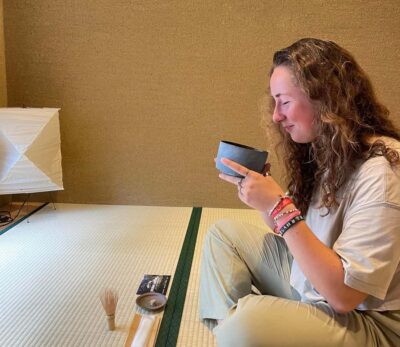
Tea Ceremony Experience in a Private Tea Room in Shibuya
Read our review →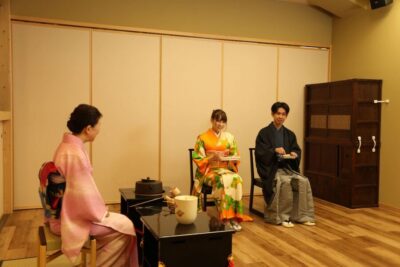
Tea ceremony experience in Japanese-style room 60min
Read our review →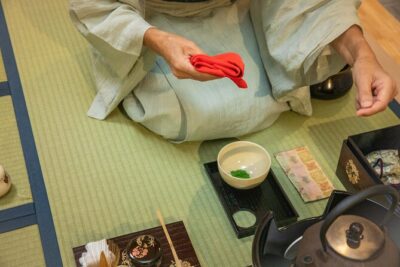
Browse the lists this tour appears in