
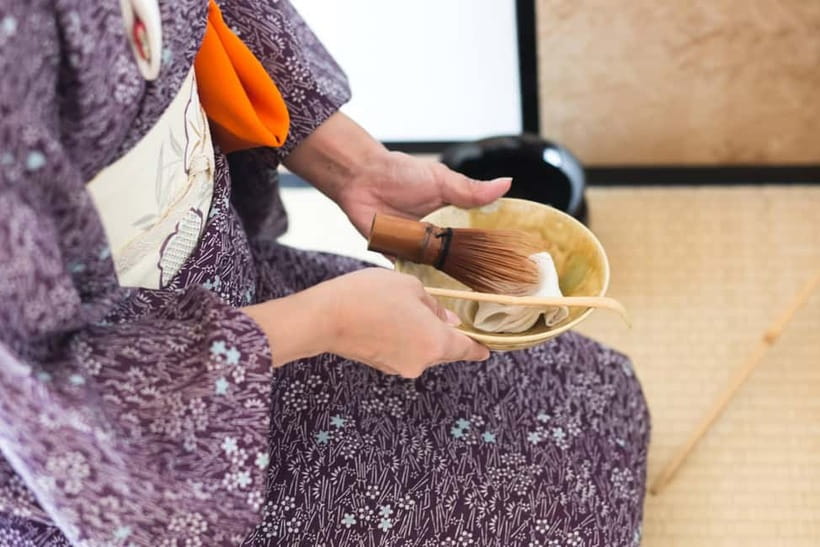
Review · TOKYO
Tokyo: Tea Ceremony Experience in a small tea room
Quiet corners still exist in Tokyo. This one-hour tea ceremony near the Kamogawa Delta gives you a calm look at Japanese culture, with hands-on matcha preparation led by Mari, a teacher with more than 20 years of experience. I especially like the small group of six or fewer and the chance to make your own tea rather than simply watch.
I also like the easy access from Nishi-Nippori Station, about a seven-minute walk, and the close connection to Yanaka and Nezu Shrine. The main caution is the setting: it is in a residential area, can be hard for a taxi to locate, and the tea room is up two narrow flights of stairs.
Key points at a glance
- Mari’s 20 years of experience: Expect patient instruction and clear explanations in English.
- Hands-on matcha preparation: You can whisk and prepare your own tea, including practice with the tea cloth.
- Small, quiet setting: The group is limited to six people, making it easier to ask questions.
- Near Nishi-Nippori, Yanaka, and Nezu Shrine: The ceremony fits well into a day exploring Tokyo’s older neighborhoods.
- One hour, priced at $51: A focused cultural activity that does not consume half your sightseeing day.
- Optional kimono dressing: Available by request for an additional charge, though the price should be confirmed before booking.
A small tea room near Tokyo’s older neighborhoods
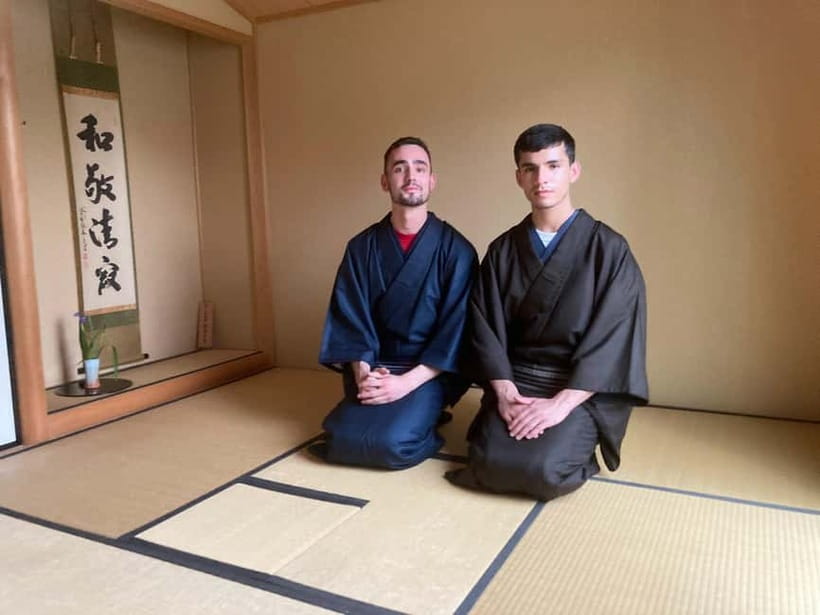
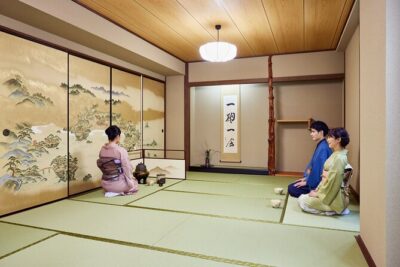
The appeal here is not spectacle. You are not entering a large cultural center with rows of visitors watching a staged performance. You meet at Senraku-an, a small tea room in a residential part of Tokyo, and spend an hour learning the movements and ideas behind matcha preparation.
That setting matters. A tea ceremony depends on quiet, attention, and a sense of place. The calm surroundings near the Kamogawa Delta help you slow down after Tokyo’s trains, shopping streets, and dense crowds. It is a modest experience, but that is part of its charm.
The location also gives you a useful base for a broader walk. Yanaka and the Nezu Shrine area are close by, and both are known for a slower pace and older local character. You can pair the ceremony with a neighborhood visit rather than treating it as an isolated activity.
You should meet at Senraku-an 10 minutes before the start. The tea room is about a seven-minute walk from Nishi-Nippori Station, but allow extra time if you are unfamiliar with the area. The residential setting can be tricky to find, especially by taxi, so walking from the station may be simpler.
More Tea Ceremonies in Tokyo
- Kimono Tea Ceremony at Tokyo, Asakusa Maikoya
★ 5.0 · 638 reviews - Tokyo: Traditional Tea Ceremony with a Tea Master
★ 5.0 · 528 reviews - Tea Ceremony Workshop in Tokyo by the Experienced Instrucor
★ 5.0 · 189 reviews
What happens during the one-hour ceremony
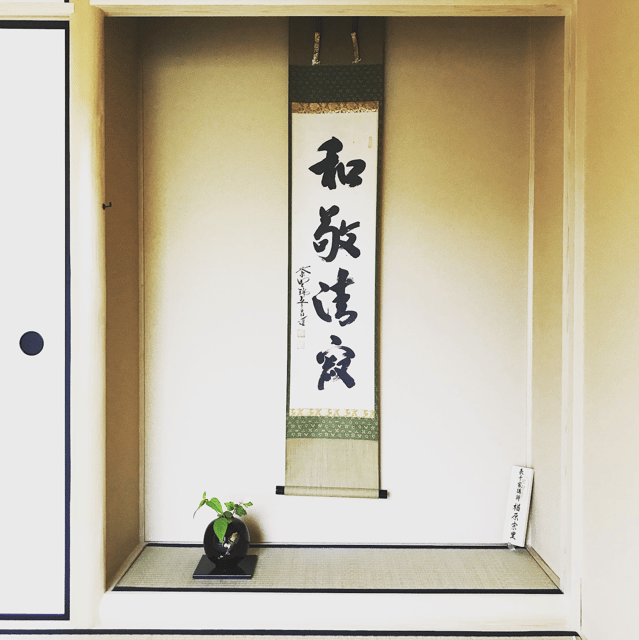
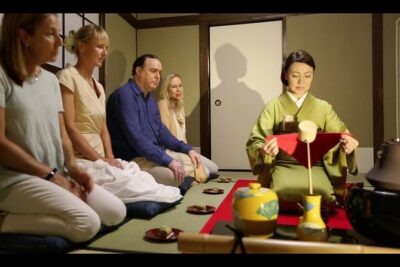
The session begins with an explanation of the tea ceremony and its purpose. You do not need prior experience, and the instruction is designed for beginners. That makes this a good choice if you have seen tea ceremonies in Japan but never understood what the movements meant.
The lesson introduces the care behind each step. Matcha is not prepared as a quick drink. The process includes measured movements, proper handling of the tools, and attention to the person receiving the tea. The ideas of purity, hospitality, and harmony are part of the cultural background.
Mari’s teaching style is one of the strongest reasons to book. She speaks English and has been described as patient, kind, and willing to answer questions. One useful detail is that she may repeat the tea cloth folding technique if you need more practice. That sort of patient correction is valuable because the gestures can feel unfamiliar at first.
You will receive matcha and traditional dried sweets. The sweets provide a small but important part of the experience, since Japanese tea is often served with something sweet to balance the bitterness of the powdered tea.
The exact amount of demonstration and participation can depend on the group, but the central feature is the chance to prepare your own tea. Under guidance, you whisk the matcha and learn the movements that give the ceremony its measured rhythm.
That hands-on element makes the hour more worthwhile than a simple explanation. You may not leave ready to conduct a formal ceremony, but you will understand the process better because your hands have taken part in it.
Why hands-on matcha preparation matters
Matcha preparation looks simple until you try to reproduce the movements yourself. The tea is whisked into a smooth drink, and the process rewards care rather than speed. The teacher guides you through the steps so you can focus on technique instead of worrying about making a mistake.
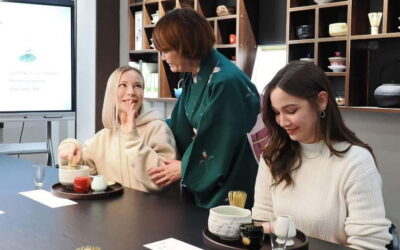
I like this format because it gives you a practical memory of Japanese culture. You are not just hearing that tea ceremonies value hospitality and harmony. You are seeing how those ideas appear in posture, order, quiet gestures, and the attention given to another person.
The session also lowers the formal barrier that can surround tea ceremonies. Some ceremonies can seem intimidating if you do not know how to sit, bow, hold the bowl, or respond at the right moment. Here, beginners are welcome, and the lesson is meant to be informative as well as enjoyable.
That does not mean the ceremony is casual in every detail. Respect for the tradition still matters. The teacher explains the process so you can participate with a better sense of what each action means.
Families and couples should find the format approachable. One family used the optional kimono service for their daughters and found the teaching patient. If you are considering kimono dressing, request it in advance and ask about the current additional cost.
A calm break from Tokyo’s fast pace
Tokyo can fill every hour if you let it. The tea ceremony offers a useful pause without requiring a full day outside the city center. In just one hour, you move from station streets and residential lanes into a quiet room where the focus is on one bowl of tea.
The small group size helps. With a limit of six people, you have a better chance to ask questions and receive individual help. A larger demonstration might be more polished, but it would also give you less room to practice.
The experience has earned a 4.9 out of 5 rating from 53 bookings, and the praise is consistent on the points that matter most: Mari’s warmth, clear English, patience, and the quiet atmosphere. Several people found the session especially relaxing, while others valued the cultural explanation as much as the tea itself.
I would not book this expecting a grand old tea house or a long formal ceremony. The experience takes place at the teacher’s home, which gives it a personal feel but also means the setting is more residential than theatrical. For many people, that direct connection is a plus. For others, it may feel less polished than a hotel or museum program.
Same place, a different pot:
- Matcha Making Class in Tokyo with Authentic Japanese Sweets Set
★ 5.0 · 744 reviews - Tokyo: Matcha Making Experience with Mochi Sweets in Asakusa
★ 4.9 · 388 reviews - Asakusa Cultural Walk & Matcha Making Tour
★ 5.0 · 245 reviews - Mt. Fuji & Lake Kawaguchiko Ropeway Panorama Full-Day Tour
★ 4.6 · 236 reviews
Reaching Senraku-an without frustration
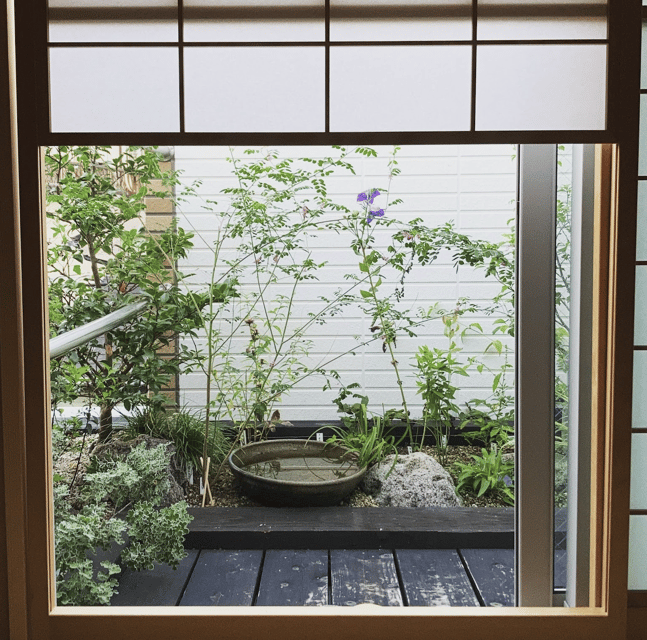
The meeting point is Senraku-an, and you should arrive 10 minutes early. From Nishi-Nippori Station, the walk is about seven minutes, making public transportation a sensible option.
The address may be difficult for a taxi driver to locate because the tea room is in a residential area. I would save the meeting information before leaving your hotel and avoid arriving at the last minute. The supplied directions also describe the room as not immediately easy to find.
There is an important physical consideration. The tea room is up two narrow flights of stairs. One person found the stairs challenging, so you should ask for the exact room location before booking if stairs are a concern.
The activity does not include transportation. It does include the tea, dried sweets, and the lesson itself. Kimono dressing is not included and can be requested as an optional extra.
The value of $51 for one hour
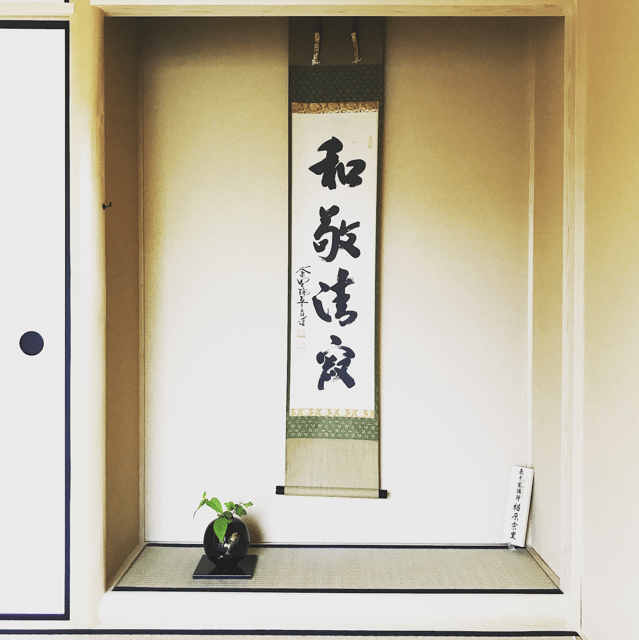
At $51 per person, this is not the cheapest way to drink matcha in Tokyo. You can find a bowl of matcha for far less. The price makes sense only if you want instruction, cultural context, and the chance to prepare the tea yourself.
The small group is important to the value. You are paying for access to an experienced teacher, not simply for a beverage and a seat. If you ask questions or need to repeat a movement, the limited group gives the teacher time to help.
The one-hour duration also works in its favor. You can fit the ceremony between sightseeing plans, then continue toward Yanaka or Nezu Shrine. A longer program might offer more depth, but it would also demand more time from an already busy Tokyo itinerary.
For me, the experience is worth the price if you want a personal introduction to tea culture. It is less compelling if you only want to sample matcha or take costume photos.
What to know about the optional kimono service
Kimono dressing is available if requested, and one family found the service very good. It can add a visual and ceremonial element, especially for children or anyone hoping for a more dressed-up memory.
The extra charge is separate from the $51 activity price. One person felt the kimono cost was high, so ask for the current price before agreeing. That small step avoids an awkward surprise.
You should also allow enough time if dressing is part of your plan. The basic activity lasts one hour, but the provided details do not state how long the kimono service takes. Treat it as an optional add-on rather than something included in the regular schedule.
Who will enjoy this tea ceremony most
I would recommend this experience to first-time visitors who want a clear introduction to Japanese tea traditions without committing to a long formal program. It also suits anyone who prefers a personal lesson to a large group demonstration.
Couples can enjoy the quiet setting, and families can take part as long as everyone is comfortable with the stairs. The teacher’s patient approach is particularly helpful for children or adults who are nervous about making a cultural mistake.
It is also a good fit for visitors already planning to explore Yanaka and Nezu Shrine. The ceremony gives that neighborhood outing a thoughtful starting point and lets you experience a quieter side of Tokyo.
You may want to choose another activity if you need step-free access, dislike residential meeting points, or want a grand architectural setting. This is a small home-based experience, not a showpiece venue.
Practical booking advice before you go
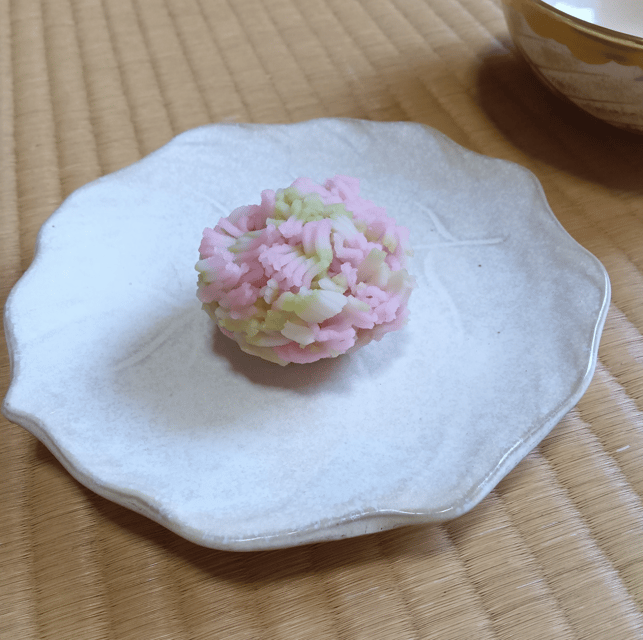
Reserve at least one day ahead if your schedule is tight. The activity allows free cancellation up to 24 hours before the start, and you can reserve now while paying later, which helps if your Tokyo plans are still changing.
Check the available starting times before booking because the duration is fixed at one hour but the schedule varies. Confirm the meeting details, bring the address with you, and plan to arrive 10 minutes early.
Wear something that lets you sit and move comfortably. The provided information does not specify a dress code, but tea ceremony movements are easier when your clothing is not restrictive. If you want kimono dressing, request it before the session rather than assuming it will be available on arrival.
The language of instruction is English. That is a major benefit if you want the cultural meaning explained as you practice rather than relying on gestures alone.
Should you book this Tokyo tea ceremony?
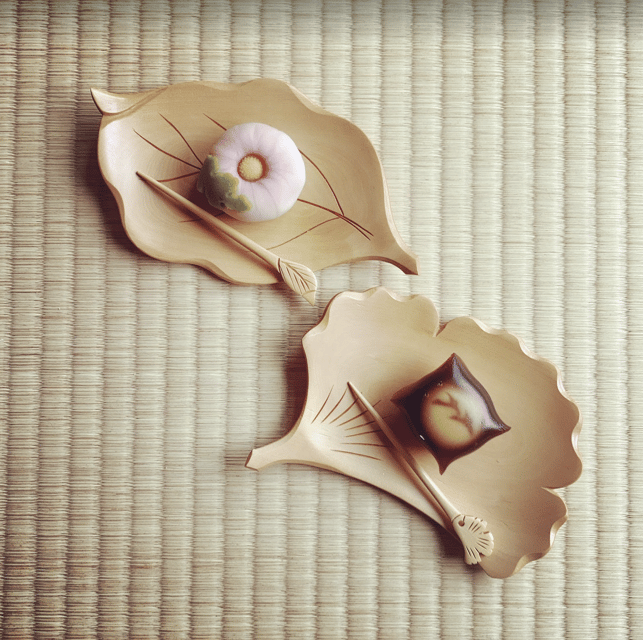
Book it if you want a quiet, personal introduction to matcha, especially if you value patient English instruction and hands-on practice. Mari’s experience, the small group, and the location near Yanaka make this a strong choice for a culturally focused hour.
Think twice if stairs are difficult, if you need a fully accessible venue, or if your main goal is an ornate tea house and a formal performance. For everyone else, $51 is a fair price for a guided lesson that gives you more than a cup of tea. It gives you a better understanding of the care, hospitality, and discipline behind it.
FAQ
How long does the tea ceremony last?
The experience lasts one hour.
How much does the tea ceremony cost?
The listed price is $51 per person.
Where does the experience meet?
You meet at Senraku-an 10 minutes before the experience begins.
How far is the tea room from a train station?
The tea room is about a seven-minute walk from Nishi-Nippori Station.
Is the tea ceremony conducted in English?
Yes. The instructor speaks English, and the lesson is available in English.
Can I prepare my own matcha?
Yes. You can make your own tea under the teacher’s guidance, including learning how to whisk the matcha.
More Afternoon Tea in Tokyo
- Tea Ceremony Experience in a Private Tea Room in Shibuya
★ 4.9 · 125 reviews - Tokyo Tea Ceremony Class at a Traditional Tea Room
★ 5.0 · 2 reviews - London: Afternoon Tea Cruise on the River Thames
★ 4.4 · 3,274 reviews - Afternoon Tea Bus Tour in Dublin
★ 5.0 · 2,791 reviews
Just added around Tokyo
- Yokohama : Tea Ceremony with Sweets and Souvenir★ 5.0 · 5 reviews
- Walking Tour: Yanaka,Nezu& Sendagi: Tea Ceremony & Old Tokyo★ 5.0 · 3 reviews
- Private Kimono and tea ceremony at local home near Tokyo Disney★ 5.0 · 6 reviews
- Private Mochi・Matcha sweets Making Class Near Shibuya Area★ 5.0 · 22 reviews
- Tokyo Sweets Tour: Hidden Gems & Matcha at an Old Tea House★ 5.0 · 6 reviews
- Kimono and Tea Ceremony in Asakusa Private Food Tour With Guide★ 5.0 · 4 reviews
- 2 Hours Mochi &Nerikiri Making & Matcha Class in Bunkyo★ 5.0 · 21 reviews
- Tokyo Tea Ceremony Class at a Traditional Tea Room★ 5.0 · 2 reviews
Tea Ceremonies in Tokyo, compared.
Tea Ceremony Workshop in Tokyo by the Experienced Instrucor
Read our review →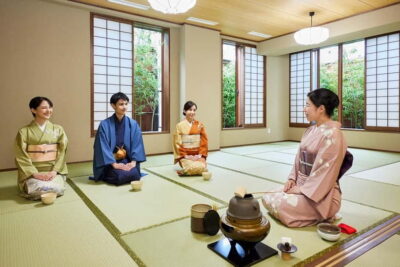
Asakusa: Kimono Tea Ceremony with Matcha and Sweet
Read our review →
Tea Ceremony Experience in a Private Tea Room in Shibuya
Read our review →
Tea ceremony experience in Japanese-style room 60min
Read our review →Browse the lists this tour appears in