
Review · KYOTO
Kyoto: Tea Ceremony in 100-year-old Kyo-Machiya Townhouse
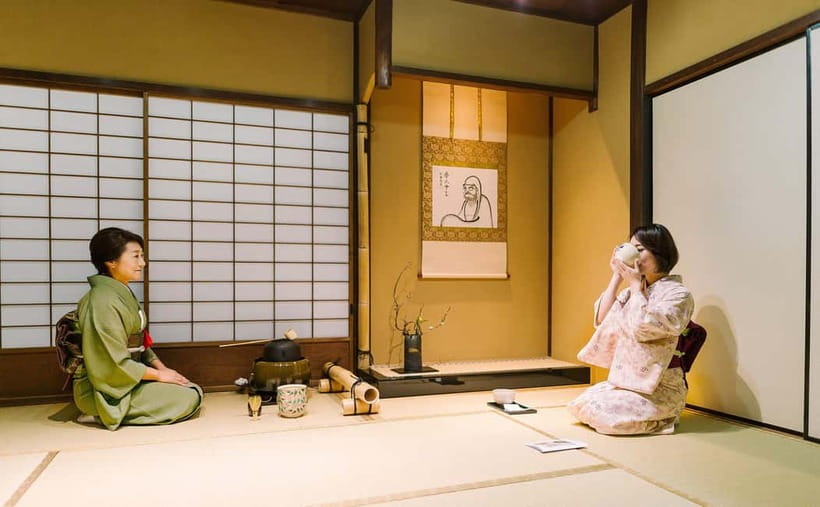
Slow down over one bowl of matcha. This Kyoto tea ceremony pairs a calm lesson with a 100-year-old Kyo-Machiya townhouse, where you learn the meaning behind each bow, sweet, bowl, and whisk. I especially like the chance to prepare your own tea under supervision, and the option to wear a kimono around Kyoto afterward. The main thing to plan for is the gap between kimono pickup and the ceremony, plus your own transport between the two locations.
At about $31 per person for the tea ceremony, matcha, sweets, instruction, and interpreter, this is a fair introduction to Japanese tea culture. The group can reach 20 people, so it is not a private salon, but the format remains hands-on. Add the kimono, hairstyling, makeup, formal kimono upgrade, or machiya tour only if those extras suit your budget and schedule.
Key points to know before booking
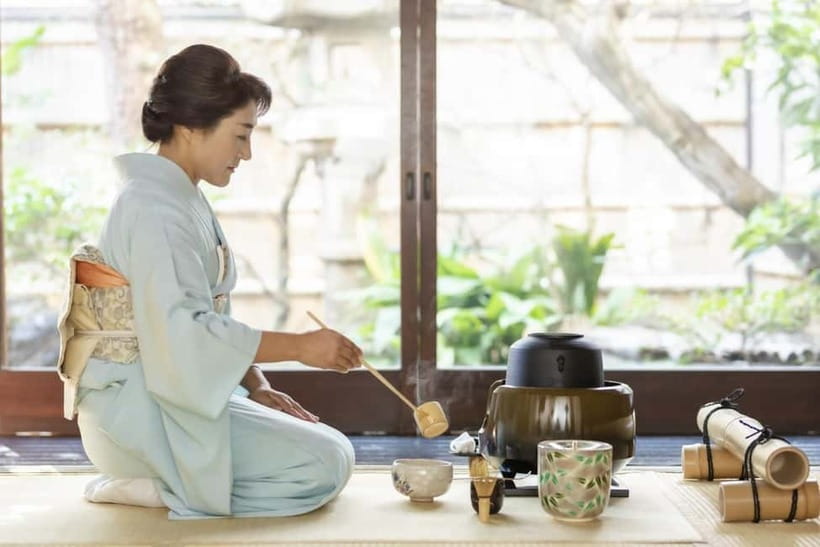
- A real hands-on lesson: You watch the tea master prepare the first bowl, then make your own matcha with guidance.
- A historic setting: The ceremony takes place in a traditional townhouse near Kyoto Imperial Palace.
- Two different plans: Choose tea ceremony only for about 50 minutes, or add kimono rental for an experience lasting up to three hours.
- A useful timing detail: With the kimono plan, pickup happens two hours before the tea ceremony, and you travel to the townhouse yourself.
- Comfort is built in: You may sit on the floor or use a small chair, but you must bring socks and keep the room quiet.
- An optional architecture add-on: After tea, the 30-minute machiya session includes a 20-minute tour and 10 minutes for photos.
Entering a 100-year-old Kyoto machiya
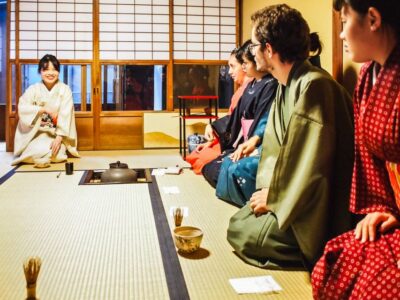
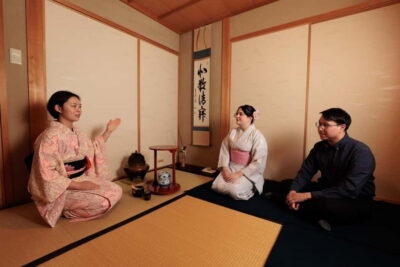
The setting does much of the work here. A Kyo-Machiya is a traditional Kyoto townhouse, and this one gives you tatami, wooden details, paper screens, and the quiet proportions of an old Japanese home. It feels very different from sitting in a modern classroom or hotel activity room.
The townhouse is near Kyoto Gosho, or Kyoto Imperial Palace. The area has long been tied to the imperial court and aristocratic culture, with tea gatherings, poetry, and artistic pursuits shaping its identity. The former residence of Nijō Yoshimoto, a 14th-century court noble and major figure in linked-verse poetry, is right next to the tea house.
That location adds useful context. You are not simply learning how to whisk green tea. You are learning a small ritual in an area connected with the refined social world that helped shape Japanese arts.
The room size can change with the group, and the session can hold up to 20 people. That means you should expect a shared lesson rather than a private appointment. Still, the ceremony is structured so you can observe closely and then take your own turn.
More Tea Ceremonies in Kyoto
- Kyoto: Tea Ceremony in a Traditional Tea House in Kiyomizu
★ 4.9 · 3,519 reviews - Kyoto: Tea Ceremony Ju-An at Jotokuji Temple
★ 4.9 · 3,207 reviews - Kyoto: 45-Minute Tea Ceremony Lesson Experience
★ 4.3 · 2,378 reviews
What happens during the 50-minute tea lesson
The session begins with an explanation of tea ceremony history. You learn that tea came to Japan from China about 1,200 years ago before developing into the Japanese Way of Tea known today.
This opening talk matters because the ceremony can otherwise seem like a series of mysterious hand movements. Here, the instructor explains the purpose behind the gestures and the order of events. You learn how to bow, which greetings to use, how to eat the traditional sweet, how to drink the tea, and how to look at the tea bowl with proper appreciation.
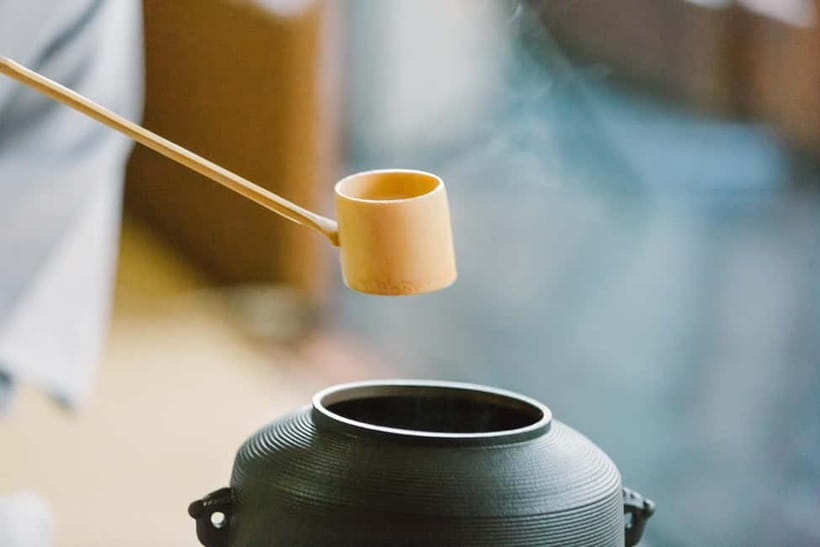
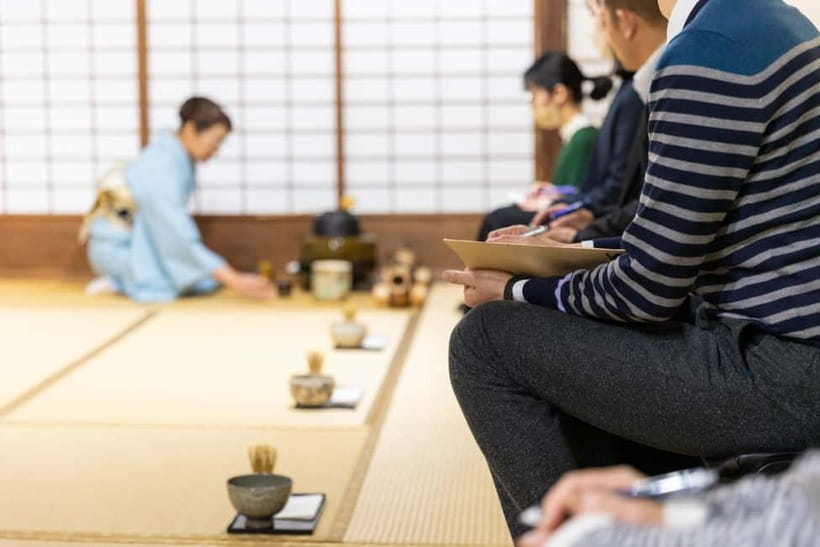
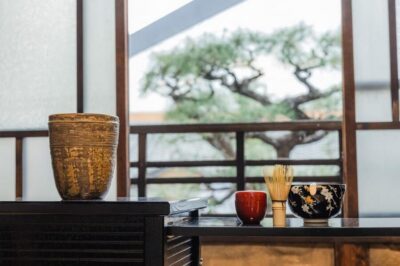
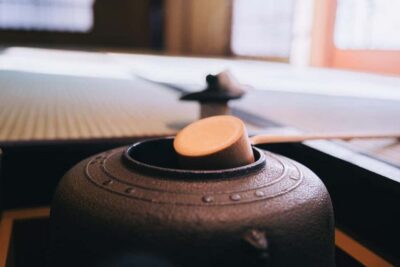
The tea master then brings the utensils into the room and prepares the first bowl for a guest. This is the moment to watch closely. The appeal is not just the final taste of matcha, but the controlled pace of the preparation and the care given to each object.
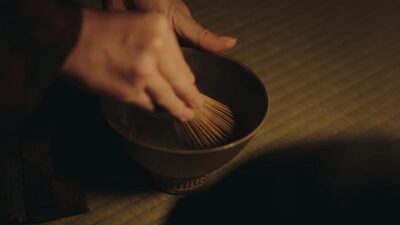
Afterward, you prepare tea yourself. The master supervises and guides you through the process, making this more useful than a demonstration where you only sit and watch. Several people particularly enjoyed learning the practical steps and leaving with a better sense of how to make matcha.
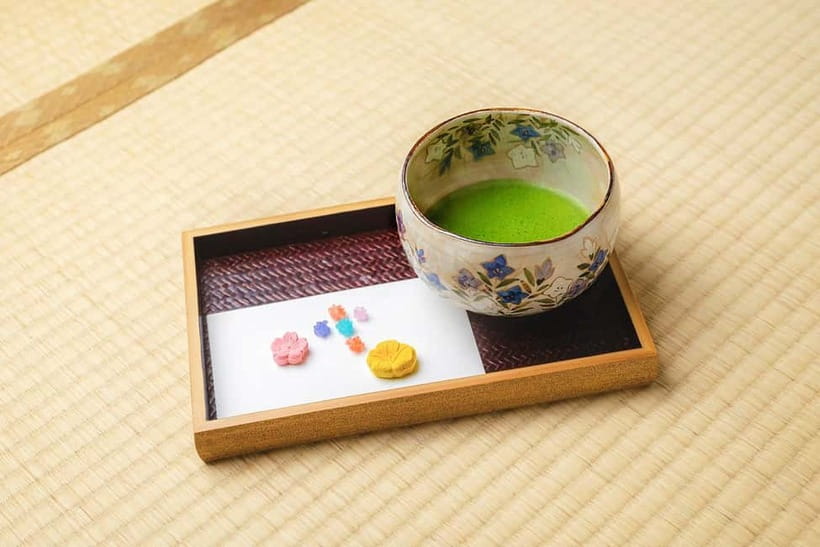
The matcha is served with a traditional Japanese sweet. The sweetness helps balance the tea’s strong, grassy flavor. If you have only had matcha in a sweet latte, this is a good chance to taste it in a more traditional form.
The ceremony closes with the master completing the formal sequence. There is time for questions before you leave, which is helpful if you want to ask about etiquette, the utensils, or the cultural background.
Why the instruction works for first-time visitors
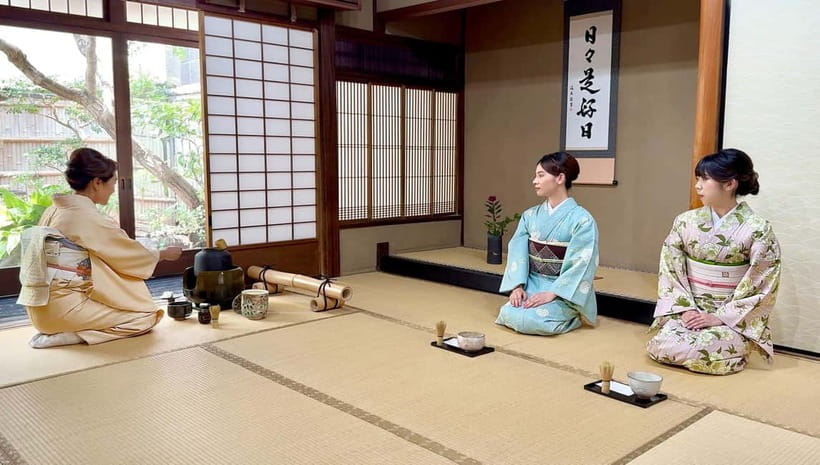
The tea ceremony has many rules, but the teaching style keeps them manageable. You are shown what to do before being asked to copy it, and an interpreter helps explain the Japanese presentation in English.
Several guides have received especially warm praise for their manner. Maki has been described as elegant and professional, while Lim has been singled out for clear explanations and a welcoming tone. Ling has also been praised for strong knowledge of the subject. The exact instructor and interpreter can vary, but the format remains the same.
English and Japanese are offered. One person found the English could have been stronger, but still had no trouble following the ceremony. That is a fair expectation: the experience is designed for international visitors, but translation may not always have the polish of a native English presentation.
The most valuable part is the balance between explanation and participation. You are not expected to know how to kneel, bow, hold a bowl, or use the whisk in advance. You can ask questions, make your tea, and enjoy the ceremony without treating every small mistake as a disaster.
Choosing the kimono option at Gojo
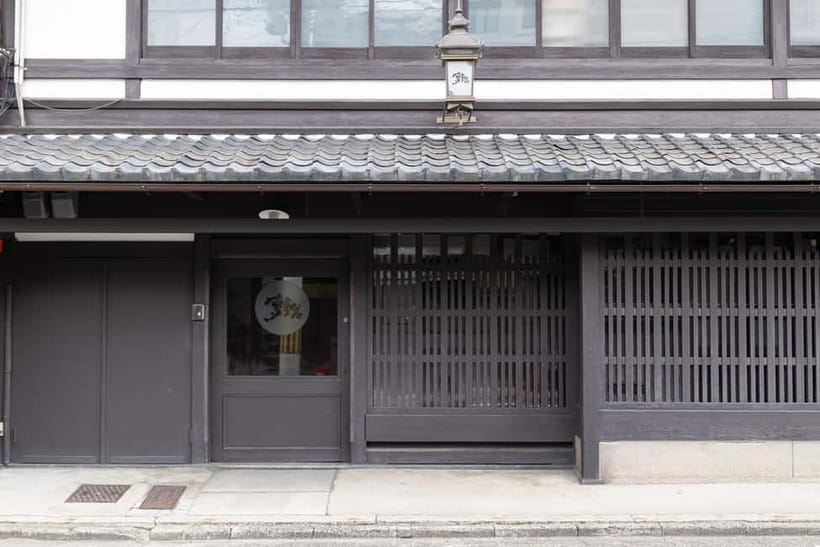
The kimono plan begins at the Yumeyakata Gojo Shop at the starting time printed on your voucher. You choose from different colors, designs, and sizes, then get dressed before going to the townhouse on your own.
The schedule is important. The tea ceremony starts two hours after the kimono pickup time. If you choose 11:00 AM, for example, your ceremony begins at 1:00 PM. The two-hour window allows time for dressing and travel, but you need to keep an eye on the clock.
Transportation between the Gojo shop and the townhouse is not included. You are responsible for getting to Yumeyakata Oike Bettei after changing. Since the two meeting points are different, check both addresses before setting out and allow enough time to arrive early.
The kimono adds visual appeal, but it also changes how you move through the day. Walking in several layers can feel warm or restrictive, especially in hot weather. One person specifically found the clothing uncomfortable on a hot day and was surprised by how many layers it contained.
That is not a reason to skip it, but it is a reason to dress sensibly underneath and avoid packing a rushed sightseeing plan around it. The kimono is best treated as part of the day’s main activity, not as a quick costume change between major attractions.
Same place, a different pot:
- Kyoto: Table-Style Tea Ceremony at a Kyo-Machiya
★ 4.9 · 1,211 reviews - Kimono Tea Ceremony at Kyoto Maikoya, NISHIKI
★ 5.0 · 911 reviews - Kyoto: Arashiyama Bamboo Forest, Monkeys, Matcha & Temple Tour
★ 5.0 · 759 reviews - Kyoto: Kimono Tea Ceremony at Orizuruya Gion
★ 4.9 · 618 reviews
Wearing the kimono around Kyoto
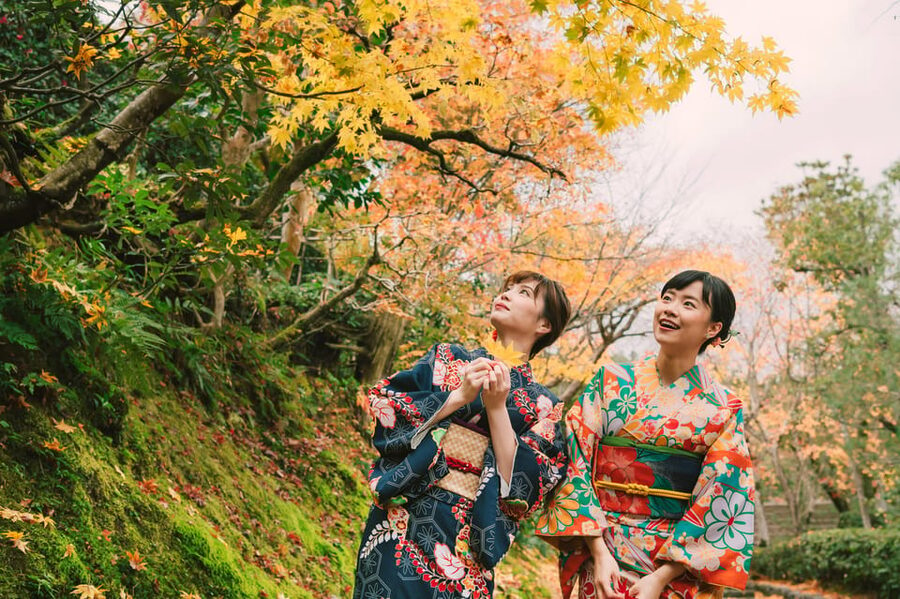
After the ceremony, you may continue sightseeing in the kimono. You must return it to the Yumeyakata Gojo Shop by 5:30 PM on the same day.
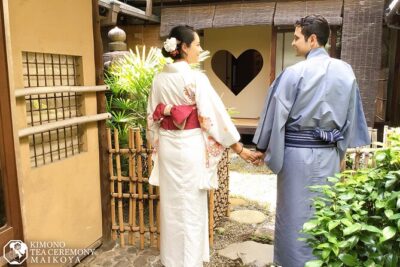
This is one of the strongest reasons to choose the combined plan. You get more than a few minutes of dressing for photos, and you can carry the experience into the streets of Kyoto. The kimono also makes the tea ceremony feel more connected to the setting, even though the rental and ceremony take place at separate locations.
The basic plan includes casual kimono rental. Women can add hairstyling, makeup, a hair accessory, and an upgrade to a formal Houmongi kimono. These extras cost more, so I would choose them for a special occasion, portrait session, or a day when photographs matter to you.
The kimono shop staff have been praised for being efficient, kind, and skilled. That matters because dressing in traditional clothing can feel confusing at first. You want the process to be organized, especially with a fixed ceremony time ahead.
Professional photos and videos are not included. You may be able to take your own photos where permitted, but do not expect a photographer to document the full day unless you arrange that separately.
Adding the 30-minute machiya tour
The optional machiya session takes place right after the tea ceremony in the same beautiful setting. It lasts 30 minutes, with about 20 minutes for the townhouse tour and 10 minutes for taking photos.
This add-on gives you more than a scenic backdrop. You learn about the architecture, cultural role, and hidden functions of Kyoto townhouses. For visitors who enjoy buildings and local history, it adds useful substance to the tea lesson.
The short format is a good fit. You get enough time to understand the layout and notice details without turning the activity into a long architecture lecture. The 10-minute photo period also gives you a clear chance to take pictures with the garden, umbrella, or other available settings.
If you choose the kimono plan, this is the natural point for photographs. The setting, clothing, and traditional objects work well together. Just remember that the add-on is separate from professional photography, which is not provided.
Comfort, manners, and practical limits
Bring socks. Sandals and flip-flops are not allowed, and you may be asked to remove footwear before entering the tatami room. Socks are also simply more comfortable and respectful in this setting.
You can sit on the floor or use a small chair. If kneeling is difficult, request the chair rather than forcing yourself into an uncomfortable position. The ceremony depends on a quiet atmosphere, so disruptive behavior can result in being asked to leave.
This activity is for ages 10 and older. It is not suitable for babies, children under 10, pregnant women, wheelchair users, visually impaired people, people over 200 centimeters tall, or people over 95 kilograms. Electric wheelchairs are also not permitted.
Arriving late does not extend the session. You may still be allowed to join, but you will miss part of the explanation and the ending time will not change. Food, drinks, smoking indoors, flash photography, and excessive noise are not allowed.
These rules are not fussy decoration. A tea ceremony needs stillness, and the small room makes noise more noticeable. You will get more from the lesson if you treat it as a quiet cultural class rather than a free-form photo stop.
Is $31 a fair price?
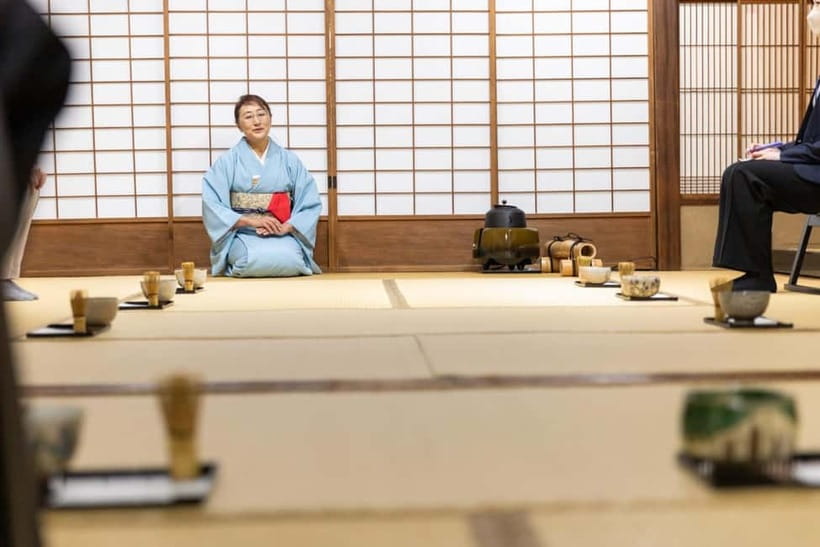
At $31, the tea-only option offers good value for a focused Kyoto activity. You receive the ceremony, matcha, traditional sweets, a printed explanation, a tea master, and an interpreter. Most importantly, you prepare your own tea rather than simply watching someone else do it.
The value is strongest for first-time visitors who want cultural context without committing to a full-day class. The 50-minute length fits neatly into a sightseeing schedule, and the Imperial Palace area gives you other nearby sights to combine with the activity.
The kimono plan is a different calculation. You pay for clothing, dressing assistance, and the chance to walk around Kyoto in the outfit, but transportation between the shop and townhouse is yours to arrange. Add hairstyling, makeup, or a Houmongi upgrade only when those details matter to you.
The overall rating is 4.8 from 546 reviews, and the praise is notably consistent around the hosts, clear teaching, peaceful mood, attractive house, and hands-on tea preparation. The smaller cautions are practical: the English level may vary, a group of 20 can feel less intimate, and kimono layers may be uncomfortable in warm weather.
Who should book this Kyoto tea ceremony?
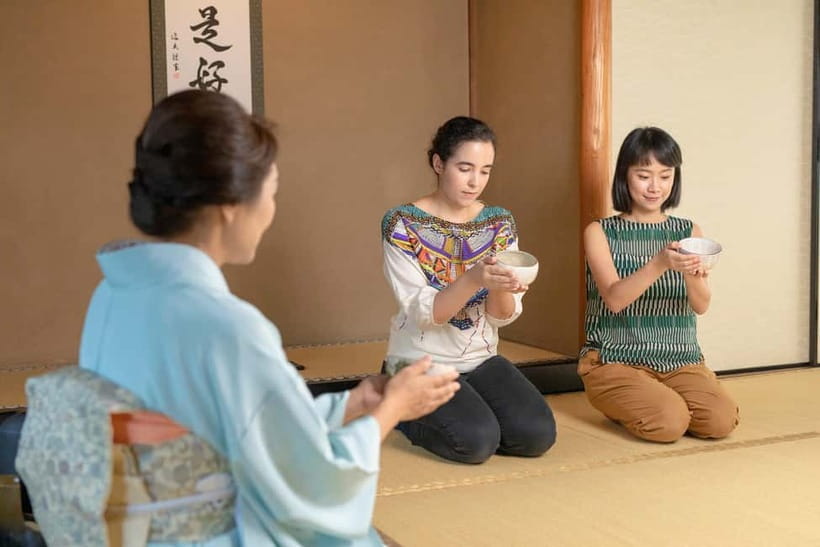
I would recommend the tea-only plan if you want a calm, compact introduction to Japanese customs. It suits first-time visitors, couples, solo visitors, and anyone curious about why tea ceremony etiquette is so deliberate.
Choose the kimono package if you want the day to feel more visual and ceremonial. It is especially appealing for people who want photos, enjoy trying traditional clothing, or like the idea of walking through Kyoto dressed for the occasion.
The machiya add-on is best for anyone interested in architecture or the everyday design of historic Kyoto homes. You can skip it if your schedule is tight or the tea ceremony itself is enough.
I would not choose this activity for a loud group, a visitor who dislikes structured etiquette, or anyone looking for a private and completely flexible session. The ceremony asks for attention and quiet, but that is also what gives it its character.
Final call
Book it if you want to understand tea ceremony rather than simply drink matcha. The hands-on preparation, patient instruction, and old townhouse setting make the $31 tea-only plan a sensible Kyoto buy.
Choose the kimono and machiya extras when you have at least several hours, can manage the travel between locations, and want photographs to be part of the day. Skip the extras if you are visiting in hot weather, have limited mobility, or prefer to keep your sightseeing schedule loose.
FAQ
How long does the tea ceremony last?
The tea-only ceremony lasts about 50 minutes. Plans with kimono rental and optional additions can last from about 50 minutes up to three hours.
Where does the tea ceremony take place?
It takes place at Yumeyakata Oike Bettei, a traditional 100-year-old Kyo-Machiya townhouse near Kyoto Imperial Palace.
What is included in the tea-only option?
The tea-only plan includes the ceremony, matcha tea, a traditional Japanese sweet, a leaflet explaining the ceremony, and a tea master with an interpreter.
Can I make my own matcha?
Yes. The tea master first prepares tea for a guest, then supervises you while you prepare your own bowl.
Do I need to sit on the floor?
No. You may sit on the floor or use a small chair if you prefer not to sit on tatami.
What should I bring?
Bring socks. Sandals and flip-flops are not allowed.
How does the kimono timing work?
You first visit the Gojo Shop at the time shown on your voucher to choose and put on your kimono. The tea ceremony begins two hours after that selected starting time.
Can I wear the kimono around Kyoto afterward?
Yes, if you choose the kimono option. You must return it to the Yumeyakata Gojo Shop by 5:30 PM on the same day.
Is transportation between the kimono shop and townhouse included?
No. You arrange your own transportation between the Gojo Shop and the traditional townhouse.
Just added around Kyoto
- Uji Walking Tour – Byodo-in temple and Tea Ceremony from Kyoto★ 3.5 · 3 reviews
- Tea ceremony at Kyoto’s Zen Temple Teahouse★ 5.0 · 2 reviews
- Kyoto: Authentic Tea Ceremony in a Small Group★ 5.0 · 7 reviews
- Tea Ceremony in 150 Years Old Townhouse with Tables and Chairs★ 5.0 · 22 reviews
- Tea Ceremony Experience in Traditional Kyoto Townhouse★ 5.0 · 19 reviews
- Traditional Tea Ceremony in Kyoto★ 4.5 · 3 reviews
- Silent Beauty of Kyoto Zen Walk and Tea Experience★ 5.0 · 2 reviews
- Kyoto Private Tea Ceremony at a Japanese Inns★ 5.0 · 12 reviews
Tea Ceremonies in Kyoto, compared.
Tea Ceremony in a Traditional Tea House in Kiyomizu
Read our review →
Tea Ceremony Meditation – Make Matcha with Tea Master
Read our review →Browse the lists this tour appears in