Review · KYOTO
Zen Garden Making and Matcha Tasting in Handmade Pottery Shop
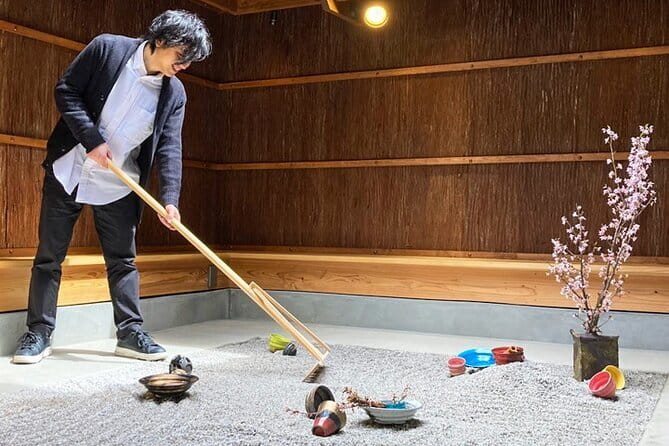
Small gardens can offer big calm. At Ninshu, you create a personal sand garden inside a handmade pottery shop, then enjoy Kyoto matcha and seasonal wagashi beside your design. I like the hands-on Zen activity, which needs no strenuous movement, and the chance to taste matcha from Ippodo, one of Kyoto’s best-known tea companies. The main drawback is that the session is short, and the matcha may be prepared in another room rather than directly in front of you.
This 30-minute experience also gives you a quick look at a more than 100-year-old Kyoto machiya, or traditional townhouse. The shop’s handmade pottery adds another reason to stop, especially since many pieces are dishwasher and microwave safe. At $14.12 per person, it is an inexpensive cultural break, but you should keep expectations modest: this is a compact introduction, not a full tea ceremony or pottery workshop.
Five things to know before you go
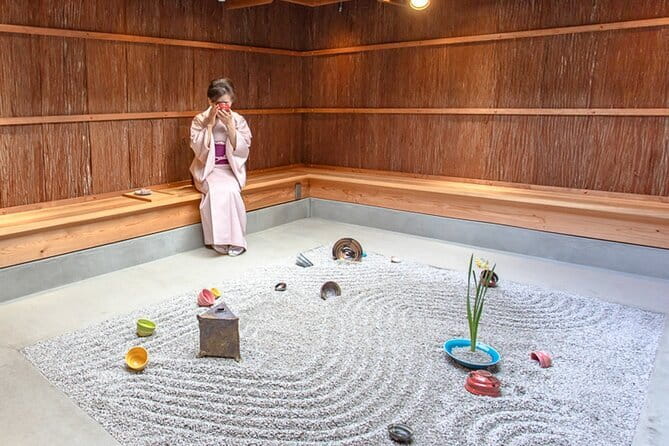
- You design the sand garden yourself: Use sand patterns and pottery vessels to create a small Zen-inspired arrangement.
- Ippodo matcha is part of the tasting: Your tea comes from a respected Kyoto tea company and is served with seasonal Japanese sweets.
- The setting is a historic machiya: The experience takes place inside a traditional Kyoto townhouse more than a century old.
- The session lasts about 30 minutes: It fits neatly between larger Kyoto sights, but there is little time for a slow, extended ceremony.
- The group is limited to eight people: That keeps the activity relatively small, though the hands-on instruction may vary.
- The pottery makes a practical souvenir: Selected handmade pieces are dishwasher and microwave safe, useful details for anyone flying home with ceramics.
Creating your own small Zen garden
A Zen garden is usually something you look at quietly in a temple. Here, you get to arrange one yourself. The scale is small, but that is part of the charm. You work with sand, make patterns, and use pottery vessels to add color and shape.
This is not a lesson in formal Japanese garden design. You are not expected to know the rules of Zen aesthetics, and there are no difficult physical movements. You simply make a design that feels pleasing to you. That makes the activity suitable for families with young children, older adults, and anyone who prefers a gentle cultural experience.
The activity gives you something to do with your hands while also slowing the pace of your day. Kyoto sightseeing can involve temples, crowds, and a lot of walking. Spending time drawing patterns in sand offers a quiet change of rhythm.
I would especially recommend this part for people who want a souvenir photo that feels personal. Once your garden is finished, you can sit in front of it with matcha and Japanese sweets. The finished arrangement becomes part of the picture, rather than just another object on a shop shelf.
The limitation is the short time. With only about 30 minutes for the full experience, your design period will not feel like an open-ended art session. If you enjoy taking great care with every line, you may wish the activity were longer. Still, the compact format works well if you are fitting it between other plans.
More Matcha Experiences in Kyoto
- Kyoto: Arashiyama Bamboo Forest, Monkeys, Matcha & Temple Tour
★ 5.0 · 759 reviews - Kyoto: Tea Ceremony Meditation – Make Matcha with Tea Master
★ 4.8 · 406 reviews - Kyoto: Kimono Tea Ceremony with Matcha and Sweet
★ 4.9 · 249 reviews
Matcha from Ippodo with seasonal wagashi
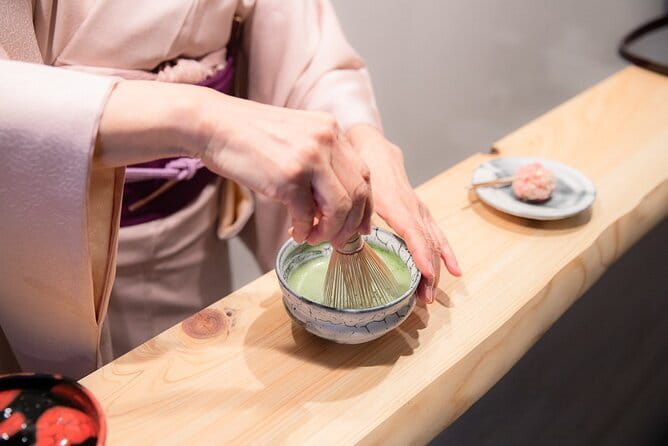
The second part of the experience is a serving of matcha from Ippodo, a famous Kyoto tea company. The tea is paired with seasonal wagashi from Senbon Tamajushuken, giving you two recognizable Kyoto food names in one small tasting.
Wagashi are traditional Japanese sweets, often made with ingredients such as bean paste and shaped to reflect the season. The exact sweet can vary, so you should think of this as a changing sample rather than a fixed menu. The pairing matters because Japanese sweets are often designed to balance the bitterness of matcha.
The food and drink received strong praise for flavor, and that is easy to understand as a selling point. At this price, you are not paying only for a snack. You are also getting a small cultural setting, a creative activity, and time to enjoy the tea beside your own garden.
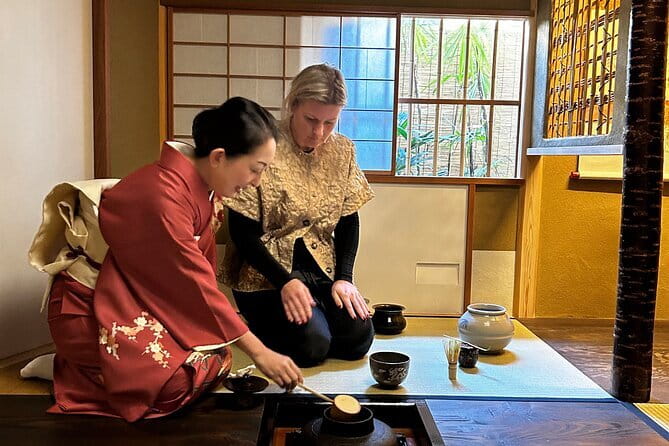
There is one important detail about presentation. The matcha may be prepared in another room, rather than whisked directly in front of you. If you are hoping for a formal tea demonstration, this could feel like a missed opportunity. You receive the drink, but the preparation itself may not be a central part of what you see.
That distinction helps set the right expectation. This is a matcha tasting with a cultural activity, not a full tea ceremony. If you want to learn about tea preparation in detail, you may find the format too brief. If you mainly want to taste good matcha and enjoy a Japanese sweet in a traditional setting, it should meet the need nicely.
Please mention allergies before the activity. Some sweets may contain wheat, egg, or yams, but alternatives without those listed allergens can be served when requested.
Inside Ninshu’s historic Kyoto machiya
Ninshu is both a handmade pottery shop and a matcha cafe. Its setting in a Kyoto machiya adds atmosphere without requiring a separate sightseeing stop. A machiya is a traditional Kyoto townhouse, and this one is more than 100 years old.
The building gives the experience a useful sense of place. You are not simply sitting in a modern cafe for a cup of tea. You are taking part in a small activity connected to Kyoto’s traditional domestic architecture and craft culture.
The setting also links the garden activity to the shop’s main purpose. The vessels used in the display are not random props. They reflect the work of a local pottery business, and you can browse handmade ceramics after the tasting.
I like this combination because it lets you see how Japanese craft can fit into everyday life. A bowl or plate may be attractive, but it can also be used at home. The fact that many of the pieces are dishwasher and microwave safe is helpful if you are buying a souvenir for regular use rather than display.
The shop is a practical place to look for a smaller Kyoto keepsake. Ceramics can be awkward to carry, so check the piece carefully and consider how you will pack it. The supplied information does not specify shipping services or packing arrangements, so ask the shop directly if you are concerned about taking pottery home.
What the 30-minute schedule means
Thirty minutes is enough for a taste of the concept, but not enough for a leisurely afternoon. The activity is best viewed as a short pause in your Kyoto schedule.
You will likely spend part of the session arranging the sand and vessels, then part enjoying the matcha and sweet. The exact division of time is not specified, so do not plan on a long guided lesson or extended browsing period.
This short format has real advantages. You can place it between nearby sightseeing plans without giving up half a day. It also works well for families, since younger children may enjoy the creative task without needing to sit through a long explanation.
The tradeoff is depth. You will not have much time to ask detailed questions about Zen garden design, pottery techniques, tea production, or the history of the machiya. The experience gives you a sample of several Kyoto traditions, rather than a complete course in any one of them.
I would treat it as a small cultural stop, much like visiting a compact gallery or having a carefully chosen snack. It can add texture to a day of temple visits, but it should not replace a full temple garden visit if your main goal is to study classic Zen gardens.
More Tea and Calligraphy Workshops in Japan
- Kyoto Hidden Riverside Zen Mediation and Uji Matcha Experience
★ 5.0 · 9 reviews - Whisk Your Own Matcha: A Zen Matcha Experience at Temple
★ 3.6 · 7 reviews - Kyoto: Nighttime Zen Meditation and Matcha Tea Experience
★ 5.0 · 7 reviews - Kyoto: Make Zen Garden and Taste Matcha in Pottery Shop
★ 5.0 · 5 reviews
The value of $14.12
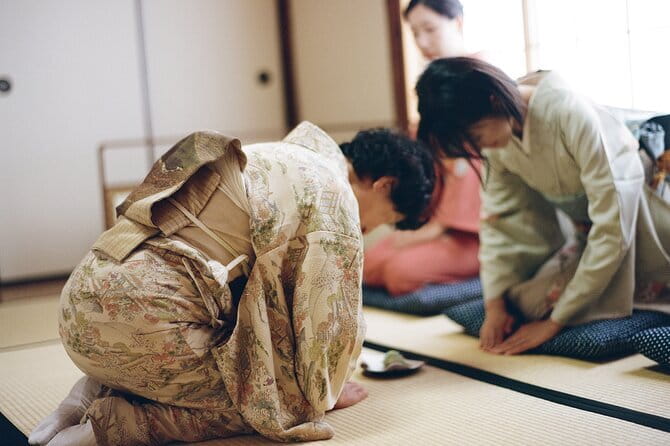
At $14.12 per person, this is priced as an affordable add-on rather than a major paid attraction. The value comes from the combination of the activity, matcha, wagashi, and historic setting.
A simple cafe visit might cost less, but it would not include the chance to create a garden or take photos with it. A longer tea experience would likely offer more ceremony and explanation, but it would also require more time and could cost much more. This session sits between those two options.
I think the price works best for visitors who want a low-risk cultural activity. You can try something distinctive without committing to a half-day class. The handmade pottery shop also gives you the chance to browse or buy a useful souvenir, though the cost of any pottery is separate.
The value is less clear if you want expert instruction. The activity appears to focus on participation and enjoyment, not on teaching a detailed history of Zen gardens or the craft of matcha preparation. The hosts have been described as welcoming and kind, but the experience may feel slightly awkward at times if communication is limited by language.
That does not make the activity a poor choice. It simply means you should book it for the calm, creative moment and the taste of Kyoto culture, not for a polished theatrical presentation.
Group size, access, and practical planning
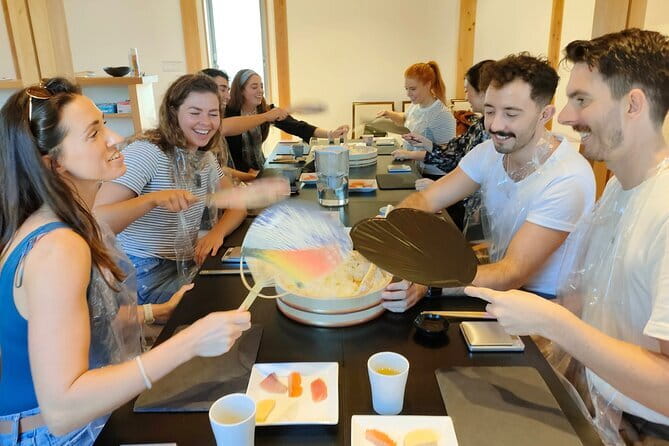
The maximum group size is eight people. That is small enough to keep the activity from feeling like a large class, though the amount of personal guidance can still depend on how many people attend and how the session is run.
The meeting point is Ninshu vessel shop and matcha cafe at 18-1 Fujikicho, Nakagyo Ward, Kyoto, 604-0992, Japan. The activity begins and ends there, so you do not need to arrange a separate return transfer.
The shop is near public transportation, which makes it easier to add to a day in central Kyoto. The supplied information does not name a particular station or provide walking directions, so check your route before leaving. A mobile ticket is provided, and confirmation arrives when you book.
Service animals are allowed. The activity is designed without difficult movements, making it a reasonable option for children and older adults, although the details of wheelchair access are not provided. If you need a specific accessibility arrangement, contact the provider before booking.
The experience requires good weather under its cancellation terms. That may seem surprising for an activity based in a shop, so check the status of your booking if conditions are poor. If the provider cancels because of weather, you can receive a different date or a full refund.
Who will enjoy this Kyoto activity most
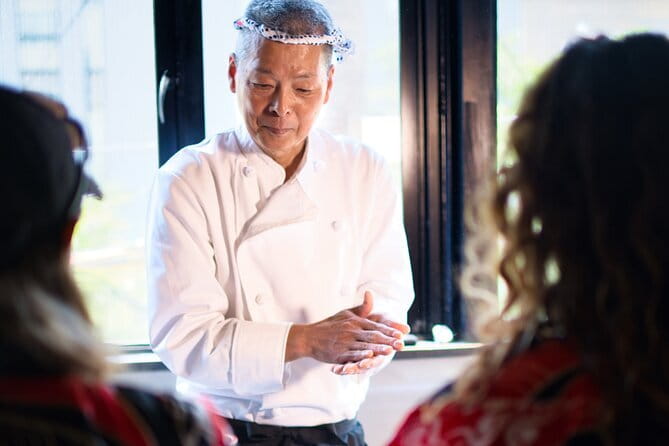
This experience suits you if you enjoy small creative tasks, Japanese sweets, and handmade objects. It is also a good choice for families who need an activity that does not rely on long walking or strenuous movement.
Couples may like the photo opportunity, especially if they want a shared memory that is quieter than a crowded sightseeing stop. Solo visitors can also enjoy the garden-making element, though the social atmosphere may depend on the other people in the group.
It works particularly well for a first visit to Kyoto when you want a short introduction to several local traditions. You get a machiya, pottery, Zen-inspired design, matcha, and wagashi in one compact visit.
I would be more cautious if you are searching for a formal tea ceremony, a serious pottery lesson, or an in-depth Zen garden class. The session is too short for that level of instruction, and the tea may be prepared out of sight.
The mixed overall rating suggests that the experience can depend on how the session is delivered. The kind hosts and tasty food are clear strengths. The main question is whether you value a friendly, simple activity more than a highly polished presentation.
Should you book the Ninshu experience?
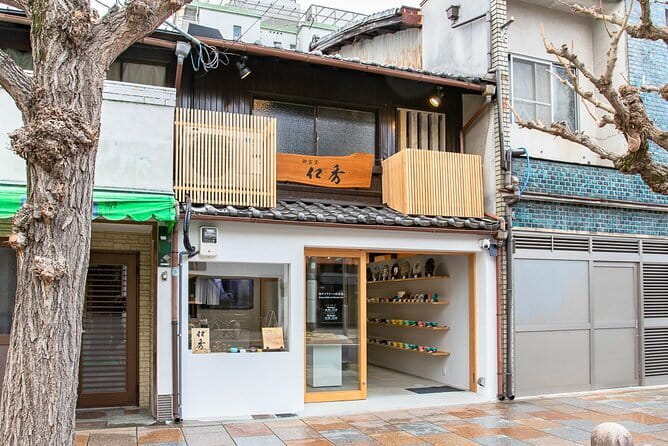
Book it if you want an inexpensive and unusual Kyoto stop with hands-on garden making, quality matcha, seasonal wagashi, and a chance to browse practical handmade pottery. The $14.12 price is fair for a 30-minute cultural break, especially if you are traveling with children or older family members.
Skip it if you want a formal tea ceremony, detailed instruction, or plenty of time for pottery shopping. Go in expecting a brief, gentle introduction, and you are more likely to enjoy what Ninshu offers.
The best reason to book is the combination. You are not only drinking tea or looking at ceramics. You are making a small design, tasting a Kyoto sweet, and taking a memory home in a setting tied to traditional Kyoto life.
FAQ
How long does the Zen garden and matcha experience last?
The experience lasts approximately 30 minutes.
Where does the activity begin and end?
It begins and ends at Ninshu vessel shop and matcha cafe, located at 18-1 Fujikicho, Nakagyo Ward, Kyoto, 604-0992, Japan.
How much does the experience cost?
The listed price is $14.12 per person.
How many people can join the activity?
The maximum group size is eight people.
Can dietary allergies be accommodated?
Yes. Some Japanese sweets may contain wheat, egg, or yams. Tell the provider about allergies so sweets without those listed allergens can be served.
What happens if bad weather cancels the experience?
You can be offered another date or receive a full refund if the provider cancels because of poor weather. For personal cancellations, you must cancel at least 24 hours before the start time for a full refund.
More Food and Drink Tours in Kyoto
- Private Tea Ceremony and Sake Tasting in Kyoto Samurai House
★ 5.0 · 163 reviews - Jakarta: Volcano, Tea/Rice Fields, Hot Spring, Local Food
★ 4.9 · 515 reviews - SF’s Chinatown: Tea & Dim Sum Food Tour – Includes full meal, 3hr
★ 5.0 · 153 reviews - Experience all of Japanese culture and Japanese food experience classes “origami, udon, Japanese food, green tea, calligraphy” in 4 hours
★ 5.0 · 105 reviews
More Tea and Calligraphy Workshops in Kyoto
- Kyoto Tea ceremony with Japanese Flower Arrangement Ikebana
★ 5.0 · 3 reviews - Tea ceremony at Kyoto’s Zen Temple Teahouse
★ 5.0 · 2 reviews - Silent Beauty of Kyoto Zen Walk and Tea Experience
★ 5.0 · 2 reviews
Just added around Kyoto
- Uji Walking Tour – Byodo-in temple and Tea Ceremony from Kyoto★ 3.5 · 3 reviews
- Tea ceremony at Kyoto’s Zen Temple Teahouse★ 5.0 · 2 reviews
- Kyoto: Authentic Tea Ceremony in a Small Group★ 5.0 · 7 reviews
- Tea Ceremony in 150 Years Old Townhouse with Tables and Chairs★ 5.0 · 22 reviews
- Tea Ceremony Experience in Traditional Kyoto Townhouse★ 5.0 · 19 reviews
- Traditional Tea Ceremony in Kyoto★ 4.5 · 3 reviews
- Silent Beauty of Kyoto Zen Walk and Tea Experience★ 5.0 · 2 reviews
- Kyoto Private Tea Ceremony at a Japanese Inns★ 5.0 · 12 reviews
Matcha Experiences in Kyoto, compared.

Arashiyama Bamboo Forest, Monkeys, Matcha & Temple Tour
Read our review →
Tea Ceremony Meditation – Make Matcha with Tea Master
Read our review →
Arashiyama Bamboo, Temple, Matcha, Monkeys & secret spots
Read our review →
Traditional Tea Ceremony with Matcha & Sweets in Gion
Read our review →
Matcha Grinding Experience and Walking Tour in Uji Kyoto
Read our review →