
Review · KYOTO
Kyoto: 45-Minute Tea Ceremony Lesson Experience
Quiet rituals, memorable flavor. This 45-minute Kyoto tea ceremony gives you a close look at matcha preparation, proper manners, and the meaning behind each careful movement. I especially like the licensed Urasenke tea master and the chance to prepare tea yourself, rather than only watching a demonstration. The low $22 price is another strong point. The main consideration is that the lesson follows real tea ceremony rules, so it can feel formal and slightly rushed if you want plenty of time for questions or photographs.
The setting near Kinkakuji Temple makes this easy to add to a sightseeing day. I also like the choice of a public, private, or candlelight session, plus an optional kimono. Arrive ready to sit quietly, follow instructions, and leave your phone in your pocket. This is a cultural lesson first, and a photo opportunity second.
Key details before you book
- A real Urasenke lesson: Your English-speaking instructor is a licensed tea master from Urasenke, Japan’s largest tea ceremony school.
- You make your own matcha: After watching the demonstration, you whisk tea yourself while learning the correct movements and manners.
- Only 45 minutes: The short format fits neatly before or after Kinkakuji Temple, but the schedule leaves little spare time.
- Three atmospheres: Choose a public group session, a private ceremony, or a candlelight version after sunset.
- Kimono is optional: You can add a kimono for photographs, but you must reserve it in advance and arrive 20 minutes early.
- Good value at $22: Two flavors of Japanese green tea, traditional sweets, instruction, and cultural context are included.
Why this short Kyoto tea ceremony works
Tea ceremony can look simple from the outside. A bowl, a whisk, hot water, and green powder do not sound like much. In practice, each turn of the bowl, pause, bow, and hand movement has a purpose. This experience helps you see that the ceremony is not simply about drinking matcha. It is about attention, respect, and hospitality.
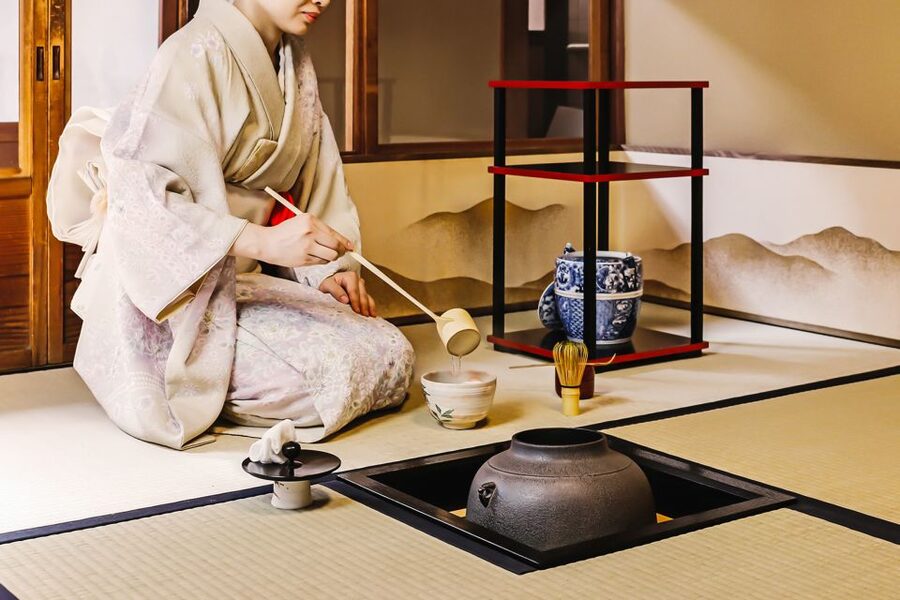
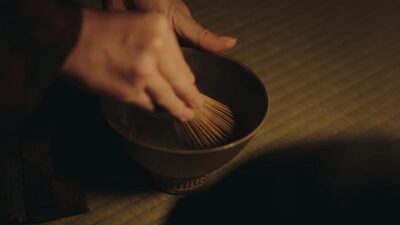
The instructor first performs the ceremonial preparation of matcha. Watch the order of the actions closely. The tea master explains how the method affects the flavor, so you begin to notice why the tea is whisked in a particular way rather than treated like an ordinary drink.
Then it is your turn. You prepare the tea under guidance, following the basic rules of the ceremony. That hands-on part gives the lesson its value. You are not just sitting through a cultural display. You are asked to take part in the ritual, with enough direction to avoid feeling lost.
The instructor also explains the origins and spiritual role of tea ceremony. English and Japanese are available, and the English explanations are designed for international visitors. Several people have singled out the clear instruction and patient teaching, while one or two found the tone a little abrupt. That is worth keeping in mind. This is a serious cultural lesson, not a loud, playful class built around constant entertainment.
More Tea Ceremonies in Kyoto
- Kyoto: Tea Ceremony in a Traditional Tea House in Kiyomizu
★ 4.9 · 3,519 reviews - Kyoto: Tea Ceremony Ju-An at Jotokuji Temple
★ 4.9 · 3,207 reviews - Kyoto: Table-Style Tea Ceremony at a Kyo-Machiya
★ 4.9 · 1,211 reviews
From tatami mat to first bowl of matcha
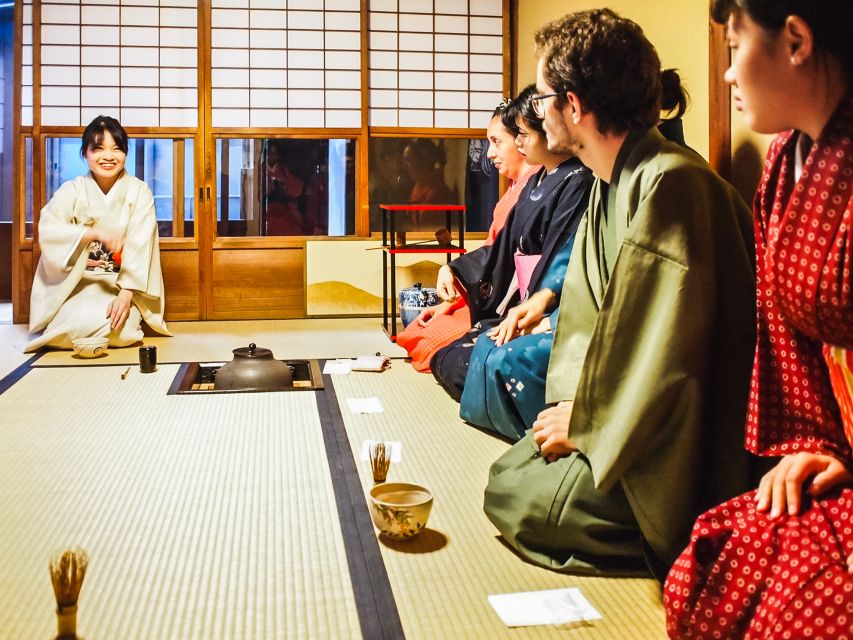
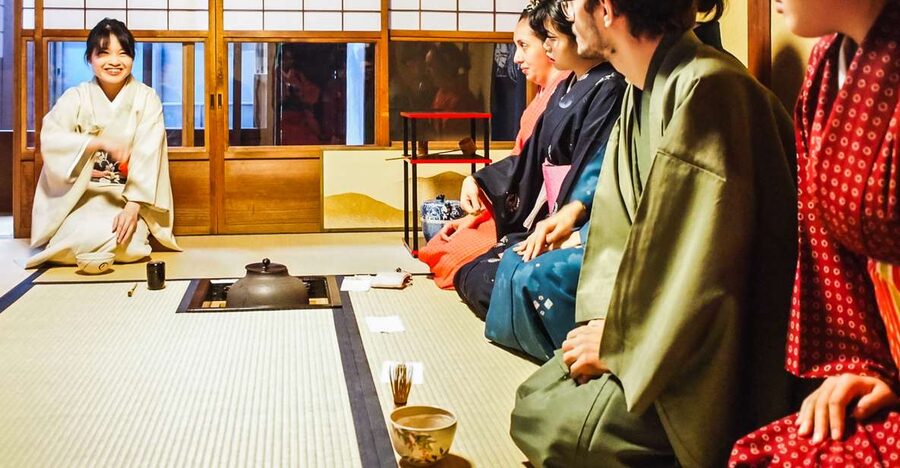
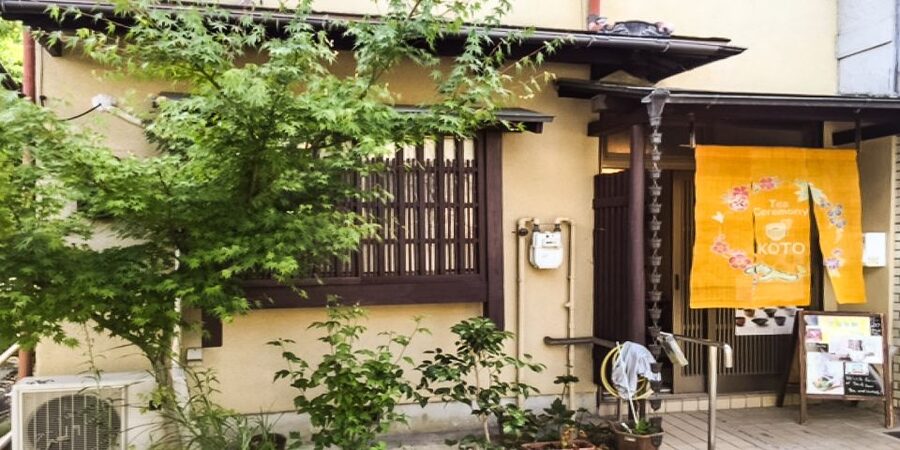
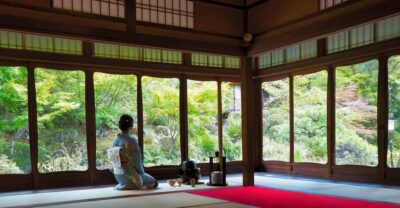
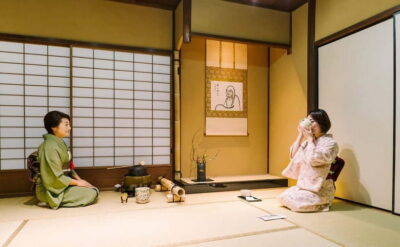
You enter through the sliding door with the orange curtain and take your place on a tatami mat. The floor seating is part of the atmosphere, but it may not suit every body. If sitting on the floor is difficult, tell the provider in advance. Chairs can be arranged.
The tea master begins by showing you how the ceremony is performed. The measured pace matters. You will see the handling of the tea utensils, the preparation of the matcha, and the gestures that make the ceremony feel orderly. The instructor also explains what to say and how to drink the tea properly.
The lesson is not presented as a simplified version made only for international visitors. You are taught the basic rules used by Japanese beginners. That means you should pay attention to etiquette before arriving. The provider asks participants to watch short videos about what not to do during the ceremony. This small bit of preparation can make the session more comfortable for everyone.
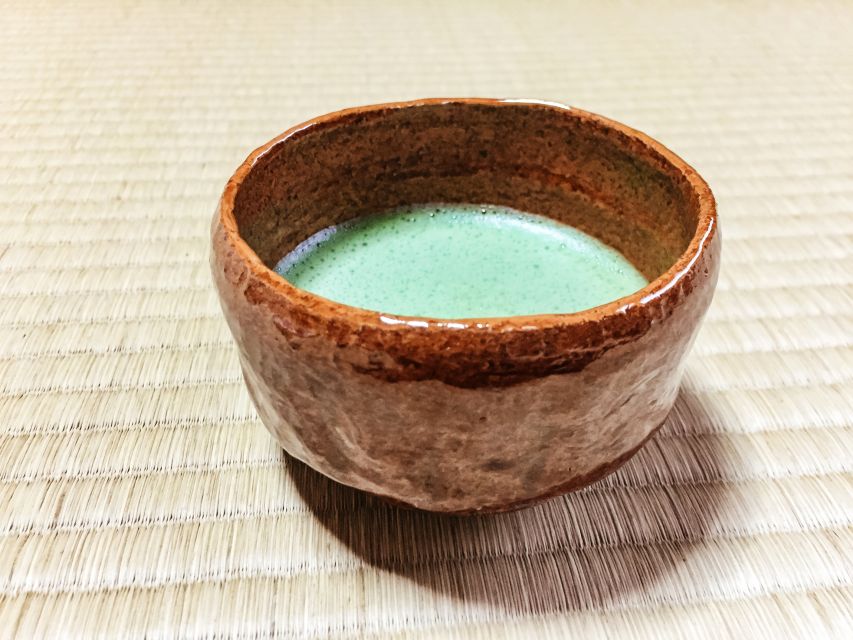
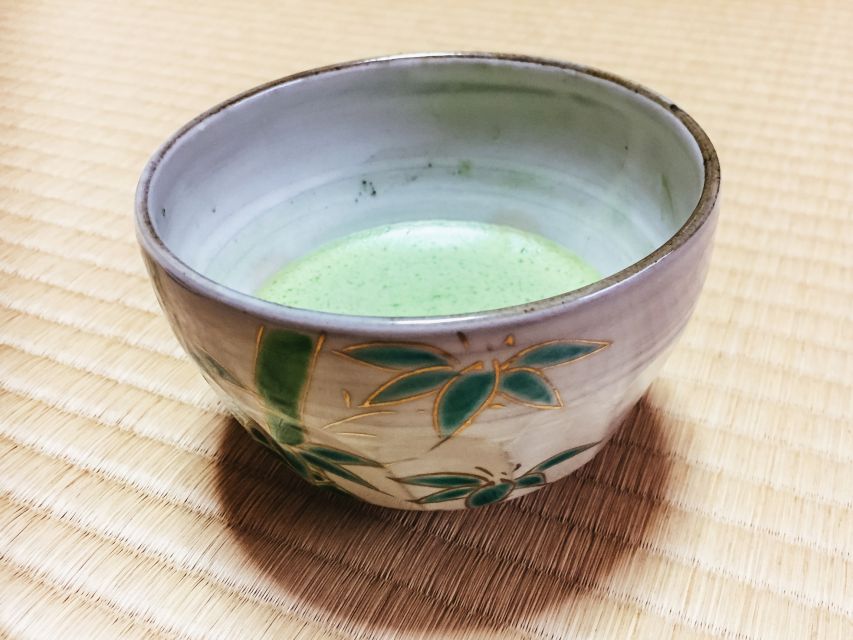
After the demonstration, you make your own tea. The instructor explains how each preparation method changes the flavor. This is especially useful if you normally find matcha too bitter. One participant who usually dislikes matcha found the tea smooth and sweet, while others praised the quality of the organic ceremonial matcha used at the venue.
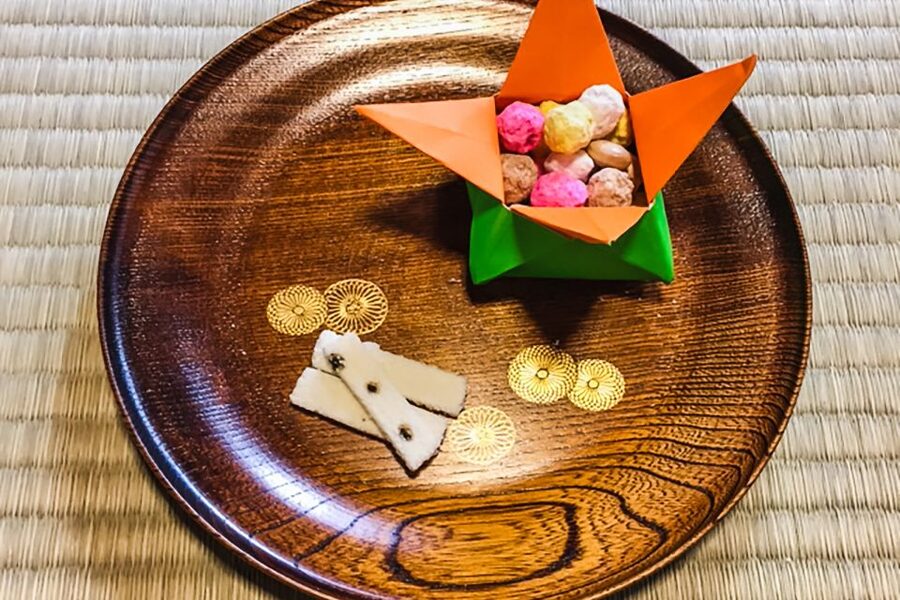
You also receive two flavors of Japanese green tea and traditional Japanese sweets. The sweets are not just a snack. Their sweetness balances the sharp, grassy flavor of matcha and gives you a better sense of how tea is enjoyed in Japan.
The meaning behind the movements
The best part of this experience is the explanation of why things happen in a certain order. Tea ceremony is built on controlled movement, but it is not meant to feel empty or mechanical. The ceremony creates a shared moment between the person serving tea and the person receiving it.
You will hear about the spirit of tea ceremony and the care involved in hosting it. The tea master may also explain the cups, utensils, and textiles used during the lesson. One participant enjoyed learning about the ceramics as much as the tea itself. That detail matters because the ceremony is also connected to Japanese craft and design.
Do not expect a long lecture. The full activity lasts 45 minutes, so the information comes in short sections between demonstrations and practice. This keeps the experience manageable, but it also means you will need to listen carefully. If your group has many questions, the time can pass quickly.
The quiet mood is part of the appeal. Several people described the session as peaceful, relaxing, and respectful. The ban on video recording helps preserve that mood. Photos are allowed, especially after the ceremony, but video is not.
Public, private, or candlelight?
The public ceremony is the basic choice and suits solo participants, couples, and small groups who like sharing an activity with others. You learn together and take part in a common cultural lesson. It is the most practical option if you want the standard experience at the lowest price.
A private ceremony gives your group closer attention from the tea master. It may suit a family, a couple, or anyone who prefers a quieter setting. You can move at your own pace within the 45-minute session, though the basic ceremony rules still apply. Private does not mean casual. The ritual remains formal and focused.
The candlelight ceremony is the most atmospheric option. Traditional candles create a calm evening setting that recalls old Kyoto. It is a good pick if you are visiting Kinkakuji during the day and want a second cultural activity after sunset.
Several families particularly enjoyed the candlelight format with kimono. The combination makes the session feel more like a special occasion, but do not expect it to become a theatrical show. The ceremony is still quiet, careful, and respectful.
Same place, a different pot:
- Kimono Tea Ceremony at Kyoto Maikoya, NISHIKI
★ 5.0 · 911 reviews - Kyoto: Arashiyama Bamboo Forest, Monkeys, Matcha & Temple Tour
★ 5.0 · 759 reviews - Kyoto: Kimono Tea Ceremony at Orizuruya Gion
★ 4.9 · 618 reviews - Kyoto: Tea Ceremony in 100-year-old Kyo-Machiya Townhouse
★ 4.8 · 546 reviews
Adding a kimono for photographs
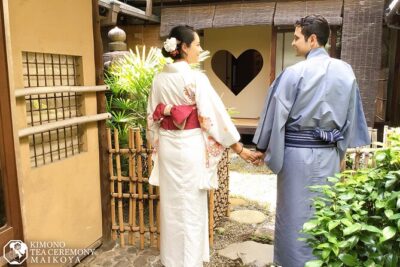
The kimono add-on can give the experience more visual impact. You are fitted before the tea ceremony and can take photographs afterward. The available examples of kimono and woven textiles include pieces connected with Nishijin, Kyoto’s famous textile district.
Reserve this option when you book. It is difficult to arrange at the last minute. You must also arrive 20 minutes before the scheduled ceremony, which gives the staff time to dress you.
The kimono is an extra cost, and hair setting is not included. The dressing process may feel quick rather than leisurely. That is useful to know if you are imagining a long fashion session. The main purpose is to let you participate in the ceremony dressed traditionally and take a few lasting photographs.
The add-on has been especially popular with families and parent-child pairs. It can also make a private or candlelight ceremony feel more personal. If photographs are not important to you, the basic lesson offers the stronger value.
Location beside Kinkakuji Temple
The meeting point is just a one-minute walk from the Kinkakuji-Michi city bus stop. It is also about one minute from the gate of Kinkakuji Temple, beside the bicycle parking area. Look for the building with the orange curtain and enter through the sliding door.
From Kitaoji subway station, Kyoto city buses 204 and 205 take about 10 to 15 minutes. The same buses take about 10 to 15 minutes from JR Enmachi. Build in extra time, especially if you are traveling during a busy sightseeing period.
The location is useful because Kinkakuji, the Golden Pavilion, is one of Kyoto’s major sights. You can pair the tea ceremony with a visit to the temple. Still, do not cut the timing too close. A late bus can make you late for the lesson, and the opening demonstration is important.
Some late arrivals have been allowed to join, but you should not rely on that kindness. Arriving late means missing part of the explanation, and the activity is short enough that every ten minutes matters.
A taxi stand is directly in front of the venue and usually opens around 5:30 PM. Calling a taxi after the session may be difficult because local taxi companies do not always answer immediately. If you need a taxi, plan around the nearby stand rather than assuming a phone booking will work.
Is $22 a fair price?
At $22 per person, this is one of the more affordable ways to try a formal tea ceremony in Kyoto. You receive instruction from a licensed Urasenke tea master, two types of green tea, traditional sweets, and the chance to prepare matcha yourself.
The value comes from the teaching rather than the amount of food. This is not a tasting session with a large menu. You are paying for access to a traditional practice and for someone to explain the gestures, etiquette, and ideas behind it.
The price is particularly good for first-time visitors who want a serious introduction without committing to a longer cultural program. The 45-minute length also helps if you have a packed Kyoto schedule.
The calculation changes if you add a kimono, choose a private booking, or select candlelight. Those options can make the event feel more special, but the basic ceremony already contains the main educational content. I would choose the add-ons for atmosphere and photographs, not because they are needed to understand tea ceremony.
What to wear and how to behave
There is no dress code. Comfortable clothing is sensible, especially because you may sit on tatami. Avoid arriving in anything that makes floor seating difficult or restricts your movement.
Before the session, watch the provider’s short etiquette videos. The ceremony includes rules about behavior, tea drinking, and handling the experience respectfully. You do not need prior knowledge, but you do need a willingness to follow instructions.
Keep your phone away during the ceremony. Photos are permitted, but video recording is not. The restriction helps protect the quiet mood and keeps the lesson from turning into a phone-filled photo shoot.
If you have difficulty sitting on the floor, ask for a chair before the activity begins. This is a simple request, but it is best made ahead of time rather than after the ceremony has started.
Who will enjoy this most?
I would recommend this tea ceremony to anyone who wants context, not just a quick taste of matcha. It suits first-time visitors to Japan, couples looking for a calm cultural activity, and families with older children who can sit quietly and follow instructions.
It is also a good choice if you have limited time in Kyoto. The short format gives you a clear introduction without taking half a day. Pair it with Kinkakuji, then continue to another sight or meal.
The experience may not suit you if you want a casual class, constant conversation, or a long photography session. The ceremony is formal, and the instructor may correct your movements or manners. That is part of its purpose, but it can feel strict if you expected a relaxed craft workshop.
The private option is best for people who want personal attention. The public option works well for those who enjoy learning beside others. Choose candlelight if atmosphere matters more than convenience.
Final call: should you book it?
Book this experience if you want an authentic, clearly explained introduction to Japanese tea ceremony at a reasonable price. The licensed Urasenke instruction, hands-on matcha preparation, traditional sweets, and location near Kinkakuji make it a strong choice for a first cultural activity in Kyoto.
Choose the kimono or candlelight version if you want photographs and a more memorable setting. Stick with the basic public session if value and learning are your priorities.
Go in expecting quiet concentration, floor seating, and rules. If that sounds appealing, this 45-minute lesson gives you a respectful look at one of Japan’s most carefully observed traditions without taking over your day.
FAQ
How long does the Kyoto tea ceremony last?
The tea ceremony experience lasts 45 minutes.
How much does the experience cost?
The listed price is $22 per person.
Where does the tea ceremony take place?
It takes place near Kinkakuji Temple in Kyoto, just one minute from the Kinkakuji-Michi city bus stop.
How do I find the meeting point?
Enter through the sliding door with the orange curtain. If you are visiting Kinkakuji, look beside the bicycle parking area near the temple gate.
Is the instructor available in English?
Yes. Instruction is available in English and Japanese.
Do I prepare the matcha myself?
Yes. You first watch the tea master prepare matcha, then make tea yourself while receiving instruction.
What is included in the price?
The experience includes two flavors of Japanese green tea and traditional Japanese sweets.
Can I wear a kimono?
Yes. A kimono can be reserved as an add-on. You must book it in advance and arrive 20 minutes before the ceremony.
Can I take photographs?
Yes. You can take photographs, especially after the ceremony. Video recording is not allowed.
Can I sit on a chair instead of the tatami floor?
Yes. If sitting on the floor may be difficult, inform the provider so chairs can be arranged.
Is the ceremony available as a private experience?
Yes. A private group option is available, along with a public ceremony and a candlelight ceremony.
Can I cancel the booking?
You can cancel up to 24 hours in advance for a full refund. Reserve now and pay later is also available.
Just added around Kyoto
- Uji Walking Tour – Byodo-in temple and Tea Ceremony from Kyoto★ 3.5 · 3 reviews
- Tea ceremony at Kyoto’s Zen Temple Teahouse★ 5.0 · 2 reviews
- Kyoto: Authentic Tea Ceremony in a Small Group★ 5.0 · 7 reviews
- Tea Ceremony in 150 Years Old Townhouse with Tables and Chairs★ 5.0 · 22 reviews
- Silent Beauty of Kyoto Zen Walk and Tea Experience★ 5.0 · 2 reviews
- Tea Ceremony Experience in Traditional Kyoto Townhouse★ 5.0 · 19 reviews
- Traditional Tea Ceremony in Kyoto★ 4.5 · 3 reviews
- Kyoto Newly Opened Private Tea Ceremony – Sanjo Chasuian★ 5.0 · 2 reviews
Tea Ceremonies in Kyoto, compared.
Tea Ceremony in a Traditional Tea House in Kiyomizu
Read our review →
Tea Ceremony in 100-year-old Kyo-Machiya Townhouse
Read our review →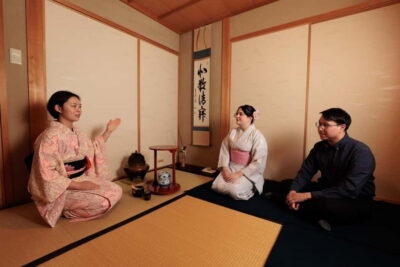
Tea Ceremony Meditation – Make Matcha with Tea Master
Read our review →Browse the lists this tour appears in