Review · TOKYO
Japan’s Customs of Ikebana Art, Tea Ceremony & Kimono Welcome
Slow down in Tokyo. This 1-hour-45-minute private experience brings you into a traditional Japanese home with a garden, where you can watch a professional ikebana artist, create your own flower arrangement, and prepare matcha tea. I especially like the combination of two hands-on arts in one visit. You are not just watching a demonstration. You are making something, then sitting down to enjoy tea and Japanese sweets.
I also like the thoughtful seating choice. You can sit on authentic tatami mats or use regular chairs, which makes the visit easier for people who find floor sitting uncomfortable. The main consideration is the price, $173.34 per person, which is a serious spend for less than two hours. It makes the most sense if you value personal instruction and a private setting, rather than simply wanting a quick cultural show.
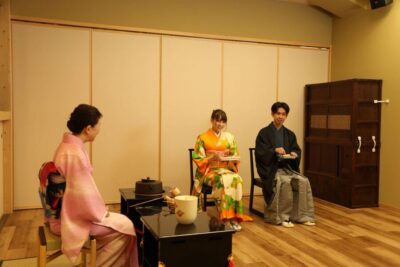
The welcome from an instructor wearing a kimono sets the tone without turning the visit into a costume performance. Based on the experience details, the teaching is aimed at beginners. One participant was nervous about trying both activities, but found the instructions easy to follow and the teacher kind and encouraging. That is useful to know if your flower arranging skills begin and end with putting supermarket stems in a glass.
Key points at a glance
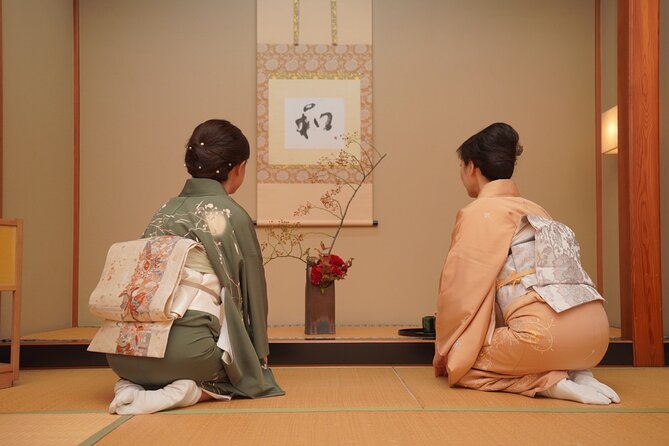
- Two Japanese arts in one visit: Learn the basic process of ikebana and matcha preparation during the same 1-hour-45-minute session.
- A traditional home and garden: The setting offers a quieter cultural experience than a large public attraction.
- You create your own arrangement: Seasonal flowers are used, so your finished piece will reflect the time of year.
- Tea and sweets are included: The experience includes matcha tea and Japanese sweets.
- Private participation: Only your group takes part, which allows the lesson to feel more personal.
- Tatami or chair seating: You can choose traditional floor seating or a regular chair.
Entering a traditional Tokyo home
The meeting point is outside Toritsu-daigaku Station at 1-chōme-5-1 Nakane, Meguro City, Tokyo 152-0031. This is an important detail in a city where a small mistake with a station exit can cost you more time than expected. I would allow a little extra time to find the exact address, especially if you are carrying luggage or arriving during a busy part of the day.
The activity begins and ends at the same meeting point. It operates Monday through Sunday from 8:30 AM to 8:00 PM during the stated operating period, January 16, 2025, through November 26, 2026. Your confirmation arrives when you book, and the experience accepts a mobile ticket, so you should not need to print anything.
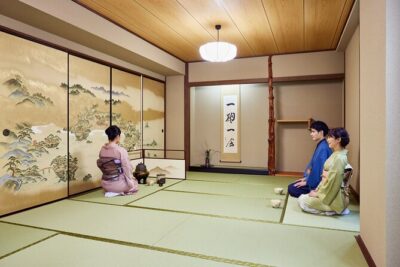
You enter a traditional Japanese home with a charming garden and meet an instructor dressed in a kimono. That welcome gives the experience a clear sense of place. You are not in a generic classroom decorated with a few Japanese objects. The home setting helps connect the activities to everyday Japanese customs and formal arts.
The group format matters here. This is a private activity, and only your group participates. You can ask questions, work at your own pace, and pay attention to the details of your own arrangement without trying to see around a large crowd. For families, couples, or a small group of friends, that privacy may explain much of the price.
More Kimono and Tea Ceremonies in Tokyo
- Kimono Tea Ceremony at Tokyo, Asakusa Maikoya
★ 5.0 · 638 reviews - Tokyo: Matcha and Kimono Experience
★ 4.7 · 219 reviews - Tokyo: Asakusa Kimono Dressing and Matcha Experience
★ 4.9 · 173 reviews
Watching ikebana before making your own
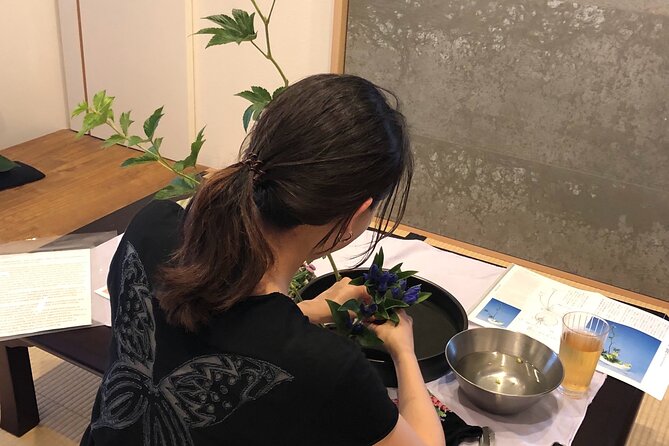
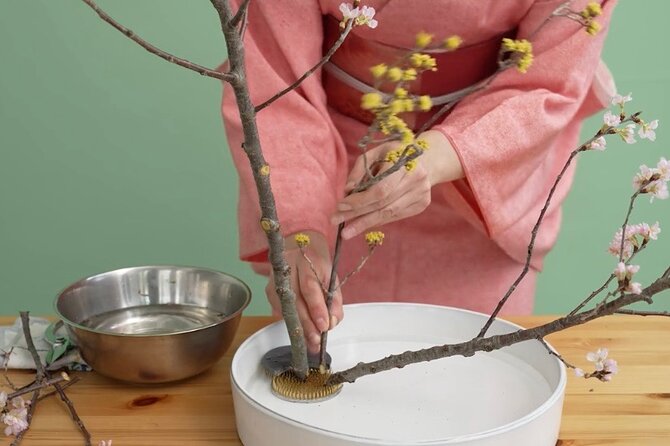
Ikebana is more than placing flowers in a vase. It is the Japanese art of arranging flowers, branches, and other plant material with careful attention to shape, line, space, and balance. You first watch a professional artist work, then try the process yourself.
That order is helpful. You get to see the general approach before handling the flowers. The session uses seasonal flowers, which gives your arrangement a direct connection to the time of year. The exact flowers are not specified, so you should not book this expecting a particular type or color. The changing selection is part of the appeal.
I like that you leave with an experience of making something, not just taking a photograph of someone else’s work. The finished arrangement gives you a visual reminder of the visit and lets you see how a few flowers can be organized with purpose. You may find the process more thoughtful than difficult, but the result will depend on how much guidance you want and how comfortable you are following the artist’s instructions.
The available comments point to strong beginner support. One participant felt nervous before starting, then found the directions easy to follow. Another person, also new to both activities, found the teacher kind and effective at teaching. That is the most important practical point for first-timers: you do not need to arrive with experience.
Still, this is a lesson, not a full professional ikebana course. In less than two hours, you will learn the basics and create one arrangement, but you will not cover every school, style, or principle of the art. If you already study ikebana, you may prefer a longer class with more technical detail. If you simply want a meaningful first try, the shorter format works well.
Preparing matcha and enjoying Japanese sweets
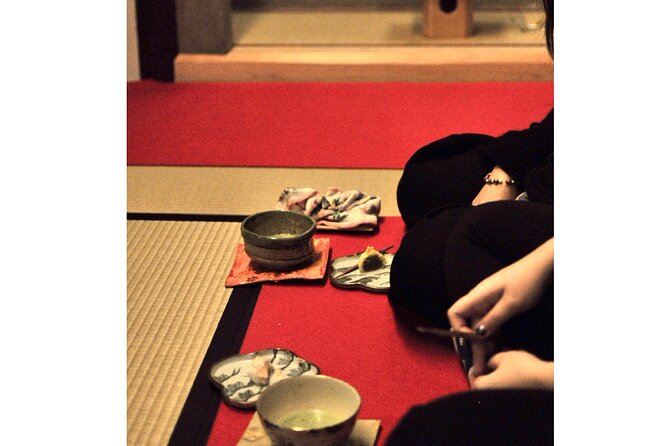
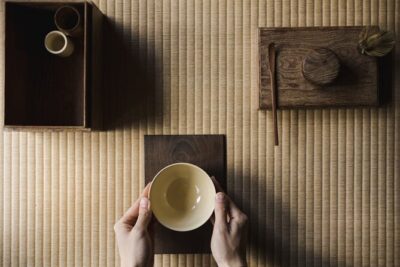
After the flower arranging, you learn how to prepare matcha tea. Matcha is finely powdered green tea whisked with hot water. The preparation requires care, and the act of making it is part of the experience rather than a step to rush through before the sweets arrive.
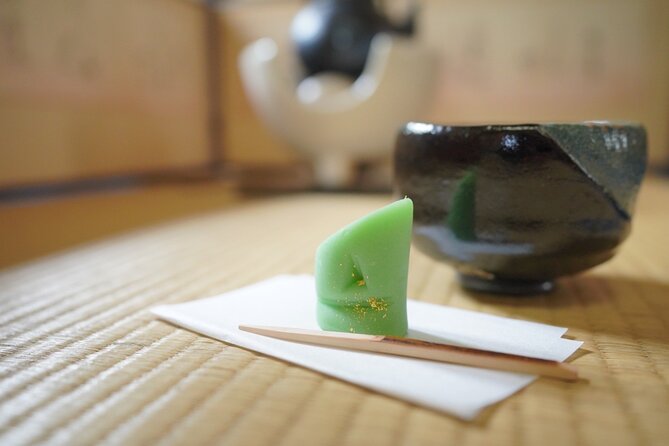
You then enjoy your handmade matcha with Japanese sweets. This gives the session a pleasant change of pace. After concentrating on flowers, you can sit, sip, and look at the arrangement you created. The experience description specifically invites you to relax with your tea while admiring your finished work, so the final portion is not simply a quick drink at the end.
The included refreshments are Japanese matcha tea and Japanese sweets. The information does not specify the type of sweets, the tea serving size, or whether alternative drinks are available. If you have dietary needs, ask before booking because no substitutions are stated.
The tea portion also gives you a small window into Japanese hospitality. It is not only about flavor. The preparation, presentation, and quiet attention help explain why tea ceremony is treated as an art. You will not master the full tradition in one sitting, but you can begin to understand the care behind it.
One useful point from the feedback is that the teacher helped beginners feel at ease. That matters particularly during tea preparation, where the formal movements can seem intimidating at first. You can expect instruction rather than a test. Even so, the tone is likely more focused and deliberate than a casual tea tasting.
Tatami seating, chairs, and the pace of the lesson
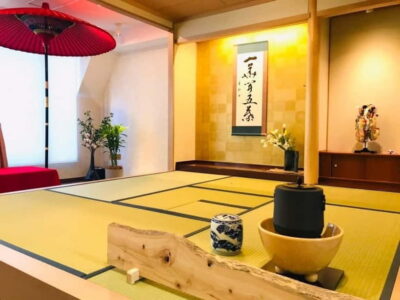
The traditional option is to sit on tatami mats. Tatami is woven flooring used in many Japanese rooms, and sitting on it can make the home setting feel more authentic. It can also be hard on your knees, hips, or ankles.
Regular chairs are available if floor seating is not comfortable for you. This is one of the best practical features of the experience because you can enjoy the setting without forcing yourself into a position that causes pain. The details do not specify the arrangement of the room or the number of chairs, so you may wish to mention your preference when making arrangements.
The full session lasts about 1 hour and 45 minutes. That is enough time for a demonstration, your own flower arrangement, matcha preparation, and a relaxed tea break, but the schedule will not feel open-ended. If you tend to work slowly, listen closely during the demonstration so you understand the basic process before beginning your own piece.
I would also avoid booking this immediately before a must-not-miss train or timed attraction. The stated duration is approximate, and the activity ends back at the meeting point. Give yourself room for the lesson to breathe, especially if you want to ask questions or spend a moment with your finished arrangement.
More Tea and Calligraphy Workshops in Japan
- Tokyo: Practicing Zen with a Japanese Tea Ceremony
★ 4.7 · 105 reviews - Experience all of Japanese culture and Japanese food experience classes “origami, udon, Japanese food, green tea, calligraphy” in 4 hours
★ 5.0 · 105 reviews - Practicing Zen through Japanese Tea Ceremony
★ 4.5 · 6 reviews - Tokyo Morning Japanese Tea and Meditation Experience in Japan
★ 5.0 · 2 reviews
What the $173.34 price really buys
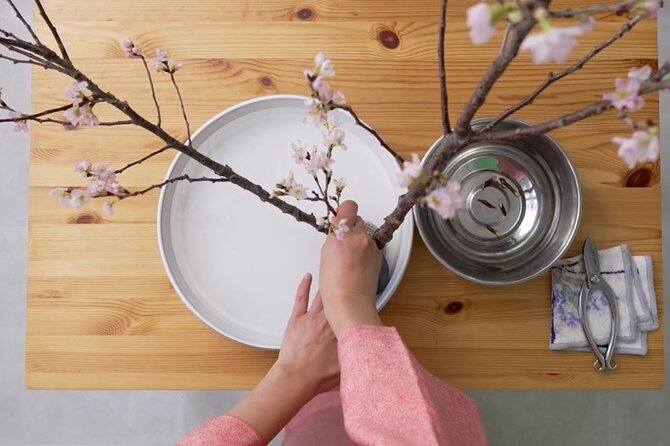
At $173.34 per person, this is not a budget activity. You are paying more than the cost of matcha, sweets, and flowers alone. The price reflects a private session, instruction in two cultural arts, a traditional home setting, and time with an instructor.
I think the value is strongest for a small group that wants personal attention. Four friends who share the cost may find the private format appealing. A solo visitor should think harder about the price, since the same fee is charged per person and the total value depends on how much you want a tailored cultural lesson.
The included items are Japanese matcha tea and Japanese sweets. Kimonos, ikebana equipment, and tea equipment are listed as not included. Since the activities require tools and materials, I would confirm exactly what is supplied for use during the lesson and what, if anything, you must bring or pay for separately. Do not assume you are being dressed in a kimono. The information promises a welcome from an instructor in a kimono, not kimono rental for participants.
The activity can be good value if you want more than sightseeing. You receive instruction, create a flower arrangement, prepare tea, and enjoy the result in a private setting. It is weaker value if your main goal is a low-cost snack, a quick photo, or a broad introduction to many parts of Japanese culture.
Who will appreciate this experience most
I would recommend this for adults and older children who enjoy making things with their hands. It suits people who like calm activities, flowers, design, food traditions, and small cultural encounters. You do not need prior ikebana or tea experience.
It is also a good choice for a couple or family looking for a quieter break from Tokyo’s crowds. The private format lets your group share the experience without competing with strangers for the instructor’s attention. The garden and traditional home add atmosphere without requiring a full-day trip outside the city.
This may not suit someone who wants constant movement or a large number of attractions packed into an hour. The pace is intentionally measured. You spend time watching, arranging, preparing, and sitting. That is the point, but it will feel slow if you prefer fast entertainment.
I would also be cautious if you expect a formal, highly ceremonial tea event with elaborate costumes and strict ritual. The supplied details describe a lesson in preparing matcha, along with sweets and a kimono welcome. They do not promise a full traditional tea ceremony with every formal procedure.
Practical tips before you go
Use the mobile ticket and keep the booking confirmation easy to open on your phone. The activity is near public transportation, but the precise meeting point is still worth checking carefully before leaving your hotel.
Wear something comfortable enough for either tatami or chair seating. Since regular chairs are available, you have a practical alternative, but comfortable clothing will make the flower arranging and tea preparation easier.
If you are nervous, do not let that stop you. The teaching is designed to help beginners, and the strongest praise focuses on kind instruction, clear directions, and the way the lesson made first-timers feel comfortable. You can ask questions and follow the demonstration before trying your own arrangement.
Because the cancellation policy is strict, check your schedule before paying. The experience is non-refundable and cannot be changed for any reason. That is especially important if your Tokyo plans are still uncertain.
Should you book this private Tokyo cultural lesson?
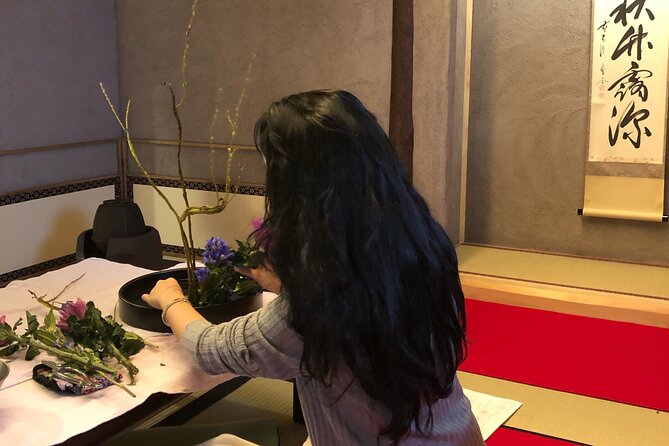
Book it if you want a focused, personal introduction to ikebana and matcha in a real traditional home. The strongest reasons are the private setting, seasonal flowers, beginner-friendly instruction, included sweets, and choice of tatami or chair seating. You get two connected activities without spending a full day on a formal cultural course.
Think twice if $173.34 feels high for a 1-hour-45-minute activity, or if you expect participant kimonos, a full ceremonial performance, or extensive equipment and materials to be included. Confirm those details before booking.
For the right person, this is a calm and hands-on way to make room for Japanese culture in a Tokyo itinerary. You leave with new skills, a flower arrangement, and a better sense of why flowers and tea receive such careful attention in Japan.
FAQ
Where does the experience begin?
It begins at Toritsu-daigaku Station, at 1-chōme-5-1 Nakane, Meguro City, Tokyo 152-0031, Japan.
Where does the experience end?
The activity ends back at the meeting point.
How long does the experience last?
It lasts approximately 1 hour and 45 minutes.
Is this a private activity?
Yes. Only your group participates.
Are tea and sweets included?
Yes. Japanese matcha tea and Japanese sweets are included.
Are kimonos and equipment included?
Kimonos, ikebana equipment, and tea equipment are listed as not included. The instructor welcomes you wearing a kimono, but participant kimono rental is not stated as included.
Can I sit on a chair instead of the tatami floor?
Yes. You can choose authentic tatami seating or use regular chairs.
What is the cancellation policy?
The experience is non-refundable and cannot be changed for any reason. Cancellations or amendment requests do not receive a refund.
More Tea and Calligraphy Workshops in Tokyo
- Kyoto: Tea Ceremony Meditation – Make Matcha with Tea Master
★ 4.8 · 406 reviews - Osaka: Tea Ceremony, Calligraphy, and Kimono Experience
★ 4.9 · 130 reviews - An Amazing set of Cultural experience: Kimono, Tea Ceremony and Calligraphy
★ 5.0 · 69 reviews - Beijing Culture: Tea Ceremony, Heritage Instrument & Calligraphy
★ 5.0 · 57 reviews
More Tea Ceremonies in Tokyo
- Tokyo: Traditional Tea Ceremony with a Tea Master
★ 5.0 · 528 reviews - Tea Ceremony Workshop in Tokyo by the Experienced Instrucor
★ 5.0 · 189 reviews - Asakusa: Kimono Tea Ceremony with Matcha and Sweet
★ 4.9 · 153 reviews - Tea Ceremony Experience in a Private Tea Room in Shibuya
★ 4.9 · 125 reviews
Just added around Tokyo
- Yokohama : Tea Ceremony with Sweets and Souvenir★ 5.0 · 5 reviews
- Walking Tour: Yanaka,Nezu& Sendagi: Tea Ceremony & Old Tokyo★ 5.0 · 3 reviews
- Private Kimono and tea ceremony at local home near Tokyo Disney★ 5.0 · 6 reviews
- Private Mochi・Matcha sweets Making Class Near Shibuya Area★ 5.0 · 22 reviews
- Tokyo Sweets Tour: Hidden Gems & Matcha at an Old Tea House★ 5.0 · 6 reviews
- Kimono and Tea Ceremony in Asakusa Private Food Tour With Guide★ 5.0 · 4 reviews
- 2 Hours Mochi &Nerikiri Making & Matcha Class in Bunkyo★ 5.0 · 21 reviews
- Tokyo Tea Ceremony Class at a Traditional Tea Room★ 5.0 · 2 reviews
Tea Ceremonies in Tokyo, compared.
Tea Ceremony Workshop in Tokyo by the Experienced Instrucor
Read our review →
Asakusa: Kimono Tea Ceremony with Matcha and Sweet
Read our review →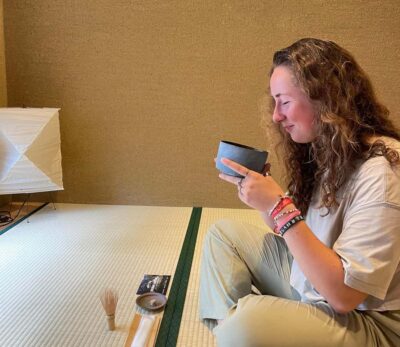
Tea Ceremony Experience in a Private Tea Room in Shibuya
Read our review →