
Review · NARA
Nara:Private Tea Ceremony(Max 5 ppl) -Master Matcha Making-
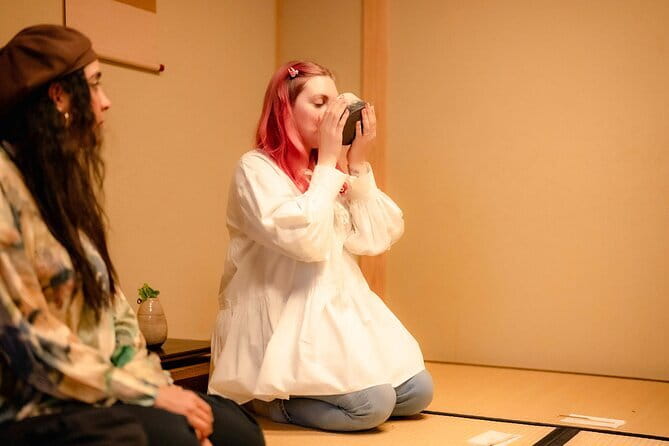
Slow tea can change the pace of Nara. This private one-hour session takes place in a 120-year-old Japanese house, where you learn the basics of tea ceremony, taste two Nara single-origin matchas, and prepare your own bowl with a bamboo whisk. I especially like the one-on-one format and the chance to ask questions freely. The main consideration is its short length: one hour gives you a focused introduction, not a full study of tea ceremony.
The setting is another strong point. A small tea room and quiet atmosphere help you understand why Japanese tea is about more than drinking matcha. Families with young children are welcome, though very young children may find the calm pace and quiet sitting more demanding than a typical sightseeing stop.
Key points at a glance
- Two Nara matchas to compare: Taste different aromas and flavors before choosing your favorite.
- A 120-year-old Japanese house: The setting adds a sense of place that a modern classroom cannot provide.
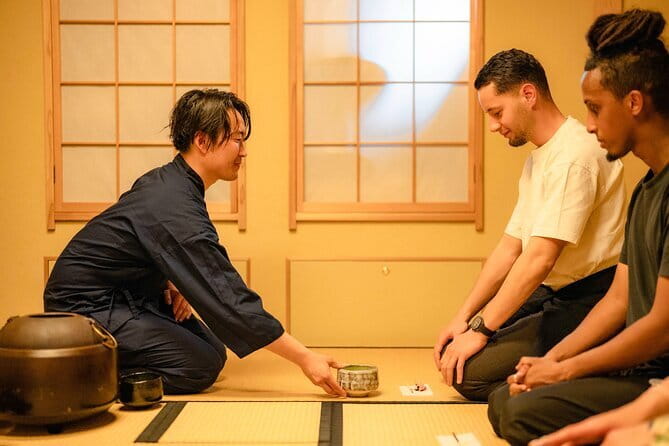
- Private instruction for up to five people: Your group receives direct attention from the tea master.
- Hands-on whisking: Use a bamboo chasen to make your own matcha instead of only watching a demonstration.
- Tea ceremony basics made approachable: Learn about etiquette, utensils, preparation, and the meaning behind the ritual.
- A quiet break in Nara: The session offers a calm pause from sightseeing, with Japanese sweets and brunch included.
Entering a 120-year-old Japanese house in Nara
The experience begins at Guesthouse Naramachi, at 30 Kitakyōbatechō in Nara. You meet there and return to the same place when the session ends. The location is near public transportation, so you can fit the activity into a day of exploring Nara without arranging separate transport.
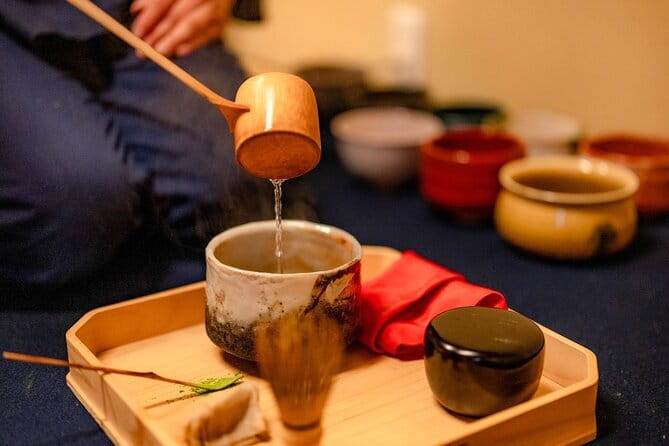
The building matters. Tea ceremony can feel formal or distant when it is presented in a generic event room. Here, the age and character of the Japanese house give the lesson a more natural home. You are not simply being shown a bowl of matcha. You are being introduced to a traditional domestic setting where quiet, careful hospitality makes sense.
The room is described as small, which is useful to know before booking. A compact tea room can make the experience feel personal and focused, but it may not suit you if you want a large demonstration space or a theatrical presentation. The reward is closeness: you can watch the host’s hands, ask questions, and pay attention to details that might be lost in a large group.
The entire activity lasts about one hour. That is long enough for a clear introduction, a tasting, a demonstration, and your own attempt at whisking. It is also short enough to place before lunch, after a morning visit to Nara’s sights, or between other plans.
More Private Tea Experiences in Japan
- Private Tea Ceremony and Sake Tasting in Kyoto Samurai House
★ 5.0 · 163 reviews - Tea Ceremony Experience in a Private Tea Room in Shibuya
★ 4.9 · 125 reviews - Kyoto: Private Tea Ceremony with a Garden View
★ 4.9 · 61 reviews
Tasting two single-origin Nara matchas
The tasting gives this activity more substance than a simple make-your-own drink class. You try two types of Nara single-origin matcha and compare their aromas and flavors. That comparison helps you see that matcha is not one uniform flavor.
For many first-time drinkers, matcha is known mainly as a strong green tea with a slightly bitter edge. Tasting two versions side by side gives you a more useful starting point. You can notice which one seems smoother, stronger, sweeter, or more appealing to your own palate. The point is not to identify a correct choice. It is to discover what you like.
This part also gives the tea master something concrete to explain. You can ask about the differences between the two teas, how each is prepared, and why the flavor of matcha deserves attention. Since the activity is private, your questions do not have to wait behind a large group.
Two matchas also make the price easier to judge. At $50.85 per person, you are paying for more than one prepared cup. You receive a private lesson, two tastings, instruction in tea utensils, a hands-on preparation, Japanese sweets, and brunch. If you only want to sample matcha quickly, this is more than you need. If you want context and practical instruction, the package offers a fair amount for a one-hour session.
Watching the tea master prepare matcha
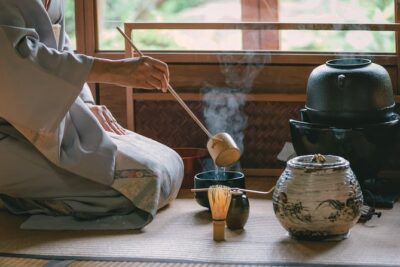
The demonstration is the quiet center of the experience. You watch the tea master handle the utensils, prepare matcha, and show the rhythm of the ceremony. This is valuable because the movements can look simple until you try to repeat them yourself.
Tea ceremony is built around attention. The placement of utensils, the pace of each movement, and the care given to the person receiving the tea all have meaning. You do not need to memorize every rule in an hour. A good introduction should instead help you understand why the ceremony feels deliberate and why silence is part of the experience.
The tea master also explains basic etiquette and the purpose of the utensils. You can expect to learn how the ceremony developed, how the tools are used, and how to behave respectfully during the preparation. The lesson is not presented as a test. You can ask as many questions as you like, which makes it easier to admit that you do not know what to do.
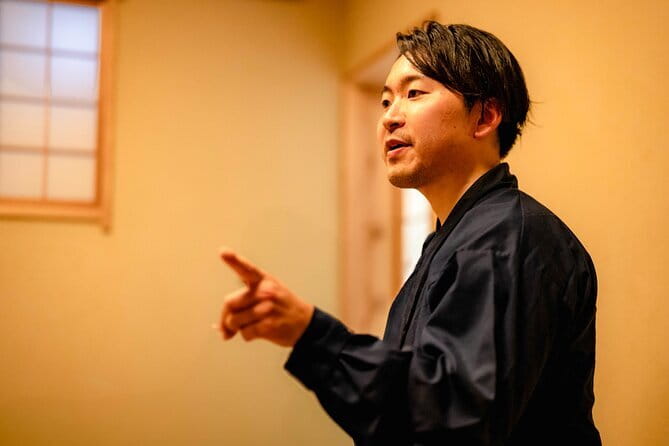
The host named in the available account is Mike, described as earnest and generous in his approach. That personal warmth is important here. A stiff lesson could make beginners worry about making a mistake, while a patient teacher lets you focus on the experience. The best way to benefit is to stay curious and accept that your first attempt will not look as polished as the demonstration.
Making your own bowl with a bamboo whisk
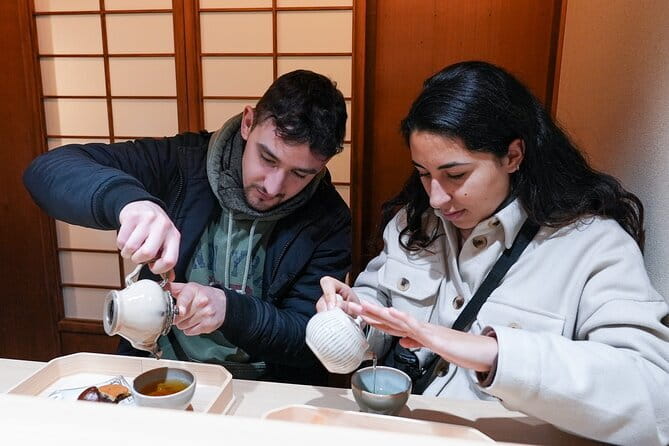
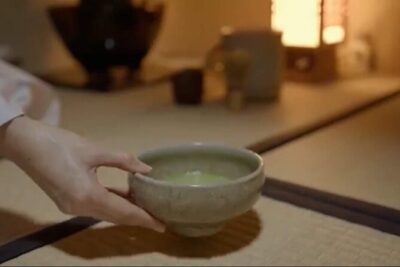
After watching the preparation, you get to make your own matcha. The key tool is the chasen, a traditional bamboo whisk. This is the part that turns the session from a demonstration into a real activity.
Whisking matcha requires focus. You need to work the powder and water together until the drink develops a smooth texture and a light layer of foam. The movement takes practice, and the tea master can guide you through the basic technique. You will likely pay closer attention to the process once you know you have to do it yourself.
I like this hands-on step because it gives the ceremony a practical memory. You leave with more than an explanation of matcha. You have handled the utensils, prepared a cup, and tasted the result of your own work. Even a less-than-perfect bowl can be part of the fun.
The activity also presents a useful balance between concentration and rest. You must pay attention to the whisking, but the quiet setting discourages rushing. That combination may be especially appealing if you have spent the day moving between busy attractions. It is a rare Nara activity where doing less is part of the point.
More Tea Ceremonies in Japan:
- Kyoto: Tea Ceremony in a Traditional Tea House in Kiyomizu
★ 4.9 · 3,519 reviews - Kyoto: Tea Ceremony Ju-An at Jotokuji Temple
★ 4.9 · 3,207 reviews - Kyoto: 45-Minute Tea Ceremony Lesson Experience
★ 4.3 · 2,378 reviews - Osaka: Tea Ceremony Experience
★ 4.9 · 1,426 reviews
Sweets, brunch, and the small tea room

Japanese sweets are included, along with brunch and coffee or tea. The sweets belong naturally with the matcha, since a small sweet bite can balance the tea’s sharper flavors. Brunch makes the session more practical if you schedule it around a meal.
The information does not specify the exact brunch menu, so you should not book this expecting a particular dish. Think of it as a light food element included with the tea lesson rather than a full restaurant meal. If you have dietary needs, ask the provider before booking because no special arrangements are stated.
The room itself is part of the appeal. A tiny tea room can make you feel removed from ordinary sightseeing for a few minutes. One account describes the setting as a place where the ceremony created a feeling of escaping the outside world, and that captures the value of the session better than a list of utensils can.
You should also keep the scale in mind. This is not a grand cultural show with a large audience. The experience works through small gestures, direct conversation, and quiet attention. If you want dramatic entertainment, you may find it too restrained. If you want a personal introduction to Japanese hospitality, the modest setting is a strength.
Why the private group size matters
Only your group participates, with a maximum of five people. That makes the format useful for couples, families, and small groups of friends who want to share an activity without strangers in the room.
A private group also changes the lesson itself. You can ask about the tea’s flavor, the meaning of an action, or the proper use of a utensil without worrying about holding up a crowd. The tea master can spend time on the parts that interest you most.
Families with young children are welcome. This is encouraging, but the activity still calls for some quiet and patience. A child who enjoys copying movements and trying a whisk may have a fine time. A child who needs constant movement could find the ceremony slow. Parents know best, but it helps to explain beforehand that silence and careful gestures are part of the activity.
For a parent and teenager, the format has particular appeal. The private setting gives both people something to do, and the teenage participant can take part rather than simply watch an adult cultural lesson. A 17-year-old was specifically described as getting into the experience, which suggests the activity can work well across generations.
The value of an hour and $50.85
At $50.85 per person, this is not the cheapest way to drink matcha in Nara. You can find tea in many Japanese settings for less. The difference is that this price covers instruction, a private group, two matchas, utensils, sweets, brunch, and the chance to prepare the tea yourself.
I would judge the value by your interest. If your goal is a quick refreshment, choose a café instead. If you want to understand the drink, learn the etiquette, and experience a traditional house with a tea master, the fee is easier to justify.
The one-hour duration keeps the commitment manageable. You do not have to give up half a day of sightseeing, and the meeting point returns you to where you began. The trade-off is that the lesson cannot explore every part of tea ceremony in detail. You receive a thoughtful introduction, not professional training.
The activity is booked an average of 18 days in advance, so leaving it until the last minute may not work. Confirmation is provided at booking, and a mobile ticket makes entry simple. Transportation is not included, so you are responsible for reaching Guesthouse Naramachi and planning your own route afterward.
Who will enjoy this Nara tea experience?
I would recommend it most strongly to:
- First-time matcha drinkers who want to understand what they are tasting
- Couples or small groups seeking a quiet shared activity
- Families with children who can manage a calm, one-hour session
- Visitors interested in Japanese manners, utensils, and hospitality
- Anyone who wants a break from major sights without leaving Nara
- People who prefer private instruction to a large group class
You may want to skip it if you dislike quiet activities, have no interest in preparing your own tea, or mainly want a full meal. The class is also not the right choice if you expect a long ceremonial performance. Its strength is personal instruction and participation.
The presence of an attentive host makes a difference. Mike is described as sincere and generous, with a style that helped one parent and teenage son feel transported from the ordinary world for a few minutes. That is a useful clue about the tone to expect: personal, gentle, and focused on connection rather than showmanship.
Booking advice and cancellation terms
The activity offers free cancellation if you cancel at least 24 hours before the local start time. Cancellations or changes made less than 24 hours before the start are not refunded or accepted, so check your Nara schedule carefully before the deadline.
Because the group is private and limited to five people, book early if you are visiting during a busy period. The typical advance booking pattern of 18 days suggests that this is not an activity to treat as an afterthought.
Should you book this private tea ceremony?
Book it if you want a calm, personal introduction to matcha and Japanese tea customs. The strongest features are the historic house, the private format, the comparison of two Nara matchas, and the chance to whisk your own cup under guidance.
I would especially choose it for a small family group or a parent and teenager. It gives everyone a role, and the one-hour length keeps the experience from becoming tiring. Just remember that the atmosphere is quiet, the room is small, transportation is separate, and the lesson is an introduction rather than an expert-level ceremony.
For a modest cultural activity with real participation, $50.85 is reasonable. You are paying for time, attention, and setting, not just a drink. That makes this a good choice for slowing down in Nara and learning why a simple bowl of matcha can hold so much care.
FAQ
Where does the tea ceremony begin and end?
It begins at Guesthouse Naramachi, 30 Kitakyōbatechō, Nara, 630-8322, Japan. The activity ends back at the same meeting point.
How long does the experience last?
The tea ceremony and matcha-making session lasts approximately one hour.
How many people can join the private activity?
The activity is private and can accommodate a maximum of five people. Only your group participates.
Are young children allowed?
Yes. Families with young children are welcome to join the experience.
What is included in the price?
The experience includes tea ceremony utensils, coffee and/or tea, two types of matcha, Japanese sweets, and brunch.
Is transportation included?
No. Transportation fees are not included. The meeting point is near public transportation.
Can I cancel for a full refund?
Yes, if you cancel at least 24 hours before the local start time. Cancellations or changes made less than 24 hours before the start are not refunded.
More Matcha Experiences in Japan
- World Heritage Kyoto & Nara Uji Authentic Matcha Experience
★ 5.0 · 1,573 reviews - Kyoto: Arashiyama Bamboo Forest, Monkeys, Matcha & Temple Tour
★ 5.0 · 759 reviews - Matcha Making Class in Tokyo with Authentic Japanese Sweets Set
★ 5.0 · 744 reviews - Kyoto: Tea Museum Tickets and Matcha Grinding Experience
★ 4.9 · 739 reviews
Just added around Japan
- Yokohama : Tea Ceremony with Sweets and Souvenir★ 5.0 · 5 reviews
- Walking Tour: Yanaka,Nezu& Sendagi: Tea Ceremony & Old Tokyo★ 5.0 · 3 reviews
- Visit local home for music and tea ceremony near Disney★ 4.9 · 13 reviews
- Trip to Kamakura & Enoshima: Shrines, Seaside, Temples &Tea★ 5.0 · 11 reviews
- Yokohama: Sushi & Gyoza Cooking with Matcha & GreenTea Experience★ 5.0 · 3 reviews
- Kyoto tea town for matcha lovers★ 5.0 · 16 reviews
- Uji: Private immersion into Kyoto’s tea and reglious culture★ 5.0 · 17 reviews
- Kyoto Matcha Green Tea Tour★ 4.5 · 23 reviews
Private Tea Experiences in Japan, compared.
Private Tea Ceremony and Sake Tasting in Kyoto Samurai House
Read our review →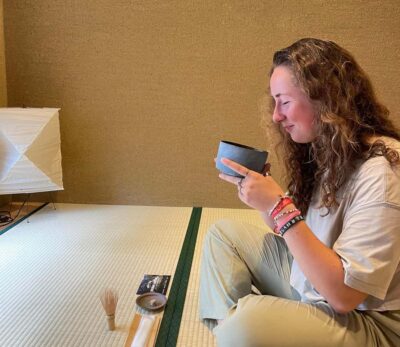
Tea Ceremony Experience in a Private Tea Room in Shibuya
Read our review →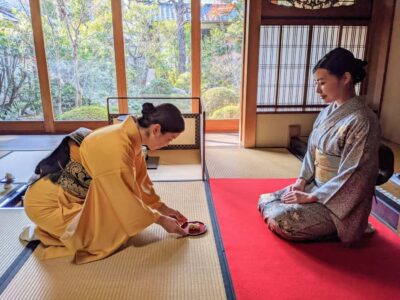
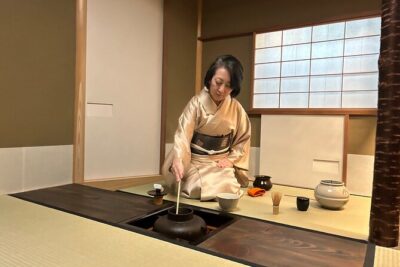
Kyoto Private Tea Ceremony with Tea Master at Home
Read our review →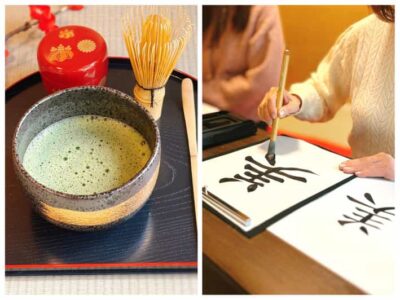
Stunning Private Tea Ceremony: Camellia Garden Teahouse
Read our review →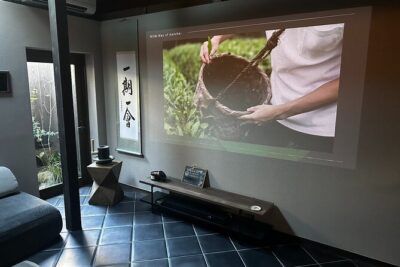
Private Tea Ceremony in Hidden Townhouse (Kid-Friendly)
Read our review →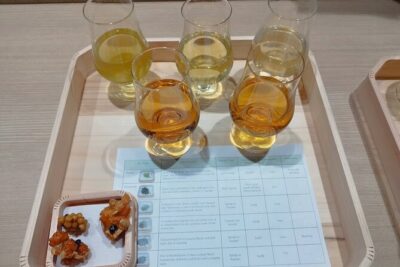
Tea Tasting&Private Tea Ceremony -Master Matcha Making-
Read our review →Browse the lists this tour appears in