
Review · JAPAN
Kagoshima: Matcha Making Experience
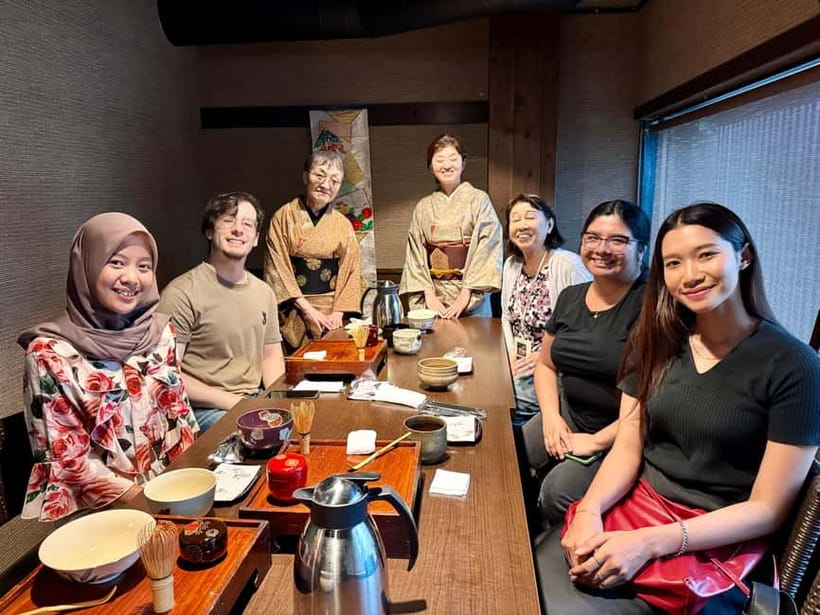
Matcha is easier than it looks. This one-hour workshop gives you a friendly introduction to Japanese tea without the stiff formality of a tatami room ceremony. I especially like the chance to taste a bowl prepared by the instructor, then make one yourself using locally produced Kagoshima matcha and sweets. I also like that you learn practical skills you can repeat at home, not just watch a demonstration.
The setting is comfortable, with a table and chairs in a private room at a Japanese restaurant, only about five minutes from Kagoshima-Chuo Station. The main consideration is access: the room is upstairs with no lift, and the workshop is not suitable for children under seven or wheelchair users. Strong perfumes are also discouraged because they interfere with the tea’s aroma.
Key points at a glance
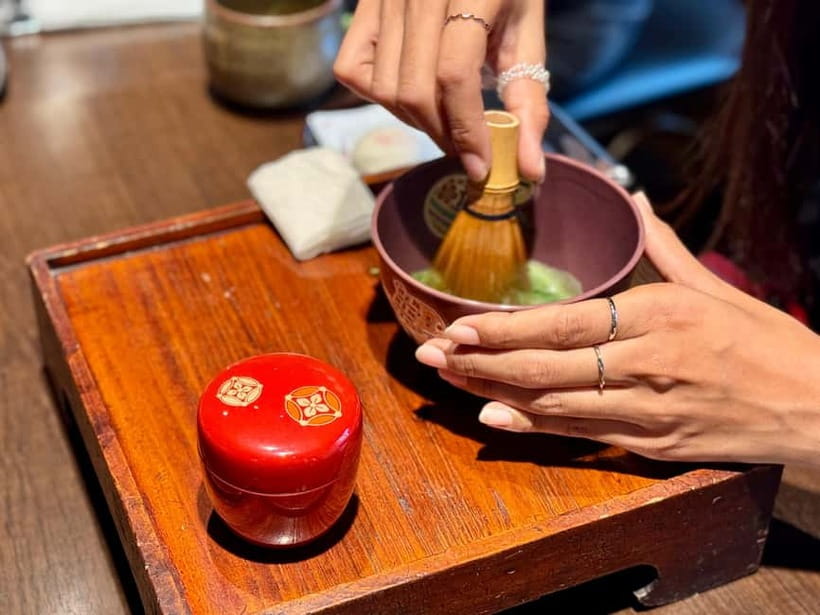
- A hands-on bowl of matcha: You first enjoy tea whisked by the instructor, then prepare your own bowl.
- Kagoshima ingredients: Both the matcha powder and traditional confectionery come from Kagoshima.
- A relaxed table setting: Chairs and a standard table make this more approachable than a formal tea room ceremony.
- Useful home instruction: You learn about utensils, whisking, hospitality etiquette, and the basic process you can repeat at home.
- Convenient station location: The private restaurant room is about five minutes on foot from Kagoshima-Chuo Station.
- Language support: The workshop is conducted in Japanese, with English or German assistance available.
Why this matcha workshop works for first-timers
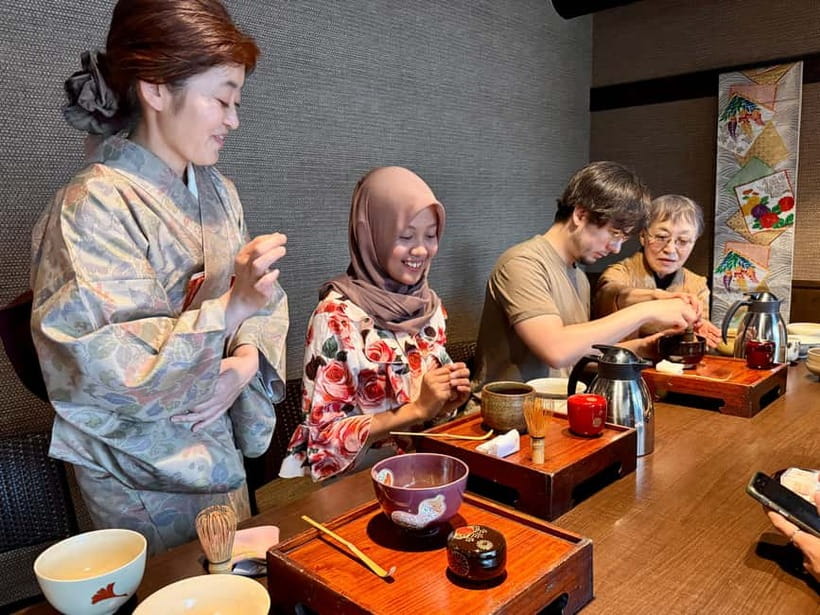
A formal Japanese tea ceremony can be beautiful, but it can also feel intimidating. You may worry about sitting correctly, handling unfamiliar utensils, or making a mistake in front of everyone. This workshop takes away much of that pressure.
You sit at a table with chairs in a private room. The mood is casual, and the focus is on learning by doing. I like this format for anyone who wants a useful cultural activity rather than a staged performance. You still learn the purpose of the utensils and the basic manners of serving tea, but you are not expected to master a long sequence of precise movements.
The workshop also gives you two different ways to understand matcha. First, you taste a bowl prepared by the instructor. Then you whisk your own bowl. That comparison matters. You can notice the difference between watching the technique and feeling the whisk move through the tea yourself.
The experience lasts one hour, which is long enough to learn the basics without taking over your day in Kagoshima. It fits neatly before a meal, after arriving at Kagoshima-Chuo Station, or between other sightseeing plans.
More Matcha Experiences in Japan:
- World Heritage Kyoto & Nara Uji Authentic Matcha Experience
★ 5.0 · 1,573 reviews - Kyoto: Arashiyama Bamboo Forest, Monkeys, Matcha & Temple Tour
★ 5.0 · 759 reviews - Matcha Making Class in Tokyo with Authentic Japanese Sweets Set
★ 5.0 · 744 reviews
Starting with a bowl and a Kagoshima sweet
The session begins with a bowl of matcha prepared by the instructor. This is a good first step because you get to taste the drink before worrying about technique.
Matcha has a distinctive flavor that can be grassy, bitter, creamy, or slightly sweet depending on how it is prepared. The traditional sweet served alongside it helps balance that taste. Here, the confectionery is made in Kagoshima, giving the introduction a local connection rather than presenting a generic tea snack.
That local sourcing is one of the strongest features of the experience. Kagoshima is better known internationally for its volcanic scenery, hot springs, and food than for matcha, so it is useful to learn that both the powdered tea and sweets used here are produced in the region.
The sweet is not just decoration. In Japanese tea practice, confectionery helps prepare your palate for the tea. You can pay attention to how the sweetness changes your impression of the matcha. If you have allergies, ask about the ingredients in advance. The sweets may contain sugar, eggs, yam, rice flour, or nuts.
Learning the utensils without feeling lost
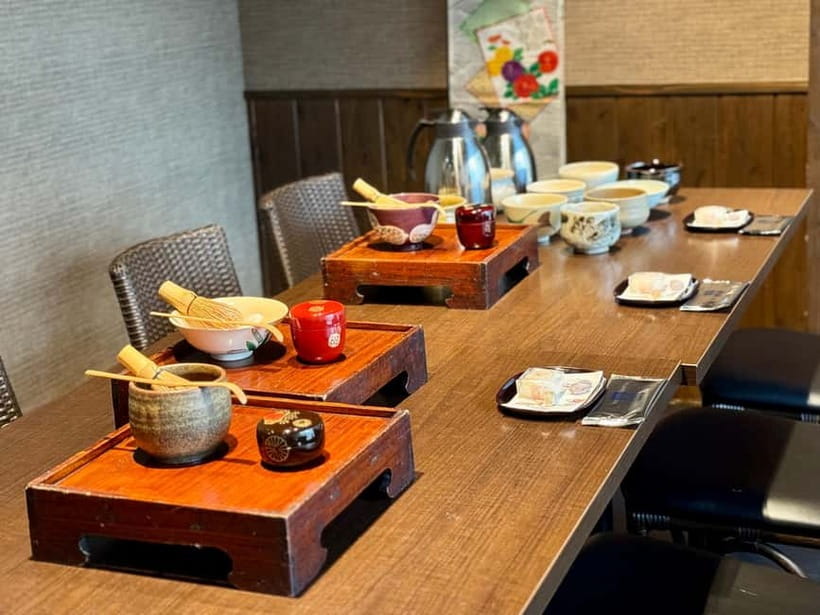
After the first bowl, the instructor introduces the tools used to prepare matcha. The activity includes an explanation of what the utensils are for and how to handle them.
You will work with the basic equipment needed for whisking matcha. The point is not to memorize every traditional object in Japanese tea culture. Instead, you learn enough to understand the order of preparation and the role each item plays.
One particularly nice detail is that participants may choose their own cup or bowl. That adds a personal touch to the session and gives you a moment to consider how the shape and appearance of a tea bowl affect the experience. The workshop is not only about making a drink. It also introduces the care given to presentation in Japanese hospitality.
The instructor also explains basic etiquette. This is useful if you plan to visit a formal tea ceremony later in your trip. You will have a better sense of why the tea is presented in a certain way and how guests are expected to receive it.
Do not expect an academic lecture on the entire history of tea. The information is aimed at practical use. That suits the short one-hour format and keeps the session moving.
Your turn to whisk the matcha
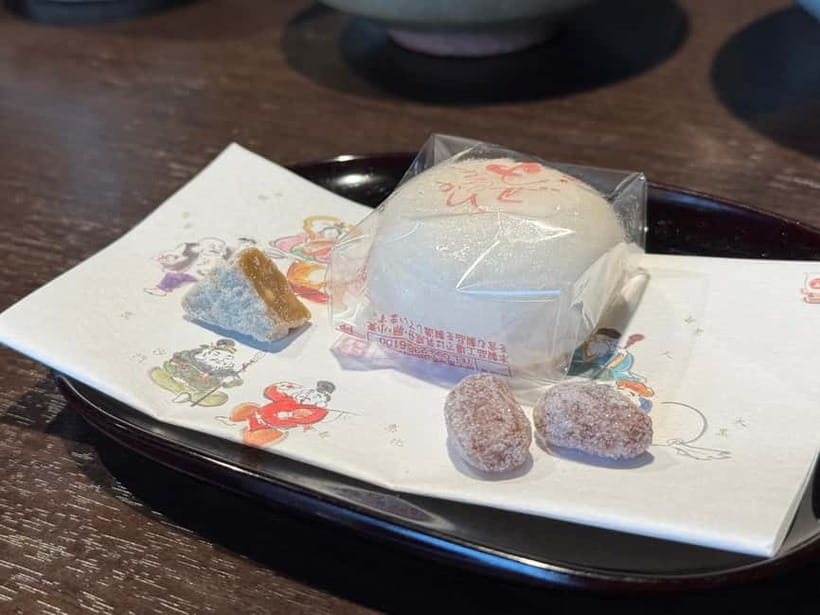
The most enjoyable part is making your own bowl. You receive matcha to practice with, then follow the instructor’s guidance as you add water and whisk the tea.
Whisking matcha takes a little coordination. You are not simply stirring in circles like coffee or hot chocolate. The goal is to mix the powder properly and create a smooth texture with a light layer of foam. A first attempt may not look perfect, and that is part of the fun.
I like that the workshop lets you practice after seeing the demonstration. You can ask questions while the instructor is close by, rather than trying to remember the process later. The relaxed room helps here. You can focus on the movement of the whisk instead of worrying about performing in front of a large group.
The activity is offered for private or small groups. That makes a difference for beginners. A smaller setting gives you more room to ask about flavor, technique, etiquette, or the equipment you might use at home.
The language setup is also practical. The main instruction is in Japanese, but an English or German-speaking assistant can provide support. One past session included Junko and Ayako, with the teaching and translation working together so participants could ask questions about Japanese culture and tea. If you need language assistance, it is sensible to confirm it when booking.
A few more tea experiences around Japan worth a look
- Kyoto: Tea Ceremony in a Traditional Tea House in Kiyomizu
★ 4.9 · 3,519 reviews - Kyoto: Tea Ceremony Ju-An at Jotokuji Temple
★ 4.9 · 3,207 reviews - Kyoto: 45-Minute Tea Ceremony Lesson Experience
★ 4.3 · 2,378 reviews - Osaka: Tea Ceremony Experience
★ 4.9 · 1,426 reviews
What you can take home from the lesson
The best reason to book this experience is that you learn a repeatable skill. Many cultural activities give you something to watch. This one gives you a process you can try again.
You learn the basic preparation steps, how the utensils are used, and how to whisk the powder. You also gain a better sense of how to serve the tea with a sweet and how simple hospitality customs shape the moment.
The workshop does not promise a complete home tea setup, and no equipment is listed as part of the price. Still, you leave with a clearer idea of what you would need if you later buy matcha and a whisk.
For me, this practical element makes the $35 price easier to justify. You receive a bowl prepared for you, a second bowl for practice, a traditional sweet, instruction, and a local connection to Kagoshima. It is not the cheapest cup of tea you will have in Japan, but you are paying for the teaching and the hands-on time, not just the drink.
If you only want to sample matcha, a café will cost less and take less time. If you want to understand how it is made and try the technique yourself, this is better value.
The private restaurant room near Kagoshima-Chuo Station
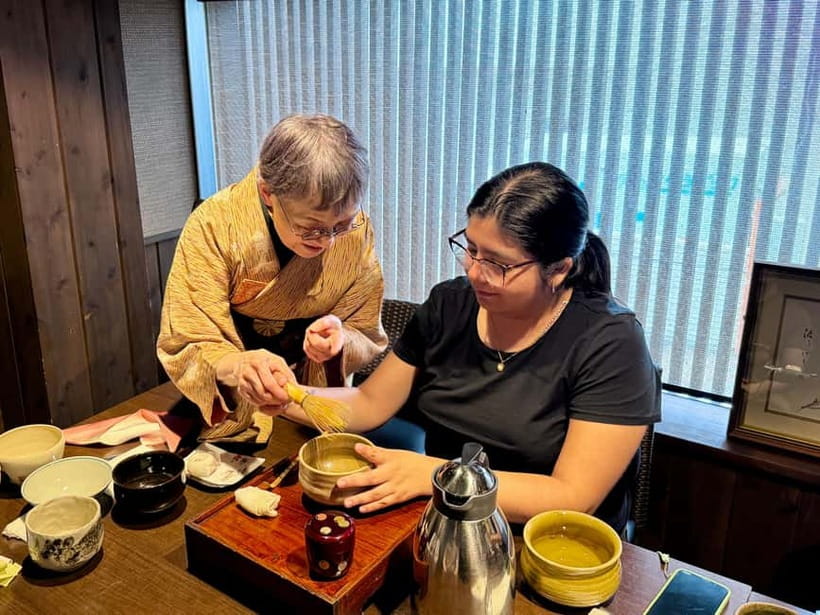
Location is another strong point. The venue is a private room in a Japanese restaurant, about a five-minute walk from Kagoshima-Chuo Station.
That makes the workshop easy to fit into a day based around the station. You do not need to arrange separate transportation to the venue, although transportation costs are not included. The meeting point can vary depending on the option booked, so check the exact instructions before setting out.
The upstairs location is the main practical drawback. The room is on the second floor in the Japanese system, and there is no lift. You will need to use the stairs. This means the activity is not suitable for wheelchair users.
The private room creates a calm setting, but it is not a traditional tatami tea room. You will not be kneeling on a tatami mat as part of a formal ceremony. That is important to understand before booking. The casual setup is a feature for many people, but it may disappoint anyone specifically seeking a classic tea ceremony in a historic tea house.
Who will enjoy this experience most
I would recommend this workshop to first-time matcha drinkers, couples, families with older children, and anyone who wants a quiet cultural activity close to the station.
It is especially suitable if you:
- Want to learn a skill you can use at home
- Prefer chairs and a relaxed pace
- Have questions about Japanese tea etiquette
- Enjoy small-group or private activities
- Want locally produced food and drink
- Need English or German support
Children under seven cannot take part. The workshop may also be a poor fit if you want a formal ceremony with traditional clothing, a tatami room, or a long sequence of ceremonial movements. Kimono rental is not included.
The activity is also not ideal if you are highly sensitive to caffeine. Matcha contains caffeine, so check your own limits before booking. Avoid strong fragrances or perfume, since the tea’s aroma is part of the experience.
Language help and the tone of the teaching
The official languages are Japanese, English, and German. The instructor may be Japanese, English-speaking, or German-speaking, and an English or German assistant can be provided when needed.
The presence of an assistant is useful for more than translation. It gives you a chance to ask about the meaning behind the customs and tools. In one session, questions about culture and history were answered after the demonstration, adding context without slowing down the practical lesson.
Names such as Junko and Ayako are worth noting if you are hoping for a personal introduction. A previous private session with Junko and Ayako was praised for its welcoming atmosphere, the chance to ask many questions, and the ease of booking one day in advance. Availability can change, so do not assume the same instructors will lead every session.
Timing, booking, and value at $35
At $35 per person, this is a moderate-priced one-hour activity. The price makes the most sense for you if you value personal instruction and want to prepare the tea yourself.
Included are:
- The matcha preparation lesson
- One bowl of matcha made by the instructor
- One bowl of matcha for your own practice
- A traditional Kagoshima sweet
- English or German assistance
Meals and transportation are not included. You also do not receive a kimono rental. Those exclusions are reasonable because this is a focused tea workshop, not a full restaurant meal or costume experience.
Private and small-group options are available. A private session can be a good choice for couples or families who want to ask many questions. If you are traveling on a tight schedule, the one-hour duration and station location help keep the cost in time under control.
You can cancel up to 24 hours before the start time for a full refund, and the reserve-now, pay-later option helps if your Kagoshima plans are still shifting. Check the starting time and meeting point for your chosen option before you go.
My final take on the Kagoshima matcha lesson
Book this experience if you want to understand matcha through your own hands, not just taste it from a café. The locally produced powder and sweets, station-side location, small-group format, and home-preparation advice give the activity real value.
Skip it if your main goal is a formal tea ceremony in a tatami room, traditional clothing, or a long ceremonial presentation. Also think twice if stairs, caffeine, or possible sweet ingredients create a problem.
For most first-time visitors, this is a friendly and useful introduction. You get a taste of Kagoshima, a practical skill, and a calmer view of Japanese hospitality in just one hour.
FAQ
Where does the matcha workshop take place?
It takes place in a private room at a Japanese restaurant, about a five-minute walk from Kagoshima-Chuo Station.
How long does the experience last?
The workshop lasts one hour.
How much does the experience cost?
The listed price is $35 per person.
Is this a traditional Japanese tea ceremony?
No. It is a relaxed matcha preparation workshop at a table with chairs, not a formal ceremony in a tatami tea room.
What is included in the price?
You receive matcha preparation instruction, one bowl prepared by the instructor, one bowl to practice making yourself, a traditional Kagoshima sweet, and English or German assistance.
Are the matcha and sweets made locally?
Yes. The matcha powder and confectionery used in the workshop are produced locally in Kagoshima.
Can I receive instruction in English or German?
Yes. The languages available are Japanese, English, and German. An English or German-speaking assistant can provide support.
Is the workshop suitable for children?
Children under seven are not permitted to take part.
Is the venue wheelchair accessible?
No. The venue is upstairs and has no lift, so it is not suitable for wheelchair users.
What should I know about allergies and fragrance?
The matcha contains caffeine. The sweets may contain sugar, eggs, yam, rice flour, and nuts, so check in advance if you have allergies or specific health conditions. Strong perfumes and fragrances are not allowed because they can affect your ability to enjoy the aroma of the tea.
Just added around Japan
- Yokohama : Tea Ceremony with Sweets and Souvenir★ 5.0 · 5 reviews
- Walking Tour: Yanaka,Nezu& Sendagi: Tea Ceremony & Old Tokyo★ 5.0 · 3 reviews
- Visit local home for music and tea ceremony near Disney★ 4.9 · 13 reviews
- Trip to Kamakura & Enoshima: Shrines, Seaside, Temples &Tea★ 5.0 · 11 reviews
- Yokohama: Sushi & Gyoza Cooking with Matcha & GreenTea Experience★ 5.0 · 3 reviews
- Kyoto tea town for matcha lovers★ 5.0 · 16 reviews
- Uji: Private immersion into Kyoto’s tea and reglious culture★ 5.0 · 17 reviews
- Uji Tea Ceremony and UNESCO Heritage Walking Tour★ 5.0 · 20 reviews
Matcha Experiences, compared.
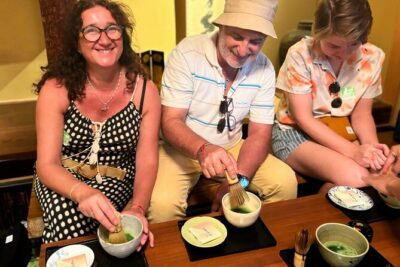
World Heritage Kyoto & Nara Uji Authentic Matcha Experience
Read our review →
Arashiyama Bamboo Forest, Monkeys, Matcha & Temple Tour
Read our review →
Matcha Making Class in Tokyo with Authentic Japanese Sweets Set
Read our review →
Tea Museum Tickets and Matcha Grinding Experience
Read our review →
Matcha Making Class in Osaka with Authentic Japanese Sweets Set
Read our review →
Tea Ceremony Meditation – Make Matcha with Tea Master
Read our review →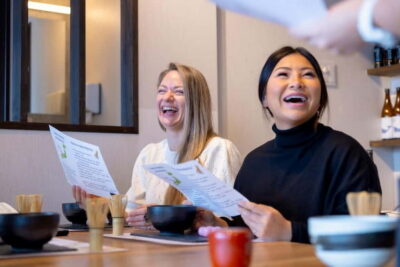
Matcha Making Experience with Mochi Sweets in Asakusa
Read our review →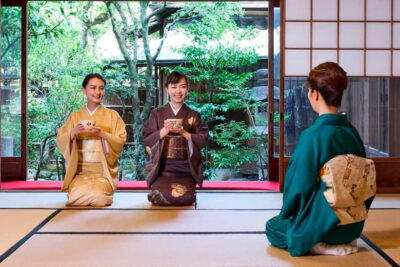
Browse the lists this tour appears in