
Review · JAPAN
Hokkaido Seafood Sushi Rolls Experience with Matcha, in Sapporo
Sushi tastes better when you make it. This Sapporo cooking class brings fresh Hokkaido seafood, crisp tempura, and matcha into a quiet residential kitchen, giving you a practical look at Japanese home cooking rather than another restaurant meal. I like the very small group size, usually just two or three people, and I like that the meal ends with tea and traditional sweets instead of stopping at the last piece of sushi.
The main thing to consider is the price: $97.55 per person is a fair amount for a two-and-a-half-hour class, but it is not a bargain meal. You also need to reach the meeting point yourself, since hotel pickup and drop-off are not included in the detailed inclusions.
Key points to know before booking
- Small groups of two or three: You get a more relaxed cooking lesson, with room to ask questions and work at your own pace.
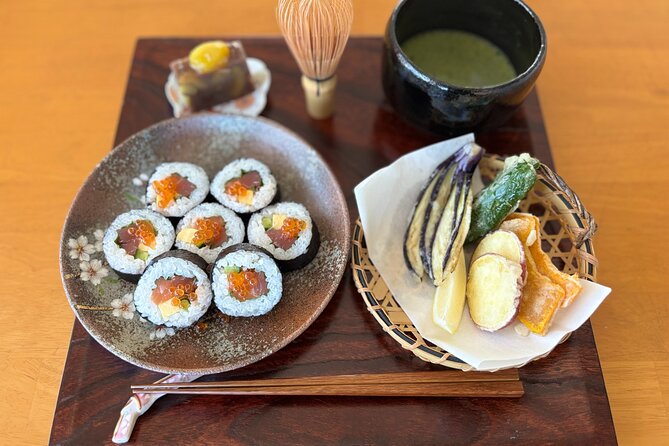
- Three-part Japanese food experience: The class covers seafood sushi rolls, light tempura, and matcha with traditional Japanese sweets.
- Home-style setting: The studio is in a quiet residential part of Sapporo, about 15 minutes by car from Sapporo Station.
- Useful location: It is within walking distance of Hokkaido Shrine and Maruyama Zoo, so you can pair the class with nearby sightseeing.
- Morning timing: The session runs from 10:00 a.m. to 12:30 p.m., leaving the rest of your day open.
- Strong personal appeal: The friendly atmosphere and chance to make new friends add a social touch to the lesson.
A quiet Sapporo kitchen, not a crowded cooking school
The setting shapes this experience. You meet at 26 Chome-2 Odorinishi in Chuo Ward, in a residential area away from Sapporo’s busiest streets. The studio is about 15 minutes by car from Sapporo Station and close to Hokkaido Shrine and Maruyama Zoo.
I like this location because it adds a small piece of ordinary Sapporo to your day. You are not simply moving between a station, a restaurant, and a souvenir shop. You get a look at a pleasant neighborhood where people live, while still staying close to well-known sights.
The location does require a little planning. The meeting point is not at Sapporo Station, and hotel transport is not included. The experience information notes pickup as a feature, but the detailed inclusions specifically exclude hotel pickup and drop-off, so I would plan to make your own way to the stated address. Public transportation is nearby, but the supplied details do not specify the exact station or route.
The activity ends where it begins. That makes the class easy to combine with Hokkaido Shrine or Maruyama Zoo, especially if you want to keep your schedule in the western part of central Sapporo that day.
More Matcha Experiences in Japan:
- World Heritage Kyoto & Nara Uji Authentic Matcha Experience
★ 5.0 · 1,573 reviews - Kyoto: Arashiyama Bamboo Forest, Monkeys, Matcha & Temple Tour
★ 5.0 · 759 reviews - Matcha Making Class in Tokyo with Authentic Japanese Sweets Set
★ 5.0 · 744 reviews
10:00 a.m. introduction to Hokkaido food culture
The class begins with a short introduction from 10:00 to 10:15 a.m. This opening matters because Hokkaido is known for its seafood, and the lesson gives that ingredient a central role.
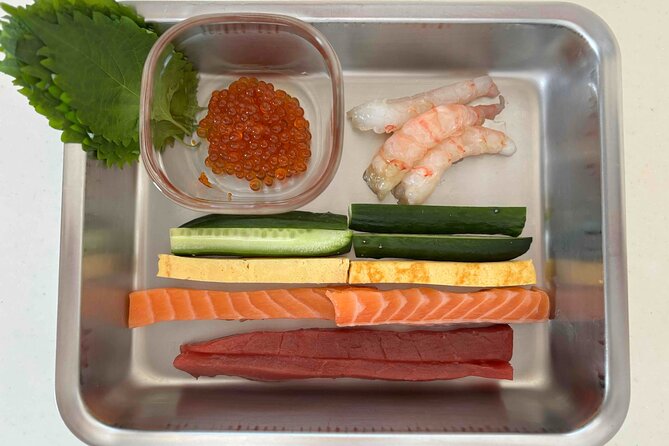
You should expect a simple orientation to the class and to local food culture, followed by the practical work. The supplied information does not list the exact seafood used on a particular day, so you should not book this expecting a named fish or a fixed menu beyond seafood sushi rolls and tempura.
That flexibility may be useful. Fresh ingredients can vary, and the focus stays on learning how to prepare and present the food. If you want a polished cooking demonstration with a long lecture, this may feel light. If you would rather get your hands busy quickly, the short introduction keeps the morning moving.
The class is private in the sense that only your group participates, and it is designed for two or three people. That combination should suit couples, friends, and small family groups particularly well. It also explains why the atmosphere can feel more personal than a large cooking workshop.
Making seafood sushi rolls from 10:15 a.m.
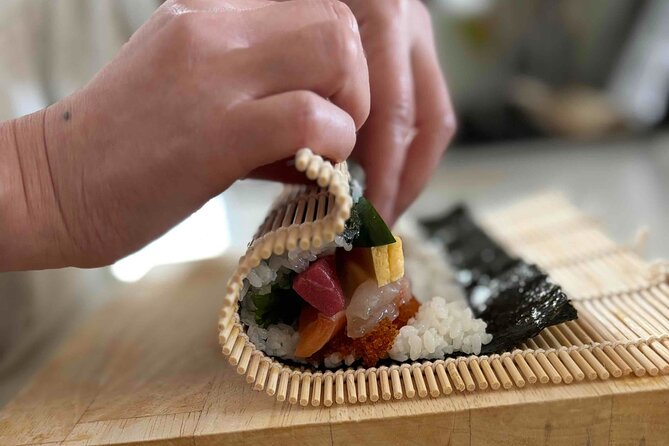
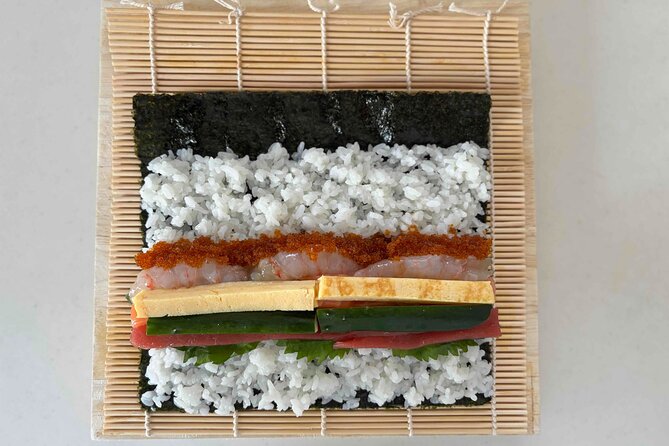
The main cooking session runs from 10:15 a.m. until noon. You will make seafood sushi rolls using fresh Hokkaido seafood, then sit down to eat what you prepared.
The appeal is not just the final plate. Sushi rolls can look tidy and simple when they arrive at a restaurant, but shaping them well takes care. This class teaches you how to make them beautiful, not merely edible. You get to see how the ingredients come together and how presentation affects the finished dish.
I would expect the lesson to be useful even if you already eat sushi often. Restaurant sushi teaches you what good sushi tastes like. A hands-on class shows you how much care goes into rolling, arranging, and serving it. You also get a skill you can try again at home, though the exact techniques taught are not listed in the available details.
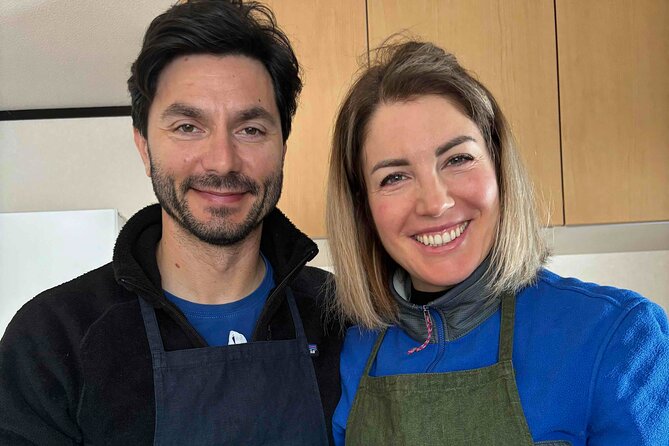
The small group is a real advantage here. With only two or three participants, you should have more access to the instructor than in a large class. The activity description promises a warm, home-style atmosphere, and the positive comments about friendly people and an interesting lesson fit that setting. The social side is part of the value. You are cooking together, not just watching someone else prepare lunch.
The possible limitation is that the seafood selection is not specified. Anyone with strong preferences or dietary restrictions should confirm details with the provider before booking. The provided information does not state that substitutions are available.
Light, crispy tempura and a shared meal
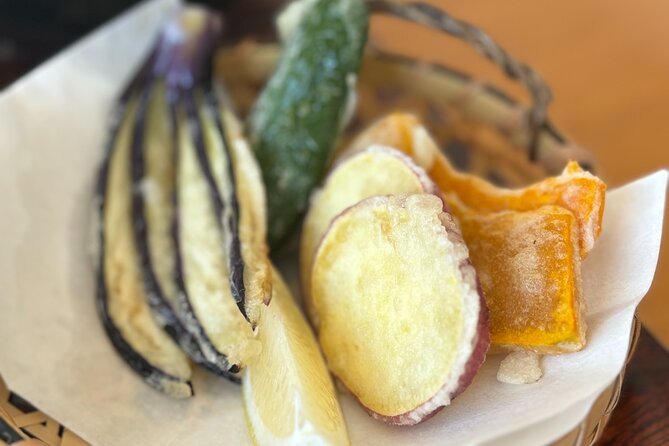
The same cooking session includes tempura. The stated goal is light, crispy tempura, a style that depends on careful preparation and cooking rather than a heavy coating.
Again, the value comes from doing the work yourself. You learn how the food is prepared, then eat the results at the table. That shared meal gives the class a natural rhythm: instruction first, lunch second.
The phrase light and crispy sets a useful expectation. This is not presented as a full multi-course restaurant tasting. It is a focused meal built around two Japanese staples, seafood sushi rolls and tempura. For many people, that is enough food for a satisfying midday experience, but you should choose another activity if you want a broad survey of Hokkaido cuisine.
The class also includes a rental apron and hand towel. Those are small practical touches, but they matter in a cooking lesson. You do not need to pack special clothing or bring your own towel. The information does not state what clothing is required, so comfortable clothes that you do not mind wearing in a kitchen are a sensible choice.
A few more tea experiences around Japan worth a look
- Kyoto: Tea Ceremony in a Traditional Tea House in Kiyomizu
★ 4.9 · 3,519 reviews - Kyoto: Tea Ceremony Ju-An at Jotokuji Temple
★ 4.9 · 3,207 reviews - Kyoto: 45-Minute Tea Ceremony Lesson Experience
★ 4.3 · 2,378 reviews - Osaka: Tea Ceremony Experience
★ 4.9 · 1,426 reviews
Matcha and sweets from noon to 12:30 p.m.
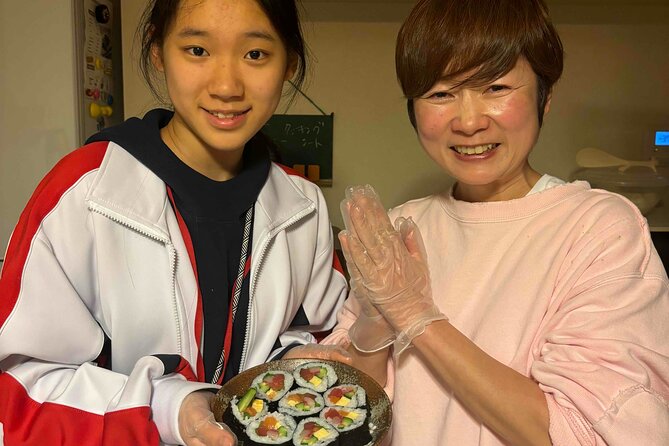
The final half hour shifts from cooking to Japanese tea culture. From noon to 12:30 p.m., you will experience matcha with traditional Japanese sweets and learn about the spirit and basic ideas behind tea culture.
This is a smart ending. The meal gives you a chance to eat, while the matcha session slows the pace before you leave. It also adds a cultural element that a standard sushi lesson would miss. You are not only learning recipes. You are also being introduced to the quiet attention and simple rituals connected with tea.
The class does not claim to be a formal tea ceremony, so you should think of this as an introduction to matcha and its cultural ideas. That makes it approachable for someone who has never tried it. Traditional Japanese sweets provide a small accompaniment, though no specific sweet is named.
I especially like the balance of the schedule. You spend about an hour and 45 minutes cooking and tasting, then 30 minutes with tea. The matcha section is long enough to feel like a proper part of the experience, but not so long that it overwhelms the food lesson.
What the $97.55 price includes
At $97.55 per person, this class is priced above a regular lunch in Sapporo. The question is not simply how much food you receive. The price also covers instruction, the private small-group format, the cooking space, the matcha experience, Japanese sweets, an apron, and a hand towel.
I see the value most clearly if you want an activity rather than just a meal. You are paying for time with an instructor, a chance to prepare the food yourself, and a cultural lesson that continues after lunch. The group size also matters. A two or three-person class usually offers more personal attention than a large workshop, though the available information does not promise a specific instructor-to-student ratio.
If you are comparing this with a restaurant meal, the class may seem expensive. If you are comparing it with a private or small-group cultural activity, the price is easier to justify. It works best for people who enjoy learning by doing and who appreciate a friendly social setting.
The experience provider is Tomoko’s Japanese Cooking. The available information does not name the individual instructor, so you should not expect a particular guide unless the provider confirms one after booking.
Who will enjoy this experience most
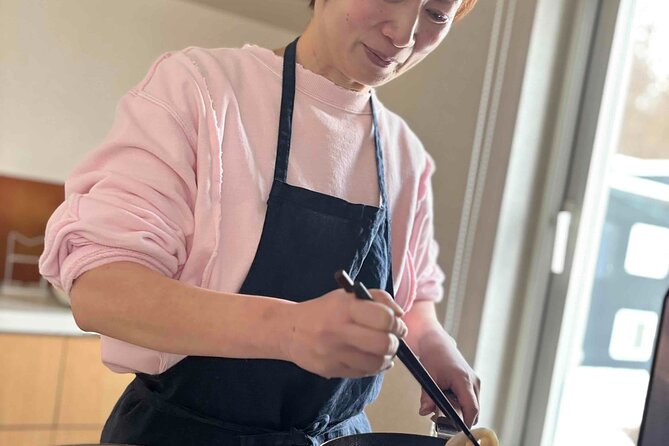
I would recommend this class to couples, friends, and small families who want a relaxed morning activity. The private format keeps the setting personal, and the combination of food and tea gives different members of a group something to enjoy.
It also suits first-time visitors who want a gentle introduction to Japanese cooking. You do not need to spend a whole day in a cooking school, and the lesson ends at 12:30 p.m., leaving time for more Sapporo sightseeing.
Food lovers will appreciate the Hokkaido seafood focus. The class gives you a connection to the region’s ingredients, although the seafood types are not listed in advance. If you need exact menu details, contact Tomoko’s Japanese Cooking before reserving.
The experience may be less suitable if you only want to eat, since much of the morning involves preparation. It may also disappoint anyone looking for a formal tea ceremony, a large menu, or a structured tour of several Sapporo sights. This is a focused cooking and tea session, not a city sightseeing tour.
Planning your morning in Sapporo
The class starts at 10:00 a.m., so allow enough time to reach 26 Chome-2 Odorinishi before the start. Confirmation is provided when you book, and a mobile ticket is available.
The activity is near public transportation, but no exact directions are supplied in the information provided. Check the route carefully before leaving your hotel, especially if you are staying near Sapporo Station and plan to travel by public transport.
After the class, you can remain in the area for Hokkaido Shrine or Maruyama Zoo. The studio’s location makes that pairing practical, and it avoids sending you back and forth across the city. If you want a quiet lunch afterward, keep in mind that you have already eaten during the experience.
Free cancellation is available if you cancel at least 24 hours before the 10:00 a.m. start time. Changes or cancellations made within 24 hours are not accepted for a refund. The activity also requires good weather, and if poor weather causes cancellation, you will be offered another date or a full refund.
Should you book the Hokkaido seafood sushi class?
Book it if you want a small, friendly cooking lesson that combines Hokkaido seafood, tempura, and matcha in one morning. The strongest reasons are the two or three-person format, the home-style setting, and the chance to make and eat your own meal before learning about Japanese tea culture.
Think twice if you are mainly seeking a cheap lunch, a formal tea ceremony, or a fully specified seafood menu. At $97.55, the class earns its price through instruction and atmosphere rather than quantity.
For most visitors who enjoy food, conversation, and practical cultural activities, I think it is a worthwhile Sapporo addition. Pair it with Hokkaido Shrine or Maruyama Zoo, plan your route to the meeting point, and treat the morning as a relaxed introduction to everyday Japanese cooking.
FAQ
Where does the seafood sushi and tempura experience take place?
It takes place at 26 Chome-2 Odorinishi, Chuo Ward, Sapporo, Hokkaido 064-0820, Japan.
What time does the class start and finish?
The class starts at 10:00 a.m. and ends at approximately 12:30 p.m.
How long does the experience last?
The experience lasts about two hours and 30 minutes.
How many people participate?
Classes are held in small groups of two to three people. The activity is also private, meaning only your group participates.
What food will I make?
You will make seafood sushi rolls using fresh Hokkaido seafood and cook crispy tempura. You will eat the prepared food together during the class.
Is matcha included?
Yes. The experience includes matcha with traditional Japanese sweets and an introduction to the basic ideas behind Japanese tea culture.
Are hotel pickup and drop-off included?
No. Hotel pickup and drop-off are not included. You should plan to reach the meeting point yourself.
Can I cancel for a full refund?
Yes, if you cancel at least 24 hours before the experience start time. Cancellations or changes made less than 24 hours before the start are not refunded.
Just added around Japan
- Yokohama : Tea Ceremony with Sweets and Souvenir★ 5.0 · 5 reviews
- Walking Tour: Yanaka,Nezu& Sendagi: Tea Ceremony & Old Tokyo★ 5.0 · 3 reviews
- Visit local home for music and tea ceremony near Disney★ 4.9 · 13 reviews
- Trip to Kamakura & Enoshima: Shrines, Seaside, Temples &Tea★ 5.0 · 11 reviews
- Yokohama: Sushi & Gyoza Cooking with Matcha & GreenTea Experience★ 5.0 · 3 reviews
- Kyoto tea town for matcha lovers★ 5.0 · 16 reviews
- Uji: Private immersion into Kyoto’s tea and reglious culture★ 5.0 · 17 reviews
- Uji Tea Ceremony and UNESCO Heritage Walking Tour★ 5.0 · 20 reviews
Matcha Experiences, compared.
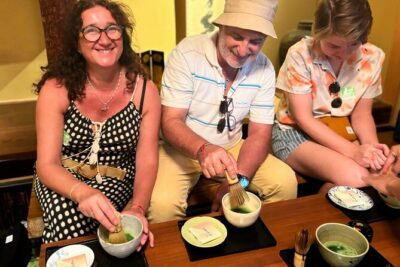
World Heritage Kyoto & Nara Uji Authentic Matcha Experience
Read our review →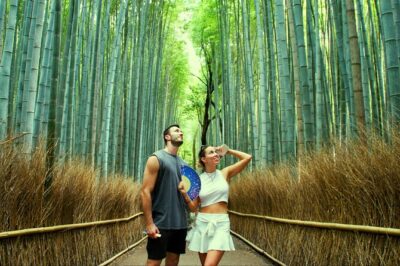
Arashiyama Bamboo Forest, Monkeys, Matcha & Temple Tour
Read our review →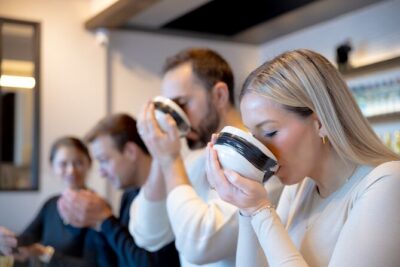
Matcha Making Class in Tokyo with Authentic Japanese Sweets Set
Read our review →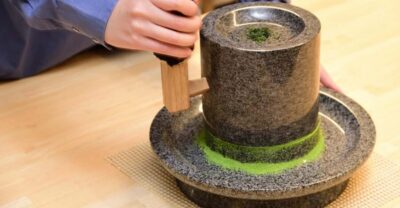
Tea Museum Tickets and Matcha Grinding Experience
Read our review →
Matcha Making Class in Osaka with Authentic Japanese Sweets Set
Read our review →
Tea Ceremony Meditation – Make Matcha with Tea Master
Read our review →
Matcha Making Experience with Mochi Sweets in Asakusa
Read our review →
Browse the lists this tour appears in