
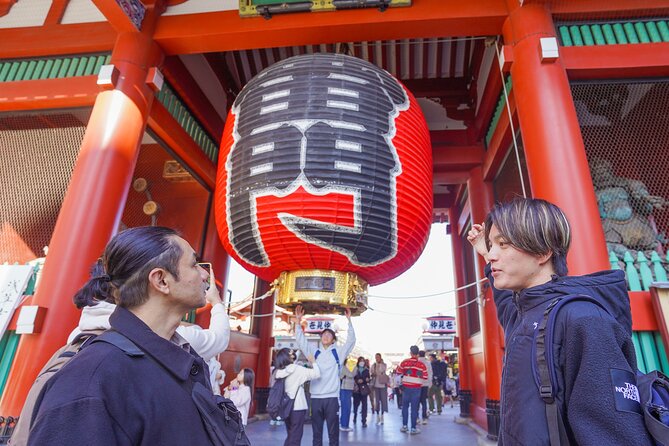
Review · JAPAN
Asakusa Cultural Walk & Matcha Making Tour
Asakusa rewards curious walkers. This three-hour tour combines the district’s famous temple sights with hands-on food and tea experiences, so you do more than take photos along Nakamise. I especially like the small group size, limited to eight people, and the chance to make matcha and cook a Japanese meal rather than simply watch someone else do it. The main drawback is that monjayaki is not guaranteed, and the food may not suit anyone with gluten intolerance or serious allergies.
You meet near Kaminarimon and finish on Hoppy Street, a useful arrangement that leaves you in the middle of Asakusa with time to keep exploring. I also like that the English-speaking guide focuses on customs, local eating, shopping, and daily life instead of rushing from one famous landmark to the next. Still, the pace is fairly full, and some parts of the route are not suitable for wheelchairs or strollers.
Four details that shape the experience
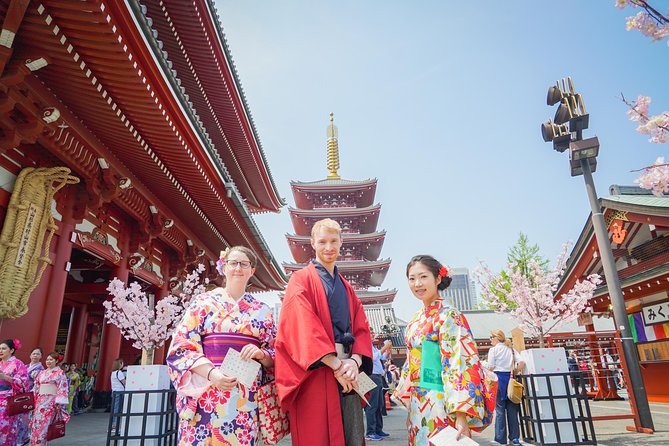
- A local guide leads a group of up to eight: The small size should make it easier to ask questions and keep the walk personal.
- Matcha is a hands-on activity: At Kaminari Issa, you spend about 55 minutes learning to prepare and taste highly ranked matcha.
- Lunch is cooked at the table: Your included meal is okonomiyaki or monjayaki with one drink, though the exact dish can change.
- The route covers classic Asakusa: You visit Asakusa Shrine, Nakamise, the area around Sensoji, Hoppy Street, and a local café.
- The timing works well for an afternoon in Asakusa: The tour runs from 11 a.m. to about 2 p.m., leaving you time to shop or explore afterward.
- The tour is practical for flexible plans: You can cancel up to 24 hours ahead for a full refund, and reserve now while paying later.
Why this Asakusa walk is more than a temple visit
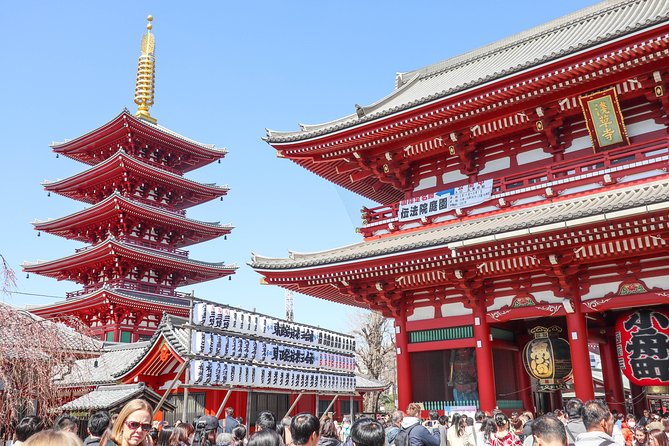
Asakusa is easy to see badly. You can follow the crowd through Kaminarimon, walk straight along Nakamise, take a quick look at Sensoji, and leave without learning much about the neighborhood. This tour tries to slow the process down and add context, food, and conversation.
That matters because Asakusa is not only a photo stop. It is a place where temple customs, old shopping streets, neighborhood restaurants, and casual drinking spots sit close together. A local guide can explain what you are looking at, what certain customs mean, and how to make better choices when you return on your own.
The experience is led in English and welcomes families, couples, friends, and solo visitors. With only eight people, you should have a better chance to speak with the guide than on a large coach tour. Past guide feedback gives two names worth noting: Hina received especially warm praise for her clear, patient matcha instruction, while Nori was singled out for making the day enjoyable and handling the group well. Ramesh was also praised for being friendly, informed, and fun.
The tour costs $88 per person. That is not the cheapest way to walk around Asakusa, since the public streets and temple grounds are free. The value comes from the three included elements: a guide for three hours, the matcha session, and lunch with a drink. If you already plan to pay for a tea activity and a meal, the price becomes easier to justify. If you mainly want temple photos, it is more than you need.
More Matcha Experiences in Japan:
- World Heritage Kyoto & Nara Uji Authentic Matcha Experience
★ 5.0 · 1,573 reviews - Kyoto: Arashiyama Bamboo Forest, Monkeys, Matcha & Temple Tour
★ 5.0 · 759 reviews - Matcha Making Class in Tokyo with Authentic Japanese Sweets Set
★ 5.0 · 744 reviews
Meeting Kaminarimon and getting started
The meeting point is in front of the Kaminarimon Police Box, about three minutes from Exit 1 of Asakusa Station on the Ginza Line. Your guide carries a red or orange sign. This is a useful meeting place, but do not cut it close. The tour starts on time, and if you miss the group, you cannot join later, reschedule, or receive a refund.
Bring only what you need for the walk. Large bags and luggage are not allowed, which makes sense on crowded streets and in small food venues. If you are arriving directly from another part of Tokyo, arrange luggage storage first.
The 11 a.m. start is well chosen for a food-focused morning and early lunch. It also gives you a full afternoon afterward. You can return to shops that caught your eye, spend more time around Sensoji, or continue along Hoppy Street without trying to squeeze everything into the guided portion.
Asakusa Shrine and the meaning behind the rituals
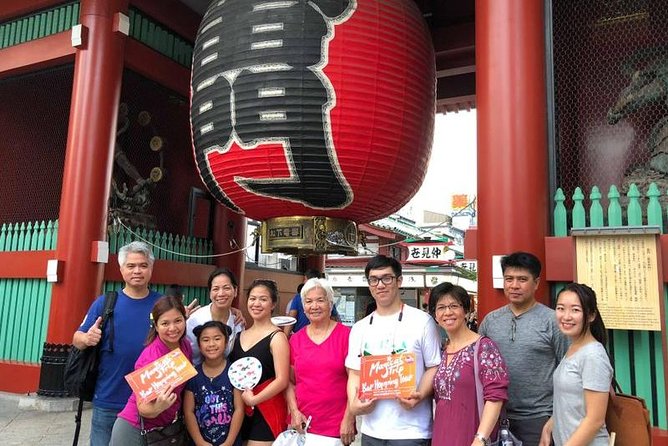
The route includes a visit to Asakusa Shrine for about 20 minutes, followed later by another 25-minute stop at Asakusa Shrine. The supplied schedule names the shrine twice, so the precise division may vary on the day. In practical terms, expect the guide to use time around the shrine and nearby temple area to explain customs and local traditions.
This is where a guide adds real value. Japanese religious sites have customs that can be easy to copy without understanding. You can ask about respectful behavior, what to notice, and how the shrine fits into Asakusa life. The tour aims to give you useful background rather than leaving you to read signs while a crowd moves around you.
Do not expect a long, quiet religious retreat. Asakusa is a major sightseeing district, and the tour has several stops to fit into three hours. The benefit is orientation. You get enough time to understand the setting, then move on before the day becomes a slow march through one site.
Nakamise: shopping with a little more sense
The 20-minute Nakamise stop places you on Asakusa’s best-known shopping approach toward Sensoji. This is where you can browse souvenirs, traditional snacks, and small gifts, but the short time means you will need to stay focused.
I would use this stop to notice what interests you rather than make major purchases immediately. The guide can offer suggestions about what to buy and eat, which is more useful than blindly choosing the most colorful package. You will also have time after the tour to return to any shop you want to inspect properly.
One small point deserves attention. A snack is listed as included, but an April 2024 booking reported that no snack was provided. That does not mean the same thing will happen every time, but I would not treat the snack as a guaranteed street-food tasting. If a particular vendor or snack is important to you, ask the guide at the start.
More Walking Tours in Japan:
- Asakusa Cultural Walk & Matcha Making Tour
★ 5.0 · 245 reviews - Kyoto Tea Ceremony & Kiyomizu-dera Temple Walking Tour
★ 5.0 · 115 reviews - Uji: UNESCO Heritage & Tea Ceremony Walking Tour
★ 4.6 · 54 reviews - The Way of Tea: Kyoto Crafts, Hidden Temples & Wabi-Sabi Walk
★ 5.0 · 41 reviews
The 55-minute matcha lesson at Kaminari Issa
The tea session is the tour’s most distinctive feature. At Kaminari Issa, you spend about 55 minutes learning how to make matcha, then tasting highly ranked matcha. This is not simply a cup handed to you in a tea room. You take part in the preparation and learn about the drink’s place in Japanese customs.
Hina’s session received especially strong praise for patient, step-by-step instruction and clear explanations of tea’s history and cultural meaning. That description gives you a good idea of what to expect: a guided activity where technique matters, but nobody needs to arrive as a tea expert.
The length is also important. A short tasting can feel like a quick novelty. Fifty-five minutes allows room for demonstration, your own attempt, questions, and tasting. It gives the day a calm pause after the busy streets around the temple.
If you have never tried matcha, expect a distinct flavor rather than a sweet green tea. The experience is about preparation and appreciation, not just finding a drink you already know you like. I would consider this the best reason to choose the tour over a standard Asakusa sightseeing walk.
Hoppy Street and an included local lunch
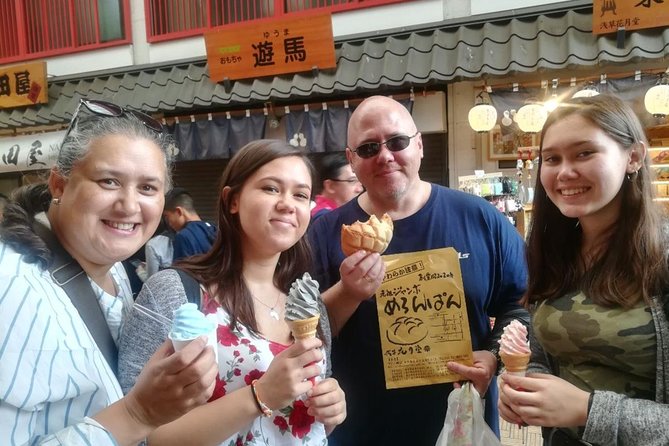
After the tea activity, the route moves toward Hoppy Street for about 15 minutes before lunch at a local café. Hoppy Street is known for casual food and drinks, and it offers a different view of Asakusa from the formal temple grounds and souvenir lanes.
Lunch includes either okonomiyaki or monjayaki, plus one drink. Vegetarian food is available. You do not need to pay for the guide’s food or drinks, and additional food and drinks can be purchased if you want more.
The cooking element makes lunch more engaging than a restaurant meal placed in front of you. You get to help make the dish and see how the meal comes together. Okonomiyaki is the thicker savory pancake many people already know. Monjayaki is softer and more loose in texture, and trying it is a strong reason to choose this tour if you want something especially associated with Tokyo.
Here is the important catch: the meal may not be the dish you expect. One person selected the tour partly for monjayaki but received okonomiyaki instead, and found that disappointing because okonomiyaki was already familiar. The tour description allows for either dish, so treat monjayaki as a possibility, not a promise.
The same caution applies to food restrictions. The tour is not suitable for people with gluten intolerance. Vegetarian options are available, but the operator cannot guarantee an allergy-free meal, and substitutions may not be possible at every stop. If you have a serious allergy, this is not the place to take a casual chance.
What the three-hour schedule really gives you
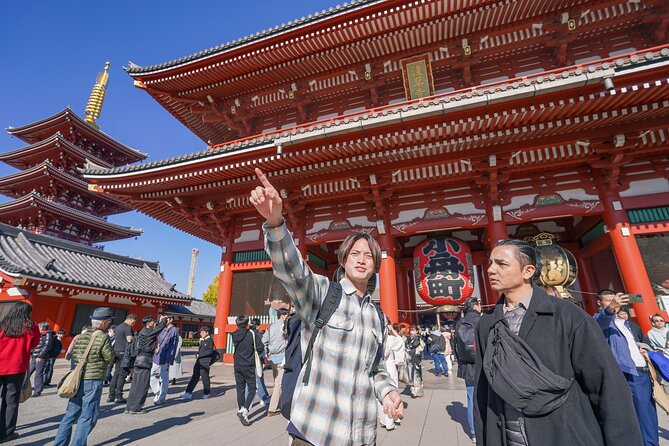
Three hours sounds generous, but the schedule moves steadily:
- About 20 minutes at Asakusa Shrine
- About 20 minutes at Nakamise
- Another 25 minutes around Asakusa Shrine
- About 55 minutes for matcha
- About 15 minutes around Hoppy Street
- About 40 minutes for lunch
That leaves little room for long shopping stops or unscheduled detours. I see this as a strength if you want a clear introduction to Asakusa, but a limitation if you prefer to linger at every temple gate or browse every shop.
The start and finish points are also useful. You begin near Kaminarimon and finish at Hoppy Street, so you do not need to return to the starting point. After lunch, you can continue exploring the neighborhood on foot. The guide may point out places you want to revisit, and the included tour photos give you a record of the day without requiring you to photograph every moment yourself.
The route is for all ages, but it is not fully accessible. Some locations cannot accommodate wheelchairs or strollers. Ask before booking if mobility access is important to your group.
Who will get the most from this tour
I would choose this experience if you are visiting Asakusa for the first time and want help making sense of the area. It suits people who like a mix of walking, cultural explanation, food, and hands-on activities.
It is particularly good for:
- Solo visitors who want company without joining a large group
- Couples who prefer an activity to a simple sightseeing loop
- Families with older children who can manage three hours of walking
- Visitors who want to try matcha but do not know where to begin
- People who enjoy local food and do not need a completely fixed menu
- Anyone who wants afternoon time free after a guided morning
I would be more cautious if your main goal is monjayaki specifically. Since okonomiyaki may replace it, you should book only if both dishes sound acceptable. I would also skip it if you need strict gluten-free or allergy-safe food, require a stroller-friendly route, or dislike organized schedules.
Practical advice before you book
Wear comfortable shoes. This is a walking tour through a popular district, with several stops and no room for carrying large luggage.
Arrive early at the Kaminarimon Police Box. The guide will have a red or orange sign, but a late arrival can cost you the whole tour because the group will not wait.
Keep your afternoon open. The tour ends at about 2 p.m., and that is one of its practical advantages. You can use the guide’s suggestions to return to a shop, continue eating around Hoppy Street, or explore more of Asakusa independently.
The cancellation policy is friendly: cancel up to 24 hours ahead for a full refund. You can also reserve now and pay later, which helps if your Tokyo plans are still shifting.
Should you book the Asakusa Cultural Walk & Matcha Making Tour?
Book it if you want Asakusa explained by a local and prefer doing things to simply looking at them. The combination of temple customs, Nakamise, matcha preparation, and a cooked lunch gives you a fuller sense of the district than a quick Sensoji visit.
At $88, the tour earns its price through the guide, matcha session, lunch, drink, small group, and photos. The best parts are the personal tea instruction, the chance to cook, and the easy finish near Hoppy Street.
Skip it if you need guaranteed monjayaki, strict dietary control, full wheelchair or stroller access, or unlimited time at each sight. For everyone else, especially first-time visitors who want an active and well-paced introduction, this is a sensible way to spend a morning in Asakusa.
FAQ
Where does the tour meet?
The meeting point is in front of the Kaminarimon Police Box at Sensoji, about three minutes from Asakusa Station’s Ginza Line Exit 1. The guide carries a red or orange sign.
What time does the tour start and finish?
The tour starts at 11 a.m. and ends at around 2 p.m.
How many people can join the tour?
The group is limited to eight participants.
What language is the tour offered in?
The live tour guide speaks English.
Is lunch included?
Yes. Lunch includes okonomiyaki or monjayaki and one drink. A vegetarian menu is available.
Is monjayaki guaranteed?
No. The included meal may be okonomiyaki or monjayaki, so you should not book expecting one specific dish.
Is the tour suitable for people with gluten intolerance?
No. The tour is not suitable for people with gluten intolerance. Allergy-free meals and dietary substitutions cannot be guaranteed.
Can I cancel the booking?
Yes. You can cancel up to 24 hours in advance for a full refund. Reserve now and pay later is also available.
Just added around Japan
- Yokohama : Tea Ceremony with Sweets and Souvenir★ 5.0 · 5 reviews
- Walking Tour: Yanaka,Nezu& Sendagi: Tea Ceremony & Old Tokyo★ 5.0 · 3 reviews
- Visit local home for music and tea ceremony near Disney★ 4.9 · 13 reviews
- Trip to Kamakura & Enoshima: Shrines, Seaside, Temples &Tea★ 5.0 · 11 reviews
- Yokohama: Sushi & Gyoza Cooking with Matcha & GreenTea Experience★ 5.0 · 3 reviews
- Kyoto tea town for matcha lovers★ 5.0 · 16 reviews
- Uji: Private immersion into Kyoto’s tea and reglious culture★ 5.0 · 17 reviews
- Uji Tea Ceremony and UNESCO Heritage Walking Tour★ 5.0 · 20 reviews
Matcha Experiences, compared.
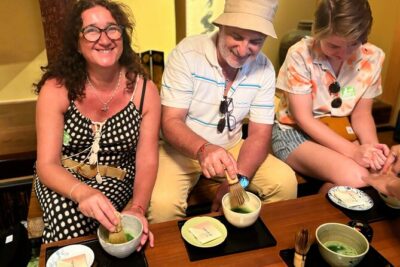
World Heritage Kyoto & Nara Uji Authentic Matcha Experience
Read our review →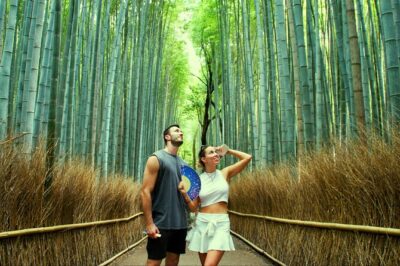
Arashiyama Bamboo Forest, Monkeys, Matcha & Temple Tour
Read our review →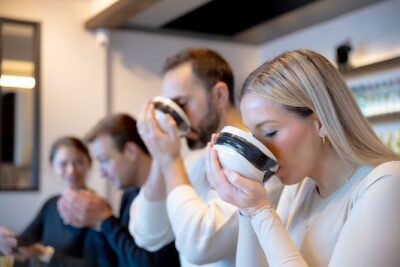
Matcha Making Class in Tokyo with Authentic Japanese Sweets Set
Read our review →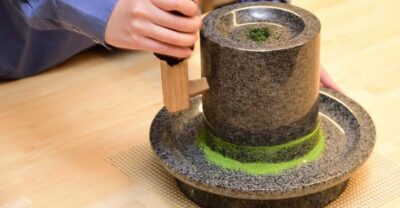
Tea Museum Tickets and Matcha Grinding Experience
Read our review →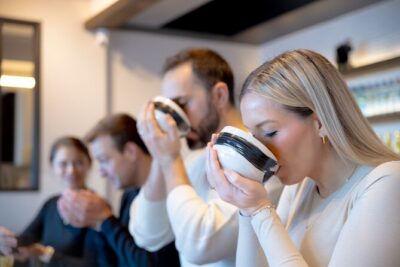
Matcha Making Class in Osaka with Authentic Japanese Sweets Set
Read our review →
Tea Ceremony Meditation – Make Matcha with Tea Master
Read our review →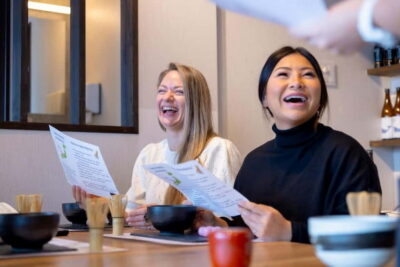
Matcha Making Experience with Mochi Sweets in Asakusa
Read our review →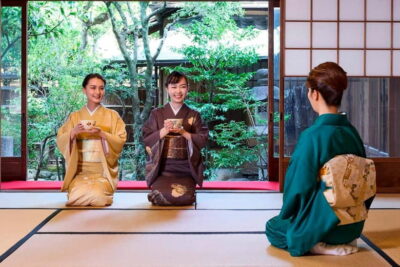
Browse the lists this tour appears in