
Review · OSAKA
Osaka : Exclusive Tea Ceremony & Wagashi Cooking
Tea tastes better when you make the sweet beside it. This two-hour experience in Izumisano combines a formal Japanese tea ceremony with hands-on wagashi cooking, giving you more to do than simply watch a demonstration. I like the small group of up to six and the chance to meet a three-generation family connected with the business for more than a century. I also like the added look at kimono and Nishijin textiles after the ceremony.
The main consideration is location. Izumisano is outside central Osaka, so you need to allow time to reach Nankai Izumisano Station and find the meeting point. The $98 price is not a bargain tea break, but it covers instruction, ingredients, fees, and a personal cultural lesson rather than just a cup of tea.
What makes this tea experience special
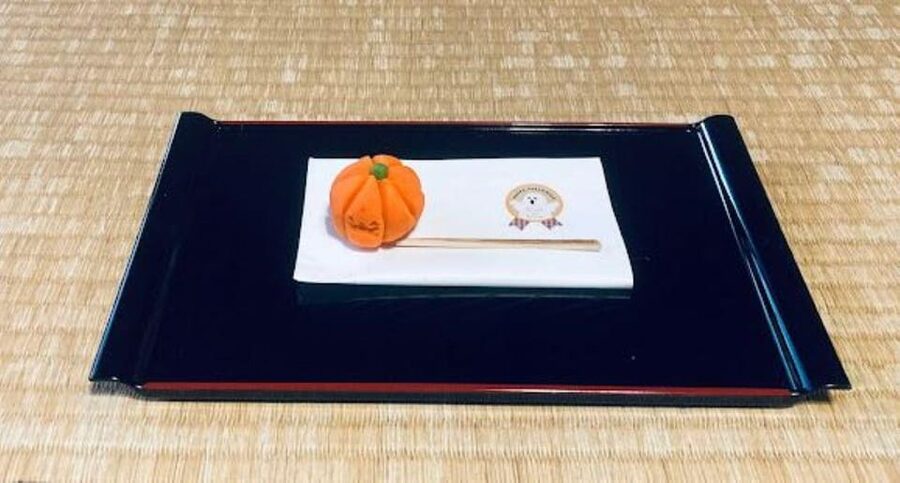
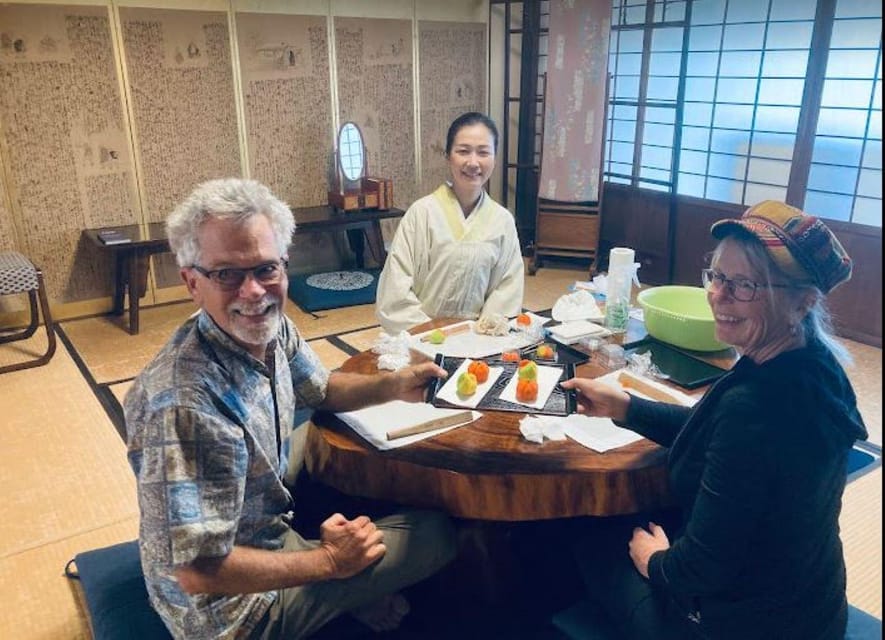
- You make wagashi yourself, then eat your finished Japanese sweet with tea during the ceremony.
- The group is limited to six, which gives you more room to ask questions and follow the demonstrations.
- The setting begins at Furusato Machiya-Kan, a traditional former residence near Izumisano Station.
- A three-generation family hosts the experience, with more than a century of connection to the business.
- You can see kimono and Nishijin textiles after the ceremony and add kimono rental for photographs.
- Vegetarian and vegan participants are welcome, provided you share dietary needs ahead of time.
From Nankai Izumisano Station to a traditional machiya
Your meeting point is 泉佐野ふるさと町屋館, also called Furusato Machiya-Kan or the former Shinkawa family residence. Getting there is part of the practical challenge, so do not rush out of the station at the last second.
Leave Nankai Izumisano Station and go to the right. Turn right at the Tsubasadouri shopping district, then turn left at Uniform Noguchi. At the next corner, turn right again. Furusato Machiya-Kan is there, and the activity returns to this same meeting point at the end.
This route is short enough to manage, but the directions involve several turns. I would save the meeting-point instructions before leaving your hotel and allow a little extra time. If you book an English interpreter to accompany you, that person joins the experience as arranged.
The former residence gives the opening portion a sense of place. Instead of meeting in a generic classroom, you begin in a traditional building connected with local life. The activity description does not promise a full architectural tour, so think of the house as the setting for the class rather than a separate sightseeing attraction.
More Tea Ceremonies in Osaka
- Osaka: Tea Ceremony Experience
★ 4.9 · 1,426 reviews - Tea Ceremony Experience in Osaka Doutonbori
★ 5.0 · 754 reviews - Osaka: Tea Ceremony, Calligraphy, and Kimono Experience
★ 4.9 · 130 reviews
Why the small group matters
Only six people can join. That number matters in a tea ceremony because the small details are the point: how to handle the bowl, how to prepare the tea, and how to observe the order of the ceremony.
In a large class, you might spend most of your time watching someone else whisk matcha. Here, you should have a better chance to follow along and ask for a correction when your movement feels awkward. Japanese tea customs can seem exacting at first, but a small class makes them easier to understand without turning the session into a lecture.
The English-language guide adds practical help. Still, the listing gives no detailed language information about every part of the family presentation, so travelers who need extensive English interpretation should confirm how the interpreter arrangement works before booking.
Learning the spirit behind the tea ceremony
The tea ceremony is not simply a method for making green tea. The class explains its history and the spirit behind its rules, helping you see why the order of actions matters.
You learn how to prepare tea according to tea ceremony customs. That likely means paying attention to the tools, the sequence, and the way the tea is offered and received. The exact school or formal tradition is not specified, so you should not expect a specialist course in one particular tea lineage. This is a short cultural introduction, not professional training.
That distinction helps set a fair expectation. In two hours, you can learn the basic ideas and take part in the process. You will not master every gesture or become an expert in Japanese tea culture. The value is in understanding the care built into an everyday drink and trying the movements yourself.
I like that the tea is paired with wagashi you make during the same session. The sweet is not a random snack handed to you at the end. It becomes part of the ceremony, giving you a direct connection between the cooking class and the tea ritual.
Making wagashi before drinking tea
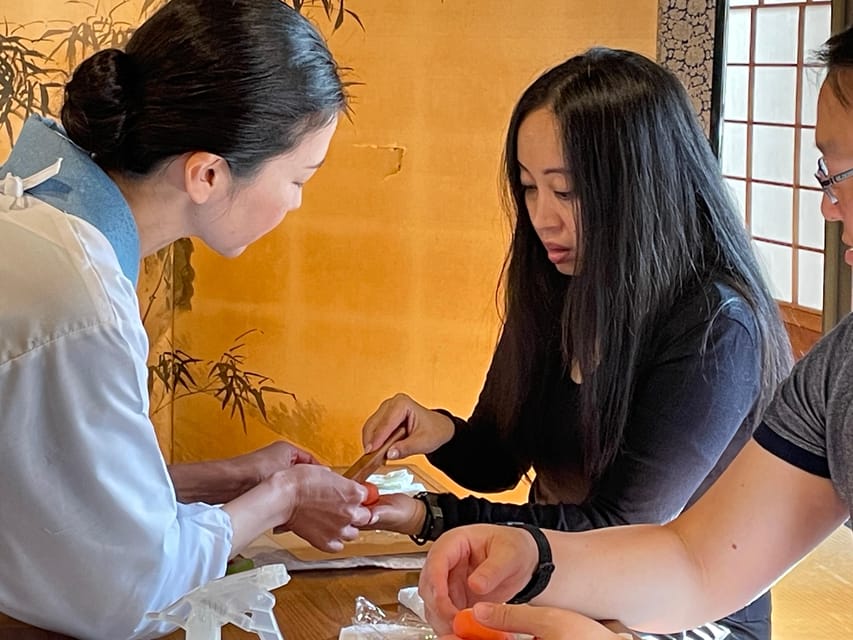
Wagashi are traditional Japanese confections, often made to accompany tea. The experience includes all cooking ingredients and seasonings, so you can focus on shaping and preparing the sweet rather than bringing supplies or paying extra for basic materials.
The exact wagashi recipe and finished design are not specified. That is worth noting if you have your heart set on making one particular seasonal confection. You should expect a guided Japanese sweets activity, but not a menu of choices or a guaranteed shape.
The hands-on format is the strong point. You get to handle the ingredients, see the stages of preparation, and then taste the result. For families, couples, and first-time visitors to Japan, that can be more memorable than a quick sample at a shop.
Dietary needs are handled with some flexibility. Vegetarians and vegans are welcome, but you need to tell the provider in advance. Do not wait until you arrive, since ingredients and preparation may need to be arranged before the class.
Same place, a different pot:
- Matcha Making Class in Osaka with Authentic Japanese Sweets Set
★ 5.0 · 509 reviews - Osaka: Matcha Making Experience with Japanese Sweets
★ 5.0 · 146 reviews - Osaka: Japanese Traditional Sweets Making and Tea Ceremony
★ 4.7 · 118 reviews - Osaka Temple Cool Foot Bath & Matcha Experience〈45min〉
★ 4.9 · 82 reviews
The ceremony works better after the cooking
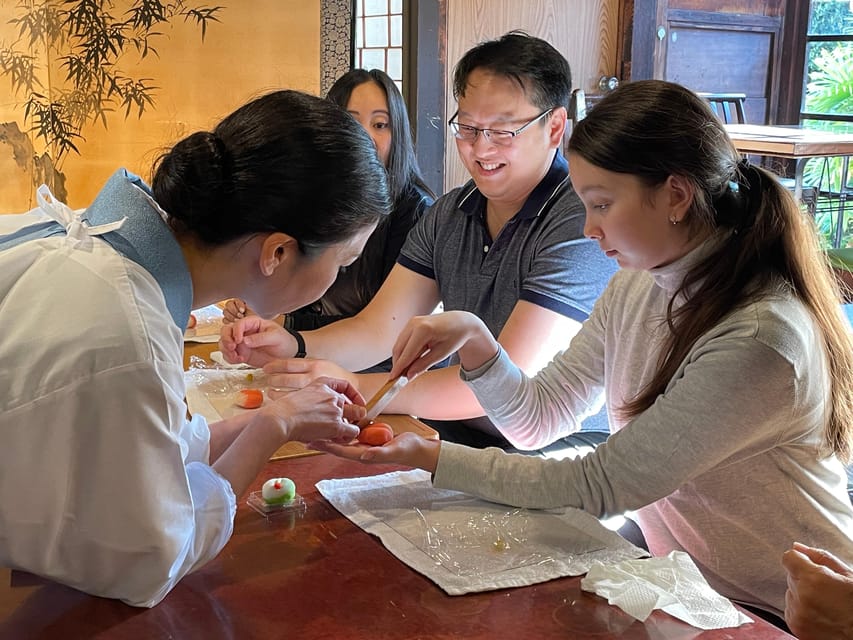
Once your wagashi is ready, you use it during the tea ceremony. This order gives the two-hour session a clear shape: learn, make, prepare, and then sit down with the food and tea.
That final tasting should feel more personal because you made the confection yourself. You also gain a better sense of the traditional pairing. Wagashi often balances the bitterness of green tea, and the class lets you experience that relationship rather than hear about it in the abstract.
The ceremony has formal rules, so you may need to slow down and watch carefully. That is part of the appeal, but it may not suit someone looking for a casual food workshop. If you prefer a relaxed cooking class with free conversation and constant tasting, this experience could feel more structured than expected.
The description does not say how much tea you drink or whether you prepare multiple bowls. I would book it for the cultural lesson and the chance to make one Japanese sweet, not as a long tea tasting.
A family setting with more than a century of connection
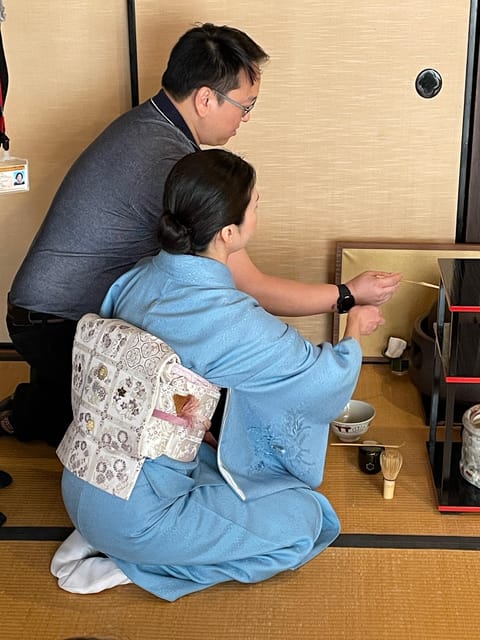
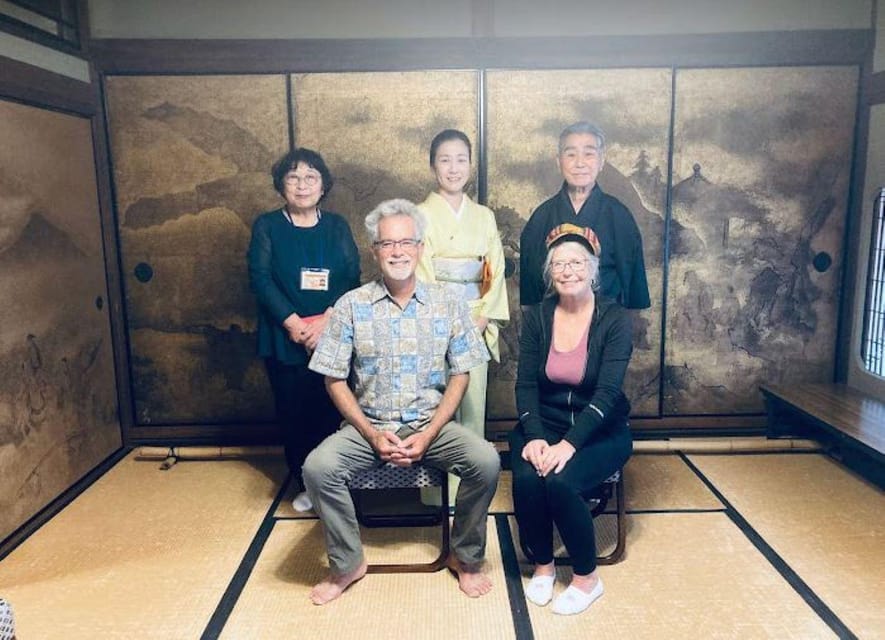
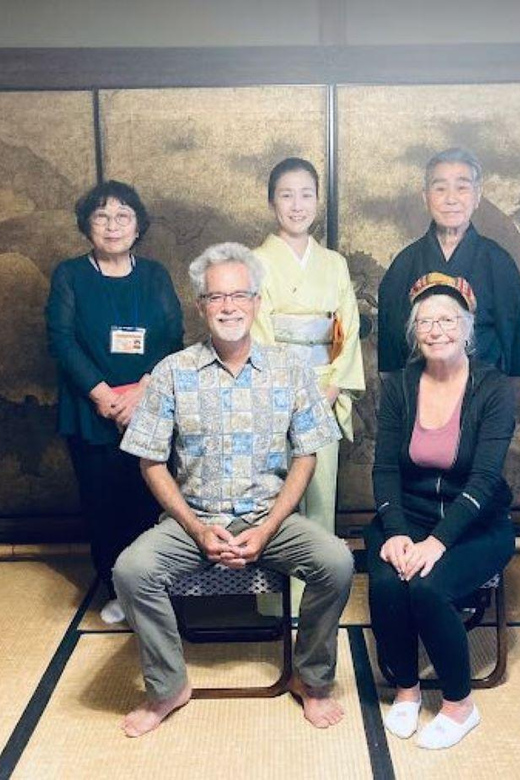
One of the most appealing details is the three-generation family associated with the tea ceremony. The family has been in the business for more than one hundred years, which gives the session a human connection that a standard demonstration may lack.
You are not just learning a set of tourist-facing gestures. You are meeting a family whose work has continued across generations. The information does not identify each family member by name, so you should not expect a named host or guaranteed individual presenter. Still, the family setting is a meaningful part of the experience.
A previous participant praised the family and the guide for going far beyond the basic activity, especially in making the occasion feel special. That praise is worth taking seriously, while also remembering that the experience has only two published ratings. The score is perfect, but the sample is small, so I would treat it as encouraging rather than final proof.
Kimono, Nishijin textiles, and photographs after tea
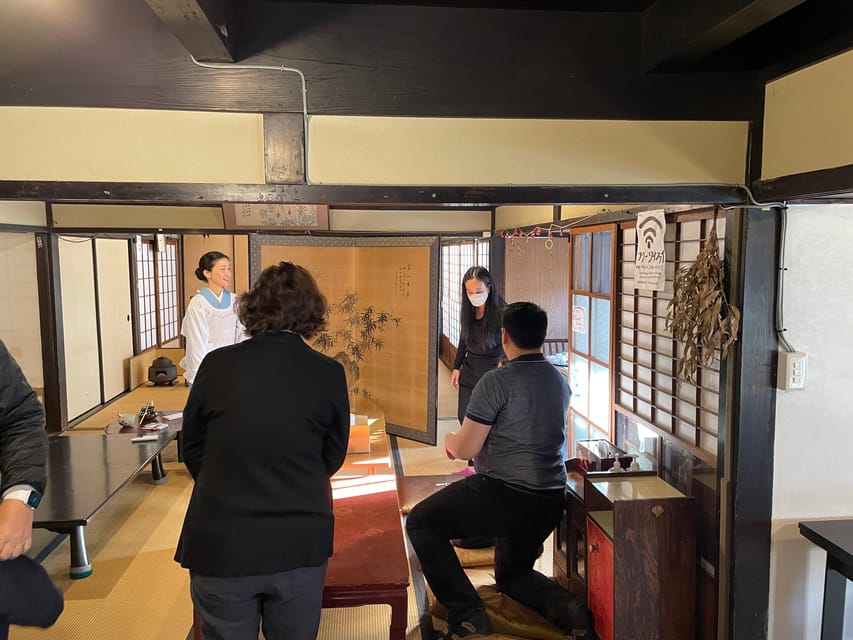
When the ceremony ends, you can take photographs and look at examples of kimono and beautiful woven textiles made in Kyoto’s Nishijin district.
This is a useful extra because it connects the tea ceremony with other forms of Japanese craftsmanship. Nishijin is known for its textile tradition, and seeing examples helps you understand how clothing and fabric fit into formal cultural settings.
A kimono is not included automatically. You can select wearing one as an add-on while booking, then take photographs during the experience. The supplied information does not state the add-on price, how long you wear it, or whether dressing assistance is included. Check those details before paying for the option.
If photographs matter to you, the kimono add-on may make the experience feel more complete. If you mainly want to learn about tea and make wagashi, the basic booking should be enough. The textile display is included, so you still get that cultural element without adding the clothing cost.
Is $98 a fair price?
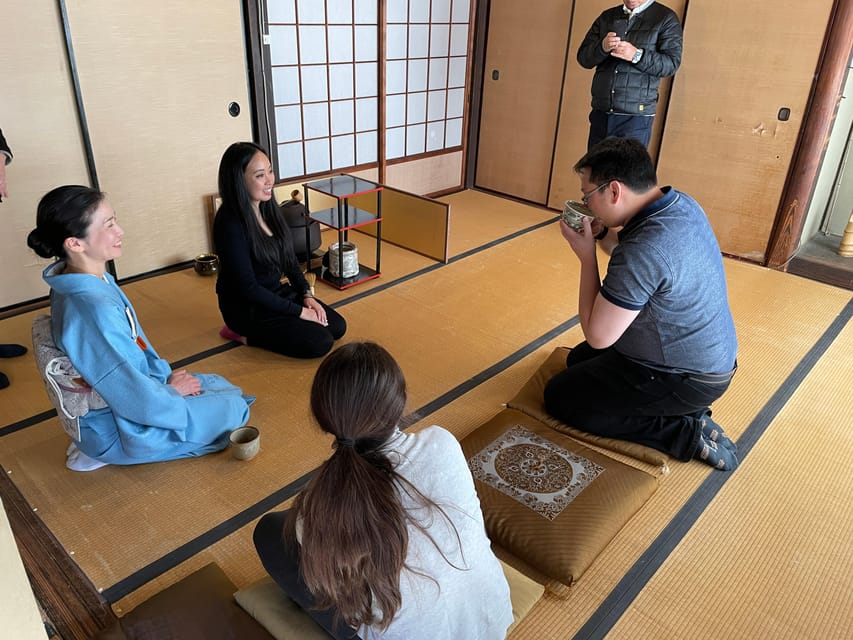
At $98 per person, this is priced above a simple tea-and-sweet stop. You are paying for two hours of instruction, a small group, a guide, the cooking ingredients, all fees and taxes, and access to a family-hosted cultural activity.
The price makes the most sense if you value participation. You are not only seated while someone performs a ceremony. You prepare a confection, learn the basic tea process, and then use your own work during the ceremony. The limited group also gives the session a more personal feel than a large cultural show.
The value is weaker if you only want to taste matcha or take a few quick photos. You can find simpler tea experiences for less, and this activity requires a train trip to Izumisano. The price also does not include insurance, and kimono wear is an extra cost.
For a visitor who wants a focused cultural activity near Osaka, I consider the price reasonable, especially for a couple or small family that will take part fully. I would compare the total cost with your transport to Izumisano and any kimono add-on before deciding.
Who will enjoy the two-hour format?
You will probably like this experience if you want a calm, guided activity with a clear beginning and end. It suits first-time visitors who want help with Japanese customs rather than trying to work them out alone.
It is also a good choice for:
- People interested in Japanese food and traditional sweets
- Couples looking for a shared activity with photographs
- Families who want a hands-on cultural class
- Vegetarians and vegans who provide advance notice
- Visitors who prefer small groups to large demonstrations
- Anyone staying near Izumisano or already visiting the Kansai airport area
The two-hour duration is easy to fit into a wider day, but you need to add your train time and walking time. The activity does not describe a broader Izumisano sightseeing program, so plan separate stops if you want a full day in the area.
The experience is wheelchair accessible, which is useful for visitors who need step-free access. The information also says it is not suitable for people with altitude sickness, though the activity takes place in the Kansai region and no high-altitude setting is described. If that warning is relevant to your health, ask the provider for clarification before booking.
Booking details that affect your decision
You can cancel up to 24 hours before the start time for a full refund. You can also reserve now and pay later, which helps if your Osaka schedule is still changing.
The activity runs at different starting times depending on availability, so you need to check the calendar rather than assume a fixed morning or afternoon slot. That matters because the tea ceremony begins at a specific time and the meeting point is outside central Osaka.
Alcohol and drugs are not allowed. The activity finishes back at the starting point, so you do not need to arrange a second pickup location after the ceremony.
The class is listed with an English live guide. If you need an English interpreter to accompany you, select that arrangement when booking. Also notify the provider about vegan, vegetarian, or other dietary restrictions in advance.
Should you book the Izumisano tea ceremony?
Book it if you want to make wagashi, prepare green tea, and learn the meaning behind the ceremony in a small, personal setting. The three-generation family connection, the former residence, and the textile display give it more character than a quick tea demonstration.
Skip it if your Osaka schedule is packed, you do not want to travel beyond the city center, or you are mainly looking for an inexpensive drink and snack. The $98 price and the optional kimono cost make this a planned cultural activity, not a casual stop.
For the right visitor, the best part is the link between handwork and ritual. You make the sweet, learn the tea, and then sit down with both. That simple sequence gives the ceremony a meaning you can carry with you after leaving Izumisano.
FAQ
Where does the tea ceremony and wagashi class begin?
It begins at Furusato Machiya-Kan, the former Shinkawa family residence, near Nankai Izumisano Station.
How do I reach the meeting point from Izumisano Station?
Leave the station and proceed to the right. Turn right at the Tsubasadouri shopping district, left at Uniform Noguchi, then right at the next corner. Furusato Machiya-Kan is at that location.
How long does the experience last?
The activity lasts two hours. Starting times vary, so check availability when booking.
Is the experience conducted in English?
Yes. The activity includes a live English guide. An English interpreter can accompany you if you book that option.
Are vegetarian and vegan participants welcome?
Yes. Vegetarians and vegans are welcome, but you must inform the provider about dietary restrictions in advance.
Is wearing a kimono included?
No. Kimono wear is an optional add-on selected during booking. The experience does include a chance to see kimono and Nishijin textiles and take photographs after the ceremony.
More Cooking Classes in Osaka
- Osaka Japanese Cooking And Matcha Class near Osaka Castle
★ 5.0 · 22 reviews - Osaka: Japanese Cooking Class with Matcha Experience
★ 5.0 · 4 reviews - Cultural Cooking Class Featuring Ramen Sushi and Tea Ceremony
★ 5.0 · 2 reviews - Xiao Long Bao, Beef Noodles & Boba Tea Cooking Class in Taipei
★ 5.0 · 159 reviews
More Tea and Sweets Making in Osaka
- Matcha Making Class in Tokyo with Authentic Japanese Sweets Set
★ 5.0 · 744 reviews - Tangier: Sunset, Tea, Sweets, Camel Ride, and Hercules Caves
★ 4.9 · 575 reviews - Tokyo: Matcha Making Experience with Mochi Sweets in Asakusa
★ 4.9 · 388 reviews - Kyoto: Japanese Traditional Sweets Making and Tea Ceremony
★ 4.4 · 314 reviews
Just added around Osaka
- Osaka:Zen Tea Ceremony and Foot Bath Experience<45min>★ 5.0 · 7 reviews
- Osaka Japanese Cooking And Matcha Class near Osaka Castle★ 5.0 · 22 reviews
- Osaka: Tea Ceremony, Calligraphy, and Kimono Experience★ 5.0 · 6 reviews
- Nara Deer Park, Uji Matcha, & Hot Spring Full-Day Tour from Osaka★ 4.0 · 21 reviews
- Osaka: Nara, Todaiji, Uji Matcha, and Hot Spring Tour★ 4.0 · 7 reviews
- Craft Sushi and Matcha Ice Cream in Central Osaka (3-Course Meal)★ 5.0 · 2 reviews
- Tea and Calligraphy Session at a Table in Osaka★ 5.0 · 4 reviews
- ZEN therapy | Shiatsu-style massage, EnergyTherapy & Japanese Tea★ 5.0 · 5 reviews
Tea Ceremonies in Osaka, compared.
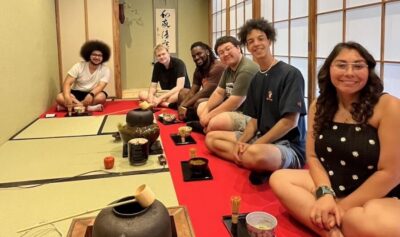
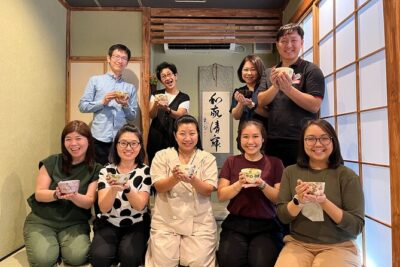
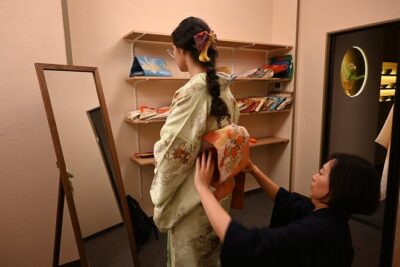
Tea Ceremony, Calligraphy, and Kimono Experience
Read our review →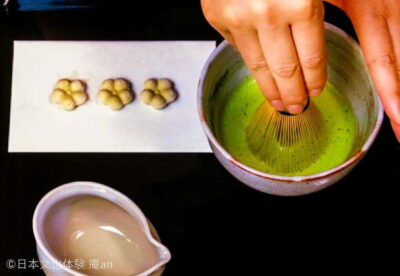
Japanese Traditional Sweets Making and Tea Ceremony
Read our review →
Samurai Show, Tea Ceremony, Japanese Traditional Activities
Read our review →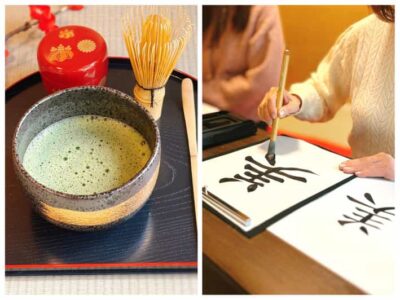
Osaka; Japanese Tea ceremony experience, Macha and Sencha
Read our review →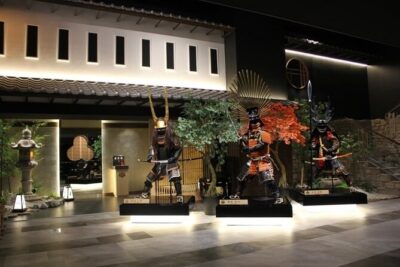
Samurai dress-up and shows, plus Tea Ceremony & Calligraphy
Read our review →Browse the lists this tour appears in