
Review · OSAKA
Osaka Temple Cool Foot Bath & Matcha Experience〈45min〉
Let tired feet lead you to a temple. This 45-minute Osaka experience combines a tea ceremony, temple worship, wagashi, and a cooling foot bath with a light massage. I especially like the calm setting and the chance to wear a yukata for photos. The only concern is the short time, since the program packs several activities into one session.
I also like that the guides explain each step instead of simply handing you a bowl of tea. You may learn how to offer incense, use kneaded incense, prepare matcha, and handle a traditional Japanese sweet. The foot treatment is soothing rather than a full spa massage, so keep your expectations modest.
Key points at a glance
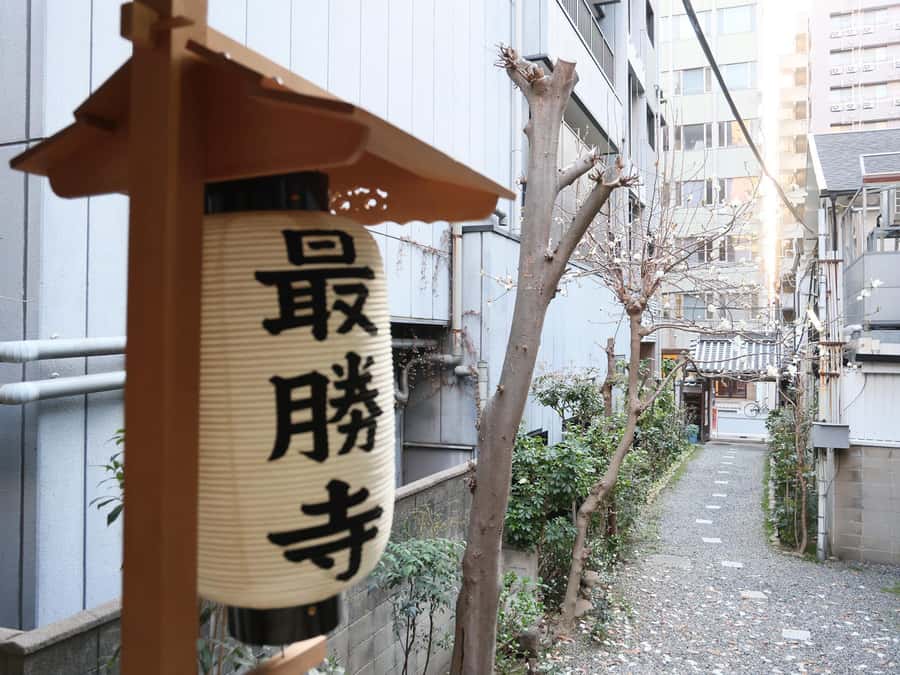
- A 45-minute temple visit: A compact cultural activity that fits neatly into a busy Osaka schedule.
- Worship before tea: You learn about incense offering, kneaded incense, and meditation instead of only watching a tea demonstration.
- Cooling foot bath: A scrub massage gives tired feet welcome attention after a day of walking.
- Matcha with wagashi and ice cream: You taste traditional sweets alongside the tea, with matcha ice cream included.
- Yukata photos: Staff help you wear a yukata and take pictures using your smartphone.
- English and Japanese guidance: The hosts explain the process in both languages, with names such as Yuiitsumuni, Yumi, and Vanessa praised for their warm instruction.
A quiet temple pause in central Osaka
Osaka is famous for food, shopping, bright signs, and long days on your feet. This experience offers the opposite mood. For 45 minutes, you sit in a temple environment, slow down, and pay attention to small actions: incense, hot tea, a sweet, and the feel of warm or cooling water around your feet.
That change of pace is the main reason to book. I would not choose this as your only temple visit in Japan, since the experience is brief and focused on guided activities. But it gives you a friendly introduction to several customs without requiring a full day or a large financial commitment.
At $34 per person, the price covers more than a cup of matcha. You receive the tea, wagashi, matcha ice cream, foot bath, light scrub massage, cultural explanation, and smartphone photos. The value is strongest if you want a small cultural activity with a comfort break built in.
The meeting point can vary according to the option you select, and the activity finishes where it begins. Check the exact meeting details when booking. You can reserve now and pay later, and cancellation is available up to 24 hours in advance for a full refund.
More Matcha Experiences in Osaka
- Matcha Making Class in Osaka with Authentic Japanese Sweets Set
★ 5.0 · 509 reviews - Osaka: Matcha Making Experience with Japanese Sweets
★ 5.0 · 146 reviews - Osaka Temple Head Spa &Matcha Facial – Refresh & Glow〈90min〉
★ 5.0 · 24 reviews
Worship, incense, and the first quiet moment
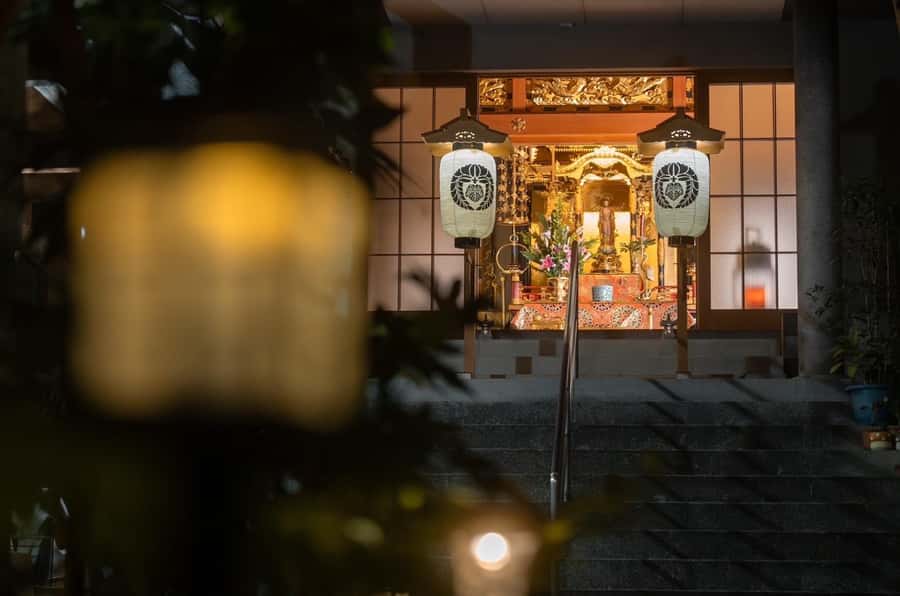
The temple portion gives the session a sense of purpose. Rather than treating the building as a backdrop for photographs, the guide explains worship and incense offering. That matters because Japanese temple customs can seem mysterious when you only watch from the side.
You may be shown how to offer incense and how to use kneaded incense. The program also includes meditation, which helps set the tone before the more hands-on parts begin. Do not expect a long religious service. This is a short cultural introduction, not a formal worship event.
I like this opening because it gives context to the tea ceremony that follows. Matcha is not presented as a trendy green drink. You get a better sense of how attention, respect, and calm shape the ceremony.
The setting also makes this different from a hotel class or a restaurant tasting. You are working with temple customs and a traditional environment, while still receiving clear guidance in English or Japanese. If you are uncertain about what to do, the hosts are there to lead you through it.
The foot bath is the practical highlight
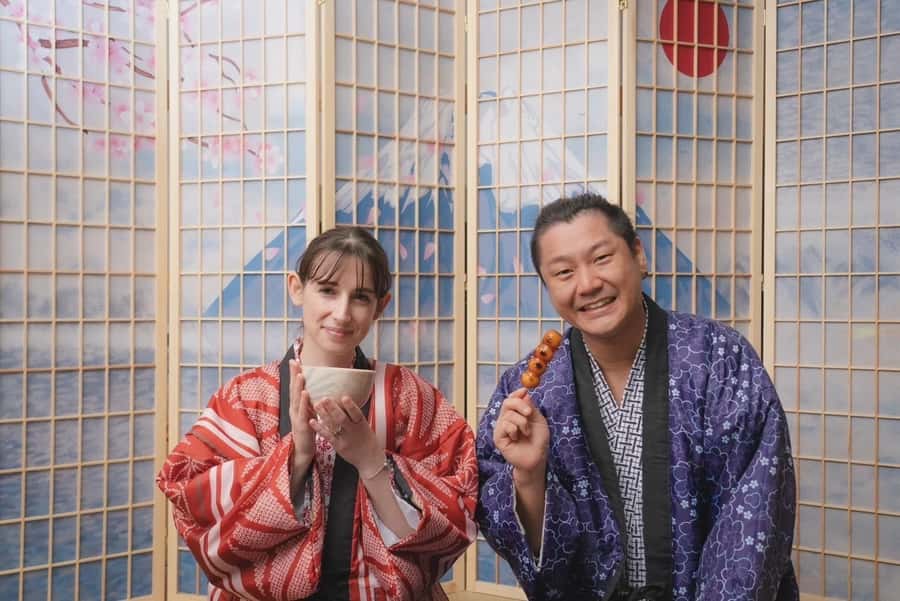
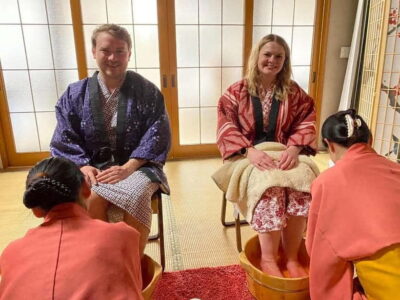
After a day of walking around Osaka, the foot bath may be the part you remember most. You place your feet in the bath, receive a scrub massage, and let someone else take care of the small aches caused by sightseeing.
The massage is described as light, and that is important. This is not a long therapeutic treatment or a full-body spa appointment. It is a brief foot-focused service added to a cultural program. If you want firm pressure or serious muscle work, you may find it too gentle.
For most people, the appeal is simple comfort. The bath gives you a reason to sit still, and the massage helps your body catch up with your busy schedule. I would place this activity late in your first day in Osaka or after a walking-heavy visit to temples, markets, and shopping streets.
The foot bath also breaks up the formal parts of the experience. You are not expected to concentrate on ritual actions for the entire 45 minutes. You can relax while still learning something about Japanese hospitality and care.
Matcha, wagashi, and a hands-on lesson
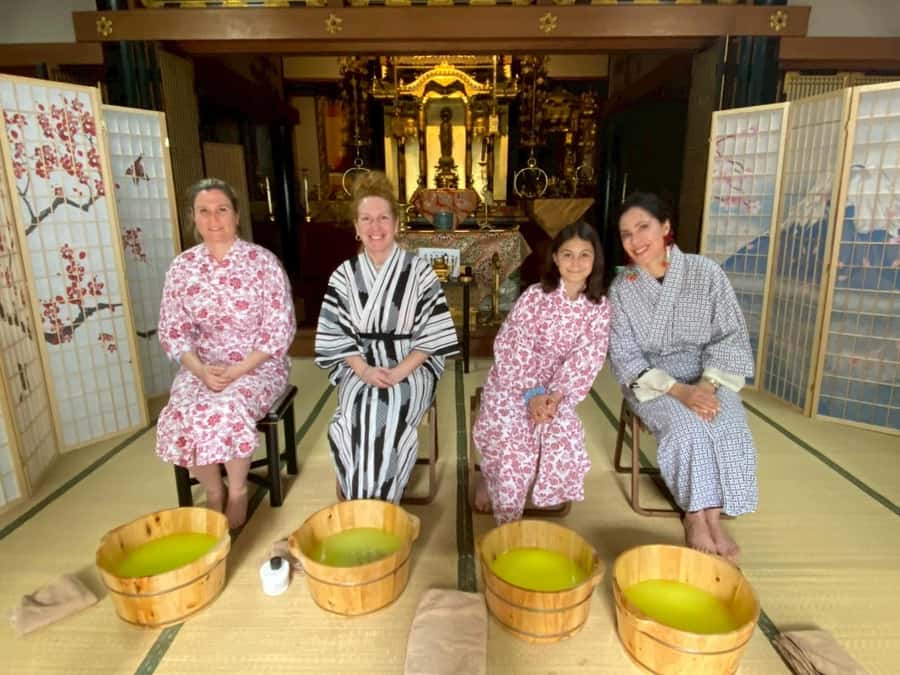
The matcha portion is more than a serving demonstration. You learn how to make matcha yourself, with the guide explaining the steps as you work. You may find the whisking takes a little practice. One participant wished the matcha could be whisked faster, which is a useful reminder that the hands-on part moves at a traditional, unhurried pace.
That slower pace is part of the point. You are not ordering a drink and rushing away. You are paying attention to the bowl, the whisk, the texture, and the way the tea is served. The hosts also explain the flavor, the process, and the role of the sweet served alongside it.
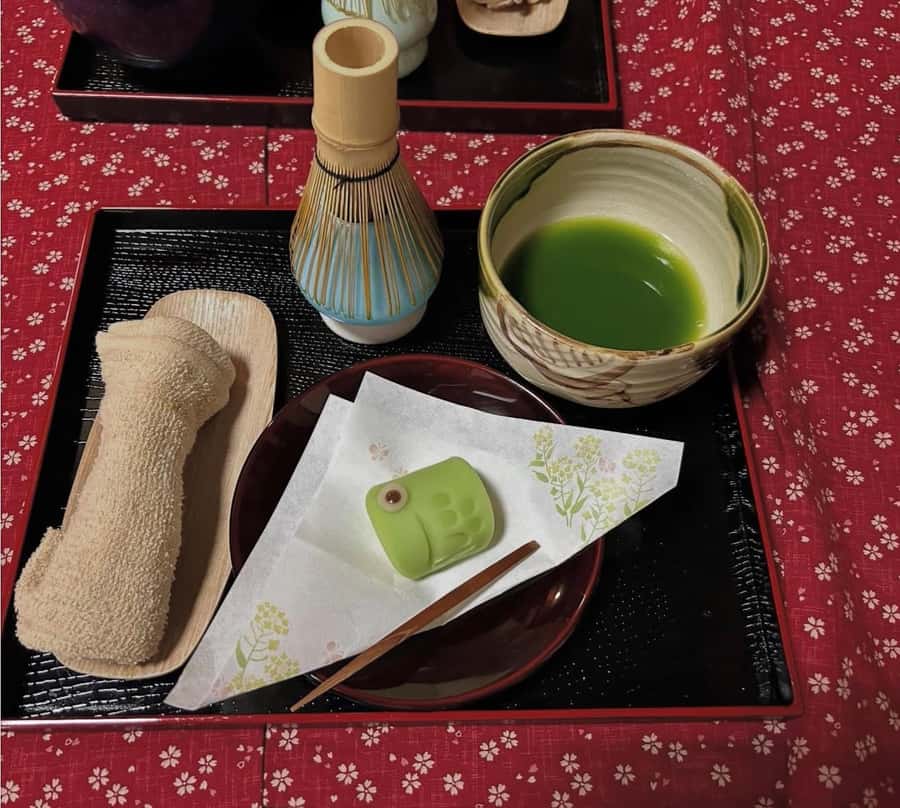
Wagashi, or traditional Japanese sweets, are included. These small confections balance the bitter, grassy taste of matcha. The sweet may become one of the most memorable parts of the session if you have never tried wagashi before.
Matcha ice cream is included as well. It adds a familiar treat to an otherwise traditional program, making the experience easier for anyone who finds straight matcha too strong. You get both sides of the flavor: concentrated tea and a cooler, sweeter matcha dessert.
One useful detail is the attention to presentation. A participant particularly enjoyed learning to make tea in a beautifully designed cup. That kind of detail helps turn a short activity into something you remember, rather than just another item on an Osaka schedule.
Same place, a different pot:
- Osaka: Tea Ceremony Experience
★ 4.9 · 1,426 reviews - Tea Ceremony Experience in Osaka Doutonbori
★ 5.0 · 754 reviews - Osaka: Tea Ceremony, Calligraphy, and Kimono Experience
★ 4.9 · 130 reviews - Osaka: Japanese Traditional Sweets Making and Tea Ceremony
★ 4.7 · 118 reviews
Yukata, photos, and a souvenir you can keep
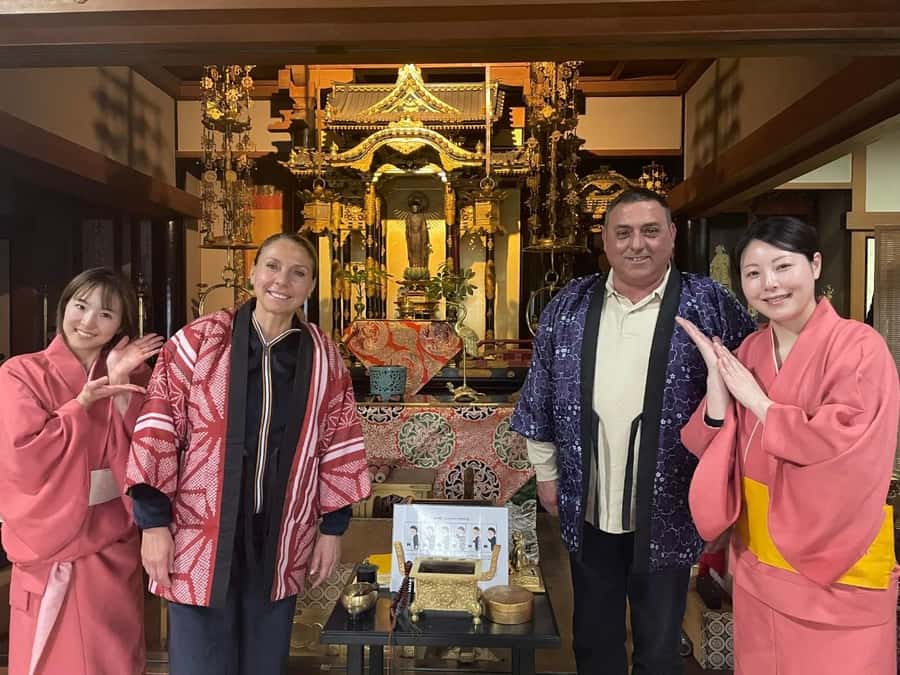
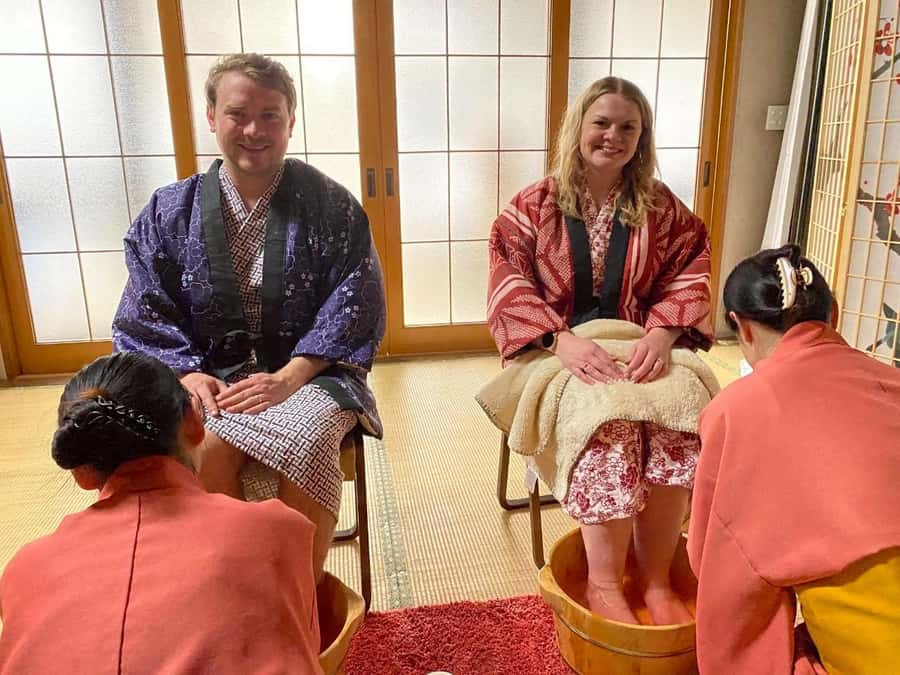
The yukata element adds a playful visual side to the experience. Staff help you put on a traditional robe, then take commemorative photos with your smartphone. You do not need to arrange a separate photographer or carry home a printed package.
The photos are taken during the activity and given to you through your own phone. This is especially useful for couples and families, since nobody has to remain behind the camera. It also lets the staff capture the temple setting, the tea, and the yukata without making photography your main task.
The yukata should be treated as a short cultural dressing experience, not a full kimono fitting. The available information specifically describes a yukata, which is a lighter casual robe. The staff explain how to wear it, so you are not left trying to guess how the layers work.
I like this part because it adds a tangible memory to a session that otherwise centers on quiet gestures. Still, if your priority is an in-depth tea ceremony, the photo and clothing portion takes time away from tea instruction. The experience works best when you want a mix of culture, relaxation, and a few good pictures.
What the hosts add to the experience
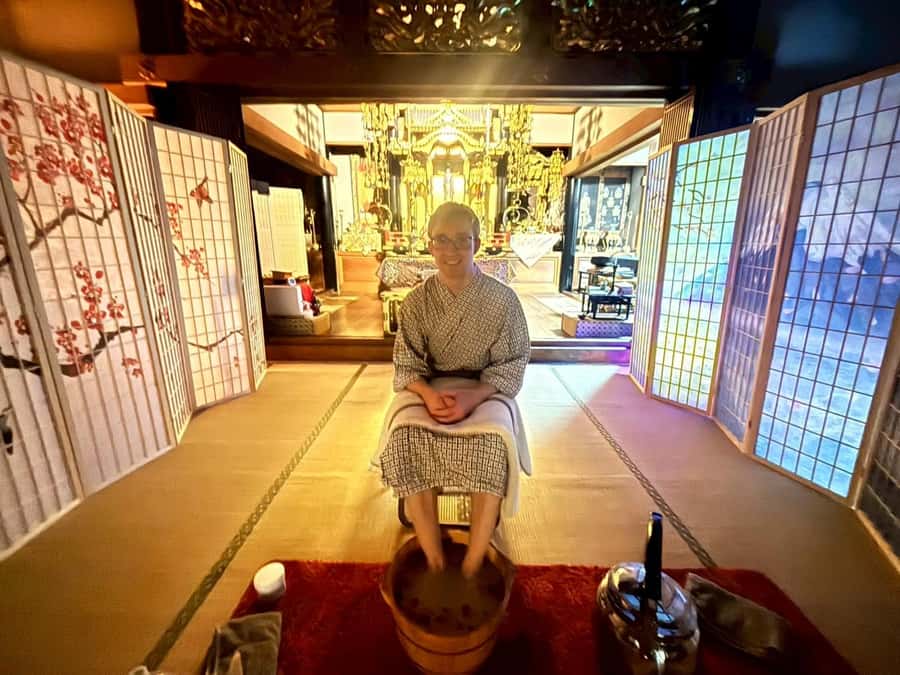
The people leading the session appear to be a major part of its appeal. Yuiitsumuni is praised for guiding participants through the full sequence, from tea service to foot bath and self-made matcha. Yumi is described as especially kind, and Vanessa receives a lighthearted note about whisking speed.
Those details suggest a personal, welcoming style rather than a silent demonstration. The hosts explain each step, answer questions, and help with the yukata. For a first tea ceremony, that support can make the difference between feeling awkward and feeling involved.
The activity is offered in Japanese and English. That does not mean every explanation will be equally detailed for every group, but it does give English-speaking visitors a clear way to follow the customs and instructions.
The warm approach also suits people who are nervous about temple etiquette. You are not expected to know the correct movements before you arrive. The guide explains what to do, and the atmosphere is intended to be calm rather than strict.
Is 45 minutes enough?
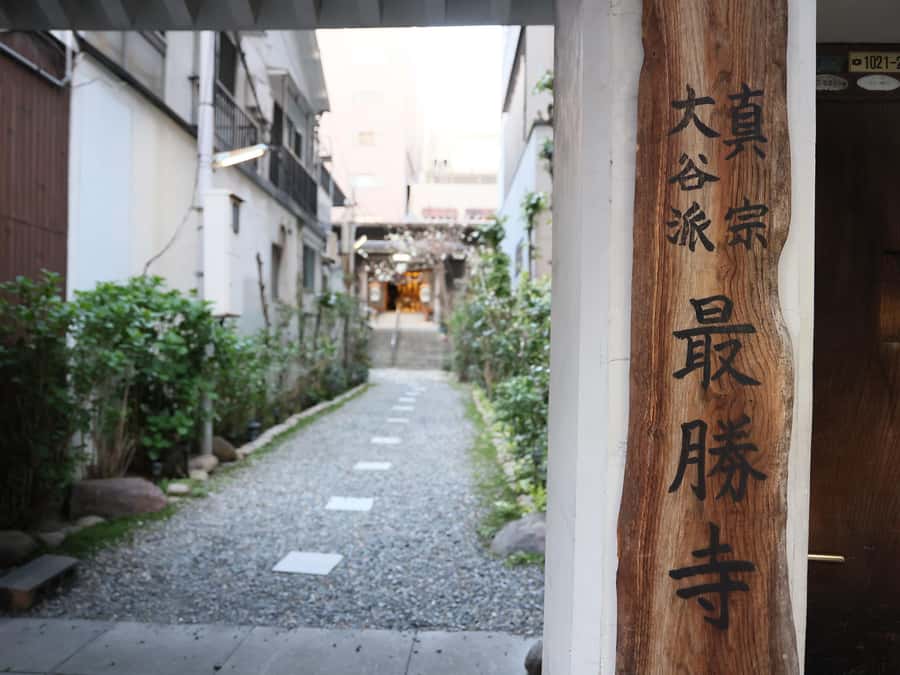
Forty-five minutes is both a strength and a limitation. It is short enough to fit before dinner, between sightseeing stops, or at the end of a long day. You do not need to give up half a day for a taste of temple customs and matcha preparation.
At the same time, the program includes worship, incense, meditation, a foot bath, massage, matcha, wagashi, ice cream, a yukata, and photographs. That is a lot for one session. You should expect a pleasant introduction, not a slow, formal ceremony with long periods devoted to one subject.
The exact flow may vary by group and option. The listed elements and participant descriptions suggest that tea, foot care, and clothing may be arranged in slightly different orders. That is not a problem unless you have a strict expectation about the sequence.
I would arrive ready to follow the host rather than manage the clock yourself. The more you try to rush from one part to the next, the less restful the experience will feel.
Who will enjoy this Osaka activity?
I would recommend it most strongly to:
- First-time visitors who want an easy introduction to matcha and temple customs.
- Couples looking for a shared activity and useful photos.
- Anyone with tired feet after a long walking day.
- Visitors who enjoy small cultural lessons rather than large sightseeing tours.
- People who want a yukata experience without committing to a full-day rental.
- Families and friends who prefer a gentle, seated activity.
It may be less suitable if you want an extended tea ceremony, a strong massage, or a detailed religious tour. It is also not the best choice if you dislike sweet foods, green tea, or being photographed.
The experience can work particularly well on your first day in Osaka. Several people used it as a way to rest after arriving or after walking many miles. The combination of foot care and a simple cultural lesson helps you settle into Japan without demanding too much energy.
Value at $34 per person
The $34 price is reasonable for the number of elements included. You receive refreshments, a guided activity, personal instruction, a foot bath, massage, clothing assistance, and photos. A separate tea experience and a separate foot treatment could easily take more time and cost more, although this session gives you only a short version of each.
The best value comes from the combination. If you care only about matcha, you can find simpler tea options. If you want only a foot bath, this includes more instruction than you need. But if you want temple atmosphere, tea, sweets, foot care, and a keepsake photo in one compact booking, the price makes sense.
The 4.9 rating from 82 reviews also fits the character of the experience: the strongest praise centers on calmness, kind staff, the foot massage, the matcha lesson, and the welcoming atmosphere. Those are the features I would use to judge the activity, rather than expecting a grand temple tour.
Practical advice before you book
Choose a time when you can slow down. Booking this immediately before a major timed attraction could make the session feel hurried, especially because the meeting point varies by option.
If your feet are already tired, schedule it near the end of a walking day. If you are sensitive to matcha, remember that the tea has a strong, earthy flavor, though wagashi and matcha ice cream provide sweeter counterpoints.
Bring a phone with enough battery for the photographs. Since the staff take pictures with your smartphone, you will want space and power available. If you are collecting temple or shrine stamps, one participant noted that a stamp was available, though you should confirm its availability when you arrive.
The cancellation policy is friendly for uncertain plans: you can cancel up to 24 hours ahead for a full refund. You can also reserve and pay later, which is useful when your Osaka schedule is still changing.
Should you book the temple foot bath and matcha experience?
Book it if you want a short, friendly introduction to Japanese customs with real comfort built in. The foot bath and light massage are the practical draw, while the temple worship, wagashi, matcha preparation, and yukata photos give the session its cultural character.
Do not book it expecting a long formal tea ceremony or a powerful spa treatment. Think of it as a carefully packed 45-minute pause: a little worship, a little instruction, a little sweetness, and welcome relief for your feet. At $34, that is a fair deal for a first taste of Osaka’s quieter side.
FAQ
How long does the Osaka Temple Cool Foot Bath and Matcha Experience last?
The experience lasts 45 minutes.
How much does the experience cost?
The listed price is $34 per person.
What is included in the matcha experience?
The experience includes matcha, wagashi, matcha ice cream, and instruction in preparing matcha.
Is a foot massage included?
Yes. A cooling foot bath with a scrub massage and a little foot massage is included.
Does the experience include temple worship?
Yes. The program includes worship, incense offering, applying kneaded incense, and meditation.
Can I wear a yukata?
Yes. The experience includes a commemorative photo wearing a yukata, and staff help you learn how to wear it.
Who takes the photographs?
The staff take photographs using your smartphone and give the photos to you.
What languages are available?
The experience is offered in Japanese and English.
Can I cancel the booking?
Yes. You can cancel up to 24 hours in advance for a full refund. You can also reserve and pay later.
Just added around Osaka
- Osaka:Zen Tea Ceremony and Foot Bath Experience<45min>★ 5.0 · 7 reviews
- Osaka Japanese Cooking And Matcha Class near Osaka Castle★ 5.0 · 22 reviews
- Osaka: Tea Ceremony, Calligraphy, and Kimono Experience★ 5.0 · 6 reviews
- Nara Deer Park, Uji Matcha, & Hot Spring Full-Day Tour from Osaka★ 4.0 · 21 reviews
- Osaka: Nara, Todaiji, Uji Matcha, and Hot Spring Tour★ 4.0 · 7 reviews
- Craft Sushi and Matcha Ice Cream in Central Osaka (3-Course Meal)★ 5.0 · 2 reviews
- Tea and Calligraphy Session at a Table in Osaka★ 5.0 · 4 reviews
- ZEN therapy | Shiatsu-style massage, EnergyTherapy & Japanese Tea★ 5.0 · 5 reviews
Matcha Experiences in Osaka, compared.
Matcha Making Class in Osaka with Authentic Japanese Sweets Set
Read our review →
Osaka Temple Head Spa &Matcha Facial – Refresh & Glow〈90min〉
Read our review →
Osaka Japanese Cooking And Matcha Class near Osaka Castle
Read our review →
Nara Deer Park, Uji Matcha, & Hot Spring Full-Day Tour from Osaka
Read our review →
Learn Zen in a class of making Matcha tea near Osaka Castle
Read our review →
Browse the lists this tour appears in