
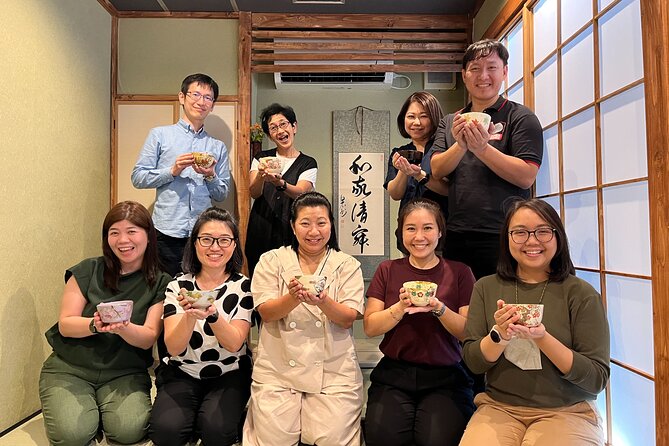
Review · OSAKA
Tea Ceremony Experience in Osaka Doutonbori
Slow down in the middle of Osaka. This 45-minute tea ceremony offers a calm, hands-on break from Dotonbori’s noise, with an instructor explaining the history, etiquette, and meaning behind Japanese tea culture. I especially like that you do not only watch: you make your own matcha and learn how to serve and drink it properly. I also like the friendly small-group setting, which allows guides such as Kazu, Mai, and Soda to give personal help.
The main drawback is the short running time. You receive a clear introduction rather than a full formal tea-school lesson, and the central location can be tricky to find because the address includes Higashi, a detail easily missed on map apps. Children under five may not join the regular plan, so families should check before booking.
Key things to know before you book
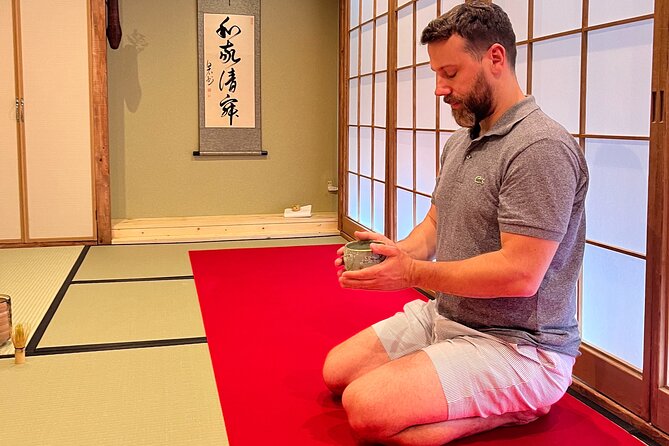
- You make your own matcha: After watching the host prepare tea, you whisk and drink your own bowl.
- The setting is central Dotonbori: The class takes place at Tea Ceremony Osaka The Osaka, on the second floor of a building at 1-chome Higashi-5-26.
- The lesson covers more than tea: You learn about Japanese customs, ceremony etiquette, tea tools, service, and the practice’s connection with samurai culture.
- Children have a caffeine-free option: The class offers caffeine-free matcha milk for children.
- Small groups keep it personal: The maximum group size is 15, though some sessions may be much smaller.
- Traditional sweets are included: Matcha is served with Japanese sweets, including seasonal treats according to the available selection.
A quiet room beside Dotonbori
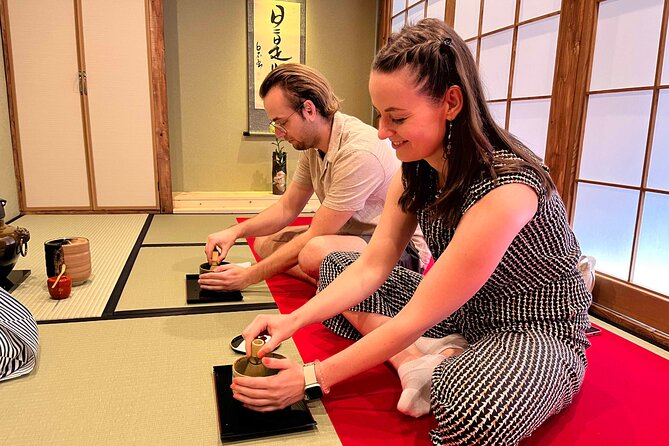
Dotonbori is one of Osaka’s most energetic areas, filled with bright signs, restaurants, crowds, and the famous canal. The tea ceremony takes place close to all of that activity, yet the class itself aims for a much calmer mood.
That contrast is one of the best reasons to book. You can spend the morning or afternoon in the middle of Osaka’s food district, then step upstairs for a quiet cultural lesson. The experience ends where it begins, so you do not need to arrange transport between several locations.
The meeting point is Tea Ceremony Osaka The Osaka, written in Japanese as 茶道体験The Osaka. The address is 1-chome Higashi-5-26, Dotonbori, Chuo Ward, Osaka 542-0077, on the second floor of the Dotonbori Building.
Take care with navigation. The correct address includes Higashi, meaning east. The most common mistake is entering 1-5-26 without Higashi. The supplied directions advise searching Google Maps for tea ceremony osaka the osaka, rather than relying on the address link, which may lead to the wrong place.
Give yourself enough time to locate the building. A tea ceremony depends on arriving settled and ready, not rushing through Dotonbori with your phone held out like a compass.
More Tea Ceremonies in Osaka
- Osaka: Tea Ceremony Experience
★ 4.9 · 1,426 reviews - Osaka: Tea Ceremony, Calligraphy, and Kimono Experience
★ 4.9 · 130 reviews - Osaka: Japanese Traditional Sweets Making and Tea Ceremony
★ 4.7 · 118 reviews
What happens during the 45-minute class
The class is built around three parts: explanation, demonstration, and participation. That structure works well for first-time visitors because you learn the reason behind each action before trying it yourself.
Your instructor begins by introducing the tea ceremony’s cultural role and its long development in Japan. The practice has been an art form since the 16th century, and the lesson explains why the ceremony is not simply a method for making a drink.
You learn about the customs and manners that shape the occasion. This includes how tea is prepared, served, and received. The hosts also explain the tools used during the process and the proper way to drink the finished matcha.
The guide then prepares tea for the group. Watching an experienced host first gives you a useful reference point. The motions may look simple, but the order, handling, and attention to detail are part of the ceremony’s meaning.
After the demonstration, you make your own matcha. This is the most interactive part of the experience and one of its strongest features. You are not asked to sit quietly for the entire session. Instead, you get to handle the tea-making process and taste the result.
The lesson finishes with matcha and a traditional Japanese sweet. Several sessions include sweets connected to the seasons, adding another small cultural detail to the experience. The tea may be strong and earthy, especially if you are new to matcha, but the sweet helps balance it.
Why the etiquette lesson matters
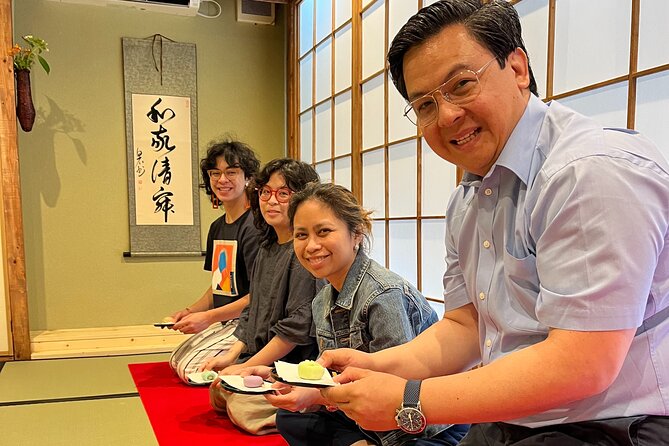
A short tea ceremony cannot teach every part of Japanese tea practice. It can, however, help you notice the care built into ordinary actions.
The class covers how to serve and drink tea correctly, rather than treating matcha as a fashionable green beverage. You learn that the ceremony is shaped by respect, attention, and equality among the people taking part.
One particularly interesting point from the teaching is the connection between tea gatherings and the samurai class. Tea meetings could provide time for discussion of politics and strategy, while the formal setting encouraged participants to meet as equals.
That context makes the ceremony more meaningful. You are not simply learning how to whisk powder into hot water. You are seeing how food, manners, design, and social behavior came together in Japanese culture.
The instructors also explain the process in English. Kazu is praised for her clear teaching and warm manner, while Mai is described as a graceful and engaging host. Soda has also led sessions that combine background information with a calm, personal approach.
Hosts may use a little humor during the lesson. One memorable teaching detail involved explaining the traditional foot shuffle, with playful sound effects. That light touch can help the ceremony feel welcoming rather than stiff.
Making matcha yourself
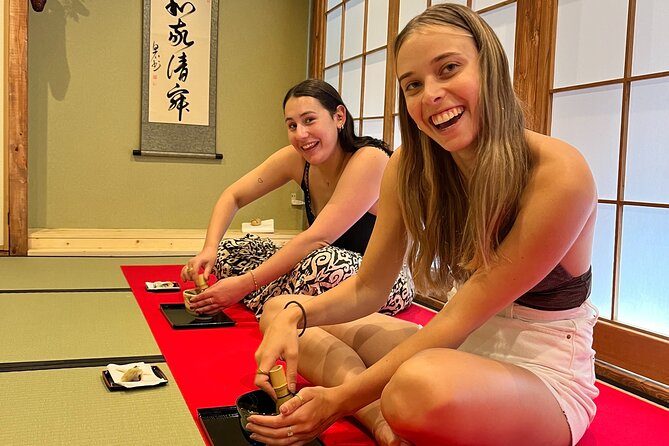
The chance to prepare your own tea gives this class more value than a demonstration alone. You can see the host’s technique, then try to copy the basic process with guidance.
Do not worry about making a perfect bowl on your first attempt. The point is to understand the movement and appreciate the work involved. The instructor can explain what you are doing and help you follow the proper sequence.
This hands-on part also makes the activity a good choice for families. Children may not be ready for a formal tea lesson lasting several hours, but a 45-minute class with a practical task can hold their attention.
For children, the experience offers caffeine-free matcha milk. That is an important detail for parents, since regular matcha contains caffeine. If you plan to bring a child under five, contact the provider before booking. Children under five cannot join the regular plan, and entry may not be permitted even when an adult has a ticket.
Same place, a different pot:
- Matcha Making Class in Osaka with Authentic Japanese Sweets Set
★ 5.0 · 509 reviews - Osaka: Matcha Making Experience with Japanese Sweets
★ 5.0 · 146 reviews - Osaka Temple Cool Foot Bath & Matcha Experience〈45min〉
★ 4.9 · 82 reviews - Samurai Show, Tea Ceremony, Japanese Traditional Activities
★ 5.0 · 56 reviews
The sweets and the pace of the experience
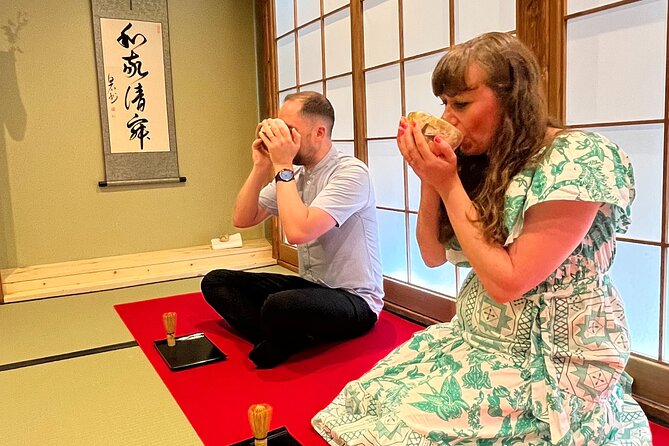
The traditional sweet is not just an extra snack. In a tea ceremony, the sweet prepares your palate for the bitter edge of matcha. It also gives the instructor a chance to point out how Japanese sweets can reflect the season.
The exact sweet may vary, so you should not book this expecting a particular pastry. The important point is that tea and sweet are presented together as part of the experience.
The pace is another strength. The class is long enough to explain the basics, show the ceremony, let you prepare tea, and offer time for questions. It is short enough to fit into a packed Osaka schedule.
That same short length creates the main limitation. If you want a silent, highly formal ceremony with traditional clothing and a long sequence of rituals, this is not that type of event. It is an informal, educational introduction designed for visitors who want to take part.
One useful detail is that traditional attire is not required. You can learn the ceremony without spending time changing clothes or arranging a costume session.
Group size and personal attention
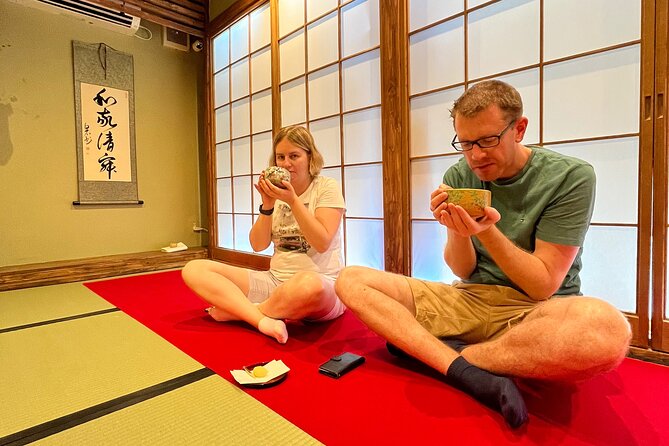
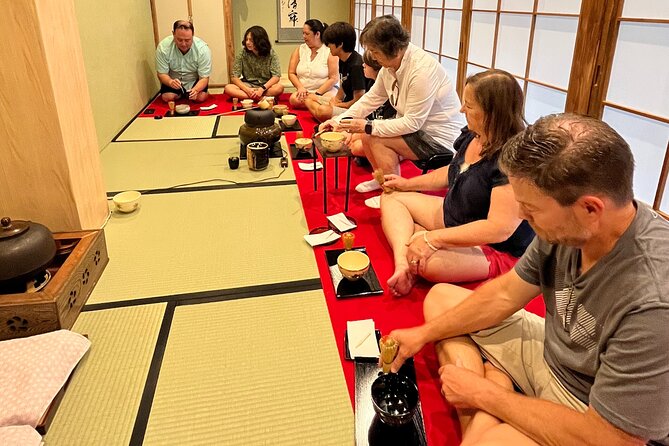
The maximum group size is 15 people. That is still small enough for a guided class, though the atmosphere can vary depending on the booking.
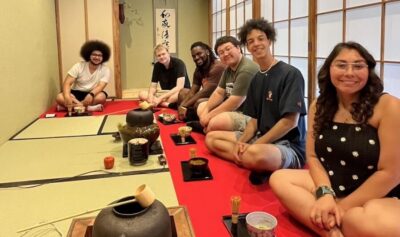
Some sessions may have only a few participants. A group of six, or even two couples, allows the instructor to answer questions and watch each person prepare tea. A larger group may feel less intimate, but the basic format remains accessible.
The Share Plan is intended for people who want to experience the ceremony alongside other participants. If you prefer a private event, you should check the available booking option before paying. The information provided here describes the shared format.
The hosts receive especially strong praise for their warmth and patience. Kazu is noted for staying with a participant while a misplaced phone was returned, which shows the kind of practical care that can matter during a holiday.
The guides also appear comfortable with different learning styles. You can listen to the cultural background, watch the demonstration, ask questions, and then learn through doing. That mix makes the class useful even if you know very little about matcha.
Is $20.69 good value?
At $20.69 per person, this is a modestly priced cultural activity for central Osaka. The fee covers the guided lesson, the demonstration, your own attempt at making matcha, the finished tea, and a traditional sweet.
The value comes from the teaching, not the amount of food or drink. You are paying for access to an instructor with more than a decade of experience, plus an explanation of customs you might not understand from simply ordering matcha at a café.
The central location adds practical value. You do not need a day trip or a long train ride to reach the class. You can pair it with a Dotonbori food walk, shopping, or sightseeing in central Osaka.
I would consider it particularly good value if you are visiting Japan for the first time and want a guided introduction to an important cultural practice. It is also useful near the end of a longer trip, when a calm activity can provide a change from crowded attractions and busy restaurants.
The price is less appealing if your only goal is to drink matcha. Cafés can offer that for less effort. Book this class for the explanation, etiquette, and chance to make tea yourself.
Who will enjoy this tea ceremony?
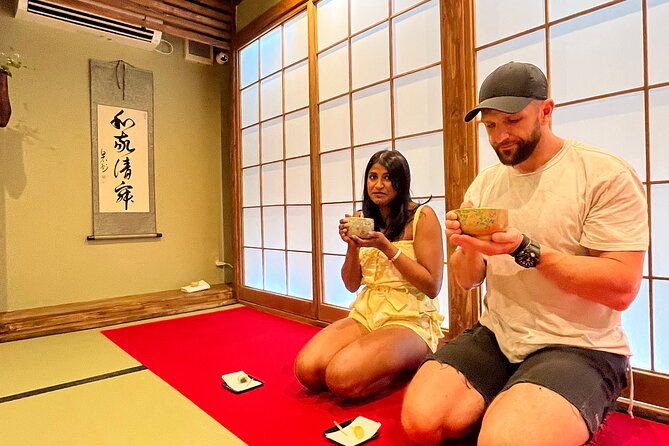
This experience suits you if you want a short cultural activity with clear instruction and direct participation. It works well for solo visitors, couples, families with older children, and small groups of friends.
You will likely enjoy it most if you are curious about the meaning behind Japanese customs. The class gives you enough background to understand the ceremony without requiring prior knowledge.
It is also a good fit for people who prefer informal teaching. The guides are described as friendly, relaxed, and engaging, rather than distant or overly strict.
Families should pay attention to the child policy. Caffeine-free matcha milk is available, but children under five require advance contact and may not be accepted into the regular plan.
You may want to choose another activity if you are looking for a long, highly formal ritual, traditional clothing, or a private setting guaranteed for your group. Those expectations go beyond what this short shared class promises.
Practical details that make the day easier
The activity lasts about 45 minutes and ends back at the meeting point. Confirmation is provided at booking, and the location is near public transportation.
Bring your phone, but do not trust every map pin automatically. Search for tea ceremony osaka the osaka in Google Maps and check that the address includes Higashi. This is the single most useful arrival tip.
The activity accepts a mobile ticket, which keeps the booking simple. Arrive with enough time to find the second-floor room and settle in before the lesson begins.
Free cancellation is available if you cancel at least 24 hours before the start time. Cancellations or changes made less than 24 hours ahead are not accepted for a refund, and the cut-off uses local Osaka time.
The class can include up to 15 people. If you want the quietest possible experience, a smaller group may offer more personal attention, but group size can vary by departure.
My verdict: book it for the culture, not just the tea
I recommend this tea ceremony if you want a short, affordable way to understand Japanese culture in central Osaka. The strongest parts are the hands-on matcha preparation, the explanations of etiquette and history, and the friendly teaching style associated with hosts such as Kazu, Mai, and Soda.
The location requires care, and the 45-minute format will not satisfy anyone seeking a lengthy formal ceremony. Still, the class makes good use of its time. You watch, listen, prepare tea, taste it, and leave with a better sense of why the ritual matters.
Book it as a calm pause in a Dotonbori day. For $20.69, you receive more than a bowl of matcha: you get a practical introduction to one of Japan’s most carefully shaped traditions.
FAQ
How long does the tea ceremony last?
The experience lasts approximately 45 minutes.
Where does the tea ceremony take place?
It takes place at Tea Ceremony Osaka The Osaka, on the second floor of the Dotonbori Building at 1-chome Higashi-5-26, Dotonbori, Chuo Ward, Osaka 542-0077.
Does the activity end at the meeting point?
Yes. The activity ends back at the meeting point.
Can I make my own matcha?
Yes. The instructor demonstrates the process, then you can prepare and drink your own matcha.
Is a sweet included?
Yes. Matcha is served with a traditional Japanese sweet.
Is there a caffeine-free drink for children?
Yes. Caffeine-free matcha milk is available for children.
Can children under five join?
Children under five cannot join the regular plan. You should contact the provider in advance, and entry may not be permitted even if an adult has a ticket.
How many people can join the activity?
The maximum group size is 15 participants.
How far in advance can I cancel for a full refund?
You can cancel at least 24 hours before the start time for a full refund. Changes or cancellations made less than 24 hours before the experience are not accepted for a refund.
Just added around Osaka
- Osaka:Zen Tea Ceremony and Foot Bath Experience<45min>★ 5.0 · 7 reviews
- Osaka Japanese Cooking And Matcha Class near Osaka Castle★ 5.0 · 22 reviews
- Osaka: Tea Ceremony, Calligraphy, and Kimono Experience★ 5.0 · 6 reviews
- Nara Deer Park, Uji Matcha, & Hot Spring Full-Day Tour from Osaka★ 4.0 · 21 reviews
- Osaka: Nara, Todaiji, Uji Matcha, and Hot Spring Tour★ 4.0 · 7 reviews
- Craft Sushi and Matcha Ice Cream in Central Osaka (3-Course Meal)★ 5.0 · 2 reviews
- Tea and Calligraphy Session at a Table in Osaka★ 5.0 · 4 reviews
- ZEN therapy | Shiatsu-style massage, EnergyTherapy & Japanese Tea★ 5.0 · 5 reviews
Tea Ceremonies in Osaka, compared.
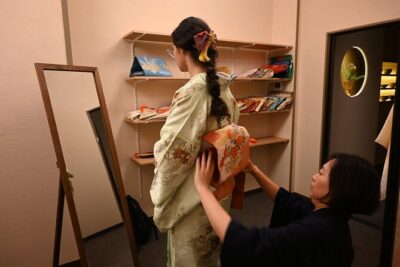
Tea Ceremony, Calligraphy, and Kimono Experience
Read our review →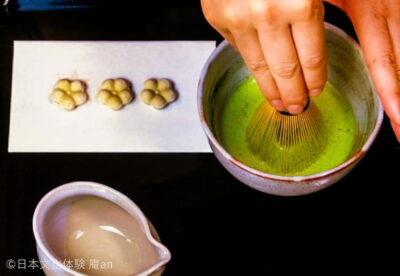
Japanese Traditional Sweets Making and Tea Ceremony
Read our review →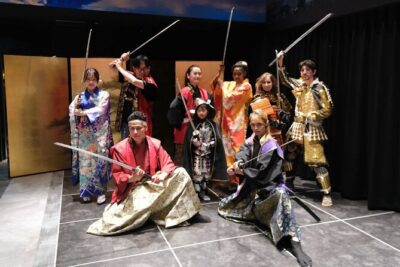
Samurai Show, Tea Ceremony, Japanese Traditional Activities
Read our review →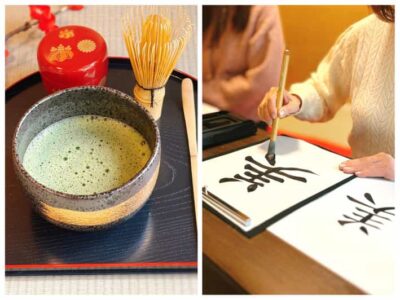
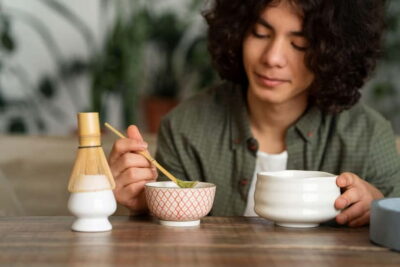
Osaka; Japanese Tea ceremony experience, Macha and Sencha
Read our review →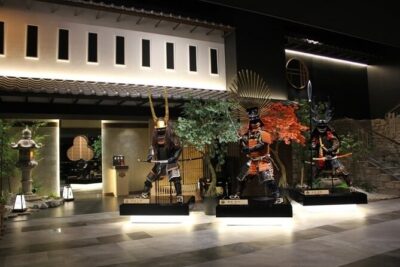
Samurai dress-up and shows, plus Tea Ceremony & Calligraphy
Read our review →
Premium Kimono Dressing, Tea Ceremony, Calligraphy, Samurai show
Read our review →Browse the lists this tour appears in