
Review · OSAKA
Samurai Show, Tea Ceremony, Japanese Traditional Activities
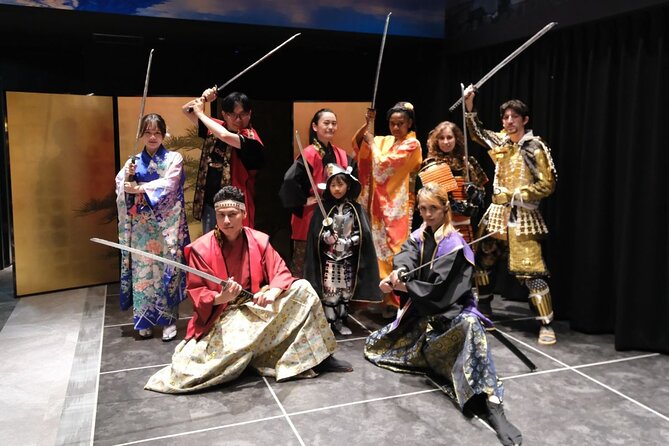
Come for the samurai, stay for the tea. This Osaka cultural experience packs a lot into one indoor visit: a dramatic samurai performance, tea ceremony, calligraphy, traditional music, and hands-on activities. I especially like the chance to try the instruments and practice simple samurai movements instead of only watching a stage show.
The other strong point is the staff. Yui and Miyu are praised for their warm help, language support, and care with photographs and activities. The main consideration is time: the advertised duration is about two and a half hours, but you may need three to four hours if you want to take part in everything. The basic ticket also does not include samurai armor, kimono, or ninja dress-up.
Key points to know before booking
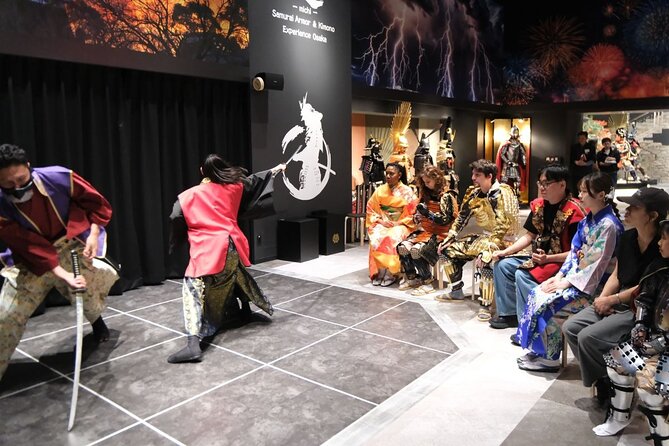
- Two samurai performances: You may see more than one show, followed by a safe practice session with non-real swords.
- Tea and calligraphy are hands-on: You learn how to prepare green tea and create calligraphy to take home, including a personalized fan.
- Traditional music is participatory: You can watch performances and try instruments such as a Japanese flute, harp, or stringed instruments.
- The basic price is $44.92: That is strong value for several cultural activities, though costume experiences cost extra.
- Plan extra time: The official estimate is 150 minutes, but some schedules run three and a half to four hours.
- The meeting point is in Shinsaibashi: You start and finish at Shinsaibashi ARTY Inn, near public transportation.
What the Osaka cultural experience is really like
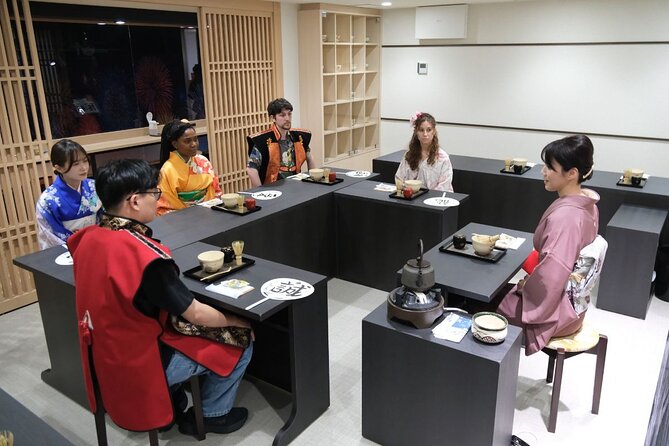
This is not a quiet museum visit. It is closer to a small cultural activity center with scheduled performances and stations where you can try things yourself.
You move between demonstrations of Japanese music, tea preparation, calligraphy, and samurai performance. English interpreters help explain what is happening and guide you from one activity to the next. That matters because the value here comes from understanding the customs, not just taking photographs.
The venue is described as a big facility, and the maximum group size is 20 people. That is large enough to create a lively room but small enough for staff to help with activities. Families, couples, and solo visitors can all take part, and the activities are designed for a broad age range.
The tone is friendly and theatrical. The samurai section includes humor and audience participation, so do not expect a serious historical reenactment. Think of it as an entertaining introduction to samurai performance, with a chance to practice a few movements yourself.
More Kimono and Tea Ceremonies in Osaka
- Osaka: Tea Ceremony, Calligraphy, and Kimono Experience
★ 4.9 · 130 reviews - Samurai dress-up and shows, plus Tea Ceremony & Calligraphy
★ 5.0 · 27 reviews - Premium Kimono Dressing, Tea Ceremony, Calligraphy, Samurai show
★ 5.0 · 18 reviews
Starting at Shinsaibashi, near Dotonbori
You meet at Shinsaibashi ARTY Inn, at 2-chōme-17-3 Nishishinsaibashi in Chuo Ward. The area is near public transportation and close to Dotonbori, making this easy to pair with an afternoon or evening in central Osaka.
The activity returns to the same meeting point. That is useful if you are carrying shopping bags or want to continue exploring the neighborhood afterward.
The meeting point is one of the practical strengths of this experience. You do not need to travel out to a remote cultural site, and the indoor setting gives you a structured option for a rainy day. One important caution: the booking information says the activity requires good weather and may be rescheduled or refunded if poor weather causes cancellation, even though the experience itself takes place indoors. Check the operating status before setting out on a very wet day.
The samurai show: theatrical, funny, and hands-on
The samurai performance is the headline act. You watch a staged battle and may see two different samurai shows, depending on the program running that day.
The performance uses replica equipment rather than real weapons. You then get a chance to practice simple sword movements, sometimes with a staff member acting as your practice partner. The action is designed for participation, not combat training, so the atmosphere stays light and safe.
I like this section best for families and first-time visitors to Japan. Children can follow the visual drama, while adults get a playful introduction to samurai movement and costume. The comic timing also keeps the show from becoming stiff or overly formal.
Still, keep your expectations in check. This is not a museum-quality study of samurai warfare, and the props are reproductions. One account found the samurai portion less convincing than the tea, music, and calligraphy. If you want serious historical detail, you may find the performance a little broad. If you want a fun stage show with audience participation, it works well.
The basic ticket does not include samurai armor. An armor option may be available, but you should confirm the current price and availability before booking.
Tea ceremony: a calm change of pace
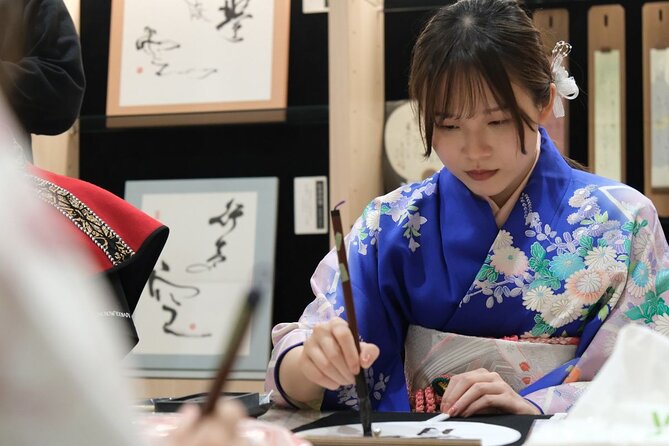
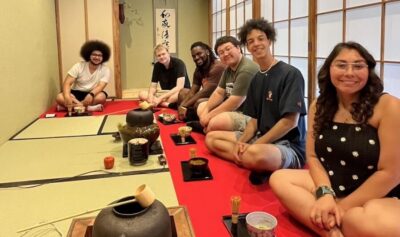
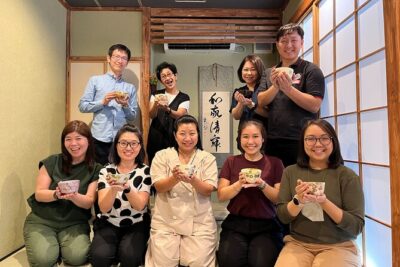
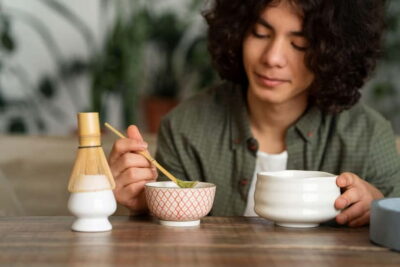
After the swordplay, the tea ceremony gives the afternoon a quieter rhythm. You learn the proper way to prepare and enjoy green tea, with explanations of the gestures and customs involved.
This is valuable because the ceremony can look mysterious when you only see it from a distance. Here, you get to take part and ask questions. The staff also help with Japanese language practice, which adds a small but welcome learning element.
Do not expect a private, formal tea ceremony in a historic tea house. This is a teaching session within a larger activity program. That makes it less intimate, but more approachable for beginners and families.
The tea section also helps balance the louder samurai show. I would not skip it simply because the sword performance sounds more exciting. For many people, this is the part that gives the visit its strongest sense of Japanese etiquette and daily tradition.
More Tea Ceremonies in Osaka
- Osaka: Tea Ceremony Experience
★ 4.9 · 1,426 reviews - Tea Ceremony Experience in Osaka Doutonbori
★ 5.0 · 754 reviews - Osaka: Japanese Traditional Sweets Making and Tea Ceremony
★ 4.7 · 118 reviews - Osaka: Private Tea Ceremony and Calligraphy Experience
★ 5.0 · 50 reviews
Calligraphy with something to take home
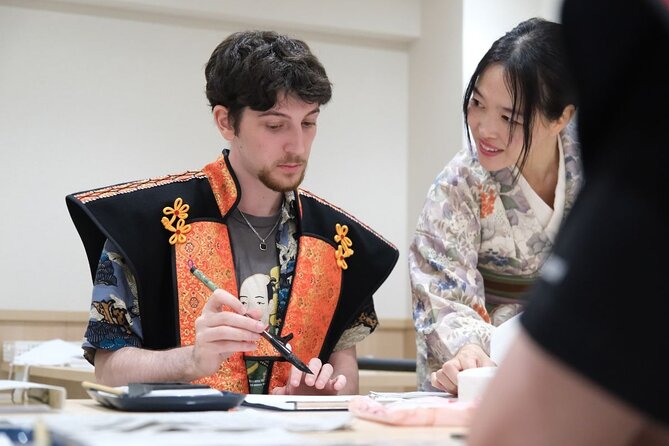
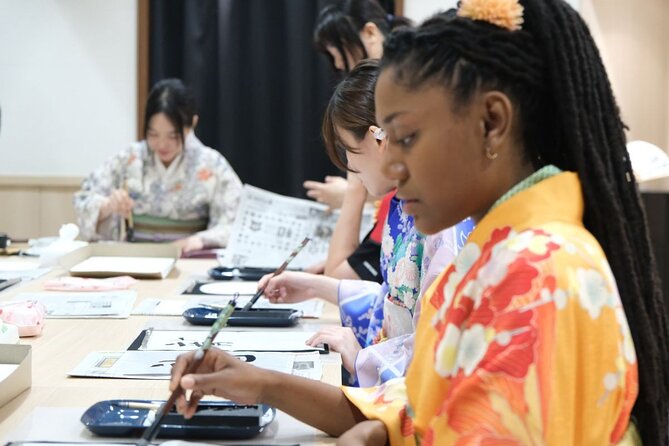
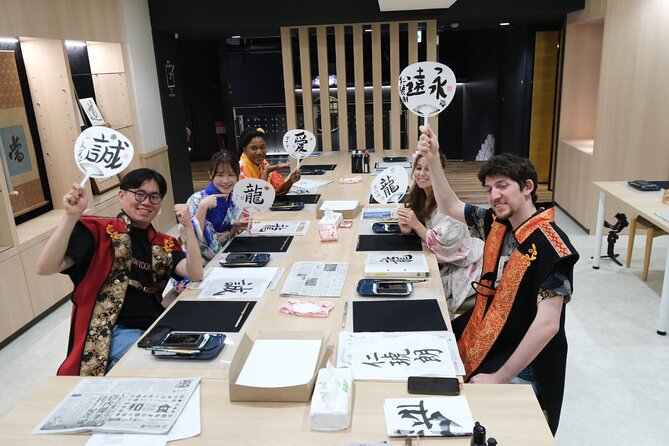
The calligraphy session is another hands-on station. You learn basic brush work and create a piece of Japanese writing, with some programs offering a personalized fan to take home.
That souvenir is more meaningful than a standard shop purchase because you made it during the activity. Your result may not look museum-ready, and that is part of the fun. The staff guide you through the process, so you do not need previous experience.
Calligraphy also suits people who prefer a quieter activity. After the energetic samurai demonstration and music sessions, the brush work gives you time to concentrate.
If you have young children, keep in mind that brush activities require patience. The family groups described the staff as patient, even with larger parties, so the setup appears friendly to mixed-age groups. Still, children who dislike sitting still may prefer the music and samurai sections.
Japanese music you can actually try
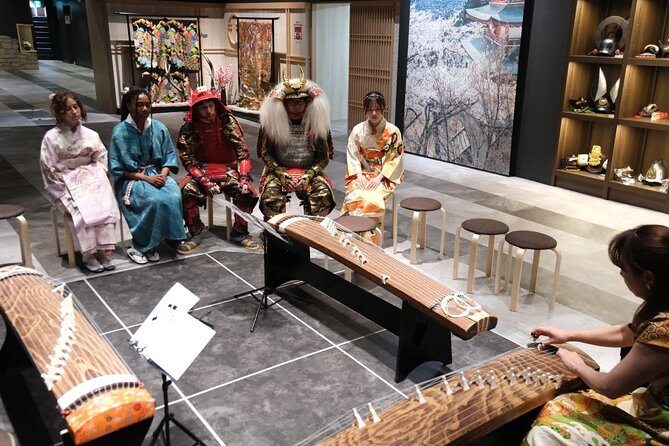
Traditional music is not just background entertainment here. You watch musicians perform, then get a chance to handle and play instruments with guidance.
The exact instruments can vary, but activities have included Japanese flute, harp, and stringed instruments. One participant admitted that mastering the Japanese flute would take time, which is a fair warning. You are trying the instruments for the experience, not giving a polished concert by the end.
This is one of the most valuable parts of the program because it changes your role from audience member to participant. You hear how the instruments sound, see how they are held, and gain a small sense of the skill involved.
The music shows also add variety. Instead of spending the whole afternoon on martial themes, you get a wider look at Japanese performance traditions. If you enjoy making noise and laughing at your first attempt, you will likely have a good time. If you prefer silent observation, the participation may feel a bit much.
Costume options and what the basic ticket leaves out
The listed price covers the tea ceremony, calligraphy, traditional music, and samurai performance. It does not include samurai armor, kimono, or ninja experiences.
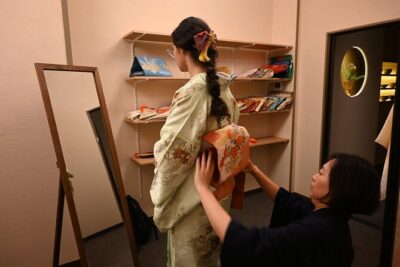
A kimono upgrade has been offered for 5,000 yen, according to one account. Staff dressed the participant, helped with photographs, and provided socks and undergarments to keep. Costume options can add a lot to the visual memory of the visit, especially if you enjoy portraits and family photographs.
The important point is to treat dress-up as an add-on, not part of the $44.92 ticket. Availability and pricing can change, so check before you assume the upgrade is included.
The kimono option may also extend your visit. If you book the costume experience, allow extra time rather than trying to fit the entire program into a strict two-and-a-half-hour window.
Is $44.92 good value?
At $44.92 per person, this is a good value if you take part in several activities. You are not paying only for a short show. The price covers a cluster of experiences: tea, calligraphy, traditional music, and samurai entertainment.
The value becomes stronger for families or couples who would otherwise pay separately for several small cultural activities. You also get staff support, interpretation, and chances to take photographs. The included calligraphy souvenir adds a little more substance than a basic performance ticket.
The value is weaker if you only want a serious samurai show. The performance is theatrical, the props are reproductions, and the program includes activities that may not interest every visitor.
I would also budget for extra time, even though the official estimate is 150 minutes. Several schedules have lasted three and a half to four hours, especially when people stop for all the music, calligraphy, tea, and costume options. That is not a problem if you have a free afternoon. It could be awkward if you have a train or dinner reservation immediately afterward.
Who will enjoy this most?
I would recommend this for:
- Families seeking a rain-friendly activity with different levels of energy.
- First-time visitors who want a broad introduction to Japanese traditions.
- Couples who enjoy photographs, costumes, and shared activities.
- Visitors with a few spare hours in Osaka.
- People who prefer learning by doing rather than standing in front of displays.
- Anyone curious about tea ceremony or calligraphy but unsure where to begin.
You may want to skip it if your main goal is a formal tea ceremony, an academic history lesson, or a highly realistic samurai reenactment. The experience is upbeat, social, and designed to entertain as much as teach.
Staff help makes a real difference
The staff are one of the strongest parts of the program. They guide people between stations, explain the activities, help with Japanese phrases, and assist with photographs.
Yui and Miyu receive particular praise for their care and friendliness. Other accounts also describe the team as warm, patient, and eager to help large family groups. That support matters when you are learning calligraphy, handling an unfamiliar instrument, or trying to follow tea ceremony movements.
The English interpretation is especially useful. You do not need to know Japanese to follow the sessions, and the staff appear comfortable helping people who are making an effort to learn a few words.
Booking details and cancellation
Confirmation is provided when you book, and the activity accepts mobile tickets. The group maximum is 20 people, which keeps the program from becoming a huge crowd.
Free cancellation is available up to 24 hours before the start time for a full refund. Changes or cancellations made less than 24 hours before the start time are not accepted for a refund. If poor weather causes the activity to be canceled, you are offered another date or a full refund.
Should you book this Osaka experience?
Book it if you want a cheerful, hands-on introduction to Japanese culture with a little theater, a little music, and plenty of chances to participate. The combination of tea, calligraphy, instruments, and samurai practice gives you more variety than a single cultural demonstration, and the $44.92 price is fair for the amount included.
Go in expecting an entertaining cultural workshop, not a solemn historical presentation. Leave at least three hours in your schedule, confirm any costume upgrade separately, and make sure your group is happy with audience participation.
For a first visit to Osaka, especially on a day when outdoor plans are uncertain, this is an easy and enjoyable way to spend an afternoon near Shinsaibashi and Dotonbori.
FAQ
Where does the experience start?
It starts at Shinsaibashi ARTY Inn, 2-chōme-17-3 Nishishinsaibashi, Chuo Ward, Osaka, 542-0086, Japan.
Where does the experience end?
The activity ends back at the meeting point.
How long does the activity last?
The advertised duration is about two hours and 30 minutes, or approximately 150 minutes. You should allow extra time because some schedules last three and a half to four hours.
What activities are included?
The ticket includes a tea ceremony, calligraphy, traditional Japanese music, and a samurai performance.
Is samurai armor included?
No. Samurai armor is not included in the basic experience.
Is a kimono included?
No. Kimono dress-up is not included in the basic ticket. A kimono upgrade has been offered separately.
Is a ninja experience included?
No. Ninja activities are not included in the basic experience.
Can I use a mobile ticket?
Yes. The experience offers a mobile ticket.
How many people can join the activity?
The maximum group size is 20 people.
Can I cancel for a full refund?
Yes, if you cancel at least 24 hours before the experience start time. Cancellations made less than 24 hours before the start time are not refundable.
More Shows in Osaka
- Kyoto: Wazuma Magic Show & Tea Ceremony
★ 4.8 · 29 reviews - Chengdu: Sichuan Opera Show ShufengYayun & Covered Bowl Tea
★ 4.2 · 14 reviews - Agadir/Taghazout: Sandboarding & Sunset Tea with Fire Show
★ 5.0 · 6 reviews - 3-Hour Private Hutong Walking Tour with Drum Show at Drum Tower and Tea Tasting
★ 5.0 · 3 reviews
Just added around Osaka
- Osaka:Zen Tea Ceremony and Foot Bath Experience<45min>★ 5.0 · 7 reviews
- Osaka Japanese Cooking And Matcha Class near Osaka Castle★ 5.0 · 22 reviews
- Osaka: Tea Ceremony, Calligraphy, and Kimono Experience★ 5.0 · 6 reviews
- Nara Deer Park, Uji Matcha, & Hot Spring Full-Day Tour from Osaka★ 4.0 · 21 reviews
- Osaka: Nara, Todaiji, Uji Matcha, and Hot Spring Tour★ 4.0 · 7 reviews
- Craft Sushi and Matcha Ice Cream in Central Osaka (3-Course Meal)★ 5.0 · 2 reviews
- Tea and Calligraphy Session at a Table in Osaka★ 5.0 · 4 reviews
- ZEN therapy | Shiatsu-style massage, EnergyTherapy & Japanese Tea★ 5.0 · 5 reviews
Tea Ceremonies in Osaka, compared.
Tea Ceremony, Calligraphy, and Kimono Experience
Read our review →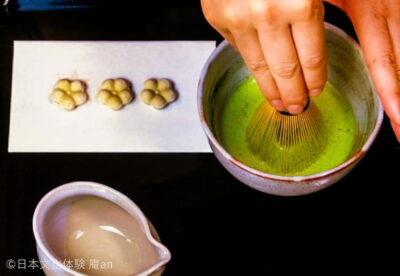
Japanese Traditional Sweets Making and Tea Ceremony
Read our review →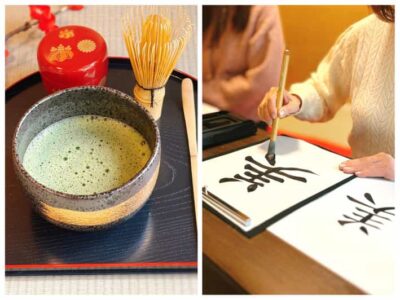
Osaka; Japanese Tea ceremony experience, Macha and Sencha
Read our review →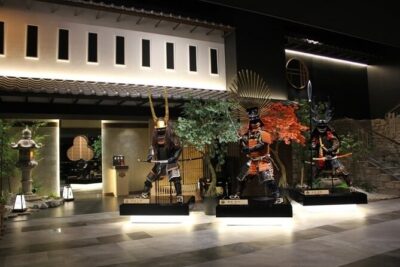
Samurai dress-up and shows, plus Tea Ceremony & Calligraphy
Read our review →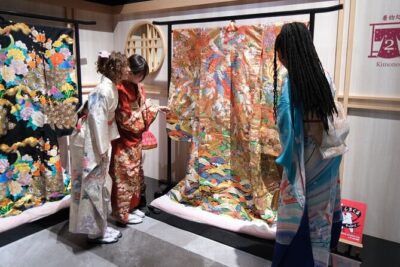
Premium Kimono Dressing, Tea Ceremony, Calligraphy, Samurai show
Read our review →Browse the lists this tour appears in