Review · OSAKA
ZEN therapy | Shiatsu-style massage, EnergyTherapy & Japanese Tea
Rest tired muscles the Japanese way. This one-hour Osaka treatment combines shiatsu-style massage with Japanese energy therapy, a samue work robe, and matcha with a tea sweet. I like the private setting and the unusual mix of bodywork, mindfulness, and tea culture. I also like that the therapist provides a treatment report at the end. The main consideration is simple: energy therapy is a matter of personal belief, so you should book this for relaxation and curiosity rather than as a proven medical treatment.
The session costs $57.23 per person and takes place at MAITRII, H2 Inhalation Therapy & Relaxation, near public transportation in Osaka’s Yodogawa area. The one-hour format fits neatly into a sightseeing day, though the longer 90 and 120-minute options may make more sense if you want focused work on several areas of your body.
Key details before you book
- Wear a Zen-style samue robe: You change into a traditional work garment associated with Zen monks before treatment.
- Shiatsu meets energy therapy: The body treatment follows a Japanese-style shiatsu approach while the therapist works with qi, or ki.
- Matcha closes the session: You receive Japanese matcha and a tea sweet after the bodywork.
- A private appointment: Only your group participates, with a therapist in a private room.
- Choose from several durations: Options are listed at 30, 60, 90, and 120 minutes, with longer sessions intended for more extensive concerns.
- You receive a treatment report: The therapist describes your energy condition and offers advice for the future.
What this Osaka Zen treatment is really about
This is not a standard massage appointment with a cup of tea added at the end. The session is designed as a small Zen-inspired ritual, moving from changing clothes to bodywork, then tea and a written report.
The central idea is qi, also written as ki in Japanese. The therapist uses shiatsu-style pressure and energy therapy to address what the provider describes as unwanted or stagnant energy linked with stress and toxins. The stated aim is to support natural healing and leave you feeling calmer in body and mind.
That language will appeal to some people and sound too unscientific to others. I would treat the energy element as a complementary wellness practice, not a substitute for medical care. The strongest practical reason to book is the chance to slow down, receive a private massage, and enjoy a focused hour away from Osaka’s busy streets.
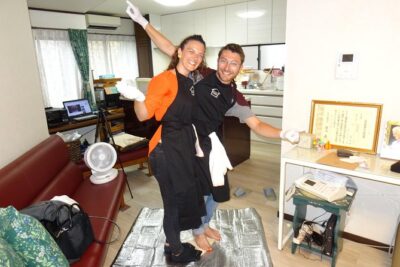
The setting also includes artificial quartz crystals placed beneath the treatment bed. The provider says these crystals help regulate the energy of the room and amplify healing energy. You do not need to accept that explanation to enjoy the quiet atmosphere, but it is an important part of the experience’s philosophy.
More Tea and Calligraphy Workshops in Japan
- Osaka: Tea Ceremony, Calligraphy, and Kimono Experience
★ 4.9 · 130 reviews - Osaka: Private Tea Ceremony and Calligraphy Experience
★ 5.0 · 50 reviews - Samurai dress-up and shows, plus Tea Ceremony & Calligraphy
★ 5.0 · 27 reviews
Changing into a samue before treatment
The session begins with a change into a samue, a loose Japanese work robe traditionally associated with Zen Buddhist monks. It is practical clothing rather than formal religious dress, and the loose fit suits a body treatment.
This small step gives the appointment a sense of occasion. You are not simply arriving, lying down, and leaving. You change your clothing, shift your attention away from sightseeing, and prepare for a calmer state of mind.
The samue is also available for purchase as a souvenir. The garment is described as comfortable and well made, suitable for relaxing at home, taking a walk, or attending zazen at a Japanese temple. If you like useful souvenirs, this is more appealing than another decorative trinket. Still, ask about the price and available sizes before assuming you will take one home, since those details are not provided.
The treatment does not require formal meditation skills. The Zen connection comes through the clothing, the quiet preparation, and the tea ritual as much as through any particular religious practice.
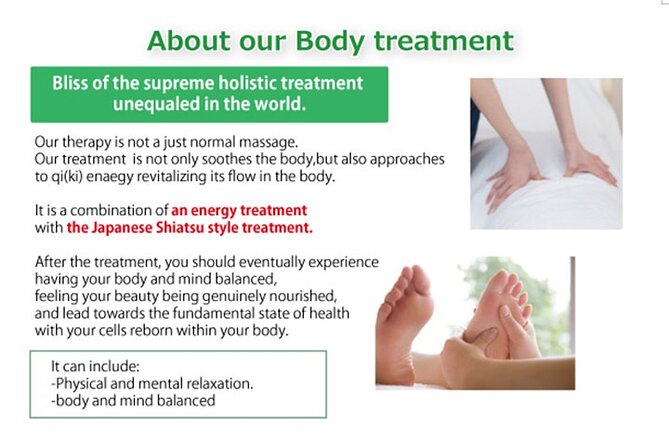
Shiatsu-style bodywork and energy therapy
The main portion combines body treatment with energy therapy. The therapist works in a Japanese-style shiatsu manner, using touch and pressure to relax the body. Alongside that physical work, the therapist focuses on qi circulation and what the provider calls bioenergy.
The stated purpose is to release unwanted energy associated with stress and toxins, then restore a more balanced flow. The provider also describes work on the mind and thoughts, with the goal of leaving you calmer.
For you, the practical experience is likely to feel closer to a wellness massage than to a sightseeing activity. You should plan to remain quiet and still for much of the appointment. The session is intended for fatigue recovery and relaxation, and one available option is specifically described as a refreshment after a busy day.
The claimed benefits also include beauty, anti-aging, disease prevention, and brain development. I would read those claims carefully. They are part of the provider’s wellness philosophy, not promises you should treat as medical fact. If you have a health condition, ask a qualified medical professional before booking any treatment designed around energy work.
The bodywork is the most tangible part of the appointment. You can feel pressure, contact, and physical relaxation directly. The energy component is more subjective. You might notice a sense of calm or lightness, or you might simply enjoy the quiet and the massage. Both reactions are reasonable.
Why the treatment length matters
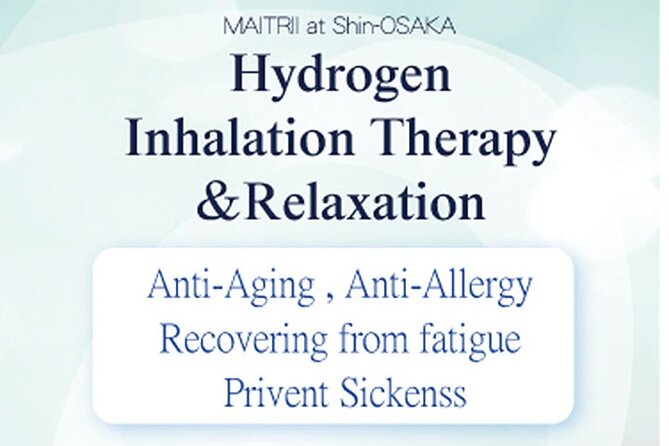
The standard duration is approximately one hour, and the listed price of $57.23 applies to the advertised experience. Four duration choices are described:
- 30 minutes, listed as an essential course
- 60 minutes, described as a refresh course
- 90 minutes, a premium option
- 120 minutes, a luxury option
The wording for these choices is awkward in English, so check the exact option before paying. The longer sessions are recommended if you are concerned about several parts of your body or want more detailed attention.
I see the one-hour course as the sensible choice for most first visits. It gives you enough time to try the bodywork and energy approach without committing a large part of your day. The 30-minute option may suit someone with limited time, but it could feel brief once changing and the tea ritual are included.
The 90-minute and 120-minute sessions are better suited to someone who already knows they enjoy this kind of treatment. They also offer more time for focused work, according to the description. Since the price shown is for the experience in general rather than every duration, confirm the cost of the longer options before booking.
More Tea and Calligraphy Workshops in Osaka
- Premium Kimono Dressing, Tea Ceremony, Calligraphy, Samurai show
★ 5.0 · 18 reviews - Learn Zen in a class of making Matcha tea near Osaka Castle
★ 4.8 · 17 reviews - Osaka:Zen Tea Ceremony and Foot Bath Experience<45min>
★ 5.0 · 7 reviews - Osaka: Tea Ceremony, Calligraphy, and Kimono Experience
★ 5.0 · 6 reviews
Matcha, tea sweets, and the Zen connection
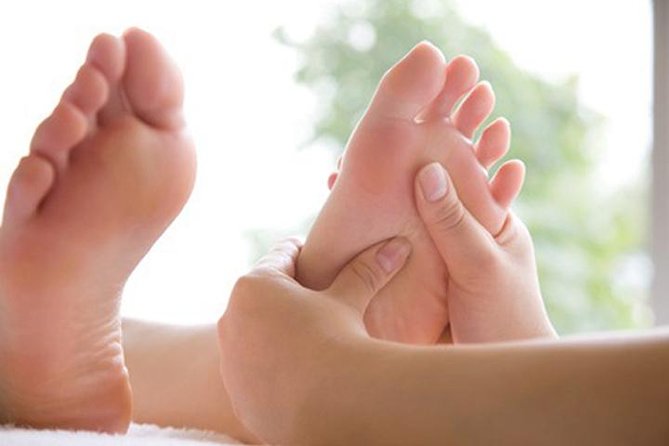
After the body treatment, you receive Japanese matcha and a tea sweet. This is not presented as a full tea ceremony, but it borrows from the connection between Zen and sado, the Japanese way of tea.
That closing cup matters because it gives the session a clear ending. Instead of rushing straight back into Osaka, you have a moment to sit, drink something traditional, and let the treatment settle.
The tea ritual also makes this experience more culturally interesting than a basic massage. You are not studying tea ceremony technique, and no extended cultural lesson is promised. Still, matcha adds a distinctly Japanese touch without requiring a separate half-day activity.
If you dislike matcha, this part may be less appealing. The information does not specify whether another drink can be substituted, so do not assume that you can change the menu.
The treatment report at the end
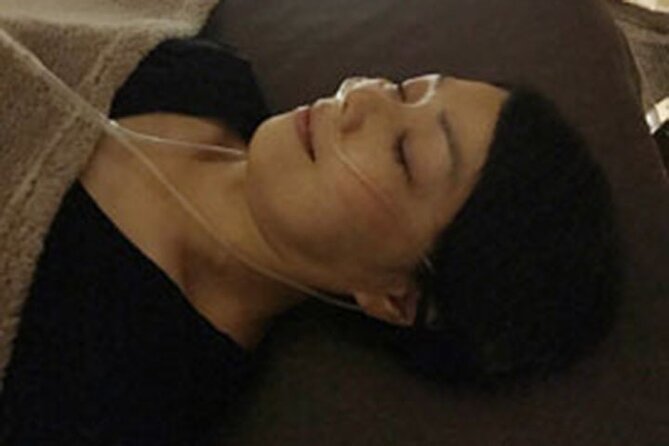
The therapist gives you a report describing your energy status and offering advice for the future. This gives the appointment a more personal finish than a simple thank-you and goodbye.
The report is based on the provider’s energy therapy approach. It should not be confused with a medical diagnosis or clinical assessment. Think of it as a wellness interpretation that may give you something to consider after the session.
I like this feature because it encourages you to reflect on how you felt before and after the treatment. If you arrive exhausted from a long flight or several days of sightseeing, you may find the advice useful as a reminder to rest, slow down, or pay attention to tension in your body.
Location and timing in Osaka
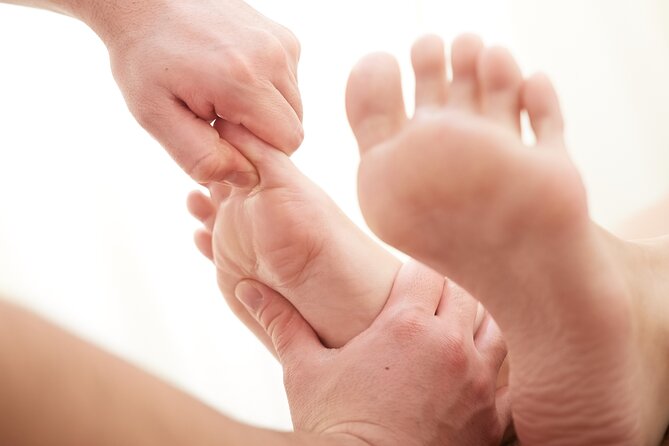
The meeting point is MAITRII, H2 Inhalation Therapy & Relaxation, on the eighth floor of the Shin-Osaka Daiichi Building at 5-chome 6-16 Nishinakajima, Yodogawa Ward, Osaka, postal code 532-0011.
The activity is near public transportation, but no private transportation is included. You are responsible for getting to the building and returning from it. Allow enough time to find the address and reach the eighth floor, especially if you have an appointment after a train arrival.
The experience begins and ends at the same place. That makes it easy to fit before dinner or after sightseeing in Osaka, as long as you allow time for transport and the appointment itself.
The activity is private, so only your group participates. That is a real advantage for anyone who dislikes performing relaxation in a shared room. It also makes the appointment a reasonable choice for couples, friends, or solo visitors who want personal attention.
Confirmation is expected within 48 hours of booking, subject to availability. The activity is often booked about 19 days ahead, so reserving early is sensible if your Osaka dates are fixed.
Is $57.23 good value?
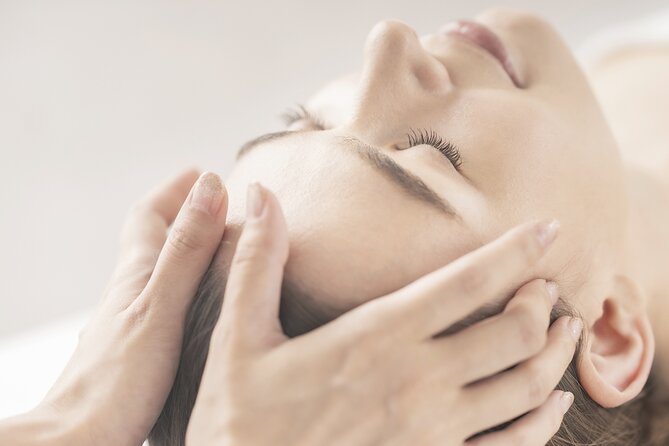
At $57.23 per person, the price is fair for a private one-hour wellness appointment that includes full-body shiatsu-style treatment, energy therapy, matcha, a tea sweet, and a treatment report.
The value depends on what you want. If you are seeking a conventional massage at the lowest possible price, you may find simpler options elsewhere. This appointment charges for the full package, including the private room, Zen clothing, tea ritual, and energy-focused approach.
I think the price works best for someone who wants an experience with cultural touches rather than only muscle treatment. The samue and matcha make the session feel more deliberate, while the private format protects your quiet time.
Do not assume the $57.23 price covers a samue purchase or the longer courses. The clothing is available as a souvenir, but the purchase cost is not stated. Confirm all upgrades and extras before your appointment.
Who will enjoy it most
I would recommend this for you if you:
- Want a calm break during an Osaka trip
- Enjoy shiatsu-style massage and are open to energy therapy
- Like Japanese clothing, tea, and Zen-inspired customs
- Prefer a private appointment
- Have physical or mental fatigue from sightseeing
- Want a one-hour activity that does not require a full day
You may want to skip it if you need evidence-based medical treatment, dislike the language of qi and energy healing, or want a traditional tea ceremony with formal instruction. The session is built around personal relaxation, not sightseeing, history, or technical tea study.
It is also not the best choice if you need guaranteed treatment for a specific medical problem. The advertised benefits extend into disease prevention and other health claims, but those should not replace advice from a licensed medical professional.
What the high ratings tell you
The strongest praise centers on how people feel afterward. One especially positive response described arriving with a very tired body and leaving relaxed and rejuvenated. That matches the experience’s main purpose and suggests that fatigue recovery is one of its clearest uses.
Another highly positive response came from someone who chose the longest course and felt it benefited body, mind, and spirit. That person also appreciated the blend of shiatsu and energy work, even while noting that belief in energy healing is not required.
That is useful advice. You do not have to accept every explanation to gain something from the appointment. If you approach it with an open mind and modest expectations, you can enjoy the massage, the quiet room, the samue, and the tea without treating the energy report as a medical verdict.
Booking, cancellation, and practical cautions
You can cancel for a full refund if you do so at least 24 hours before the local start time. Cancellations made within 24 hours are not refunded, and late changes are not accepted.
Because the appointment uses a private room and therapist, last-minute cancellations affect a reserved time slot. Check the local Osaka time carefully if you are changing plans from another time zone.
The activity is open to most people, but no detailed accessibility information is provided. If you need specific assistance, contact the provider before booking rather than assuming the building, treatment room, or changing arrangements will meet your needs.
Should you book this Osaka experience?
Book it if you want a private, quiet wellness break with Japanese touches, and you are comfortable treating energy therapy as a personal wellness practice rather than medical care. The samue, matcha, bodywork, and treatment report give the hour a distinct shape.
Choose the one-hour option for a first visit. Pick 90 or 120 minutes only if you want extended attention and have confirmed the price. At $57.23, the standard session offers reasonable value for a private treatment with tea and a Zen-inspired setting.
Skip it if you want a conventional massage with no spiritual language, a formal tea ceremony, or a medically verified therapy. For the right person, though, this is an easy way to pause, rest your body, and try a distinctly Japanese approach to relaxation in Osaka.
FAQ
Where does the Zen therapy experience take place?
It takes place at MAITRII, H2 Inhalation Therapy & Relaxation, on the eighth floor of the Shin-Osaka Daiichi Building in Nishinakajima, Yodogawa Ward, Osaka.
How long does the experience last?
The advertised experience lasts approximately one hour. Other listed options are 30, 90, and 120 minutes.
What does the treatment include?
It includes a full-body qi balancing massage using shiatsu-style bodywork and energy therapy, followed by a Japanese Zen tea ritual with matcha and a tea sweet.
Do I need to bring or wear special clothing?
You change into a samue, a Zen-style Japanese work robe, for the treatment. A samue may also be available for purchase as a souvenir.
Is the activity private?
Yes. Only your group participates in the private activity.
Can I cancel for a refund?
Yes. You can receive a full refund if you cancel at least 24 hours before the experience start time. Cancellations made less than 24 hours before the start time are not refunded.
More Massage & Relaxation in Osaka
- Osaka Temple Head Spa &Matcha Facial – Refresh & Glow〈90min〉
★ 5.0 · 24 reviews - TULA Wellness Taiwan Tea Ceremony
★ 5.0 · 3 reviews - Hoi An: Body Therapy and Local Tea Tasting Experience
★ 3.6 · 3 reviews - Tea Tree Spa at Holiday Inn Resort Baruna Bali
★ 5.0 · 2 reviews
Just added around Osaka
- Osaka:Zen Tea Ceremony and Foot Bath Experience<45min>★ 5.0 · 7 reviews
- Osaka Japanese Cooking And Matcha Class near Osaka Castle★ 5.0 · 22 reviews
- Osaka: Tea Ceremony, Calligraphy, and Kimono Experience★ 5.0 · 6 reviews
- Nara Deer Park, Uji Matcha, & Hot Spring Full-Day Tour from Osaka★ 4.0 · 21 reviews
- Osaka: Nara, Todaiji, Uji Matcha, and Hot Spring Tour★ 4.0 · 7 reviews
- Craft Sushi and Matcha Ice Cream in Central Osaka (3-Course Meal)★ 5.0 · 2 reviews
- Tea and Calligraphy Session at a Table in Osaka★ 5.0 · 4 reviews
- Discover Japanese Tea Blending Techniques in Osaka★ 5.0 · 19 reviews
Tea and Calligraphy Workshops in Japan, compared.
Tea Ceremony Meditation – Make Matcha with Tea Master
Read our review →
Tea Ceremony, Calligraphy, and Kimono Experience
Read our review →
An Amazing set of Cultural experience: Kimono, Tea Ceremony and Calligraphy
Read our review →
Cultural Activities :Kimono, tea ceremony, Calligraphy and Amulet
Read our review →