
Review · SHIZUOKA
Shizuoka Shore Excursion: Zen, Matcha & Calligraphy Shimizu Port
Find calm in Shimizu. This small-group cultural outing combines Seiken-ji Temple with Zen meditation, matcha, seasonal sweets, and brush calligraphy. I like the thoughtful four-part design, which gives you more than a quick temple stop, and the gentle pace, with chairs available and no long walks built into the plan. The main consideration is timing: you must reach Shimizu Station yourself by 10:20 a.m. and keep a close eye on your ship’s schedule.
The $100 price includes the local bus, temple admission, meditation, tea, sweets, and calligraphy. I also like the small maximum of 10 people, since that makes a personal cultural lesson possible rather than a large-group demonstration. The outing is described as roughly three and a half to four hours, so it works best when your port call leaves a comfortable margin.
Key points at a glance
- Four Japanese traditions in one outing: Explore a historic temple, sit in guided zazen, drink matcha with a seasonal sweet, and practice calligraphy.
- A meaningful Tokugawa connection: Seiken-ji is linked to Tokugawa Ieyasu, who studied there as a child.
- Small group, maximum 10: The size suits questions, individual help, and a quieter visit.
- Easy meeting plan: Meet at Shimizu Station at 10:20 a.m., then take the 10:40 local bus together.
- A personal souvenir: Choose a kanji character connected to the sound of your name, then write it with brush and ink.
- Cruise-friendly but self-guided arrival: Hotel pickup and ship pickup are not included, so you must get to the station independently.
Why this Shimizu shore excursion feels different
Many port tours try to pack in as many sights as possible. This one takes another route. You spend time with a few Japanese customs, and each activity builds on the last.
The temple provides the setting. Meditation slows the pace. Matcha introduces hospitality and ceremony. Calligraphy gives you something to do with your hands and something to take home. That sequence makes the visit feel connected rather than like four unrelated stops.
The tour is led by an English-speaking local guide, which matters because Zen, tea, and kanji can be hard to understand from signs alone. You get cultural context while standing in the temple, then direct instruction during the activities. The small group also gives the guide room to help with posture, brush handling, and questions.
The tone is calm and personal. One especially strong point is the meditation session, which has been described as moving and impactful. That is not a promise that you will have a spiritual breakthrough. It simply means the quiet format can make a stronger impression than a quick photo stop.
More Tea and Calligraphy Workshops in Japan
- Kyoto: Tea Ceremony Meditation – Make Matcha with Tea Master
★ 4.8 · 406 reviews - Osaka: Tea Ceremony, Calligraphy, and Kimono Experience
★ 4.9 · 130 reviews - Experience all of Japanese culture and Japanese food experience classes “origami, udon, Japanese food, green tea, calligraphy” in 4 hours
★ 5.0 · 105 reviews
Meeting at Shimizu Station at 10:20 a.m.
The meeting point is at the HELLO CYCLING Japan location by the stairs at the Minato-guchi, or port-side exit, of Shimizu Station. The listed address is in Sodeshicho, Shimizu Ward, Shizuoka, postal code 424-0037.
You meet at 10:20 a.m. and take the 10:40 bus together. The local bus fare for the round trip is included, so you do not need to budget extra for that part. The guide provides a map, a meeting photo, and step-by-step directions after booking. Save those details before leaving your ship.
This arrangement is practical for a port day, but it is not the same as a private transfer. You are responsible for reaching Shimizu Station on your own. There is no hotel pickup or cruise-terminal pickup listed, and the tour ends back at the same meeting point.
That makes your ship’s docking position and the station connection important. The tour is designed for cruise passengers, but you should still allow time to leave the ship, find the station, and locate the meeting spot. The stated start is firm enough that arriving just as the bus leaves would create an obvious problem.
Seiken-ji Temple and the Tokugawa connection
The first temple stop is Seiken-ji, a Zen Buddhist temple with more than 1,000 years of history. Its appeal is not only the age of the site. It also has a direct connection to Tokugawa Ieyasu, the founder of the Tokugawa shogunate, who studied there as a child.
That detail gives the visit a useful historical focus. You are not just looking at old wooden buildings and quiet grounds. You are standing in a place linked to one of Japan’s most important political figures.
The visit lasts about 30 minutes, with admission included. That is enough time to explore the grounds, appreciate the traditional architecture, and hear how the temple fits into Japanese history and culture. It is not a long, exhaustive temple tour, so you should expect an introduction rather than hours of independent wandering.
I like this short opening stop because it sets the mood without using up the whole morning. The quiet grounds also prepare you for the meditation session that follows. If your main goal is detailed architectural study, half an hour may feel brief. If you want a focused cultural visit before the hands-on activities, the timing works well.
Zuiun-in: zazen with a Zen monk
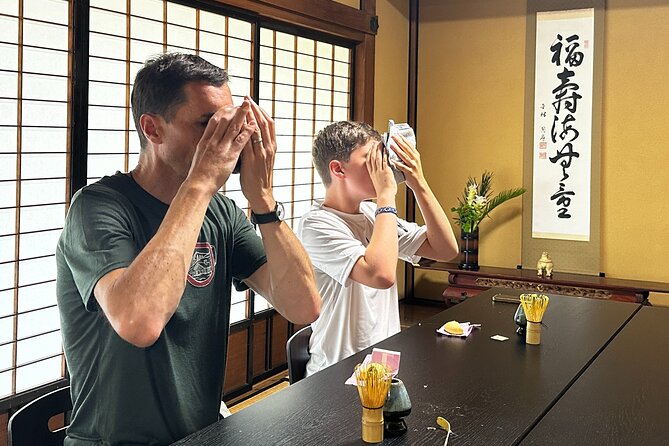
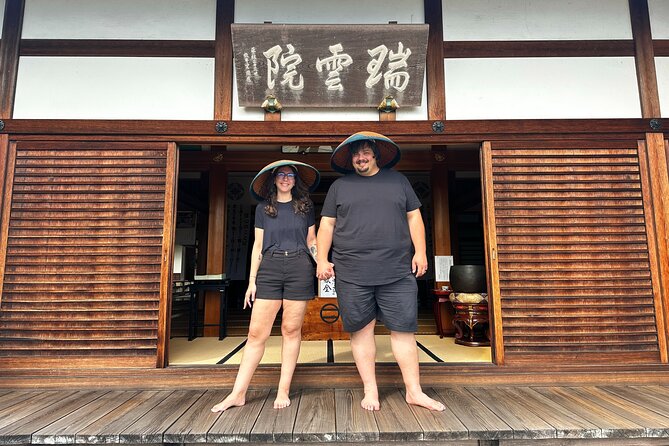
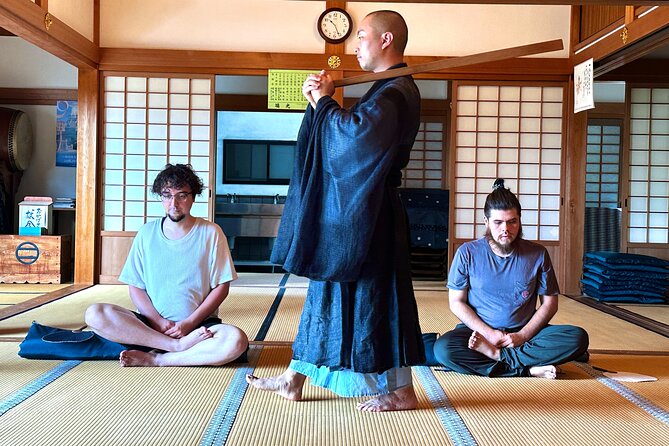
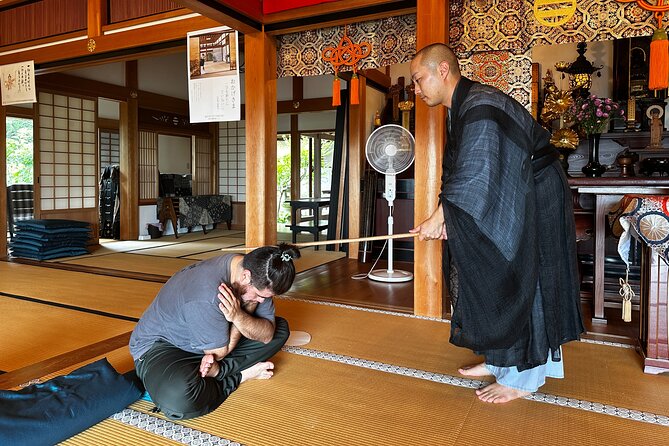
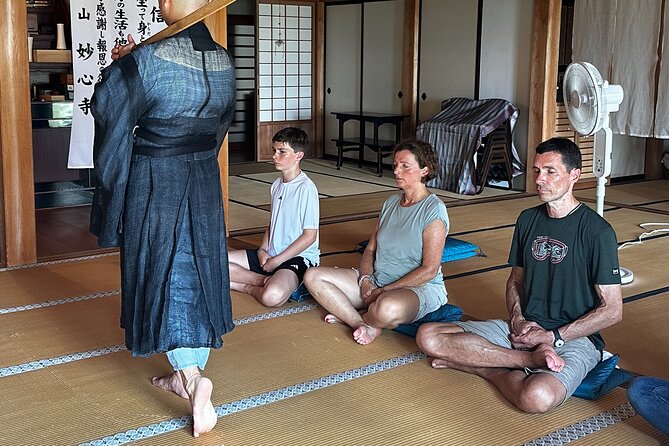
At Zuiun-in Temple, the tour turns from sightseeing to participation. You sit for a guided zazen session with a Zen monk, focusing on breath and posture.
For many people, this will be the most memorable part of the outing. Meditation in a temple is different from reading about Zen or watching a ceremony from the side. You are asked to sit, pay attention, and try the practice yourself.
The guide and monk provide structure, which helps if you have never tried zazen. You do not need to arrive with a meditation background. The session is presented as a calm introduction, not an advanced retreat.
You should also keep expectations sensible. Sitting quietly can be harder than it sounds, especially during a busy port day when your mind is still on the ship, the bus, or the next stop. That is part of the value. The activity gives you a clear break from sightseeing and asks you to slow down.
The meditation is held within a larger two-hour visit at Zuiun-in that also includes tea and calligraphy. The exact balance of time between each activity is not specified, so plan on a guided cultural session rather than a long formal meditation.
More Matcha Experiences in Japan:
- World Heritage Kyoto & Nara Uji Authentic Matcha Experience
★ 5.0 · 1,573 reviews - Kyoto: Arashiyama Bamboo Forest, Monkeys, Matcha & Temple Tour
★ 5.0 · 759 reviews - Matcha Making Class in Tokyo with Authentic Japanese Sweets Set
★ 5.0 · 744 reviews - Kyoto: Tea Museum Tickets and Matcha Grinding Experience
★ 4.9 · 739 reviews
Matcha, seasonal sweets, and Japanese hospitality
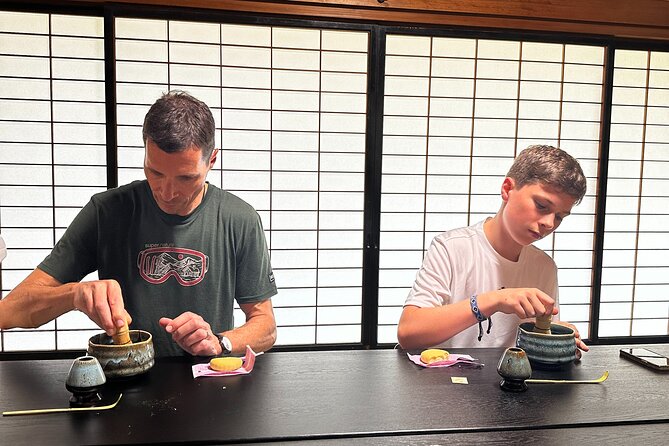
After zazen, you enjoy matcha green tea and a seasonal Japanese sweet in a traditional tatami room. This is a small refreshment, not a meal, but it adds an important cultural layer.
Matcha is often treated as just a green drink by visitors. Here, the setting and explanation help you understand it as part of Japanese hospitality. The seasonal sweet gives you a taste of the food served alongside tea, and the tatami room makes the moment feel tied to place.
The inclusion is useful for port planning. You will receive tea and one seasonal sweet, but meals are not included. If you expect lunch, eat before or after the tour and bring your own plan for a fuller meal. Personal purchases, extra drinks, and souvenirs are also your responsibility.
The tea stop is likely to suit anyone who prefers a quiet cultural activity over a fast-paced food tour. It may be less satisfying if you want a large tasting menu or a full tea ceremony with extensive formal procedure. The description promises an introduction to tea culture and hospitality, which is a more modest and approachable format.
Choosing your kanji and learning brush calligraphy
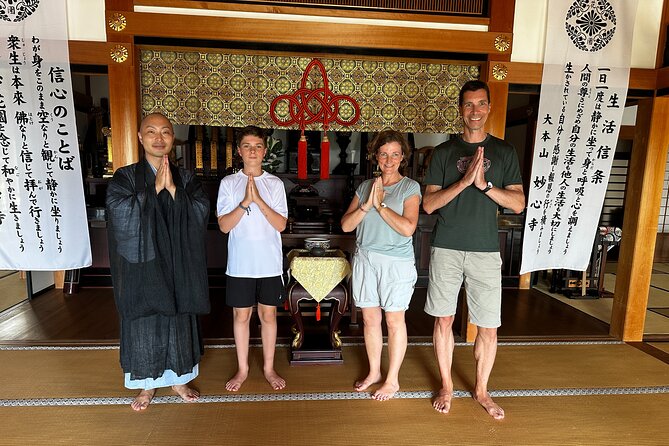
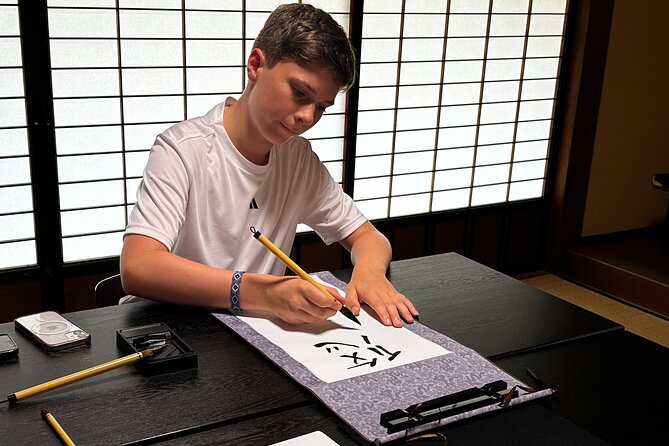
The calligraphy portion gives the outing its most personal finish. The guide offers several kanji characters based on the sound of your name. Each character carries a positive meaning, such as love, peace, or smile.
You then choose the character you like and learn to write it with brush and ink. This is not simply a demonstration where you watch someone else write your name. You take part and create your own piece.
The activity has a playful challenge. Japanese names and foreign names do not always match neatly with kanji, so the sound-based approach gives you a set of meaningful choices rather than pretending there is one exact translation. You can select the character whose meaning speaks to you.
Calligraphy also works well for a mixed-age group because it combines creativity with clear instruction. You do not need artistic skill to participate. The point is to learn the basic movement, control the brush, and enjoy the difference between writing with ink and using an ordinary pen.
The review information describes this as a special and unique challenge, and that fits the design. Meditation asks you to become still. Calligraphy asks you to concentrate through movement. Together, the two activities give you different ways to engage with Japanese culture.
Pace, group size, and comfort
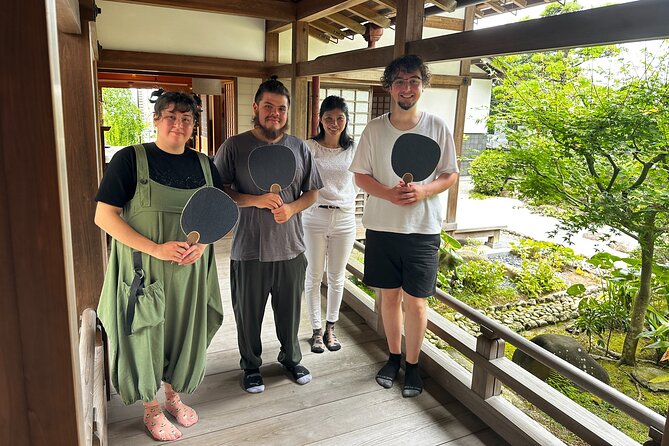
The group maximum is 10 people. That is small enough for a guide to answer questions and give individual help during calligraphy. It also makes the temple and meditation portions less likely to feel like a crowd moving from one checkpoint to another.
The tour is described as an easy-paced outing with no long walking. Chairs are available, and comfortable clothing is recommended. Those details make it more approachable for people who want cultural depth without a strenuous shore program.
Still, easy-paced does not mean completely effortless. You walk through temple grounds, reach the station, ride a public bus, and sit for meditation. If you have any concern about sitting on a tatami floor, check the arrangements before booking, since the information confirms chairs are available but does not explain exactly where they are used.
Public transportation is part of the experience. The bus fare is included, and taking the bus together keeps the group organized. The tradeoff is that local transit is less controlled than a private vehicle. Build in enough time around the tour, especially if your ship has a strict all-aboard deadline.
Is $100 a fair price?
At $100 per person, this is not the cheapest way to spend a few hours near Shimizu. The value comes from what is bundled together and from the small-group format.
You receive round-trip local bus fare, entrance to Seiken-ji, an English-speaking guide, a Zen meditation session with a monk, matcha, a seasonal sweet, and hands-on calligraphy. Paying separately for each cultural activity would not necessarily be simple, and the guide’s explanations help connect them.
The personal calligraphy lesson is the strongest value point for me. A temple visit can be free or inexpensive on its own, but learning to write a chosen kanji and taking home your work makes the day more distinctive. The meditation session adds another activity that is difficult to arrange casually during a short port call.
You should book it for the experience, not for transportation savings or a full meal. The price does not include hotel or ship pickup, lunch, extra food, or personal purchases. If you want a private guide, extensive sightseeing, or a large food component, this is probably not the right fit.
The experience is often booked about 56 days ahead. That is a useful planning signal, particularly because the group is capped at 10. If you know this style of activity suits you, booking early is sensible.
Who should choose this experience?
I would recommend it to you if you want a quiet, personal introduction to Japanese culture during a Shimizu port call. It suits first-time visitors who want more than photographs, as well as repeat visitors looking for a slower morning.
It is especially good for people who enjoy learning by doing. You sit in meditation, taste matcha, choose a kanji, and practice with brush and ink. The activities are accessible even if you know little about Zen, tea, or Japanese writing.
The tour also suits couples, families with older children, and small groups who prefer a relaxed pace. The maximum of 10 helps keep the experience intimate, and chairs are available.
I would think twice if your ship departs soon after the tour, if you dislike public buses, or if you want a full meal and major sightseeing landmarks. The experience ends back at Shimizu Station, not at your ship, so you must allow time to return to the port.
Free cancellation is available up to 24 hours before the start time. Changes or cancellations inside that window are not accepted for a refund, so keep the local cut-off time in mind when your ship schedule changes.
Should you book it?
Book this Shizuoka shore excursion if you want a compact cultural day built around calm, participation, and personal contact. The best reasons are the small group, the Tokugawa link at Seiken-ji, the guided zazen session, and the chance to create your own kanji calligraphy.
Skip it if you need a private vehicle, a substantial lunch, or a tour that returns directly to the ship. For the right port schedule, though, the $100 cost buys more than a temple admission. It gives you a thoughtful introduction to four connected parts of Japanese culture, with a keepsake you make yourself.
FAQ
How long does the Shizuoka Zen, matcha, and calligraphy tour last?
The experience lasts approximately three and a half hours, though the detailed description also refers to a schedule of about four hours. The stated meeting time is 10:20 a.m.
Where does the tour begin and end?
It begins at the HELLO CYCLING Japan location beside the stairs at Shimizu Station’s Minato-guchi exit. The activity ends back at the same meeting point.
Is transportation included?
Yes. Round-trip local bus fare between Shimizu Station and the temple is included. Hotel pickup and cruise-terminal pickup are not included, so you must reach the station independently.
What activities are included?
The tour includes admission to Seiken-ji Temple, guided zazen meditation at Zuiun-in Temple, matcha green tea, a seasonal Japanese sweet, and a calligraphy activity using brush and ink.
How large is the group?
The maximum group size is 10 people.
Can I cancel for a full refund?
Yes, if you cancel at least 24 hours before the experience start time. Cancellations or changes made less than 24 hours before the start are not eligible for a refund.
More Shore Excursions in Japan
- Shore Excursion From Colombo port to Ingiriya Tea Plantation & back for 2 People
★ 4.5 · 11 reviews - Sapphire Coast: 7h Shore Excursion with Aussie Morning Tea
★ 5.0 · 5 reviews
Just added around Japan
- Yokohama : Tea Ceremony with Sweets and Souvenir★ 5.0 · 5 reviews
- Walking Tour: Yanaka,Nezu& Sendagi: Tea Ceremony & Old Tokyo★ 5.0 · 3 reviews
- Visit local home for music and tea ceremony near Disney★ 4.9 · 13 reviews
- Trip to Kamakura & Enoshima: Shrines, Seaside, Temples &Tea★ 5.0 · 11 reviews
- Yokohama: Sushi & Gyoza Cooking with Matcha & GreenTea Experience★ 5.0 · 3 reviews
- Uji: Private immersion into Kyoto’s tea and reglious culture★ 5.0 · 17 reviews
- Kyoto tea town for matcha lovers★ 5.0 · 16 reviews
- Uji Tea Ceremony and UNESCO Heritage Walking Tour★ 5.0 · 20 reviews
Tea and Calligraphy Workshops in Japan, compared.
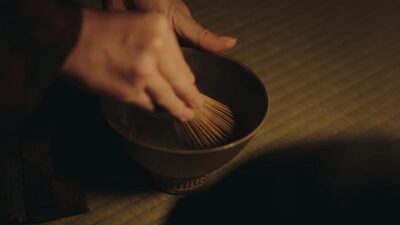
Tea Ceremony Meditation – Make Matcha with Tea Master
Read our review →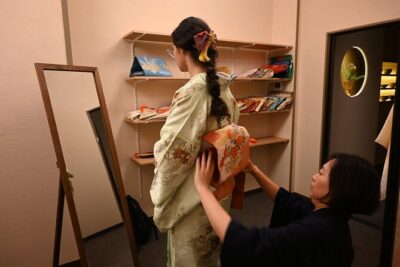
Tea Ceremony, Calligraphy, and Kimono Experience
Read our review →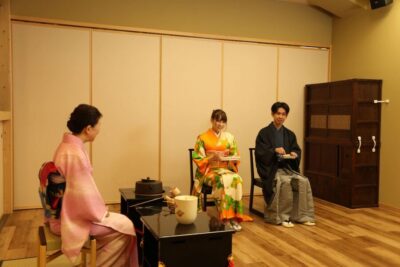
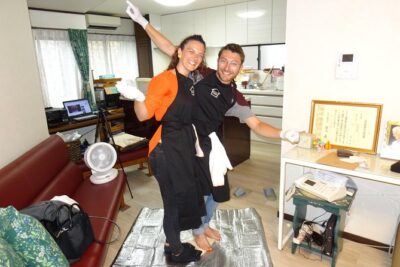
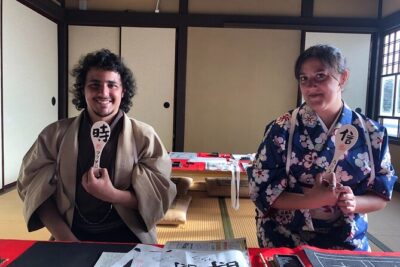
An Amazing set of Cultural experience: Kimono, Tea Ceremony and Calligraphy
Read our review →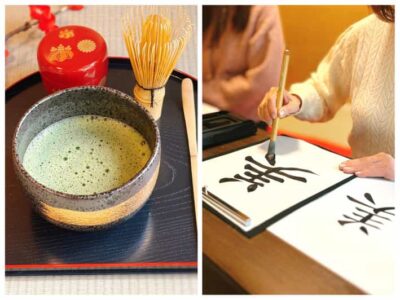
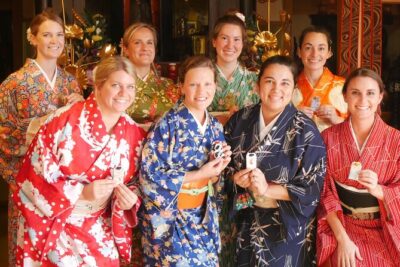
Cultural Activities :Kimono, tea ceremony, Calligraphy and Amulet
Read our review →
Samurai dress-up and shows, plus Tea Ceremony & Calligraphy
Read our review →Browse the lists this tour appears in