
Review · KANAZAWA
Full-Day Tour from Kanazawa: Samurai, Matcha, Gardens and Geisha
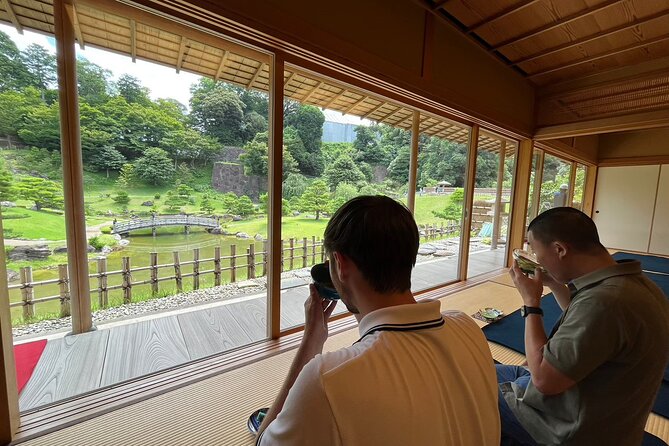
Kanazawa rewards people on foot. This route links samurai homes, castle grounds, gardens, and geisha quarters into one well-planned day, with local history explaining what you are seeing rather than leaving you to guess. I especially like the small maximum of 15 people and the pause for matcha and wagashi at Gyokusen-an, where the garden view gives the day a calm center.
The main catch is simple: this is a serious walking tour. You may cover roughly 10 to 12 kilometers, and the full schedule can feel long in hot weather or rain. I also like that lunch is flexible, but you pay for it yourself and need to use the one-hour break wisely.
Key points to know before you book
- About 10 to 12 kilometers on foot: This is a walking tour from Kanazawa Station, not a sightseeing ride with occasional short walks.
- Nine major stops in one day: You visit samurai homes, Oyama Shrine, Kanazawa Castle, Kenrokuen Garden, two tea districts, and a preserved geisha house.
- A small group of up to 15 people: Guides can answer questions and adjust the pace more easily than on a large bus tour.
- Matcha and wagashi at Gyokusen-an: The tea stop includes entry, sweets, and garden views.
- A strong first-day introduction: The route connects Kanazawa’s major sights while adding history and cultural context.
- Lunch is not included: The guide can recommend restaurants during the one-hour break, but your meal costs extra.
Why this Kanazawa route works so well
Kanazawa is compact enough to explore on foot, but its best sights are spread across different parts of the city. A first-time visitor can easily spend too much time navigating between them or miss the quieter streets linking the main attractions.
This tour solves that problem with a northbound-to-eastside route that feels logical. You begin near Kanazawa Station, move through the former samurai quarter, cross into the castle and garden area, then finish among the old tea districts. The route gives you a broad picture of the city instead of focusing on only one famous sight.
I particularly like the way the schedule mixes major landmarks with smaller stops. Kenrokuen Garden is the headline attraction, but the Ashigaru Museum and the preserved Shima Chaya offer the close-up details that make Kanazawa feel like more than a checklist of famous places.
The small-group format also matters. With no more than 15 participants, the guide can explain details while the group is standing inside a former home or walking down a narrow lane. Guides named in feedback include Mike, Akari, Garrett, Daniel, Lee, Mohammed, and Fadir. The praise is especially strong for guides who combine Japanese history with humor, practical help, and a flexible pace.
More Kimono and Tea Ceremonies in Japan:
- Kimono Tea Ceremony at Kyoto Maikoya, NISHIKI
★ 5.0 · 911 reviews - Kimono Tea Ceremony at Tokyo, Asakusa Maikoya
★ 5.0 · 638 reviews - Kyoto: Kimono Tea Ceremony at Orizuruya Gion
★ 4.9 · 618 reviews
Ashigaru Museum: starting with the city’s working samurai
The first stop is the Ashigaru Museum, where you enter two homes once occupied by ashigaru families. Ashigaru were low-ranking samurai, so this is not a look at grand feudal luxury. That is exactly why it is useful.
The homes show a more ordinary side of samurai life. You get a sense of how status shaped housing and daily routines, rather than seeing only the polished image of elite warriors. The stop lasts about an hour and admission is included at no extra cost.
For me, this is a smart place to begin because it gives the rest of the day a social framework. As you later walk through the Nagamachi district and admire castle buildings, you already have some idea of how different layers of Japanese society fit together.
Nagamachi: samurai streets with a quieter feel
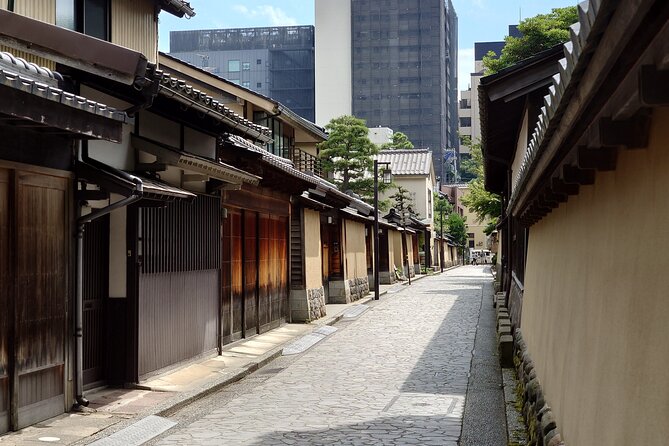
From the museum, the route continues into Nagamachi, the former samurai district. The streets retain a handsome old appearance, and the experience comes from walking rather than simply stopping for a photograph.
The guide helps you notice how the district’s walls, lanes, and homes relate to the samurai families who once lived there. The area is atmospheric without needing theatrical presentation. You are walking through a real urban neighborhood shaped by the past, not an isolated replica village.
Allow yourself time to look around as you go. This is one part of the day where the guide’s explanations add real value, since the district can otherwise appear to be a pleasant collection of old walls and traditional buildings.
The drawback is that much of the appeal comes from the streets themselves, so bad weather can make this section less comfortable. The tour requires good weather, and poor conditions can lead to a different date or a full refund.
Oyama Shrine: an unusual gateway on the way to the castle
The next stop is Oyama Shrine, visited for about 40 minutes. Its entrance gate is unusual for Japan because it uses brick, giving it a look that differs from the more familiar wooden or stone shrine entrances.
This is a short but worthwhile stop between Nagamachi and Kanazawa Castle. It breaks up the longer walk and gives the guide a chance to explain how the city’s religious and political spaces connect.
Oyama Shrine is not the main reason to book the tour, but it is the kind of detail that can disappear from an independent itinerary. The unusual gate adds visual variety, and the stop helps the day feel like a guided city walk rather than a straight march between headline attractions.
More Matcha Experiences in Japan:
- World Heritage Kyoto & Nara Uji Authentic Matcha Experience
★ 5.0 · 1,573 reviews - Kyoto: Arashiyama Bamboo Forest, Monkeys, Matcha & Temple Tour
★ 5.0 · 759 reviews - Matcha Making Class in Tokyo with Authentic Japanese Sweets Set
★ 5.0 · 744 reviews - Kyoto: Tea Museum Tickets and Matcha Grinding Experience
★ 4.9 · 739 reviews
Gyokusen-an: the day’s most restful hour
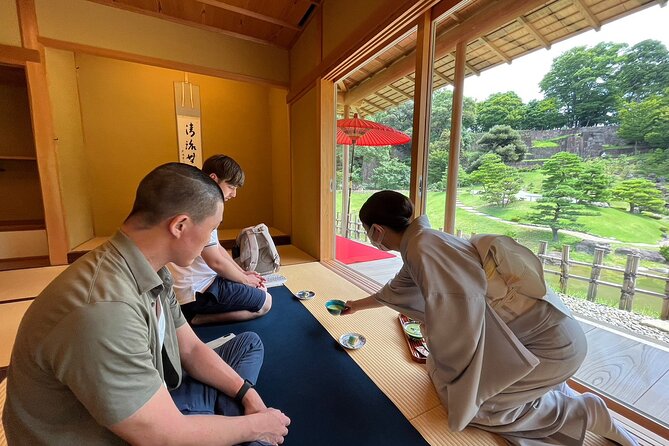
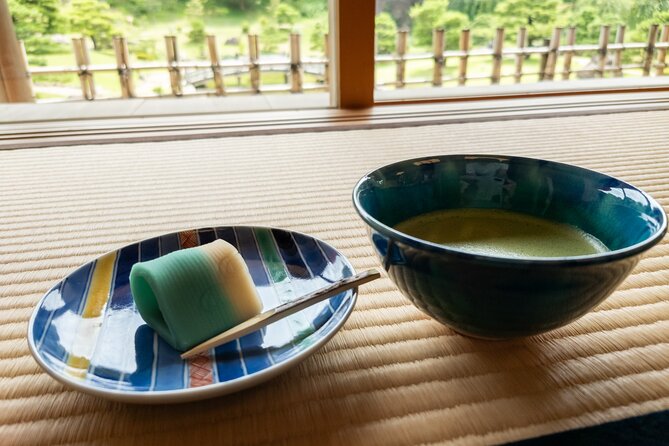
Inside the castle grounds, you stop at Gyokusen-an for a matcha experience. This includes matcha tea and wagashi sweets, along with views across a centuries-old garden.
This is one of the strongest parts of the tour. After several hours of walking and standing, sitting down in a traditional tea house changes the rhythm of the day. The tea is not just a snack. It gives you a quiet setting in which to appreciate Japanese design, seasonal sweets, and the careful relationship between building and garden.
The garden view also makes this stop feel special without requiring a long formal ceremony. You get a taste of tea-house culture in a practical travel format, with enough time to enjoy the setting.
Matcha can be bitter if you are not used to it, but the wagashi provides a sweet balance. If you want one memorable cultural pause rather than a series of rushed photo stops, this is likely to be your favorite hour.
Kanazawa Castle: scale before the garden
The route passes through Kanazawa Castle for about 20 minutes. The restored buildings are spread across broad lawns, and the scale becomes clear as you walk through the grounds.
This is a short visit, so do not expect an extensive castle tour or a long indoor exploration. Instead, think of it as a passage through an important historic setting on the way to Kenrokuen Garden.
The castle grounds help connect the city’s political past with its visual identity. After seeing modest ashigaru homes and the narrower lanes of Nagamachi, you encounter the larger spaces associated with ruling families and military power.
Because the stop is brief, people especially interested in castle architecture may want additional time here on another day. For a one-day overview, though, the stop provides useful scale without taking time away from the garden and tea districts.
Kenrokuen Garden: the visual centerpiece
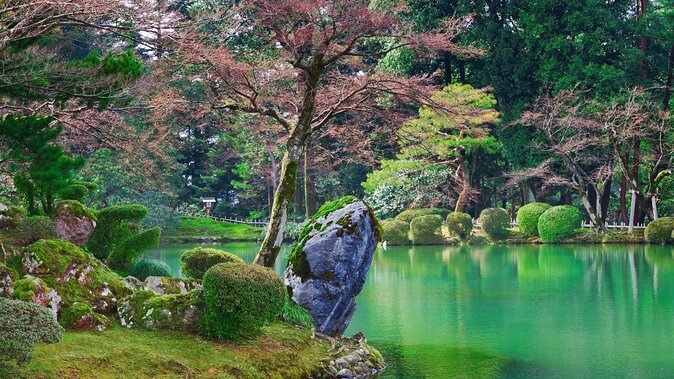
Kenrokuen Garden receives about 90 minutes, making it the longest sightseeing stop of the day. It is easy to see why. The garden brings together ponds, trees, teahouses, carefully shaped views, and traditional Japanese design principles.
You will have time to walk rather than simply cross the grounds. The garden also offers views over the city, so the experience changes as you move from one section to another. Seasonal conditions matter here. One account describes early cherry blossoms, but the garden will look different depending on the date and weather.
The guide can explain how the elements work together, which is useful because Japanese gardens often reward slow observation. Look at the balance between open water, planted areas, paths, and small structures. You do not need to know every design term to appreciate the planning.
Ninety minutes is generous enough for a proper visit, though the walking day may already be catching up with you. Benches and pauses help, but this is not a passive stop. Wear shoes you can comfortably use all day and carry water, particularly during warm weather.
Lunch: flexible, practical, and at your expense
The schedule includes a one-hour lunch break, but lunch is not part of the price. You can choose your own restaurant, with recommendations from the guide.
I see this as a sensible arrangement. A fixed group meal can eat up time and may not suit everyone’s budget or appetite. Local suggestions from the guide can also be more useful than being sent to a preselected restaurant.
Still, plan for the break. You will have a full afternoon ahead, and a slow meal can make the final walking sections feel harder. The active sightseeing time is roughly eight hours once lunch is counted, even though the overall day is advertised at about nine hours.
Higashi Chaya: tea houses, craft shops, and geisha culture
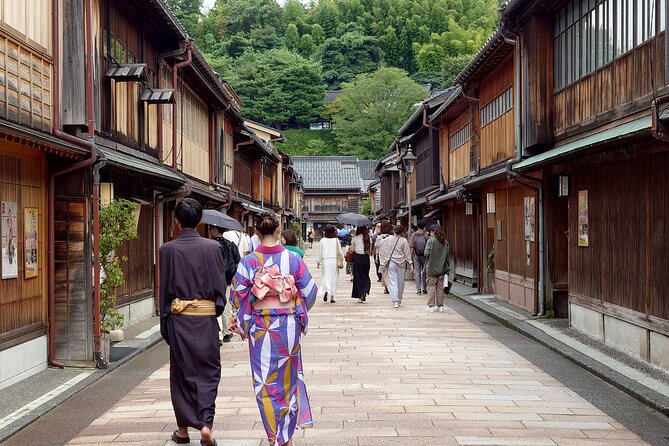
The afternoon continues in the Higashi Chaya District, one of Kanazawa’s best-known traditional areas. The streets are lined with old tea houses, eateries, and craft shops, and you receive about an hour of free time here.
This is a good place to separate sightseeing from shopping. You can browse crafts, pause for a drink, or simply examine the traditional facades. The district has a polished appearance, but the guided context helps explain its connection to geisha entertainment and wealthy patrons.
Free time is welcome after the more structured stops. You are not rushed from one explanation to the next, and you can choose how much time to spend browsing. Keep an eye on the schedule, though, since the group still has another important indoor stop.
Ochaya Shima: inside a preserved geisha house
The visit to Ochaya Shima lasts around 30 minutes and takes you inside a former tea house associated with geisha and wealthy customers. The colorful walls and musical instruments reveal the refined setting in which entertainment once took place.
This stop adds depth to Higashi Chaya. From the street, you see attractive facades and traditional architecture. Inside Shima, you get a clearer sense of the rooms, objects, and atmosphere connected with the tea-house tradition.
Thirty minutes is enough for a focused visit, but not for a long museum session. That suits the pace of the day. You gain a specific look at geisha culture without spending the entire afternoon indoors.
Kazuemachi Chayagai: a quieter final walk
The final section passes through Kazuemachi Chayagai on the way back toward the station. It is less crowded than Higashi Chaya and remains associated with traditional tea-house entertainment.
This quieter district is a fine way to end the route. After the better-known streets of Higashi Chaya, Kazuemachi gives you a more subdued view of Kanazawa’s old entertainment quarters. You might find the atmosphere more relaxed, though the tour does not promise geisha sightings.
The final 30 minutes also remind you that Kanazawa’s appeal is not limited to its formal attractions. Much of the pleasure comes from linking districts by foot and noticing how the city changes from one street to the next.
Is $151.30 good value?
At $151.30 per person, this is not a cheap walking tour. The value depends on how much help you want during a first full day in Kanazawa.
The price includes an English-speaking guide, Kenrokuen admission, entry to Shima Chaya, and matcha with wagashi at Gyokusen-an. You are also paying for route planning across a large number of sites, historical explanation, and the convenience of not having to manage local navigation between districts.
For a small group capped at 15, the price is easier to justify than it would be for a large outing. The strongest value comes from the combination of several paid or culturally important stops and a guide who can tie them together.
It is less appealing if you prefer slow independent visits, want to spend hours inside Kanazawa Castle, or dislike fixed schedules. You will also need to budget for lunch and any purchases or extra food during the day.
Walking, weather, and who should book
You should be comfortable walking about 10 to 12 kilometers over the course of the day. Several people have praised the pacing, and guides such as Garrett and Lee are described as adjusting the speed to suit the group. That flexibility helps, but it does not turn the tour into an easy stroll.
Senior participants have completed the route, while others found the hot weather tiring. If you have limited stamina, ask yourself if you can walk for most of a day with standing and occasional rests. A public transport option is not part of the stated plan, so you should not book this expecting to ride between stops.
The tour suits first-time visitors who want a broad introduction to Kanazawa, history fans, garden lovers, and anyone who values clear explanations. It is also a good choice if you have only one full day in the city and want the main cultural areas connected efficiently.
The experience is less suitable for anyone seeking a relaxed food tour, a vehicle-based city tour, or a deep, slow visit to every site. Rain and heat can change the comfort level, so check the forecast and wear practical shoes.
Free cancellation is available up to 24 hours before the start time. If poor weather cancels the experience, you are offered another date or a full refund.
FAQ
Where does the tour start and finish?
It starts at Kanazawa Station at 9:00 am and ends back at the meeting point.
How long does the tour last?
The overall schedule is approximately nine hours, including a one-hour lunch break. Active sightseeing and walking take roughly eight hours.
Is lunch included?
No. Lunch is not included, and you choose your own restaurant during the one-hour break. The guide can provide recommendations.
How much walking is involved?
The route is entirely on foot and may cover about 10 to 12 kilometers. You should be prepared for a full day of walking.
What is included in the price?
The tour includes an English-speaking guide, matcha and wagashi at a tea house, admission to Kenrokuen Garden, and entry to the preserved Shima Chaya geisha house.
How large is the group?
The maximum group size is 15 participants.
Should you book this Kanazawa tour?
Book it if you want one well-organized day covering Kanazawa’s key cultural districts, and if you value a guide who can explain the connection between samurai society, castle power, gardens, tea houses, and geisha culture.
The matcha stop, Kenrokuen Garden, and the preserved Shima Chaya give the day real variety. The main warning is the distance. If 10 to 12 kilometers sounds manageable, this is a strong first-day choice. If it sounds exhausting, build your own shorter plan and visit fewer areas at a slower pace.
More Full-Day Trips in Japan
- Mt. Fuji & Lake Kawaguchiko Ropeway Panorama Full-Day Tour
★ 4.6 · 236 reviews - Tokyo: Full-Day Tour w/Tea Experience,Buffet Lunch & Cruise
★ 4.9 · 151 reviews - Kanazawa: Samurai, Matcha, Gardens and Geisha Full-Day Tour
★ 4.9 · 75 reviews - Nara Deer Park, Uji Matcha, & Hot Spring Full-Day Tour from Osaka
★ 4.0 · 21 reviews
Just added around Japan
- Yokohama : Tea Ceremony with Sweets and Souvenir★ 5.0 · 5 reviews
- Walking Tour: Yanaka,Nezu& Sendagi: Tea Ceremony & Old Tokyo★ 5.0 · 3 reviews
- Visit local home for music and tea ceremony near Disney★ 4.9 · 13 reviews
- Trip to Kamakura & Enoshima: Shrines, Seaside, Temples &Tea★ 5.0 · 11 reviews
- Yokohama: Sushi & Gyoza Cooking with Matcha & GreenTea Experience★ 5.0 · 3 reviews
- Kyoto tea town for matcha lovers★ 5.0 · 16 reviews
- Uji: Private immersion into Kyoto’s tea and reglious culture★ 5.0 · 17 reviews
- Uji Tea Ceremony and UNESCO Heritage Walking Tour★ 5.0 · 20 reviews
Matcha Experiences, compared.
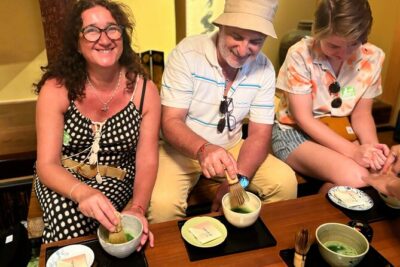
World Heritage Kyoto & Nara Uji Authentic Matcha Experience
Read our review →
Arashiyama Bamboo Forest, Monkeys, Matcha & Temple Tour
Read our review →
Matcha Making Class in Tokyo with Authentic Japanese Sweets Set
Read our review →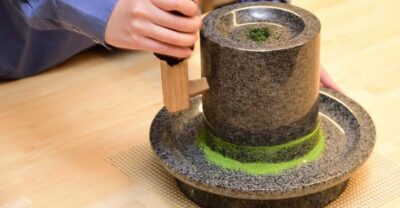
Tea Museum Tickets and Matcha Grinding Experience
Read our review →
Matcha Making Class in Osaka with Authentic Japanese Sweets Set
Read our review →
Tea Ceremony Meditation – Make Matcha with Tea Master
Read our review →
Matcha Making Experience with Mochi Sweets in Asakusa
Read our review →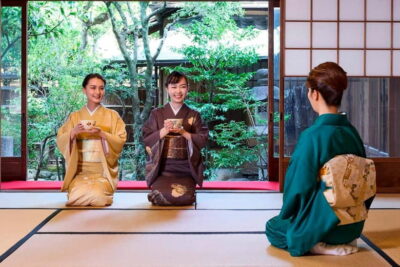
Browse the lists this tour appears in