
Review · TOKYO
Tokyo Vegan Tour : Miso Making, Tea Ceremony, Rickshaw Ride
Small-group food tours can reveal Tokyo’s quieter side. This four-hour outing links hands-on vegan cooking with a matcha ceremony at Kōdōin, a rickshaw ride near Tokyo Tower, and sake tasting in Minato. I especially like the use of Tokyo-grown rice, fresh nori, and rice koji from a 150-year-old fermentation shop.
I also like the private-group format and the gentle pace between stops. English-speaking guide Konomi has been praised for clear explanations and an easy manner, which matters when the day includes several cultural customs. The main consideration is the optional pricing: you choose miso or onigiri, and some extras, including a longer rickshaw ride, cost more.
Key points at a glance
- Miso uses rice koji from a 150-year-old shop, giving the cooking class a direct link to Japanese fermentation craft.
- Onigiri uses Tokyo-grown rice and freshly harvested nori, then you eat the rice balls you make.
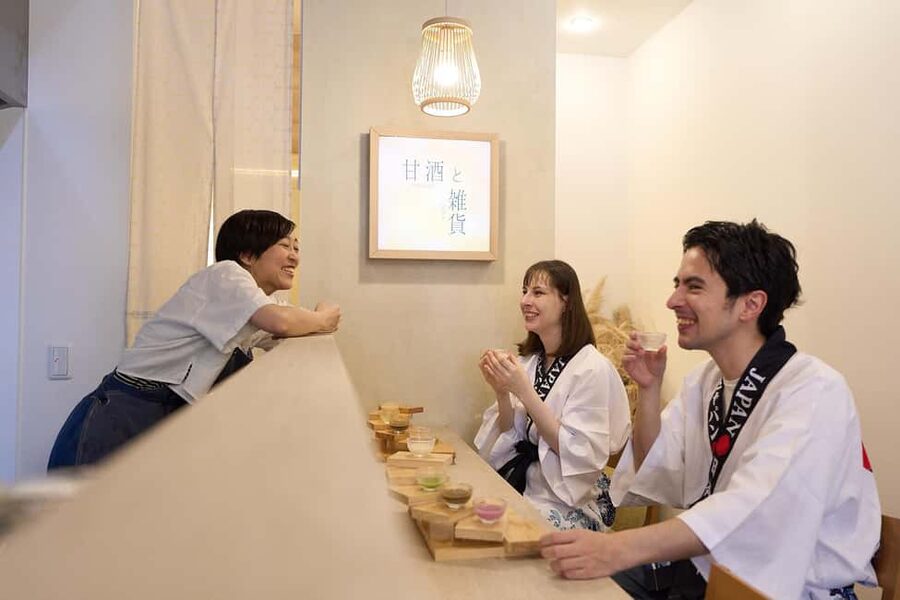
- Five types of amazake are included, offering a useful taste of a traditional Japanese drink.
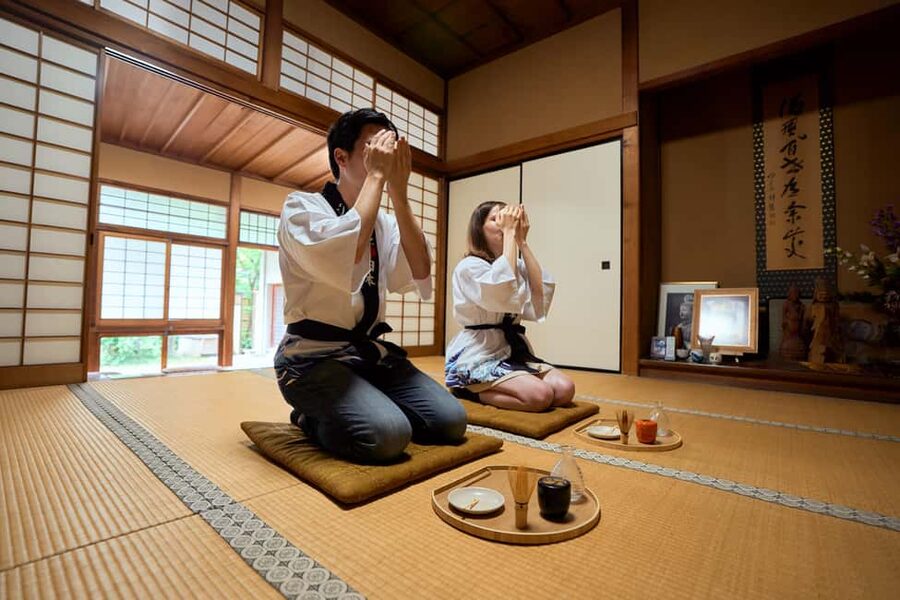
- Kōdōin provides a calm temple setting for a matcha ceremony and an introduction to the Zojoji area.
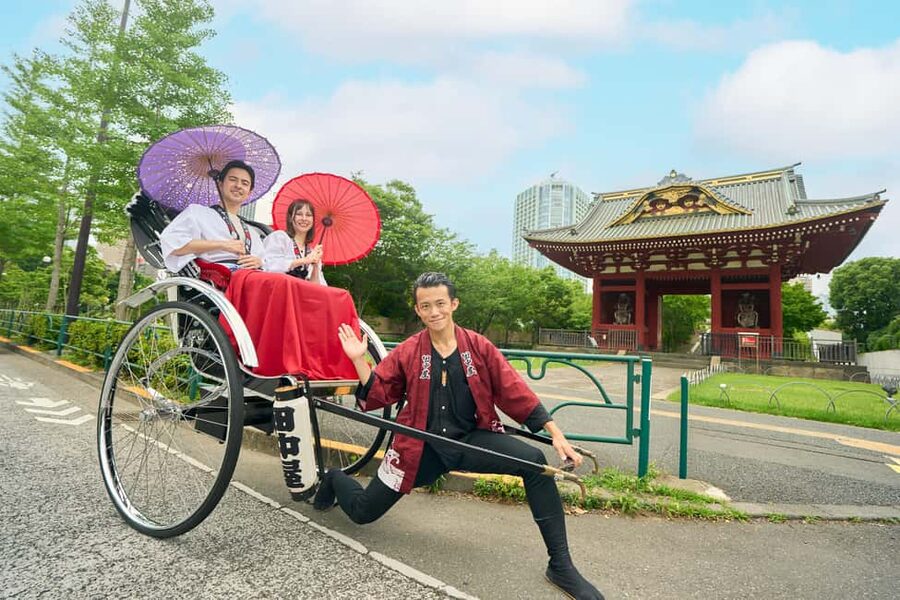
- The 10-minute rickshaw ride passes Tokyo Tower and Zojoji Temple, with longer rides available for an extra fee.
- Minato Shuzo is the only sake brewery within Tokyo’s 23 special wards, making the final tasting unusually local.
What this four-hour Tokyo experience is really about
This is not simply a vegan meal followed by sightseeing. It is a compact cultural afternoon built around food, craft, ritual, and neighborhood views. You begin at Daimon Station, then stay in Minato City for most of the program, walking only about five minutes between the main venues.
That compact setup is useful in Tokyo. You are not losing half the afternoon to trains, transfers, or traffic. The day moves from cooking to temple culture, then from street-level sightseeing to a short ride and a tasting. It feels more like a connected local outing than a checklist of distant attractions.
The tour is priced at $62 per person, though the final cost depends on which options you add. At the base level, you choose either the miso workshop or the onigiri activity. You can also choose both by paying an optional fee. The longer rickshaw ride is not included, and the matcha experience is described as optional, so check the exact combination when booking.
For a private group, an English-speaking guide, a cooking workshop, amazake, temple visit, rickshaw ride, and sake tasting, the price can offer good value. It is less attractive if you want a long cooking class or a full meal. The food portions and tasting format are part of a wider cultural program, not a restaurant substitute.
More Tea Ceremonies in Tokyo
- Kimono Tea Ceremony at Tokyo, Asakusa Maikoya
★ 5.0 · 638 reviews - Tokyo: Traditional Tea Ceremony with a Tea Master
★ 5.0 · 528 reviews - Tea Ceremony Workshop in Tokyo by the Experienced Instrucor
★ 5.0 · 189 reviews
Starting at Daimon Station and settling into Minato
The meeting point is Daimon Station, Exit A6. This is a practical place to begin because the rest of the outing remains in Minato City. Arrive ready to move into a food workshop soon after meeting your guide, rather than expecting a long introductory walk.
The guide is there to explain the sequence and help with language. The experience is conducted in English, with Japanese also available. If Konomi is leading your group, you can expect a friendly and clear style based on the feedback attached to this experience. The guide does not replace the specialists at each stop, but helps connect the different parts of the day.
That distinction matters. The cooking, tea, and sake sections are led by people with specific roles, while your guide keeps the afternoon on track and explains the cultural setting. You get more than one voice without having to manage the transitions yourself.
The tour is private, which is a strong point for couples, families, and friends. You can ask questions without speaking over a large group, and the pace can feel more personal. The tradeoff is that private tours often have less of the spontaneous group energy found on a shared outing.
Choosing between miso and onigiri
The cooking session lasts about 90 minutes, making it the longest single part of the experience. You may choose miso making, onigiri crafting, or both for an added fee. That choice should guide your booking decision.
Miso making
The miso workshop focuses on rice koji sourced from a 150-year-old fermentation shop. Koji is central to many Japanese foods, including miso, soy sauce, and sake. Working with it gives you a better sense of how fermentation fits into everyday Japanese cooking than simply ordering miso soup at a restaurant.
This is a hands-on activity, so you are not just watching a demonstration. You take part in preparing your own miso, with the guide and cooking staff explaining what you are doing. The supplied information does not state how much miso you take home or how long it must ferment, so ask those questions on the day if they matter to you.
Miso making is the better choice for you if you enjoy food technique, Japanese pantry staples, and activities that explain the process behind a familiar flavor. It may be less satisfying if you want something you can cook and eat immediately.
Same place, a different pot:
- Matcha Making Class in Tokyo with Authentic Japanese Sweets Set
★ 5.0 · 744 reviews - Tokyo: Matcha Making Experience with Mochi Sweets in Asakusa
★ 4.9 · 388 reviews - Asakusa Cultural Walk & Matcha Making Tour
★ 5.0 · 245 reviews - Mt. Fuji & Lake Kawaguchiko Ropeway Panorama Full-Day Tour
★ 4.6 · 236 reviews
Onigiri making
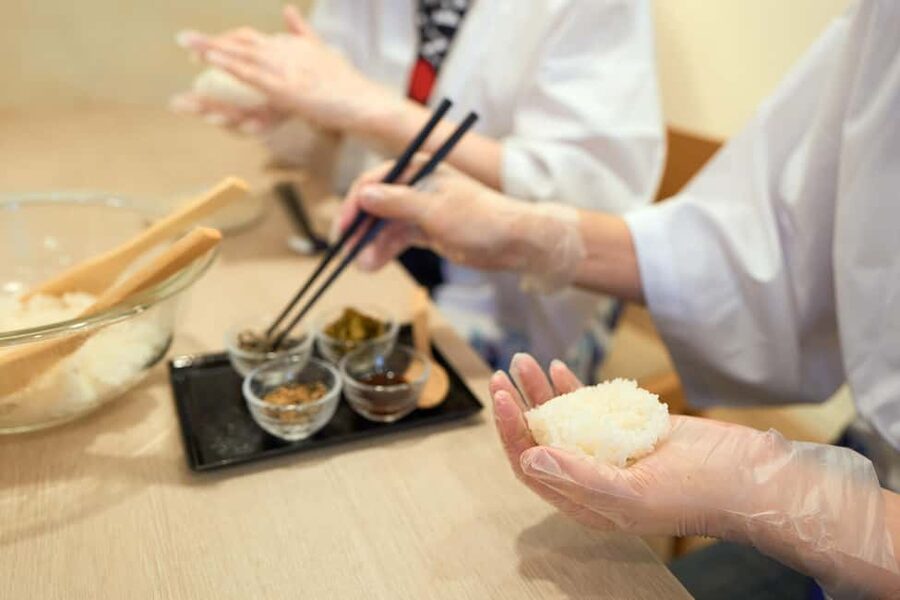
Onigiri offers a more immediate reward. You shape rice balls using Tokyo-grown rice and freshly harvested nori seaweed, then eat your own work during the session.
That simple format is appealing because it connects local ingredients with a food you can recognize. Onigiri is portable, practical Japanese food, but the activity also shows how much care can go into rice, shaping, and wrapping. You do not need advanced cooking skills to take part, and the result is edible right away.
I would choose onigiri if you want the most direct food experience or if you are traveling with someone who prefers making lunch to learning fermentation. Families may also find it easier to enjoy, since the process has a clear beginning and end.
If your budget allows, adding both workshops gives the cooking section more depth. Still, do not assume both are part of the base price. The experience clearly separates the one-choice option from the added activity.
Five amazake tastings after your own food
After the onigiri activity, you taste five different types of amazake. Amazake is a traditional Japanese drink, and the tasting format lets you compare styles rather than treating it as a single fixed flavor.
The supplied information does not identify the exact five varieties, so the guide or tasting staff will provide the useful details on the day. Ask how each one is made and what creates the differences. That question can turn a quick drink tasting into a small lesson in Japanese fermentation.
The timing also makes sense. You have just handled rice and koji, then move into a drink connected to Japanese food traditions. If you select only the miso workshop, confirm exactly how the tasting fits into your chosen program.
This is a tasting, not a full meal. You will eat the onigiri you make, but do not book the experience expecting lunch-sized portions or a broad vegan buffet. If you need a larger meal afterward, plan one separately.
Kōdōin and the quiet side of Zojoji
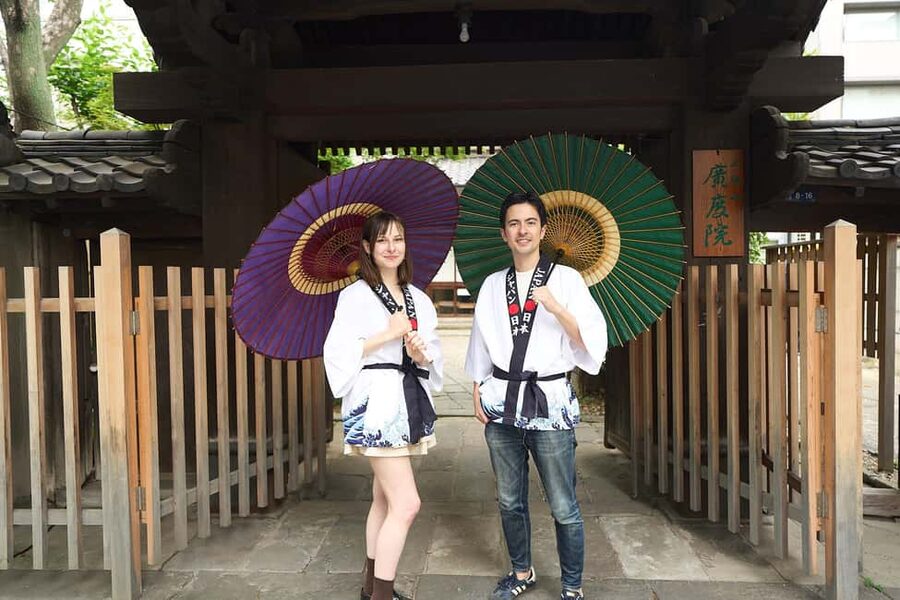
The next stop is Kōdōin, a historic sub-temple of Zojoji. The walk takes about five minutes, so you have a brief change of scene rather than a long transfer.
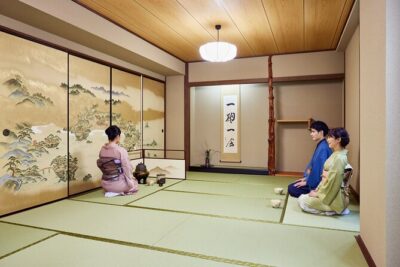
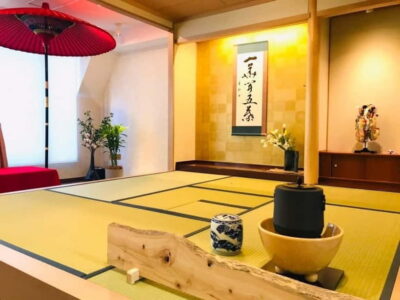
Here, the focus shifts from making food to observing a Japanese cultural practice. The matcha ceremony lasts about 45 minutes and includes an explanation of tea and the Zojoji area. The setting at a temple gives the ceremony a sense of place that a hotel room or generic activity studio cannot match.
The experience is described as authentic but friendly. That balance is important. You can learn about the ritual without feeling that you must already understand every gesture or rule. Your guide helps with context, while the tea ceremony specialist explains the practice itself.
You should expect a calm, attentive section of the day. It is a contrast to the hands-on cooking and the later rickshaw ride. If you prefer constant movement, this may feel slow. If you want time to notice details and ask questions, it is one of the stronger parts of the program.
The temple visit also gives you a better sense of the Zojoji district. You are not only looking at a famous building from the outside. You are learning how the site connects to tea, religious practice, and the surrounding city.
Tokyo Tower and Zojoji by rickshaw
After another short walk, you have about 30 minutes of sightseeing around Minato City, followed by a 10-minute pedicab ride. The rickshaw passes around Tokyo Tower and Zojoji Temple, giving you a different view of an area you might otherwise cross quickly on foot.
A rickshaw is slower than a taxi and more open to the street. That makes the ride good for looking around, taking photos, and hearing local commentary. It is also a novelty, and there is no need to pretend otherwise. Being pulled through Tokyo while seated comfortably has a certain old-fashioned charm.
The standard ride lasts 10 minutes. Rides longer than that are not included, so check the extra charge before agreeing to extend it. Ten minutes is enough for a taste, but it is not a full neighborhood tour. Think of it as a pleasant transition and a memorable viewpoint rather than the main sightseeing event.
One practical point comes from the experience itself: the rickshaw puller does the physical work. A guest described feeling comfortable and almost regal during the ride, even while noticing how demanding the job looked. Be respectful, listen to the instructions, and keep the ride within the included time unless you have specifically arranged more.
Tokyo Tower and Zojoji work well together because the modern tower and temple grounds create a sharp visual contrast. The ride helps you take in both without turning the afternoon into a long walking route.
A final sake tasting at Minato Shuzo
The last stop is Minato Shuzo, described as the only sake brewery within Tokyo’s 23 special wards. That makes the tasting more than a generic alcohol stop. You are trying sake in the same broad city area where you spent the afternoon, at a brewery with a rare urban position.
The tasting lasts about 15 minutes. It is short, so expect a sample and explanation rather than a long brewery tour. Ask about the sake style, ingredients, and how the drink differs from amazake. Those questions tie the final stop back to the day’s earlier focus on rice and fermentation.
Sake is not vegan by definition in every possible production context, but this experience states that all ingredients used in the tour are 100 percent plant-based and vegan-friendly. If you have strict dietary or alcohol concerns, confirm the tasting details directly with the provider before booking.
For many people, the sake stop will be the finishing touch. For others, it may be less appealing than the food or temple sections. The good news is that it is brief, so it does not take over the program.
Vegan details and who will enjoy this best
The tour is designed around plant-based ingredients. That includes the cooking activities and food tastings, and the experience states that all ingredients are 100 percent vegan-friendly.
I would recommend it most strongly to:
- Vegans who want Japanese food beyond vegetable sushi
- Couples looking for a private cultural afternoon
- First-time visitors who want several Tokyo traditions in one area
- Food-minded visitors interested in koji, rice, miso, and sake
- Families or friends who prefer guided activities to museum hopping
- Visitors who value English explanations and a small, personal format
It may not suit you if you want a large, filling meal, a full-day tour, or a long rickshaw route. It also requires some flexibility because the exact price changes if you add both cooking activities or extend the ride.
The program has several transitions, but they are short. That helps the day feel manageable. You are not spending hours on public transport, and the 1.5-hour cooking class gives the outing enough substance before the shorter cultural stops begin.
Practical booking advice for the $62 price
At $62 per person, the base price is reasonable for a four-hour private experience, particularly if you value personal guidance. You receive a cooking activity, amazake tasting, matcha, temple exploration, a 10-minute rickshaw ride, and sake tasting, although you should confirm which optional items are included in your selected package.
Before paying, check these points:
- Are you choosing miso, onigiri, or both?
- Is the matcha ceremony included in your selected option?
- Is the listed $62 price the final amount for your group?
- How much does a rickshaw ride longer than 10 minutes cost?
- Will you eat a full onigiri portion or receive a smaller tasting amount?
- Can the guide explain the five amazake varieties and the sake samples in English?
Free cancellation is available up to 24 hours before the start time, and you can reserve now and pay later. Starting times vary, so check availability when planning around temple visits or dinner.
Should you book this Tokyo vegan tour?
Book it if you want one well-connected afternoon that combines Japanese food craft with a temple, matcha, Tokyo Tower views, and local sake. The strongest features are the private format, the high-quality fermentation ingredients, the English guidance, and the fact that you make and eat part of your own food.
I would choose onigiri for the most immediate, approachable activity, miso for a deeper look at fermentation, and both if food is the main reason you are booking. Treat the rickshaw as a charming short ride, not a major sightseeing tour, and confirm all optional fees before you commit.
This is a good-value choice for a curious vegan visitor who wants context with the meal. It is not the right pick if your top priority is a long cooking class, a generous dinner, or extensive temple sightseeing. For the right audience, it packs a surprising amount of Tokyo culture into four hours without making you race across the city.
FAQ
Where does the Tokyo Vegan Tour begin?
The tour begins at Daimon Station, Exit A6.
How long does the experience last?
The experience lasts four hours. Starting times vary, so you need to check availability for the date you want.
Is all of the food vegan?
Yes. The experience states that all ingredients used are 100 percent plant-based and vegan-friendly.
Can I choose both miso and onigiri making?
Yes. You may choose either miso or onigiri, or select both by paying the optional additional fee.
How long is the included rickshaw ride?
The included rickshaw ride lasts 10 minutes. A ride longer than 10 minutes is not included.
What languages are available?
The tour is conducted in English, and Japanese is also listed as an available language.
More Food Tours in Tokyo
- Experience all of Japanese culture and Japanese food experience classes “origami, udon, Japanese food, green tea, calligraphy” in 4 hours
★ 5.0 · 105 reviews - Kimono and Tea Ceremony in Asakusa Private Food Tour With Guide
★ 5.0 · 4 reviews - Jakarta: Volcano, Tea/Rice Fields, Hot Spring, Local Food
★ 4.9 · 515 reviews - SF’s Chinatown: Tea & Dim Sum Food Tour – Includes full meal, 3hr
★ 5.0 · 153 reviews
More Vegan & Vegetarian in Tokyo
- Hue Retreat: Tea and Meditation with Vegetarian Meal
★ 5.0 · 9 reviews - Hue Retreat: Tea and Meditation Tour with Vegetarian Meal
★ 5.0 · 4 reviews
Just added around Tokyo
- Yokohama : Tea Ceremony with Sweets and Souvenir★ 5.0 · 5 reviews
- Walking Tour: Yanaka,Nezu& Sendagi: Tea Ceremony & Old Tokyo★ 5.0 · 3 reviews
- Private Kimono and tea ceremony at local home near Tokyo Disney★ 5.0 · 6 reviews
- Private Mochi・Matcha sweets Making Class Near Shibuya Area★ 5.0 · 22 reviews
- Tokyo Sweets Tour: Hidden Gems & Matcha at an Old Tea House★ 5.0 · 6 reviews
- Kimono and Tea Ceremony in Asakusa Private Food Tour With Guide★ 5.0 · 4 reviews
- 2 Hours Mochi &Nerikiri Making & Matcha Class in Bunkyo★ 5.0 · 21 reviews
- Tokyo Tea Ceremony Class at a Traditional Tea Room★ 5.0 · 2 reviews
Tea Ceremonies in Tokyo, compared.
Tea Ceremony Workshop in Tokyo by the Experienced Instrucor
Read our review →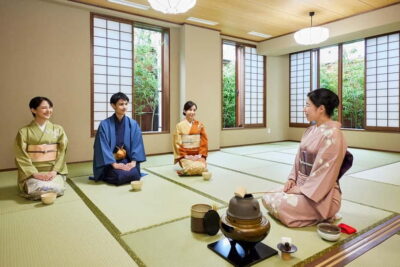
Asakusa: Kimono Tea Ceremony with Matcha and Sweet
Read our review →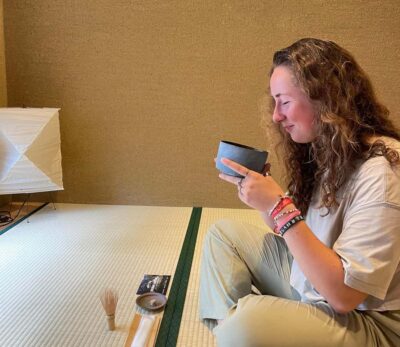
Tea Ceremony Experience in a Private Tea Room in Shibuya
Read our review →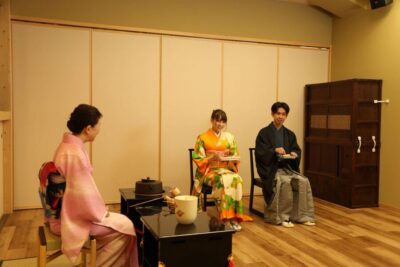
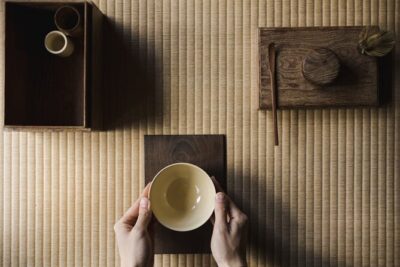
Tea ceremony experience in Japanese-style room 60min
Read our review →Browse the lists this tour appears in