
Review · KYOTO
Kyoto: Shakyo & Matcha in Historic Temple Garden
Slow down in Kyoto’s quietest moments. This two-and-a-half-hour visit to Sennyu-ji combines shakyo, the careful copying of Buddhist sutras, with matcha and seasonal wagashi in a historic temple setting. I like the peaceful pace and the chance to take part in a real religious tradition rather than simply look at one. I also like the small group size, limited to 10 people, which should make the guide’s explanations easier to follow.
The main consideration is that shakyo requires quiet sitting for about 60 to 90 minutes, and the temple is not suited to people with mobility impairments, wheelchair users, children under 10, or anyone carrying large bags. At $35 per person, the price is fair for temple admission, materials, a guided visit, tea, sweets, and a focused cultural activity, but this is not a quick sightseeing stop.
Key points at a glance
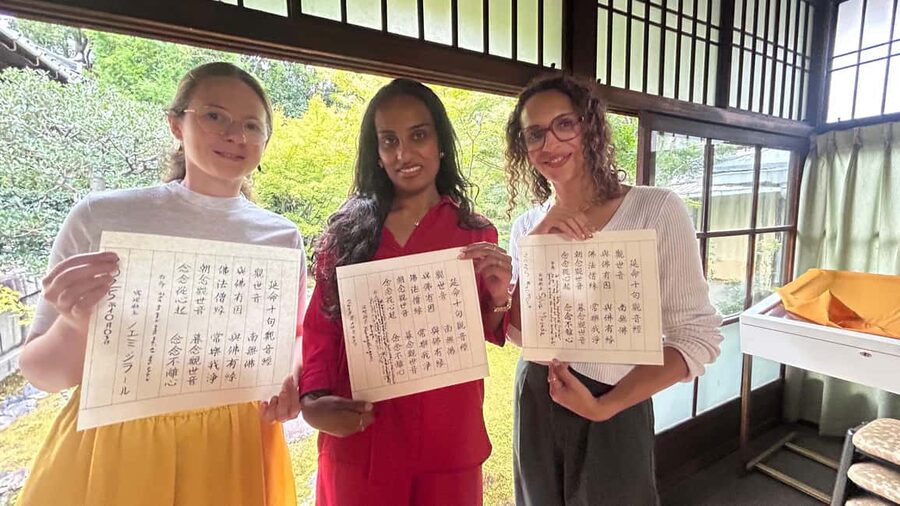
- Copy a Buddhist sutra by hand: Brushes, paper, and ink are provided, so you need no prior experience.
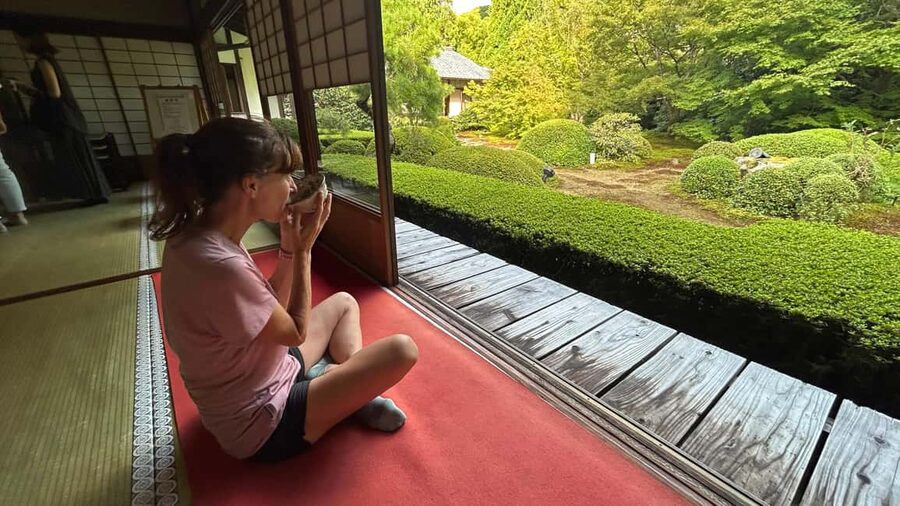
- Enjoy matcha in a temple garden: Freshly prepared green tea comes with seasonal wagashi.
- Walk from Tofukuji Station: Allow 15 minutes each way between the station and Sennyu-ji.
- Expect a calm, English-language visit: The group is capped at 10 people, with time for questions.
- Plan for quiet sitting: The shakyo portion usually lasts 60 to 90 minutes and rewards patience.
- Keep your day flexible: You can cancel up to 24 hours ahead for a full refund and reserve without paying immediately.
Why shakyo changes the pace of a Kyoto day
Kyoto can fill a day quickly. Temples, markets, buses, train platforms, and busy shopping streets all compete for your attention. Shakyo gives you a reason to stop moving.
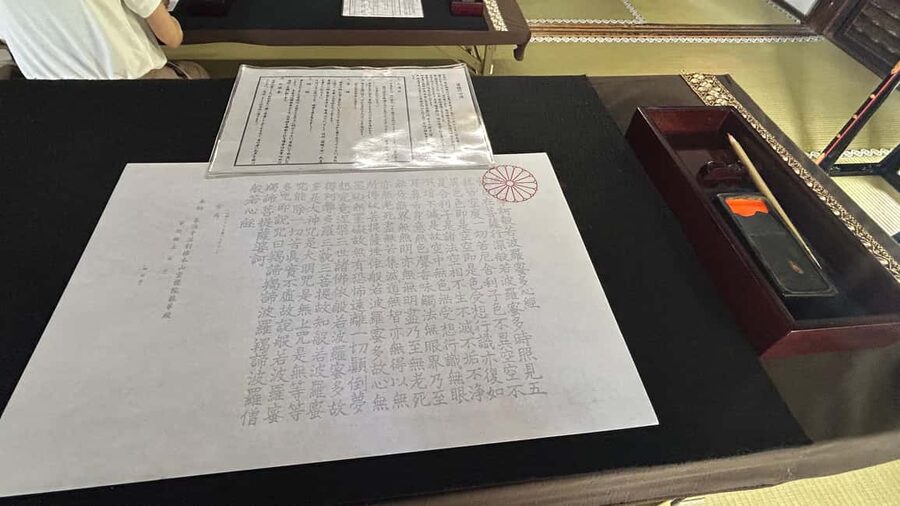
The practice involves copying Buddhist sutra text by hand with a brush. You do not need calligraphy skills or knowledge of Japanese. The materials are supplied, and the value comes from the steady act of writing, not from producing a perfect finished piece.
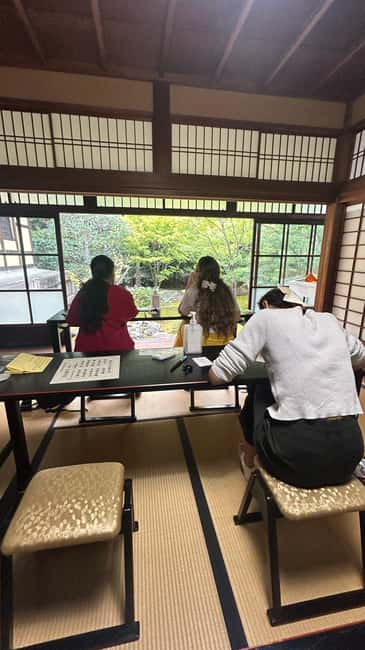
The setting helps. You sit in a quiet room with the scent of incense and the natural sounds of birds nearby. That detail matters because shakyo is not presented as a rushed craft workshop. It is a period of concentration, and the atmosphere supports that purpose.
You should expect the writing to take about an hour, and it may run closer to 90 minutes depending on your pace. If you tend to hurry through activities, this may feel long. If your Kyoto schedule has been packed with major sights, the stillness can be exactly what you need.
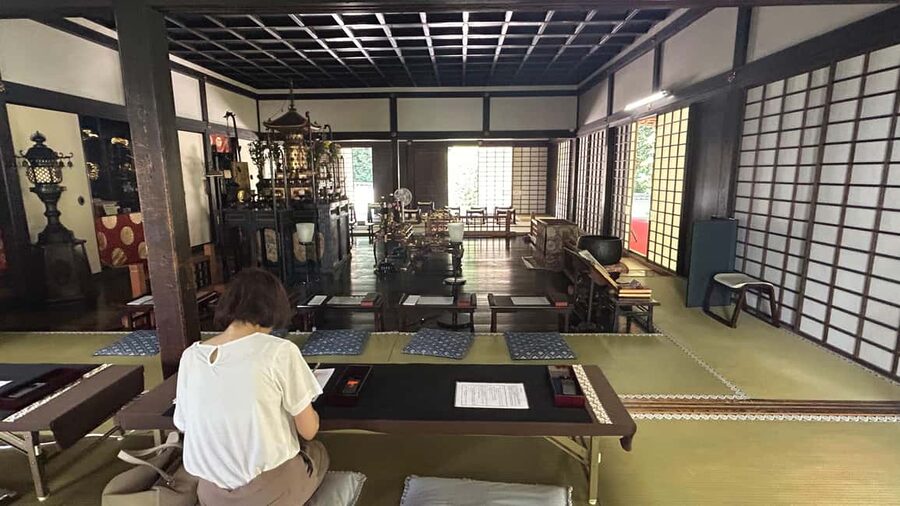
Comfortable clothing is a practical choice. You will be sitting quietly for an extended period, so restrictive clothes or anything that makes floor sitting difficult could distract from the experience. The supplied information does not specify the exact seating arrangement, so prepare for a traditional temple setting rather than assuming a standard Western chair.
More Matcha Experiences in Kyoto
- Kyoto: Arashiyama Bamboo Forest, Monkeys, Matcha & Temple Tour
★ 5.0 · 759 reviews - Kyoto: Tea Ceremony Meditation – Make Matcha with Tea Master
★ 4.8 · 406 reviews - Kyoto: Kimono Tea Ceremony with Matcha and Sweet
★ 4.9 · 249 reviews
Walking from Tofukuji Station to Sennyu-ji
The meeting point is at the East Gate of Keihan’s Tofukuji Station. Look for a guide with a yellow fluorescent band on their bag. That small visual marker should help in a busy station area, especially if you arrive close to the start time.
From the station, you walk for about 15 minutes to Sennyu-ji. The walk is part of the outing, but it also means you should allow enough time to find the correct gate and meet the guide without rushing. Wear comfortable shoes, particularly if you are combining this experience with other Kyoto sights.
The return walk also takes about 15 minutes, bringing you back to Tofukuji Station. That makes the activity easy to fit into a larger day without arranging a separate taxi or worrying about where the tour ends.
You will want to keep your belongings light. Large bags, luggage, baby strollers, and baby carriages are not allowed. Pets are also excluded, and electric wheelchairs cannot be accommodated. These rules are practical in a historic temple, where narrow spaces and quiet rooms leave little room for extra equipment.
Entering Sennyu-ji, an Important Cultural Property
Sennyu-ji is the setting for the main part of the experience. It is designated as an Important Cultural Property, so the visit carries more weight than a casual garden stop. You are entering a place connected to Buddhist practice and Japanese heritage, not simply a decorated backdrop for photographs.
The guided portion introduces the temple’s place in Kyoto’s past and explains aspects of Buddhist culture. The information provided does not promise a long lecture, and that is probably a good fit here. The activity is built around doing something, then taking time to look and listen.
The guide also leads the group through the temple and points out scenic views along the way. Photography may be limited in certain interior areas. Treat that restriction as part of the visit rather than an inconvenience. A sacred room loses some of its quiet power when everyone is busy checking screens.
The separate entrance for the activity may help reduce waiting, though you should not read this as a promise of private access to every part of the temple. The useful advantage is a more direct start to your scheduled visit.
The 60 to 90 minute sutra-copying session
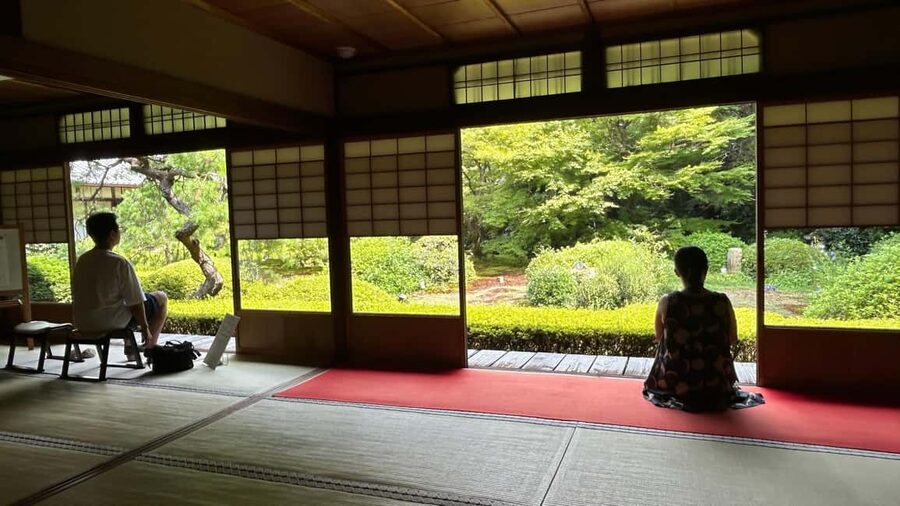
The shakyo session is the heart of the experience. Once you have settled into the room, the pace becomes simple: prepare the brush, follow the text, and keep your attention on each line.
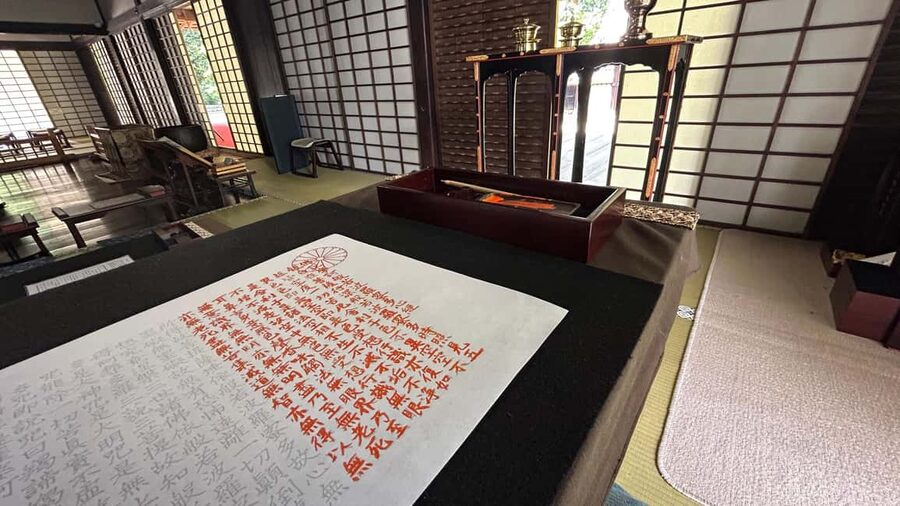
The supplied brushes, paper, and ink remove a common worry for first-time participants. You do not have to bring special stationery or understand the tools in advance. The guide can explain the process in English, while the act itself remains largely quiet and personal.
Do not judge the experience by the visual quality of your writing. Shakyo is less about creating a polished piece of calligraphy than about giving your mind one small task. The repeated movement can feel calming, though some people may find the long period of concentration demanding.
This is also why children under 10 are not accepted. The rules fit the nature of the activity: it calls for patience, quiet, and the ability to sit still. Older children may still need to enjoy reflective activities before you book, since age alone does not guarantee that they will like the format.
If you have mobility limitations, consider the access restrictions carefully before reserving. The experience is not suitable for people with mobility impairments or wheelchair users. The information supplied does not detail every surface, stair, or seating arrangement, so you should not assume the temple environment will be easy to navigate.
Same place, a different pot:
- Kyoto: Tea Ceremony in a Traditional Tea House in Kiyomizu
★ 4.9 · 3,519 reviews - Kyoto: Tea Ceremony Ju-An at Jotokuji Temple
★ 4.9 · 3,207 reviews - Kyoto: 45-Minute Tea Ceremony Lesson Experience
★ 4.3 · 2,378 reviews - Kyoto: Table-Style Tea Ceremony at a Kyo-Machiya
★ 4.9 · 1,211 reviews
Matcha and seasonal wagashi in the garden
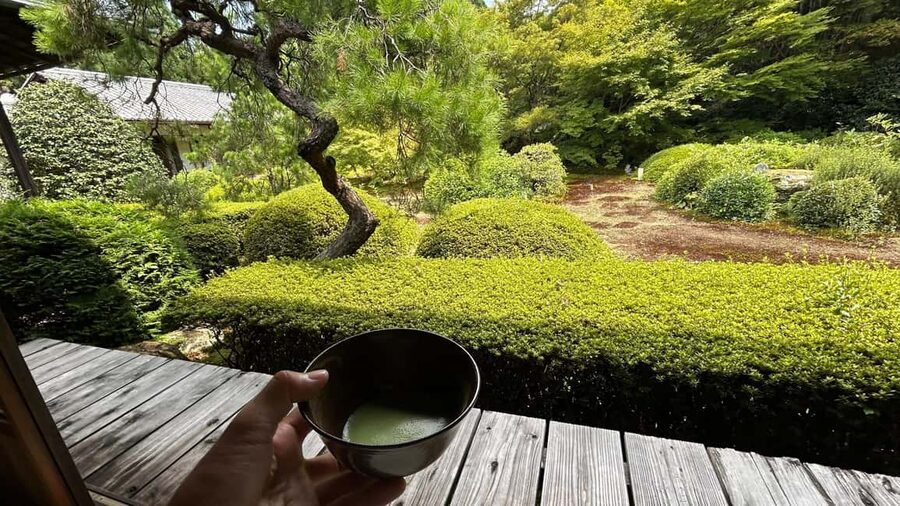
After the writing session, the mood shifts from concentration to quiet appreciation. You receive freshly prepared matcha green tea and seasonal wagashi, the small Japanese sweets traditionally served with tea.
The sweets vary by season, so the exact flavors and appearance are not fixed. That changing selection is part of the appeal. Wagashi are usually designed to look as considered as they taste, and seasonal ingredients or shapes can connect the snack to the time of year.
Matcha has a distinctive flavor that may be grassy, bitter, or pleasantly savory compared with ordinary sweetened green tea. The wagashi provides a gentle contrast. You are not getting a full meal, so do not arrive expecting lunch. Think of this as a carefully timed refreshment after the writing session.
The tea is served while you look toward a beautifully designed Japanese garden. This is one of the strongest parts of the visit because it gives you time to absorb the setting without having to keep walking. The garden is intended to suggest harmony and serenity, and the combination of tea, sweets, and garden views creates a natural ending to the activity.
What the guide adds to the visit
The English-speaking guide does more than lead you from the station to the temple. The experience includes explanations of Kyoto’s past, Buddhist culture, and the temple’s place in Japan’s heritage.
That context is useful because temple architecture and ritual can otherwise be easy to admire without understanding. A short explanation can show why the activity matters and help you read the space with more attention.
The strongest praise for the guide centers on a calm manner, professional organization, and helpful cultural explanations. One particularly useful touch described in the feedback was assistance with planning the rest of the day after the activity. That kind of practical help can be valuable in Kyoto, where nearby sights and transport choices can quickly become confusing.
The group limit of 10 is another advantage. You still have a shared experience, but it should feel less crowded than a large walking tour. A small group also gives you a better chance to ask about the temple, the writing practice, or the tea.
Is $35 a fair price?
At $35 per person, this is a reasonable purchase if you want an activity rather than another temple admission. The fee covers the shakyo session, all writing materials, matcha, seasonal wagashi, admission, and an English-language guided visit.
You are paying for time and attention as much as for objects. The tea and sweets alone would not justify the price, but they are a pleasant part of a larger experience that includes access to a historic temple and a structured cultural practice.
The value is strongest for someone who wants a calm counterpoint to Kyoto’s major sights. If you only want a quick look at Sennyu-ji, the two-and-a-half-hour duration may feel excessive. If you want to understand a little more about Buddhist tradition and leave with a memory tied to an activity, the cost makes better sense.
The reserve-now, pay-later option also helps if your schedule is still changing. You can cancel up to 24 hours before the start time for a full refund, which gives you some protection when planning a busy Kyoto itinerary.
Timing, comfort, and practical limits
The full experience lasts 150 minutes. The approximate structure is 15 minutes walking to Sennyu-ji, about two hours at the temple, then 15 minutes back to Tofukuji Station.
That timing is easy to understand, but you should still leave breathing room around it. The shakyo session can vary from 60 to 90 minutes, and temple visits work better when you are not watching the clock every few minutes.
Bring only what you need. Large bags and luggage are not permitted, and photography can be restricted indoors. Wear comfortable clothes suitable for sitting quietly, and remember that the setting is sacred. Soft voices and respectful behavior are not just formal rules here; they help preserve the experience for everyone in the room.
This is an English-language activity. If you are hoping for a multilingual session, the supplied details do not list other languages. The small group is limited to 10 participants, but the activity may still require quiet personal concentration rather than constant conversation.
Who will enjoy this temple experience most?
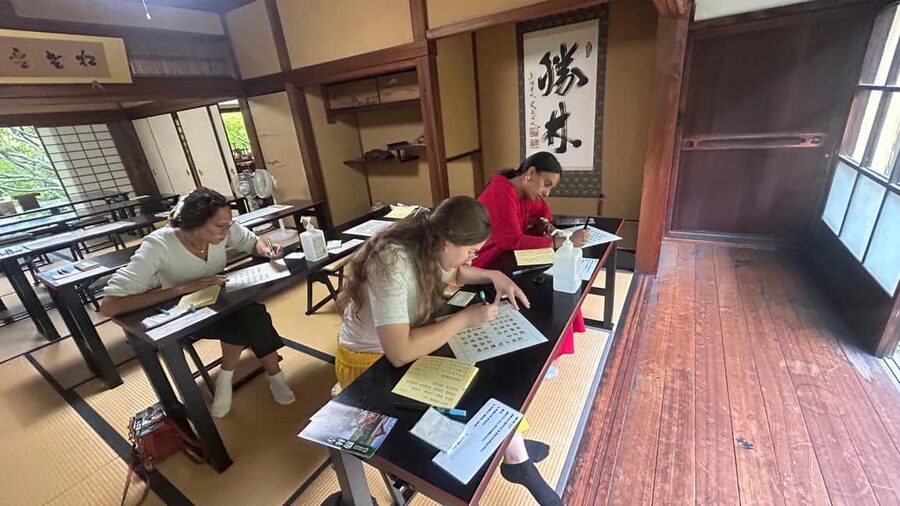
I would recommend it to you if you enjoy cultural activities that ask for your participation. It suits solo visitors, couples, and friends who want a slower morning or afternoon in Kyoto.
It is also a good fit if your itinerary has become a parade of photographs and entrance tickets. The writing session forces a change of rhythm, while the garden and tea provide a gentle reward afterward.
You may want to skip it if you dislike sitting still, have limited mobility, need to bring luggage, or want a lively food tour. It is not designed for young children, wheelchair users, or people looking for a fast visit.
The feedback is especially positive about the relaxing mood, the garden, the matcha and sweets, and the guide’s cultural explanations. Those are the reasons to book, not the promise of checking off another famous sight.
Should you book Kyoto shakyo and matcha?
Book this experience if you want to slow down and take part in a Japanese Buddhist tradition in a historic temple. The combination of sutra copying, garden views, matcha, and seasonal wagashi gives you a more personal connection to Kyoto than a standard photo stop.
Skip it if your schedule cannot spare 150 minutes or if quiet sitting will feel like a chore. For the right person, $35 buys a thoughtful cultural pause, a small-group guide, and a peaceful memory. In a city that can easily leave you rushing from one sight to the next, that pause may be the best part.
FAQ
Where does the experience begin?
Meet at the East Gate of Keihan’s Tofukuji Station. Look for the guide with a yellow fluorescent band on their bag.
How long does the activity last?
The experience lasts 150 minutes, including the walks to and from Sennyu-ji.
How long does shakyo take?
The sutra-copying session usually takes about 60 to 90 minutes, depending on your writing speed.
Are the writing materials provided?
Yes. Brushes, paper, and ink are provided for the shakyo session.
What is served after the writing session?
You receive freshly prepared matcha green tea and seasonal wagashi, or Japanese sweets. The exact sweets may change with the season.
Is the activity suitable for children and wheelchair users?
Children under 10 are not accepted. The experience is also not suitable for people with mobility impairments or wheelchair users.
Can I cancel or pay later?
You can cancel up to 24 hours in advance for a full refund. The reserve-now, pay-later option allows you to book without paying immediately.
More History Tours in Kyoto
- Cycling Tour at Uji’s Matcha Green Tea Fields and Heritage
★ 5.0 · 10 reviews - World Heritage Kyoto & Nara Uji Authentic Matcha Experience
★ 5.0 · 1,573 reviews - Beijing Culture: Tea Ceremony, Heritage Instrument & Calligraphy
★ 5.0 · 57 reviews - Uji: UNESCO Heritage & Tea Ceremony Walking Tour
★ 4.6 · 54 reviews
Just added around Kyoto
- Uji Walking Tour – Byodo-in temple and Tea Ceremony from Kyoto★ 3.5 · 3 reviews
- Tea ceremony at Kyoto’s Zen Temple Teahouse★ 5.0 · 2 reviews
- Kyoto: Authentic Tea Ceremony in a Small Group★ 5.0 · 7 reviews
- Tea Ceremony in 150 Years Old Townhouse with Tables and Chairs★ 5.0 · 22 reviews
- Tea Ceremony Experience in Traditional Kyoto Townhouse★ 5.0 · 19 reviews
- Traditional Tea Ceremony in Kyoto★ 4.5 · 3 reviews
- Silent Beauty of Kyoto Zen Walk and Tea Experience★ 5.0 · 2 reviews
- Kyoto Private Tea Ceremony at a Japanese Inns★ 5.0 · 12 reviews
Matcha Experiences in Kyoto, compared.
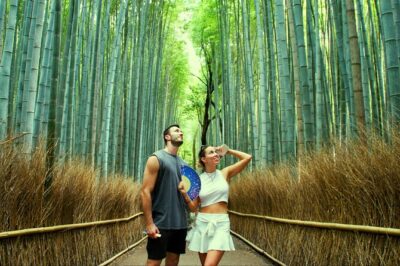
Arashiyama Bamboo Forest, Monkeys, Matcha & Temple Tour
Read our review →
Tea Ceremony Meditation – Make Matcha with Tea Master
Read our review →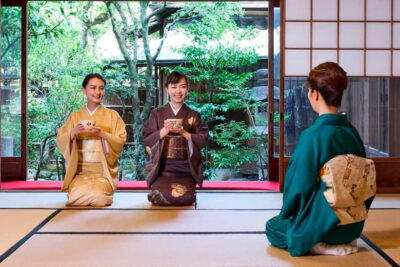
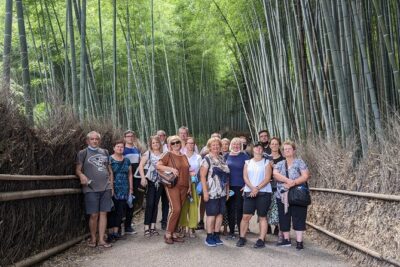
Arashiyama Bamboo, Temple, Matcha, Monkeys & secret spots
Read our review →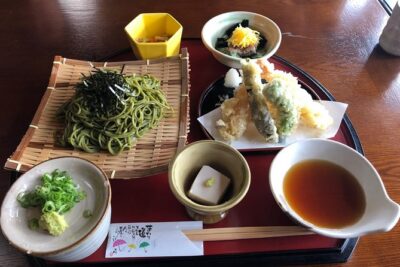
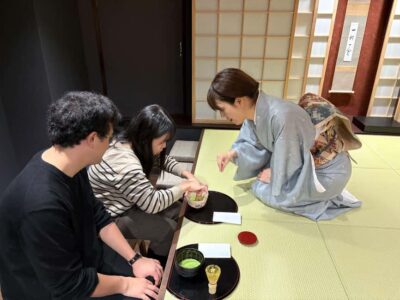
Traditional Tea Ceremony with Matcha & Sweets in Gion
Read our review →
Matcha Grinding Experience and Walking Tour in Uji Kyoto
Read our review →
Browse the lists this tour appears in