
Review · KYOTO
Kyoto: A Walking Tour of Four Spring Waters, Tofu Lunch & Matcha
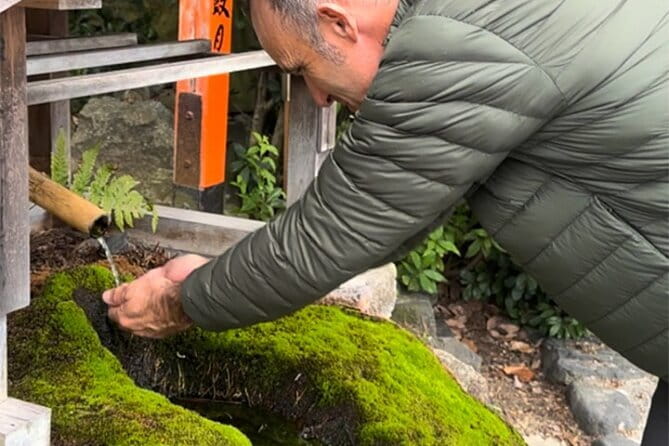
Kyoto’s water has a story. This small-group outing links a tofu and Kyoto obanzai lunch with three shrine springs, local beliefs, and a traditional confectionery stop. I like the mix of food, walking, and quiet cultural detail, especially the chance to taste water at each source rather than simply photograph another shrine.
I also like the maximum group size of six, which should make it easier to hear the guide and ask questions. The main consideration is pace: the tour runs about four hours and 40 minutes, begins at 11 a.m., and may finish late because of traffic or other delays. The spring sites can also be busy, so this is not a completely calm escape from Kyoto’s crowds.
Key things to know before booking
- Three shrine springs, plus a water-based sweet stop: The route visits Yasaka Shrine, Nishiki Tenmangu, and Hiyoke Tenmangu, then ends with sweets and matcha made using spring water.
- A tofu and obanzai lunch comes first: You get a filling Kyoto-style meal built around tofu and seasonal small dishes.
- A compact group keeps the walk personal: The tour accepts no more than six participants.
- Yasaka Shrine brings the strongest spiritual theme: Its water is linked to Gion Shinsui, or Power Water, and a local legend about a dragon beneath the shrine.
- Kameya Yoshinaga dates to 1803: This long-established confectionery provides the final tea break.
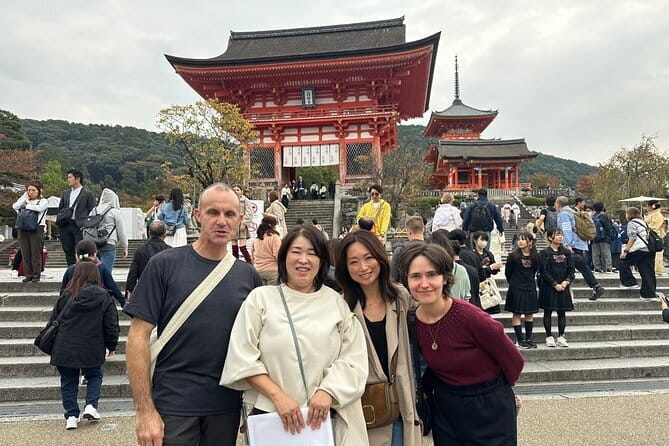
- Kiyomizu-dera is not included: Do not book this experience expecting the famous temple or its main water hall.
Why Kyoto’s spring-water route is different
Kyoto sightseeing often follows the major temples and famous streets. This experience takes another path. Water becomes the thread connecting food, religious belief, local custom, and Japanese sweets.
You are not simply stopping at wells to take a sip. Each source has a separate association. Yasaka Shrine connects water with spiritual strength and beauty. Nishiki Tenmangu links it with Tenjin, the deity of learning. Hiyoke Tenmangu is tied to protection from fire. Those stories give the walk a clear purpose.
The word power spot can sound a little grand if you prefer strictly historical sightseeing. Still, it helps explain how many Japanese shrine visits work. People come not only to see architecture but also to pray, make offerings, draw fortunes, and take part in customs that remain part of daily life.
The experience is especially appealing if you have already seen Kyoto’s headline sights and want something more focused. It is less suitable if you want a fast list of major monuments. The schedule gives each shrine only about 10 to 20 minutes, so the value comes from the guide’s explanation and the linked theme, not from long independent visits.
More Matcha Experiences in Kyoto
- Kyoto: Arashiyama Bamboo Forest, Monkeys, Matcha & Temple Tour
★ 5.0 · 759 reviews - Kyoto: Tea Ceremony Meditation – Make Matcha with Tea Master
★ 4.8 · 406 reviews - Kyoto: Kimono Tea Ceremony with Matcha and Sweet
★ 4.9 · 249 reviews
A tofu lunch with Kyoto obanzai
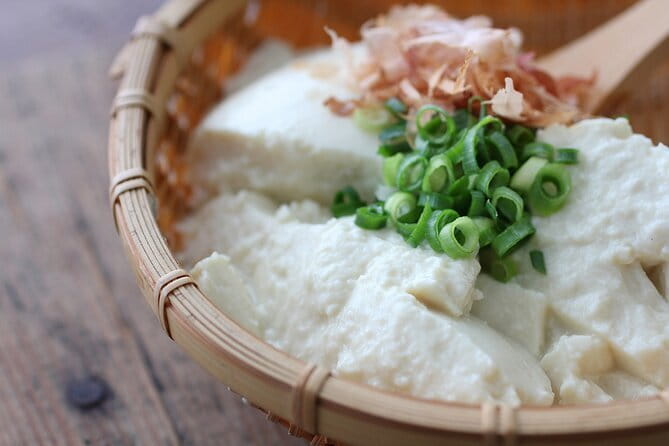
The tour begins with lunch in Kyoto, lasting about one hour and 20 minutes. The meal features tofu and Kyoto obanzai, a style of home cooking built around several small dishes and seasonal ingredients.
Tofu is a natural fit for this tour. It is made from soy milk, has a long place in Kyoto’s food culture, and can be served in several delicate forms. The supplied information also refers to yuba, the thin skin that forms on heated soy milk. If you have never tried yuba, this meal gives you a chance to encounter one of Kyoto’s most distinctive soy-based foods.
I would approach the lunch with the right expectation. This is a nourishing cultural meal, not a large feast designed to satisfy someone looking for meat or bold seasoning. One piece of feedback specifically found the yuba preparation less expressive than hoped, so diners who are new to tofu should know that its subtle flavor may take some attention.
The restaurant can change by season and other conditions. That means you should not book this for a particular restaurant interior or exact menu. Book it for the type of meal: a Kyoto-style tofu lunch that sets up the food theme before the afternoon sweets.
Lunch is included in the $130 price, along with the tea, admission, activity fees, and transportation used during the tour. That matters because a meal and several paid cultural stops can add up quickly in Kyoto. The value is strongest if you appreciate guided context and want the day arranged for you. If you prefer choosing your own inexpensive lunch and walking between free shrines, the price will feel less attractive.
Yasaka Shrine and Gion Shinsui
After lunch, the walking route begins at Yasaka Shrine. This is the most developed spiritual section of the tour, with a legend that reaches beneath the shrine itself.
Kyoto is traditionally linked with four guardian creatures, each assigned to a direction. Yasaka, on the eastern side of the old city, is associated with the Azure Dragon in the supplied tour story. Beneath the shrine’s main hall, a mystical pond is said to be the dragon’s lair.
The spring water connected with this place is called Gion Shinsui, or Power Water. The custom described here pairs drinking the sacred water with applying a few drops of Biyomizu, known as beauty water, from a shrine dedicated to beauty. This gives the stop a simple ritual sequence rather than a quick look at a fountain.
You can expect about 20 minutes at Yasaka Shrine, with admission included. That is enough for an introduction to the legend and time to take part in the water custom if conditions permit. It is not enough for a long, unhurried exploration of every part of the shrine grounds.
One important practical point: this area can be crowded. The route passes through places used by both local worshippers and sightseers, and a queue may form at the water source. The experience is still worthwhile, but you should not picture a silent spring in the countryside. Its appeal comes from joining a living Kyoto tradition in the middle of the city.
Nishiki Tenmangu and water for learning
The next spring is at Nishiki Tenmangu Shrine, with about 10 minutes scheduled here. This source is said to be blessed by Tenjin, the deity of learning.
That association gives this stop a different mood. The water is linked with protection from misfortune, wisdom, and success in academic pursuits. If you are visiting with a student, preparing for an exam, or simply enjoy the way Japanese shrines assign meaning to specific hopes, the explanation adds a personal angle.
The short stop also tells you what kind of tour this is. You will receive a concentrated introduction rather than a long period to wander alone. The guide helps connect the water to the shrine’s religious role, then the group moves on.
The route through this part of Kyoto also brings you into an area where old and modern city life mix. You may pass busy commercial stretches and arcades, with small shrines appearing amid ordinary urban activity. That contrast is one of the pleasant surprises of the walk. Kyoto’s traditions are not kept behind museum glass. They sit beside shops, streets, and everyday errands.
A participant specifically enjoyed drawing a fortune at one of the smaller shrine stops. If that activity is available during your visit, it can be a fun addition, though it is not listed as a guaranteed inclusion. Bring a little patience for queues and crowded walkways.
Same place, a different pot:
- Kyoto: Tea Ceremony in a Traditional Tea House in Kiyomizu
★ 4.9 · 3,519 reviews - Kyoto: Tea Ceremony Ju-An at Jotokuji Temple
★ 4.9 · 3,207 reviews - Kyoto: 45-Minute Tea Ceremony Lesson Experience
★ 4.3 · 2,378 reviews - Kyoto: Table-Style Tea Ceremony at a Kyo-Machiya
★ 4.9 · 1,211 reviews
Hiyoke Tenmangu and the fire-protection story
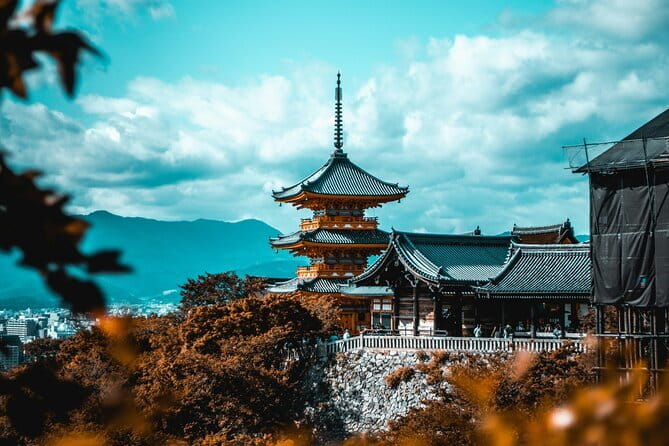
Hiyoke Tenmangu is the third shrine water source. The planned visit lasts about 10 minutes, so the stop is brief but carries a memorable story.
This shrine is revered as a fire-preventing deity. Its reputation is tied to the Hamaguri-gomon Incident in the late Edo period, when this area is said to have escaped a major fire. Later stories of divine protection helped strengthen the shrine’s connection with fire prevention.
I like this part of the route because it shows how a city’s religious identity can grow from a local event. Kyoto has faced fires and disasters many times, so a shrine associated with protection from flames speaks to a practical fear, not just an abstract belief.
As with the other spring sites, the tour gives you a chance to sample the water and hear the story. The visit will feel rewarding if you enjoy small details that most sightseeing routes skip. It may feel too short if you want time for architecture, photographs, or private prayer.
The three shrine visits also explain a small naming issue. The tour is presented as a walk through four spring waters, but the scheduled shrine stops are Yasaka Shrine, Nishiki Tenmangu, and Hiyoke Tenmangu. The fourth water connection comes at the confectionery, where the sweets and matcha use spring water. Keep that distinction in mind when comparing the experience with a longer spring tour.
Kameya Yoshinaga and the final matcha
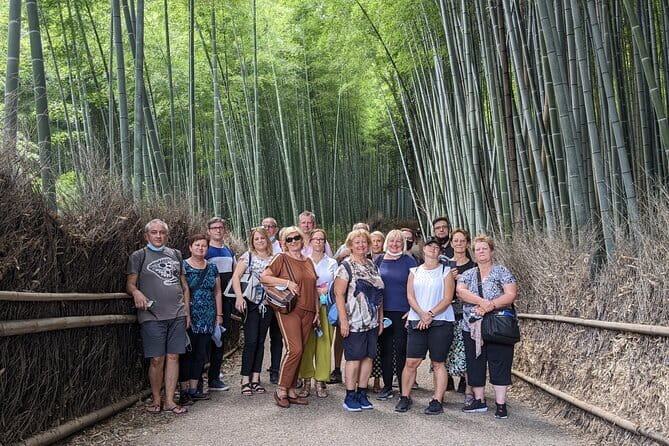
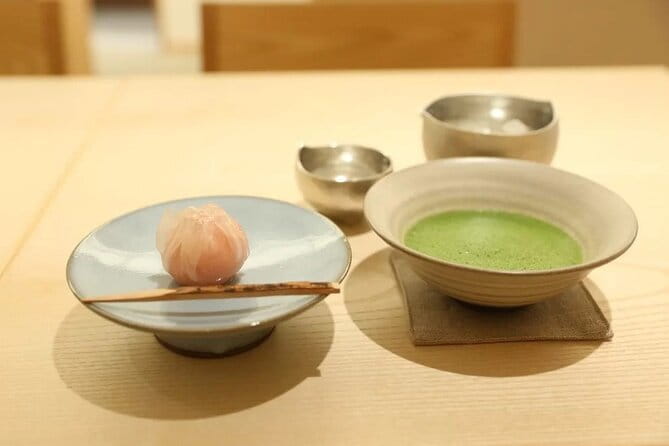
The walk ends at Kameya Yoshinaga, a Kyoto confectionery founded in 1803. Here, the pace changes from shrine visits to a seated break with Japanese sweets and matcha.
The sweets and tea are made using spring water, bringing the main theme back to the table. This is more than a standard café stop because the water you have been learning about now appears in a finished food and drink experience.
The planned visit lasts about 30 minutes. That gives you time to slow down, taste the confectionery, and let the earlier stories settle. For many people, this will be the most immediately enjoyable section of the day. Matcha can be grassy and pleasantly bitter, while the sweets provide a softer counterpoint.
Kameya Yoshinaga is also one of the strongest reasons to choose this tour instead of a basic shrine walk. A long-running confectionery provides a clear sense of Kyoto’s food traditions, and the stop gives the outing a proper ending rather than finishing at a street corner.
The tour ends back at the Kyoto Station meeting point. Since the scheduled start is 11 a.m. and the duration is approximately four hours and 40 minutes, plan for an end around 3:40 p.m. at the earliest. Leave extra time afterward, as traffic and other delays can push the finish later.
What $130 buys you in practical terms
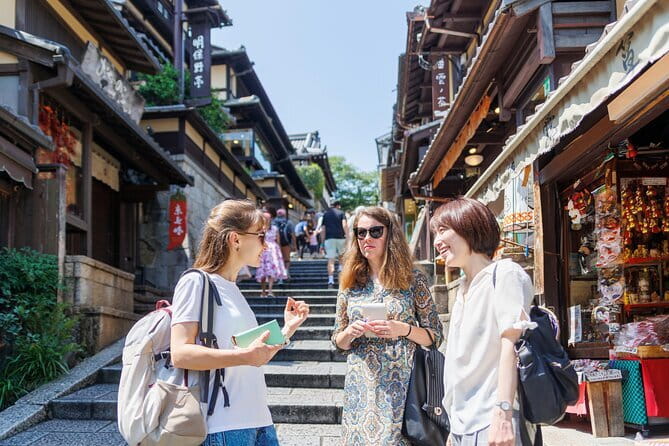
At $130 per person, this is not a budget walking tour. You are paying for more than entry to three shrine sites, most of which are free to enter. The package includes lunch, matcha and sweets, transportation used during the tour, activity fees, and a guide-led route for a very small group.
The group limit matters. With no more than six participants, you should have a better chance of hearing the explanations and keeping the route together in crowded areas. A larger group could make the short shrine visits feel rushed and impersonal.
The price makes the most sense for you if you value a planned food experience and cultural interpretation. It is also useful if you want help finding lesser-known water sources without working out the route yourself.
You may want to skip it if you are comfortable navigating Kyoto alone, do not care for tofu or matcha, or prefer spending a full morning at one major temple. The tour does not include Kiyomizu-dera, and it is not a substitute for a full temple tour.
The experience needs at least two participants to operate. If that minimum is not reached, cancellation can occur four days before departure, with a full refund offered in that situation. Your own cancellation is different: the booking is non-refundable and cannot be changed for any reason, so choose your date carefully.
Who will enjoy this Kyoto walk most
I would recommend this outing to you if you enjoy food with a story, small religious sites, and gentle cultural rituals. It suits first-time visitors who want a guided introduction to Kyoto customs, as well as repeat visitors looking for a different angle on the city.
It also works well for people who prefer a compact group. The walking is spread across several stops, but the tour remains within a half-day format and includes transportation costs.
You should think twice if your main goal is Kiyomizu-dera, long shrine visits, or complete control over meal choices. The route is structured, the restaurant may change, and each spring stop receives limited time.
The strongest praise for this experience centers on the organization, the guide, the temples and springs, and the confectionery finish. The main caution concerns the delicate yuba lunch and the route through busy areas. Those are fair tradeoffs for a tour built around local customs rather than famous viewpoints.
Should you book the four-spring water experience?
Book it if you want a small, food-focused Kyoto outing with a clear theme. The combination of tofu lunch, shrine water traditions, and matcha at a confectionery founded in 1803 gives the tour more character than a standard city walk.
I would not book it solely for the promise of four long spring visits. In practice, you visit three shrine sources and finish with spring-water sweets and tea. I would also leave room in your schedule after the official end time and accept that queues and city crowds are part of the experience.
For the right person, $130 buys convenience, a thoughtful route, several included food moments, and access to stories you might easily miss on your own. If that sounds better than racing between Kyoto’s headline sights, this is a sensible half-day choice.
FAQ
Where does the tour start?
The tour starts at Kyoto Station, at Higashishiokoji Kamadonocho in Shimogyo Ward, Kyoto.
What time does the tour begin?
The scheduled start time is 11:00 a.m.
Where does the tour end?
The activity ends back at the Kyoto Station meeting point.
How long does the experience last?
The estimated duration is four hours and 40 minutes.
Is lunch included?
Yes. Lunch includes tofu and Kyoto obanzai. The restaurant may change depending on the season and other factors.
Which spring-water locations are visited?
The scheduled shrine stops are Yasaka Shrine, Nishiki Tenmangu, and Hiyoke Tenmangu. The final confectionery stop also uses spring water for its sweets and matcha.
Is Kiyomizu-dera included?
No. Kiyomizu-dera Temple is not part of the current itinerary.
What happens if the minimum number of participants is not reached?
The tour requires at least two participants to operate. If it is canceled because that minimum is not reached, you will be offered a different date or experience, or receive a full refund.
More Walking Tours in Kyoto
- Kyoto Tea Ceremony & Kiyomizu-dera Temple Walking Tour
★ 5.0 · 115 reviews - The Way of Tea: Kyoto Crafts, Hidden Temples & Wabi-Sabi Walk
★ 5.0 · 41 reviews - Kyoto Gion Tea ceremony & Wabi-sabi Walking Tour
★ 4.5 · 7 reviews - Kyoto Tea Ceremony & Kiyomizu-dera Temple Walking Tour
★ 4.5 · 4 reviews
More Lunch Experiences in Kyoto
- Kyoto Walking Tour with Kimono Rental Lunch and Tea Ceremony
★ 5.0 · 3 reviews - Active Volcano, Rice Field, Hot Spring, Fruit market, Tea Plantation with Lunch
★ 5.0 · 513 reviews - Bandung: White Crater Hotspring Tea Plans And Lunch Included
★ 4.9 · 419 reviews - São Miguel: Furnas Volcano & Tea Plantation Tour with Lunch
★ 4.9 · 375 reviews
Just added around Kyoto
- Uji Walking Tour – Byodo-in temple and Tea Ceremony from Kyoto★ 3.5 · 3 reviews
- Kyoto: Authentic Tea Ceremony in a Small Group★ 5.0 · 7 reviews
- Tea ceremony at Kyoto’s Zen Temple Teahouse★ 5.0 · 2 reviews
- Tea Ceremony in 150 Years Old Townhouse with Tables and Chairs★ 5.0 · 22 reviews
- Silent Beauty of Kyoto Zen Walk and Tea Experience★ 5.0 · 2 reviews
- Tea Ceremony Experience in Traditional Kyoto Townhouse★ 5.0 · 19 reviews
- Traditional Tea Ceremony in Kyoto★ 4.5 · 3 reviews
- Kyoto Private Tea Ceremony at a Japanese Inns★ 5.0 · 12 reviews
Matcha Experiences in Kyoto, compared.
Arashiyama Bamboo Forest, Monkeys, Matcha & Temple Tour
Read our review →
Tea Ceremony Meditation – Make Matcha with Tea Master
Read our review →
Arashiyama Bamboo, Temple, Matcha, Monkeys & secret spots
Read our review →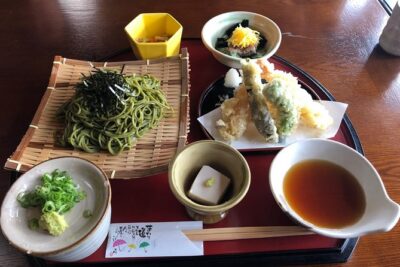
Traditional Tea Ceremony with Matcha & Sweets in Gion
Read our review →
Matcha Grinding Experience and Walking Tour in Uji Kyoto
Read our review →
Browse the lists this tour appears in