
Review · KYOTO
Scenic Green Tea Fields of Hidden Kyoto & Local Tea Exp (Private)
Tea country begins where Kyoto’s city streets fade.
This private outing carries you into Wazuka and Ujitawara, two rural areas tied closely to Japan’s finest green tea. I especially like the private vehicle and flexible pickup, which make remote tea fields practical without the trouble of arranging local buses. I also like the mix of grand Byodoin, small temples, mountain roads, tea cafes, and working farms.
The main consideration is time. Five and a half hours sounds generous, but the route covers several far-flung stops. Driving takes a meaningful share of the day, and entrance fees, along with your own tea or coffee, are extra.
Key reasons to consider this Kyoto tea tour
- Byodoin Phoenix Hall: See the famous temple depicted on Japan’s 10-yen coin and connect tea country with Kyoto’s Buddhist past.
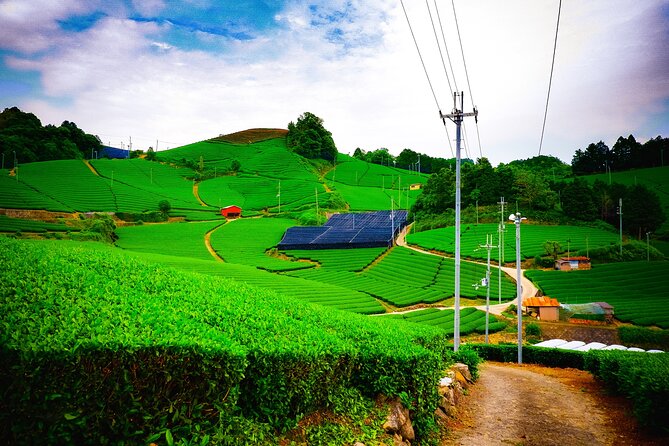
- Wazuka tea fields: Photograph carefully planted rows that climb the hills in striking geometric patterns.
- Local tea tasting: Try farmer-supplied tea and matcha sweets, then shop for premium tea at prices described as roughly half or one-third of city costs.
- Private transportation: Ride in an air-conditioned Nissan van for groups of two to six, or in an open-air Mini Cooper when traveling alone.
- Daiki’s guiding: Expect history, tea culture, and local stories, with a guide praised for patience, energy, and practical help.
- Shoju-in’s heart-shaped window: Finish with a small temple and its well-known heart window in the tea room.
Why this makes a good break from central Kyoto
Central Kyoto gives you temples, lanes, gardens, and crowds. This tour shows a quieter side of the prefecture, where tea farms shape the hills and the road itself becomes part of the experience.
I like that the route is not only a tea tasting with a scenic stop attached. You get a sequence of places that explain how religion, farming, rural life, and tea culture connect. Byodoin provides the grand opening. Wazuka shows tea production. Ujitawara adds more countryside and tea tradition. Shoju-in brings you to a small temple with a very different feel from the major sights.
The private setup matters here. A fixed group tour would have less room for photo stops or a slower visit at a tea cafe. With only your party, you can ask questions directly and avoid spending the day waiting for strangers.
Guide Daiki receives especially strong praise for his enthusiasm and patience. That matters on a route built around context. The tea fields are beautiful on their own, but the day becomes more useful when someone explains the connection between local farming, matcha, Buddhist monks, samurai, and the old rural communities around Kyoto.
There is one practical tradeoff: this is not a walking tour. You will spend plenty of time in the vehicle, and the countryside locations are spread out. If you want a full day on foot in central Kyoto, choose a city tour instead.
More Green Tea Tours in Japan
- Kyoto Matcha Green Tea Tour
★ 4.7 · 28 reviews - Sencha-do the Japanese Tea Ceremony Workshop in Kyoto
★ 5.0 · 21 reviews - Cycling Tour at Uji’s Matcha Green Tea Fields and Heritage
★ 5.0 · 10 reviews
Byodoin Phoenix Hall and the 10-yen coin
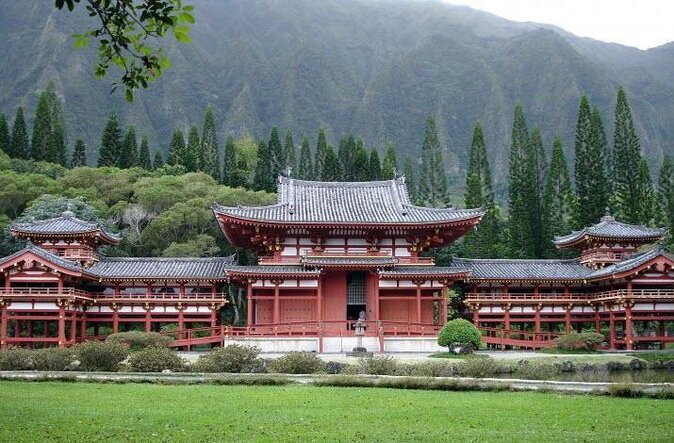
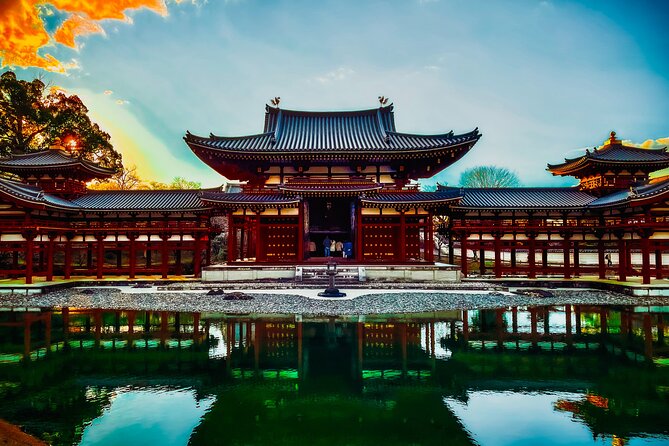
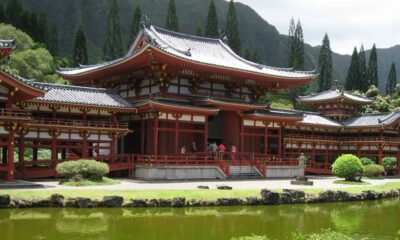
The first scheduled stop is Byodoin Temple, with about two hours allowed. The best-known building is Phoenix Hall, one of Japan’s most recognizable Buddhist structures and the image printed on the 10-yen coin.
That coin detail gives you an easy way to appreciate the building. Once you see Phoenix Hall in person, the design on the coin becomes more than a familiar piece of change. The hall sits as a carefully balanced image of the Buddhist Pure Land, a vision of paradise represented on earth.
This is also the tour’s strongest historical anchor. The day later moves into tea farms and small temples, but Byodoin reminds you that Kyoto’s tea traditions did not grow in isolation. Religious centers, monks, aristocrats, warriors, and rural farmers all helped shape how tea was grown, prepared, and valued.
Admission to Byodoin is not included. The listed fee is ¥600 per person. Allow extra time for the visit, since the stop is scheduled for two hours and is more than a quick photo stop.
The drawback is simple: Byodoin is a major sight, so it may feel less remote than the later countryside. Still, it earns its place because it gives the rest of the day a clear cultural frame.
Wazuka-cha Cafe and a proper tea break
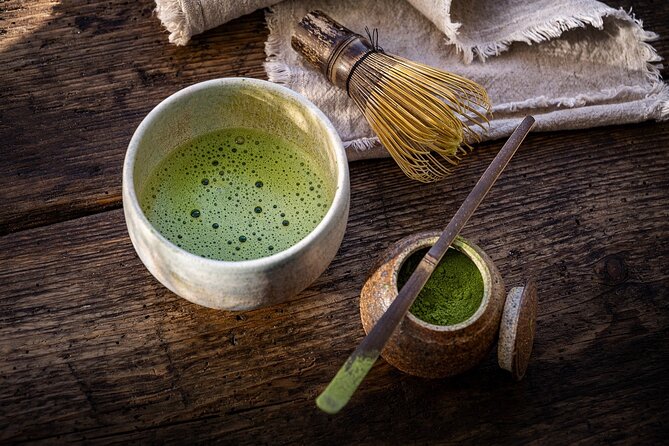
After Byodoin, the tour moves toward Wazuka, an area known for producing high-quality Japanese green tea. The cafe stop lasts about an hour and is one of the day’s most appealing parts for anyone who wants to taste tea rather than only photograph it.
You can expect local tea and matcha-based sweets, with tea supplied by farmers in the area. The experience is more useful than buying a random green tea drink in central Kyoto because you are tasting products close to where they are grown.
The tour information presents Wazuka tea as especially pure and authentic, even when compared with the better-known Uji name. I would treat that as a local point of pride rather than a rigid ranking. The important point for you is that Wazuka is a serious tea-growing district, and the cafe gives you a chance to taste its character.
Tea shopping is another reason to bring room in your luggage. Premium tea is described as costing around half to one-third of city prices. That can make the stop good value if you already plan to take matcha or loose-leaf tea home.
Your own tea or coffee purchases are not included, so plan to pay separately at the cafe. The stop is also a natural place to ask Daiki about preparation, grades, and the difference between tea intended for everyday drinking and tea sold as a premium product.
Ishitera and the tea fields reaching upward
The Ishitera Tea Plantation stop lasts about 30 minutes, but it may be the visual high point of the tour. The tea bushes are planted in tidy rows that sweep up the hills, creating the famous effect of green fields reaching toward the sky.
These are working tea farms, not a manufactured attraction. That is what gives the view its appeal. The rows have a clear purpose, yet from a distance they form broad curves and repeating patterns that look almost designed for a photograph.
The scenery changes with the season. The fields are especially fresh in spring and summer, but the tour also emphasizes that the carefully maintained evergreen rows remain attractive in winter. You should not assume that a cold-weather visit will mean bare, dull scenery.
Thirty minutes is enough for a photo stop, but not enough for a long walk through the farming area. Wear shoes that handle short walks and uneven ground. The tour notes that some walking and stairs are required, though most people can participate.
This is one place where a private vehicle has a real advantage. The tea farms are not the kind of sight you can easily fold into a standard Kyoto rail itinerary.
More Green Tea Tours in Kyoto:
- Matcha Green Tea Plantation and Matcha Factory Visit
★ 5.0 · 6 reviews - Family Mitsui House Museum with green tea admission ticket
★ 4.0 · 5 reviews - Experience all of Japanese culture and Japanese food experience classes “origami, udon, Japanese food, green tea, calligraphy” in 4 hours
★ 5.0 · 105 reviews - Uji: Green Tea Tour with Byodoin and Koshoji Temple Visits
★ 4.8 · 72 reviews
Ujitawara and the story behind Japanese tea

The next countryside stop is Ujitawara-cho, another major tea-producing area. The area is associated with Japanese green tea and matcha, and the tour presents it as a place connected to the development of these traditions.
You will stop at a tea field where you can walk on one farm and take photographs. That small detail changes the experience. You are not only looking across a valley from a roadside viewpoint. You get closer to the rows and can see how carefully the plants are arranged.
I like this stop because it adds texture to the scenery. Ishitera offers the large, sweeping view. Ujitawara gives you a more immediate sense of the farm itself.
The scheduled visit is about 30 minutes, so expect a focused stop rather than an agricultural lesson. Ask questions while you are there, especially if you want to understand the difference between the various tea areas around southern Kyoto.
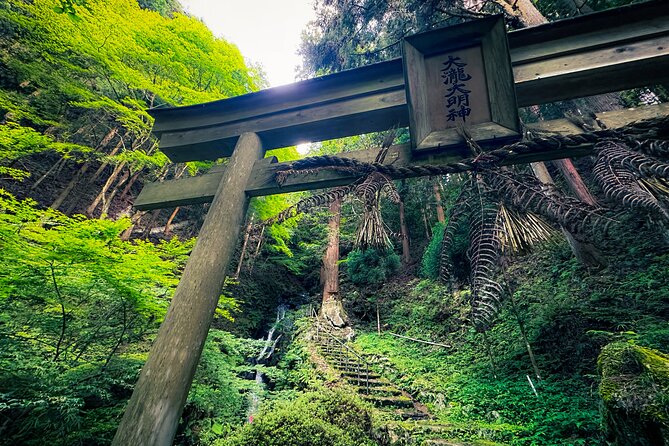
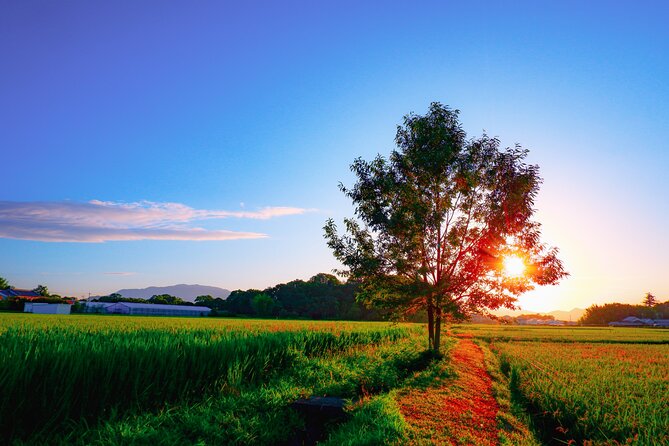
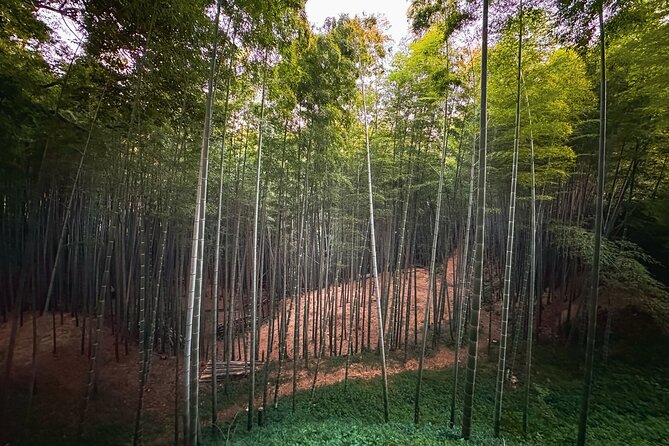
The surrounding drive is part of the appeal. Past bookings describe mountain roads lined with bamboo and tall Japanese red cedars, along with views of rural Japan that are easy to miss when you stay on the main tourist routes. The ride may be as memorable as the brief stop itself.
Shoju-in and the heart-shaped tea room window
Shoju-in is scheduled for about an hour and 30 minutes, making it the longest stop after Byodoin. This small temple sits in the southern countryside and is known for a heart-shaped window in its tea room.
The window is an obvious photo draw, but the visit offers more than a single picture. After the wide tea fields and long rural drive, Shoju-in provides a compact temple setting where the focus turns back to design, belief, and quiet observation.
The temple requires a separate admission fee of ¥1,000 per person. Include that in your budget along with Byodoin’s ¥600 fee and any drinks or sweets you buy during the day.
The drive to Shoju-in can take about an hour from central Kyoto, according to the tour information. That is a serious time commitment, but it explains why this experience works better by private vehicle than by public transportation. You are paying partly for access to places that would be awkward to connect on your own.
The route may change because of closures, road conditions, or crowd levels. Seasonal versions may also include special stops for cherry blossoms, plum blossoms, or autumn color. Think of the published route as the planned shape of the day, not an absolute promise that every stop will remain identical.
What the vehicle and private format add
For two to six people, transportation is provided in an air-conditioned Nissan van. For one person, the listed vehicle is an open-air convertible Mini Cooper.
The van is the sensible choice for families, couples, or friends who want space and weather protection. One booking with several American-sized adults found the vehicle comfortable, which is useful context if you are concerned about a cramped ride.
The Mini Cooper gives a solo booking a different feel. One person specifically enjoyed the convertible on Japanese roads, especially with the countryside views along the way. It is a fun option, but the weather will matter more than it would in the van.
Pickup and drop-off are described as pinpoint, and the starting and ending locations can be different. That flexibility is valuable at the end of a long sightseeing day. Daiki has also helped with practical endings, including a restaurant drop-off, though you should confirm any special request before departure rather than count on it.
Fuel and highway fees are included. That removes two costs that can make a private rural excursion harder to price.
Is $250.38 good value?
The listed price is $250.38 per group of up to six people. That is not a per-person fare. For six people, the cost works out to about $42 per person before admission fees and personal purchases. For two people, it is about $125 each. For a solo visitor, the price is much harder to justify purely on transportation cost.
The value improves if you want places that require a car. You are paying for a private vehicle, fuel, highway fees, pickup and drop-off flexibility, and a guide for roughly five and a half hours. You are also avoiding the time and uncertainty of connecting rural temples, cafes, and tea fields by public transport.
For a group of friends or a family, I consider the price reasonable if the tea country is a priority. For one person, the convertible Mini Cooper and personal attention may justify the cost, but budget-conscious solo visitors should compare it carefully with a shared excursion.
Remember the extra fees:
- Byodoin: ¥600 per person
- Shoju-in: ¥1,000 per person
- Tea, coffee, and matcha purchases: paid separately
The best value comes when you also buy tea to take home, since the local pricing may be much better than central Kyoto shops.
What kind of day should you expect?
This is a sightseeing day with a strong driving component. You will stop, walk, photograph, taste tea, and listen to local stories, then return to the vehicle for the next rural location.
The itinerary begins at 1:00 pm, so it suits people who want a later start. It may work well after a relaxed morning in Kyoto, though you should not expect a short evening afterward if the route runs to its full schedule.
The pace is active but not built around long hikes. There are short walks and stairs, and most people can take part. Comfortable shoes will make the temple visits and farm stops easier.
Daiki’s strongest qualities are his energy, patience, and willingness to explain more than the basic facts. He has been praised for helping with photos, sharing Japanese history and culture during the drive, and adding useful local suggestions. Some outings have included an extra shrine, a local restaurant, hot pot, ramen, or another evening stop, but those additions should be viewed as possible personal touches, not guaranteed parts of this five-and-a-half-hour route.
Who should book it?
I would choose this tour if you have already seen several central Kyoto temples and want a quieter day outside the city. It is especially suitable for:
- Small groups that want private transportation
- Tea drinkers who want to taste and buy local products
- Photographers looking for orderly green fields and temple details
- Solo visitors attracted to the Mini Cooper option
- Families who prefer a vehicle over several train and bus changes
- Anyone who values a guide who can connect scenery with history and local life
I would think twice if your top priority is a long tea ceremony, an extensive farm visit, or a full day of walking. The cafe tasting is one stop, not a hands-on tea-making workshop. The farm visits are scenic and brief rather than detailed agricultural tours.
Should you book this private Kyoto tea tour?
Book it if you want to see a side of Kyoto that rail stations and central temple lanes do not provide. The strongest reasons are the private vehicle, the excellent mix of tea country and temples, and Daiki’s personal guiding style.
For the best value, go with two to six people, keep space in your bag for local tea, and budget the two admission fees. If you are alone, decide if the convertible ride and private attention are worth the higher per-person cost.
This is a particularly good choice for a repeat visitor or anyone who wants rural scenery without giving up a guide. It is not the cheapest way to see Kyoto, but it reaches places that are difficult to connect independently and gives the day a clear sense of place.
FAQ
How long does the tour last?
The tour lasts approximately five hours and 30 minutes.
What time does the tour start?
The listed start time is 1:00 pm.
Is hotel pickup available?
Pickup is offered, with pinpoint pickup and drop-off. Different starting and ending locations can be arranged.
How many people can join the private tour?
The tour is private for your group. The Nissan van accommodates two to six people, while the Mini Cooper option is listed for one person.
Are transportation and highway costs included?
Yes. The air-conditioned vehicle, fuel, and highway fees are included.
Are temple admission fees included?
No. Byodoin admission is listed at ¥600 per person, and Shoju-in admission is ¥1,000 per person.
Are tea and coffee included?
No. Your own tea or coffee purchases are not included. Matcha desserts and other cafe purchases are also separate personal expenses.
Is walking required?
Yes. You should expect short walks and stairs. The tour information says most people can participate.
Can the itinerary change?
Yes. Closures, road conditions, crowd levels, and seasonal conditions can change the route. Special courses may be offered during cherry blossom, plum blossom, or autumn leaf periods.
More Tea Plantation Tours in Kyoto
- From Taipei: Thousand Island Lake and Pinglin Tea Plantation
★ 4.7 · 519 reviews - Active Volcano, Rice Field, Hot Spring, Fruit market, Tea Plantation with Lunch
★ 5.0 · 513 reviews - Furnas: Tea Plantations, Lake and Volcano Guided Tour
★ 4.8 · 511 reviews - São Miguel: Furnas Volcano & Tea Plantation Tour with Lunch
★ 4.9 · 375 reviews
Just added around Kyoto
- Uji Walking Tour – Byodo-in temple and Tea Ceremony from Kyoto★ 3.5 · 3 reviews
- Tea ceremony at Kyoto’s Zen Temple Teahouse★ 5.0 · 2 reviews
- Kyoto: Authentic Tea Ceremony in a Small Group★ 5.0 · 7 reviews
- Tea Ceremony in 150 Years Old Townhouse with Tables and Chairs★ 5.0 · 22 reviews
- Traditional Tea Ceremony in Kyoto★ 4.5 · 3 reviews
- Silent Beauty of Kyoto Zen Walk and Tea Experience★ 5.0 · 2 reviews
- Tea Ceremony Experience in Traditional Kyoto Townhouse★ 5.0 · 19 reviews
- Kyoto Private Tea Ceremony at a Japanese Inns★ 5.0 · 12 reviews
Green Tea Tours in Japan, compared.
Green Tea Tour with Byodoin and Koshoji Temple Visits
Read our review →
Osaka; Japanese Tea ceremony experience, Macha and Sencha
Read our review →
Slow Cycling Tour at Uji’s Matcha Green Tea Fields and Heritage
Read our review →
Sencha-do the Japanese Tea Ceremony Workshop in Kyoto
Read our review →
Uji Tea Ceremony and UNESCO Heritage Walking Tour
Read our review →Browse the lists this tour appears in