
Review · TOKYO
Ginza Tokyo: Easy Matcha (Green Tea) Experience
Slow down in Ginza. This 30-minute matcha experience gives you a calm break from Tokyo streets while showing you how powdered green tea is prepared and enjoyed. You make your own matcha, taste it with a wagashi sweet, and hear a short lesson on tea ceremony customs and matcha grinding.
I like the low price and the personal scale, since the experience is designed for one or two people. I also like that it does not demand formal ceremony manners or special clothing. The main consideration is its short length: if you want a full traditional tea ceremony in a dedicated tea house, this casual format may feel too brief.
Key Points
- Make your own matcha: You prepare powdered green tea yourself after a short explanation of the process.
- Small one-to-two-person format: The experience is suited to an individual or a couple, rather than a large group.
- Ginza location: Japan Premium Lounge Cafe is at 8-3-11 Ginza, in the 1F Wako Building.
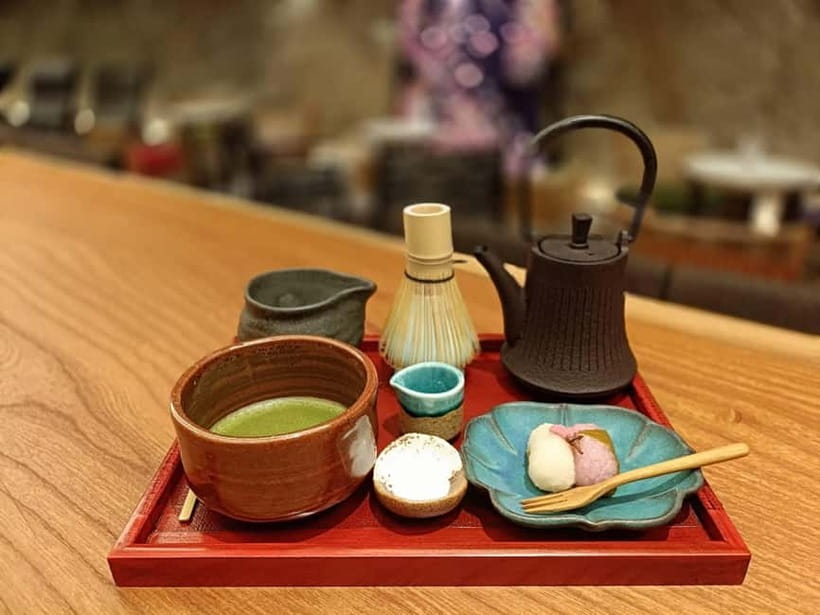
- Tea and wagashi included: Your cup of matcha comes with a Japanese sweet, giving you the classic bitter-and-sweet pairing.
- A practical sightseeing pause: At around 30 minutes, it fits neatly between other Tokyo plans.
- Friendly instruction: Aki has been praised for being welcoming, thorough, and happy to answer questions.
Why This Short Ginza Experience Works
Tokyo can wear you out. Ginza adds bright signs, department stores, polished shops, and plenty of walking to the usual city load. This activity gives you a chair, a cup of tea, and a quiet lesson without asking you to sacrifice half a day.
The experience is built around participation. You are not only watching someone prepare matcha while you sit back. After a brief lecture, you make your own powdered tea and then drink it with a wagashi sweet. That small act makes the tradition easier to understand.
I also appreciate the plain, casual approach. Formal tea ceremonies can involve strict movements, kneeling, special rooms, and rules that may be unfamiliar to first-time visitors. Here, the focus is on learning the basics and enjoying the drink. You still get a taste of tea ceremony culture, but the setting is less intimidating.
The format is especially practical for one person or a couple. The experience is described as being for one to two people, so you can expect a more personal encounter than a large class usually allows. That also means you should not book it expecting a busy group event or a long social gathering.
More Green Tea Tours in Japan
- Experience all of Japanese culture and Japanese food experience classes “origami, udon, Japanese food, green tea, calligraphy” in 4 hours
★ 5.0 · 105 reviews - Authentic Japanese tea tasting: sencha, matcha and gyokuro
★ 5.0 · 12 reviews - Authentic Japanese tea tasting session: sencha, matcha, gyokuro
★ 5.0 · 11 reviews
Finding Japan Premium Lounge Cafe in Ginza
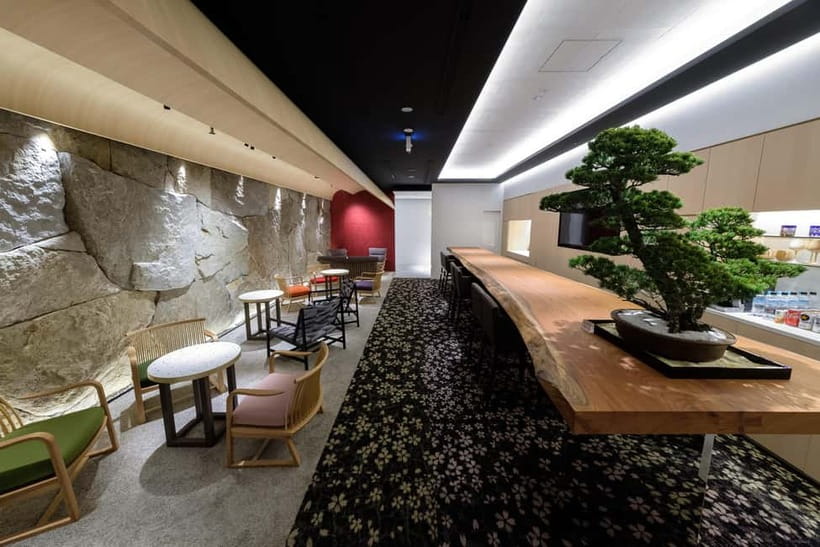
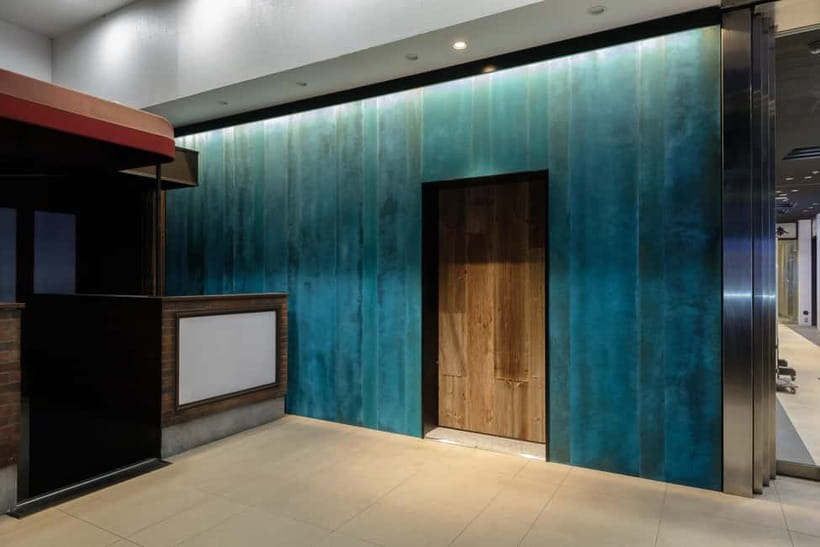
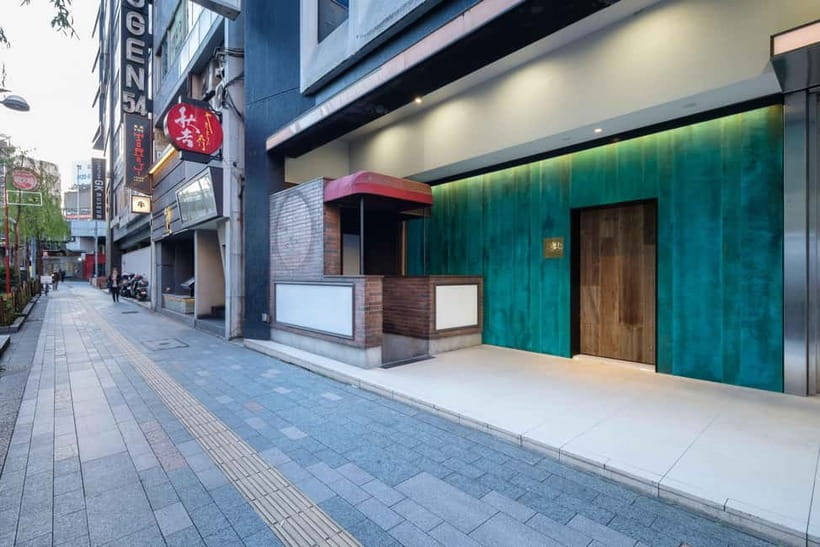
The meeting point is Japan Premium Lounge Cafe at 8-3-11, Ginza, Chuo-ku, Tokyo, on the first floor of the Wako Building. The cafe has entrances on two sides. Look for the black door on the west side or the green wall and wooden door on the east side.
This detail matters in Ginza, where a short walk can become confusing when you are looking at shop signs, building fronts, and different street corners. Give yourself enough time to identify the building rather than arriving at the last minute.
The experience begins and ends at the same place. That makes it easy to continue sightseeing afterward. You do not need to arrange a separate return ride or work out where the activity finishes.
The location also makes sense for the experience itself. You are not being sent far outside central Tokyo for a formal cultural program. You are stepping into a cafe setting in one of the city’s best-known shopping districts, taking a short cultural break, and then returning to your day.
The Brief Lesson Before You Make Tea
The session begins with an explanation of the tea ceremony and the art of matcha grinding. The lesson is brief, so you should not expect a long historical lecture or a technical class on every school of Japanese tea.
Still, this introduction gives useful context. Matcha is not simply green tea poured into hot water. It is powdered tea prepared as a drink, and the preparation affects how you experience it. The lesson helps you understand what you are doing before you pick up the tools and begin.
The instructor also introduces tea ceremony ideas in a casual way. This is helpful if you are curious about Japanese customs but do not want to worry about performing every gesture correctly. You can ask questions, listen, and focus on the meaning behind the actions.
Aki has been described as especially kind, welcoming, and willing to answer questions. Another strong point is the thorough explanation of techniques and history. Those qualities matter in a short activity because clear instruction keeps the experience from feeling rushed.
You will not leave as a tea master after 30 minutes. That is not the promise. The value comes from getting a clear first look at the process and learning enough to drink the tea with a better sense of what you are tasting.
Making Your Own Powdered Matcha
The hands-on part is the heart of the session. After the explanation, you prepare your own powdered matcha. The supplied details describe instruction in the art of matcha grinding, followed by making and drinking the tea in a casual manner.
This is a good setup for first-time visitors. You do not need prior knowledge, and you are not expected to arrive with special equipment. The activity is designed to be easy to join, which makes it suitable for a quick stop during a day in Tokyo.
I like the fact that you get to drink tea you helped prepare. Even a simple cup feels more memorable when you understand part of the work behind it. The preparation gives you something to do with your hands, rather than turning the session into a passive demonstration.
The casual style also lowers the pressure. If you make a small mistake, the point is to learn and enjoy the process. This is not presented as a demanding performance. It is a friendly introduction that lets you experience a traditional drink without requiring formal ceremony behavior.
The exact level of hands-on work may depend on the instructor and the session, so you should think of the grinding lesson as an introduction rather than a full workshop. If your main goal is to study tea preparation in detail, look for a longer class. If you want to try matcha and learn the basic steps, this format is well suited.
More Matcha Experiences in Tokyo
- Matcha Making Class in Tokyo with Authentic Japanese Sweets Set
★ 5.0 · 744 reviews - Tokyo: Matcha Making Experience with Mochi Sweets in Asakusa
★ 4.9 · 388 reviews - Asakusa Cultural Walk & Matcha Making Tour
★ 5.0 · 245 reviews - Tokyo: Matcha and Kimono Experience
★ 4.7 · 219 reviews
Matcha and Wagashi: A Classic Pairing
After preparing the tea, you enjoy a cup of matcha with a wagashi, a Japanese sweet. That pairing is important because wagashi is not just a snack added to the booking. Sweetness helps balance matcha’s strong, earthy bitterness.
For many people, the first taste of matcha can be surprising. It is more concentrated than ordinary steeped green tea and may have a pronounced flavor. The wagashi gives your palate a gentler counterpoint.
This part of the session is also where the activity becomes a real pause. Instead of rushing from one sight to the next, you sit with the drink and take a moment. At about 30 minutes, it is long enough to reset without taking over your day.
The drink and sweet are included in the $13 price. That makes the experience easy to understand financially. You are paying for a guided cultural activity, the tea, the wagashi, and the chance to prepare the matcha yourself. For Ginza, where food and drink stops can quickly cost more than expected, this is a modest way to add a Japanese tradition to your schedule.
The value is strongest if you want context and participation. If you only want a cup of green tea, a cafe may be simpler. If you want to learn what makes matcha special and try preparing it, this activity offers more for the same short break.
A Casual Alternative to a Formal Tea House
This experience is intentionally different from a formal tea ceremony house. That distinction should guide your expectations.
A traditional ceremony may emphasize careful movements, prescribed etiquette, formal rooms, and a longer sense of occasion. This activity focuses on access. You can learn the basic idea of the tea ceremony, make the drink, enjoy a sweet, and ask questions without needing to know the rules in advance.
That makes it a good first step for curious adults, couples, and solo visitors. It can also work well for someone who has limited time in Tokyo but still wants a cultural activity beyond shopping and sightseeing.
The tradeoff is depth. A short, casual experience cannot cover every part of Japanese tea culture. It also may not provide the quiet ceremonial atmosphere that some people specifically seek. You should book it for an approachable introduction, not as a replacement for a full formal ceremony.
Comfortable clothing is all you need to bring. The activity does not call for special dress, and the casual format should feel manageable after a morning of walking around Ginza.
Who Will Get the Most From It
I would recommend this experience to you if you want one or more of the following:
- A short cultural activity in central Tokyo
- A first introduction to matcha
- A relaxed break between Ginza sightseeing stops
- A small experience for one person or a couple
- A chance to ask questions in English or Japanese
- A hands-on activity rather than a simple tea tasting
The English and Japanese language options make the session easier for international visitors. The praise for Aki’s kindness and careful explanations is also encouraging if you feel unsure about trying a Japanese custom for the first time.
The activity is not suitable for children under five. Older children may need to follow the provider’s current rules, but the confirmed restriction is that children younger than five cannot take part.
I would be less likely to recommend it if you want a full afternoon program, a large cultural class, or an elaborate formal setting. The short format is its advantage for some people and its limitation for others.
Timing, Price, and Planning Your Stop
The experience runs from 10:00 to 18:00, with an approximate duration of 30 minutes. That gives you plenty of room to place it before lunch, during an afternoon shopping break, or near the end of a Ginza visit.
Because it ends at the meeting point, you can continue directly into the rest of your plans. The fixed cafe location also means you do not need to manage transportation during the activity.
At $13 per person, the price is reasonable for a guided cultural stop that includes matcha and wagashi. The strongest value comes from the small group format and the teaching. You are not paying only for a drink. You are paying for an explanation, preparation practice, and a chance to ask questions.
The reserve-and-pay-later option can help if your Tokyo schedule is still changing. You can reserve a place without paying immediately. Cancellation is allowed up to 24 hours in advance for a full refund, which gives you some protection if your plans shift.
I would still avoid booking it at the exact edge of a packed schedule. The activity itself takes about 30 minutes, but you need time to reach the Wako Building and find the correct entrance.
Should You Book This Matcha Experience?
Book it if you want a short, friendly, low-cost introduction to matcha in a central Tokyo setting. The one-to-two-person format, included wagashi, and patient teaching make it a better choice than a quick tea purchase if you want to understand what you are drinking.
I especially like it for first-time visitors who have a full Ginza schedule but still want one meaningful cultural activity. Aki’s warm teaching style, careful explanations, and willingness to answer questions add real value to the short session.
Skip it if your goal is a formal tea ceremony with strict etiquette, a long lesson, or a highly traditional tea-house setting. For everyone else, $13 buys a pleasant pause, a hands-on introduction, and a taste of Japanese tea culture without making your day complicated.
FAQ
How long does the matcha experience last?
The experience lasts approximately 30 minutes.
Where does the activity take place?
It takes place at Japan Premium Lounge Cafe, 8-3-11, Ginza, Chuo-ku, Tokyo, on the first floor of the Wako Building.
Where does the activity end?
The activity ends back at the meeting point, Japan Premium Lounge Cafe.
What is included in the price?
The price includes one cup of matcha, one wagashi Japanese sweet, a brief lecture on the tea ceremony experience, and a photo opportunity.
How many people can join?
The experience is designed for one to two people.
What languages are available?
The experience is available in English and Japanese.
What should I wear or bring?
You should bring comfortable clothes. No special clothing is listed as required.
Can children take part?
Children under five are not permitted to join the experience.
What are the opening hours and cancellation terms?
The activity is open from 10:00 to 18:00. You can cancel up to 24 hours in advance for a full refund.
More Green Tea Tours in Tokyo
- Uji: Green Tea Tour with Byodoin and Koshoji Temple Visits
★ 4.8 · 72 reviews - Scenic Green Tea Fields of Hidden Kyoto & Local Tea Exp (Private)
★ 5.0 · 32 reviews - Osaka; Japanese Tea ceremony experience, Macha and Sencha
★ 4.9 · 29 reviews - Kyoto Matcha Green Tea Tour
★ 4.7 · 28 reviews
Just added around Tokyo
- Yokohama : Tea Ceremony with Sweets and Souvenir★ 5.0 · 5 reviews
- Walking Tour: Yanaka,Nezu& Sendagi: Tea Ceremony & Old Tokyo★ 5.0 · 3 reviews
- Private Kimono and tea ceremony at local home near Tokyo Disney★ 5.0 · 6 reviews
- Private Mochi・Matcha sweets Making Class Near Shibuya Area★ 5.0 · 22 reviews
- Tokyo Sweets Tour: Hidden Gems & Matcha at an Old Tea House★ 5.0 · 6 reviews
- Kimono and Tea Ceremony in Asakusa Private Food Tour With Guide★ 5.0 · 4 reviews
- 2 Hours Mochi &Nerikiri Making & Matcha Class in Bunkyo★ 5.0 · 21 reviews
- Tokyo Tea Ceremony Class at a Traditional Tea Room★ 5.0 · 2 reviews
Matcha Experiences in Tokyo, compared.

Matcha Making Class in Tokyo with Authentic Japanese Sweets Set
Read our review →
Matcha Making Experience with Mochi Sweets in Asakusa
Read our review →
Asakusa: Kimono Tea Ceremony with Matcha and Sweet
Read our review →
Make Traditional Nerikiri Sweets & Matcha experience in Shibuya
Read our review →
Browse the lists this tour appears in