
Review · OSAKA
Osaka: Private Tea Ceremony Experience
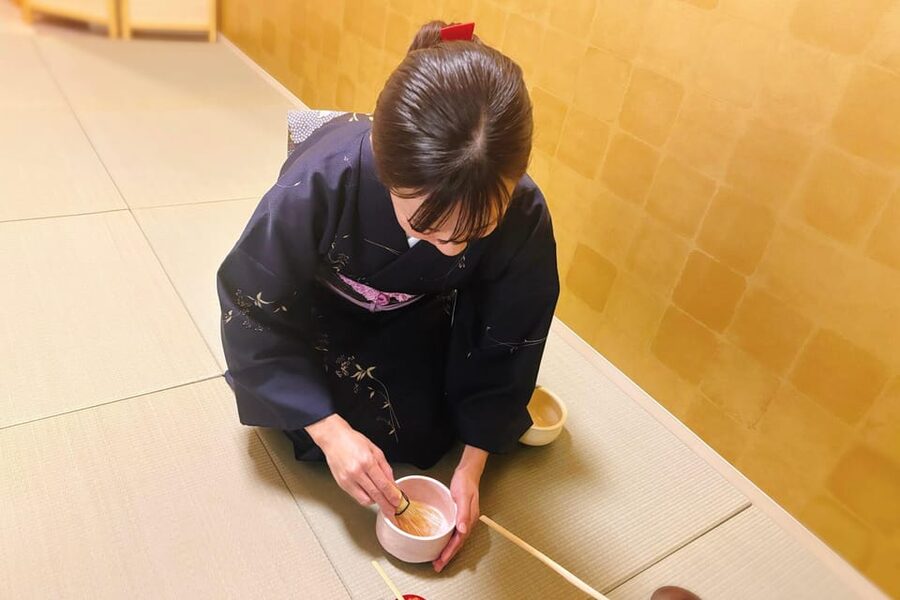
Tea slows Osaka down. This one-hour private experience gives you a quiet break in Namba, with hands-on matcha making, Japanese sweets, and a friendly instructor guiding your group through the ceremony. I especially like the private format, which lets you ask for photos, take your time, or adjust the pace for children. The chance to make your own tea, rather than simply watch a demonstration, is another strong point.
The main thing to consider is that this is a short introduction, not a full-day study of Japanese tea culture. The studio is not suitable for wheelchair users, and you need to bring socks because the activity takes place in a traditional setting where footwear may not be worn.
Key Points At A Glance
- Private group setting: You share the experience only with your own group, making it easier to ask questions and set a comfortable pace.
- Hands-on matcha making: You learn the basic process, select a tea bowl, and prepare matcha yourself.
- Two chances for sweets: Japanese sweets are served at two points during the ceremony, with several varieties included.
- Central Namba location: The studio is close to Shinsaibashi-suji shopping street and easy to fit into an Osaka sightseeing day.
- English and Japanese instruction: A friendly instructor guides the group in either language.
- Strong family appeal: A family of four found the pace a good fit, while another participant described the experience as peaceful.
A Quiet Hour In The Middle Of Namba
Namba is one of Osaka’s busiest tourist areas. Shopping streets, restaurants, and bright signs fill the surrounding streets. That makes this tea ceremony a useful change of rhythm. You can step away from the noise for an hour and focus on a small number of deliberate actions: choosing a bowl, preparing matcha, tasting sweets, and learning the basic etiquette of the ceremony.
The experience is operated by Japanese Culture Experience WA NO MA. It is designed for one private group at a time, rather than a large class. That matters more than it might sound. If you have a young child, someone who needs extra time, or a group member who wants lots of photographs, you can ask the instructor to adjust the pace.
The private arrangement also removes some of the pressure that can come with traditional cultural activities. You do not need to worry about holding up a large class or making a mistake in front of strangers. The instructor stays close to all participants and helps you through each stage.
This is not a formal ceremony where you sit silently and watch from a distance. It is a friendly lesson with a ceremonial feel. You learn the basic steps, then try them yourself. The mood is calm and welcoming, and the activity is meant for first-time participants.
More Private Tea Experiences in Japan
- Osaka: Private Tea Ceremony and Calligraphy Experience
★ 5.0 · 50 reviews - Private Tea Ceremony and Sake Tasting in Kyoto Samurai House
★ 5.0 · 163 reviews - Tea Ceremony Experience in a Private Tea Room in Shibuya
★ 4.9 · 125 reviews
Finding The Studio Near Shinsaibashi
The meeting point is outside the main entrance of New Osaka Hotel Shinsaibashi. From there, walk west for about 30 seconds. A blue vending machine near the entrance helps identify the spot.
The instructor waits outside five minutes before your scheduled time and wears a kimono. That is a useful detail in central Osaka, where hotel entrances and nearby streets can look similar. Arrive a little early so you are not trying to match a blue vending machine with one eye on the clock.
The studio’s Namba location is one of the experience’s practical strengths. You can pair the tea ceremony with shopping along Shinsaibashi-suji, sightseeing around Namba, or a meal in the area. Since the activity lasts only one hour, it fits neatly into a crowded Osaka schedule.
The meeting instructions are simple, but do not treat the five-minute arrival window as permission to arrive late. The ceremony is private and timed for your group, so a late start can reduce the time available for instruction and tea preparation.
Choosing A Tea Bowl And Learning The Ritual
The lesson begins with an introduction to the tea ceremony and the tools used to prepare matcha. The instructor explains the process in Japanese or English, then demonstrates how to make the tea.
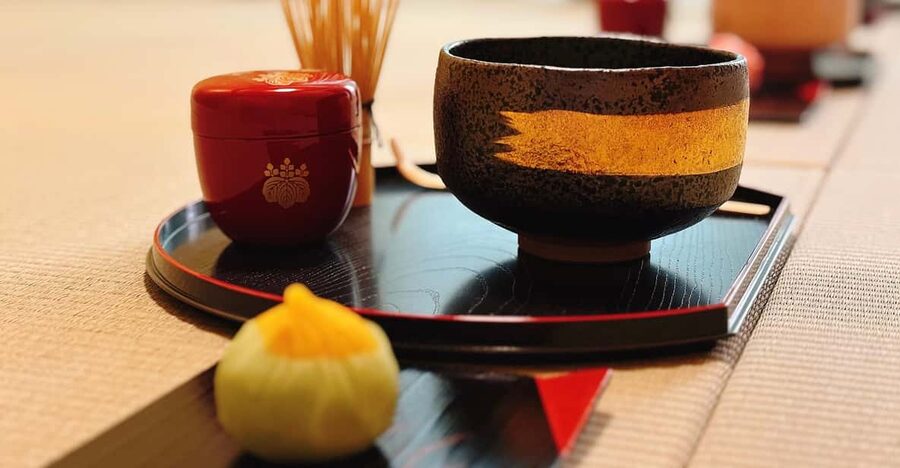
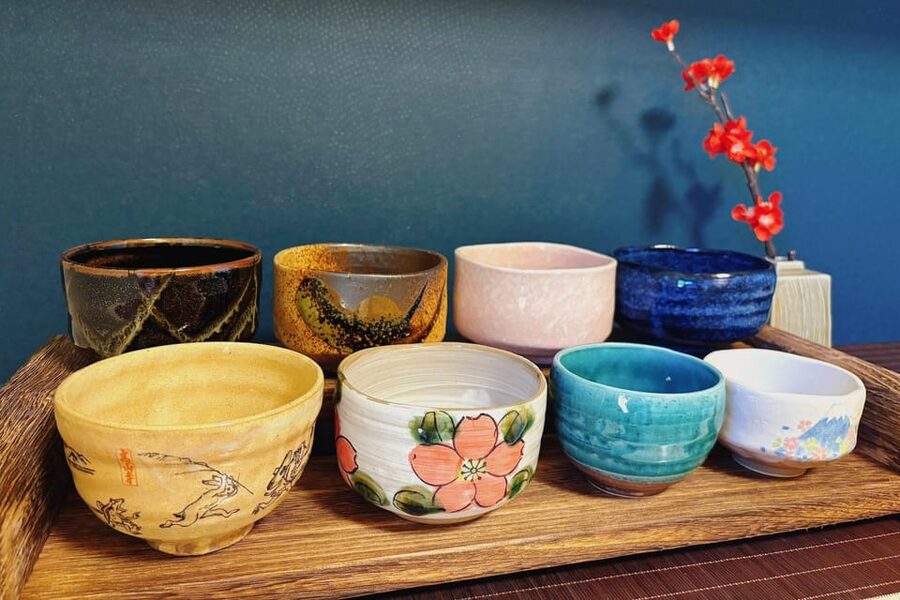
One appealing detail is the choice of tea bowl. You are invited to select the bowl that best expresses how you feel that day. This gives the activity a personal touch and helps you notice an object that might otherwise seem like simple tableware.
Tea bowls are part of the character of the ceremony. Their shape, color, and feel affect how the tea is presented and held. You do not need specialist knowledge to make a choice. The point is to pause, look at the options, and choose the one that appeals to you.
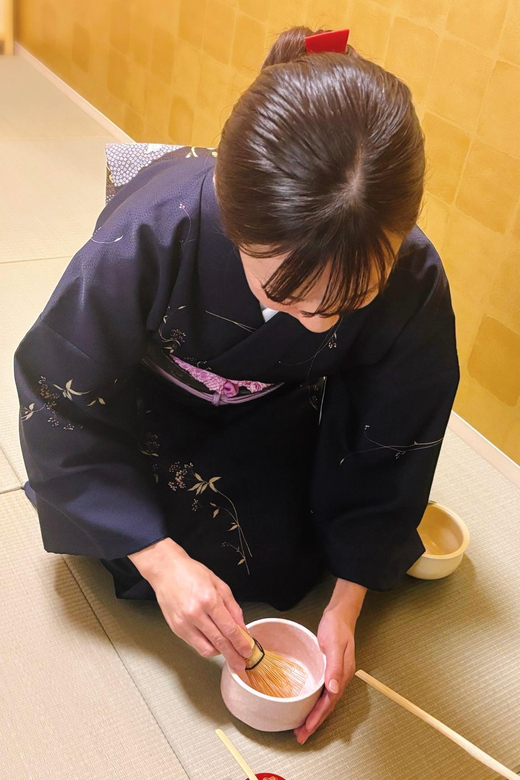
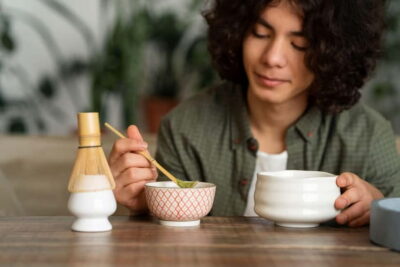
The instructor then shows you how to prepare matcha before handing over the process to you. You can expect close guidance rather than a hands-off demonstration. If your first attempt is uneven, that is part of the fun. The aim is not to produce a perfect bowl of tea on the first try. It is to understand the basic method and take part in it.
The English-language support is especially helpful here. Tea preparation has several small steps, and a clear explanation makes the activity more enjoyable. You can ask questions as they come up instead of trying to copy movements without knowing why they matter.
Making Your Own Matcha
The hands-on part is the heart of the experience. You taste matcha, learn how it is prepared, and then make your own. That simple switch from watching to doing gives the hour more substance.
Matcha has a distinctive taste that can be unfamiliar if you usually drink black tea or coffee. The Japanese sweets served with it help balance the flavor. Take small sips and notice the contrast between the tea and the sweets rather than rushing through the tasting.
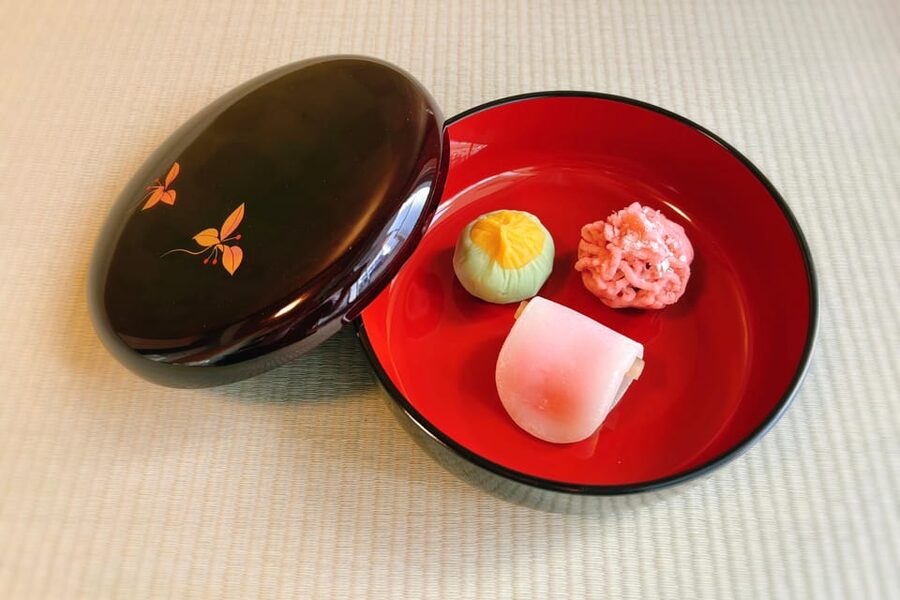
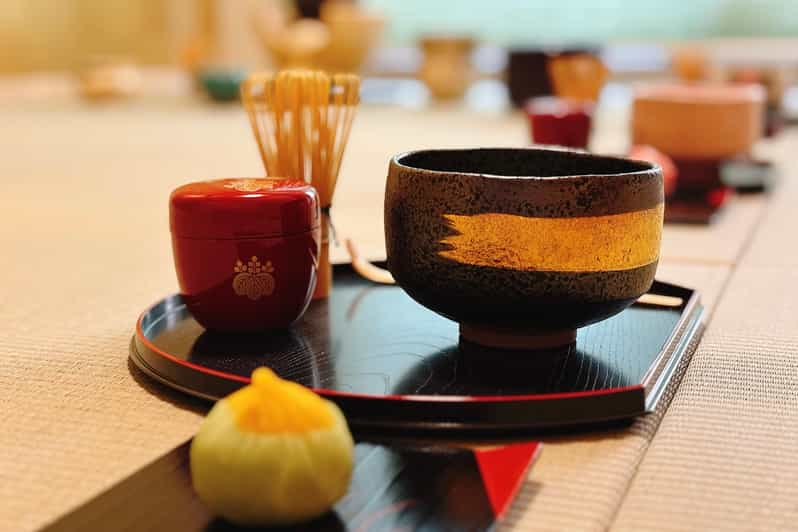
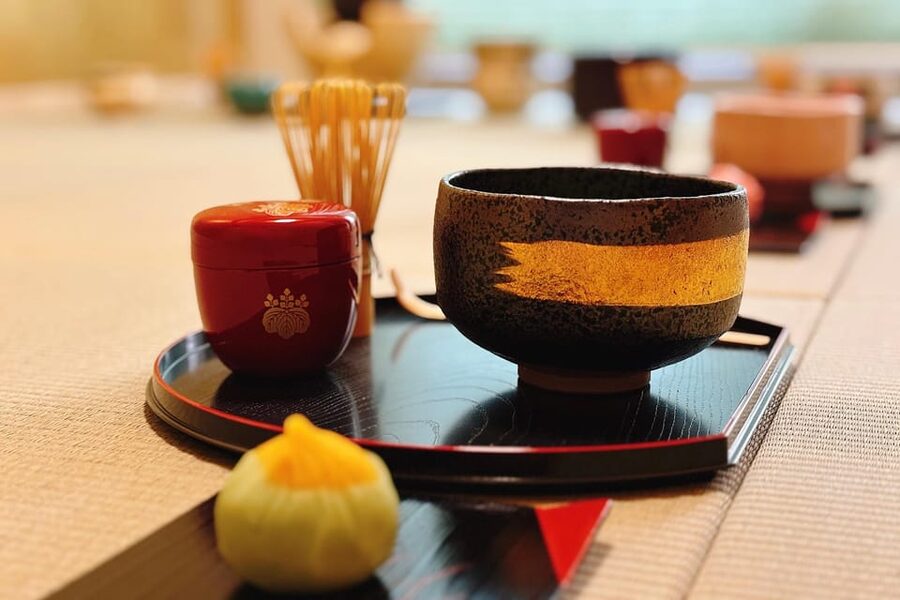
The experience includes matcha and a variety of Japanese sweets, with sweets served twice during the ceremony. This is a nice touch because the food is not treated as a single afterthought at the end. It forms part of the rhythm of the lesson.
The sweets also give you a small introduction to how Japanese tea is enjoyed. Their flavors and textures are meant to work with the matcha. You do not need to know the names or rules in advance. The instructor guides you through the order and explains what to do.
A German participant praised the clear explanations, the chance to try preparing the tea, and the tasty sweets. Those are the most important strengths of the activity: you are not just shown a cultural custom, and the lesson does not become so serious that it loses its appeal.
More Tea Ceremonies in Osaka
- Osaka: Tea Ceremony Experience
★ 4.9 · 1,426 reviews - Tea Ceremony Experience in Osaka Doutonbori
★ 5.0 · 754 reviews - Osaka: Tea Ceremony, Calligraphy, and Kimono Experience
★ 4.9 · 130 reviews - Osaka: Japanese Traditional Sweets Making and Tea Ceremony
★ 4.7 · 118 reviews
Why The Private Format Helps Families
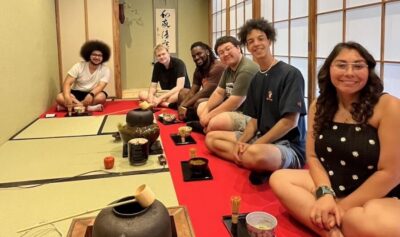
A family of four found the pace well suited to their group. That is useful guidance if you are considering the experience with children. The private format allows the instructor to slow down, repeat an explanation, or take extra photographs without affecting another group.
You can also make requests in advance or at the start. For example, you can ask the instructor to take lots of photos or proceed slowly to match a child’s pace. The ability to set the tempo makes this more flexible than a standard group class.
Children may enjoy the selection of the tea bowl and the physical act of whisking matcha. Adults may appreciate the quieter mood and the chance to learn something connected to Japanese culture without committing to a long formal lesson.
There are still a few practical limits. The activity requires participants to bring socks, and it is not suitable for wheelchair users. If anyone in your group has mobility concerns, check this carefully before booking. Also remember that the experience is private for your group, but it is still a traditional tea setting, so respectful behavior and attention to the instructor are expected.
The Food Element: Japanese Sweets Twice
The sweets are more than decoration. They give you a way to understand why matcha is served as it is. The slightly bitter tea and sweet accompaniment are meant to balance one another, making the tasting more approachable for first-time drinkers.
You receive different types of Japanese sweets twice during the ceremony. The exact varieties are not specified, so you should not book this expecting a particular dessert or a full meal. Think of the sweets as part of the lesson and tasting rather than lunch.
The timing also helps the one-hour experience feel varied. You learn, taste, prepare, and taste again. For a short cultural activity, that is a good amount of structure without cramming in too many separate elements.
If you have dietary restrictions, the available information does not specify ingredient substitutions. Ask the provider before booking if this matters to you. The included food is described as Japanese sweets and cookies, but no detailed allergy information is provided.
What The $38 Price Buys You
At $38 per person, the value comes mainly from the private instruction. You are paying for a dedicated instructor, all fees and taxes, matcha, Japanese sweets, and the chance to prepare the tea yourself.
A public demonstration might cost less, but it would not necessarily give you the same control over timing or the same amount of personal guidance. Here, your group receives the instructor’s attention for the full activity. That makes the price easier to justify for a family, couple, or small group that wants a relaxed introduction.
The one-hour duration keeps the cost manageable and makes the activity easy to add to a day in Osaka. You do not lose half a day to a cultural class, and you can combine it with nearby shopping or sightseeing.
Still, value depends on your expectations. If you want a long historical lecture, a formal multi-course tea gathering, or extensive training in tea ceremony etiquette, this will feel brief. If you want an accessible first encounter with matcha and Japanese sweets, the price is reasonable.
The perfect rating is based on four reviews, so it is a small sample. The comments are consistent in the areas that matter most: the experience was peaceful, the explanations were clear, and making the tea yourself added real value.
Timing, Flexibility, And Booking Details
The activity lasts one hour, with starting times based on availability. Its short length works well before dinner, after shopping, or between other plans in Namba.
You can reserve now and pay later, which helps if you are arranging a busy Japan itinerary. Free cancellation is available up to 24 hours before the scheduled time for a full refund. Keep those terms in mind if your Osaka plans are still changing.
Smoking is not allowed. Bring socks, and plan to meet the instructor outside the main entrance of New Osaka Hotel Shinsaibashi five minutes before the booking time.
Calligraphy is not included. If you want both activities, you need to book the separate tea ceremony and calligraphy plan. That distinction matters because this particular experience is focused on tea, matcha preparation, and sweets.
Who Should Book This Tea Ceremony?
I would recommend it most strongly to first-time visitors who want a manageable introduction to Japanese tea culture. You get clear instruction, a private room or setting, a chance to participate, and enough food and drink to make the activity feel complete.
Families are a good match, especially when children benefit from a slower pace. Couples and small groups who want photographs also gain from the private arrangement. The central Namba location makes it practical for anyone already planning to shop or eat nearby.
It is also a good choice if you want a calm hour in the middle of a busy Osaka day. One participant described it as excellent and peaceful, which captures the main appeal. This is not a loud attraction or a rushed photo stop. It asks you to sit still for a while, then rewards you with a simple hands-on skill.
You should think twice if anyone in your party uses a wheelchair, if you need a full meal, or if you are looking for calligraphy as well. You should also check ahead about sweets if you have allergies or strict dietary needs, since detailed ingredient information is not provided.
Should You Book It?
Book this private Osaka tea ceremony if you want a short, gentle, hands-on cultural experience in Namba. The strongest reasons are the private attention, the chance to make your own matcha, the two servings of Japanese sweets, and the flexibility to set the pace for your group.
At $38 per person, it offers solid value for an hour of dedicated instruction. Just keep your expectations in the right place: this is an accessible introduction, not an advanced tea ceremony course. Bring socks, arrive at the blue vending machine near New Osaka Hotel Shinsaibashi, and enjoy the rare chance to let Osaka slow down.
FAQ
How long does the tea ceremony last?
The experience lasts one hour.
How much does the experience cost?
The listed price is $38 per person.
Is the tea ceremony private?
Yes. The experience is for a private group, with the instructor attending closely to all participants.
Is the activity available in English?
Yes. Instruction is available in Japanese and English.
What is included in the price?
The price includes all fees and taxes, matcha, various Japanese sweets, the matcha-making experience, and an instructor.
Do I get to make my own matcha?
Yes. The instructor first teaches you how to make the tea, then you prepare matcha yourself.
Are Japanese sweets included?
Yes. Different types of Japanese sweets are served twice during the ceremony.
What should I bring?
Bring socks.
Where is the meeting point?
Meet outside the main entrance of New Osaka Hotel Shinsaibashi. Walk west for about 30 seconds, and look for a blue vending machine near the entrance.
Is calligraphy included?
No. Calligraphy is not included in this plan. You need to reserve the separate tea ceremony and calligraphy experience if you want both activities.
Can I cancel for a full refund?
Yes. You can cancel up to 24 hours in advance for a full refund.
Is the activity suitable for wheelchair users?
No. The experience is not suitable for wheelchair users.
More Private Tea Experiences in Osaka
- One-Day Hangzhou Dragon Well Tea Culture & West Lake Private Tour
★ 5.0 · 98 reviews - Kyoto: Private Tea Ceremony with a Garden View
★ 4.9 · 61 reviews - Kyoto Private Tea Ceremony with Tea Master at Home
★ 5.0 · 58 reviews - Tangier Private Tour with a Local Writer (Includes Tea & Sweet)
★ 5.0 · 52 reviews
Just added around Osaka
- Osaka:Zen Tea Ceremony and Foot Bath Experience<45min>★ 5.0 · 7 reviews
- Osaka Japanese Cooking And Matcha Class near Osaka Castle★ 5.0 · 22 reviews
- Osaka: Tea Ceremony, Calligraphy, and Kimono Experience★ 5.0 · 6 reviews
- Nara Deer Park, Uji Matcha, & Hot Spring Full-Day Tour from Osaka★ 4.0 · 21 reviews
- Osaka: Nara, Todaiji, Uji Matcha, and Hot Spring Tour★ 4.0 · 7 reviews
- Craft Sushi and Matcha Ice Cream in Central Osaka (3-Course Meal)★ 5.0 · 2 reviews
- Tea and Calligraphy Session at a Table in Osaka★ 5.0 · 4 reviews
- ZEN therapy | Shiatsu-style massage, EnergyTherapy & Japanese Tea★ 5.0 · 5 reviews
Tea Ceremonies in Osaka, compared.
Tea Ceremony, Calligraphy, and Kimono Experience
Read our review →
Japanese Traditional Sweets Making and Tea Ceremony
Read our review →
Samurai Show, Tea Ceremony, Japanese Traditional Activities
Read our review →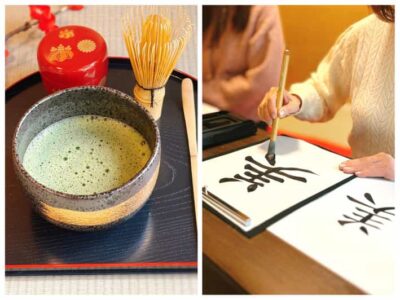
Osaka; Japanese Tea ceremony experience, Macha and Sencha
Read our review →
Samurai dress-up and shows, plus Tea Ceremony & Calligraphy
Read our review →Browse the lists this tour appears in